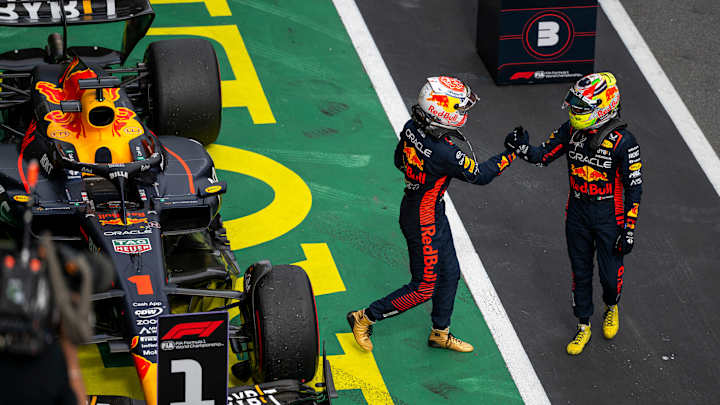
The world of Formula 1 is a shark tank. It is a sport where victory is measured in thousandths of a second, and the difference between a champion and a footnote often lies in the gray areas of a rulebook. As the sport barrels toward one of the most significant regulatory overhauls in its history in 2026, the silence of the off-season has been shattered by a bombshell report. The accusation? That the sport’s two fiercest rivals, Mercedes and Red Bull, may have already found a way to “break” the rules without actually breaking them.
The Dawn of a New Era: 2026
To understand the gravity of these allegations, one must first appreciate the seismic shift approaching the sport. The 2026 regulations represent a complete reset. The chassis is changing, active aerodynamics are replacing the Drag Reduction System (DRS), and most critically, the power units are undergoing a radical transformation. The sport is moving toward a “real hybrid era,” as Mercedes Team Principal Toto Wolff puts it, with engines that will be 50% electric and run on 100% sustainable fuels.
History tells us that regulation changes of this magnitude act as a kingmaker. When the turbo-hybrid era began in 2014, Mercedes emerged with an engine so dominant they secured eight consecutive Constructors’ Championships. Conversely, the aerodynamic reset of 2022 saw Red Bull rise to supremacy while Mercedes faltered. With 2026 offering a fresh slate, every team is scrambling to find the “silver bullet”—that one innovation that will leave the competition in the dust.
The “Grey Area” Bombshell
According to high-level sources cited by The Race, that silver bullet may have already been fired. Reports indicate that at least two manufacturers—widely believed to be Mercedes and the newly formed Red Bull Powertrains—are exploiting a specific loophole in the upcoming engine regulations. This isn’t about aerodynamics or tire strategy; this is a fundamental engineering exploit deep within the heart of the internal combustion engine (ICE).
The controversy centers on the compression ratio. In simple terms, the compression ratio is a measure of how much the air-fuel mixture is squeezed inside the engine’s cylinders before ignition. A higher compression ratio generally equals a more efficient burn and, crucially, more power.
Recognizing this, the FIA (the sport’s governing body) implemented stricter limits for the 2026 power units. The new rules cap the compression ratio at 16.0, a significant reduction from the previous allowance of 18.0. The intention was clear: limit the raw power of the combustion engine to place more emphasis on the electrical systems and sustainability.
The Loophole: It’s Getting Hot in Here
So, how does one bypass a hard numerical limit written in black and white? The answer lies in how and when that limit is measured.
The regulations reportedly state that the compression ratio compliance checks are performed when the engine is cold, or at least not at full operating race temperature. This procedural detail is the crack in the door that engineers have seemingly kicked wide open.
The allegation is that Mercedes and Red Bull have designed their power units with materials and geometries that allow the engine to physically expand or alter its internal dimensions as it heats up. While the engine sits obediently at a 16.0 compression ratio in the garage during inspection, the intense heat of racing conditions causes the cylinders to shift, effectively increasing the compression ratio beyond the legal limit while the car is on track.
It is a classic Formula 1 “cheat”—technically legal by the letter of the testing procedure, but potentially a flagrant violation of the rule’s intent. If successful, this trick could allow these teams to run significantly more powerful engines than their rivals, eking out horsepower that simply shouldn’t exist under the 2026 framework.
Mercedes: Chasing the Ghost of 2014
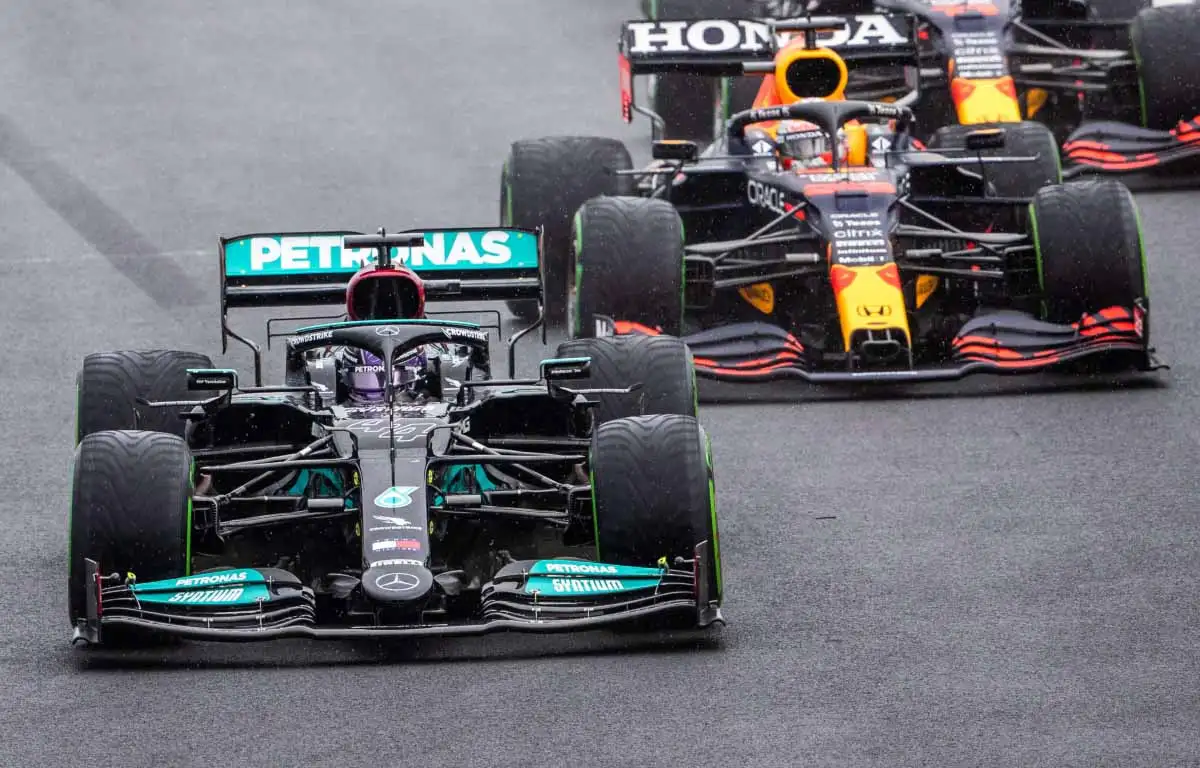
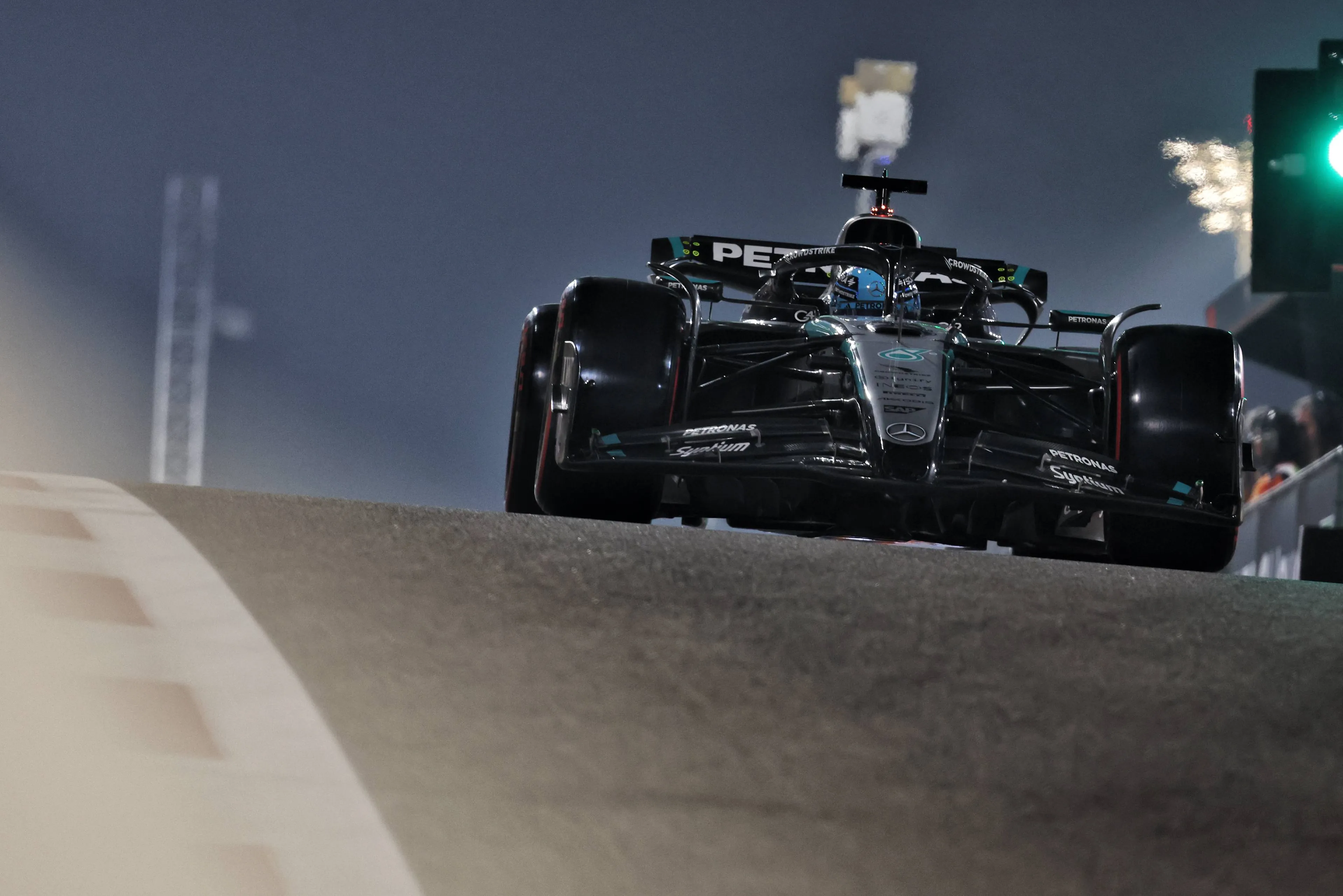
For Mercedes, this rumor aligns perfectly with their public narrative. After struggling to grapple with the “ground effect” cars of the current era, the team views 2026 as their return to glory. Toto Wolff has been vocal about his excitement, recently sharing his enthusiasm after seeing the first iterations of the 2026 car in the simulator.
“We are starting in the real hybrid era,” Wolff told the team’s social media channels. “We are driving 50% electric engines with sustainable fuel, and that almost… gives it one notch of innovation more.”
That “notch of innovation” might be doing a lot of heavy lifting. Mercedes knows better than anyone that nailing the engine regulations is the surest path to dominance. If they have indeed found a way to maximize the combustion engine’s output while others play it safe, they could be looking at another dynasty reminiscent of their 2014-2021 reign.
Red Bull: The High-Stakes Gamble
For Red Bull, the stakes are arguably even higher. 2026 marks the first time in the team’s history that they will be competing as a fully independent engine manufacturer. Moving away from Honda to build their own power units under “Red Bull Powertrains” is a massive financial and technical risk.
Failure is not an option. If Red Bull’s first in-house engine is a dud, it could sink the team for years. However, if they have collaborated (or arrived independently) at the same loophole as Mercedes, it proves that their new engine department is already operating at the highest level of F1 cunning. It suggests they aren’t just learning how to build engines; they are learning how to exploit the rulebook just as well as the established giants.
The Gathering Storm
The fallout from this discovery could be immediate and messy. While no formal protests have been lodged yet—largely because the cars haven’t hit the track—rival manufacturers are reportedly furious. The “gentleman’s agreement” of Formula 1 is often non-existent, and suspicion is rampant.
If the FIA does not close this loophole before the season begins, we could be heading toward a legal showdown at the very first race in Australia. The regulations leave the door open for teams to lodge protests if they feel a competitor is operating outside the rules. Imagine the scene: the checkered flag waves in Melbourne, but the result remains provisional for weeks as lawyers and engineers argue over the thermal expansion properties of piston heads in a Paris courtroom.
Conclusion: Innovation or Deception?
Ultimately, this story captures the very essence of Formula 1. It is a battle of engineering brilliance where the line between “genius innovation” and “cheating” is often defined simply by who thought of it first.
If Mercedes and Red Bull have indeed cracked the code to higher compression ratios, they will argue it is merely clever engineering—optimizing performance within the constraints of how the tests are conducted. Their rivals will call it a deception that undermines the cost-cap and the spirit of the new sustainable era.
As we inch closer to 2026, one thing is certain: the race has already started. It isn’t being fought on the asphalt of Silverstone or Monza, but in the design offices and simulators where engineers are working tirelessly to find the unfair advantage that wins championships. And if these reports are true, Mercedes and Red Bull may have already taken a commanding lead.






