The roar of an engine is often the first thing that captures the hearts of motorsport fans, but for Cadillac’s highly anticipated entry into Formula 1, the loudest noise isn’t coming from the exhaust—it’s coming from the sheer scale of the gamble they are taking. For decades, American fans have yearned for a manufacturer to step onto the global stage, not just as a sponsor or a branding exercise, but as a full-blooded works team with real ambition, real funding, and a car built on American soil. With Cadillac’s confirmation for the 2026 grid, that moment has finally arrived. But as the champagne dries and the press releases fade, a more uncomfortable truth begins to settle in: Formula 1 is a graveyard for automotive arrogance.
The Billion-Dollar Graveyard
To understand the magnitude of the mountain Cadillac is attempting to climb, one must look at the history books, which are littered with the wreckage of corporate giants. Formula 1 is not NASCAR, and it is certainly not IMSA. It is a sport where experience compounds over decades, where microscopic details decide championships, and where money—while necessary—is never a guarantee of success.
Toyota spent billions of dollars in the 2000s, building state-of-the-art facilities and hiring the best minds, yet they left without a single championship win. BMW walked away during the financial crisis. Honda, a titan of engineering, joined, left, returned, and left again, often abandoning championship-winning engines in the process due to corporate impatience. This is the reality Cadillac faces. The skepticism from the European-centric paddock isn’t personal; it’s a learned reflex. They have seen big manufacturers arrive with fanfare, promising “long-term commitment,” only to quietly exit when the balance sheets turn red.
The question hanging over General Motors isn’t whether they can afford the entry fee. It’s whether they have the stomach to burn through hundreds of millions of dollars year after year, facing public failures and humiliating defeats, before they ever taste champagne. In F1, ambition gets you in the door, but only relentless, painful resilience keeps you in the room.
The Seismic Shift of 2026
If the financial history wasn’t daunting enough, the timing of Cadillac’s entry adds another layer of complexity. They are joining the grid precisely when the sport is undergoing its most radical technical overhaul in a decade. The 2026 regulations are rewriting the rulebook from the ground up.
The new cars will feature power units that are nearly 50% electric, relying on sustainable fuels and active aerodynamics to compensate for smaller, lighter chassis designs. It is a seismic shift that is keeping even established titans like Mercedes and Red Bull awake at night. However, this is where a glimmer of optimism shines for the American newcomer.
General Motors is not entering this war blind. Unlike privateer teams of the past, GM possesses massive institutional knowledge in electrification. They understand battery systems, thermal management, and power deployment strategies on a scale that few racing teams can match. While the hybrid expertise of Ferrari and Renault is specific to racing, GM’s broad base in EV technology gives them a foundation—a fighting chance to translate road-relevance into track dominance. They aren’t starting from zero; they are starting from a different, perhaps surprisingly relevant, baseline.
The Human Safety Net: Why Experience Matters
Building a car is one thing; building a team is an entirely different beast. A modern F1 operation is an ecosystem of over 1,000 specialists, from aerodynamicists to logistics managers, all needing to operate in perfect synchronization. For a new team, the risk of internal chaos is high.
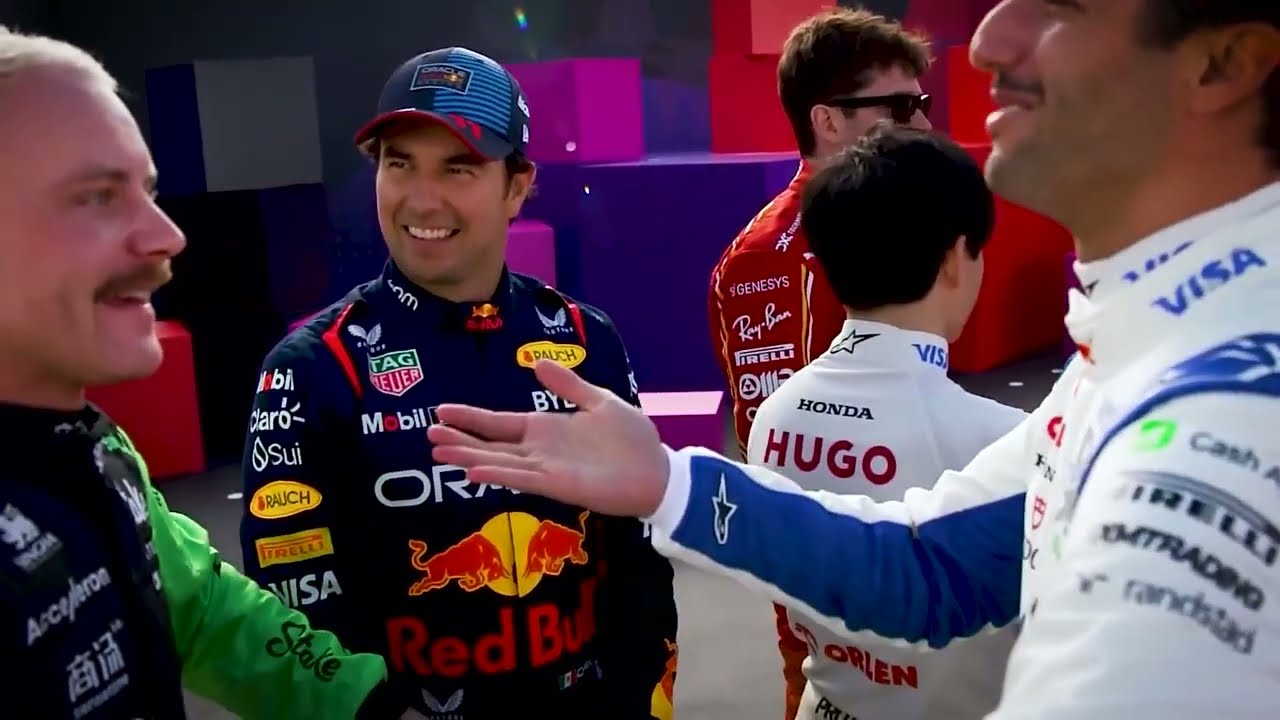
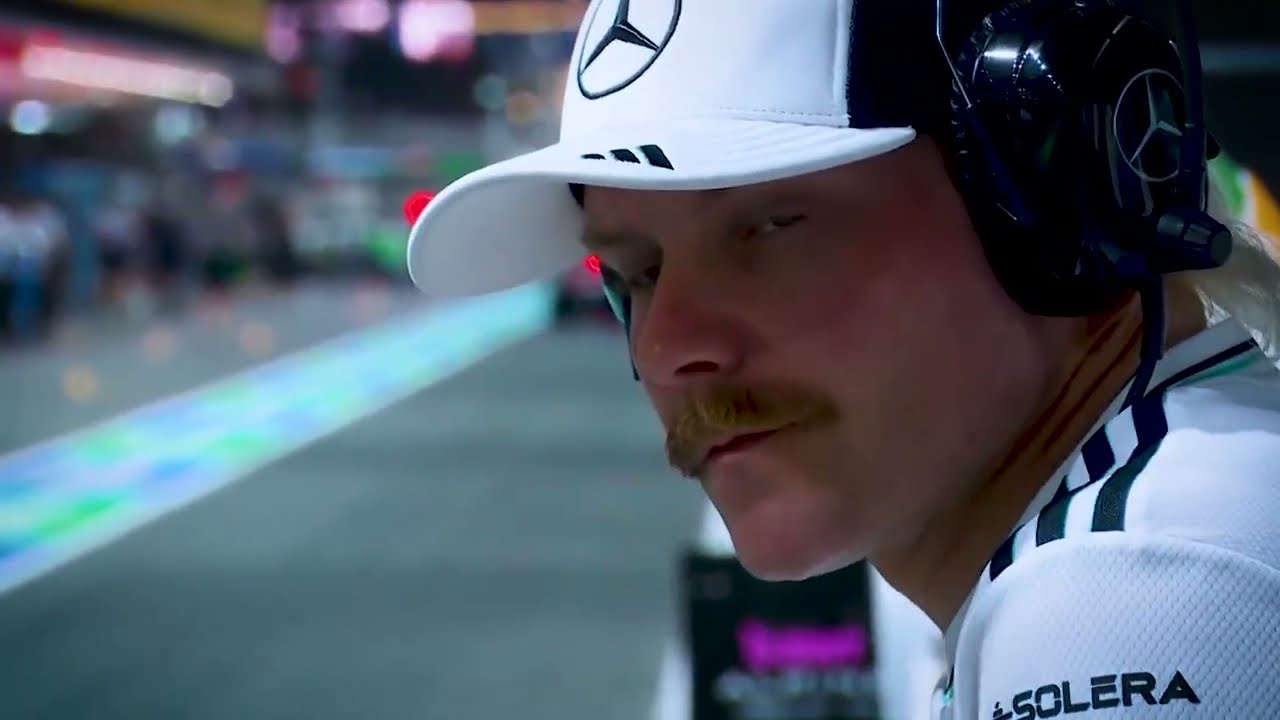
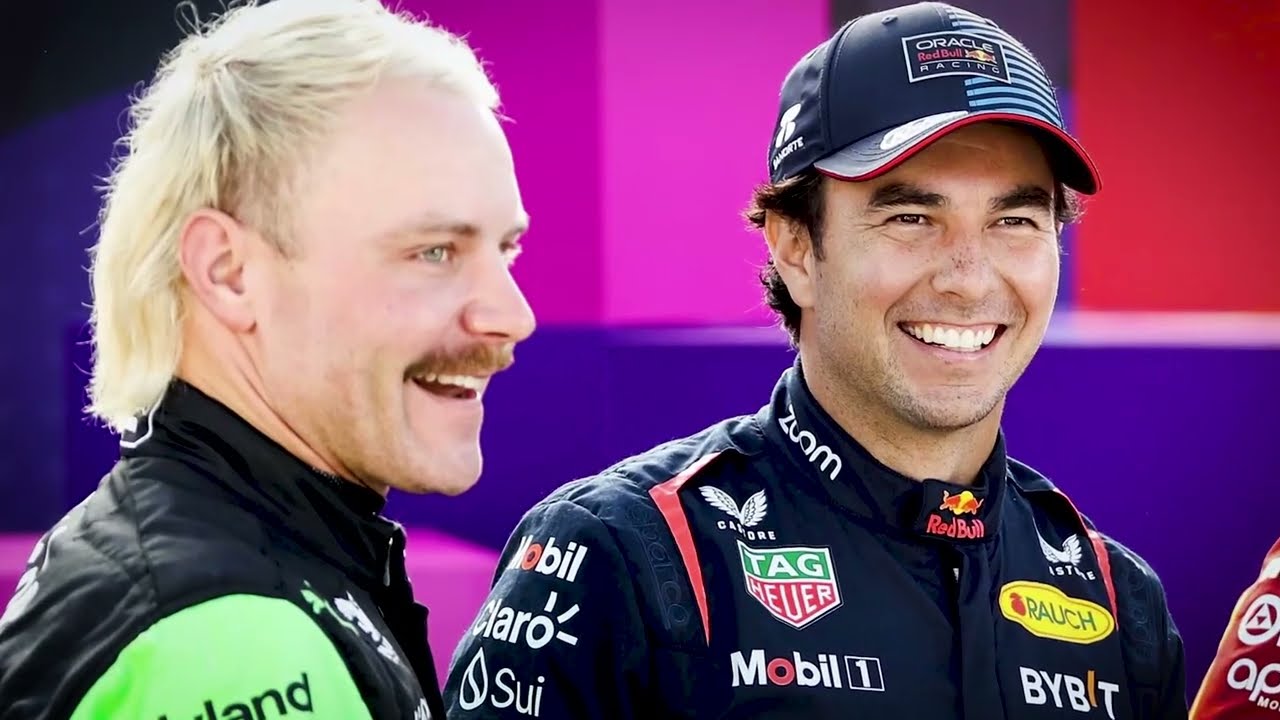
This is why Cadillac’s choice of drivers—veterans Sergio Perez and Valtteri Bottas—is a stroke of genius disguised as a conservative move. In a sport obsessed with the “next big thing” and young prodigies, hiring two older drivers might seem uninspired to the casual observer. But Cadillac doesn’t need raw, chaotic speed right now; they need data.
Between them, Perez and Bottas boast over 500 Grand Prix starts. They have driven for championship-winning organizations (Red Bull and Mercedes) and know exactly what a winning car feels like. They can provide the kind of precise, actionable feedback that a rookie simply cannot. When the 2026 car inevitably has issues, these two will know how to diagnose them. They are the human safety net for a team of engineers learning to walk.
Furthermore, the leadership group Cadillac has assembled is formidable. Figures like Graeme Lowden and Nick Chester bring decades of “Enstone experience” and startup grit. They have lived through the lean years and the regulation changes. They know how to survive the Paddock’s politics, which brings us to the final, and perhaps most dangerous, hurdle.
Surviving the Shark Tank
Formula 1 is as much a political battlefield as it is a sporting one. Cadillac learned this the hard way when their initial bid with Andretti Global was rejected by Formula 1 Management (FOM), despite passing the FIA’s technical checks. The existing teams didn’t want their prize money diluted, and they certainly didn’t want an American disruptor upsetting the balance of power.
Most manufacturers would have taken the rejection as an insult and walked away. Cadillac didn’t. They restructured, they recommitted, and they paid a staggering $450 million anti-dilution fee—more than double the original requirement. This willingness to “pay the toll” and push through the political door proved their seriousness.
But now that they are in, they need allies. They need teams willing to vote with them on technical directives and share the political burden. This is where the experienced heads of Perez, Bottas, and their veteran management team become crucial. They are respected figures who bring credibility to the project. They signal to the rest of the grid that Cadillac is not just a branding exercise, but a serious racing entity.
The Long Road Ahead
So, where does this leave the Great American Hope? Cadillac is entering a sport that demands perfection, with a target painted on their back and a calendar that offers no mercy. They have to compress a decade of learning into a few short years. They must integrate a Ferrari-based power unit while developing their own for 2028, build a culture from scratch, and navigate a minefield of regulations.
The early years will likely be painful. There will be slow pit stops, reliability failures, and weekends where they are fighting just to get out of Q1. But pain is the price of entry. If General Motors can hold their nerve, if they can view these early stumbles as lessons rather than failures, they have the resources and the talent to succeed where others have failed.
For the first time in a long time, an American team isn’t just asking for a seat at the table; they are building their own table. It will be expensive, it will be exhausting, and it will be fraught with danger. But for the fans watching from across the Atlantic, the simple fact that Cadillac is willing to take the hit makes the journey worth watching. The engine is running, the check is signed, and the real race—the race for survival—has just begun.






