The spotlight was blindingly bright at the 2025 Singapore Grand Prix, but the real story was unfolding in the dark, sweltering confines of the cockpits. For the first time, the FIA officially declared a “hot race,” triggering a new protocol designed to protect the gladiators of the asphalt from the debilitating effects of extreme heat. The solution seemed elegant and overdue: a mandatory implementation of mini air-conditioning systems and advanced cooling vests. It was a move hailed as a victory for driver safety in an era where climate and calendar shifts have made racing conditions increasingly hostile.
However, as the checkered flag waved and exhausted drivers pulled themselves from their machinery, the feedback was scathing. The systems had failed. Drivers like Charles Leclerc reported that the relief was fleeting—lasting a mere five laps before the technology became nothing more than a warm, heavy burden. How could a sport that represents the pinnacle of automotive engineering fail so spectacularly at something as fundamental as cooling? The answer, as it turns out, is not a tale of technological incompetence, but rather a revealing glimpse into the ruthless, uncompromising psyche of Formula 1 engineering.
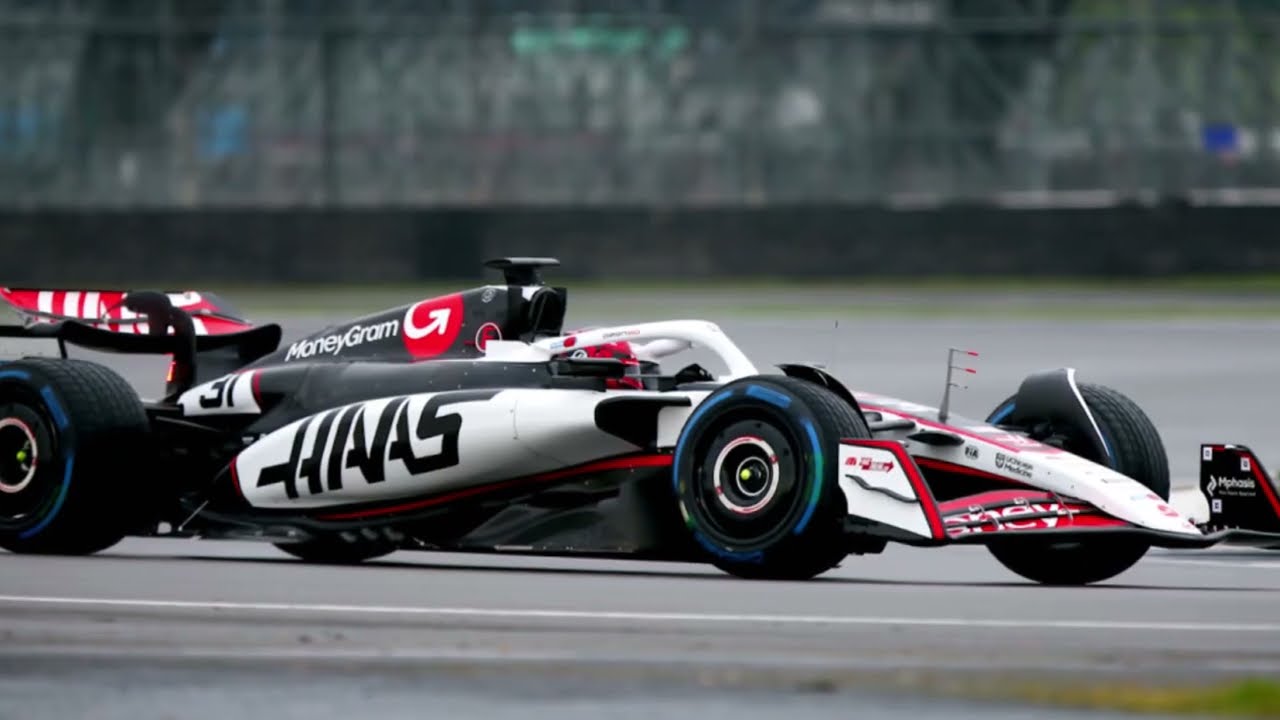
The Regulation That Backfired
To understand the failure, one must first look at the rulebook. The FIA, anticipating the physical toll of the Singapore heat, recommended the use of these cooling systems. To prevent teams from opting out to save weight—the holy grail of F1 performance—regulators introduced a penalty. If a team chose not to install the cooling system, they would be forced to carry half a kilogram of ballast. The intention was clear: level the playing field so that safety did not come with a performance penalty. In theory, every car would carry the weight, so every driver might as well enjoy the cooling.
It was a sound logic that crumbled upon contact with the reality of the grid. While the weight penalty was neutralized, the aerodynamic penalty was not. And in Formula 1, aerodynamics is king.
The Five-Lap Mirage
The disconnect between the FIA’s intentions and the teams’ execution became apparent almost immediately. The cooling system, a sophisticated assembly of pumps and exchangers packaged in a metal box, requires a basic input to function: air. Just like the air conditioning unit in a road car or a house, it needs an intake to draw in air and an outlet to expel the heat. Without a steady stream of airflow, the system cannot exchange thermal energy; it simply saturates and stops working.
This is where the drivers’ nightmare began. Reports from the track indicated that the vests worked perfectly during the initial laps. The cool fluid circulated, keeping core body temperatures manageable. But as the race settled into its rhythm, the efficiency plummeted. Leclerc and others found themselves carrying a system that had become a heat sink, retaining warmth rather than dissipating it. The failure wasn’t in the vest itself—it works flawlessly in other racing series like IndyCar or WEC—but in how it was integrated into the delicate ecosystem of an F1 car.

The Engineering Paradox
To understand why this happened, you have to think like an F1 engineer. Their job is not to make the driver comfortable; their job is to make the car fast. Every millimeter of the car’s surface is sculpted to direct air for downforce and speed. Cutting a hole in the bodywork for an air inlet creates drag. It disrupts the meticulously curated airflow that generates grip.
When handed the mandate to install the AC system, teams faced a dilemma. They had to install the box to avoid the ballast penalty, but they were under no strict obligation to make it work efficiently if it meant sacrificing aerodynamic performance. The result? Malicious compliance.
Engineers designed “super small inlets” for the cooling systems. They provided just enough of an opening to say the system was functional, but nowhere near enough to sustain it during the intense heat loads of a Grand Prix. They treated the cooling system as a parasite on the car’s aerodynamics. They minimized the drag by choking the airflow.
The Vicious Cycle of Failure
The consequence of this engineering choice was a predictable thermal runaway. With tiny inlets, the mass flow of air was insufficient. As the system worked to extract heat from the driver, that heat had nowhere to go. The unit overheated, and the cooling effect vanished.
This created a frustrating cycle of blame. The FIA mandated the system for safety. The teams, loathing the aerodynamic disadvantage, integrated it poorly. The system failed mid-race. The drivers and teams then pointed to the failure as proof that the technology is “useless” or “doesn’t work in F1,” despite it being a standard, functional component in other categories.
It highlights a fundamental tension in the sport. Engineers are incentivized to push the limits, often to the detriment of the human inside the machine. The teams prioritized the undisturbed flow of air over the bodywork above the thermal regulation of the pilot. They decided, effectively, that it was better to have a slightly cleaner aerodynamic profile for the whole race than to have a comfortable driver.
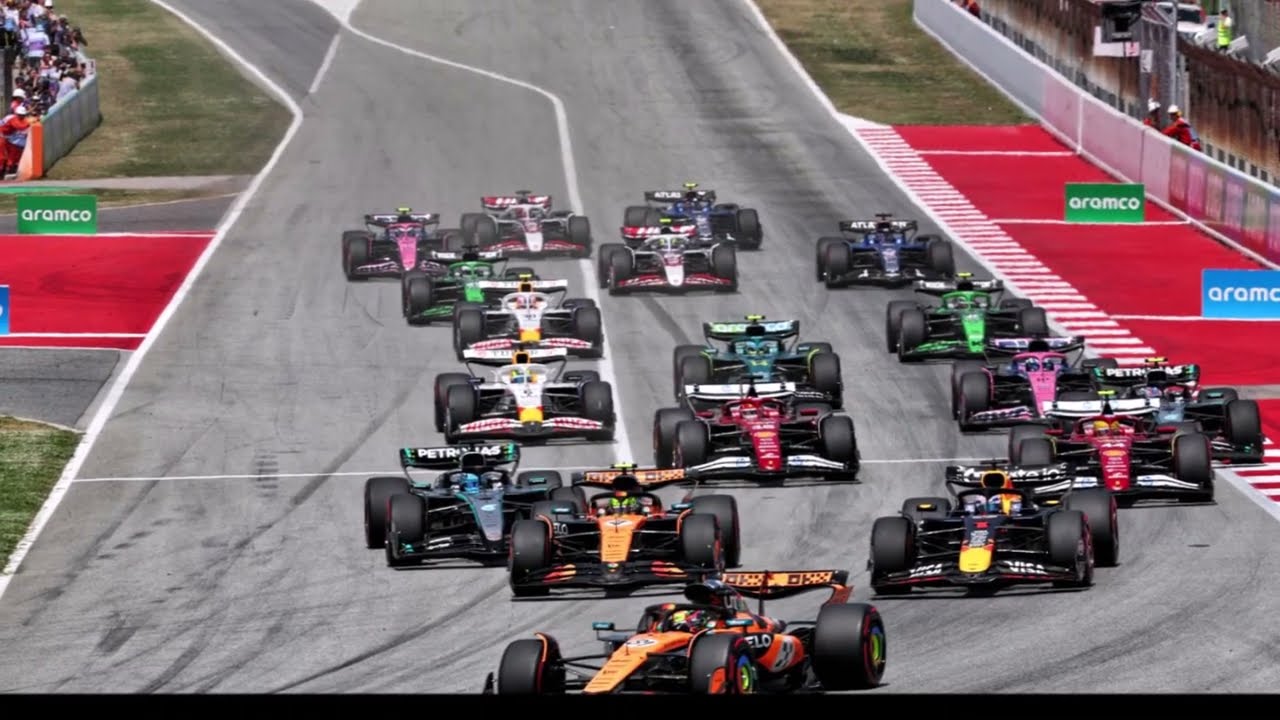
Sweating for Speed
The implications of this failure are significant as we look toward the future. The system is slated to become fully mandatory next year. The logic suggests that if everyone must have it, teams should eventually converge on a design that actually works, utilizing intakes large enough to sustain cooling.
However, the lesson from Singapore 2025 is that teams will always choose suffering over seconds. If there is a loophole—if they can get away with a non-functional system to save a fraction of drag—they will take it. The “drama” of the cooling vests is not about bad tech; it’s about a culture that views the driver’s comfort as a tradable commodity.
As the paddock packs up and heads to the next venue, the question remains: will the FIA step in to regulate the size of the inlets, forcing teams to make the system functional? Or will we see a repeat of Singapore, where the world’s best drivers are left to sweat it out, carrying dead weight in a car designed to suffocate the very system meant to save them?
In the end, the F1 engineers proved their brilliance once again, finding a way to neutralize a rule they didn’t like. But in doing so, they left their drivers boiling in the cockpit, proving that in Formula 1, speed is the only metric that truly matters—even if the cost is the physical limits of the human body.
News

Inside Shane Richie’s love life: Drug – fuelled orgy with six blondes; real reason he split from Coleen Nolan; six-year ‘affair with fan’
Inside Shane Richie’s love life: Orgy with six blondes; real reason he split from Coleen Nolan; six-year ‘affair with fan’ He’s popular with the ladies… Shane Richie…

SH0CKING REVELATI0N:A sh0cking behind-the-scenes secret revealed about Lizzie Rizzini, the woman replacing Carol Kirkwood on the 6pm weather bulletin
BBC viewers still reeling from the departure of Carol Kirkwood got another surprise last night when presenter Lizzie Rizzini appeared to flash her black lace stockings on…

HEARTBREAKING: Peter Andre’s Tearful Message to Son Junior After SHOCKING Revelation About How He Truly Feels Toward Mum Katie Price — Katie Price’s reaction scares fans.
Peter Andre’s emotional message to son Junior after it’s revealed how he really feels about mum Katie Pri… PETER Andre has shared an emotional message to his…

Ben Shephard opens up about the devastating health battle his wife is facing: “She wakes up crying every single morning…”
Inside This Morning Ben Shephard’s Life Including Rarely Seen Wife and Health Battle Ben Shephard is a name synonymous with British television, renowned for his engaging presentation…

🚨 LIVE TV HEARTBREAK: Good Morning Britain Host Announces ‘Devastating’ Dɘath of Guest Minutes Into Show
Viewers of Good Morning Britain were met with heartbreaking news just minutes into Friday’s (January 30) episode, as co-hosts Kate Garraway and Ranvir Singh reported the tragic…

Emmerdale legend Cain Dingle will never be the same again after a shock cancer diagnosis turns his world upside down
FROure Desk. Full Terms and conditions are available on the website http://www.itv.com/presscentre/itvpictures/terms Emmerdale wouldn’t be Emmerdale without the glowering, grunting embodiment of manliness that is Cain Dingle (Jeff Hordley) But…
End of content
No more pages to load






