In the high-octane, carbon-fiber theater of modern Formula 1, Sebastian Vettel crafted a legacy that few can rival. To the cameras and the legions of adoring fans in the grandstands, he was the “calm one.” He was the witty German prodigy with the crooked finger celebration, the man who named his cars, and the driver who famously brought a sense of humor to the often sterile paddock. He was the nice guy who didn’t raise his voice unless the situation absolutely demanded it.
But scratch beneath that polished, polite veneer, and you find a history written in adrenaline, burnt rubber, and psychological warfare. Even the kindest man on the grid carries a hit list—a mental catalog of the rivals who didn’t just race him, but who pushed him to his absolute limits, tested his patience, and forced him to sharpen his edges until they could cut glass.
For Vettel, greatness wasn’t forged in the easy Sunday drives or the pole-to-flag victories where he disappeared into the distance. It was forged in the fire of five specific rivalries. These were the five men who made his blood boil, who invaded his headspace, and who defined his career not by the trophies he won, but by the wars he survived.
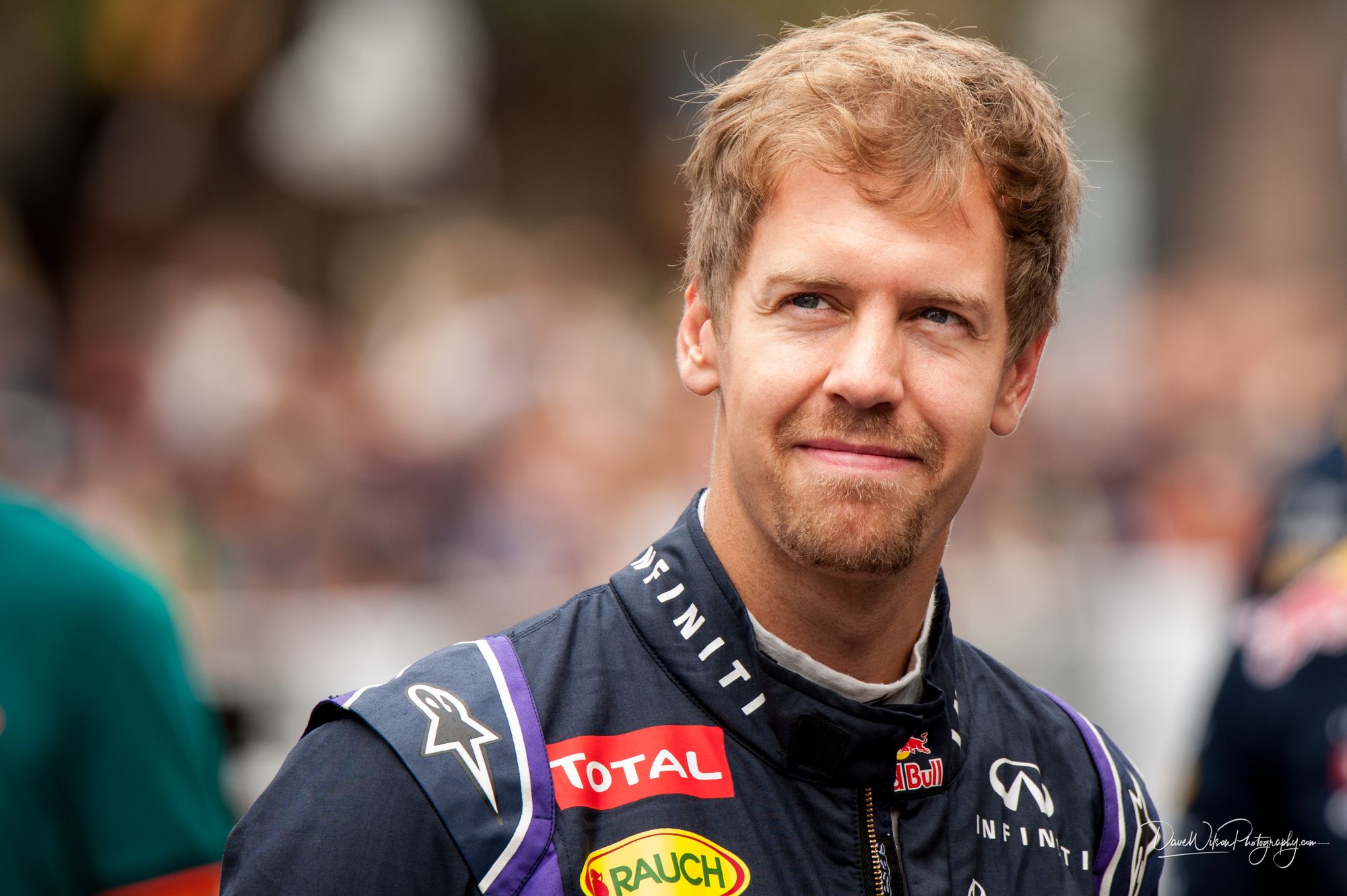
5. Mark Webber: The Collapsing Trust
At number five sits Mark Webber, a figure who represents perhaps the most complicated chapter in Vettel’s early dominance. On paper, they were the dream team for Red Bull Racing: the gritty, experienced Australian veteran paired with the lightning-fast German wunderkind. They were the engine behind Red Bull’s meteoric rise to the top of the constructor’s standings.
But inside the garage, the air was thick with a tension that simmered long before the public caught a whiff of the smoke. It was a clash of cultures and personalities. Webber, hardened by years of fighting for survival in the cutthroat world of mid-field F1, carried a chip on his shoulder and a suspicion that the team naturally favored the golden boy, Vettel. Vettel, relaxed and precise, sensed this resentment.
The friction wasn’t just about lap times; it was about trust. And in Malaysia 2013, that trust didn’t just crack—it shattered.
The race was effectively secured. The call came down from the pit wall: “Multi-21.” It was a coded instruction to freeze positions, with Webber leading and Vettel in second. It was meant to bring the cars home safely. Webber turned his engine down, trusting the pact. Vettel did not. In a move that remains one of the most controversial in the sport’s history, Vettel attacked. He ignored the order, overtook a furious Webber, and claimed the win.
In the cool-down room, the silence was deafening until Webber dropped the words that would become infamous: “Multi-21, Seb. Multi-21.” It wasn’t just a complaint; it was the sound of a partnership dying. Vettel walked away with the trophy, but he also walked away with the heavy burden of a teammate who would never truly watch his back again. Webber became a rival not through pure speed, but through the sheer, exhausting weight of a toxic workplace where peace was just a fairytale.
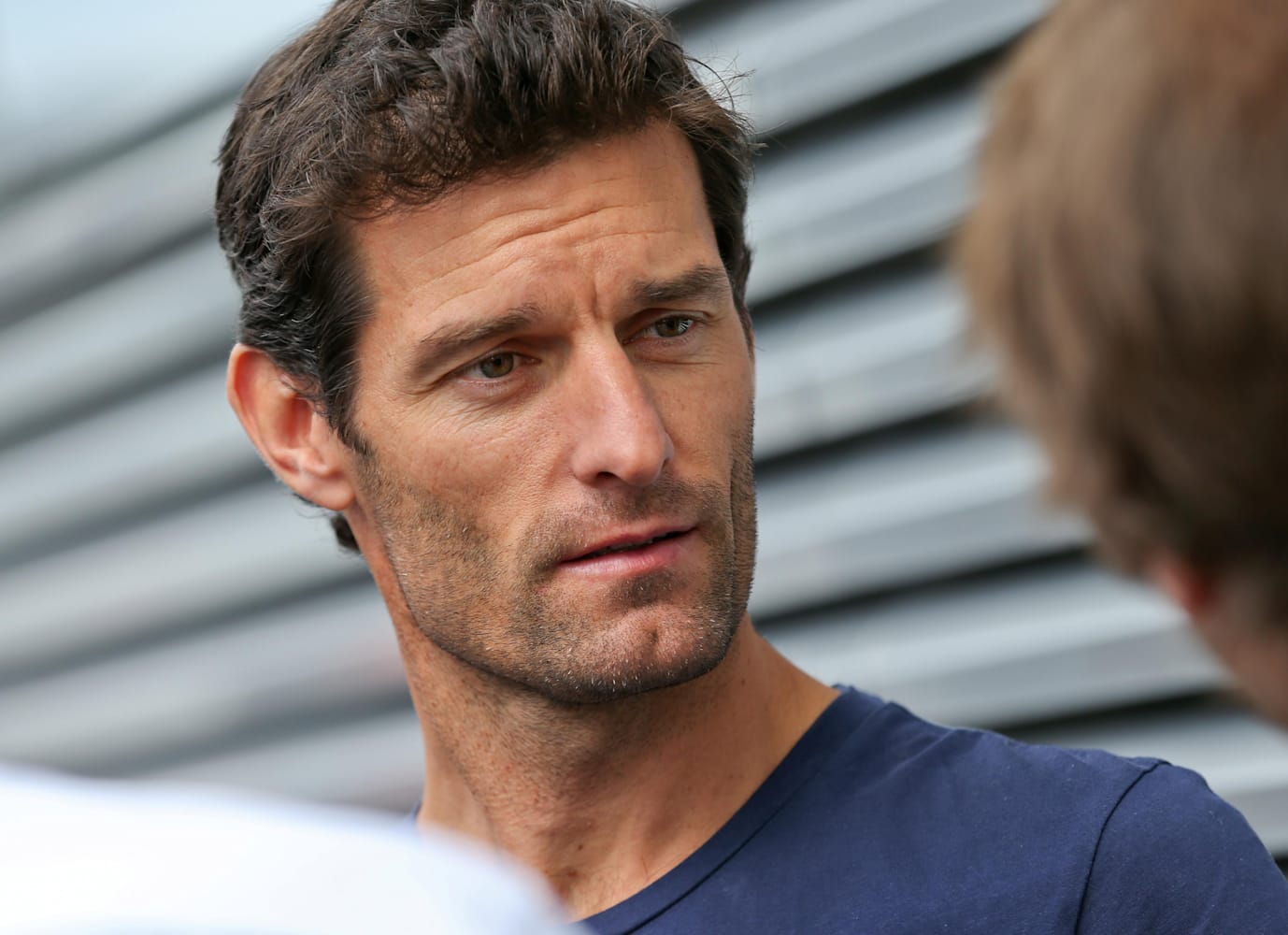
4. Nico Rosberg: The Childhood Grudge
If Webber was a professional rival, Nico Rosberg was personal. Their story didn’t begin under the lights of Singapore or the streets of Monaco; it began on the go-kart tracks of their youth. They were two prodigies growing up together, eating pizza together, and dreaming of the same future.
But even then, the seeds of conflict were sown. Vettel was the analytical joker, the kid who loved the sport. Rosberg was different—intense, calculated, always looking for that psychological upper hand. As they graduated to the pinnacle of motorsport, that childhood dynamic didn’t fade; it mutated.
Rosberg evolved into a master of mind games. While he is most famous for his war with Lewis Hamilton, his battles with Vettel were laced with a unique, lingering tension. Every time they shared a piece of tarmac, it felt like an unspoken competition for validation. Who had grown more? Who had become the driver they promised they would be?
Rosberg had a knack for making every defeat sting. Whether it was a perfectly timed comment in a press conference or a clinical overtake on track, he knew exactly how to get under Vettel’s skin. In 2016, during Rosberg’s championship charge, the tension peaked. Even with a Ferrari that wasn’t quite up to par, Vettel drove with a desperate pride to beat Nico. It wasn’t just about points; it was about not losing to the kid he used to beat in karts. Rosberg was the rival Vettel could never completely escape because he represented a past that refused to stay buried.
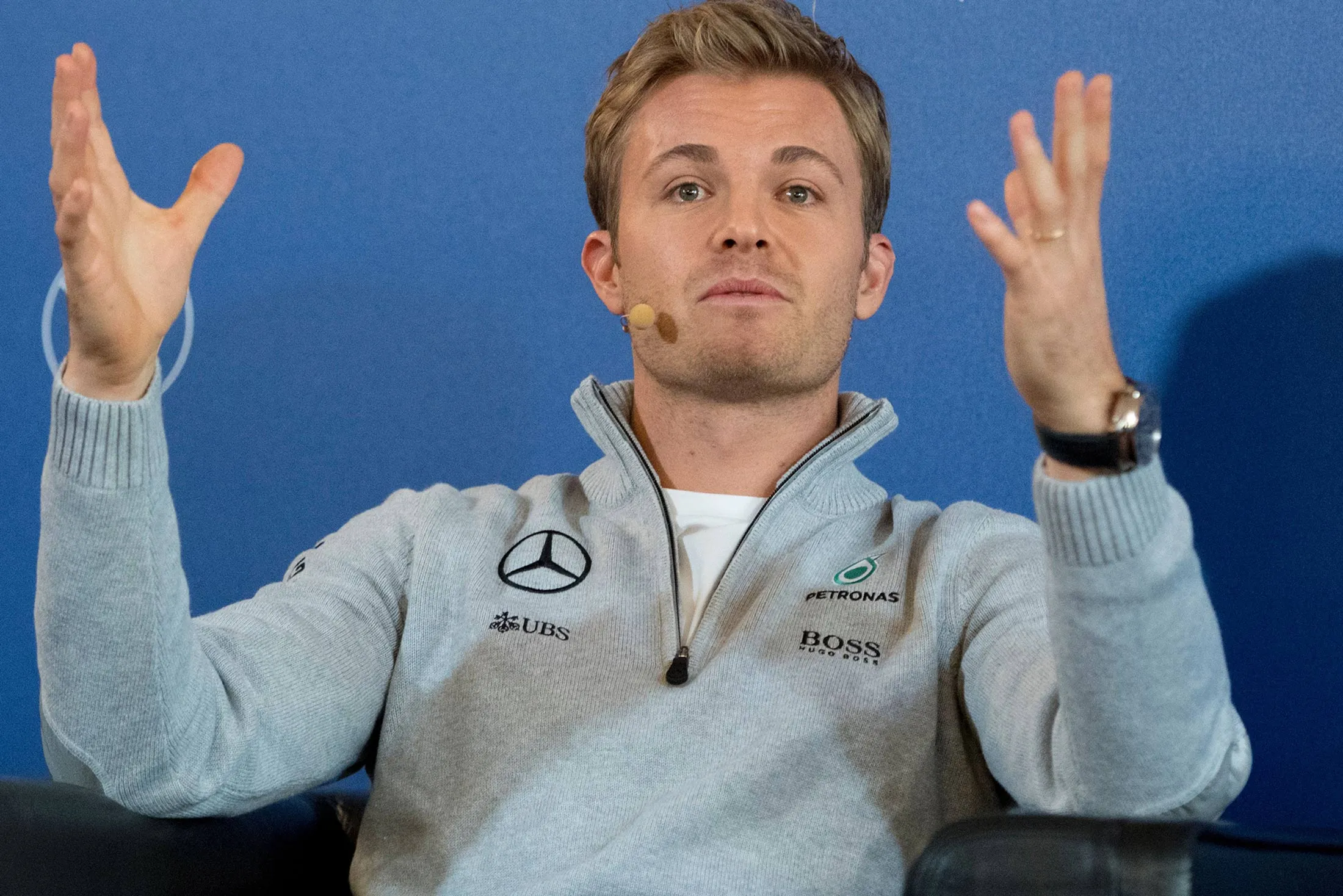
3. Lewis Hamilton: The Defining Era
At number three is the man who arguably defined the entire generation of racing alongside Vettel: Lewis Hamilton. Their careers are inextricably linked—two forces of nature that rose in parallel. But their approaches couldn’t have been more different.
Vettel was all about rhythm, precision, and emotional equilibrium. He needed the car to sing to him. Hamilton, on the other hand, thrived in chaos. He could dance on the edge of disaster, seemingly immune to pressure. To beat Lewis, you couldn’t just be fast; you had to be flawless, every single lap, every single corner.
The rivalry truly ignited during Vettel’s years in scarlet red. Ferrari had built a fast car, but the Mercedes machine operated by Hamilton was a juggernaut of reliability and speed. This imbalance created a pressure cooker for Vettel. He felt he had to overdrive, to take risks that Lewis never needed to take.
The breaking point arrived in Baku, 2017. Under the safety car, adrenaline coursing through his veins, Vettel believed Hamilton had “brake-tested” him. In a flash of uncharacteristic red mist, Vettel pulled alongside and banged wheels with the Mercedes. It was a rare, shocking eruption from a man known for his control. It was the moment the world saw just how much real estate Hamilton occupied in Vettel’s head.
Despite the controversies, a deep current of respect ran beneath the surface. Hamilton admired Vettel’s integrity; Vettel admired Hamilton’s resilience. But respect doesn’t soften the blows. Hamilton was the rival who exposed Vettel’s limits, the relentless force that pushed him into fights he didn’t want, making him one of the most exhausting adversaries of Vettel’s life.
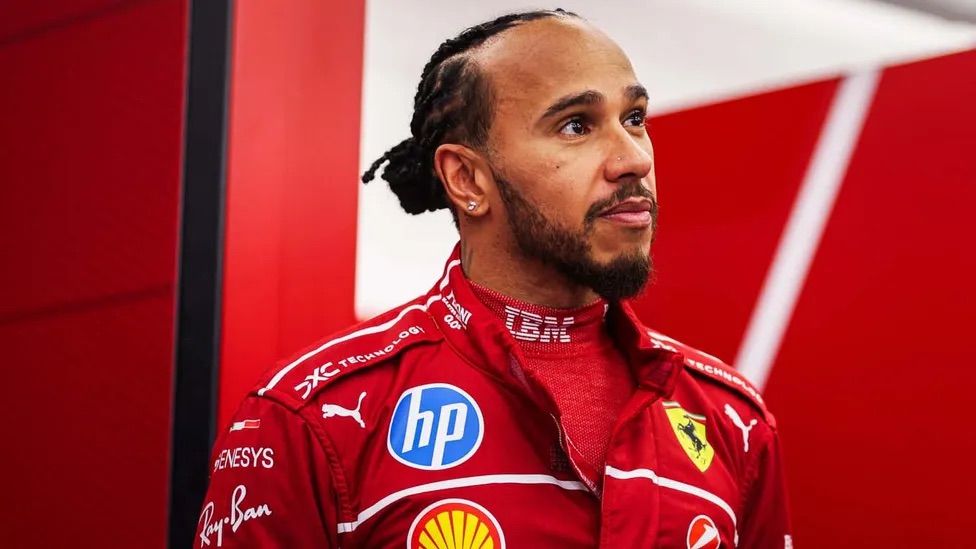
2. Charles Leclerc: The Passage of Time
The number two spot belongs to a rival who represented something far more terrifying than just another fast driver: Charles Leclerc represented the end.
When the young Monegasque walked into Maranello in 2019, he didn’t just step into a race seat; he stepped into Vettel’s kingdom. Ferrari had spent years building the team around Sebastian as their undisputed number one. But Leclerc, with his raw speed, fearlessness, and boyish charm, changed the atmosphere overnight.
Leclerc was a mirror, reflecting what Vettel had once been: the brilliant young challenger with nothing to lose. Vettel didn’t dislike Charles—in fact, he admired his talent—but he struggled mightily with what Charles symbolized. The team began to re-evaluate its priorities. The “Vettel’s Ferrari” narrative subtly shifted to “The Future Belongs to Charles.”
The pressure was suffocating. Leclerc began outqualifying the four-time champion, often by margins that were impossible to dismiss as luck. Every Saturday was a stark reminder that time was marching on. In the politically complex shark tank of Ferrari, momentum is everything, and Vettel was losing his.
The defining catastrophe happened at the 2019 Brazilian Grand Prix. Fighting for position, the two Ferraris collided. It was a minor contact with major consequences—a double DNF (Did Not Finish) that laid the team’s internal fractures bare for the world to see. It wasn’t hatred that caused the crash; it was two competing realities slamming into each other. Vettel, the established king, and Leclerc, the rising heir. Leclerc unintentionally pushed Vettel into the most difficult chapter of his career: the chapter where he had to accept that he was no longer the future.

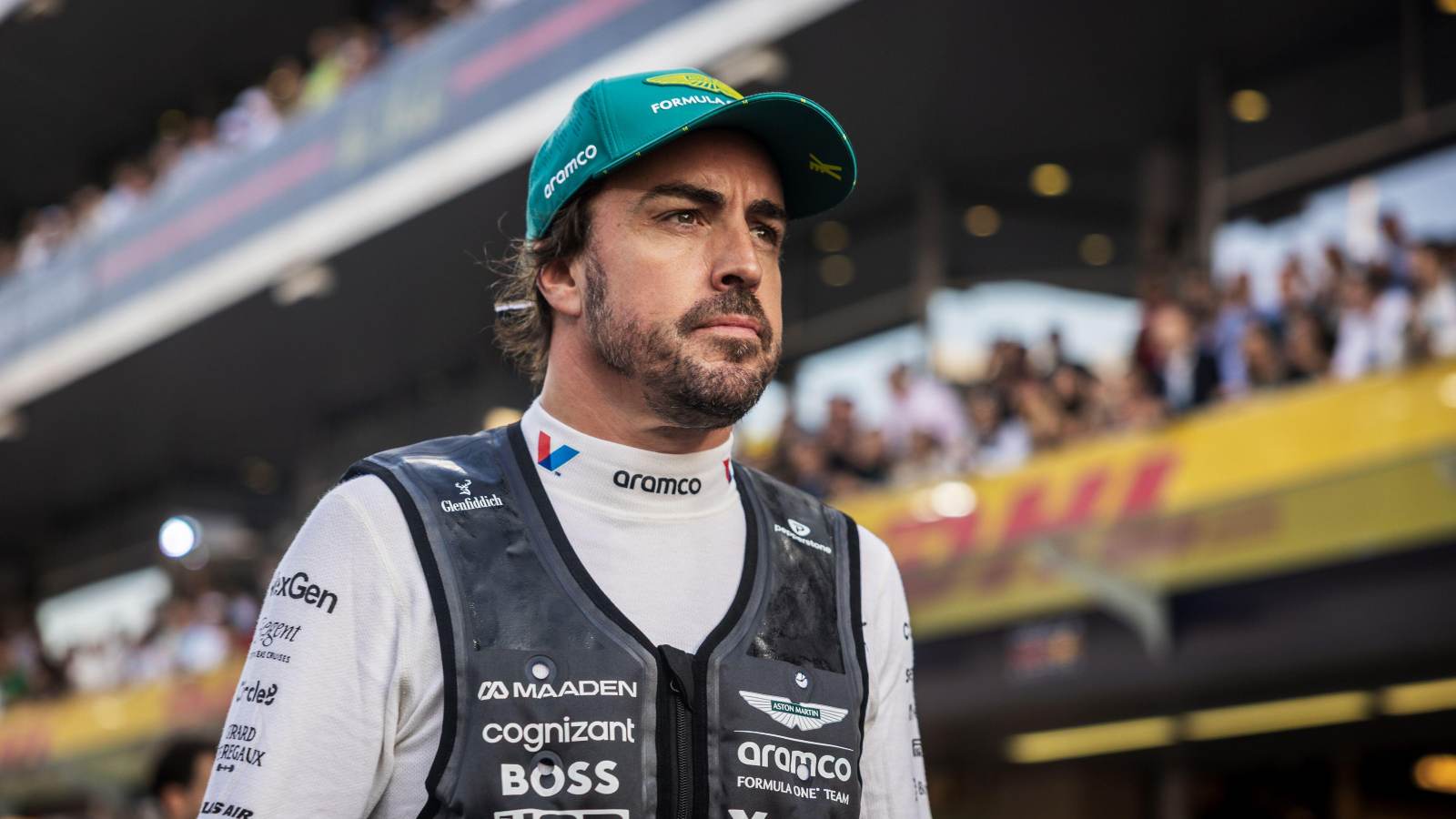
1. Fernando Alonso: The Relentless Shadow
And finally, at number one, stands the rival who challenged Sebastian Vettel more fiercely, more consistently, and more brutally than anyone else: Fernando Alonso.
If Hamilton exposed Vettel’s weaknesses, Alonso was the predator who never allowed him to hide them. Throughout the early 2010s, whenever Vettel checked his mirrors, that distinctive helmet of Alonso was there. It didn’t matter if the Ferrari was slower. It didn’t matter if the odds were impossible. Alonso simply refused to stop fighting.
He competed with an intensity that bordered on the supernatural. In 2010 and 2012, Alonso dragged inferior machinery into championship contention through sheer force of will. Vettel knew that one slip-up, one locked brake, one wide corner, and Alonso would be there to punish him.
The 2012 season stands as the peak of this titanic struggle. Alonso’s campaign was the stuff of legend, pushing Vettel to the very final race in Brazil. Vettel won the title, but the emotional and psychological cost was enormous. He emerged victorious, but he was drained, shaken, and forever changed by the experience.
What made Alonso the ultimate rival wasn’t anger or hostility—it was a heavy, terrifying respect. Vettel knew exactly how good Alonso was. He knew that Alonso was the shadow that would never stop following him, the presence that forced him to dig deeper than he thought possible every single weekend. Alonso pushed Vettel the farthest, challenged him the hardest, and left a mark on his career that will never fade.
Conclusion: The Fire That Refined Him
In the end, these five men—Webber, Rosberg, Hamilton, Leclerc, and Alonso—were never just enemies. They were the architects of Sebastian Vettel’s greatness. They were the pressure that shaped the diamond.
Vettel’s legacy isn’t built on the easy Sundays. It is built on the fact that he survived the psychological collapse of a teammate, the mind games of a childhood friend, the dominance of a British knight, the usurpation by a young prodigy, and the relentless hunting of a Spanish matador.
As Vettel drove into the sunset of his career, he likely realized a simple, profound truth: The people who drive you crazy, who push you to the edge of your sanity, are often the ones who make you who you are. Their battles became his lessons. Their rivalry became his history. And without them, Sebastian Vettel would just be a man who drove fast cars—instead of the legend who survived the fire.
News

Inside Shane Richie’s love life: Drug – fuelled orgy with six blondes; real reason he split from Coleen Nolan; six-year ‘affair with fan’
Inside Shane Richie’s love life: Orgy with six blondes; real reason he split from Coleen Nolan; six-year ‘affair with fan’ He’s popular with the ladies… Shane Richie…

SH0CKING REVELATI0N:A sh0cking behind-the-scenes secret revealed about Lizzie Rizzini, the woman replacing Carol Kirkwood on the 6pm weather bulletin
BBC viewers still reeling from the departure of Carol Kirkwood got another surprise last night when presenter Lizzie Rizzini appeared to flash her black lace stockings on…

HEARTBREAKING: Peter Andre’s Tearful Message to Son Junior After SHOCKING Revelation About How He Truly Feels Toward Mum Katie Price — Katie Price’s reaction scares fans.
Peter Andre’s emotional message to son Junior after it’s revealed how he really feels about mum Katie Pri… PETER Andre has shared an emotional message to his…

Ben Shephard opens up about the devastating health battle his wife is facing: “She wakes up crying every single morning…”
Inside This Morning Ben Shephard’s Life Including Rarely Seen Wife and Health Battle Ben Shephard is a name synonymous with British television, renowned for his engaging presentation…

🚨 LIVE TV HEARTBREAK: Good Morning Britain Host Announces ‘Devastating’ Dɘath of Guest Minutes Into Show
Viewers of Good Morning Britain were met with heartbreaking news just minutes into Friday’s (January 30) episode, as co-hosts Kate Garraway and Ranvir Singh reported the tragic…

Emmerdale legend Cain Dingle will never be the same again after a shock cancer diagnosis turns his world upside down
FROure Desk. Full Terms and conditions are available on the website http://www.itv.com/presscentre/itvpictures/terms Emmerdale wouldn’t be Emmerdale without the glowering, grunting embodiment of manliness that is Cain Dingle (Jeff Hordley) But…
End of content
No more pages to load






