The dawn of a new Formula 1 era is always accompanied by a mix of excitement and trepidation, but as the sun set on the first day of pre-season testing in Bahrain, one team’s confidence was already casting a long, intimidating shadow over the paddock.
The 2026 regulations were designed to hit the reset button, leveling the playing field with new power units, smaller cars, and a shift towards sustainable fuels. Yet, if the whispers from the Mercedes garage are to be believed, the more things change, the more they stay the same. Max Verstappen and Red Bull Racing have arrived in the desert not just to test, but to dominate.
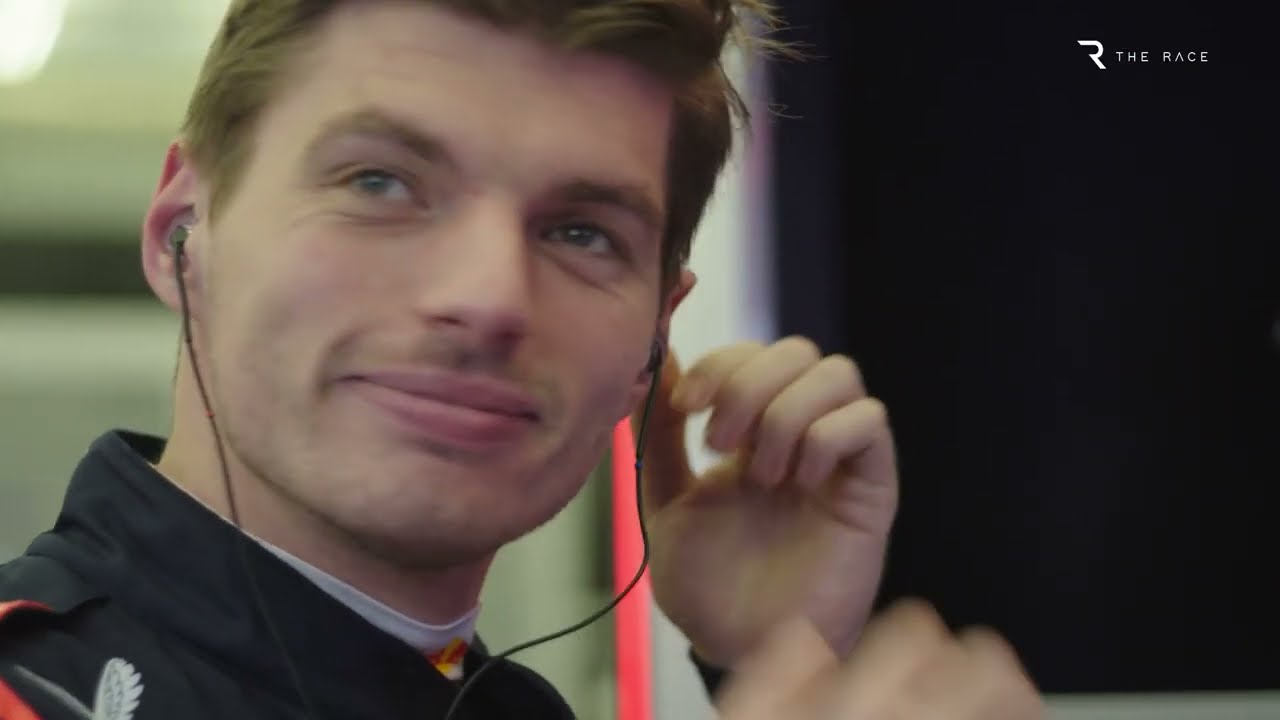
The “One Second” Bombshell
The headline story of Day 1 wasn’t the lap times—which saw McLaren’s Lando Norris narrowly pip Verstappen for P1—but a startling declaration from Mercedes Team Principal Toto Wolff.
After analyzing the initial long-run pace and GPS traces, Wolff didn’t mince words. He claimed that the Red Bull RB22 is gaining approximately one second per lap on the straights purely through superior energy deployment.
“That would be a massive advantage if repeated in races,” Wolff noted, his tone suggesting a mix of admiration and alarm.
The 2026 power units rely heavily on a 50/50 split between internal combustion and electrical power. Wolff’s claim suggests that Red Bull’s new in-house engine program, developed with Ford, has cracked the code on energy harvesting and deployment efficiency in a way that Mercedes, Ferrari, and Audi have not. If true, a one-second advantage on straights alone is virtually insurmountable, rendering the cornering performance of rivals irrelevant.
Verstappen’s “Violent” Gearbox Trick
Visual confirmation of Red Bull’s confidence came from trackside spotters at the notoriously difficult Turn 10. While other drivers were locking up and wrestling their cars into the braking zone, Verstappen was deploying a unique, aggressive technique.
Observers noted the Dutchman executing rapid, almost violent double downshifts while heavily on the brakes. This isn’t just a driving style preference; it appears to be a calculated engineering tactic. By spiking the revs aggressively under braking, Verstappen is likely maximizing the energy regeneration from the rear axle to supercharge the battery for the next straight.
“It causes visible car instability,” noted one trackside analyst. “But Max is comfortable managing it.”
Audi’s drivers were seen attempting a similar technique but looked far less settled, struggling to keep the car on the island. Meanwhile, the Mercedes and Ferrari-powered cars stuck to conventional, smoother downshifts. It seems Red Bull has designed a car specifically to tolerate this “violent” harvesting, turning a potential instability into a lethal weapon.
Ferrari: “You Need a Degree to Drive This”
In stark contrast to the Red Bull’s poise, the mood in the Ferrari camp was one of caution. The SF-26, while responsive, looked like a handful.
Lewis Hamilton, entering his first full season in red, was candid about the complexity of the new generation of cars. “You need a degree to understand them,” he joked, though the humor seemed to mask a genuine challenge.
At Turn 10, where the track falls away and tightens, the Ferrari drivers were fighting the steering wheel, struggling to find a consistent rhythm. While the car turns in sharply, mid-corner stability appears to be an issue. Hamilton described the run into the braking zone as “the hardest it’s ever been.” For a team desperate to end a nearly two-decade championship drought, a “difficult” car on Day 1 is not the start they wanted.
Audi’s Chameleon Act
If Red Bull won the day on performance, Audi won it on surprise. The German manufacturer, making its full works debut, pulled a move that left onlookers stunned.
The car that rolled out of the Bahrain garage looked nothing like the one seen at the Barcelona shakedown weeks ago. Audi has aggressively overhauled their aerodynamic concept, ditching their launch-spec sidepods for a radical design featuring tall, narrow inlets and heavily sculpted downwash ramps.
This “Zero-Pod” adjacent philosophy proves that Audi isn’t just here to make up the numbers. They are aggressively developing, willing to scrap entire concepts in the pursuit of performance. The new front wing also features clever turning vanes designed to induce outwash, a clear sign that they are pushing the boundaries of the regulations from day one.

Trouble in Paradise for Aston Martin
While others racked up mileage, Aston Martin sat in silence. The reunion with Honda was supposed to propel the Silverstone-based team to the front, but Day 1 was a disaster.
Lance Stroll managed a meager 36 laps before a “data anomaly” in the Honda power unit forced the team to park the car. With only three days of testing, losing an entire afternoon is catastrophic. The team is already miles behind in data gathering—Mercedes, for comparison, logged over 2,600 miles equivalent in testing so far. Fernando Alonso has already hinted they will start the season on the back foot, and today did nothing to dispel that fear.
The Verdict
Day 1 of testing is rarely about the fastest lap, but it is always about body language. Right now, the Red Bull looks like a predator, stalking the track with a menacing consistency and a terrifying straight-line speed. McLaren is close, keeping them honest with sheer pace, while Mercedes and Ferrari appear to be scratching their heads, trying to unlock the secrets of these complex new machines.
As the sun went down over the Sakhir circuit, the sound of the new engines—raspier, louder, and more aggressive without the MGU-H muffling them—echoed through the desert. But for Toto Wolff and the rest of the grid, the loudest sound was the alarm bell ringing in their ears. If Red Bull really has found a second on the straights, the race for the 2026 title might be over before the lights even go out.
News

Inside Shane Richie’s love life: Drug – fuelled orgy with six blondes; real reason he split from Coleen Nolan; six-year ‘affair with fan’
Inside Shane Richie’s love life: Orgy with six blondes; real reason he split from Coleen Nolan; six-year ‘affair with fan’ He’s popular with the ladies… Shane Richie…

SH0CKING REVELATI0N:A sh0cking behind-the-scenes secret revealed about Lizzie Rizzini, the woman replacing Carol Kirkwood on the 6pm weather bulletin
BBC viewers still reeling from the departure of Carol Kirkwood got another surprise last night when presenter Lizzie Rizzini appeared to flash her black lace stockings on…

HEARTBREAKING: Peter Andre’s Tearful Message to Son Junior After SHOCKING Revelation About How He Truly Feels Toward Mum Katie Price — Katie Price’s reaction scares fans.
Peter Andre’s emotional message to son Junior after it’s revealed how he really feels about mum Katie Pri… PETER Andre has shared an emotional message to his…

Ben Shephard opens up about the devastating health battle his wife is facing: “She wakes up crying every single morning…”
Inside This Morning Ben Shephard’s Life Including Rarely Seen Wife and Health Battle Ben Shephard is a name synonymous with British television, renowned for his engaging presentation…

🚨 LIVE TV HEARTBREAK: Good Morning Britain Host Announces ‘Devastating’ Dɘath of Guest Minutes Into Show
Viewers of Good Morning Britain were met with heartbreaking news just minutes into Friday’s (January 30) episode, as co-hosts Kate Garraway and Ranvir Singh reported the tragic…

Emmerdale legend Cain Dingle will never be the same again after a shock cancer diagnosis turns his world upside down
FROure Desk. Full Terms and conditions are available on the website http://www.itv.com/presscentre/itvpictures/terms Emmerdale wouldn’t be Emmerdale without the glowering, grunting embodiment of manliness that is Cain Dingle (Jeff Hordley) But…
End of content
No more pages to load






