The year is 2026, and the air in Melbourne is thick with a tension that Formula 1 hasn’t felt in decades. As the teams prepare to unleash their machinery at Albert Park, all eyes aren’t just on the usual championship contenders. Instead, the spotlight has shifted to a high-stakes, billion-dollar grudge match between two automotive titans making their debut: German precision versus American ambition. Audi versus Cadillac.
This isn’t just about two new logos on the grid. This is a clash of ideologies, a collision of opposite strategies, and perhaps the most expensive gamble in the history of modern motorsport. With the rulebook torn up and rewritten for 2026, the playing field has been leveled in a way that gives these “rookies” a genuine shot at glory—or a one-way ticket to humiliation.
The Great Reset: Why 2026 Changes Everything
To understand why this rivalry is so critical, you have to understand the battlefield. The 2026 regulations represent a complete reset for the sport. The complex MGU-H systems are gone, replaced by a simplified power unit with a 50/50 split between thermal and electric energy. Active aerodynamics have replaced DRS, and car weights have finally dropped.
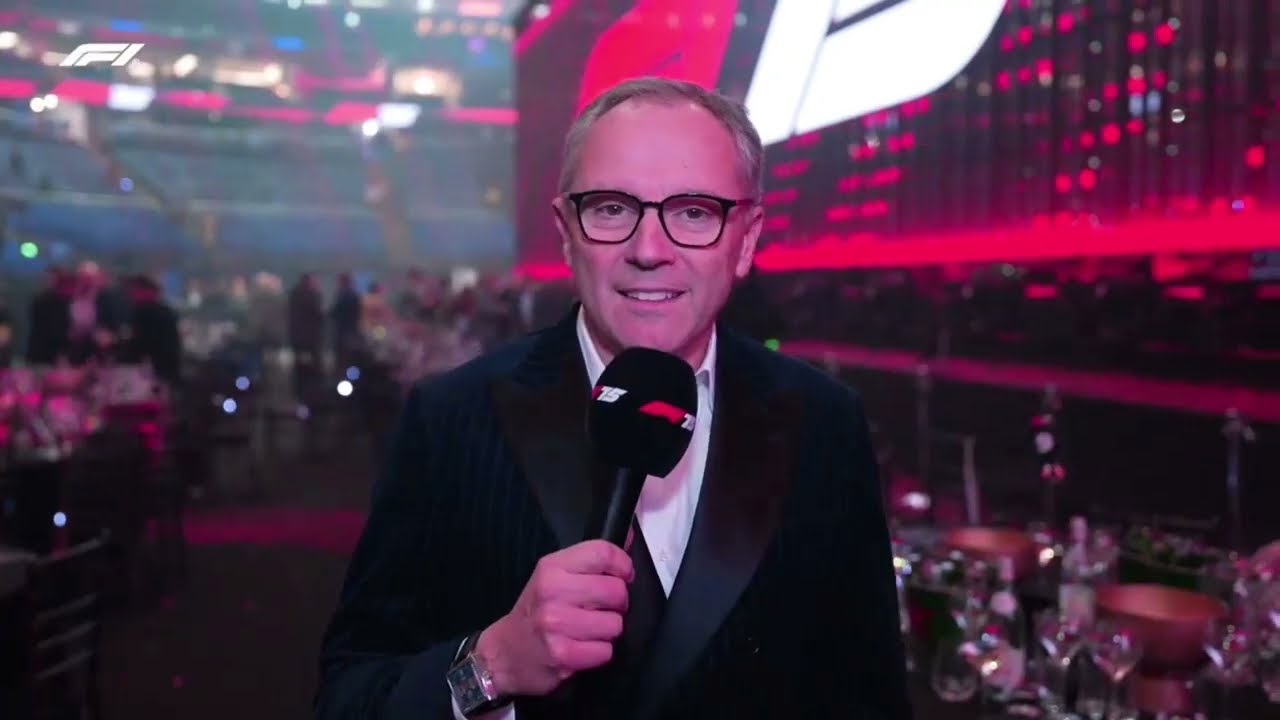
For established giants like Red Bull and Mercedes, this is a headache. Their years of data and accumulated advantages have been effectively wiped clean. But for Audi and Cadillac, this chaos is a golden ladder. As F1 CEO Stefano Domenicali admitted, the pecking order is about to be thrown into chaos. And in chaos, there is opportunity.
Audi: The Master of Its Own Destiny
Audi’s approach to this war has been calculated, methodical, and ruthlessly efficient. They didn’t just join F1; they bought a seat at the head of the table. By acquiring 100% of the Sauber team for an estimated $600 million, Audi secured an existing workforce, a headquarters in Hinwil, Switzerland, and crucially, time.
While their rivals were filling out paperwork, Audi’s engineers in Neuburg were already firing up their 2026 power unit. That head start is Audi’s ace in the hole. They control every single variable. The chassis, the engine, the gearbox—it’s all Audi. This “works team” status allows them to dictate their own development path without waiting on a supplier.
Leading this charge is a blend of championship-winning DNA. Mattia Binotto, Jonathan Wheatley, and James Key form a technical triumvirate that rivals any on the grid. But their boldest move wasn’t in the boardroom; it was in the cockpit.
Audi has paired the veteran stability of Nico Hülkenberg—fresh off his emotional first podium at the 2025 British Grand Prix—with 20-year-old sensation Gabriel Bortoleto. Bortoleto is a generational talent, one of only six drivers in history to win back-to-back F3 and F2 titles as a rookie. Audi is betting that this mix of old-school wisdom and raw, explosive youth will pay dividends by their target championship date of 2030. They are building a dynasty, not a flash in the pan.
Cadillac: The American Rebellion
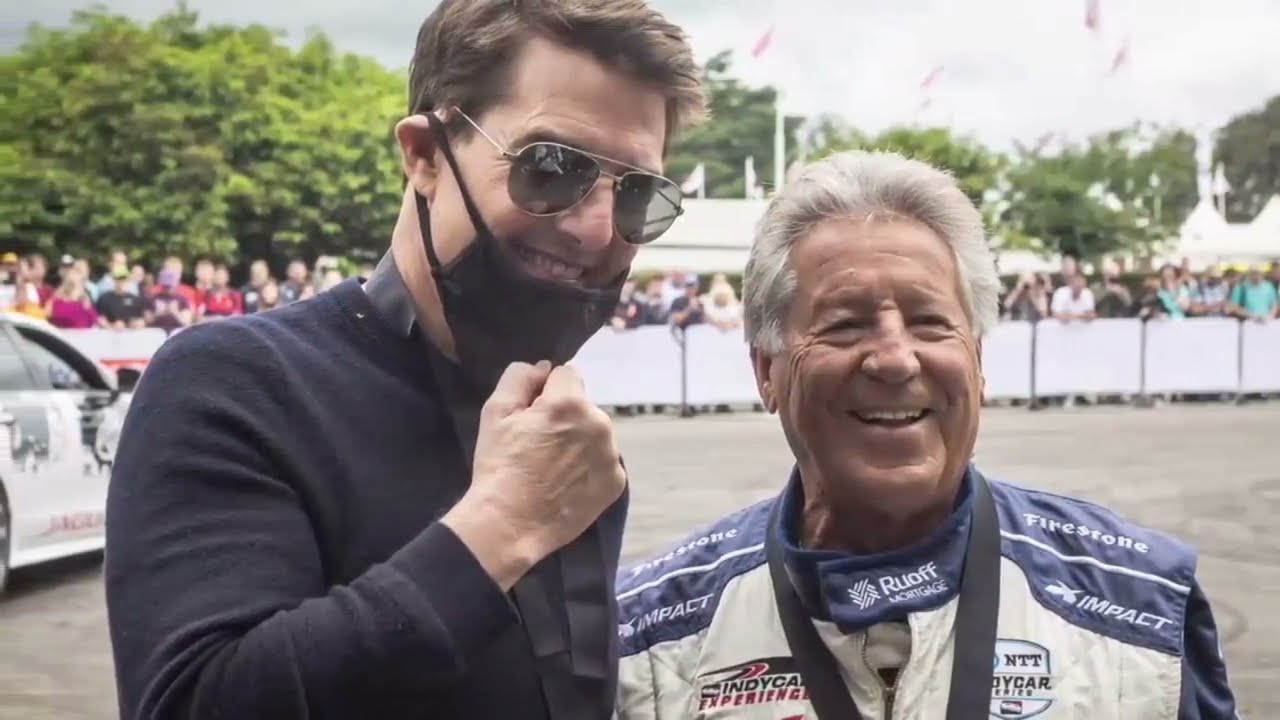
If Audi is the calculated chess player, Cadillac is the prize fighter who kicked down the door. Their journey to the grid was a street fight. After being initially rejected by F1 management in 2024, the Andretti-led bid morphed into a factory-backed GM juggernaut. They silenced the doubters with a staggering $450 million anti-dilution fee—more than double the standard entry cost—and a sheer refusal to take “no” for an answer.
Cadillac’s operation is a logistical beast, spread across Indiana, North Carolina, Silverstone, and Cologne. Unlike Audi, they don’t have their own engine yet. For the next three seasons, they will rely on Ferrari customer power units. It’s a strategy born of necessity, but it comes with a silver lining.
While Audi spends weekends troubleshooting a brand-new, unproven engine, Cadillac will be running a Ferrari power unit that is likely fast and reliable right out of the box. They’ve traded independence for immediate security.
And then there are the drivers. Cadillac looked at Audi’s gamble on youth and went the complete opposite direction. By signing Valtteri Bottas and Sergio Perez, they have secured over 500 Grand Prix starts of experience. These are men who know how to nurse a sick car home, how to manage tires when the strategy falls apart, and how to extract points from chaos. In a season where everyone is learning, Cadillac is betting that experience is the most valuable currency of all.
The Verdict: Who Has the Edge?
As the lights prepare to go out in Australia, the pros and cons are stark.
Audi has the infrastructure advantage. They have been refining their package in the simulator and wind tunnel longer than anyone else. They answer to no one. However, their reliance on a rookie driver and a debut engine carries immense risk. If the power unit is fragile, their season is over before it begins.
Cadillac has the operational grit. They have a proven engine in the back and two drivers who have seen it all. They can hit the ground running. But their decentralized team structure and reliance on Ferrari for updates could hamper their long-term development. They are fighting a war with borrowed weapons.
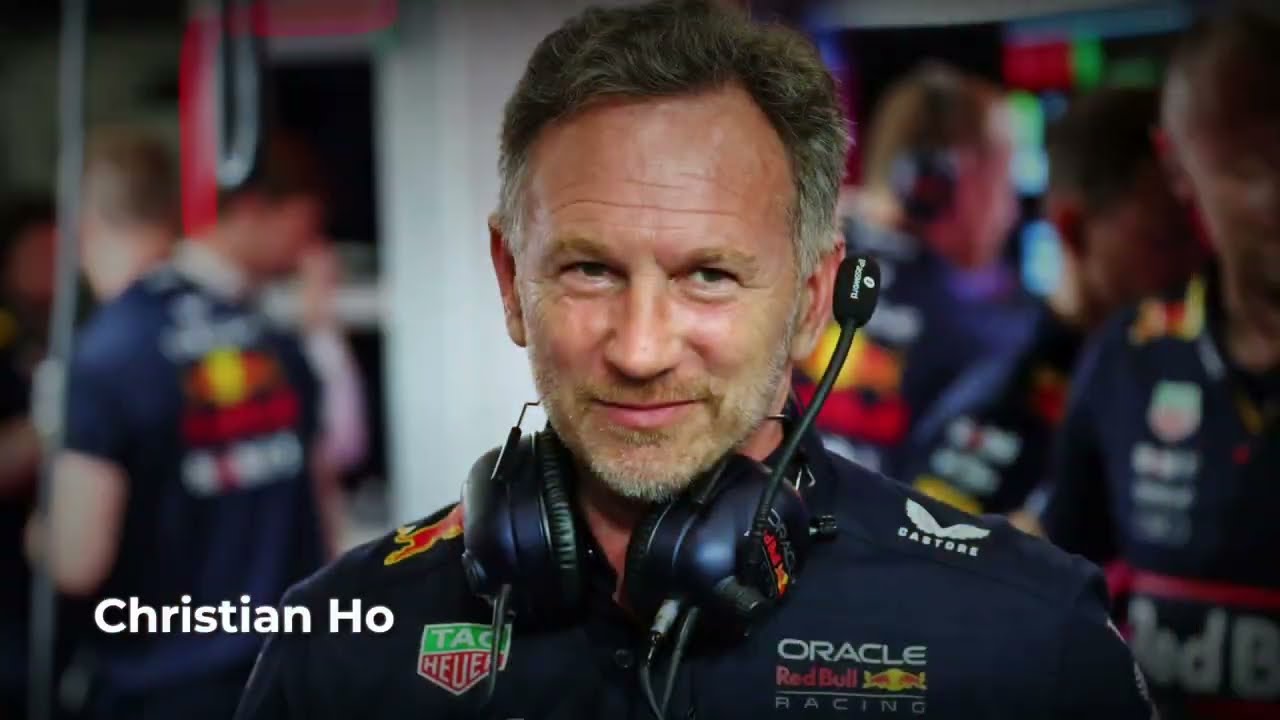
1996 World Champion Damon Hill compared the potential of this season to Brawn GP’s fairytale in 2009—a year where the impossible became reality. Christian Horner sees the GM vs. Ford narrative as a defining moment for the sport’s American expansion.
So, who wins the rookie war?
If you value control, patience, and high ceilings, Audi looks like the smarter bet. They are building a machine designed to dominate the next decade. But if you value speed, adaptability, and immediate results, do not count out Cadillac. They have fought harder than anyone just to be here, and they have the veteran talent to punish any mistake Audi makes.
The “2026 Rookie War” isn’t just a side story; it might be the main event. And when the checkered flag waves in Melbourne, we will finally know which billion-dollar gamble was worth the price.
Buckle up. F1 is about to get very loud.
News

Inside Shane Richie’s love life: Drug – fuelled orgy with six blondes; real reason he split from Coleen Nolan; six-year ‘affair with fan’
Inside Shane Richie’s love life: Orgy with six blondes; real reason he split from Coleen Nolan; six-year ‘affair with fan’ He’s popular with the ladies… Shane Richie…

SH0CKING REVELATI0N:A sh0cking behind-the-scenes secret revealed about Lizzie Rizzini, the woman replacing Carol Kirkwood on the 6pm weather bulletin
BBC viewers still reeling from the departure of Carol Kirkwood got another surprise last night when presenter Lizzie Rizzini appeared to flash her black lace stockings on…

HEARTBREAKING: Peter Andre’s Tearful Message to Son Junior After SHOCKING Revelation About How He Truly Feels Toward Mum Katie Price — Katie Price’s reaction scares fans.
Peter Andre’s emotional message to son Junior after it’s revealed how he really feels about mum Katie Pri… PETER Andre has shared an emotional message to his…

Ben Shephard opens up about the devastating health battle his wife is facing: “She wakes up crying every single morning…”
Inside This Morning Ben Shephard’s Life Including Rarely Seen Wife and Health Battle Ben Shephard is a name synonymous with British television, renowned for his engaging presentation…

🚨 LIVE TV HEARTBREAK: Good Morning Britain Host Announces ‘Devastating’ Dɘath of Guest Minutes Into Show
Viewers of Good Morning Britain were met with heartbreaking news just minutes into Friday’s (January 30) episode, as co-hosts Kate Garraway and Ranvir Singh reported the tragic…

Emmerdale legend Cain Dingle will never be the same again after a shock cancer diagnosis turns his world upside down
FROure Desk. Full Terms and conditions are available on the website http://www.itv.com/presscentre/itvpictures/terms Emmerdale wouldn’t be Emmerdale without the glowering, grunting embodiment of manliness that is Cain Dingle (Jeff Hordley) But…
End of content
No more pages to load






