The dawn of a new era in Formula 1 hasn’t just arrived; it has roared into existence on a quiet Friday in Barcelona. While the rest of the grid is likely still finalizing carbon fiber layups or tweaking CAD files in wind tunnels, Audi has planted its flag firmly in the asphalt of the Circuit de Barcelona-Catalunya. As the first team to physically run a car built for the radical 2026 regulations, the German automotive giant has sent a clear message to the paddock: they are not here to make up the numbers. They are here to lead.
The debut of the Audi R26—the machine tasked with carrying the famous four rings into the pinnacle of motorsport—was a moment of immense significance. It marks the tangible beginning of F1’s next great revolution, characterized by sustainable fuels, simplified aerodynamics, and a completely overhauled power unit formula. Yet, in true modern F1 fashion, this historic milestone was almost overshadowed by a bizarre digital controversy that highlights the insatiable hunger for information in the social media age.
The “Phantom” Leak: How AI Fooled the F1 World
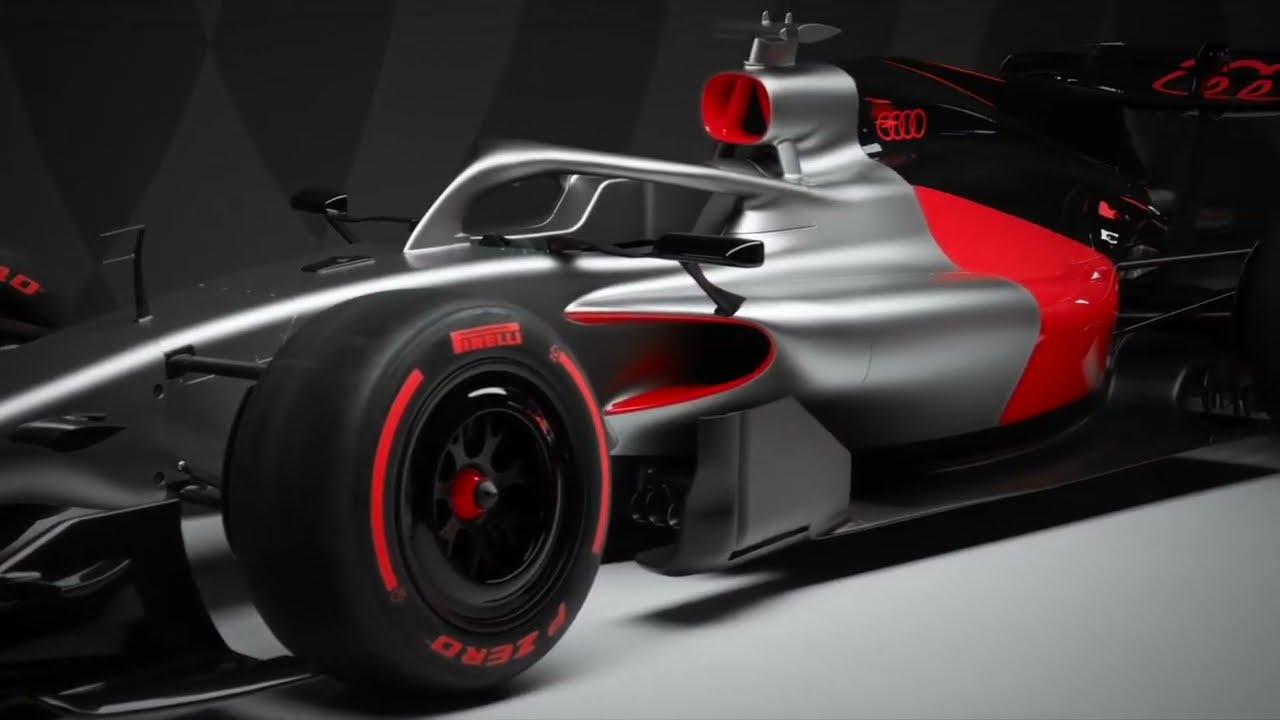
Before a single wheel of the real R26 had turned, the internet was already ablaze with what many believed was the scoop of the century. A “leaked” image purporting to show the new Audi F1 car began circulating with viral intensity, shared by excited fans and even some reputable outlets. The image showed a striking, aggressive car that seemed to reveal Audi’s design secrets weeks ahead of schedule.
There was just one problem: it wasn’t real.
In a comical twist that serves as a cautionary tale for the 2026 season, the “leak” was quickly debunked as an AI-generated fabrication. While at first glance it looked convincing, closer inspection revealed the tell-tale hallucinations of artificial intelligence. The rear wing geometry made no aerodynamic sense, the sidebars appeared to “melt” seamlessly into the chassis, and perhaps most damning of all, the sponsor decals were gibberish—an attempt by the AI to replicate the Barcelona circuit map that resulted in nonsensical squiggles.
This digital phantom served as a perfect contrast to the reality of the day. While the internet argued over a fake JPEG, Audi was conducting business with extreme secrecy. The team released no high-resolution, clear images of the car during the day, opting instead for moody, dark teaser shots that obscured the R26’s intricate details. It was a masterclass in controlling the narrative, ensuring that when the world finally sees the car in full light, it will be on Audi’s terms.
A Reliability Miracle? The R26 Hits the Track
Once the digital dust had settled, the focus shifted to what actually happened on the tarmac. And by all accounts, what happened was nothing short of remarkable.
History has not been kind to new power unit manufacturers entering Formula 1. Fans with long memories will recall the disastrous early days of the hybrid era in 2014, or Honda’s nightmare return in 2015, where cars struggled to complete a single installation lap without expiring in a cloud of smoke. The complexity of F1 power units usually demands a painful “teething” period filled with breakdowns, software glitches, and overheating.
Audi, apparently, didn’t get that memo.
Reports from the closed-door session in Barcelona indicate that the shakedown was a “flawless” success. Utilizing one of their two permitted “filming days” for the year, the team was capped at 200 kilometers (roughly 42 laps) of running. Remarkably, they seem to have used every meter of it effectively. There were no reported breakdowns, no tow trucks on standby, and no frantic mechanics stripping the car down in the garage.
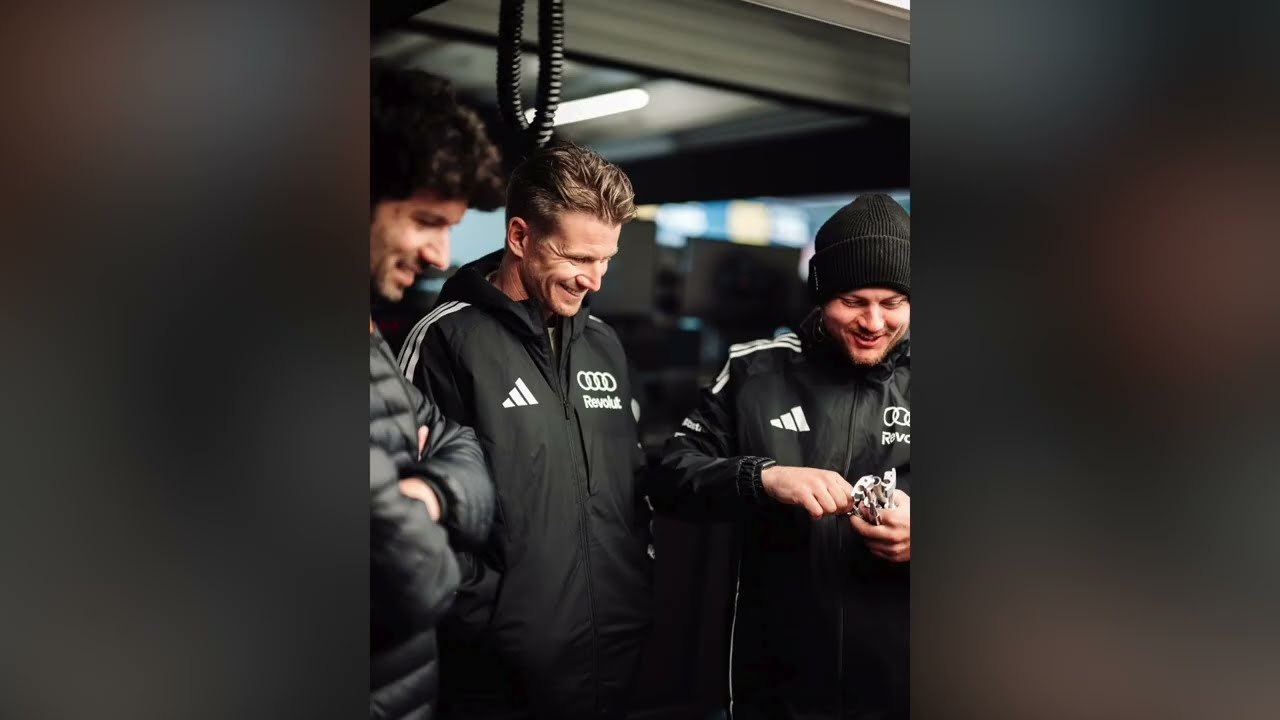
Both Nico Hülkenberg and Gabriel Bortoleto took turns piloting the R26, and perhaps most encouragingly, the car was seen attacking the track at speed. This wasn’t a tentative crawl to check if the wheels would fall off; it was a legitimate test of systems and integration. For a brand new manufacturer with no customer team to share data with, this level of out-of-the-box reliability is a massive coup. It suggests that the thousands of hours spent on dynos in Neuburg have paid off, positioning Audi well ahead of the curve compared to where Renault or Honda started their respective journeys.
Technical Deep Dive: Rowing Back the Years
While clear photos were scarce, the few glimpses we did get—combined with eyewitness reports—have painted a fascinating picture of Audi’s technical direction. The 2026 regulations are a major departure from the current “ground effect” era, and the R26 reflects this shift in philosophy.
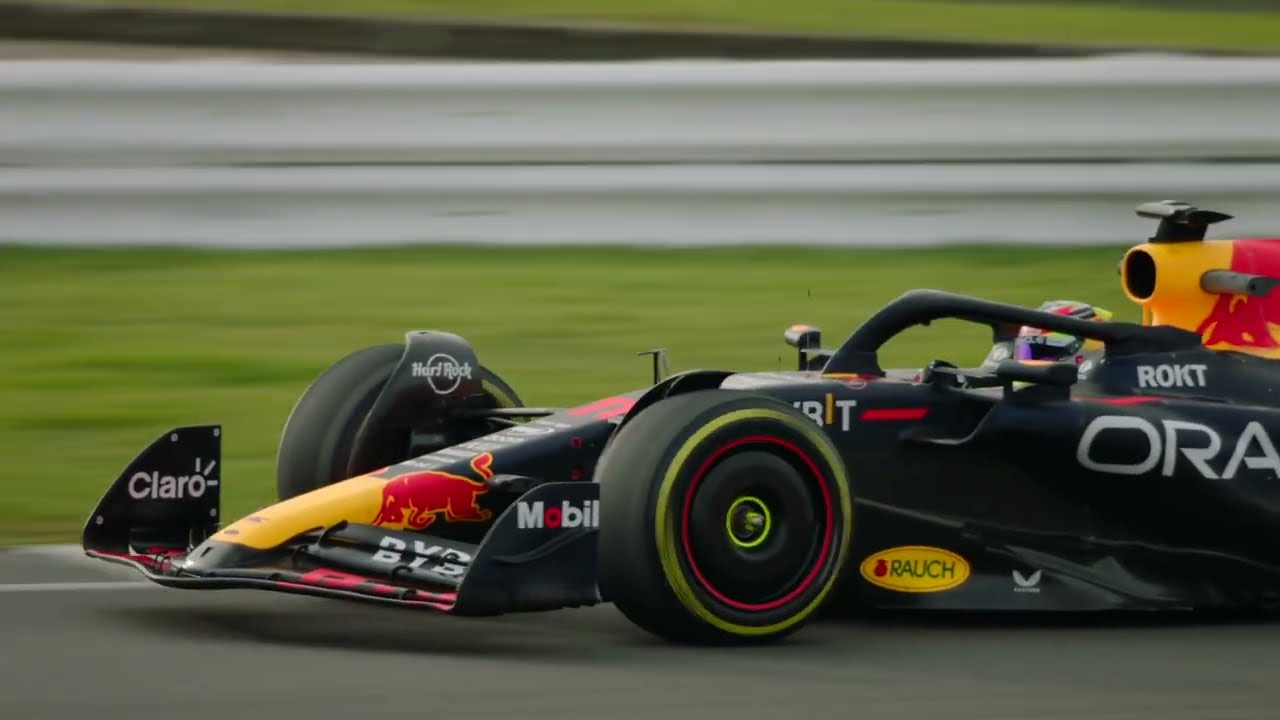
The most notable discovery is the suspension setup. For the past few years, the dominant trend (led by Red Bull) has been “pull-rod” suspension at the front, a complex design chosen for its aerodynamic benefits in feeding air to the massive underfloor tunnels. Audi, however, has reverted to a “push-rod” configuration at both the front and rear.
Why does this matter? It signals that the 2026 rules have successfully reduced the reliance on ground effects. With a simpler floor and less need to run the car stiff and low to the ground, teams can prioritize mechanical grip and simpler suspension geometries. Audi’s choice suggests a car that might be more compliant and “driveable” than the stiff, bouncing beasts of 2022-2025.
Furthermore, the sidepods appear to feature an “in-wash” design, channeling air towards a classic “coke bottle” shape at the rear. This is a divergence from the “downwash” ramps that became the standard solution in recent years. It seems Audi is looking to the past to find the future, utilizing concepts that were popular before the ground effect era to maximize the efficiency of the new, narrower 2026 chassis.
The Human Element: Experience Meets Youth
Beyond the carbon fiber and titanium, the shakedown was a monumental day for the men in the cockpit. Nico Hülkenberg, the veteran German driver, and Gabriel Bortoleto, the exciting young Brazilian prospect, are the chosen duo to spearhead this project.
Their social media reactions were palpable with relief and excitement. Hülkenberg, entering the twilight of his career with perhaps his biggest opportunity yet, posted, “9th of January 2026 & the rings are rolling. Fantastic effort Audi F1.” It was a succinct validation of the years of work that have gone into this project since it was first announced.
For Bortoleto, the day marked the start of his rookie adventure with a factory team, a dream scenario for any young driver. “So happy to finally start this journey! First day at the track with Audi F1,” he shared. The dynamic between the experienced “Hulk” and the rookie Bortoleto will be crucial as they develop this car. With no previous data to rely on, their feedback from this 200km test will be the foundation for everything that follows.
What Comes Next?
The Barcelona shakedown was just the appetizer. The main course will be served on January 20th in Berlin, where Audi has scheduled its official team launch. It is there that we expect to see the full race livery—likely shedding the camouflage or testing black—and perhaps get a clearer explanation of the team’s goals for their debut season.
But for now, the message has been delivered. While skeptics questioned whether a new manufacturer could be ready in time to fight the established giants, Audi has proven that they are not just ready; they are rolling. The “R26” is real, it runs, and if this first test is any indication, it might just be reliable enough to cause a few headaches for the big three.
As the F1 world wakes up to the reality of 2026, one thing is certain: the rings have arrived, and the race has officially begun.
News

Inside Shane Richie’s love life: Drug – fuelled orgy with six blondes; real reason he split from Coleen Nolan; six-year ‘affair with fan’
Inside Shane Richie’s love life: Orgy with six blondes; real reason he split from Coleen Nolan; six-year ‘affair with fan’ He’s popular with the ladies… Shane Richie…

SH0CKING REVELATI0N:A sh0cking behind-the-scenes secret revealed about Lizzie Rizzini, the woman replacing Carol Kirkwood on the 6pm weather bulletin
BBC viewers still reeling from the departure of Carol Kirkwood got another surprise last night when presenter Lizzie Rizzini appeared to flash her black lace stockings on…

HEARTBREAKING: Peter Andre’s Tearful Message to Son Junior After SHOCKING Revelation About How He Truly Feels Toward Mum Katie Price — Katie Price’s reaction scares fans.
Peter Andre’s emotional message to son Junior after it’s revealed how he really feels about mum Katie Pri… PETER Andre has shared an emotional message to his…

Ben Shephard opens up about the devastating health battle his wife is facing: “She wakes up crying every single morning…”
Inside This Morning Ben Shephard’s Life Including Rarely Seen Wife and Health Battle Ben Shephard is a name synonymous with British television, renowned for his engaging presentation…

🚨 LIVE TV HEARTBREAK: Good Morning Britain Host Announces ‘Devastating’ Dɘath of Guest Minutes Into Show
Viewers of Good Morning Britain were met with heartbreaking news just minutes into Friday’s (January 30) episode, as co-hosts Kate Garraway and Ranvir Singh reported the tragic…

Emmerdale legend Cain Dingle will never be the same again after a shock cancer diagnosis turns his world upside down
FROure Desk. Full Terms and conditions are available on the website http://www.itv.com/presscentre/itvpictures/terms Emmerdale wouldn’t be Emmerdale without the glowering, grunting embodiment of manliness that is Cain Dingle (Jeff Hordley) But…
End of content
No more pages to load






