A New Challenger Approaches—With an Attitude
When a new manufacturer enters the shark tank that is Formula 1, they usually tread lightly. They talk about “learning curves,” “humility,” and “respecting the competition.” Audi, however, has decided to tear up that script completely. Their official entry into the sport hasn’t just been marked by the reveal of a striking new livery; it has been defined by an immediate, calculated, and aggressive political declaration of war against the sport’s established titans, Mercedes and Red Bull.
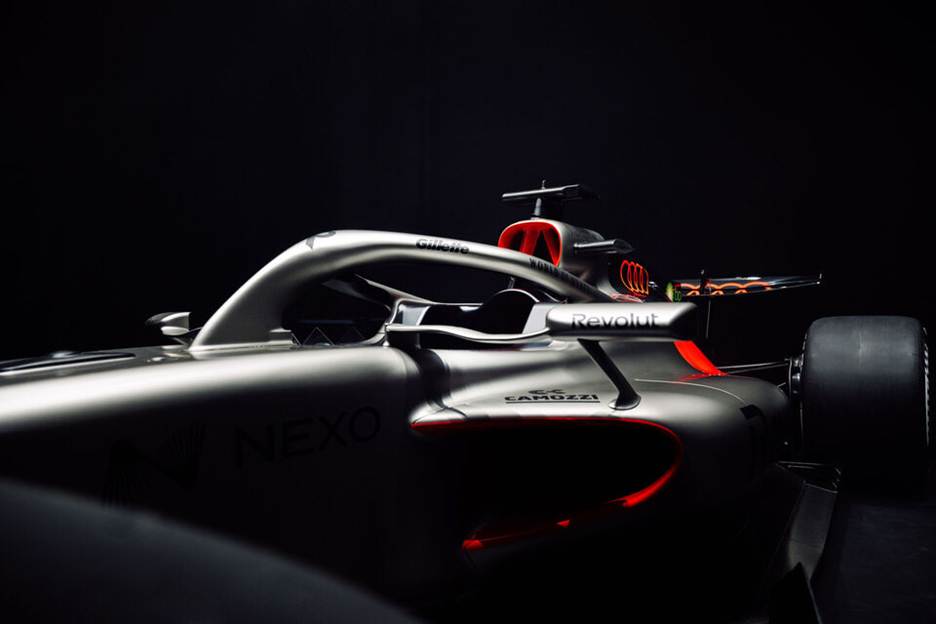
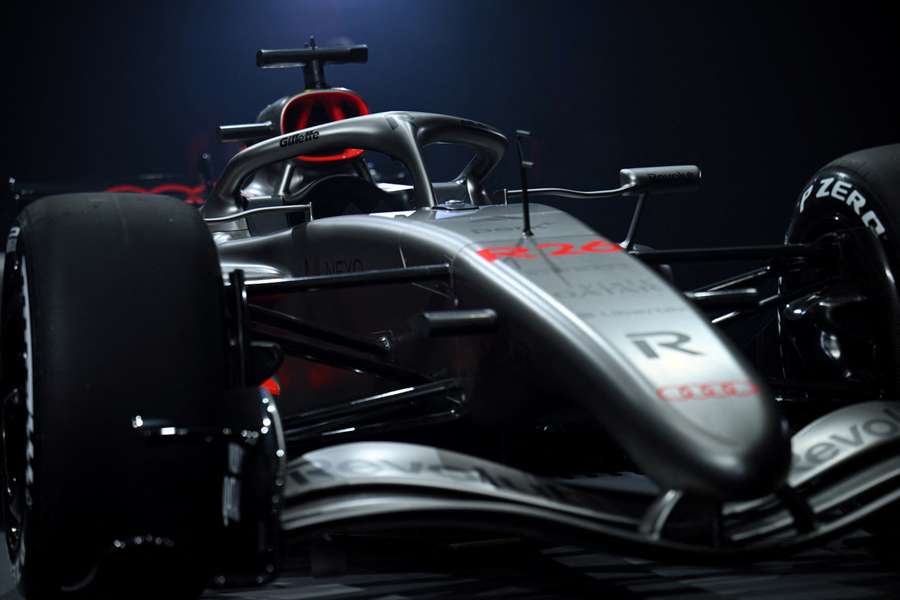
While the fans were busy analyzing the aesthetics of Audi’s new 2026 challenger—noting the familiar color scheme and the somewhat controversial clash of blue sponsor logos on the shark fin—the real story was unfolding behind the scenes. Audi’s technical leadership, specifically Chief Technical Officer James Key, wasted no time in firing the first shots in a battle that could define the competitive landscape of the new engine era.
The “Magic” Engine Loophole
At the heart of this explosive conflict is a technical controversy that sounds dry on paper but carries championship-winning implications: the “compression limit trick.”
In simple terms, Formula 1 engines generate power by squeezing an air-fuel mixture before igniting it. The tighter the squeeze (compression ratio), the more power you get. The 2026 regulations attempt to cap this ratio to keep costs down and performance equal. However, there is a catch. The FIA currently measures this ratio at “ambient temperature”—basically, when the engine is cold and sitting in the garage.
The loophole? Engines don’t race at ambient temperature. They race under extreme heat and pressure. Audi, along with allies Ferrari and Honda, suspects that Mercedes and Red Bull have found a way to design an engine geometry that changes when it gets hot. This would allow them to run much higher compression ratios—and thus generate significantly more power—while still technically passing the static, cold legality check.
This isn’t just a minor tweak. Estimates suggest this trick could be worth up to a third of a second per lap. In the world of F1, that is an eternity. It is the difference between fighting for pole position and struggling to make it out of Q1.
Drawing a Line in the Sand
Audi’s aggressive stance is being championed by figures who know exactly how the game is played. James Key and Team Principal Jonathan Wheatley—who spent years at the sharp end of the grid with Red Bull—are refusing to play the role of the quiet newcomer.
James Key’s comments were strikingly defiant. He compared the situation to the famous “double diffuser” saga of 2009, where Brawn GP found a loophole that handed them the title while everyone else scrambled to catch up. But Key pointed out a terrifying difference: you can copy a diffuser in a few weeks. You cannot simply “copy” a complex engine architecture once the rules are locked down.
“If someone came up with a clever diffuser… you can have it for the rest of the year. It doesn’t make sense. We never accept that,” Key argued, framing the issue not just as a technical dispute, but as a matter of fundamental sporting integrity.
Audi’s message is clear: they did not spend billions of dollars and years of preparation to join a series where the winner is decided by a regulatory oversight before the lights even go out in 2026.
The Political Battlefield: A 2v3 Split
This dispute has fractured the paddock into two distinct camps. On one side, you have the “Have-Nots” (or perhaps the “Play-by-the-Rules” faction): Audi, Ferrari, and Honda. They are lobbying the FIA intensely to close the loophole, demanding that measurements be taken at race temperatures or that strict thermal expansion limits be applied.
On the other side, you have the “Haves”: Mercedes and Red Bull. They are reportedly dismissing the concerns as “noise about nothing.” It is a classic F1 defense mechanism—deny everything, call your rivals paranoid, and quietly enjoy your advantage. Red Bull’s engine lead, Ben Hodkinson, has brushed the rumors aside, calling it standard paddock gossip.
But for Audi, this is existential. If the loophole stands, they risk spending their debut season in the midfield, unable to upgrade their way out of a deficit because of the strict homologation (engine freeze) rules. They are effectively being asked to sign up for a gunfight while their opponents are holding rocket launchers.
From Sauber to Powerhouse
What makes this story so compelling is what it says about Audi’s transformation. For years, the team operating out of Hinwil (formerly Sauber) has been seen as a “plucky underdog” or a backmarker. Those days are unequivocally over.
Audi is acting like a “proper” factory team. They are leveraging their corporate weight to pressure the FIA. They are not asking for permission; they are demanding fairness. This is a crucial shift in mentality. As the video analysis points out, factory teams don’t politely accept disadvantages. They fight. They shove. They use every ounce of political capital to ensure the playing field tilts in their favor.
Jonathan Wheatley’s influence is palpable here. He knows the rulebook inside out and speaks the language of the stewards. By raising this issue now—months before the first car hits the track—Audi is launching a preemptive strike. They want to force the FIA’s hand while the concrete is still wet.

The Danger of Inaction
The ball is now firmly in the FIA’s court. Mohammed Ben Sulayem and his team face a difficult choice. If they do nothing, they risk a 2014-style scenario where one manufacturer (Mercedes) dominated for years because they mastered the engine formula better than anyone else. That era turned off millions of fans and hurt the sport’s commercial growth.
However, if the FIA intervenes too heavily, they risk punishing innovation and angering the existing powerhouses. It is a delicate balancing act.
But Audi has made one thing certain: they will not go quietly into the night. They have arrived in Formula 1 not just to participate, but to dictate terms. The livery might be what caught the eye, but the real headline is that the German giant has taken its seat at the table—and it’s already flipping it over.
News

Inside Shane Richie’s love life: Drug – fuelled orgy with six blondes; real reason he split from Coleen Nolan; six-year ‘affair with fan’
Inside Shane Richie’s love life: Orgy with six blondes; real reason he split from Coleen Nolan; six-year ‘affair with fan’ He’s popular with the ladies… Shane Richie…

SH0CKING REVELATI0N:A sh0cking behind-the-scenes secret revealed about Lizzie Rizzini, the woman replacing Carol Kirkwood on the 6pm weather bulletin
BBC viewers still reeling from the departure of Carol Kirkwood got another surprise last night when presenter Lizzie Rizzini appeared to flash her black lace stockings on…

HEARTBREAKING: Peter Andre’s Tearful Message to Son Junior After SHOCKING Revelation About How He Truly Feels Toward Mum Katie Price — Katie Price’s reaction scares fans.
Peter Andre’s emotional message to son Junior after it’s revealed how he really feels about mum Katie Pri… PETER Andre has shared an emotional message to his…

Ben Shephard opens up about the devastating health battle his wife is facing: “She wakes up crying every single morning…”
Inside This Morning Ben Shephard’s Life Including Rarely Seen Wife and Health Battle Ben Shephard is a name synonymous with British television, renowned for his engaging presentation…

🚨 LIVE TV HEARTBREAK: Good Morning Britain Host Announces ‘Devastating’ Dɘath of Guest Minutes Into Show
Viewers of Good Morning Britain were met with heartbreaking news just minutes into Friday’s (January 30) episode, as co-hosts Kate Garraway and Ranvir Singh reported the tragic…

Emmerdale legend Cain Dingle will never be the same again after a shock cancer diagnosis turns his world upside down
FROure Desk. Full Terms and conditions are available on the website http://www.itv.com/presscentre/itvpictures/terms Emmerdale wouldn’t be Emmerdale without the glowering, grunting embodiment of manliness that is Cain Dingle (Jeff Hordley) But…
End of content
No more pages to load






