In the high-stakes world of Formula 1, desperate times often call for radical measures. But what Alpine has just executed goes beyond a simple strategy shift; it is a fundamental rewriting of their identity. The French team, historically synonymous with Renault’s engineering prowess, has officially entered the 2026 era, and they have done so with a German heart beating beneath their chassis.
The events that unfolded this week at a rain-soaked Silverstone circuit mark a turning point not just for the team, but for the sport itself. In a secret shakedown that has since sent ripples through the motorsport community, the new Alpine A526 took to the track. While shakedowns are routine, this one was historic. For the first time since the days of Team Lotus in 2015, an Enstone-based car was not powered by a Renault engine. Instead, the roar echoing off the British asphalt came from a Mercedes power unit.
This moment is the culmination of a brutal, calculated, and controversial journey. To understand the gravity of seeing Pierre Gasly pilot a Mercedes-powered Alpine, one must look back at the sacrificial fire from which this car was born. The 2025 season was, by all accounts, a disaster for Alpine. They finished dead last in the Constructor’s Championship, a humiliation for a factory team with such a rich history. However, as details emerge regarding their 2026 preparations, it is becoming increasingly clear that the pain of 2025 was not a failure of ability, but a deliberate price paid for future glory.
The Great Sacrifice: Giving Up to Get Ahead
The narrative surrounding Alpine’s abysmal 2025 campaign is shifting. It wasn’t just a bad year; it was a strategic surrender. Reports indicate that the team abandoned development of their 2025 challenger as early as June, redirecting every ounce of resource, engineering talent, and wind tunnel time toward the 2026 regulations.
In the hyper-competitive environment of F1, standing still is equivalent to moving backward. By halting development, Alpine accepted their fate at the back of the grid, enduring a season of criticism and poor results. But was it worth it? The early data from the A526 suggests a resounding yes.
Insiders report that the new car has already hit the minimum weight target of 768 kilograms. In the complex world of F1 engineering, this is a massive achievement. When the previous major regulation changes were introduced in 2022, almost every team on the grid struggled with overweight cars, costing them valuable tenths of a second per lap. If Alpine is indeed starting the 2026 era at the ideal weight while rivals struggle to shed pounds, they possess an immediate, tangible advantage before the lights even go out in Melbourne.
The Mercedes Factor: A Deal with the Devil?
Perhaps the most shocking aspect of this transformation is the engine itself. Renault, the parent company, made the heart-wrenching decision to shutter its F1 engine program. The costs required to develop a new power unit for the complex 2026 regulations—which feature a near 50/50 split between electric and internal combustion power—were deemed too high.
This decision was initially met with skepticism and viewed by many as an admission of defeat. How could a proud French manufacturer rely on Mercedes, their direct rival, for power? Yet, as the reality of the 2026 grid takes shape, this choice looks increasingly shrewd. Alpine has secured a deal that runs until at least 2030, guaranteeing them the same specification power unit used by the factory Mercedes team, as well as McLaren and Williams.
Considering McLaren’s recent dominance and the persistent rumors that Mercedes has found a “silver bullet” performance advantage with their new engine, Alpine has effectively vaulted themselves into a prime position. They have bypassed the risk of developing a potentially inferior engine in-house and instead strapped themselves to what is widely expected to be the class of the field. If the Mercedes engine is the rocket ship many predict, Alpine’s chassis department simply needs to build a decent car to be competitive—something the Enstone team has proven capable of in the past.
A New Era of Leadership and Drivers
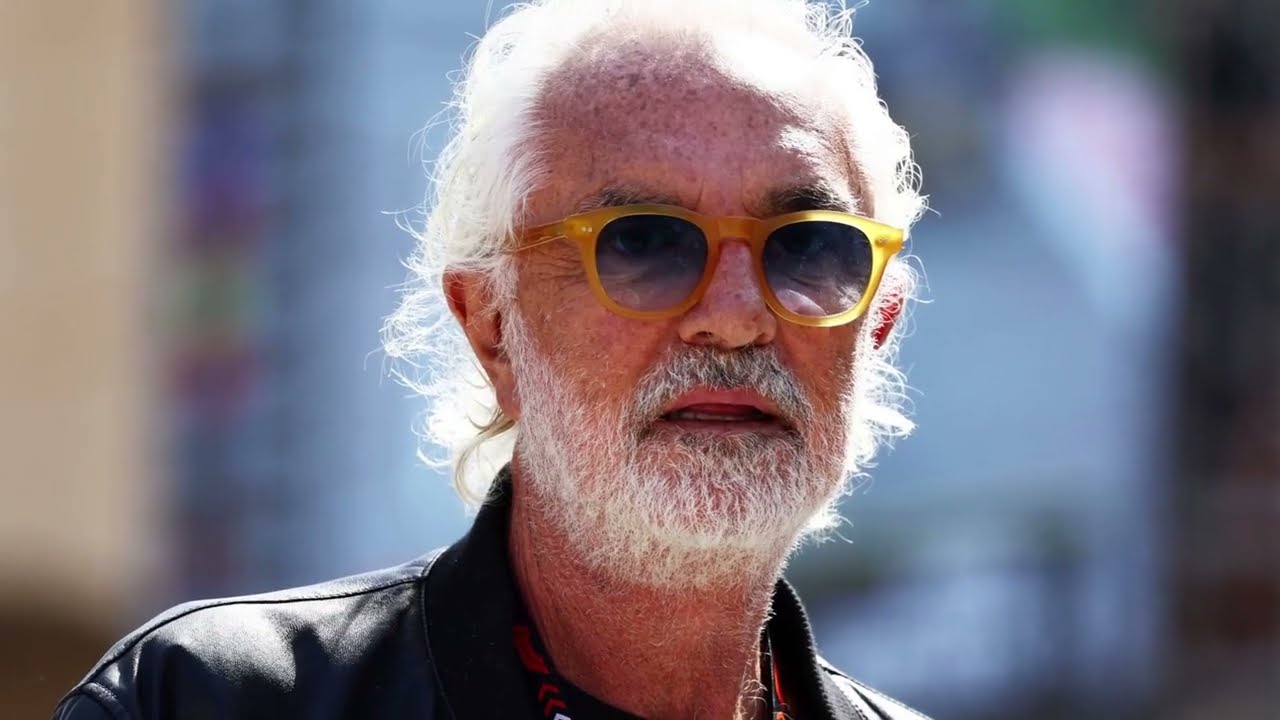
The changes at Alpine are not limited to hardware. The human element has undergone a similarly drastic overhaul. The controversial Flavio Briatore is back in the fold, bringing his signature aggressive management style. Briatore’s reputation is polarizing, to say the least, but his track record of winning championships is undeniable. His influence is already being felt in the decisive—and ruthless—nature of the team’s recent moves.
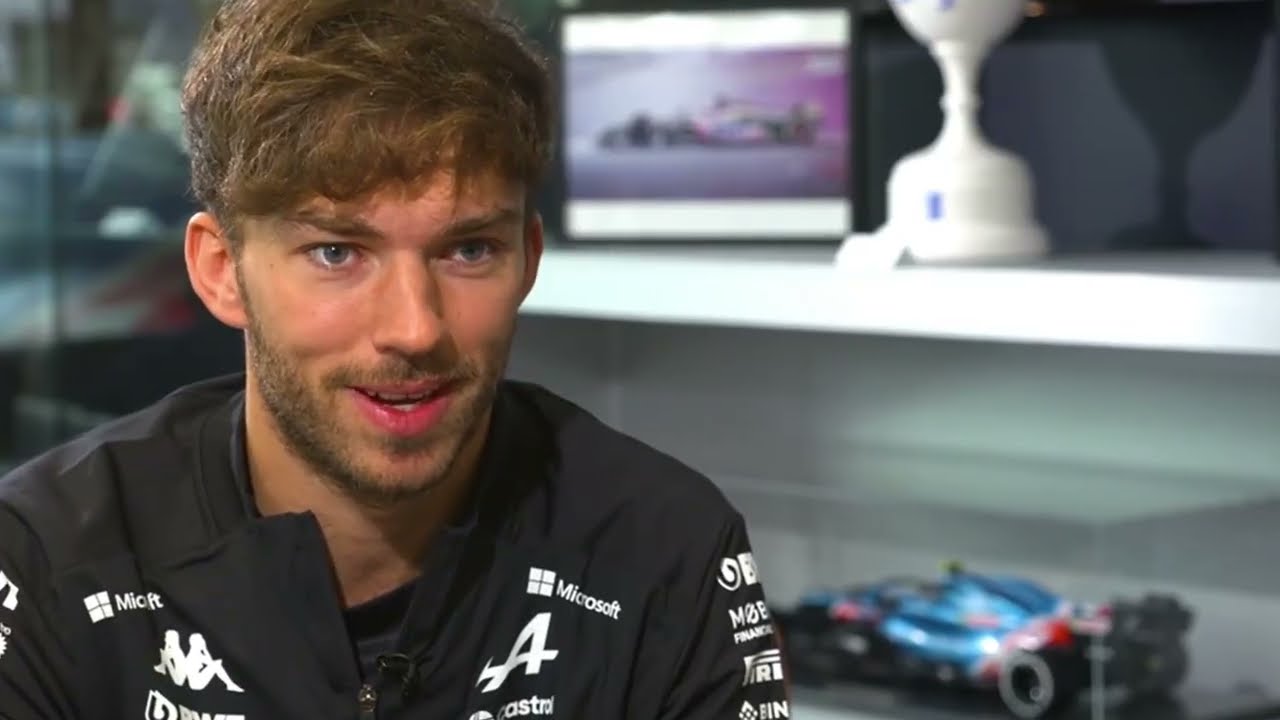
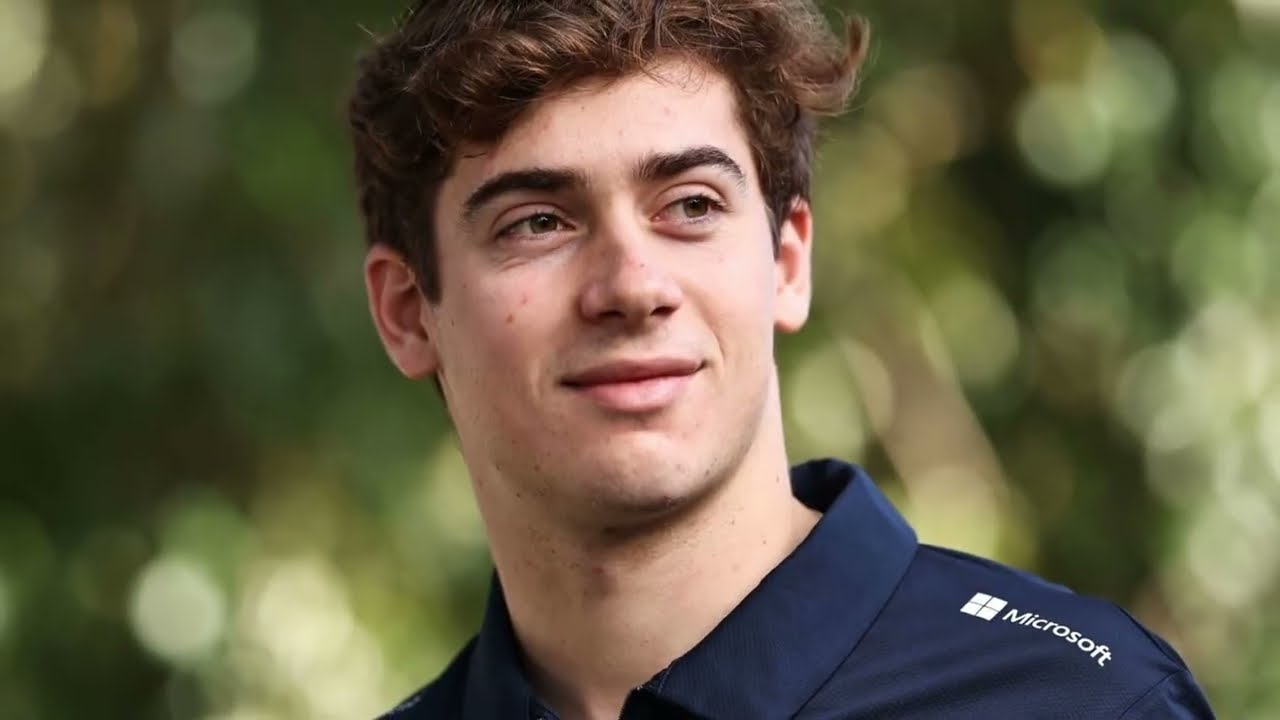
On the driving front, Pierre Gasly remains the steady hand. Having endured the team’s difficult period, he has emerged as a true leader. His feedback during the Silverstone shakedown will be critical. Beside him sits Franco Colapinto, a wild card in every sense. The Argentine driver showed flashes of genuine speed during his stint with Williams, but his introduction to F1 was chaotic and error-prone.
Hiring Colapinto is another gamble. Alpine’s Managing Director, Steve Nielsen, has publicly stated that Colapinto needs time to mature and deliver consistent points. In a season where the team expects to fight at the front, there is no room for a rookie learning curve. The pressure on Colapinto to convert his raw pace into reliable results will be immense from day one.
The Technical Frontier
The 2026 regulations represent the biggest technical upheaval in recent F1 history. Cars are smaller, lighter, and feature active aerodynamics that allow wings to adjust mid-lap. The reliance on sustainable fuels and the increased electrical power output completely changes the driving characteristics.
Leaked fan footage of the A526 navigating the wet Silverstone circuit gave us our first glimpse of this new breed of car. It looks different, sounds different, and behaves differently. By being one of the first teams to get their 2026 challenger on track—following Audi, Cadillac, and Racing Bulls—Alpine is maximizing their data gathering. In a sport where data is currency, these early laps in the British rain are invaluable.
The Verdict: Genius or Madness?
Alpine is scheduled to officially launch the A526 on a cruise ship off the coast of Barcelona, a flashy venue that matches their renewed ambition. But the real test will not be the glamour of the launch or the secretive laps at Silverstone; it will be the first race of the season.
The team has stripped itself down to the foundation and rebuilt itself with parts from former rivals. They have sacrificed their pride as an engine manufacturer and endured a humiliating season in the cellar of the standings. They have handed the keys to a controversial figure from the past and a volatile rookie driver.
It is a strategy fraught with risk. If the Mercedes engine is not dominant, or if the chassis fails to perform, Alpine will have sold its soul for nothing. But if the gamble pays off—if the weight advantage holds, the engine screams, and the drivers deliver—Alpine could pull off one of the greatest turnarounds in sporting history.
For years, Alpine has been accused of being content with mediocrity, of aiming for fourth place and settling for fifth. Those days appear to be over. The decisions made over the last twelve months are not the actions of a team happy to make up the numbers. They are the actions of a team desperate to win, regardless of the cost. The A526 is real, the Mercedes engine is running, and the “French” team has never looked more dangerous.
News

Inside Shane Richie’s love life: Drug – fuelled orgy with six blondes; real reason he split from Coleen Nolan; six-year ‘affair with fan’
Inside Shane Richie’s love life: Orgy with six blondes; real reason he split from Coleen Nolan; six-year ‘affair with fan’ He’s popular with the ladies… Shane Richie…

SH0CKING REVELATI0N:A sh0cking behind-the-scenes secret revealed about Lizzie Rizzini, the woman replacing Carol Kirkwood on the 6pm weather bulletin
BBC viewers still reeling from the departure of Carol Kirkwood got another surprise last night when presenter Lizzie Rizzini appeared to flash her black lace stockings on…

HEARTBREAKING: Peter Andre’s Tearful Message to Son Junior After SHOCKING Revelation About How He Truly Feels Toward Mum Katie Price — Katie Price’s reaction scares fans.
Peter Andre’s emotional message to son Junior after it’s revealed how he really feels about mum Katie Pri… PETER Andre has shared an emotional message to his…

Ben Shephard opens up about the devastating health battle his wife is facing: “She wakes up crying every single morning…”
Inside This Morning Ben Shephard’s Life Including Rarely Seen Wife and Health Battle Ben Shephard is a name synonymous with British television, renowned for his engaging presentation…

🚨 LIVE TV HEARTBREAK: Good Morning Britain Host Announces ‘Devastating’ Dɘath of Guest Minutes Into Show
Viewers of Good Morning Britain were met with heartbreaking news just minutes into Friday’s (January 30) episode, as co-hosts Kate Garraway and Ranvir Singh reported the tragic…

Emmerdale legend Cain Dingle will never be the same again after a shock cancer diagnosis turns his world upside down
FROure Desk. Full Terms and conditions are available on the website http://www.itv.com/presscentre/itvpictures/terms Emmerdale wouldn’t be Emmerdale without the glowering, grunting embodiment of manliness that is Cain Dingle (Jeff Hordley) But…
End of content
No more pages to load






