In the high-speed laboratory of Formula 1, conformity is usually the safest bet. When a new set of regulations drops, teams tend to converge on a single, optimal solution within months. But at the recent Barcelona shakedown for the revolutionary 2026 season, one car stood out not for its lap times, but for a piece of engineering that refused to follow the herd.
The Alpine A526 has arrived with a rear wing concept that is visually and mechanically distinct from every other challenger on the grid. And according to aerodynamic experts, this difference isn’t just a quirky design choice—it’s a calculated philosophy that prioritizes stability over raw speed in an era where “drivability” might be the ultimate currency.
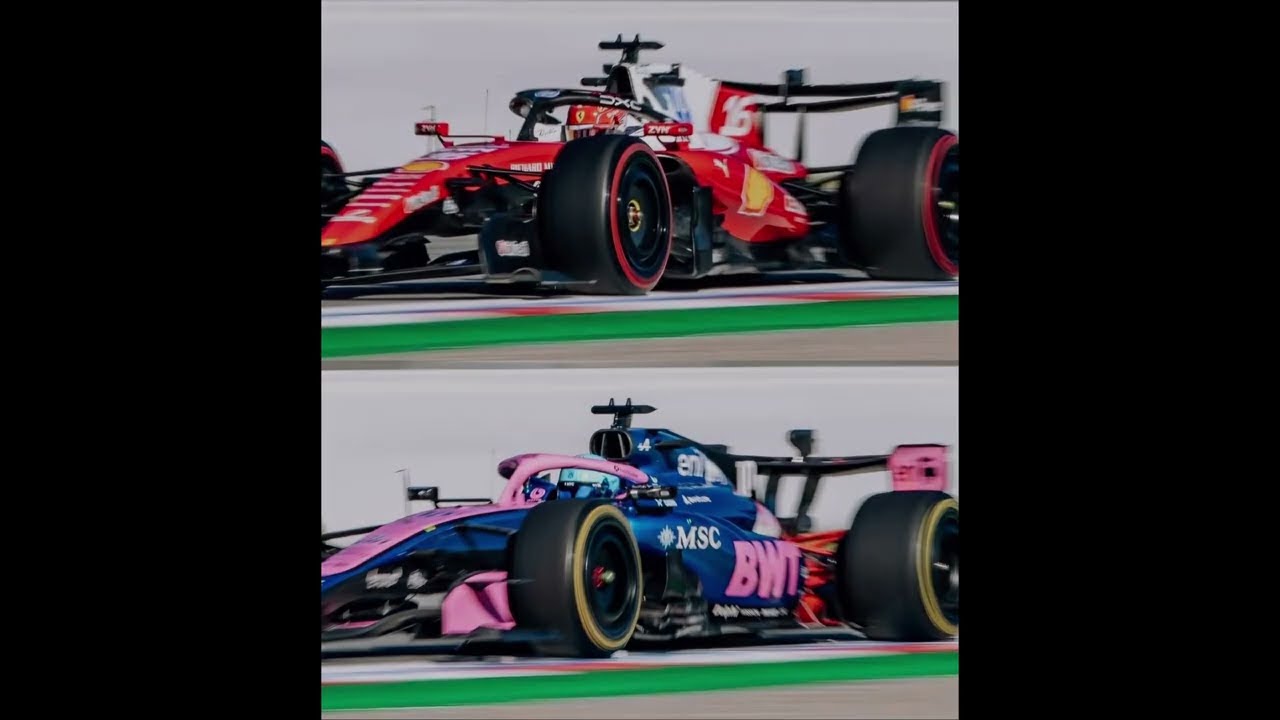
The “Snap” vs. The “Slide”
To understand why Alpine’s design is turning heads, you first have to understand the trap set by the 2026 regulations. The new rules introduce fully integrated active aerodynamics, forcing cars to constantly switch between “high downforce” (for corners) and “low drag” (for straights).
Most teams have adopted a binary, aggressive approach. Their rear wing elements rotate upward violently to dump drag, then snap back down for grip. It’s effective, but it’s brutal. This sudden shift in pressure can destabilize the airflow, making the car nervous and prone to “snap oversteer” just as the driver hits the brakes.
Alpine, however, has chosen a different path.
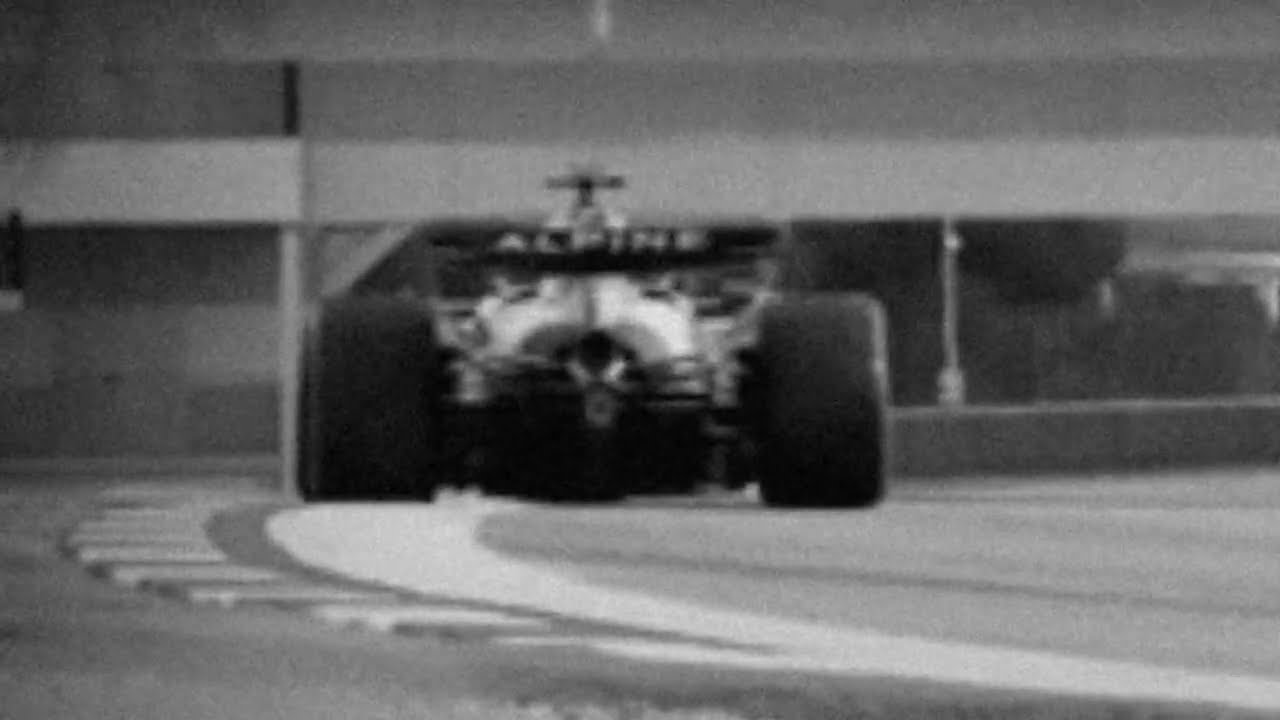
Based on rear-facing footage from Barcelona, the A526’s upper wing element doesn’t rotate upward. Instead, the trailing edge appears to move downward, indicating a completely different hinge axis and actuation geometry.
“Alpine’s design likely preserves attached flow for longer,” the technical analysis suggests. “This smoother pressure recovery reduces turbulence generation and stabilizes the wake during mode changes.”
In simple terms: while other cars are violently snapping between modes, the Alpine is gliding between them.
Stability is King
Why would Alpine sacrifice peak drag reduction for a smoother transition? The answer lies in the invisible war of the 2026 power units.
The new cars rely heavily on electrical deployment and aggressive energy recovery. When a driver hits the brakes, the car is harvesting massive amounts of energy, which already destabilizes the rear axle. If you add a sudden, violent aerodynamic shift on top of that, you have a recipe for disaster.
By choosing a “gradual modification of the pressure field,” Alpine is giving its drivers a stable platform. The car remains predictable. The rear end stays planted.
“A rear wing that does not abruptly unload when switching modes can improve braking stability… and give the driver greater confidence at high speed,” the report notes. “Over a lap, that consistency can outweigh isolated gains in top speed.”
The “Continuous Window” Theory
There is a deeper, more cerebral theory behind this design as well. Experts believe Alpine isn’t just trying to avoid instability; they are trying to create a “continuous aerodynamic window.”
Instead of treating the car as having two modes (Fast and Grip), Alpine’s geometry suggests they want the car to function effectively in the messy middle ground—the transition phase where races are often won or lost.
“Managing how quickly loads build and decay could be just as important as the loads themselves,” the analysis argues.
This approach also hints at a clever “development-led” strategy. A less aggressive system is inherently more tolerant of errors. If the wind tunnel data is slightly off, a “smooth” wing is less likely to result in a catastrophic failure on track than a “peaky” one. For a team that has struggled with correlation issues in the past, this is a mature, safety-first baseline that allows them to build confidence early in the cycle.
A “Thoughtful” Rebellion
In a sport that often rewards the most extreme solution, Alpine’s “conservative” rear wing might seem underwhelming. It doesn’t scream for attention. It doesn’t chase the highest top speed number on the radar trap.
But that is exactly the point. The 2026 regulations are a minefield of complexity, tying aerodynamics to energy management in a knot that is incredibly difficult to untangle. While rivals chase peak performance peaks that might be impossible to drive consistently, Alpine has built a car designed to be raced.
“It points to a deliberate design philosophy centered on stability, drivability, and aerodynamic consistency,” the report concludes.
As the season unfolds, this “quiet” innovation could prove to be the A526’s loudest statement. In a year of chaos, the smartest car might just be the one that keeps its composure.
News

Inside Shane Richie’s love life: Drug – fuelled orgy with six blondes; real reason he split from Coleen Nolan; six-year ‘affair with fan’
Inside Shane Richie’s love life: Orgy with six blondes; real reason he split from Coleen Nolan; six-year ‘affair with fan’ He’s popular with the ladies… Shane Richie…

SH0CKING REVELATI0N:A sh0cking behind-the-scenes secret revealed about Lizzie Rizzini, the woman replacing Carol Kirkwood on the 6pm weather bulletin
BBC viewers still reeling from the departure of Carol Kirkwood got another surprise last night when presenter Lizzie Rizzini appeared to flash her black lace stockings on…

HEARTBREAKING: Peter Andre’s Tearful Message to Son Junior After SHOCKING Revelation About How He Truly Feels Toward Mum Katie Price — Katie Price’s reaction scares fans.
Peter Andre’s emotional message to son Junior after it’s revealed how he really feels about mum Katie Pri… PETER Andre has shared an emotional message to his…

Ben Shephard opens up about the devastating health battle his wife is facing: “She wakes up crying every single morning…”
Inside This Morning Ben Shephard’s Life Including Rarely Seen Wife and Health Battle Ben Shephard is a name synonymous with British television, renowned for his engaging presentation…

🚨 LIVE TV HEARTBREAK: Good Morning Britain Host Announces ‘Devastating’ Dɘath of Guest Minutes Into Show
Viewers of Good Morning Britain were met with heartbreaking news just minutes into Friday’s (January 30) episode, as co-hosts Kate Garraway and Ranvir Singh reported the tragic…

Emmerdale legend Cain Dingle will never be the same again after a shock cancer diagnosis turns his world upside down
FROure Desk. Full Terms and conditions are available on the website http://www.itv.com/presscentre/itvpictures/terms Emmerdale wouldn’t be Emmerdale without the glowering, grunting embodiment of manliness that is Cain Dingle (Jeff Hordley) But…
End of content
No more pages to load






