In the high-stakes world of Formula 1, silence is often louder than an engine roaring at 15,000 RPM. But when Adrian Newey speaks—or when the details of his work begin to surface—the entire paddock stops to listen. As we stand on the precipice of the 2026 regulatory overhaul, a seismic shift is occurring within the walls of Aston Martin’s Silverstone headquarters. The latest reports coming out of the team paint a picture not just of preparation, but of a calculated revolution led by the sport’s most decorated designer.
Newey’s recent moves and remarks regarding the AMR26 project have sent shockwaves through the industry. We aren’t looking at a simple hiring of a star engineer to polish an existing chassis. Instead, we are witnessing the complete restructuring of a Formula 1 team around the singular vision of one man. The implications of this shift are profound, suggesting that Aston Martin has not only caught up to the frontrunners but may have already outmaneuvered them in the race for the next era of dominance.
The Total Command: Beyond the Drawing Board
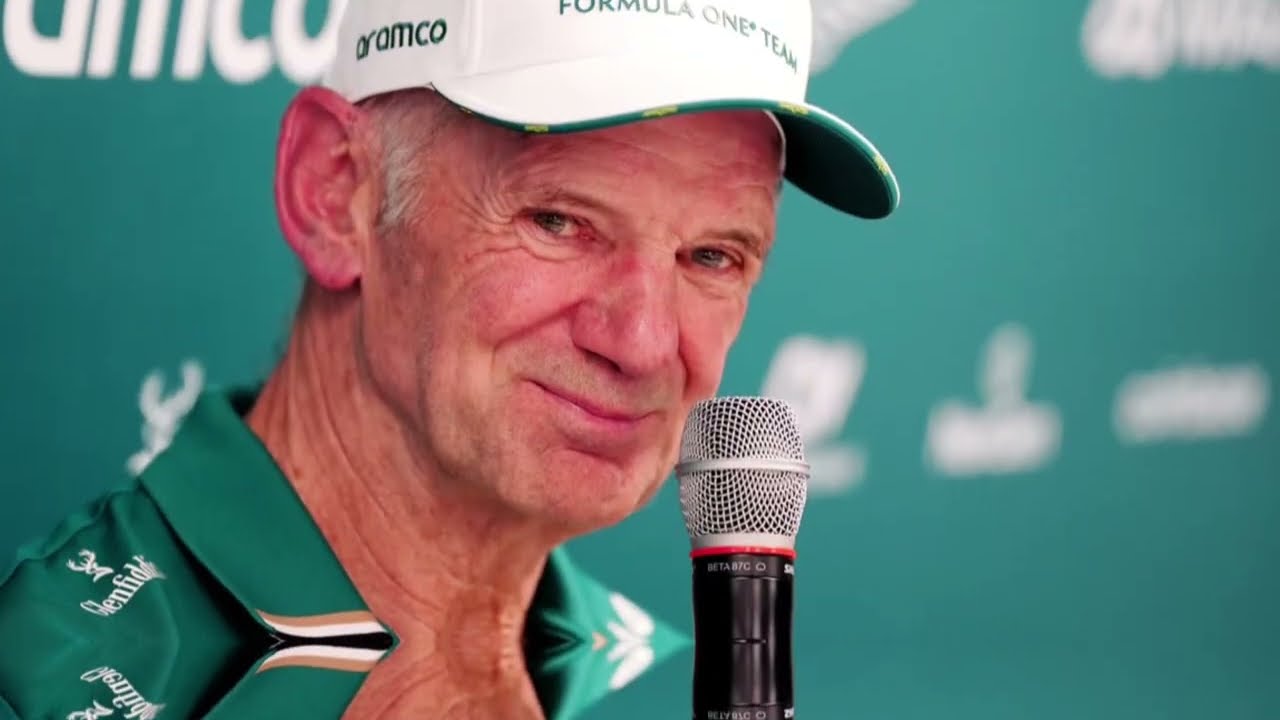
The most startling revelation from recent analyses is the scope of Newey’s influence. While initially touted as a technical signing, the reality appearing to unfold is far more comprehensive. Reports indicate that Newey is effectively transitioning into a role that mirrors, if not supersedes, the traditional Team Principal position for the 2026 campaign.
This is a critical distinction. In modern F1, the technical director and the team principal often operate in silos, balancing engineering desires with logistical and financial realities. Newey’s new position reportedly obliterates this divide. He is emerging as the central decision-maker, aligning chassis philosophy, power unit integration, fuel development, and organizational processes into one coherent stream of consciousness. This “benevolent dictatorship” of design ensures that there are no compromises—no “design by committee” failures that have plagued teams like Ferrari or Alpine in recent years. When the guy drawing the car is also the guy calling the shots on resource allocation, the efficiency of development skyrockets.
The Honda Connection: “Intense” Integration
At the heart of Newey’s masterplan is the relationship with Honda. The Japanese manufacturer is returning with a vengeance, and their collaboration with Newey is already being described as “intense” by Honda Racing Corporation president Koji Watanabe.
These aren’t polite introductory meetings. They are deep, forensic debates about packaging philosophy. With the removal of the MGU-H (Motor Generator Unit-Heat) for the 2026 regulations, the power unit becomes a different beast, relying heavily on electrical deployment and battery management.
Newey’s genius lies in his understanding that under these new rules, peak horsepower figures are vanity metrics. The real lap time comes from the physical integration of the engine into the chassis. By aggressively shaping the car around the Honda unit—a feat made possible by those “intense exchanges”—Aston Martin aims to unlock aerodynamic benefits that standard “customer” teams simply cannot access. While others are bolting an engine into a hole, Newey is designing the engine and the hole as a single organism.
Exploiting the Gray Areas: The Mechanical Secret
Perhaps the most terrifying prospect for rivals like Red Bull and Mercedes is Newey’s assessment of the 2026 rulebook. While many technical directors have complained about the restrictiveness of the new regulations, Newey sees opportunity. He has explicitly hinted that the rules offer far more conceptual freedom than first assumed—a classic Newey “warning shot” that usually precedes a period of dominance.
Speculation is mounting that Aston Martin has found a “gray area” regarding mechanical sealing. The 2026 cars will feature active aerodynamics with movable wings to reduce drag on straights. However, these systems introduce instability. The rumor mill suggests Newey is ignoring the bait of chasing pure aerodynamic load through the wings and is instead focusing on the suspension.
If Newey can use suspension kinematics to mechanically seal the floor of the car against the track surface—recreating the “venturi effect” without relying solely on fragile aerodynamic skirts—the AMR26 will have consistent downforce in corners while others are sliding around. This aligns perfectly with his historical philosophy: don’t fight the rules; find the secondary effects the rule-makers forgot to ban. Internal simulator data at Aston Martin is reportedly showing “unusually strong” cornering speeds, a hallmark of this exact kind of innovation.
The Fuel Factor and The Strategic Pillars
The final pieces of the puzzle are fuel and personnel. In the 2026 era, fuel is no longer just a combustible liquid; it is a performance differentiator. With Aramco as a title partner, Aston Martin reportedly holds an advantage in the development of synthetic fuels required by the new rules. If their fuel offers better combustion stability or energy density, it complements Newey’s efficiency-first philosophy perfectly.
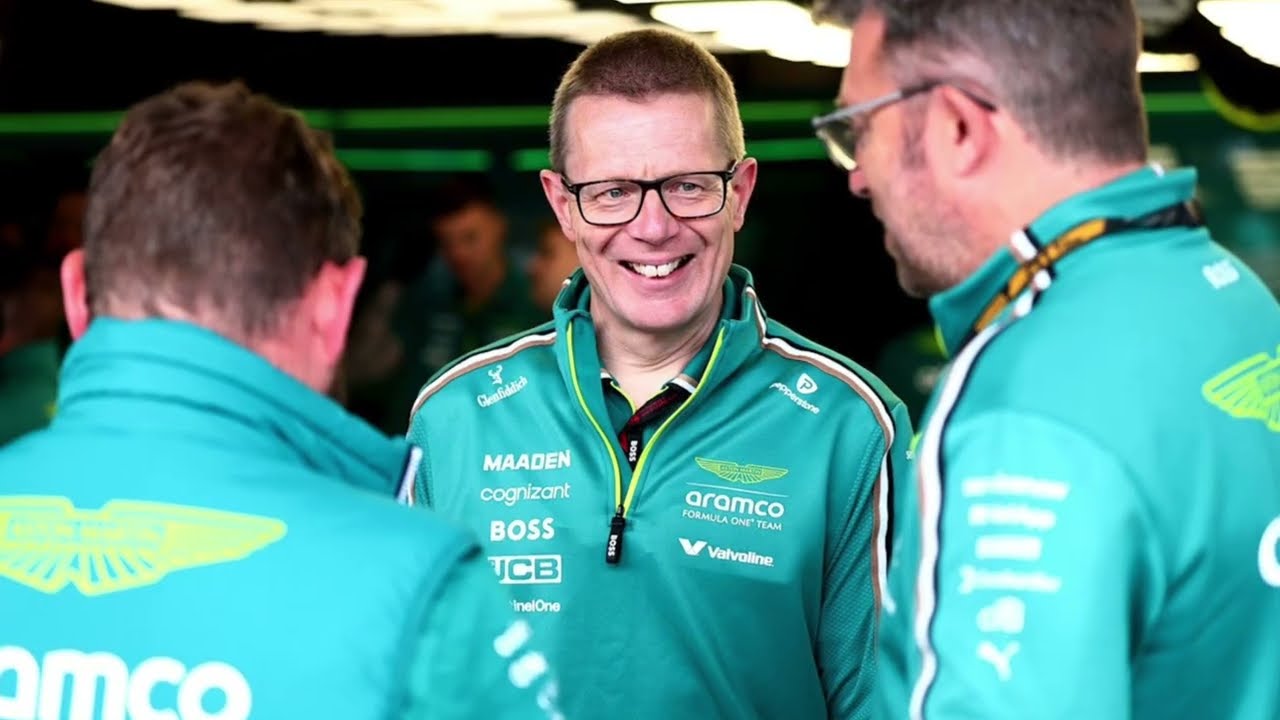
Furthermore, the arrival of Andy Cowell, the mastermind behind Mercedes’ dominant hybrid era engines, into a chief strategy role suggests a deliberate layering of expertise. Cowell manages the complexity of the organization, freeing Newey to manage the complexity of the car. It is a terrifyingly competent structure: Newey on the car, Cowell on the strategy, Honda on the power, and Aramco on the fuel.
A Warning to the Grid
The timeline of the AMR26 launch tells its own story. The team is reportedly planning to launch after initial testing, signaling they have no interest in winning the PR war in February. They are focused entirely on validation. This secrecy is a Newey trademark.
The risks, of course, are real. Aggressive packaging can lead to reliability nightmares, as Newey’s early McLarens often proved. But the mood at Silverstone is not one of caution; it is one of predatory confidence. They are not building a car to compete; they are building a car to obsolete the opposition.
As 2026 approaches, the paddock is realizing that the “Aston Martin Project” was never about building a mid-field contender. It was about creating the perfect storm for Adrian Newey to do what he does best: read a new rulebook, find the unfair advantage, and crush the competition before the lights even go out.






