The Agony of the Enstone Team’s Worst Season Ever
The 2025 Formula 1 season is shaping up to be a historic low point for the Enstone-based squad, currently known as Alpine. With four rounds remaining, the team is staring down a seemingly inevitable and unprecedented last-place finish in the Constructors’ Championship, languishing 40 points behind even the ninth-placed team. This is a position the outfit, which boasts a pedigree stretching back through Renault, Benetton, and Toleman, has never occupied before—not during the cash-strapped final seasons of the Lotus name, not during the hurried re-entry of Renault in 2016, and certainly not during its championship-winning heyday.
The atmosphere around the team is not one of mere disappointment, but of profound suffering. This sentiment was encapsulated in a raw and exclusive interview with the team’s executive adviser, Flavio Briatore, who in practical terms is once again the boss of the operation. Briatore, a figure synonymous with past success at the Enstone factory, did not mince words, describing the experience of ticking off the final races as “torture.”
“We are here for winning,” he stated plainly. “We are not here to be a tourist to go around the world.”
This candid assessment cuts to the heart of a crisis that is more complex and layered than a simple run of poor form. The failure of 2025 is not solely the result of recent missteps, but the painful culmination of historical corporate error, underinvestment, and a high-stakes strategic gamble aimed at ultimate future redemption.
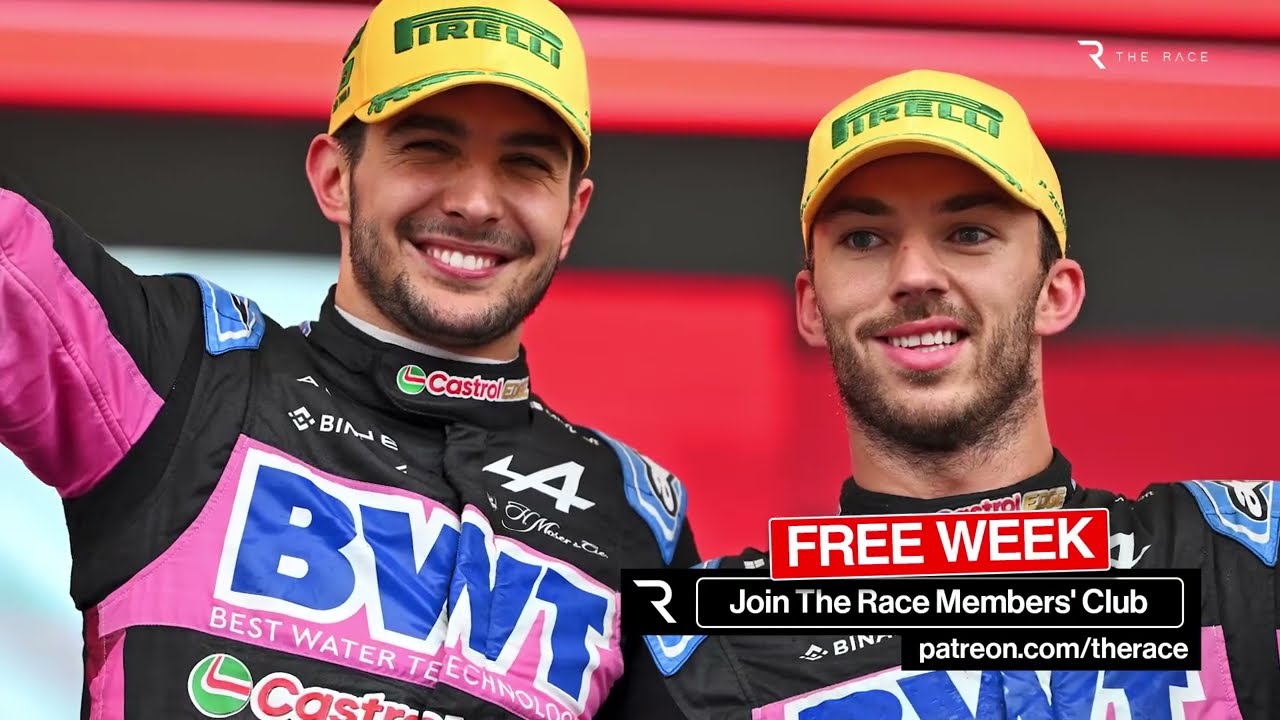
The Brawn Gambit: Sacrificing Today for a Miraculous Tomorrow
On the surface, Alpine’s current struggles are a direct consequence of a strategic—and brutal—decision: abandoning development of the 2025 car, the A525, at the earliest opportunity. The goal was to redirect every possible resource, every hour of wind tunnel time and every engineer’s focus, towards the radically new regulations arriving in 2026.
This is a high-risk strategy that borrows from a legendary playbook: the Brawn GP trick. In 2008, Honda, recognizing the dramatic rule changes ahead, effectively wrote off its season, finishing a dismal ninth in the championship, to pour resources into the 2009 car. Honda ultimately quit F1, but Ross Brawn rescued the team, rebranded it, and promptly dominated the start of the new era, securing a famous shock title double. Alpine is attempting the same sacrificial manoeuvre, hoping to reap massive benefits by being well ahead of rivals who juggled resources across both the current and future car programs.
However, as Briatore acknowledges, historical precedent is no guarantee of future success. The risk is magnified by the fact that many rival teams remain confident they have managed to transition resources without compromising their current competitiveness to the catastrophic degree Alpine has.
But for Briatore, the gamble was not just logical; it was necessary. He insists that the A525 was never capable of more than an eighth or ninth-place finish, even with continued parallel development efforts. In essence, Alpine was not in a competitive position to afford the luxury of running two parallel programs, making the all-or-nothing bet on 2026 a pragmatic imperative.
The Ghost of Ghosn: A Decade of Underinvestment and Engine Crippling
To truly understand why Alpine found itself in a position where the Brawn Gambit was the only viable path, one must look far deeper than the current season—as much as a decade, in fact. Briatore lays the majority of the blame not on the engineers or staff at the Viry-Châtillon engine base, but on the historic decisions made by the Renault hierarchy.
His core argument is that the company failed to commit the necessary resources to succeed in the F1 hybrid engine era, a fatal error of judgment that stretches back to the planning stages for the 2014 regulation change under then-Renault CEO Carlos Ghosn.
Renault had just swept four consecutive championships from 2010 to 2013 in partnership with Red Bull, fueled by a potent combination of Red Bull’s Adrian Newey-designed chassis, Sebastian Vettel’s peak performance, and their masterful conquest of the V8 exhaust blowing trickery. This domination, Briatore argues, lulled the company into a dangerous sense of complacency. They believed they could continue their success without a massive uptick in investment for the new hybrid era, where the power unit’s significance as a performance differentiator became exponentially greater.
“Everybody else,” Briatore states, referring to Mercedes, Ferrari, and even the eventual winner, Honda, “was investing a lot of money, whereas Renault stayed the same. Like it was okay.”
The consequences of this fateful error were immediate and lasting: Renault started the hybrid era fundamentally on the back foot and never managed to catch up. The technical deficit became a permanent anchor on the team’s performance. As far back as 2023, Alpine was forced to ask for a ‘holiday’ from the engine freeze regulations because it was sure it was approximately 15 horsepower down on its rivals. In the hybrid age, this deficit leads to further compounding issues through poor energy recovery and weaker battery charging, creating the dreaded ‘clipping’ effect that leaves the car vulnerable on the straights.
The request for development leeway was denied, trapping Alpine in a cycle of underperformance until the regulations change in 2026. The Enstone chassis engineers, trying desperately to compensate for the power deficit, pushed the limits with aerodynamic ‘flexi wing’ trickery for straight-line speed, only to be hurt again by the subsequent regulatory clampdowns in 2025. It is a compounding set of problems that, as Briatore points out, stem not from the effort of the current team, but from a strategic failure a decade in the making.
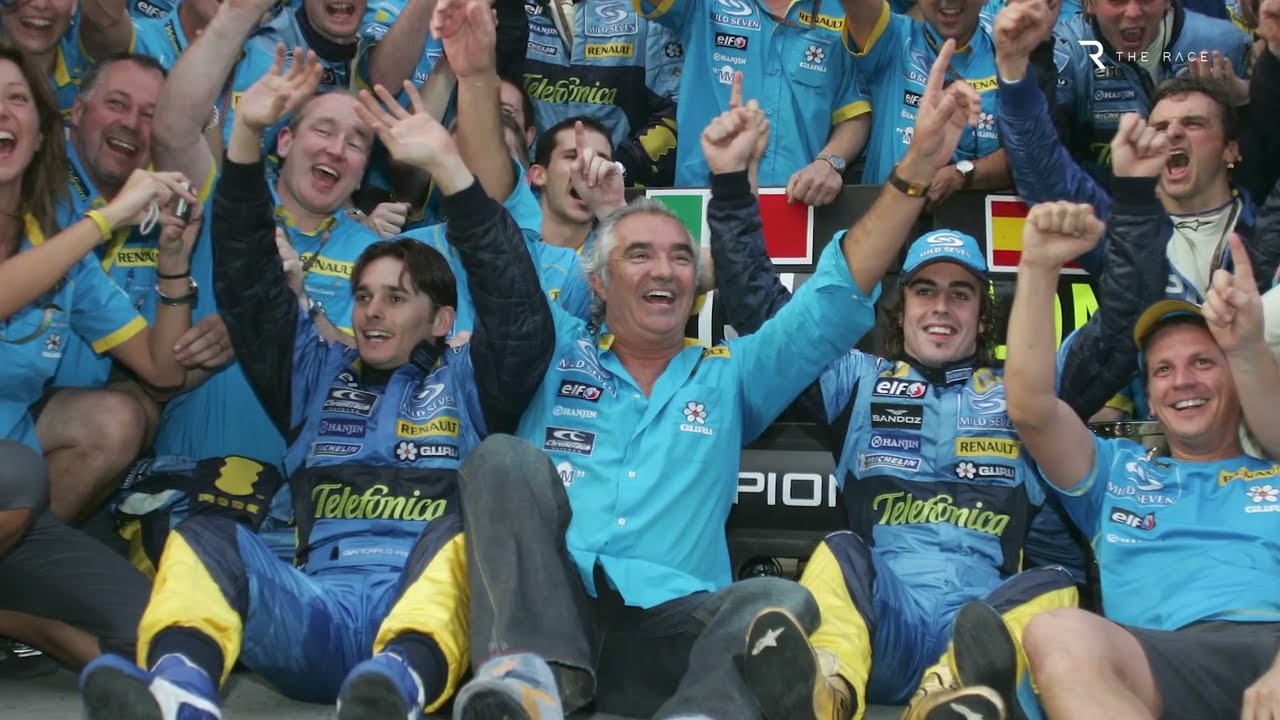
The Pragmatism of a New Engine and The Taste of Victory
Compounding the engine crisis, Briatore also cited years of management instability that plagued the organization. He told former Renault CEO Luca de Meo that this was a fundamental problem before he even returned. This instability, he clarified, wasn’t just the rollercoaster string of team boss changes across 2023–2025 (the ousting of Otmar Szafnauer, the temporary charge of Bruno Famin, the arrival and departure of Olios). It was the fact that the Renault hierarchy in Paris tried to exert too much control over the running of the team, stifling the necessary autonomy at the Enstone F1 base—a contrast to the operational freedom he enjoyed when winning titles 20 years ago.
The solution to the primary—and crippling—engine problem for 2026 is brutal in its pragmatism: the team is dropping its own engine and becoming a Mercedes customer. Briatore insists this was not personal, but a pragmatic call fuelled by his long-held belief that success in F1 requires the absolute best ingredients everywhere.
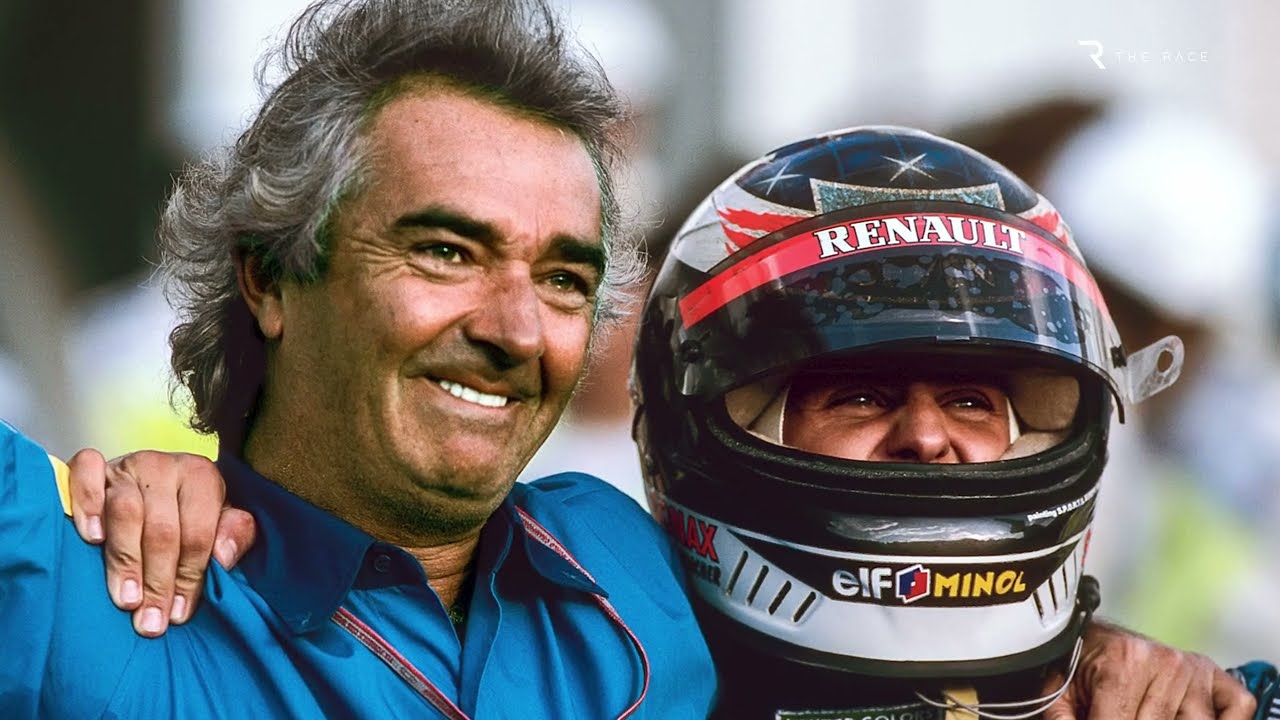
This determination to acquire the best power unit by any means necessary echoes Briatore’s first tenure at Enstone. As Benetton boss in the mid-1990s, he recognized his team’s Ford V8 was a weakness against the mighty Renault V10s used by arch-rival Williams. His decisive, no-holds-barred move was to personally buy the other Renault-powered team, Ligier, to secure their Renault engine contract and switch it to Benetton. That brutal engine move, which earned him a second championship with Michael Schumacher, cemented his reputation for doing whatever it takes.
The 2026 Redemption: A Podium or a New Set of Questions?
With the engine problem ‘solved’ for 2026, Briatore believes Alpine’s fortunes will be transformed, though he stops short of predicting a full Brawn-style leap to a title.
His vision is clear: “Podiums and some surprises will do.” He expects the team to be a consistent contender in the top six, arguing that once you start from there, “you smell the podium already.” This goal, he readily admits, is a “big big big big challenge,” but adds: “I’ve never had a small challenge.”
The hopes are even higher among the driving contingent. Lead driver Pierre Gasly is convinced that Alpine knows exactly what is causing every tenth of a second of its gap to the front and has the solutions coming. He is confident that 2026 will be the year of redemption, especially since the team’s awful 2025 championship position grants it a higher allowed aero development budget than its rivals during the all-important first year of the new regulations. Gasly called 2026 “probably the best opportunity I’ve had as a driver to really make that step to the front of the grid.”
For now, Briatore can point to years of bad corporate decisions, underinvestment, and disadvantages baked in by the engine freeze as the reasons for Alpine propping up the grid. But by 2026, those excuses will be gone. If Alpine is notching up the podiums Briatore envisages, he will have been proven right, and the painful sacrifice of 2025 justified. If they fail to deliver, the pressure will shift, and a fresh, even more intense set of questions will need to be answered about the team’s ability to operate at the elite level of Formula 1. The clock is ticking on a corporate redemption arc nearly a decade in the making.






