Author: bang7

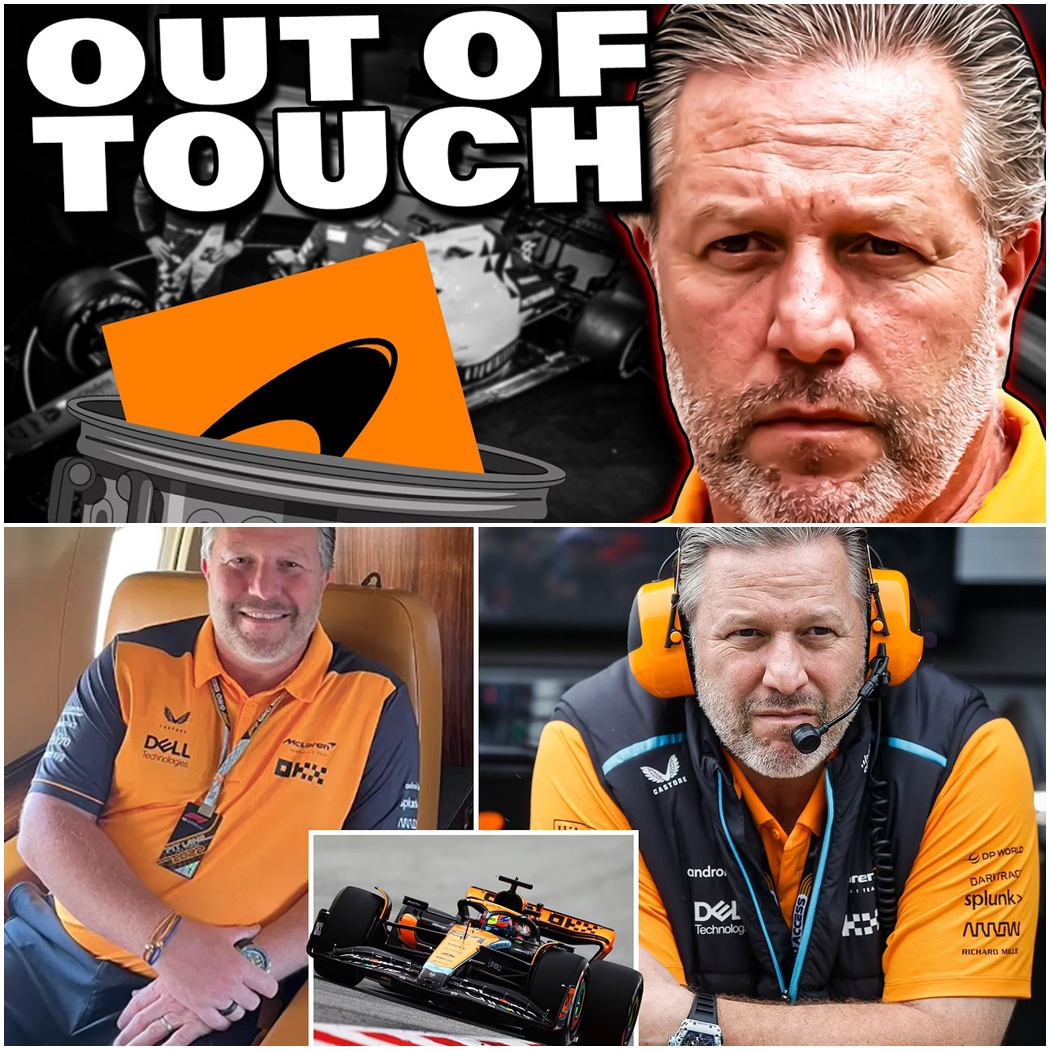
  • Opinion: McLaren’s Obsession with ‘Fairness’ Is Sabotaging Their Own Drivers—and History Won’t Be Kind

    Opinion: McLaren’s Obsession with ‘Fairness’ Is Sabotaging Their Own Drivers—and History Won’t Be Kind

    In the high-stakes world of Formula 1, having the fastest car is usually the golden ticket. It is the holy grail that every engineer, aerodynamicist, and team principal chases for years. Yet, as the 2025 season screams toward its climax, McLaren Racing finds itself in a bizarre and potentially tragic position. They possess a dominant machine, they have virtually secured the Constructors’ Championship with a staggering points haul, and yet, they seem hellbent on losing the prize that fans actually care about: the Drivers’ World Championship.

    Following a chaotic weekend in Qatar, the cracks in McLaren’s “papaya rules” philosophy have turned into gaping chasms. The team’s management, led by CEO Zak Brown and Team Principal Andrea Stella, has vocally committed to a strategy of parity. “We are racers,” they insist, a mantra repeated ad nauseam to justify their refusal to prioritize one driver over the other. But as the dust settles and the math becomes undeniably grim, one has to ask: Is this noble pursuit of equality actually just a dereliction of duty?

    The Myth of the “Two Number Ones”

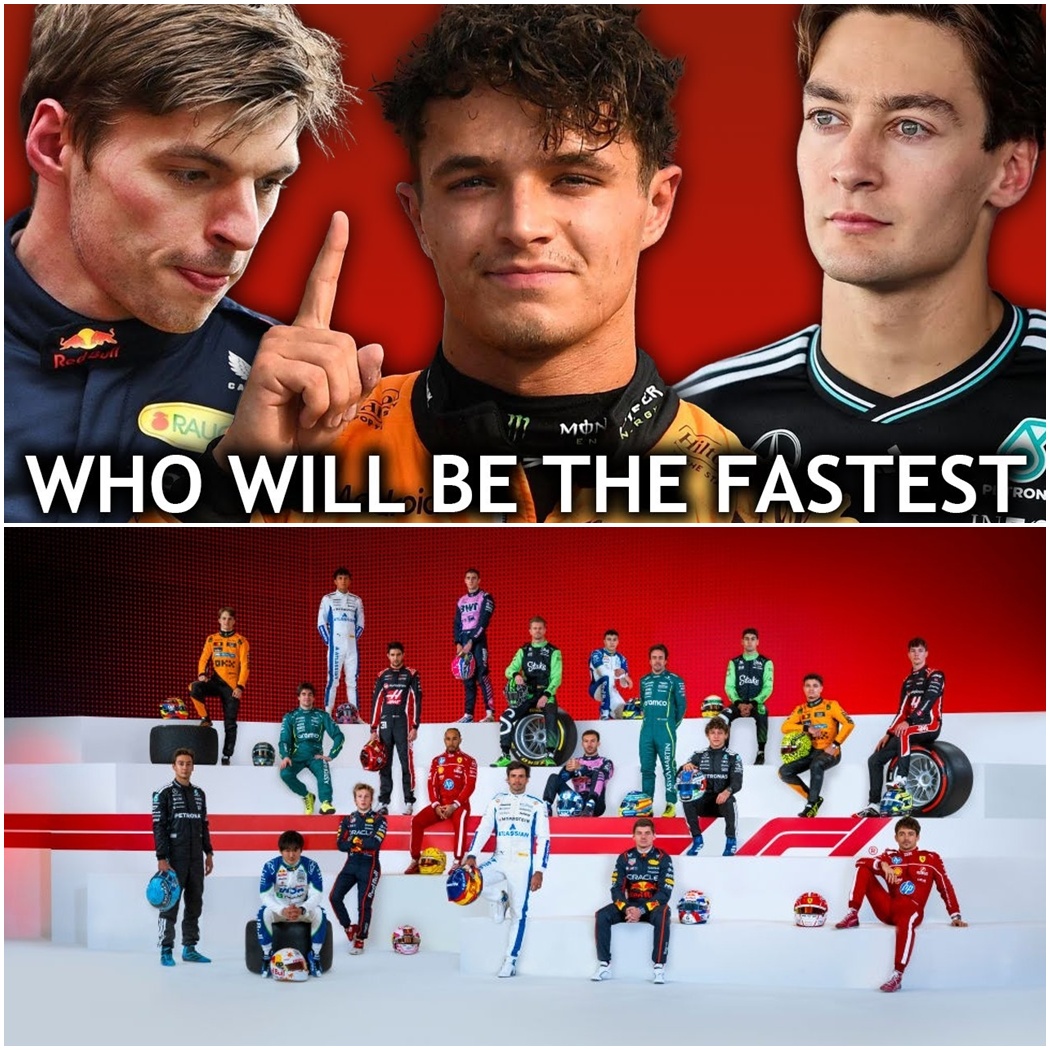
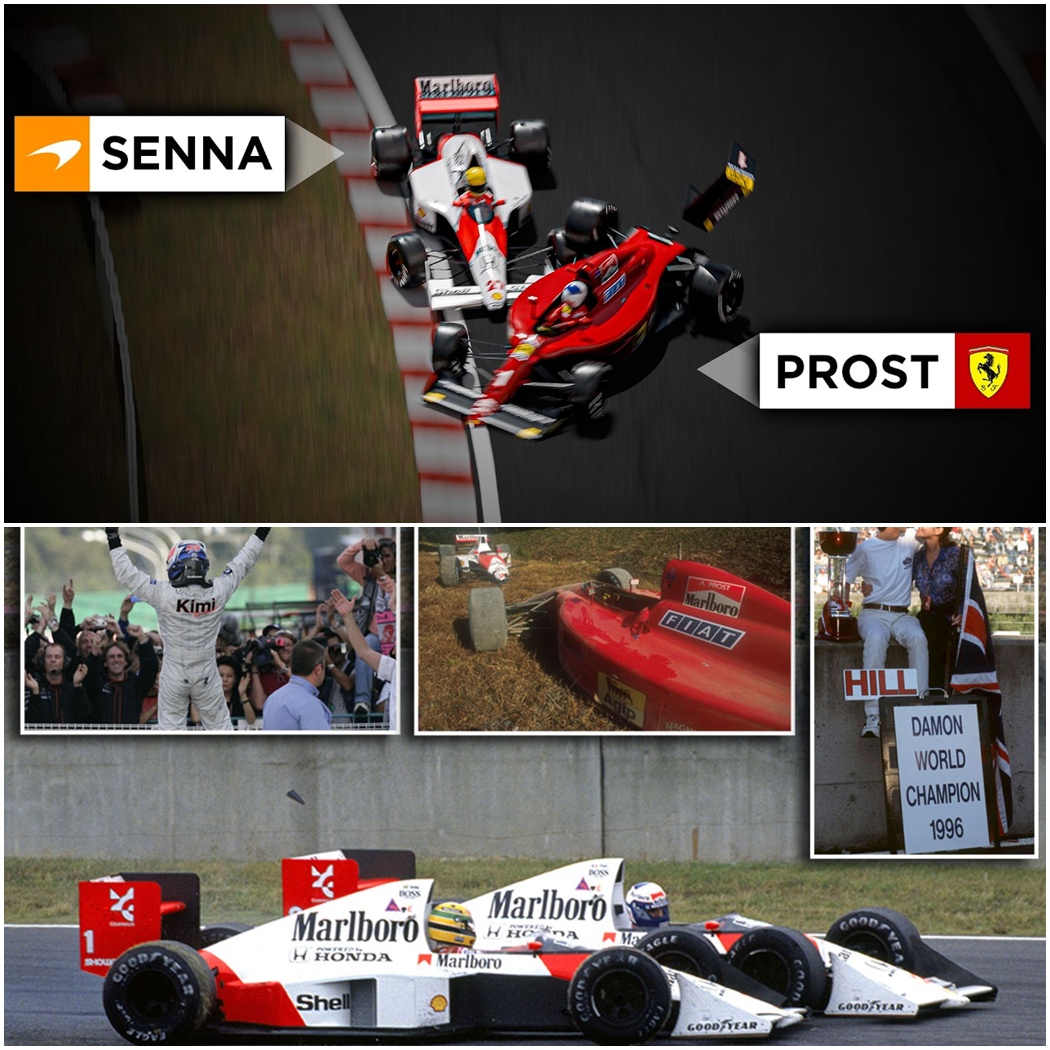
    The core of McLaren’s current strategy relies on the idea that they can field two “number one” drivers, Lando Norris and Oscar Piastri, without favoring either. It is a romantic notion, harking back to a purity of sport that arguably never existed at the sharp end of the grid. As highlighted by F1 content creator Tommo in his recent breakdown, history is bereft of examples where this approach hasn’t ended in tears. From Senna and Prost to Hamilton and Alonso, dual-alpha pairings invariably lead to internal combustion unless management steps in with a fire extinguisher—or a clear hierarchy.

    McLaren, however, is attempting to “have their cake and eat it.” They want the harmony of a supportive teammate relationship while simultaneously allowing both drivers to fight for the biggest prize in motorsport. The result? A paralyzed strategy department. In Qatar, we witnessed the team freeze up, terrified that making a decisive strategic call for one driver would be perceived as unfair to the other.

    The consequence was a fumble that hurt everyone. By trying not to disadvantage Lando or Oscar, McLaren disadvantaged both. Oscar Piastri was denied a potential win, and Lando Norris missed out on a podium that was critical for his title fight against Max Verstappen. Instead of a McLaren 1-2 closing the gap to Red Bull, the team arguably “bottled” the result, leaving the door wide open for Verstappen to potentially snatch a title that, by all performance metrics, should have belonged to Woking this year.

    The “Racers” Defense

    Zak Brown and Andrea Stella defend their stance by claiming they are protecting the “legacy of McLaren racing,” implying that team orders or preferential treatment would taint their brand. They argue that the discomfort of managing two ambitious drivers is the price of having a top-tier lineup.

    However, this defense ignores the harsh reality of how F1 history is written. As Tommo poignantly notes, “No one remembers who won the Constructors’ in 2008.” That year, Ferrari took the team trophy, but Lewis Hamilton’s last-gasp Drivers’ Championship for McLaren is the only story that matters. If Max Verstappen wins the 2025 title in a slower car because McLaren was too polite to back Norris, the brand damage will be far worse than any social media backlash over team orders. It will be remembered as the season McLaren had it all and threw it away.

    A Better Way to Race?

    Critics are not calling for a return to the cynical “Let Michael pass for the championship” days of Ferrari. There is a middle ground that McLaren seems to have missed completely. The team could allow genuine racing by decentralizing the decision-making.

    Imagine a system where the “micro-teams” within the garage—Lando’s strategy crew and Oscar’s strategy crew—are given autonomy. Instead of a central command trying to balance the scales in real-time (and often failing), let the strategists fight it out. If Lando’s side of the garage wants to roll the dice on a one-stop strategy, let them. If Oscar’s crew executes a faster pit stop, so be it.

    This approach would eliminate the “gray areas” that currently plague the team. When management tries to artificially engineer fairness—debating whether a slow pit stop warrants giving a position back—they invite conspiracy theories and frustration. By simply providing equal hardware and then stepping back, McLaren could foster a truer form of competition. As it stands, their interference is stripping the sport of its natural unpredictability while simultaneously failing to maximize their points.

    The Verdict

    The clock is ticking. With Lando Norris and Max Verstappen separated by a razor-thin margin, McLaren is out of time for philosophical experiments. The team has backed itself into a corner where every decision is scrutinized for bias, leading to hesitation when ruthlessness is required.

    If McLaren continues to prioritize “fairness” over winning, they are not protecting their drivers; they are failing them. Lando Norris has driven a championship-caliber season, but he is fighting with one hand tied behind his back by his own team. If the trophy goes to Red Bull, it won’t be because they had the faster car. It will be because when the pressure mounted, McLaren chose to be nice rather than victorious.

    In Formula 1, nice guys don’t just finish last—they finish second in the Drivers’ Championship, clutching a Constructors’ trophy that no one will remember in a decade. It’s time for Zak Brown and Andrea Stella to stop telling us they are racers and start acting like winners.

  • The Desert Miracle: Sainz Stuns with Williams Podium as Hamilton Falters, Plus the Emotional Backstage Moment You Missed

    The Desert Miracle: Sainz Stuns with Williams Podium as Hamilton Falters, Plus the Emotional Backstage Moment You Missed

    In the high-octane world of Formula 1, scripts are often written long before the lights go out, but Sunday’s Qatar Grand Prix tore up the screenplay in the most dramatic fashion imaginable. Amidst a chaotic backdrop of title-fight tension and strategic blunders, one story emerged from the desert night shining brighter than the floodlights: the redemption of Carlos Sainz.

    While the headline news will undoubtedly focus on Max Verstappen’s opportunistic victory—gifted by a calamitous McLaren strategy error that left Lando Norris and Oscar Piastri fuming—the emotional core of the evening belonged to the man in the Williams cockpit. Carlos Sainz, the driver displaced from Ferrari to make way for Lewis Hamilton, delivered a masterclass in resilience, dragging his FW47 to a sensational third-place finish.

    The Irony of the Scoreboard

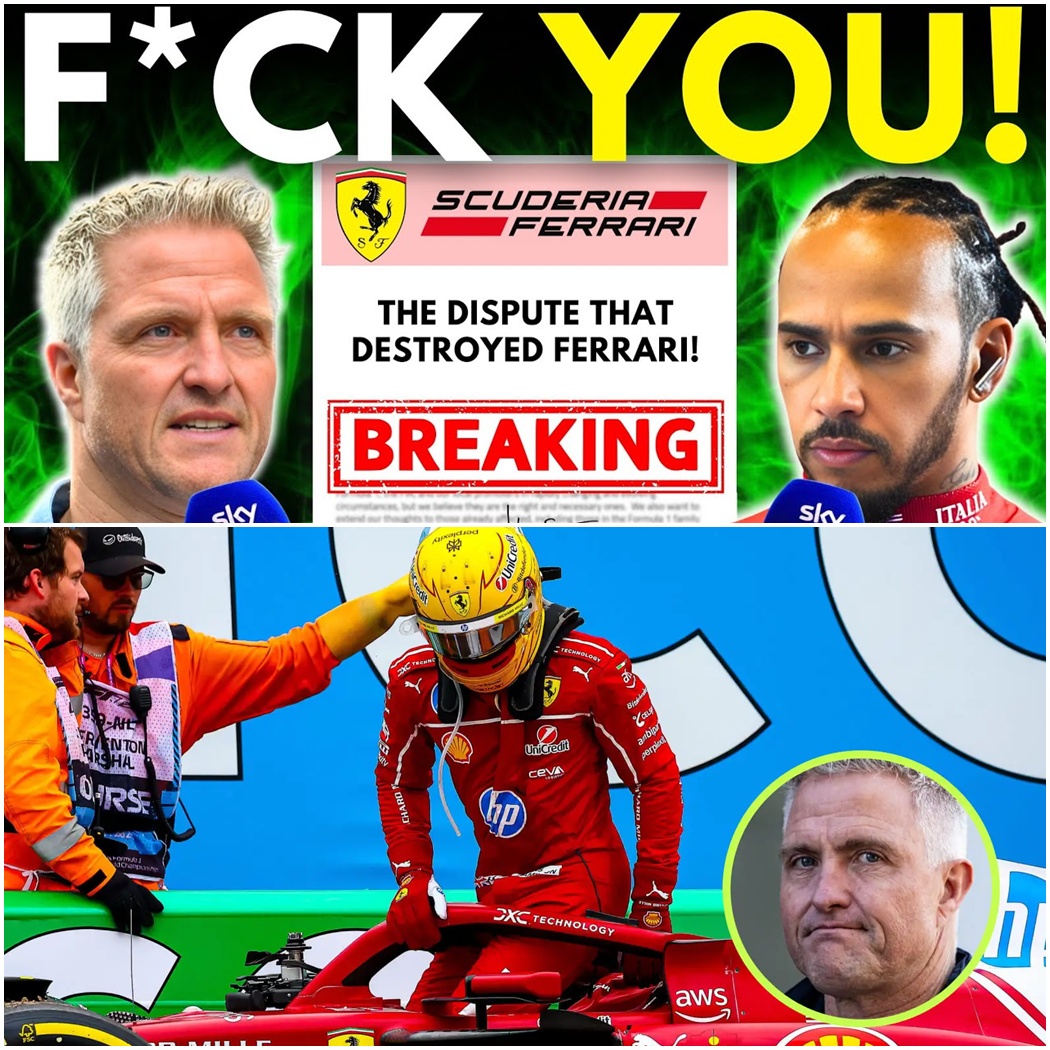
    The narrative arc of the 2025 season has been dominated by the “Hamilton to Ferrari” blockbuster, but Qatar offered a stark, almost cruel, contrast in fortunes. While Sainz was spraying rose water on the podium, Hamilton was left to rue a nightmare evening, finishing a dismal 12th for the Scuderia.

    The juxtaposition was impossible to ignore. Sainz, driving for a team that has spent the last decade rebuilding from the back of the grid, executed a perfect race. He nailed the start, capitalized on the safety car chaos that caught out McLaren, and then, in a display of sheer grit, held on to his position despite a terrifying mechanical issue in the dying laps.

    “Something broke in my car, in the front-end,” Sainz revealed after the race, his exhaustion palpable. “Turning right, the steering wheel was stuck… I lost massive front-end.” Yet, with a broken car and a charging Lando Norris breathing down his neck, the “Smooth Operator” didn’t flinch, securing his second podium of the season and cementing P5 in the Constructors’ Championship for Williams.

    A Moment of Class in Parc Fermé

    It was in the cool-down area, away from the immediate roar of the crowd, where the true human element of the sport shined through. Exclusive behind-the-scenes footage captured a poignant interaction that transcended team rivalries and contract dramas.

    Lewis Hamilton, despite the frustration of his own race and the weight of a difficult season at Ferrari, made a point to find Sainz. In a sport often defined by ego, the seven-time world champion offered a genuine, warm embrace to the man he replaced. It was a gesture of profound respect—an acknowledgment from one champion to another that today, Sainz had driven a champion’s drive.

    Max Verstappen, fresh from his 70th career victory and closing in on his fifth world title, joined the moment. The Dutchman, who was Sainz’s first teammate back in their Toro Rosso days, shared a laugh and a handshake with the Spaniard. The trio—the Victor, the Legend, and the Redeemer—shared a fleeting moment of camaraderie that highlighted the deep respect that exists within the paddock, regardless of the color of the firesuit.

    The McLaren Meltdown

    While Williams celebrated, the mood at McLaren was apocalyptic. The Woking-based team arrived in Qatar with a chance to strangle the title fight but left with self-inflicted wounds. When the safety car was deployed for the incident involving Nico Hulkenberg and Pierre Gasly, common sense dictated a pit stop. Red Bull and Verstappen reacted instantly. McLaren hesitated.

    That hesitation cost Oscar Piastri a likely win and relegated title-hopeful Lando Norris to fourth. “We made the right call as a team to box under that Safety Car. That was smart,” Verstappen noted, his comments rubbing salt in the papaya-colored wounds. The result leaves Verstappen 12 points clear of Norris heading into the season finale in Abu Dhabi, a gap that feels like a chasm given Red Bull’s resurgence.

    The Rise of Williams

    For Williams, however, the night was pure magic. Team Principal James Vowles has often spoken of the “journey,” and Sunday was a massive leap forward. With rookie sensation Kimi Antonelli showing flashes of brilliance for Mercedes in P5, the “old guard” of Sainz proved that experience and racecraft are invaluable assets.

    Sainz’s drive was more than just a podium; it was a statement. In a year where he could have faded into the midfield, he has elevated Williams, outperforming the machinery and, on nights like this, outshining the very team that let him go.

    Onto Abu Dhabi

    As the circus packs up and heads to Yas Marina for the season finale, the storylines are set. Verstappen vs. Norris for the title. McLaren vs. Red Bull for the Constructors’. But for one night in Qatar, the spotlight rightfully belonged to Carlos Sainz—the driver who turned a rejection into a renaissance, earning the respect of his rivals and the adoration of the fans.

    If Qatar proved anything, it’s that in Formula 1, the car matters, but the driver behind the wheel still writes the story. And Carlos Sainz just wrote a bestseller.

  • Kimi Antonelli’s death threats after F1 race and how Mercedes and Red Bull have responded

    Kimi Antonelli’s death threats after F1 race and how Mercedes and Red Bull have responded

    Kimi Antonelli has blacked out his Instagram page in response to a deluge of abuse including death threats sent his way after the conclusion of Sunday’s Qatar Grand Prix

    View Image

    Kimi Antonelli was received a torrent of vile abuse(Image: Getty Images)

    Why Kimi Antonelli has been receiving death threats following the Qatar Grand Prix and what his Mercedes team are doing about it

    Kimi Antonelli was the target of disgusting trolls on social media after the Qatar Grand Prix. The abuse sent his way got so bad that the 19-year-old decided to change his profile photo to a block of black to take a stand against the vile trolling.
    Why Antonelli received the abuse: It came after Antonelli made a mistake on the penultimate lap of the race which led to him being overtaken by Lando Norris. Antonelli finished fifth as a result, one place behind the McLaren driver.
    The significance of that: It could play a part in the outcome of the title race. Norris scored 12 points instead of 10 by finishing fourth instead of fifth and that means Max Verstappen is 12 points behind heading into the Abu Dhabi Grand Prix season finale. It makes it harder for the Dutchman to win the championship.
    Impact of comments from Red Bull figures: Verstappen’s race engineer Gianpiero Lambiase said over the radio seconds after the incident: “I am not sure what happened to Antonelli there. It looked like he just pulled over and let Lando through.” After the race, team adviser Helmut Marko claimed it was “so obvious” that Antonelli had let Norris pass him without challenge.
    Toto Wolff’s response: The Mercedes team principal spoke with Lambiase to clear the air but was furious with Marko’s comment in particular. “This is total, utter nonsense that blows my mind,” he raged, calling his fellow Austrian “brainless” for suggesting Antonelli had ceded the place on purpose.
    The end result: It’s understood more than 1,100 hate-fuelled comments were sent to Antonelli’s personal social media accounts, with 330 more spotted on the Mercedes socials. Several of these offensive remarks are understood to include threats of death or harm towards the 19-year-old.
    What Mercedes are doing: The team is preparing to submit all the offensive remarks it has gathered to F1 governing body the FIA, which runs its own United Against Online Abuse initiative.
    Red Bull statement: They team did not directly apologise for the comments made by its staff members but said in a statement on Monday: “We sincerely regret that this has led to Kimi receiving online abuse.” Red Bull also admitted that it was “clearly incorrect” to suggest that Antonelli had allowed Norris to pass.

  • Dominance Destroyed: The “Unforgivable” Strategy Blunder That Cost Oscar Piastri the Qatar Grand Prix

    Dominance Destroyed: The “Unforgivable” Strategy Blunder That Cost Oscar Piastri the Qatar Grand Prix

    In the high-stakes world of Formula 1, there is no feeling more hollow than doing everything right and still losing. For Oscar Piastri, the Qatar Grand Prix wasn’t just a loss; it was a masterclass in frustration, a race where his own brilliance was systematically dismantled by the very team tasked with supporting him.

    The young Australian arrived in Qatar with a point to prove and left with a sentiment that was as heartbreaking as it was understated: “Pretty bad.”

    A Weekend of Perfection, Wasted

    From the moment the wheels turned in Qatar, Piastri was untouchable. He secured pole position for both the Sprint and the Grand Prix. He won the Sprint race with clinical precision. On Sunday, he led the field from the lights, controlling the pace and looking every bit the future World Champion. He was the fastest driver on the grid, error-free and in total command.

    Yet, when the checkered flag waved, he crossed the line in second place, staring at the rear wing of Max Verstappen’s Red Bull. He walked away without the trophy he had earned, stripped of the glory not by a driving error or a mechanical failure, but by a decision made on the pit wall that baffled the entire paddock.

    The Turning Point: Lap 7

    The race hinged on a single, fateful moment on lap 7. When the safety car was deployed, the pit lane became a flurry of activity. Eighteen drivers, including the championship-chasing Max Verstappen, dove into the pits for fresh tires. It was the obvious strategic move.

    But at McLaren, silence reigned. Both Piastri and his teammate, Lando Norris, were told to stay out.

    The consequences were immediate and catastrophic. Within seconds, the realization hit the cockpit. Piastri, usually the iceman of the grid, came onto the radio with a single, loaded word: “Speechless.”

    He knew. The team knew. The millions watching at home knew. The strategy had failed.

    On old, worn rubber, Piastri was a sitting duck. Verstappen, armed with fresh tires and renewed aggression, hunted him down effortlessly, sweeping past on lap 21. What should have been a comfortable victory lap for Piastri turned into a desperate exercise in damage limitation.

    “I Didn’t Put a Foot Wrong”

    After the race, the usually composed Piastri looked visibly drained. His interview with Sky Sports was difficult to watch—not because of anger, but because of the sheer resignation in his voice.

    “I haven’t spoken to anyone, but feeling pretty bad as you’d imagine,” he confessed, his tone flat. “I think the pace was very strong. I feel like I didn’t put a foot wrong. It’s just a shame to not walk away with the win.”

    These words highlight a disturbing pattern that has begun to define Piastri’s tenure at McLaren. Time and again, he delivers elite-level performances, only to be let down by operational errors. Whether it’s the technical disqualification in Las Vegas that cost him valuable points or this latest strategic implosion, the pattern is wearing thin.

    When pressed on the decision, Piastri remained the consummate professional, refusing to throw his team under the bus publicly. “I left it in the team’s hands… they have more information than I do,” he said. But the subtext was screaming: They had the data, and they still got it wrong.

    The “Papaya Rules” Controversy

    Speculation immediately ran wild. Did McLaren keep Piastri out to avoid “double-stacking” the cars and costing Lando Norris—who is fighting for the title—precious time? Was Piastri’s race sacrificed to protect Norris?

    Andrea Stella, McLaren’s Team Principal, attempted to quell the rumors, admitting it was a pure mistake rather than a conspiracy. “In fairness, we didn’t expect everyone else to pit,” Stella explained to Sky Sports. “It was a decision, but as a matter of fact, it wasn’t the correct decision.”

    For Piastri, that admission is cold comfort. It confirms that the team was paralyzed by indecision, overthinking the scenario instead of making the ruthless call required to win.

    Championship Dreams Shattered

    The result has effectively ended Piastri’s slim hopes for the World Championship. He now trails Verstappen by four points and Norris by 16. With only one race remaining in Abu Dhabi, his title bid is mathematically alive but realistically over.

    To win, he would need a miracle: a victory, Norris finishing outside the points, and Verstappen faltering.

    But the pain goes deeper than the math. Piastri has been the faster driver in recent weeks. He outqualified and outraced Norris in Qatar, proving he has the raw speed to lead the team. Instead of closing the gap, he was forced to watch it widen.

    The Showdown in Abu Dhabi

    Now, all eyes turn to the season finale in Abu Dhabi. The tension within McLaren is palpable. The team claims they will let their drivers “race freely,” with Stella insisting, “We have to respect the fact that Oscar… has his chance to win.”

    But can Piastri trust that? He heads to the final race carrying the baggage of two consecutive weekends where the team has failed him. He knows that even if he drives the race of his life, factors outside his control could snatch it away.

    Furthermore, he faces an impossible dilemma. If he races Norris hard and takes points away from him, he could inadvertently hand the championship to Verstappen, drawing the ire of the team and fans. If he holds back, he betrays his own competitive nature.

    “Just drive like I did this weekend,” Piastri said when asked about his plan for the finale. “If I can do the same thing next weekend, then I’ll be a happy man.”

    But as he learned in Qatar, driving perfectly is no longer a guarantee of happiness at McLaren. It’s a harsh lesson for a driver who deserves so much more. One thing is certain: when the lights go out in Abu Dhabi, Oscar Piastri won’t just be racing his rivals—he’ll be racing against the memory of a victory that was stolen from his grasp.

  • The Lusail Miracle: How Hamilton’s P18 Masterclass in Qatar Exposed Ferrari’s “Zero Performance” Lie and Shattered the 2025 Narrative

    The Lusail Miracle: How Hamilton’s P18 Masterclass in Qatar Exposed Ferrari’s “Zero Performance” Lie and Shattered the 2025 Narrative

    In the high-stakes theater of Formula 1, there are races that determine championships, and then there are races that redefine legacies. Sunday night at the Lusail International Circuit was supposed to be a funeral procession for Ferrari’s 2025 campaign. Instead, it became the stage for a resurrection so violent, so unexpected, that it has left the oldest team in the sport questioning the very foundation of its engineering reality.

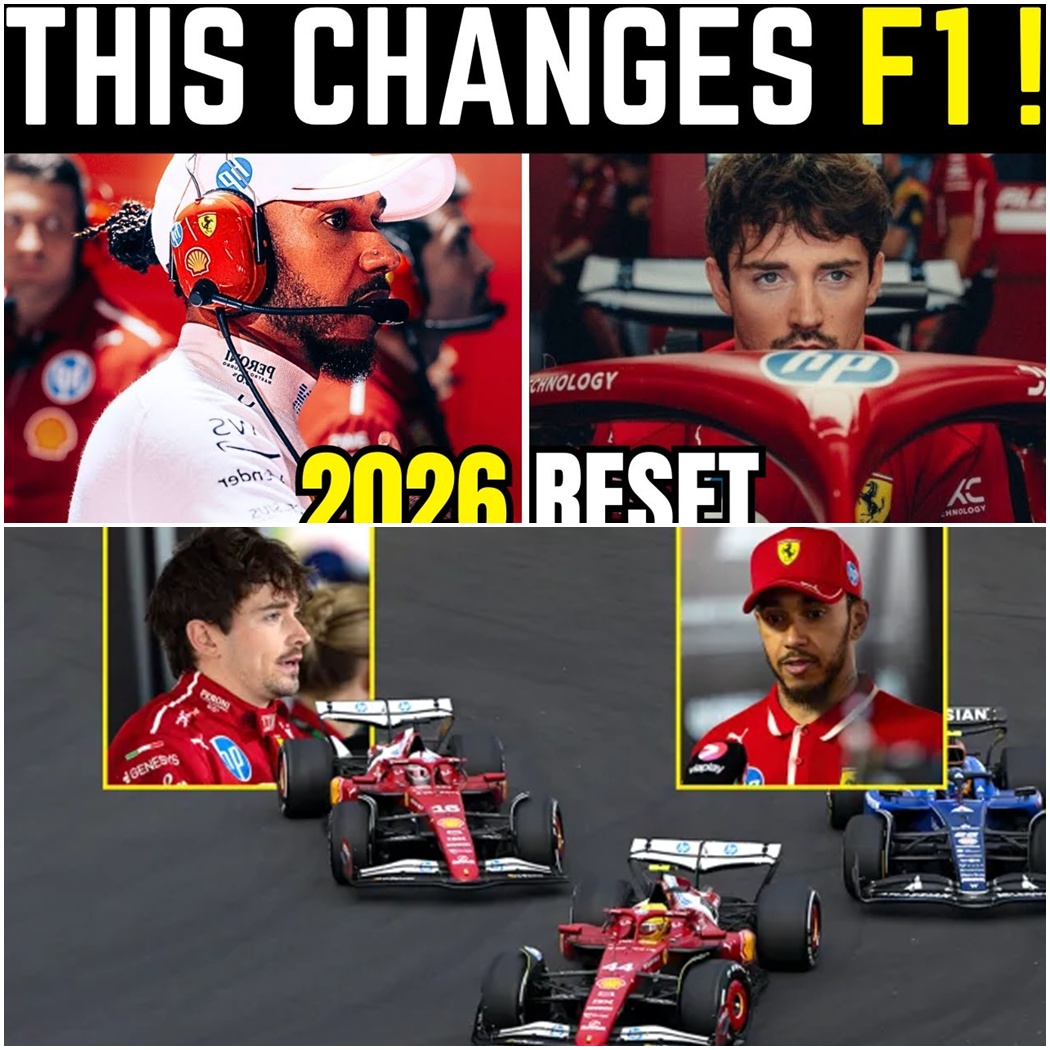
    Lewis Hamilton, the seven-time world champion who rewrote the history books, lined up in 18th place. The machinery beneath him, the SF25, was described by insiders at Maranello as a “wounded animal”—a car whose development had been clinically terminated in April to focus on the upcoming 2026 regulations. The expectations were non-existent. The internal projections screamed “damage limitation.” Yet, over the course of 57 blistering laps, Hamilton didn’t just claw his way back; he dismantled the logic of modern Formula 1 and exposed a truth so uncomfortable it has left Team Principal Fred Vasseur speechless and teammate Charles Leclerc staring into the abyss.

    The Broken Machine

    To understand the magnitude of what occurred under the floodlights of Lusail, one must first understand the depth of the hole Ferrari had dug. The SF25 arrived in Qatar displaying the handling characteristics of a shopping cart with a missing wheel. It was unstable, unpredictable, and frankly, dangerous.

    Friday was a catastrophe. Hamilton was eliminated in Q1 not once, but twice—first in the Sprint Shootout, then in the main qualifying session. Over the team radio, his voice wasn’t angry; it was hauntingly flat. “The car won’t go any quicker,” he said. It was the sound of acceptance. Even rival Pierre Gasly, walking past the Ferrari hospitality, was overheard offering a sympathetic, “It looks so bad.”

    Charles Leclerc, usually the magician capable of dragging sub-par machinery to the front, fared little better. He scraped into Q3 only to spin violently, pushing the car beyond its narrow operating window. The consensus in the paddock was unanimous: Ferrari was a sitting duck, a team treading water while McLaren, Red Bull, and Mercedes refined their weapons.

    The Resurrection

    Then the lights went out.

    From P18, Hamilton didn’t just drive; he operated on a different metaphysical plane. The first lap was a masterclass in controlled aggression—surgical, clean, and relentless. While others hesitated, fearful of the slippery surface and tire degradation, Hamilton carved through the midfield like a shark through a bait ball.

    By Lap 15, he was inside the points. The Ferrari pit wall stared at their monitors in disbelief. The simulation data, the millions of dollars of hardware back in Italy, said the car couldn’t do what Hamilton was making it do. By Lap 30, on worn hard tires, he was matching the pace of the podium contenders.

    This was the moment the narrative shifted. This wasn’t just a driver engaging “push mode.” This was a driver decoding a puzzle that hundreds of engineers had failed to solve. While Leclerc fought the car’s instability with raw aggression—a wrestle that eventually saw him lose places and struggle with tire life—Hamilton took a cerebral approach. He found new braking zones where none should have existed. He altered his cornering lines to mask the SF25’s inherent instability, smoothing out the violent transitions that were catching his teammate out.

    He essentially turned off the external noise—the criticism, the abysmal qualifying, the hopelessness—and entered that rare “race mode” where he becomes untouchable.

    The Uncomfortable Truth

    When Hamilton crossed the line, having executed a massive overcut and practically humiliating the midfield in a car deemed “undrivable,” the celebration at Ferrari was muted by a terrifying realization.

    If Lewis Hamilton can extract podium-level pace from a car that Charles Leclerc describes as having “zero performance,” the problem isn’t just the hardware. It’s the interpretation of the hardware.

    Leclerc had publicly stated the car was dead. He believed it. Hamilton, in the same machine, on the same track, proved him wrong. Internally, this creates a dangerous fracture. Technical direction in F1 is built on driver feedback. If the lead driver calls a car broken, the team fixes the “broken” parts. But if the other driver takes that “broken” car and flies, it suggests the development path might have been compromised by a lack of adaptability.

    The Italian press, notorious for their skepticism regarding Hamilton’s blockbuster move to Maranello, fell silent. The questions about his age, his motivation, and his ability to adapt were answered emphatically. They realized Ferrari didn’t sign him for his marketing appeal. They signed him because, in impossible conditions, he finds solutions that other drivers don’t even know exist.

    The Crisis at Maranello

    For Fred Vasseur, this “victory” of performance is actually a crisis management nightmare. The team now faces three distinct scenarios, none of them simple.

    First, they could listen. They could take Hamilton’s telemetry from Qatar, dissect his unique inputs, and build Project 677—the 2026 challenger—entirely around his feedback. This would mean pivoting away from the Leclerc-centric development style that has defined the last few years.

    Second, panic could set in. If Hamilton’s performance is viewed as a direct threat to Leclerc’s confidence, internal politics could poison the well. We have seen it before in F1 history; when two alphas clash, the team often implodes. If Leclerc feels marginalized, the partnership could fracture before the 2026 season even begins.

    Third, the rest of the grid is now on high alert. Red Bull and Mercedes watched the screens in Qatar with a growing sense of dread. They realized that Hamilton isn’t winding down; he is a coiled spring. If he can do this with a car that has stopped development, what happens when Ferrari finally gives him a weapon that actually works?

    The Verdict

    The 2026 season won’t be decided merely by horsepower or aerodynamics. It will be decided by the driver who can turn chaos into control. Qatar was not just a race; it was a statement of intent.

    Hamilton’s drive from P18 was a reminder to the world that class is permanent. But for Ferrari, it was a wake-up call. They have the greatest driver of his generation in their garage, a man who refuses to accept defeat even when the physics of his car demand it. The question now remains: Is Lewis Hamilton Ferrari’s savior, or is his brilliance about to expose the deepest flaws in their organization?

    As the dust settles on Lusail, one thing is certain: The SF25 might be a wounded animal, but the man behind the wheel is more dangerous than ever.

  • The $5 Billion Ego War: Audi, Cadillac, and Red Bull Fight for F1’s Future

    The $5 Billion Ego War: Audi, Cadillac, and Red Bull Fight for F1’s Future

    The year 2026 is looming like a storm cloud over the world of motorsport, promising to wash away the established order and leave something entirely new in its wake. Formula 1 is bracing for its most significant regulation reset in over a decade, and three titanic forces are marching into the arena to claim the throne. This isn’t just a sporting contest; it is a multi-billion dollar war of attrition, ego, and engineering arrogance.

    Three very different “gladiators” are entering the paddock, each armed with massive budgets and even bigger ambitions. On one side, you have Audi, the German powerhouse attempting to turn a back-of-the-grid team into a champion through sheer meticulous planning. On the other, Cadillac is bringing Detroit grit and American money to a sport that has historically looked down on both. And standing atop the hill is Red Bull, partnering with Ford in a move that feels less like a technical alliance and more like a blockbuster movie sequel. The real question isn’t just who will win—it’s who will avoid setting fire to their billions in the process.

    The Graveyard of Giants

    Before getting swept up in the hype of new liveries and driver announcements, it is crucial to remember where we are. Formula 1 has a cruel habit of humbling the world’s biggest car manufacturers. The history books are littered with the wreckage of corporate dreams. Toyota famously spent at least $2 billion over eight years and never won a single race. BMW arrived with force, only to bail out the moment the balance sheet turned red. Honda has left and returned so many times they practically have a revolving door at the FIA headquarters.

    These giants all walked into the sport believing that writing a large enough check would guarantee a trophy. They were wrong. F1 drains money, momentum, and pride faster than any other sport on Earth. However, 2026 offers a glimmer of hope that 2014 did not. When the hybrid era began, Mercedes had a massive head start. This time, the rule book has been flipped completely. The removal of the complex MGU-H system means that established teams have to untangle years of legacy technology, while newcomers get to start with a clean sheet. This “reset” is the only reason why Audi and Cadillac believe they can survive where others have perished.

    Audi: The German Masterplan

    Audi’s entry is perhaps the most systematic of the three. By taking over the Sauber team, they are attempting a complete “reset” of an operation with 50 years of heritage. The plan is classic German engineering: a step-by-step roadmap from back-marker to challenger, and finally to champion by 2030.

    Technically, Audi is in a strong position. Their power unit program in Neuburg is already well underway, and they possess legitimate electrification credibility from their years dominating Le Mans with advanced hybrid systems. Unlike Ferrari or Mercedes, who must adapt their existing knowledge to new rules, Audi gets to design directly for the 2026 regulations without any baggage. They have also locked in a blend of experience and youth with drivers Nico Hülkenberg and Gabriel Bortoleto, providing a stable foundation for development.

    However, hardware is rarely the problem in F1; people are. Sauber has been plagued by a steady stream of departures in critical roles. Turnover is the enemy of progress, and trying to build a long-term culture while the ground beneath you is shifting is a dangerous game. Audi looks great on paper—organized, funded, and serious—but F1 is a place where efficiency often dies at the hands of politics.

    Cadillac: The American Gamble

    If Audi is the calculated sniper, Cadillac is the cowboy kicking down the saloon doors. General Motors’ entry into Formula 1 is defined by a bold, almost stubborn confidence. They paid a staggering $450 million in anti-dilution fees just to get a seat at the table—a price tag that proves they are not here to mess around.

    Cadillac’s journey has been anything but smooth. After the political mess involving the Andretti partnership and the FIA’s cold shoulder, they pushed ahead anyway. Their goal is to prove that Detroit can build more than just trucks and V8s. GM brings massive EV expertise to the table, which is vital for the 2026 rules that lean heavily on electric power. Interestingly, while they develop their own engine for 2028, they are expected to partner with Ferrari for their initial power unit. It’s a pragmatic move: use Maranello’s tech to survive the early years while building a bespoke American engine in the background.

    The driver strategy for Cadillac is equally aggressive. Reports suggest they have moved early to sign veterans Valtteri Bottas and Sergio Perez. This is a masterstroke if true; two proven race winners who know exactly what a good car feels like can provide invaluable feedback to a rookie team. Cadillac is betting that deep pockets, a “us against the world” mentality, and American optimism can overcome the steep learning curve.

    Red Bull-Ford: The Defending Kings

    Then there is Red Bull. They treat Formula 1 like their personal playground, and the partnership with Ford is simply their way of staying on top. The challenge for Red Bull isn’t money or aero—it’s the engine. After years of the “will-they-won’t-they” drama with Honda, Red Bull decided to build their own power unit division. It is a massive risk. Can a chassis manufacturer build a championship-winning engine on their first try?

    Ford’s role is critical here. They bring the battery and EV knowledge needed to hit the new 350 kW electric output targets. However, early whispers in the paddock suggest that the Red Bull power unit might be trailing behind Mercedes and Ferrari in initial benchmarks. It’s not a crisis yet, but it puts immense pressure on a team that expects to win every Sunday.

    Despite the engine anxiety, Red Bull starts with the ultimate ace in the hole: Max Verstappen. In a reset year, having the best driver and the best aerodynamic team (even post-Newey) is priceless. They are the target everyone else is aiming for.

    The Verdict: Who Wins the War?

    When you boil down the budgets, the egos, and the technical specs, a likely timeline emerges. Red Bull and Ford remain the safe bet for immediate success. They have the culture of winning and the operational sharpness that takes decades to build. Expect them to win races in 2026, though reliability issues with their new engine could cost them a title fight.

    Audi is poised to be the “best of the rest” among the new blood. If they can stabilize their personnel issues, their factory backing and technical preparation should see them grabbing podiums by 2027. They have the blueprint; they just need to execute it.

    Cadillac faces the steepest climb. Building a team from scratch is one of the hardest engineering challenges on Earth. However, their sheer financial power and aggressive recruitment suggest they won’t be at the back for long. Scoring points by 2028 would be a massive victory for the American marque.

    In the end, the introduction of these three giants guarantees one thing: chaos. Someone will panic, someone will quit, and someone will accidentally build a rocket ship. For the fans, and for Netflix, the “New Blood War” of 2026 is going to be the greatest show on Earth.

  • F1 star Kimi Antonelli, 19, receives vile abuse and death threats over Qatar GP incident

    F1 star Kimi Antonelli, 19, receives vile abuse and death threats over Qatar GP incident

    Mercedes driver Kimi Antonelli has received more than 1,100 hateful messages including death threats after the Qatar Grand Prix, with the 19-year-old changing his Instagram profile to an all-black image

    View 2 Images

    Kimi Antonelli was sent more than 1,100 vile messages by online trolls(Image: LAT Images)

    Mercedes Formula 1 driver Kimi Antonelli has blacked out his social media platforms after being bombarded with death threats and over 1,100 vile messages following the Qatar Grand Prix. The 19-year-old was targeted by repugnant trolls due to a late mishap in Sunday’s race that saw him veer off course, allowing Lando Norris to pass him.

    As a result of this, Norris bagged two additional points which could prove pivotal in the championship race. He is currently 12 points ahead of Max Verstappen, who clinched the Qatar race, meaning the Brit only needs to secure third place in the Abu Dhabi finale this weekend to be crowned world champion, regardless of the Dutchman’s performance.

    Shortly after the race ended, it was noticed that Antonelli had altered his Instagram profile, swapping his usual picture for an all-black image. This sparked rumours that the young driver might be the victim of online abuse, sadly, Mirror Sport understands this to be true.

    It’s believed that more than 1,100 harsh comments have been flagged on Kimi’s personal social media accounts, with approximately 330 more instances found on the Mercedes team’s pages. Several of these offensive remarks are understood to include threats of death or harm towards the 19-year-old.

    The team is preparing to submit all the offensive remarks it has gathered to the FIA, which runs its own United Against Online Abuse initiative. This follows comments from two high-ranking Red Bull bosses suggesting that Antonelli may have made things easy for Norris, who races for McLaren, a team powered by Mercedes engines.

    Verstappen’s race engineer, Gianpiero Lambiase, expressed his confusion to the Dutch driver over the radio moments after the incident, saying: “I am not sure what happened to Antonelli there. It looked like he just pulled over and let Lando through.” Helmut Marko, a long-standing team advisor, even claimed post-race that it was “so obvious” that the young driver had allowed Norris to pass without resistance.

    Mercedes team boss Toto Wolff swiftly dismissed these insinuations and criticised Marko harshly, revealing that he had already spoken with Lambiase to clarify the situation. The Austrian stated: “This is total, utter nonsense that blows my mind. We are fighting for second in the constructors’ championship, which is important for us. Kimi is fighting for a potential third in the race.

    “I mean, how brainless can you be to even say something like this? And it annoys me. Because I’m annoyed with the race itself, how it went. I’m annoyed with the mistake at the end. I’m annoyed with other mistakes. And then hearing such nonsense blows my mind. I spoke to GP [Lambiase]. Obviously, they were emotional in that moment.

    View 2 Images

    Helmut Marko had claimed it was ‘so obvious’ that Antonelli had let Lando Norris pass(Image: Getty Images)

    “I said to him, ‘He [Antonelli] just went off. He had a bit of a moment in the previous corner and then less entry speed into the left-hander. It can happen’. So with GP everything is clear. We cleared the air. He said that he didn’t see the situation. But why would we do this? Why would we even think about interfering in a driver championship? You really need to check yourself and whether you are seeing ghosts.”

    Red Bull issued a statement on Monday morning expressing “regretted” over remarks that sparked online abuse directed at Antonelli. The statement read: “Comments made before the end of and immediately after the Qatar GP suggesting that Mercedes driver Kimi Antonelli had deliberately allowed Lando Norris to overtake him are clearly incorrect. Replay footage shows Antonelli momentarily losing control of his car, thus allowing Norris to pass him. We sincerely regret that this has led to Kimi receiving online abuse.”

  • Red Bull’s Ruthless Shake-Up: Yuki Tsunoda Axed from F1 as Hadjar and Lindblad Earn Shock Promotions for 2026

    Red Bull’s Ruthless Shake-Up: Yuki Tsunoda Axed from F1 as Hadjar and Lindblad Earn Shock Promotions for 2026

    In the high-stakes world of Formula 1, patience is a luxury that Red Bull Racing simply does not afford its drivers. The paddock has been buzzing with whispers for weeks, but the latest leaks emerging just days before the Abu Dhabi Grand Prix have confirmed the inevitable: The Red Bull driver program is undergoing a seismic and ruthless overhaul for the 2026 season. The headline news is as decisive as it is heartbreaking—Yuki Tsunoda, the charismatic Japanese driver who has spent years within the Red Bull family, is set to lose his seat entirely, marking the end of his Formula 1 journey with the team.

    The Failed Audition

    The writing has been on the wall for Tsunoda throughout the latter half of the 2025 season. The year began with promise and a massive opportunity. In a move that many fans had clamored for, Red Bull promoted Tsunoda to the main team at the third round of the season, replacing Liam Lawson. It was the golden ticket—the chance to drive a championship-winning car alongside Max Verstappen and prove he belonged at the pinnacle of the sport.

    However, the dream quickly turned into a nightmare. The statistics, as reported by veteran journalist Erik van Haren, paint a damning picture of Tsunoda’s stint at the top. Since his promotion, Tsunoda has managed to scrape together a mere 30 points. In the same machinery, Max Verstappen has continued to rack up race wins and challenge for the title, exposing a performance gap that is nothing short of cavernous.

    The comparison becomes even more painful when looking at the junior team he left behind. Isack Hadjar, who remained at Racing Bulls, scored 51 points. Even Liam Lawson, who returned to the junior squad after being swapped out for Tsunoda, managed to haul in 38 points in the second half of the season. When a driver is being outscored by rookies in the “B-team” while driving the “A-car,” the conclusion is usually swift and fatal. For Red Bull, a team synonymous with a “sink or swim” philosophy, Tsunoda unfortunately sank.

    The New Guard: Hadjar and Lindblad

    As Tsunoda exits, a new generation enters. The leak confirms that 23-year-old Isack Hadjar will be the man to step into the pressure cooker next to Max Verstappen at Red Bull Racing. Hadjar’s promotion is a reward for a stellar season where he demonstrated speed, consistency, and racecraft that far exceeded expectations. At just 23, he is viewed by the team’s management as a driver ready for the ultimate challenge. Partnering Verstappen is widely considered the toughest job in motorsport, but Hadjar’s impressive points haul in the junior car suggests he possesses the mental fortitude required to survive where others have faltered.

    Perhaps the more shocking revelation is the rapid ascent of Arvid Lindblad. The Red Bull Junior Team has always been aggressive, but promoting Lindblad to Formula 1 at just 18 years of age is a statement of immense confidence. Lindblad’s rise has been meteoric; after finishing third in Italian F4 and fourth in Formula 3, he has bypassed the traditional waiting period. His practice appearances at the British and Mexican Grands Prix this year reportedly sealed the deal, giving Red Bull the data they needed to confirm he is ready for the big league. He will make his debut at Racing Bulls alongside the retained Liam Lawson, forming one of the youngest and most exciting lineups on the grid.

    The Brutality of the Red Bull System

    This reshuffle serves as a stark reminder of the brutal efficiency that defines Red Bull’s approach to driver management. Sentimentality holds no value in their equation. Tsunoda gave the team four years of service at the junior level and a significant portion of a season at the main team, yet the moment his performance plateaued, the machinery moved on.

    The decision to retain Liam Lawson at Racing Bulls makes strategic sense. Lawson did exactly what was asked of him: he took the demotion in stride, kept his head down, and delivered points. He has proven to be a safe pair of hands—a known quantity who can help benchmark the incoming rookie, Lindblad. For Tsunoda, however, the message is clear: potential means nothing without delivery.

    What Now for Yuki Tsunoda?

    With the 2026 grid effectively closed, Tsunoda finds himself in a precarious position. The report indicates that he is unwilling to accept a reserve driver role that keeps him on the sidelines. “He wants to race,” the sources confirm. If Formula 1 doors are shut, the most logical step is a return to his roots.

    Japan offers a soft landing with high prestige. Super Formula and Super GT are fiercely competitive series where a driver of Tsunoda’s caliber, backed by Honda, could thrive and contend for championships immediately. Racing in front of a home crowd that adores him could be the restorative move his career needs.

    Alternatively, the United States beckons. IndyCar has a history of welcoming Formula 1 expatriates, and Tsunoda’s aggressive driving style could be a perfect match for the series. With Honda’s heavy involvement in IndyCar, a seat with a top team isn’t out of the question. It would allow him to continue racing single-seaters on a global stage, away from the microscopic scrutiny of the F1 paddock.

    There remains a faint, long-term glimmer of hope involving Aston Martin. With Honda partnering with the British team starting in 2026, there is speculation that Honda could push for a Tsunoda seat in 2027, perhaps if Fernando Alonso decides to hang up his helmet. However, a year on the sidelines or in a different series can cool a driver’s stock significantly.

    A Lifeline in Testing?

    One interesting subplot is the ongoing negotiation between Red Bull and Honda regarding a “Testing of Previous Cars” (TPC) program. As Red Bull transitions to its own power units with Ford for 2026, they require Honda engines to keep their testing programs for older cars running. This leverage allows Honda to potentially negotiate a role for Tsunoda that keeps him in the F1 loop—testing 2025 machinery and staying sharp. While not a race seat, it would keep him connected to the pinnacle of motorsport, ready to pounce if a chaotic driver market opens a door in the future.

    The Verdict

    Come Tuesday, December 3rd, the official press release will likely thank Yuki Tsunoda for his efforts and welcome the new recruits with fanfare. But behind the PR polish lies the cold reality of elite sports. Red Bull has pushed the reset button, betting on the raw speed of Hadjar and the prodigious talent of Lindblad to secure their future. For Yuki Tsunoda, the Red Bull chapter is closed, leaving fans to wonder if we will ever see the fiery Japanese driver on an F1 grid again.

  • Lando Norris “Just Wants to Go to Bed” After Catastrophic McLaren Strategy Blunder Hands Qatar Victory to Verstappen

    Lando Norris “Just Wants to Go to Bed” After Catastrophic McLaren Strategy Blunder Hands Qatar Victory to Verstappen

    A Championship Twist No One Saw Coming

    In the high-octane world of Formula 1, split-second decisions often define careers. But at the Qatar Grand Prix, it wasn’t a split-second reaction that decided the race; it was a stubborn refusal to embrace the obvious that turned a potential McLaren triumph into a nightmare. Lando Norris, usually the picture of competitive fire, crossed the finish line in fourth place and offered a sentiment that resonated with every frustrated fan watching: “I just want to go to bed.”

    That short, blunt sentence encapsulated a devastating afternoon for the Woking-based team. They arrived in Qatar with the fastest car, a front-row lockout within their grasp, and a golden opportunity to land a knockout blow in the championship fight. Instead, a baffling strategy call didn’t just cost them the win—it handed a lifeline to Max Verstappen and ensured the title fight would go down to the wire in Abu Dhabi.

    The Decision That Changed Everything

    The race began with promise. Oscar Piastri led from pole, looking imperious, while Norris sat comfortably in third. The McLarens had the pace to dominate. Then, on lap 7, the Safety Car was deployed. In modern Formula 1, this is the “golden ticket”—a chance for a practically free pit stop, swapping to fresh rubber with minimal time loss.

    The entire paddock saw the opportunity. Teams scrambled, flooding the pit lane to fit new tires for the 50 laps remaining. It was the textbook move. Yet, as the field streamed into the pits, two papaya-colored cars stayed out. McLaren, in a move that baffled commentators and rivals alike, kept both Piastri and Norris on track on old tires.

    It was a gamble that looked doomed from the start. As the pack bunched up behind the Safety Car, the McLaren drivers found themselves leading a field of sharks on fresh rubber. The pit wall held firm, insisting the strategy could work. But inside the cockpits, the drivers knew immediately that something was terribly wrong.

    “Speechless” and Confused

    The team radio exchanges paint a picture of confusion rapidly turning into resignation. Norris, realizing that Verstappen—his main title rival—had pitted, radioed in with a tone of genuine bewilderment: “We should have just followed him in… no?” It wasn’t anger yet; it was the sound of a driver watching a win slip away and unable to understand why his team wasn’t reacting.

    Oscar Piastri’s reaction was even more telling. When his race engineer explained the plan to stay out, the young Australian went silent. When he finally spoke, he uttered a single, heavy word: “Speechless.”

    It wasn’t fury. It was disbelief. He had done everything right, leading every lap, only to be hung out to dry by a strategy that no other team on the grid thought was viable.

    The Inevitable Collapse

    When the race resumed, physics took over. Max Verstappen, armed with fresh tires and better grip, hunted down the McLarens with ruthless efficiency. Piastri fought valiantly, his defense aggressive and precise, but he was bringing a knife to a gunfight. On lap 21, the inevitable happened: Verstappen swept past, seizing a lead he would never relinquish.

    Norris suffered a similar fate. Also on old rubber, he was swallowed up by the chasing pack, falling behind drivers he should have been beating comfortably. Carlos Sainz and even the Mercedes of Kimi Antonelli were suddenly threats. Norris had to switch from attack to damage limitation, scrapping to save points from a race he could have won.

    He finished fourth. Piastri managed to hold onto second, a testament to his skill, but a hollow victory considering the pace of the car.

    Diplomacy Cracks Under Pressure

    Post-race, Norris attempted to play the good soldier. “We did many things differently, but we thought we did what was correct,” he told the media, trying to shield his team. But the facade crumbled when pressed on the specifics. He admitted that, in hindsight, they “probably” should have double-stacked in the pits.

    “I also have to have faith that the team is making the right call,” Norris said, a line that stings with implication. He did have faith. He followed orders. And it cost him.

    His exhaustion was palpable. The comment about wanting to go to bed wasn’t just physical tiredness; it was mental fatigue. This was the second race in a row where McLaren had stumbled. Following the disqualification disaster in Las Vegas due to skid block wear, the team has now hemorrhaged points in back-to-back weekends.

    The Abu Dhabi Showdown

    The consequences of this error are massive. Norris still leads the championship, but the gap is a precarious 12 points—less than the value of a single race win. Had McLaren executed a standard strategy in Qatar, that lead could have been 20 points or more, allowing Norris to cruise to the title with a simple podium in the finale.

    Now, the pressure is immense. If Verstappen wins in Abu Dhabi and Norris finishes fourth or lower, the championship belongs to the Dutchman. McLaren has turned a comfortable march to glory into a desperate scramble for survival.

    “It wasn’t our finest day,” Norris conceded. “I take it on the chin.”

    But as the F1 circus heads to the final round, one question looms large: Can McLaren stop beating themselves? They have the car to win, but in the heat of a title fight, strategy and composure matter just as much as horsepower. In Qatar, they blinked. In Abu Dhabi, they cannot afford to close their eyes again.

  • Verstappen Sends Shocking Warning to McLaren: Title Fight Explodes After Woking Team’s Catastrophic Strategy Blunder in Qatar

    Verstappen Sends Shocking Warning to McLaren: Title Fight Explodes After Woking Team’s Catastrophic Strategy Blunder in Qatar

    In the high-stakes world of Formula 1, championships are often won as much on the pit wall as they are on the asphalt. But rarely do we see a collapse as dramatic, as swift, and as potentially season-defining as what unfolded under the floodlights of the Qatar Grand Prix. What was supposed to be a coronation march for McLaren—a team boasting the fastest car, the sharpest driver lineup, and all the momentum—turned into a strategic nightmare that has blown the title fight wide open just days before the season finale.

    The narrative entering Qatar was clear: the momentum was entirely with the Woking-based squad. Oscar Piastri started from pole, Lando Norris was right there in the mix, and the MCL38 was performing beautifully. For the first few laps, it looked like business as usual. McLaren controlled the pace, their drivers were comfortable, and Red Bull, struggling with an uncompetitive package relative to their rivals, seemed destined for damage limitation. The championship, which had looked so precarious for Max Verstappen just weeks ago, appeared to be slipping firmly into Lando Norris’s grasp.

    Then, on Lap 7, chaos struck. A collision between Nico Hulkenberg and Pierre Gasly triggered a Safety Car, throwing the race into a state of flux. In these split-second moments, championships are often decided. The logic of modern Formula 1 strategy usually dictates a simple rule: when the Safety Car neutralizes the field, you take the “cheap” pit stop. It is a low-risk, high-reward move that refreshes your rubber and sets you up for the restart.

    Eighteen drivers on the grid understood this immediately. They dove into the pits, swapping worn rubber for fresh tires, eager to capitalize on the neutralization. Red Bull, a team forged in the fire of intense title battles, didn’t flinch. There was no debate, no hesitation, and no second-guessing. They called Max Verstappen in, fitted him with fresh tires, and sent him back out. He rejoined in fifth, but he had the most valuable asset in racing: grip.

    McLaren, inexplicably, did the opposite. In a move that will likely be analyzed in strategy debriefs for years to come, they kept both Piastri and Norris out on track. Perhaps they feared the complications of a “double stack” pit stop. Perhaps they were over-analyzing the tire wear data. Or perhaps, as many pundits are now suggesting, they simply froze under the immense pressure of leading a championship fight for the first time in over a decade.

    Whatever the reason, the consequences were immediate and brutal. When the race restarted on Lap 10, the disparity was glaring. The McLarens were sitting ducks, sliding around on old, worn tires, while Verstappen, armed with fresh rubber and a renewed sense of purpose, went on the hunt. The gap was 12 seconds. In normal conditions, closing that distance might take an entire stint. But these were not normal conditions. Verstappen didn’t need the remaining 50 laps to catch them; he needed just 11.

    The Dutchman carved through the field with a ruthless efficiency that reminded everyone why he is a four-time world champion. He dispatched Carlos Sainz. He flew past Kimi Antonelli. The Red Bull, which had looked difficult to drive all weekend, was suddenly planted, stable, and lethal in Verstappen’s hands. By Lap 21, the inevitable happened. Verstappen swept past Piastri into Turn 1, seizing the lead and effectively ending the contest. It wasn’t just an overtake; it was a psychological blow that resonated through the entire paddock.

    Verstappen’s post-race comments were telling in their restraint. He didn’t need to gloat; the scoreboard did it for him. “I was surprised they didn’t pit,” he admitted, noting that once he saw the papaya cars stay out, he knew the race was his to lose. “We took it, and from there we controlled the race.” It was a masterclass in seizing an opportunity—an opportunity that McLaren had gift-wrapped and handed to him.

    The implications of this result are staggering. Just two weeks ago, after the Las Vegas Grand Prix, Verstappen was staring at a 42-point deficit to Norris. The writing was on the wall. But F1 can be a cruel mistress. In Vegas, McLaren suffered the ignominy of a double disqualification due to skid block wear—a technical error that wiped out a massive haul of points. Now, in Qatar, a strategic blunder has cost them a certain victory. Two races, two critical errors, and a comfortable lead has evaporated.

    Heading into the final showdown in Abu Dhabi, the gap stands at a mere 12 points. Lando Norris, who should have been arriving at Yas Marina with one hand on the trophy, is now looking over his shoulder at a rival who has nothing to lose. The mathematics are simple but terrifying for McLaren fans: if Verstappen wins in Abu Dhabi and Norris finishes fourth or lower, the Dutchman claims his fifth world title.

    The momentum has shifted violently. McLaren appears to be a team buckling under the weight of expectation. They have the car, the drivers, and the speed, but they are lacking the clinical execution that defined Red Bull’s dominant years. In contrast, Red Bull and Verstappen are operating with the clarity of those who have been there before. They know that speed is nothing without strategy, and that championships are often won by simply not making mistakes when it matters most.

    The psychological impact of back-to-back failures cannot be overstated. McLaren travels to the season finale knowing they have thrown away huge points in consecutive weekends. The doubt will be creeping in. Every decision made on the pit wall in Abu Dhabi will be second-guessed. Every radio call will be laden with tension. Verstappen, meanwhile, is riding a wave of unexpected fortune. He knows he shouldn’t be this close, but he is. And a dangerous Max Verstappen, with a sniff of a title he thought was gone, is the most formidable force in motorsport.

    Abu Dhabi promises to be a thriller. Can McLaren regroup, shake off the ghosts of Vegas and Qatar, and deliver a flawless weekend to secure their first driver’s title since 2008? Or will Max Verstappen complete one of the greatest comebacks in the sport’s history, stealing the crown from a rival who simply couldn’t close the deal? The stage is set, the nerves are frayed, and after the shock of Qatar, absolutely anything can happen.