Author: bang7

  • Lando Norris’s Emotional Triumph: How the ‘Fair Driver’ Conquered Pressure and Max Verstappen to Win the F1 World Title ‘His Way’

    Lando Norris’s Emotional Triumph: How the ‘Fair Driver’ Conquered Pressure and Max Verstappen to Win the F1 World Title ‘His Way’

    The Human Champion: Lando Norris’s Tears, Two Points, and a Title Won on His Own Terms

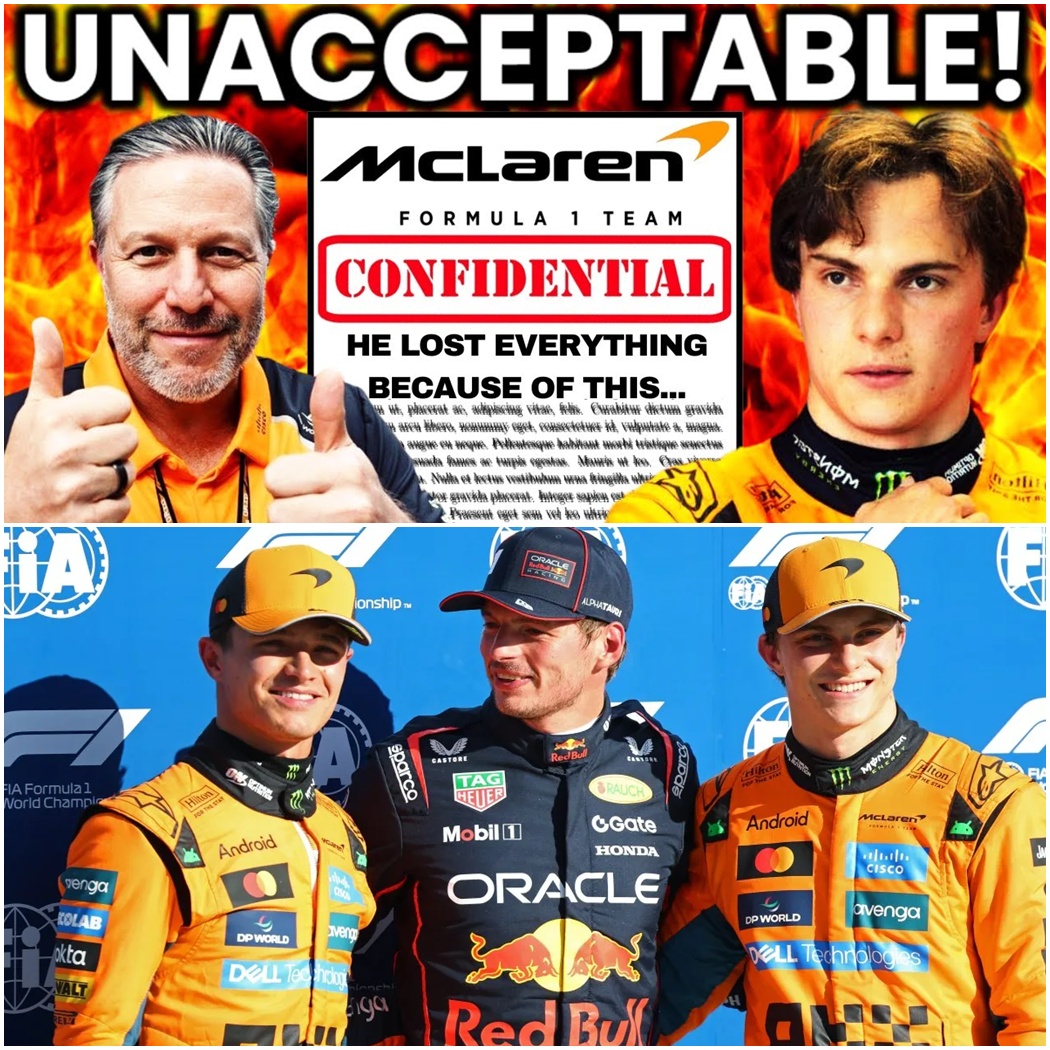
    In a sport often defined by ruthless ambition and cold calculation, the finale of the 2025 Formula 1 season delivered a victory steeped in raw, overwhelming human emotion. At the floodlit Yas Marina Circuit in Abu Dhabi, Lando Norris, the 26-year-old Briton who has spent his career fighting for both success and authenticity, crossed the finish line in third place—a result that was simultaneously anti-climactic and utterly life-defining. It was enough. By a margin of just two points, Norris secured his maiden World Drivers’ Championship, ending the four-year reign of Max Verstappen in the most dramatic of fashions.

    The story of this championship, however, is not simply one of mathematical permutations or final race strategy. It is the story of a young man who deliberately chose the path of integrity over aggression, proving that the coveted ‘killer instinct’ is not a mandatory prerequisite for greatness. It is a story punctuated by tears, relief, and an emotional reckoning with a dream 17 years in the making.

    The Moment the Pressure Broke

    For the casual viewer, the final laps of the Abu Dhabi Grand Prix appeared deceptively controlled. Norris, having managed his strategy expertly with his McLaren team, was positioned exactly where he needed to be. Yet, behind the helmet, the driver was battling not rivals, but himself.

    He later admitted that despite appearing calm and composed, the intense, career-defining pressure was almost unbearable in the final moments. “I felt calm until three corners to go, I started to shake a little bit,” he confessed after the race. This sudden, involuntary tremor of adrenaline and anxiety perfectly captures the immense stakes of a title decider. It was the physical manifestation of the mental warfare he had endured across a grueling season, culminating in a three-way showdown against his teammate Oscar Piastri and the relentless defending champion, Max Verstappen.

    When he finally took the chequered flag, the composure evaporated entirely. The initial radio message from his engineer confirmed the surreal reality: “That’s it, mate, you are world champion, world champion!”. Norris’s immediate reply, choked with emotion, was a simple, heartfelt tribute: “Thank you guys, you made a kid’s dream come true”.

    Stepping out of the car, Norris was visibly overwhelmed. The stoicism he had demonstrated for 24 races finally gave way to a flood of tears. “I’ve not cried in a while. I didn’t think I would cry but I did,” he shared with the world, his voice cracking with happiness and profound relief. He wasn’t just crying for himself, but for a whole journey. He spoke of his mother and father, the foundation of his career: “I thought about my mum, my dad and how happy they would be. My mum, my dad, they were the ones who supported me since the beginning. I love all you guys”. This was the human core of a sporting victory, a man prioritizing his gratitude and his family over any sense of heroic self-aggrandizement.

    Winning It ‘His Way’: A Champion of Character

    Perhaps the most compelling aspect of Norris’s title win is the philosophy he championed throughout the season. Lando Norris has long represented a new kind of F1 star—one known for his affable nature, genuine friendships across the paddock, and a refreshing transparency about his mental struggles. This stands in contrast to the traditional “badass” stereotype of the F1 champion, the kind of driver who is often portrayed as coldly ruthless and aggressive.

    Norris proudly declared that he won the championship “my way”. He emphasized that he never sought to be overly aggressive or forceful like past champions, preferring instead to be a “fair driver” and an “honest driver”. This was a conscious, principled decision, even admitting he could have been more aggressive at times but chose not to, because “Is that the way I want to go racing? Is that me? It’s not”.

    His former McLaren teammate, Carlos Sainz, echoed this sentiment in his post-race congratulations, stating he was “happy for him as a person” because Norris “doesn’t fit the [F1] stereotype”. Sainz concluded that Norris “showed you can be a world champion and show that human side, you can be yourself – you can’t have to be a ‘badass’”. This victory is therefore not just for McLaren, but for every athlete who believes in achieving success without sacrificing their moral compass or their personality.

    The Long, Emotional Rollercoaster

    The path to this moment was anything but straightforward. Norris’s consistency was key—seven wins and a total of eleven podiums across the 24-race season. Yet, the psychological toll was massive. Early in the year, he faced significant struggles, including an emotional low point after crashing out of qualifying in Saudi Arabia and running into his teammate in Canada.

    Norris openly admitted that he “lost a little bit of belief early in the season,” particularly when his teammate, Oscar Piastri, was dominating the early rounds and led the championship for a significant period. He spoke of finding the internal confidence to fight not just for race wins, but for the world championship, a belief that solidified after his turnaround at the Monaco Grand Prix.

    His ability to overcome these self-doubts and external pressures is perhaps the most powerful lesson of his year. He worked with new professionals to “unlock more of my ability” and found strength in “being more myself”. His championship was a victory of mental fortitude as much as driving skill, a testament to the fact that vulnerability and self-improvement can lead directly to the ultimate prize.

    The Rivalry and the Respect

    The intensity of the championship was elevated by the presence of his two main rivals. Max Verstappen, a four-time world champion, fought relentlessly to the very end, winning the Abu Dhabi Grand Prix itself. Verstappen’s post-season reaction was revealing. Despite his disappointment at losing the title, he remained philosophical. He noted that while he “hated this car at times,” he had no regrets about his season, believing he had consistently extracted the most from it. His presence pushed Norris to the absolute limit.

    Similarly, Norris’s rivalry with teammate Oscar Piastri provided a thrilling narrative. The championship became a fierce in-house battle, with Piastri often outperforming Norris in the middle of the season before the Briton mounted his magnificent comeback. In a moment of genuine mutual respect, Norris congratulated both Max and Oscar, acknowledging that they were his “two biggest competitors all season” and admitting that they “certainly didn’t make my life easy this year,” but that he had enjoyed the fight.

    A Legacy of Loyalty and Relief for McLaren

    Norris’s title is a profound moment for the McLaren team itself. His tenure there is a remarkable nine-year story of mutual faith and perseverance. He joined the team’s development program in 2017 and debuted in 2019, staying loyal through periods of “crazy difficult times” and believing in the process of rebuilding.

    For McLaren, this victory ends a seventeen-year drought since their last Drivers’ title, secured by Lewis Hamilton in 2008. For Norris, the emotional culmination was the feeling of giving something back to the team that had invested so much in him. “For me to feel like I could bring something back to them, it’s their first Drivers’ [title] in many, many years, I feel like I did my part for the team this year and I’m very proud of myself for that, but I’m even more proud for everyone that I’ve hugged and made cry,” he concluded.

    His championship is more than just a notch in the history books; it is a powerful, emotionally charged statement on modern sportsmanship. Lando Norris did not win by becoming a different person; he won by becoming a better version of himself. He proved that kindness, transparency, and a clean fight can, indeed, conquer aggression and ruthlessness. As the youngest British world champion since Hamilton, Norris’s triumph guarantees that his legacy will be defined not only by his speed, but by his sincerity. He delivered a title that feels not just earned, but profoundly deserved, securing his place as a champion of both the racetrack and human character. His tears in Abu Dhabi were the world watching a dream, patiently chased and honorably realized, finally burst into beautiful reality.

  • The $100 Million Gamble That Failed: Hamilton and Leclerc’s Brutal Confessions Reveal Ferrari’s Worst F1 Season in Modern History

    The $100 Million Gamble That Failed: Hamilton and Leclerc’s Brutal Confessions Reveal Ferrari’s Worst F1 Season in Modern History

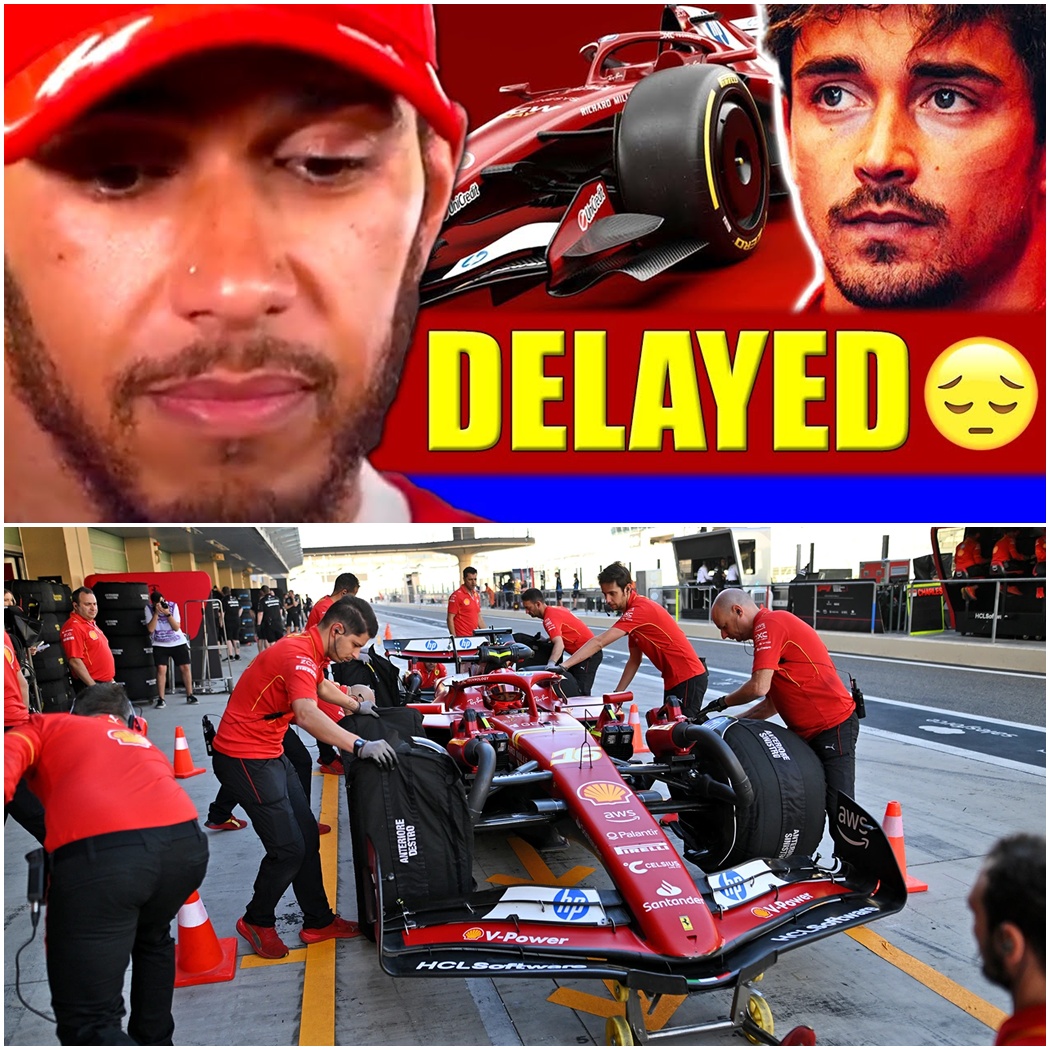
    The neon-drenched atmosphere of the Yas Marina Circuit in Abu Dhabi, usually reserved for triumphant celebrations and last-gasp heroics, became the stage for one of Formula 1’s most profound emotional breakdowns. It was the final practice session of the season, and inside the tense confines of the Ferrari garage, two of the sport’s most prodigious talents, Lewis Hamilton and Charles Leclerc, erupted with a raw, unfiltered response that has since sent shockwaves through the paddock. The sounds of their frustration, annoyance, and sheer shock were not just the typical complaints of professional drivers—they were the cries of a massive project in total collapse, revealing the tragic darkness of a season now widely and grimly dubbed the worst in Ferrari’s modern Formula 1 history.

    The silence of the night was shattered by the crackling of Ferrari’s radio, followed by Charles Leclerc’s voice. It wasn’t cracked from engine noise, but from the emotional pressure he had suppressed for an entire, miserable year. His words weren’t a nuanced technical report; they were an exasperated summation of his experience: “The car has zero grip, incredible”. This wasn’t a mere complaint; it was the anguished cry of a driver who had been promised a bright, competitive future, only to find himself mired in an unpredictable, consistently poor machine.

    Moments later, the voice of Lewis Hamilton, a seven-time world champion and one of the sport’s greatest icons, followed. He remained outwardly calm, but the brutal honesty that emerged was arguably even more devastating. Hamilton, who had left the stability of Mercedes with the hope of an eighth title and a renewed lease on his golden career, simply stated the harsh, painful reality: “It’s the worst year of my career. Not the worst car, not the worst results. Not the worst year”. Two sentences, two drivers, and one inescapable truth: Ferrari’s campaign had not merely underperformed—it had psychologically and technically imploded.

    The seeds of this collapse were sown thousands of kilometers away from the sands of Abu Dhabi, in the cold, corporate boardroom of Maranello. Early in the season, team boss Fred Vasseur watched with alarm as rival teams, particularly McLaren, began to accelerate their development at a pace that defied even Ferrari’s internal analysis. The data was unequivocal and grim: there was no realistic path to turning the SF25 around quickly. This led to an extreme, strategic, and ultimately fateful decision: Ferrari halted all development of the SF25 and shifted its focus entirely to the new 2026 regulations and car project.

    Logically, this move possessed a certain brutal sense. If they couldn’t win this season, Ferrari reasoned, they could at least secure a significant lead for the new era. However, the consequences went far beyond the technical charts and aerodynamic updates. The most experienced engineers, valuable wind tunnel hours, the simulation department, and even essential power supply resources were all diverted away from the current car. In a human context, the decision was a silent, psychological disaster.

    Ferrari completely underestimated the morale-shattering cost of giving up so soon—a factor that performance charts and telemetry sensors can never measure. The mechanics on the ground felt lost, the drivers lost all hope, and the entire team atmosphere began to reflect the demoralizing idea that the season was essentially over before it had properly begun. This was the small spark that ultimately ignited the full-blown, public storm that broke in the garages of Abu Dhabi.

    For Lewis Hamilton, the reality of his Ferrari dream was a hammer blow. He arrived with high hopes, having been promised an aggressive project, rapid bi-weekly development, and total support to build a winning machine. Yet, the reality he encountered was a staggering void. The promised aerodynamic updates and the major upgrade packages—the crucial weapons in a modern F1 season—were nowhere to be found. All that remained was internal confusion, long silences, and a car that was consistently terrible from the season opener in Bahrain to the final curtain in Abu Dhabi.

    While their rivals like McLaren, Mercedes, and Red Bull continuously refined and evolved their cars, Ferrari stalled, seemingly lost in their own most difficult season. Hamilton, a speed icon who has spent his entire career commanding world-beating machinery, was forced to spend a season battling with a machine that simply could not keep pace. For the first time in his legendary Formula 1 career, Lewis Hamilton went an entire season without a single podium finish. It was a catastrophic, unprecedented setback in the journey of a legend, and the bitter, painful irony of a red dream that had turned to dust.

    For Charles Leclerc, the season was a deep emotional wound. The disappointment was compounded by the fact that he had waited six seasons for Ferrari to deliver a car that was consistently reliable and allowed him to compete at the front without constant, corner-by-corner anxiety. Week after week, the SF25 displayed an agonizingly unpredictable disposition, torturing both the driver and the engineers.

    The technical issues were specific and tormenting: the car frequently lost grip, the tire degradation was often so severe it instantly ruined any racing rhythm, and the rear wheels constantly felt like they were floating, never truly gripping the asphalt. The car’s behavior fluctuated wildly, creating the sensation that Ferrari was bringing a completely different vehicle to the track every weekend. Even after twenty-two grueling races, the mystery of the SF25 remained unsolved. Leclerc, who was once known for his cool, steady, and optimistic demeanor, slowly began to sound like a driver who was losing his grip on reality. His tone in Abu Dhabi was not just a complaint about the current lap; it was the painful culmination of years of built-up frustration, waiting too long for a winning car that never, ever arrived.

    Behind the highly polished façade of the Ferrari operation, the mood was far darker than it ever appeared on camera. Technical meetings ceased being productive discussions about solutions and instead devolved into lengthy, demoralizing sessions filled with breakdown after breakdown. The sophisticated simulations, which should have been their primary weapon in the development fight, offered no direction. Every piece of data seemed to confirm the same crushing conclusion: this year’s car was beyond salvage.

    With wind tunnel testing completely and controversially diverted to the 2026 project, the car was left as a half-finished, abandoned package. The drivers were left virtually alone on the track, struggling with a machine that was clearly incapable of competing with the modern Formula 1 grid.

    In a moment of honest and startling admission, Fred Vasseur himself summed up the extent of the disaster. “When you have 18 races left and know there will be no improvement, it’s difficult to manage psychologically,” he confessed. This quote perfectly encapsulates the nature of the crisis. It wasn’t just a technical or engineering failure; it was a collective mental collapse, a complete erosion of confidence that spread like a sickness from the boardroom to the pit wall. Everyone at Maranello knew the season was over long before they ever arrived in Abu Dhabi, and that bitter, unforgiving reality slowly and surely took an unsustainable toll on the team’s morale.

    The numbers, as always, tell a brutal story. The season will be forever etched in the annals as one of Ferrari’s most brutal, concluding with a disappointing fourth place in the constructor’s championship, without a single victory, and most tellingly, without a single podium for Lewis Hamilton.

    However, the greatest, most enduring damage inflicted was not reflected in the standings. That damage lay much deeper, at the very core of the team itself: trust. Trust, the most fragile and essential component in the high-stakes world of Formula 1, was shattered. Technical conflicts began to surface, with engineers working to the point of exhaustion while different departments blamed each other for repeated failures. The drivers, meanwhile, lost their navigational sense, no longer understanding where this colossal project was truly headed.

    Ferrari was not a cohesive team; instead of collaboratively looking for solutions, it had tragically devolved into two opposing factions, tragically busy looking for scapegoats. It was a season that was not only embarrassing for the proud Italian outfit but was genuinely painful for a great and iconic name that is meant to stand for power, speed, and elegance.

    Abu Dhabi marks more than just the final race of the calendar year. It marks a public reckoning where the iconic Ferrari, a symbol held up for decades as a pinnacle of racing tradition, risked collapsing like a mediocre, lost team. Behind the seemingly calm appearance of the high-tech garage, every level of the team is at stake. From the sleepless, exhausted mechanics and the engineers running out of ideas, to the two world-champion-caliber drivers left at a loss for words. The core question now is whether Ferrari can truly rise from the psychological ashes of this catastrophic collapse, or if the hope promised for the 2026 season will simply be another heartbreaking chapter of empty promises ending in the same familiar disappointment.

  • THE ULTIMATE ACT OF LOYALTY OR RECKLESS SABOTAGE? The ‘Unacceptable’ Move That Split F1 and Nearly Cost Lando Norris the World Title

    THE ULTIMATE ACT OF LOYALTY OR RECKLESS SABOTAGE? The ‘Unacceptable’ Move That Split F1 and Nearly Cost Lando Norris the World Title

    The Three-Point Chasm: The Moment Yuki Tsunoda’s Controversial Defense Threatened to Steal an F1 Crown

    The recent Formula 1 season finale in Abu Dhabi was destined to be a classic. It was a race dripping with the kind of tension that only a winner-take-all scenario can provide. For Lando Norris, the young British prodigy in the papaya machine of McLaren, this was the crucible. He stood on the brink of his first-ever World Championship, a prize he had relentlessly fought for across an entire year of highs and lows. Every lap, every position, and every single point was critical to overcoming his chief rival, the reigning champion Max Verstappen.

    But the defining, most controversial moment of that tense afternoon was not a duel between the two title protagonists. Instead, all eyes turned to a shocking, highly questionable defensive display courtesy of Red Bull’s Yuki Tsunoda. What followed was a multi-lap skirmish that transcended the simple battle for position, sparking a furious global debate that threatened to fracture the foundational concept of “hard but fair” racing.

    The controversy was simple, yet devastating in its implications. Norris, in his demonstrably faster McLaren, needed to pass Tsunoda’s Red Bull quickly and safely to secure the points necessary to beat Verstappen to the title. But Tsunoda was not yielding. He was, to put it mildly, driving like a man possessed, his mission seemingly to hold up the championship leader at all costs.

    The Edge of Disaster: When Defense Becomes Danger

    The defense exhibited by Tsunoda was a textbook case of pushing the rules of engagement to their absolute breaking point. The most criticized sequence occurred on the long back straight leading into the critical chicane. As Norris lined up his powerful McLaren to make the pass, pulling out into the slipstream to gain a crucial speed advantage, Tsunoda began a series of small, multiple weaves. These micro-movements, subtle yet deliberate, were specifically designed to disrupt the aerodynamic tow and destabilize Norris’s attack.

    This aggressive tactic culminated in a late defensive move that, according to the official race directors, forced Norris to leave the track altogether to complete his overtake. This action led to an immediate post-race 5-second penalty for Tsunoda, but the damage, both to Norris’s race rhythm and to the championship narrative, had already been done.

    Critics were swift and brutal in their condemnation. In a championship decider, where the consequences of a single misstep could erase an entire season of work, such moves were deemed “completely unacceptable.” Many labelled the driving reckless, arguing that Tsunoda showed a profound lack of respect for the title fight and put Norris’s entire campaign, and even his physical safety, in unnecessary jeopardy for the sake of defending a single, fleeting position.

    From the perspective of the McLaren pit wall and the legions of Norris fans, the frustration was palpable. Tsunoda was not simply defending hard; he appeared to be actively trying to disrupt the championship leader’s flow, using questionable tactics to manufacture a dangerous situation on track.

    The Mindset of a Loyal Defender

    Yet, to understand the gravity of the situation, one must peer into the pressure cooker of Red Bull’s strategy. This was not just a random midfield scrap. This was a sophisticated, high-stakes attempt by the Red Bull strategists to hold up a rival driver poised to dethrone their star, Max Verstappen, who was himself dreaming of conquering a consecutive world title.

    Norris needed to finish on the podium to secure the championship. Therefore, Tsunoda’s job—his explicit, implied mandate—was to defend and hold Norris behind him for as long and as hard as physically possible.

    The sheer commitment to this mission was broadcast across the world in a stunning radio exchange. When queried by his engineer, Tsunoda, knowing the full context of the championship battle, gave a chillingly resolute response: “I know what to do so leave it to me.” It was the exact level of defiant loyalty Red Bull needed in that moment, especially considering the added personal pressure on Tsunoda, who was facing the end of his tenure with the team.

    The Ethics of the Unwritten Rule

    This single moment served as a real-world collision between two opposing philosophies in motorsport. On one side stood the proponents of the sport’s “unwritten rule,” a code of conduct that mandates racing hard, but fairly. When a championship fight is on the line—a fight that ended up being decided by just three points—this code dictates a higher standard of sportsmanship. You do not weave on the straights. You do not make unpredictable, dangerous moves. You must always leave a car’s width. For the critics, Tsunoda’s driving definitively crossed that moral and ethical line. They viewed it as a selfish, reckless performance, one that prioritized a single-lap action over the integrity and respect owed to a championship-deciding battle.

    However, a fierce counter-argument is just as compelling. Tsunoda’s defenders argue that he did absolutely nothing wrong. They contend that he is a professional racing driver, paid handsomely by Red Bull to secure the best possible result for his team. It is emphatically not his job, they argue, to wave through a rival driver to help them win a world championship. His sole responsibility is to his own team and his teammate’s championship prospects.

    From this pure competition standpoint, Tsunoda’s defense was seen as hard, fair, and masterful. He used every available tool—and the rules—to his advantage. The weaving on the straight? Just cleverly breaking the aerodynamic tow. The late move under braking? Just a driver making his car as wide as possible. This philosophy champions the raw, uncompromised idea of racing: every driver fights for every inch on every lap. The onus, they argue, was on Norris, the superior and faster driver, to find a clean, safe, and swift way to make the overtake. If he couldn’t do it quickly, that was his challenge to overcome, not Tsunoda’s problem to solve.

    A Question That Defines the Sport

    The stewards ultimately sided with the critics, issuing a 5-second penalty for moving twice in defense against Norris. But the incident’s lasting legacy is not the penalty; it is the difficult question it forces us to confront about the fundamental ethics of motorsport.

    What is the role of the non-contender in a title decider? Should they adhere to a different set of rules or a higher code of conduct when a championship hangs in the balance?

    The division in the paddock and the global fan base is clear. One side believes in the unwritten rule of sportsmanship, prioritizing the purity and integrity of the championship battle. They insist that drivers not directly involved in the fight must race cleanly and without creating unnecessary interference or danger. The other side, the true purists, believe in uncompromised, hard-line racing, where every driver fights for their team above all else. Their job is to race as hard as they can, especially when they can directly benefit their teammate.

    Yuki Tsunoda’s defense against Lando Norris in the final moments of the Abu Dhabi Grand Prix was the perfect real-world test of these two opposing philosophies. It was a battle for more than a single position; it was a battle for the very spirit of competition in Formula 1. It raised searing questions about fairness, respect, loyalty, and what it truly means to race “hard but fair.” Long after the podium champagne was sprayed, and the World Title trophy lifted, this debate continues to rage, solidifying the finale as one of the most ethically complex and fiercely debated moments in the history of the sport. The championship may have been decided by three points, but the conversation ignited by Tsunoda’s actions will fuel discussions for decades to come.

  • The Bitter Price of Loyalty: Why Oscar Piastri is ‘Furious’ at McLaren After Norris’s Championship Win

    The Bitter Price of Loyalty: Why Oscar Piastri is ‘Furious’ at McLaren After Norris’s Championship Win

    The cheers were deafening. The champagne corks popped with an explosive finality that echoed across the Yas Marina Circuit. Lando Norris had done it. He had finally sealed the 2025 Formula 1 World Championship after a grueling, season-long battle with Max Verstappen, delivering a title that was celebrated by McLaren as a moment of glorious redemption. Yet, amidst the joyous chaos of the team’s crowning achievement, one man stood in the shadows, his mood a stark, almost painful contrast to the festive atmosphere: Oscar Piastri.

    For Piastri, the end of the season was not a moment of collective triumph but a searing, personal disappointment. His frustration is not that of a sore loser unable to celebrate his teammate’s success—far from it. His resentment stems from a far deeper, more corrosive feeling: the belief that he was denied a fair shot at the very championship his car and his talent were capable of winning, all due to a catastrophic combination of bad luck, ill-timed team errors, and a strategy that consistently seemed to favour one side of the garage.

    To understand the emotional earthquake that has now struck the heart of the McLaren hierarchy, one must look beyond the final standings, where Piastri’s third place finish looks respectable on paper. One must examine the psychological contract he signed with the team and how, in the crucible of a title fight, that contract was seemingly shredded, leaving him exposed, isolated, and deeply suspicious.

    The Rise and the Promise of a Champion

    For much of the 2025 season, the narrative was one of dual excellence. Piastri was more than just Norris’s talented, youthful counterpart; he was a genuine contender. He was winning races, showing a startling maturity beyond his years, and often matching or even exceeding the pace of his more experienced teammate. This young Australian wasn’t just keeping up; he was pushing the internal benchmark at McLaren to extraordinary heights.

    Crucially, Piastri was also the ultimate team player. He demonstrated an unshakeable loyalty, placing the team’s overarching goal—to win the Constructors’ Championship and secure the Drivers’ title—above his own immediate ambitions. A prime example of this occurred at the Italian Grand Prix in Monza. Following a costly error during Norris’s pit stop, Piastri was immediately instructed to yield track position to his teammate. He executed the difficult team order without complaint or hesitation, accepting it as an integral part of their collective effort.

    This pattern continued throughout the season. Piastri repeatedly prioritized McLaren’s push, suppressing his own hunger for individual glory because he genuinely believed his loyalty would be reciprocated. He trusted that when the chips were down, and the championship fight came to a head, the team would afford him an equally fair and equal chance to compete. The belief was mutual: two drivers in prime form, supported equally by a reinvigorated team, poised to fight for the title right up until the final checkered flag. The reality, however, was far crueler.

    The Catastrophic Turning Point in Qatar

    The season’s trajectory took a sudden, brutal turn for Piastri at the Qatar Grand Prix. Going into the weekend, his championship hopes were not only alive but surging. He had been the fastest driver all weekend, performing flawlessly and looking destined for a victory that would have dramatically closed the gap to the leaders. This was his chance to assert dominance and shift the internal balance of power.

    Instead, a “terrible strategy mistake” by McLaren snatched that guaranteed victory away. The exact nature of the blunder—whether a miscalculation on tyre wear, an ill-timed pit window, or a failure to react to a rival’s move—is less important than the damage it inflicted. The win was handed to his main rival, Max Verstappen, and more importantly, the momentum Piastri had painstakingly built was annihilated in a single, ruinous tactical call.

    The aftermath of Qatar became the defining, painful image of Piastri’s season. As the team celebrated on one side of the paddock, he was left standing alone, crestfallen and disappointed in parc fermé. The sight of the young driver isolated while his team was conspicuously absent from his side was a powerful, symbolic moment. It was the first undeniable sign that when the pressure was at its maximum, when the line between success and failure was at its thinnest, the team could, and would, make a mistake—and Piastri would be the one to pay the ultimate price. This event was not just a loss of points; it was a devastating psychological blow that set a negative, corrosive tone for the final, decisive races of the year.

    The Downward Spiral and the Taste of Ash

    After Qatar, Piastri lost his edge. The string of bad races that followed saw his status diminish rapidly. He went from being a main contender, a title hopeful whose presence commanded respect, to just another driver in the pack, relegated to battling for minor points while Norris monopolized the spotlight in his fight against Verstappen. His lifelong dream of becoming a world champion began to slip away with each passing weekend, replaced by a growing sense of frustration and helplessness.

    The final race in Abu Dhabi served as a perfect, crushing metaphor for his entire second half of the season. Piastri drove a clean, solid race, yet he was never truly in a position to influence the championship outcome. He was forced to watch, an impotent spectator, as his teammate was crowned world champion. To a driver as fiercely competitive as Piastri, this was a deeply uncomfortable and difficult position. Being physically present but spiritually detached from the triumph of his own team is a bitter pill to swallow. It is the feeling of having contributed to the victory but having been excluded from the glory.

    His frustration is therefore completely justified. He knows he possessed the skill, the pace, and the machinery to lift that trophy, but he firmly believes that the opportunity was systematically stripped from him by a series of mistakes, operational failures, and questionable strategy choices that always seemed to land detrimentally on his side of the garage. The sacrifices he made earlier in the year—the loyalty he demonstrated, the team orders he followed—were ultimately not enough to secure a fair and equitable chance at the prize.

    The Specter of Internal Bias

    While McLaren’s official line will always deny any internal favouritism—maintaining that they treated both drivers equally—the results from the latter stages of the season paint a starkly different, unsettling picture. The team’s strategic and operational errors in the critical final races hurt Piastri far more severely than they ever impacted Norris. These problems collectively delivered a knockout blow to Piastri’s title challenge, creating clear air and a smoother path for Norris to secure the championship.

    This disparity did not go unnoticed by the wider Formula 1 community. Former world champion Jacques Villeneuve sparked a major controversy when he publicly mused that Piastri might have started to believe the team was actually working against him. While the theory might sound extreme, it highlights the immense mental pressure and vulnerability that such a season can inflict on a driver. When a driver is constantly on the receiving end of tactical disadvantages and inexplicable errors, it is easy for that seed of suspicion to take root, leading to feelings of isolation and a profound lack of trust.

    This is the psychological burden that Piastri now carries into the winter break. His finishing position—third overall—offers no comfort. It feels hollow because he was so close to fulfilling his potential. He consistently matched, and sometimes even surpassed, Norris’s pure pace, but his final results failed to reflect that raw performance due to the compounding effect of bad luck, team mistakes, and strategic sacrifices. The feeling of “what could have been” is a poison for a competitor, and it is a bitter feeling that will define his long off-season.

    The Winter Ultimatum and the Future of McLaren

    The 2025 season will be eternally etched in history as the year Lando Norris finally achieved his destiny. But for Piastri, it will be remembered as the year he learned the hardest lesson in Formula 1: that talent and speed are often not enough. In this brutal, high-stakes sport, the line between success and failure is razor-thin, and internal politics, team dynamics, and strategic prioritization can prove just as decisive as a driver’s input.

    Now, the focus shifts to the winter break, a period that will be less about rest and more about reckoning. Piastri has already shown the world he is one of F1’s elite, capable of winning races and challenging the very best. His next challenge, however, will be political. He must channel his intense frustration and use it to drive demanding and serious conversations with the McLaren leadership.

    He will demand answers. He will seek clarity. Most importantly, he will require a binding assurance that he will be afforded a truly fair, equal, and uncompromised chance to win the championship in 2026. He will not tolerate being treated as a de facto number two driver now that Norris has secured the World Champion status.

    This is the multi-million-dollar question hanging over the off-season: Will McLaren’s focus now shift entirely to capitalizing on Norris’s championship momentum, potentially giving him strategic and developmental priority? Or will they successfully reset their internal culture to guarantee Piastri the parity he demands? How Oscar Piastri and McLaren handle this tense, difficult situation—this undeniable conflict born from one driver’s triumph and another’s devastation—will be the key story that shapes not only Piastri’s career but the entire internal architecture of the newly-crowned championship team heading into 2026. The tension, the talent, and the lingering sense of betrayal promise a spectacular, and potentially explosive, new season.

  • Joanna Lumley SLAMS Keir Stɑrmer’s ‘Polished Lies’ While Rylan Clark REFUSES to Play Along — Viewers Left in Total Sh0ck!

    Joanna Lumley SLAMS Keir Stɑrmer’s ‘Polished Lies’ While Rylan Clark REFUSES to Play Along — Viewers Left in Total Sh0ck!

    Last night, millions of viewers witnessed one of the most explosive moments in British television history. What started as a seemingly routine interview quickly spiraled into chaos, leaving audiences in disbelief and flooding social media with reactions ranging from shock to outrage.

    It all began when Keir Stɑrmer, the Labour leader, appeared on the live broadcast. Known for his polished public persona, Stɑrmer was immediately met with a direct and fiery challenge from Joanna Lumley. Without hesitation, she called out what she described as his “polished lies”, her razor-sharp words slicing through the usual political spin.

    Viewers watched as Stɑrmer, momentarily caught off guard, struggled to maintain his composure. But the situation escalated further when Rylan Clark, co-host of the segment, refused to soften or “grease anything up” for the audience or the politicians on stage. His insistence on honesty and refusal to sugarcoat the discussion sent the tension soaring, creating a combustible environment on live television.

    The exchange between Lumley and Stɑrmer was electric. Her criticisms were pointed, incisive, and deeply personal in tone, highlighting systemic issues and decisions that had long frustrated both viewers and critics. Stɑrmer attempted to respond, but the pressure was relentless — Lumley’s words seemed to corner him, forcing him to defend his record under the unforgiving glare of the live studio cameras.

    Meanwhile, Rylan’s deadpan refusal to intervene or moderate the escalating tension only added fuel to the fire. His stance signaled a break from the usual softening of political interviews, emphasizing that the moment was raw, real, and unscripted.

    Social media erupted almost instantly. Hashtags related to the show and the confrontation began trending worldwide. Memes, reaction videos, and live commentary filled platforms as viewers shared clips of the heated exchange. Comments ranged from awe at Lumley’s courage to astonishment at Rylan’s unwavering honesty. Many praised the segment as a rare moment of unfiltered, accountable television.

    By the end of the broadcast, the studio was electric, and the nation was left buzzing. This wasn’t just an interview; it was a live spectacle that exposed the raw nerves of politics, the courage of outspoken celebrities, and the unpredictability of live broadcasting.

    For those watching, one thing was clear: British live TV would never look the same again. Joanna Lumley had reminded the world of the power of speaking truth to power, Rylan Clark had proven that authenticity matters more than optics, and Keir Stɑrmer had faced one of the toughest, most public reckonings of his career.

  • SHOCK DISCOVERY AFTER CANCER BATTLE — During a Full Body Scan, Doctors Find a ‘Cyst in Her Brain’, Julia Bradbury, 55, Reveals in New Health Update

    SHOCK DISCOVERY AFTER CANCER BATTLE — During a Full Body Scan, Doctors Find a ‘Cyst in Her Brain’, Julia Bradbury, 55, Reveals in New Health Update

    Countryfile presenter Julia Bradbury has delivered a startling new health revelation, sharing that doctors uncovered “a cyst in her brain” during a recent series of medical examinations. The 55-year-old broadcaster disclosed the news during her appearance on Wednesday’s edition of The One Show, speaking openly about the latest chapter in her long health journey following her 2021 breast cancer diagnosis.

    Bradbury, who previously underwent a mastectomy to remove a 6cm tumour, said her cancer battle was the moment everything shifted.
    “It completely changed how I looked at my health,” she explained. “I wanted to understand how to get through the diagnosis and treatment — and then figure out how to recover, rebuild, and create a longer, happier life afterwards.”

    “You’re never the same after hearing those words”

    The Countryfile host reflected on the emotional shock of her original diagnosis, admitting nothing prepares you for the moment a doctor tells you, “You’ve got cancer.”
    “You don’t walk away from that the same person,” she shared.

    Instead of collapsing under fear, Julia said the experience sparked a deep interest in wellness. She began seeking advice from experts on sleep, nutrition, nature therapy and lifestyle habits — even exploring how factors like sugar, alcohol and years of poor sleep may have affected her body.

    A full body scan brings unexpected findings

    Her new health update came after she underwent an extensive health check — including blood analysis, stool samples and a full-body MRI scan.
    During the scan, doctors found a small cyst in her brain.
    “It’s nothing to be worried about, but it’s there,” she said calmly. Doctors also identified a potential issue on one of her ovaries, but follow-up tests confirmed it was harmless.

    “I know some people prefer not to know, but I’m naturally curious. I feel empowered by understanding what’s happening inside me.”

    From heartbreak to advocacy

    The TV presenter has continued to speak openly about life after her mastectomy. In a recent social-media video, she admitted the surgery was devastating, yet she knew it was the only way to save her life. She urged women to take early screenings seriously, calling preventive care “absolutely vital.”

    Following her diagnosis, Julia became a vocal advocate for PRS (polygenic risk score) and SNP testing on the NHS as tools for understanding individual cancer risk. She described how her own PRS test revealed she carried a slightly higher genetic likelihood of recurrence.
    “That knowledge helped my medical team and me make better decisions about treatment, monitoring and lifestyle changes,” she explained. “It gave me a plan — and peace of mind.”

    “We need preventive care, not just reactive care”

    Julia believes wider access to these tests could save countless lives.
    “If I had known I was at higher risk, I would have looked at my lump differently when I first found it,” she said. “We have to move towards prevention, not just reaction.”

  • Ronan Keating Stunned The Crowd With A Shocking Twist — Performing A Tear-Stained Song Written For Rylan Clark Before Exploding With A Fierce Defense: “He Deserves To Be Defended For Having The Courage To Speak His Truth — And I Won’t Stay Silent While He’s Attacked!” Fans Were Left Gasping, Asking: What Sparked Ronan’s Emotional Outburst, And Why Now?

    Ronan Keating Stunned The Crowd With A Shocking Twist — Performing A Tear-Stained Song Written For Rylan Clark Before Exploding With A Fierce Defense: “He Deserves To Be Defended For Having The Courage To Speak His Truth — And I Won’t Stay Silent While He’s Attacked!” Fans Were Left Gasping, Asking: What Sparked Ronan’s Emotional Outburst, And Why Now?

    In a moment that stunned fans, Ronan Keating has publicly come to the defence of Rylan Clark after the This Morning host faced an avalanche of criticism for his explosive comments on immigration.

    Rylan, 36, sparked a storm last week when he delivered a fiery on-air rant about migrants during a debate over Reform leader Nigel Farage’s mass deportation plans. His words triggered more than 570 complaints to Ofcom and a wave of outrage across

    social media.

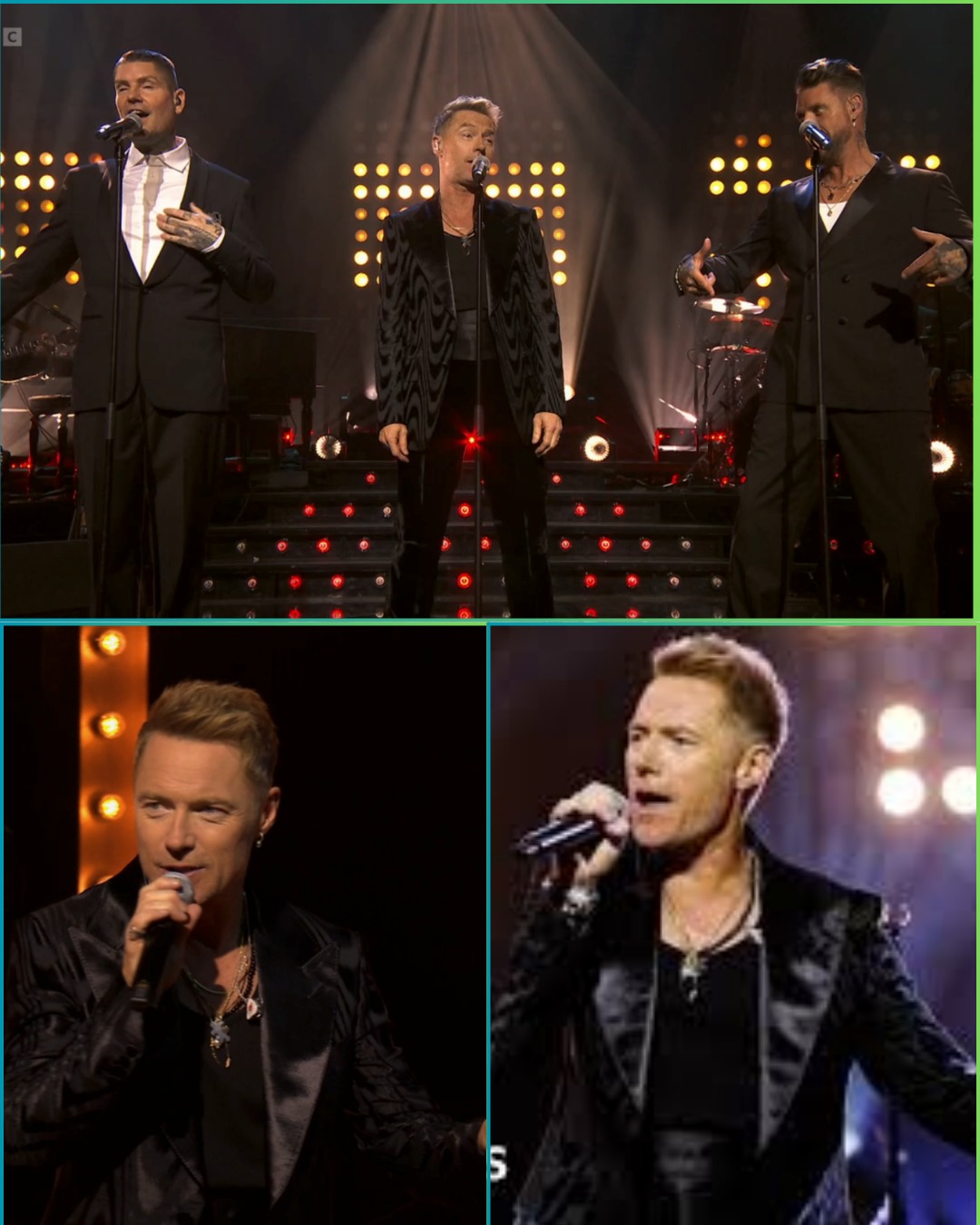
    But on Saturday night at Radio 2 in the Park, Boyzone star Ronan, 48, used his platform to show support for his longtime friend — dedicating a heartfelt performance to the embattled presenter.

    Addressing the Chelmsford crowd, Ronan said: “This is a big gig tonight, nice vibe, and we’re in the home of Rylan. I thought I might do something nice for him tonight, so I wrote a song just for you all.”

    He teased the audience before breaking into one of his most famous Number One hits, When You Say Nothing At All, telling fans: “This is not the time to go to the bar. It’s about Essex, it’s about Rylan. You’ll regret missing this.”

    The dedication was widely seen as a public show of solidarity for Rylan, who has been under fire ever since his controversial remarks. When asked about Ronan’s gesture, Rylan declined to fuel the drama, simply saying: “I’m not going to talk about anything today. I love Ronan, he’s a really good friend of mine.”

    The Controversial Comments

    The storm began when Rylan questioned why British citizens face strict border rules while, in his view, illegal arrivals appear to be offered luxury treatment. “How come if I turn up at Heathrow Airport as a British citizen and I’ve left my passport in Spain, I won’t be let in? But if I arrive on a boat from Calais, I get taken to a four-star hotel?”

    He argued that legal migrants — including the doctors and nurses who once saved his mother Linda’s life — were vital to the country, but claimed that the system for those crossing the Channel illegally was “insane.”

    “It feels like when they get here, it’s ‘welcome, here’s the hotel, here’s the phones, here’s the iPads,’” he told viewers, insisting: “Meanwhile, people who have lived here all their lives are struggling. Something major needs to be done.”

    Rylan’s remarks divided audiences sharply. Critics accused him of spreading misinformation, pointing out that asylum seekers are entitled to NHS care but are not given iPads or mobile phones by the Home Office. Some churches and charities may donate such items, but they are not state-funded. Four-star hotels have been used to house asylum seekers, including the Britannia International in Canary Wharf.

    Defending His Position

    Facing backlash, Rylan took to social media to clarify his stance. “You can be pro-immigration and against illegal routes. You can support trans rights and still respect women. You can be heterosexual and support gay rights. Stop putting people in boxes — have conversations instead of shouting on Twitter.”

    Despite his defence, the controversy followed him throughout the week. By Friday, he confirmed live on air that it was his “last day” co-hosting This Morning with Josie Gibson, after stepping in for regular presenters Cat Deeley and Ben Shepherd.

    For many, Ronan Keating’s musical tribute served as a reminder that Rylan is not facing the storm alone. Fans in Chelmsford cheered as Ronan sang in his honour, with some praising the singer for standing by his friend in the middle of a media firestorm.

  • “I Didn’t Want to Upset Anybody” : Christine Lampard Reveals Secret ‘Break-Up’ Fears With Footballer Frank… What She Finally Dared to Say Stuns Fans

    “I Didn’t Want to Upset Anybody” : Christine Lampard Reveals Secret ‘Break-Up’ Fears With Footballer Frank… What She Finally Dared to Say Stuns Fans

    Christine Lampard reveals she didn’t meet Frank’s daughters for a year in case they broke up

    Christine and Frank married in 2015 and he already had two girls

    Christine Lampard has opened up on her relationship with Frank Lampard’s kids at the beginning of their relationship.

    The 46-year-old Loose Women star has been married to football legend Frank since 2015. And the couple share two children together – Patricia and Freddie.

    But when Christine met Frank, he was already dad to two daughters, Luna and Isla, from a previous relationship. And it seems Christine didn’t want to enter their lives too early.


    Christine was worried about ‘upsetting’ someone as she took on the role of stepmum (Credit: YouTube)

    Christine Lampard didn’t meet Frank’s kids for a year

    Speaking to Coleen Nolan on the latest episode of Loose Women: Just Between Us podcast, Christine admitted she didn’t meet his daughters for one whole year.

    While discussing a listener’s dilemma of having a secret relationship, Coleen asked Christine if she had ever had a secret relationship.

    Christine admitted: “I haven’t kept anyone a secret. But in a slightly different angle, when Frank and I first got together he had his two girls. They were really young at that point, two and four. I was probably even more aware of it than he was.

    “I didn’t want me to come into their lives and then suddenly we break up in three months time and Daddy has a new friend when I had already started a relationship with him.”

    It was this reason that Christine decided to take a more “cautious” approach, and didn’t actually meet them for one whole year. Christine also admitted she didn’t want to be the reason anyone was “upset”.

    Frank and Christine dated for a year before she met his kids (Credit: BDC Images / SplashNews.com)

    Christine ‘doesn’t know’ if they made the right decision

    She explained: “I was actually really cautious. It took us about a year before I met them. I wanted to know him and I were in it for the long haul. Then I felt it was the right thing for me to be introduced for the girls.

    “And I was very cautious about that. I didn’t want to cause upset. I didn’t want to upset anybody. We just tried to do the right thing.”

    However, the  TV star admitted that she isn’t entirely sure if it was the smartest thing to do. But it was what felt right at that time for the couple.

    She said: “I am not saying it was the right thing. I don’t know if we did get it right or not. But I think we did, we certainly tried.

    “So, there was a bit of – I say secretive – kind of like everyone knew everything. But from the girls’ perspectives, I was kind of filtered in as one of dad’s friends, even though I had been there for a year. I felt like it was the right thing for us to do.”

    Christine emphasised that Frank’s kids’ feelings were “at the top of the list” and she was “really aware” of it the entire time.

  • The F1 Title on a Knife’s Edge: Inside the Three Tactical Traps Threatening Lando Norris’s Championship Dream

    The F1 Title on a Knife’s Edge: Inside the Three Tactical Traps Threatening Lando Norris’s Championship Dream

    The air crackles with an almost unbearable tension. All the ingredients for a legendary Formula 1 title decider are laid out on the grid: Max Verstappen, the formidable champion, on pole position (P1); Lando Norris, the championship leader, alongside him in P2; and the dark horse, Oscar Piastri, lurking in P3. On the surface, the math is simple for Norris: finish third, and the crown is his. Yet, beneath this veneer of simplicity lies a maelstrom of strategic complexity, technical peril, and ruthless psychological warfare that could derail Norris’s lifelong ambition in a single, catastrophic moment.

    This is not a clean, two-horse race. It is a terrifying dance between three drivers, two teams, and an unforgiving circuit, complicated by no less than three critical problems Norris must navigate to secure his destiny. The showdown has moved beyond pure speed; it is now a battle of prudence versus instinct, physics versus ambition, and team orders versus self-preservation.

    The Do-or-Die Dilemma of Turn One: Prudence vs. Instinct

    For Lando Norris, achieving P2 in qualifying was the absolute minimum requirement. He is “where he needs to be,” positioned perfectly to win the championship without even needing to win the race. But the presence of his teammate, Oscar Piastri, directly behind him in P3, and Max Verstappen dominating the front row, turns the run to the first corner into a high-stakes minefield.

    The advice from McLaren Team Principal Andreas Stella is clear and rational: “Be prudent. Lando doesn’t need to take any risks. Doesn’t need to go wheel-to-wheel with Max.” All he needs is P3. If Piastri challenges him side-by-side, the rational move is to “just let him go” and follow the top two home.

    Yet, this is where the cold calculus of strategy crashes head-on with the hot-blooded instinct of a world-class racing driver. As Norris himself noted, he would only make up his mind on how aggressive to be about five meters before hitting the brakes. The problem is, a racing driver’s instinct is to attack, to perform at their peak, not to execute a “half-baked Turn One” and deliberately back out of a fight.

    The moment Norris begins “playing those percentages,” he invites a lethal layer of risk. A tentative Turn One not only allows Piastri a free pass but potentially opens the door to the predators queuing behind, like George Russell, who will be “sniffing around trying to pick up the crumbs” if the front-runners trip over each other. If Norris emerges from the initial chaos in P3, he then faces the monumental task of holding that single critical position for the entire Grand Prix distance without losing one single place. It is an agonizing test of defensive driving under the most immense pressure, especially against a field eager to capitalize on the slightest hesitation.

    The Tyre Graining Nightmare: The McLaren Achilles’ Heel

    Even if Norris survives the tactical warfare of the start, he has a far more insidious, mechanical problem to worry about: the car’s Achilles’ heel. Across the season, the McLaren MCL38 has, at times, struggled with front graining, a phenomenon where the surface of the tire begins to shed little balls of rubber, compromising grip and causing significant understeer.

    This particular track has exacerbated the issue. Pirelli has already labeled it the “lowest grip track of the season.” Crucially, recent track resurfacing along the high-speed sections from Turn 1 to Turn 4 has created conditions that stress the rubber mechanically, causing this aggressive graining. The mix of medium-speed corners followed by high-speed sweeps and a slow hairpin creates a “horrible mix” that tears at the front tires.

    The physics of protecting the rear tires, essential for managing degradation in the final, heavy-traction sector, requires drivers to push the fronts harder. This action, however, immediately pushes the front tires into the destructive graining window.

    This scenario is, in Norris’s own words, his “worst nightmare.” He thrives when his car is stable and responsive; he cannot “get performance from it” when it understeers. If the race devolves into a desperate, mid-race battle of managing the degrading right-front tyre, Lando will be fighting not just Max Verstappen and Oscar Piastri, but the very car beneath him. McLaren has anticipated this by shrewdly keeping two sets of hard tyres in reserve, a move that suggests they are prepared to switch to a two-stop strategy. However, switching to a two-stop introduces further uncertainty, as a second pit stop is another opportunity for peril, undercuts, and being thrown into traffic.

    Verstappen’s Ruthless Plot and Piastri’s Wildcard Gambit

    The third, and perhaps most captivating, complication is the strategic malice that Max Verstappen is all but certain to deploy. Assuming the Dutchman gets away cleanly at the start, if he is leading the race with both McLarens behind him, he gains full control of the pace. George Russell, when asked about this scenario, was unequivocal: “You back him up. Absolutely.”

    Verstappen’s plan is simple and ruthless: he will deliberately slow the pace of the front pack. This “back-up” maneuver is designed to compress the field, bringing cars like the Ferraris, Mercedes, and other rivals into play. By lowering the pace, Verstappen aims to compromise the McLaren’s pit window, deny them a clear drop-in position, and encourage the cars behind to “pull the pin, switch to a two stop, maybe make progress” and undercut the McLarens. The chaos and traffic created by this aggressive, legal tactic would be highly effective at eroding Norris’s P3 position.

    However, McLaren believes it holds a fascinating counter-advantage: the two-car threat. Andreas Stella is banking on flexibility. If Max tries to “play games,” McLaren can split the strategies of its two drivers.

    This is where Oscar Piastri transforms from a rival into a tactical weapon. Piastri’s championship hopes are slim; P2 or P3 is not good enough for him unless Norris retires. Therefore, Piastri needs to go for the win. This necessity opens a decisive door: McLaren can tell Piastri to “roll the dice” and switch to the aggressive two-stop strategy.

    If Piastri commits to the two-stop while Norris sticks to the safer one-stop (assuming the tyre situation allows), Piastri will apply extreme pressure to Verstappen. If the Dutchman is forced to manage a charging, out-of-sequence Piastri, he cannot afford to execute his slow, controlled ‘back-up’ strategy, as he risks losing the lead to the Aussie entirely. This tactical split serves two powerful purposes: it forces Max to race his own race rather than manipulate the field, and it utilizes both McLaren drivers to ensure that “one of its cars wins the world championship,” whether that be Piastri winning the race or Norris securing the necessary points.

    Ultimately, all Lando Norris needs is to finish third—a seemingly simple mandate, yet one complicated by Max Verstappen’s determined leadership, a terrifying technical vulnerability in the front tyres, and the existential threat of his own racing instinct. The stage is set for a dramatic conclusion where one small mistake in Turn One, one lapse in tyre management, or one clever strategic move from a rival could be the difference between championship glory and the heartbreak of an entire season collapsing. This title showdown, pitting speed, strategy, and sheer nerve against one another, genuinely could barely be better set for the deciding race.

  • THE SANDBAGGING TRUTH: Leaked Telemetry Exposes Max Verstappen’s Calculated Plot to Hide Pace in Abu Dhabi Title Decider

    THE SANDBAGGING TRUTH: Leaked Telemetry Exposes Max Verstappen’s Calculated Plot to Hide Pace in Abu Dhabi Title Decider

    The Yas Marina Circuit in Abu Dhabi is more than just a season finale; it’s a battleground where the smallest edge can decide a championship. As the cars rolled out for the critical second practice session (FP2), held under conditions that mirror the race itself, the air was thick with expectation. Initial time sheets painted a familiar picture: Lando Norris and McLaren, fast, consistent, and seemingly in control. However, a deep dive into the raw telemetry data—the granular breakdown of every driver input and car performance metric—has revealed a plot of strategic deception so audacious it changes the entire dynamic of this title showdown.

    The shocking truth? Max Verstappen was caught sandbagging.

    The evidence, buried behind the purple sectors and misleading lap averages, hints that the Red Bull maestro was intentionally holding back, lifting off the throttle mid-lap during his fastest run to conceal his car’s true potential. This wasn’t merely practice; it was psychological warfare executed with the precision of an engineer and the ruthlessness of a champion.

    The Deception Hidden in the Averages

    On the surface, the data suggested a clear McLaren advantage. Lando Norris displayed the strongest baseline long-run pace, his average laps sitting steadily in the low 1:33s. Verstappen’s average, however, looked deceptively slower. But as seasoned data analysts know, an average can be the most misleading number of all. Once slower, outlying laps were stripped away—laps likely affected by traffic or a programmed variation—Verstappen’s cleanest efforts landed exactly on top of Norris’s. We are not looking at a simple McLaren-is-faster scenario, but a fight between two drivers whose peak performance is virtually matched, with the differences resting on strategy, car setup, and crucially, hidden reserves.

    The fundamental divergence lies in the car’s philosophy. Red Bull has aggressively trimmed the RB20 for straight-line speed. The telemetry confirms Verstappen hits top speeds around 311 km/h, a massive 6 km/h advantage over Norris’s McLaren. This is the difference between completing a pass and getting stuck in a DRS train; it’s a deliberate choice for low drag and straight-line punch. McLaren, in stark contrast, is leaning heavily on downforce, sacrificing speed for stability and grip in the corners. This trade-off—top speed versus cornering load—is shaping the competitive picture. Every time the track straightens, Verstappen gains; every time it bends and requires high-speed confidence, Norris pulls ahead.

    The Tale of Two Sectors: Red Bull’s Fatal Flaw

    To understand the core weakness Red Bull is presenting, one must break the lap down into its components. Sector 2, with its long acceleration zones and flat-out sections, is where the Red Bull’s low-drag strategy pays off handsomely. Verstappen claws back time, gaining a clear advantage on Norris and pulling a much bigger chunk on the rest of the field. If the entire lap looked like Sector 2, Verstappen would be leading the timing sheets by a wide margin.

    But the final sector, Sector 3, is the track’s great equalizer and Red Bull’s glaring vulnerability. This segment is slow, twisty, and unforgiving, demanding maximum downforce and tire management through long, sequential corners. It is the section that will likely decide pole position. Here, the McLaren’s high-downforce setup performs perfectly, staying stable and carrying speed through corners that punish understeer. Verstappen, with his trimmed-out setup, loses a staggering three-tenths of a second in this single sector alone. This deficit is enormous at this level, and it immediately nullifies all the time he gained on the straights. It’s a loss so profound it screams out as a “red warning light” on the analysis charts, yet this is also where the calculated deception comes into play.

    The Smoking Gun: Telemetry Reveals the Calculated Plot

    While the three-tenth loss in Sector 3 is real, the telemetry traces on Verstappen’s fastest lap reveal that he wasn’t even attempting to maximize his potential elsewhere. This is the smoking gun of the sandbagging plot.

    In the approach to Turn 5, a critical braking zone, Verstappen’s speed trace drops in an anomalous pattern. Instead of the clean ‘off throttle then brake’ sequence expected on a qualifying simulation, the data shows a brief, inexplicable ‘lift and coast’—a momentary release of the throttle with no immediate braking input. This technique is often used for energy saving or tire preservation on long runs, not during a maximum attack, low-fuel qualifying simulation. Zooming in on the throttle pedal input confirms it: Verstappen lifted early, coasted, and only then hit the brakes. While the time lost from this single action isn’t massive, its presence on what was supposed to be his fastest lap is highly suspicious. Why would a driver of his caliber leave time on the table in a crucial corner unless he was deliberately trying to hide the true speed of the car’s front end and braking stability?

    This pattern is reinforced at the end of the lap, where Verstappen lifts off the throttle even earlier than Norris before crossing the line. These small, deliberate lifts don’t solve the car’s fundamental Sector 3 problem, but they serve one primary purpose: to sow doubt and disguise the true ceiling of the Red Bull package, keeping rivals guessing until the pressure of qualifying day. Verstappen and Red Bull appear to be betting that if they add a touch more downforce for Saturday—a predictable tweak—the cornering confidence will rise dramatically, and those deliberate lifts will be replaced by full commitment, instantly closing the gap that the practice times currently show.

    McLaren’s Strength and an Internal Crisis

    While Red Bull engages in strategic subterfuge, Lando Norris’s performance is a picture of committed confidence. McLaren’s high-downforce car allows Norris to carry around 10 km/h more minimum speed in corners like Turn 1—a massive downforce advantage. He can brake later and harder in several major zones, a sign that he feels utterly connected to the car. His traces show strong, confident braking with sharp, clean lines. If the fight were based on pure cornering brilliance, Norris would be the undeniable favorite.

    However, the analysis reveals a stark and potentially disastrous internal storyline for the papaya team: the gap between Norris and his teammate Oscar Piastri has become impossible to ignore. Despite being in the same car, Piastri’s lap traces look like they were set in a completely different machine. At almost every heavy braking point, Piastri brakes earlier and softer, rolling into the pressure instead of committing instantly. This hesitation snowballs: earlier braking leads to slower corner entry speed, which leads to a weaker exit.

    Piastri is not struggling with traction; his exits and top speeds are fine. His losses—several tenths of a second over one lap—are happening consistently in corner entry and mid-corner speed. This is the kind of gap that emerges when one driver is at the limit of the car and the other is still searching for it. For McLaren, this internal crisis means that the fight for the front row is strictly a duel between Norris and Verstappen, with Piastri relegated to a supporting role unless he can dramatically unlock his confidence in the crucial, unforgiving braking zones overnight.

    The Showdown Forecast

    When all the traces, sectors, and strategic hints are combined, the picture of the Abu Dhabi Grand Prix is one of complex, high-stakes brinkmanship. McLaren currently holds the advantage, rooted in the genuine cornering dominance of the MCL38 and the sublime precision of Lando Norris. The Red Bull is genuinely weak in the final sector, losing time that no amount of straight-line speed can fully compensate for.

    Yet, nothing is settled. The anomalies in the telemetry—Verstappen’s lifts and early throttle releases—provide a tantalizing promise of untapped speed. If Red Bull can find a small setup tweak to ease the RB20’s sector 3 rotation without sacrificing too much top speed, or if Verstappen simply cleans up the braking zones where he previously lifted, the gap will shrink very quickly.

    The battle for pole position will be a race against time and data analysis. Can Red Bull solve their final sector problem and unlock the hidden speed that Verstappen hinted at? Or will Norris maintain the razor-sharp precision that has made the McLaren unbeatable in the twisty parts of the circuit? This title decider is no longer just about horsepower and downforce; it’s about strategic deception, psychological resilience, and the final, definitive push of a world-class driver against a field he has already tried to fool. The most exciting chapters of this championship are still yet to be written.