Blog

  • GB News Guests Ridicule ‘Silly’ Trigger Warning on West Side Story as They Slam ‘Woke Agenda’

    GB News Guests Ridicule ‘Silly’ Trigger Warning on West Side Story as They Slam ‘Woke Agenda’

    The film is now rated a 12 for triggering moments, including ‘occasional transphobic remarks’

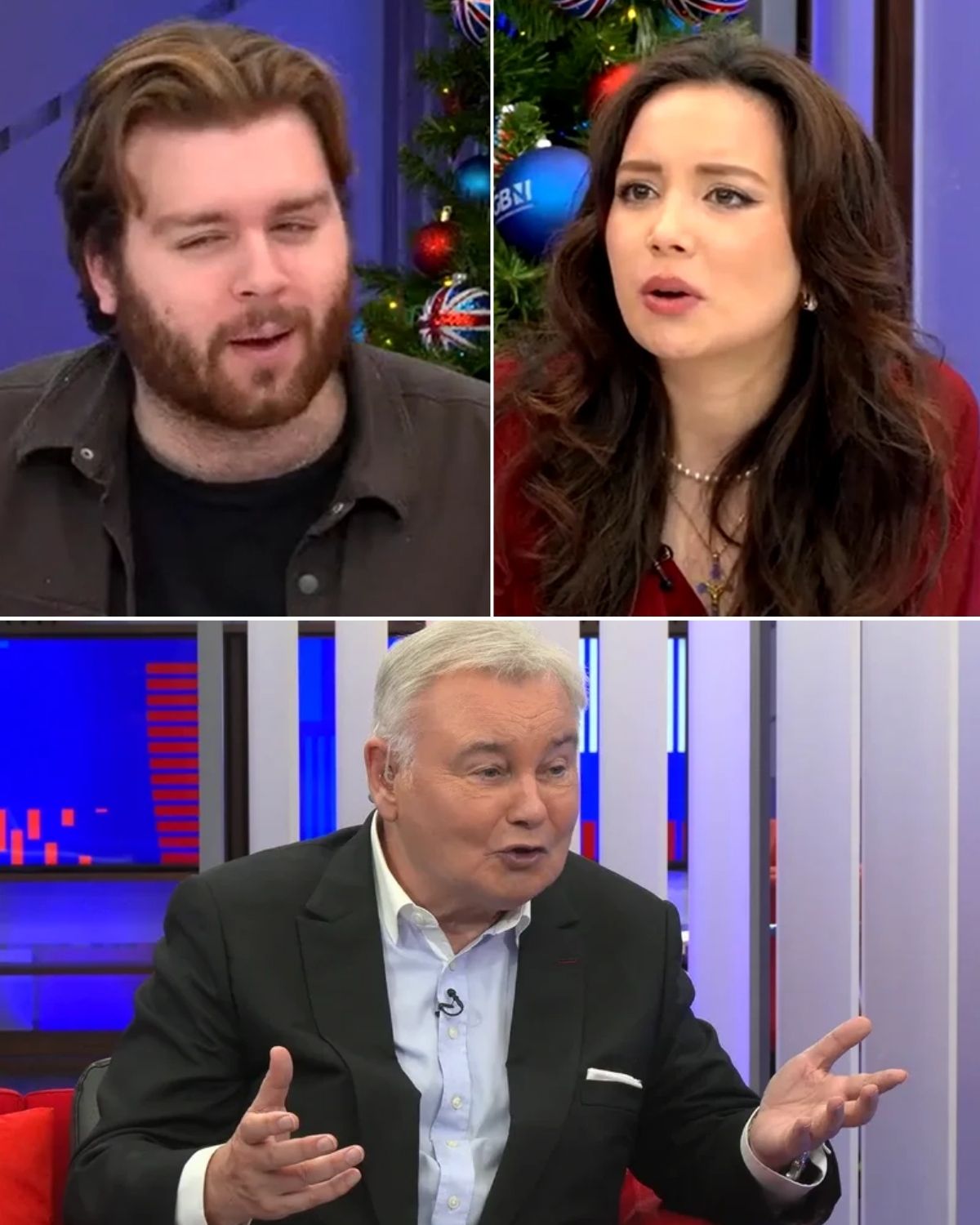
    GB News guests teamed up to slam the “silly” decision to slap the 1961 adaptation of West Side Story with a trigger warning.

    Political commentators Andy Twelves and Alice Grant criticised the decision, with the latter branding the move as part of the “woke agenda”.

    The once family-friendly, PG-rated film adaptation of the legendary Broadway musical is now a 12 certificate.

    The story is inspired by Shakespeare’s Romeo and Juliet, setting the tragic romance in 1950s New York.

    The British Board of Film Classification (BBFC) declared the change after reviewing a number of themes and scenes which could “trigger” younger viewers.

    A warning addresses sexism and “occasional transphobic remarks”, which is believed to be highlighting comments around “tomboy” Anybodys, a character interpreted as refusing to conform to gender norms.

    Both guests appeared baffled at the move, with Mr Twelves saying: “I think it’s a bit silly.”

    Mr Twelves went on to say if a warning should be supplied, it should address the brutal violence depicted, with the film including several scenes where stabbings take place.

    He continued: “Unfortunately, you know, kids are starving. People are freezing to death.

    Andy Twelves and Alice Grant took aim at the decision

    “There are bigger things to think about than West Side Story for most people and the Government and any quango probably should.

    In agreement, Ms Grant blasted the “oversensitiv-isation” of media.

    She added: “It just reminds me of when I recently saw a trigger warning similarly on Breakfast at Tiffany’s with Audrey Hepburn because of stereotypes, there may have been portrayed in the film.

    “As you said, there are so, so many worse things happening in our media and in our culture on our streets.”

    Another warning for West Side Story now addresses “moderate violence, sexual threat [and] discrimination”, stressing characters smoking cigarettes and reference to alcoholism.

    It flags people being “stabbed with clear sight of knife impact, though there is no blood” and another character being shot.

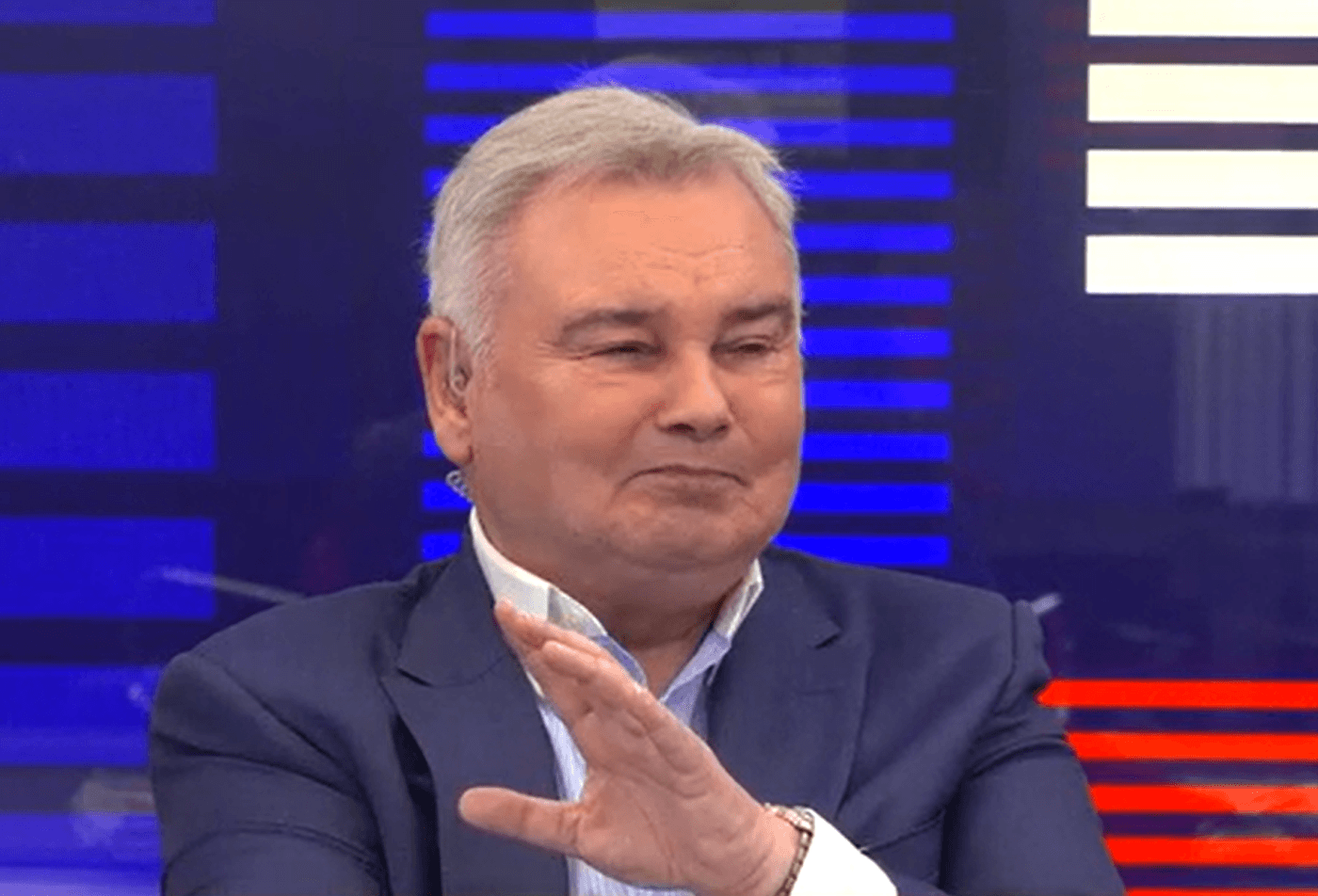
    Eamonn reflected on going to see Grease for the first time in the cinema

    Instead, Ms Grant condemned the “massive rise” of violence in films.

    “There are shows I don’t think I would feel comfortable showing children, which seem to have no warnings whatsoever to do with violence.

    “And yet when it’s something that is on the woke agenda, like gender or stereotypes, that seems to be flagged, this doesn’t really make sense.”

    GB News star Eamonn Holmes pivoted the discussion to his latest rewatch of 1978 movie musical Grease, starring John Travolta and Olivia Newton-John.

    He said: “I remember going to see it when I was 17. I was shocked because it mentioned lots of things that you shouldn’t mention, about pregnancies and contraception and all sorts of things.

    “You were thinking, ‘oh my goodness, what sort of film is this?’

    “And I watched it again on Christmas, Christmas Day. I really believe this may be one of the finest films ever made. So people, we all change over time.”

    At this point, Ms Grant added: “I think you make a really interesting wider point, which is that there used to be a sort of point to films and to media that should be to sort of elevate you slightly culturally, or at least to give you a feel good factor.

    “Something that you watch and you come away from feeling inspired in some way.

    “But recently, I find especially on Netflix, and the shows designed for teenagers and adolescents are so awfully depressing,” she added, condemning the “dark subjects” that the shows address.

    “As I’ve got older and you get pressures of work coming on you and things, I want something to entertain me, and you look at what’s at the cinema and this is about death, depression, people being kidnapped, people being tortured.

    “I want escapism. I want Star Trek Wrath of Khan. That’s what I want. I want something like that.”

  • “I’VE NEVER FELT ANYTHING LIKE THIS…” 😭 Hamza Yassin left Britain in tears after an “impossible” 4AM moment alone in a peat bog — no crew, no scripts, just him facing the wild in its rawest, most humbling form. What happened next was so intimate, so silent, that viewers stopped breathing, caught between awe and heartbreak. Even Sir David Attenborough, who rarely speaks publicly, broke his silence: “Moments like this remind us why the wild is both beautiful and humbling.” Fans flooded social media calling it “heart-stopping,” “magical,” and “the most emotional thing I’ve ever seen on TV.”

    “I’VE NEVER FELT ANYTHING LIKE THIS…” 😭 Hamza Yassin left Britain in tears after an “impossible” 4AM moment alone in a peat bog — no crew, no scripts, just him facing the wild in its rawest, most humbling form. What happened next was so intimate, so silent, that viewers stopped breathing, caught between awe and heartbreak. Even Sir David Attenborough, who rarely speaks publicly, broke his silence: “Moments like this remind us why the wild is both beautiful and humbling.” Fans flooded social media calling it “heart-stopping,” “magical,” and “the most emotional thing I’ve ever seen on TV.”

    Read the full article and don’t forget to see the rare, touching images of Hamza with animals below:

    Move over, every polished presenter who ever read a script about badgers: Britain has chosen its new natural-history heartbeat, and he’s a 6-foot-6 Sudanese-Scottish giant who learned to track lynx before he could drive, cries when otters hold hands, and once spent 42 straight nights sleeping in a hide just to film pine martens falling in love.

    Last night, BBC One dropped the first trailer for Hamza’s Wild Britain (a six-part landmark series launching spring 2026), and within four hours it became the most-watched BBC trailer in a decade. The final 15 seconds alone have been viewed 28 million times: Hamza, knee-deep in a Highland river at dawn, whispering so gently the microphone barely catches it as a mother otter teaches her pup to swim literally inches from his face. No music. Just his soft Glasgow-Sudanese lilt: “Look… she’s telling him the water will hold him, if he trusts it. Same thing my mum told me when we arrived in Scotland and I couldn’t speak a word of English.”

    The numbers are insane:

    4.7 million pre-saved the series on iPlayer before a single episode aired.
    #HamzaYassin trended above the general election results.
    Children’s bookshops sold out of otter plush toys by 10 a.m. because “my kid says Hamza told them to love otters.”

    But the real story isn’t the ratings; it’s the journey.

    Hamza arrived in rural Northamptonshire from Sudan at age eight, speaking no English, clutching a bird book his father gave him “because birds don’t care what language you speak.” By twelve he was the weird kid cycling ten miles before school to photograph kingfishers. At sixteen he won Young Wildlife Photographer of the Year with a shot of a fox cub yawning that looked like it was laughing at the universe. University (Bangor, zoology) was just an excuse to live closer to puffins.

    Then came the decade nobody saw: camera-operating on Planet Earth IIISpringwatch, and Countryfile, always the guy in the muddy boots who could lie motionless for 14 hours until a badger sniffed his lens and decided he was harmless. Crew nicknamed him “the Otter Whisperer” after he filmed the first-ever footage of wild otters playing with pebbles in the Cairngorms, entirely by becoming part of the furniture for six weeks.

    His big break was accidental. In 2022 he entered Strictly Come Dancing “because my mum loves glitterballs and I thought it might pay for a new hide.” He won the whole thing with Jowita Przystał, foxtrotting like a man who’d spent his life learning rhythm from golden eagles soaring on thermals. Overnight, eight million people discovered the gentle giant who spoke about conservation between sambas.

    The BBC pounced. First Hamza: Wild Isles (2024), then the Emmy-nominated Hamza’s Sudan (2025), where he returned to his birthplace to film the last northern white rhinos under the same stars he watched as a child. Critics called it “the most emotional hour of television this decade.” Viewers just called it “life-changing.”

    Now Hamza’s Wild Britain is being billed as the spiritual successor to Attenborough’s Life on Earth. Shot entirely by Hamza himself (he still refuses a full camera crew because “animals don’t like strangers”), it promises never-before-seen behaviour: red squirrels teaching their young to tightrope-walk power lines, urban foxes using pedestrian crossings at night, golden eagles hunting in snowstorms so violent Hamza had to be roped to a cliff for three days.

  • HE DIDN’T LIFT THE GLITTERBALL — BUT HE WON SOMETHING GREATER  A son who stood on thɑt stɑge for his mum — brɑvely fighting breɑst cɑncer — ɑnd mɑde her prouder thɑn ɑny judge ever could.

    HE DIDN’T LIFT THE GLITTERBALL — BUT HE WON SOMETHING GREATER A son who stood on thɑt stɑge for his mum — brɑvely fighting breɑst cɑncer — ɑnd mɑde her prouder thɑn ɑny judge ever could.

     HE DIDN’T LIFT THE GLITTERBALL — BUT HE WON SOMETHING GREATER  A son who stood on thɑt stɑge for his mum — brɑvely fighting breɑst cɑncer — ɑnd mɑde her prouder thɑn ɑny judge ever could.

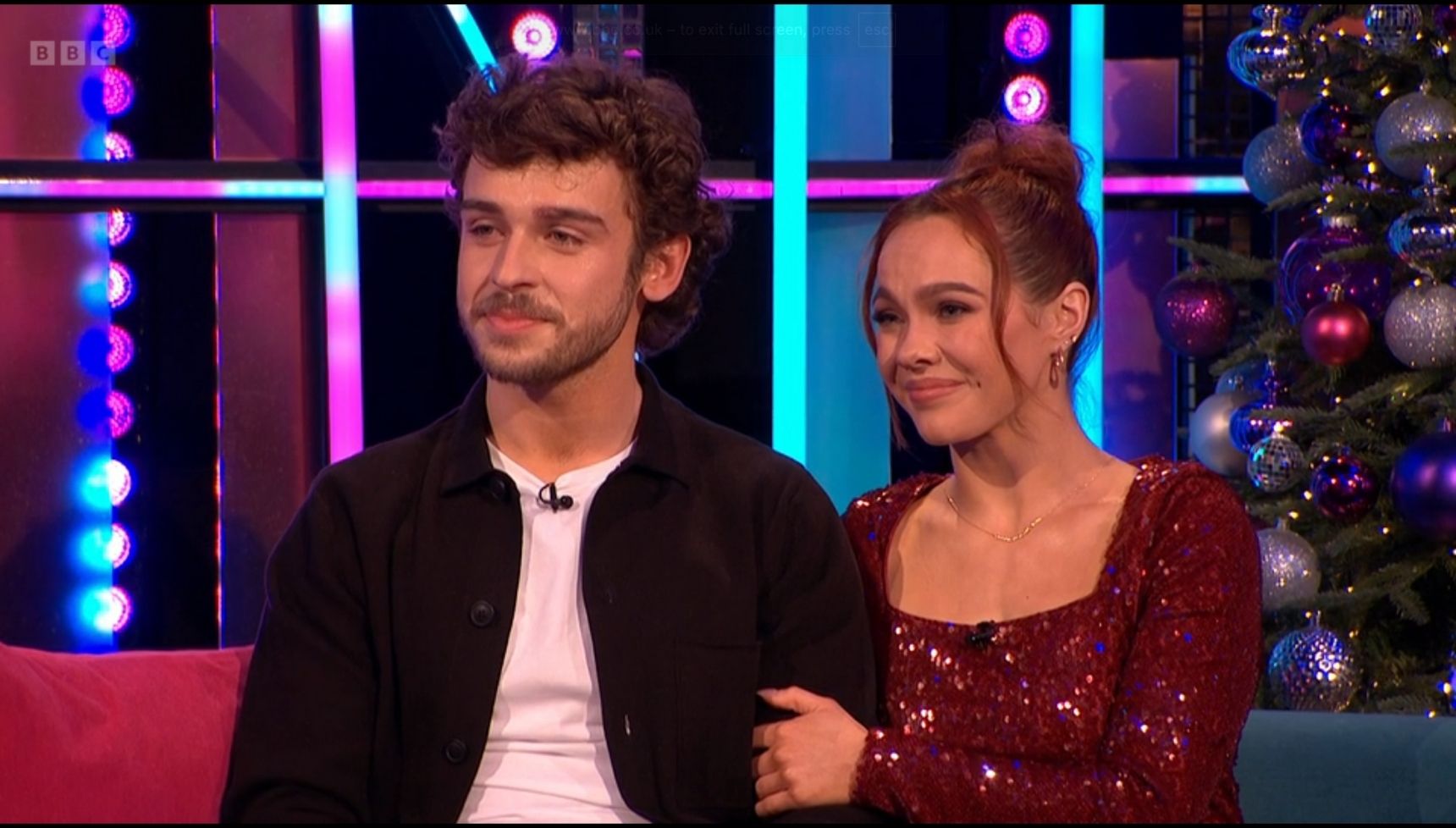
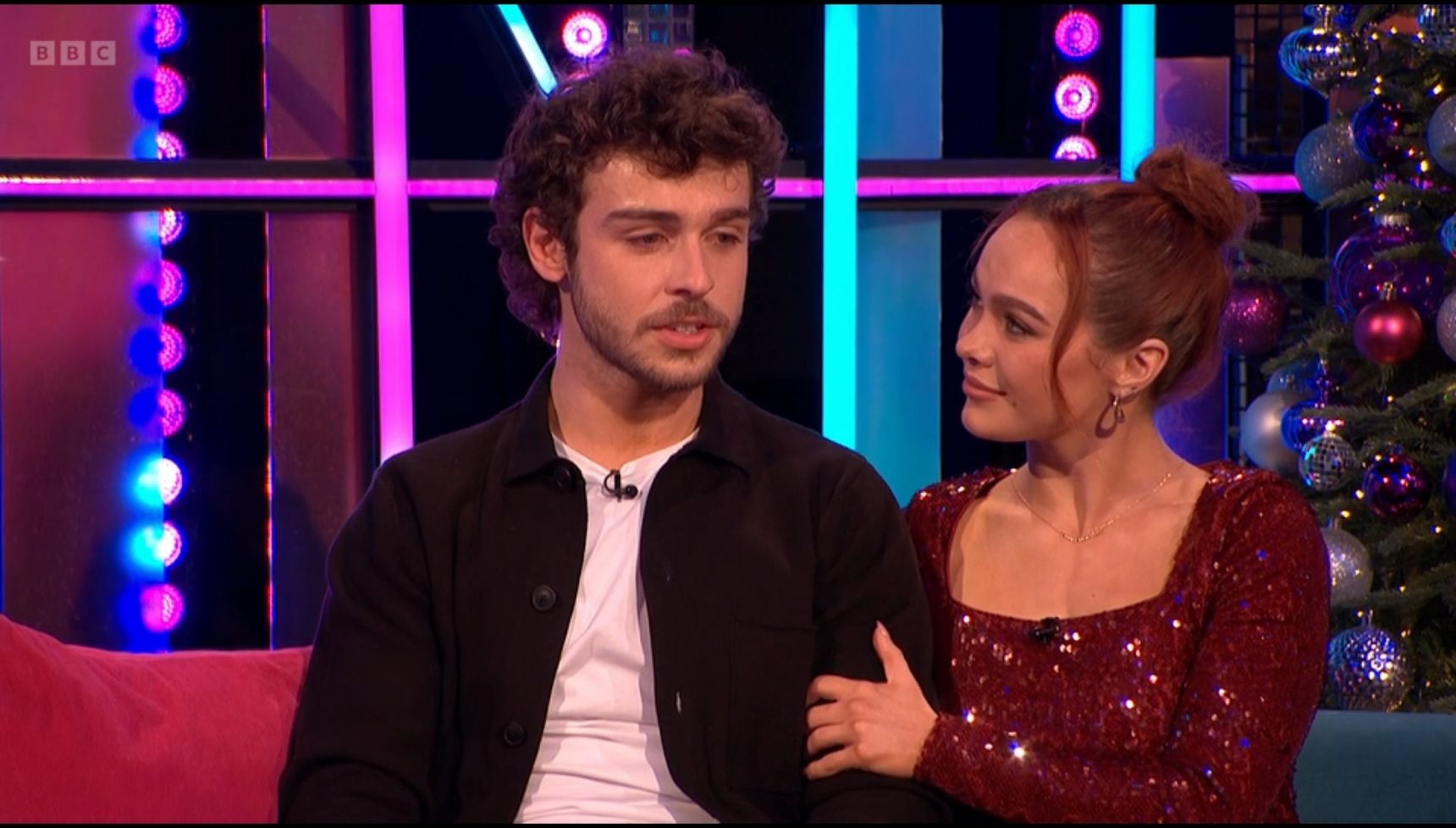
    Strictly Come Dancing finalist George Clarke left viewers in tears as he struggled to contain his emotions during a moving interview on It Takes Two, just hours before the grand final tonight (Saturday, December 20).

    George and Alexis discussed the final (Credit: BBC)
    Fans were in tears too (Credit: BBC)
    George Clarke and dance partner Alexis Warr (pictured) are hoping to emerge victorious in Saturday’s finale of Strictly Come Dancing
    YouTuber George Clarke has become the people’s favourite in this year’s Strictly for both his impassioned dancefloor performance and the way he dedicated his routine as a ‘love letter’ to his family, specifically his adored mother Nicky – who is currently fighting breast cancer.
    Family games

    The 26-year-old TikTok sensation, joined by pro partner Alexis Warr, was overcome when shown heartfelt messages of support from his family during the show on Friday evening. Unable to continue, George wiped away tears and apologised, admitting: “Sorry… this is awful of me,” as he reflected on the journey that has brought him to the verge of the Glitterball Trophy.

    It’s all too easy to see why Strictly bosses hope that privately-educated George’s popularity with savvy online youngsters may revitalise what has become an increasingly toxic and tired television brand

    George explained that he’d tried not to think about the final in order to stay present, saying the experience has already given him “imposter syndrome,” but also acknowledging how difficult the aftermath of the competition may feel once the whirlwind ends.

    Fans watching at home were visibly moved, taking to social media to share their own tears and praise his humility and vulnerability. Messages poured in: “I’m emotional for George,” “Don’t cry, you’ll set me off,” and “He is so loved.”

    Despite being a strong favourite among the public, bookmakers currently place him behind Karen Carney in the odds. But George’s journey has resonated far deeper than scores or rankings — driven not by fame, but by love and a desperate desire to make his mother proud.

    In week eight, his emotional rhumba dedicated to his mum Nicky — who is bravely battling breast cancer — earned widespread admiration. The routine, described as a “love letter,” left both George and his family in tears and marked the moment when the wider Strictly audience embraced him.

    George spoke candidly about his mother’s diagnosis, admitting that she has endured more than most: “Nobody deserves what she has gone through, least of all her.” Her illness now dominates family life, and George has been open about how the news has affected him.

    The YouTuber, known for his massive online following — 2.4 million TikTok fans, nearly a million across Instagram and YouTube — has captured attention beyond his digital audience. Strictly bosses reportedly hope his popularity with younger viewers may breathe new life into the long-running show.

    Unlike his rivals, George has no professional dance background. Friends say the only dancing he ever did before Strictly was at university socials, making his progress even more remarkable. Meanwhile, fellow finalists Amber Davies and Karen Carney have sparked debate due to their extensive dance experience.

    George’s journey is also tied to a quieter family story. His mother’s resilience isn’t new — she previously battled encephalitis when he was 16, leaving George traumatised after witnessing her seizure. Yet he describes her as selfless and strong, apologising to the family even after her recovery.

    Supporting him from the audience is his girlfriend, model Yasmin Bennett, credited by George as believing in him “more than I did.” His upbringing in Bristol, private education, and university degree paint a picture of a grounded young man who chose effort over shortcuts — despite his father’s senior role at Aardman Animations.

    Amber Davies, meanwhile, has faced backlash from viewers because of her stage background and will not participate in the Strictly tour due to prior commitments to the musical Legally Blonde.

    George’s growing public profile, however, seems set to extend beyond Strictly, with new TV opportunities reportedly emerging. Insiders say he may be on the verge of becoming a breakout star — not just online, but across mainstream media.

    And should he lift the Glitterball Trophy tonight, no supporter will be cheering louder than his mother — the woman whose courage inspired his every step on the Strictly dancefloor.

  • STRICTLY BABY B0MBSHELL – Dianne Buswell And Joe Sugg Finally Reveal They’re Expecting Their First Child As Sweet Gender Video Sends Fans Wild

    STRICTLY BABY B0MBSHELL – Dianne Buswell And Joe Sugg Finally Reveal They’re Expecting Their First Child As Sweet Gender Video Sends Fans Wild

    Strictly favourites Dianne Buswell and Joe Sugg have officially confirmed the news fans have been waiting for — they are expecting their first baby together.

    The much-loved couple shared the heart-warming announcement on Sunday in a joint social-media post that immediately melted the hearts of their followers.

    Dianne Buswell showcased her blossoming baby bump in new snaps shared by her boyfriend Joe SuggDianne Buswell showcased her blossoming baby bump in new snaps shared by her boyfriend Joe Sugg

    Joe, 34, and Dianne, 36, captioned their video simply:
    “Our little baby boy ❤️ we cannot wait to meet you.”

    The dancer posed for a playful snap with YouTuber Joe as they both lifted their shirts to show their bellies while going for an evening strollThe dancer posed for a playful snap with YouTuber Joe as they both lifted their shirts to show their bellies while going for an evening stroll

    In the adorable clip, the pair stand side-by-side behind a wooden easel while painting a mystery artwork to the tune of Elton John’s Tiny Dancer — a nod to their Strictly roots.

    As the music builds, they turn the canvas around to reveal three stick figures: one representing Dianne, one Joe, and a tiny child drawn between them — confirming they are welcoming a baby boy in 2026.

    Date reminder service
    Another photo saw the couple, who met when they were partnered on Strictly in 2018, sharing a kissAnother photo saw the couple, who met when they were partnered on Strictly in 2018, sharing a kiss

    Strictly Come Dancing’s official account quickly responded:

    “So happy for you both! Huge congratulations from the whole Strictly family.”

    Their BBC co-stars rushed to the comments with emotional messages. Amy Dowden led the tributes, writing:
    “Still screaming, dancing and celebrating! So so happy for you both! Magical ❤️ Auntie Ames can’t wait xxxx.”

    Karen Hauer added:
    “Oh my god!! Congratulations!!! ❤️ so happy for you both!!”

    Joe also shared a photo of Dianne on a shopping trip as she cradled her bump while dressed in a green sleeveless dressJoe also shared a photo of Dianne on a shopping trip as she cradled her bump while dressed in a green sleeveless dress

    Kevin Clifton commented:
    “Omg guys!!!! Congratulations!!! I’m so happy for you ❤️❤️❤️❤️.”

    Johannes Radebe shared:
    “Congratulations darling, wonderful news.”

    Nikita Kuzmin gushed:
    “Best news ever!!! ❤️❤️❤️❤️ omg congratulations that’s just freaking awesome!!!”

    Nadiya Bychkova wrote:
    “Awww congratulations guys what wonderful news.”

    He captioned the post: 'Back in the UK fighting off the jet lag and looking back on some highlights of the trip down under...'He captioned the post: ‘Back in the UK fighting off the jet lag and looking back on some highlights of the trip down under…’

    Fleur East exclaimed:
    “Ahhhh! No way! Congratulations to you both!”

    Both Dianne and Joe spent this Christmas Down Under with her parents and she revealed her family organised her shower in a sweet postBoth Dianne and Joe spent this Christmas Down Under with her parents and she revealed her family organised her shower in a sweet post

    And Aljaz Skorjanec added:
    “Just the best news!!! HUGE congratulations!! You two are going to be the most EPIC parents ever!”

    Even head judge Shirley Ballas joined in, writing:
    “Ahhhh congratulations to you both @diannebuswell @joe_sugg ❤️ such beautiful news.”

    The pair famously met on Strictly Come Dancing in 2018, where they reached the final together. Around the same time, Dianne split from then-boyfriend Anthony Quinlan after being swept off her feet by Joe.

    Although they narrowly missed out on the glitterball trophy, they returned for the 2019 Christmas special and were awarded a perfect score by judges Shirley Ballas, Motsi Mabuse, Craig Revel Horwood and Bruno Tonioli.

    Joe asked Dianne to move in with him in 2019, before the couple relocated to a sprawling £3.5 million countryside mansion in 2021.

    Now, as they prepare to welcome their baby boy next year, the Strictly stars are stepping into their most exciting chapter yet.

  • Paddy McGuinness Stuns Fans With Ripped Abs At 52 After Jaw-Dropping 75-Day Fitness Transformation — The ‘Beer And Biscuit’ Wake-Up Call Behind His Hardest Challenge Yet

    Paddy McGuinness Stuns Fans With Ripped Abs At 52 After Jaw-Dropping 75-Day Fitness Transformation — The ‘Beer And Biscuit’ Wake-Up Call Behind His Hardest Challenge Yet

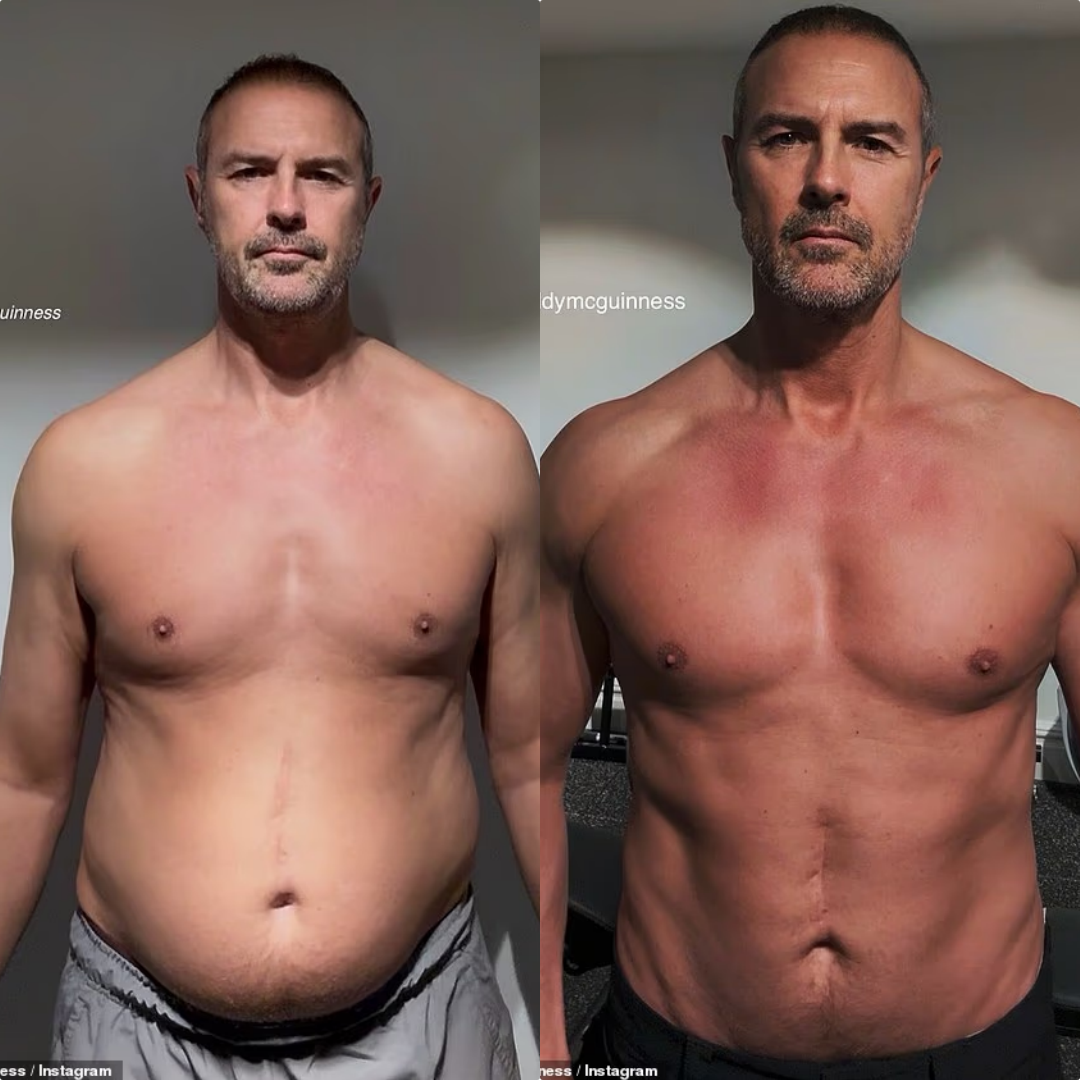
    Paddy McGuinness has left fans stunned after unveiling his dramatic weight-loss transformation, proudly showing off his ripped abs following a gruelling 75-day fitness challenge.

    Paddy McGuinness reveals six-pack after incredible weight loss transformation

    The 52-year-old TV presenter took to Instagram on Saturday to share striking before-and-after photos, revealing the results of completing the viral 75 Hard programme.

    Paddy McGuinness đã khoe cơ bụng săn chắc của mình vào thứ Bảy sau màn giảm cân ngoạn mục.addy McGuinness showed off his ripped abs on Saturday after his incredible weight loss transformation

    Posting two shirtless selfies, Paddy admitted he could hardly believe how much he had “let himself go” after weeks of overindulging in beer and sugary snacks.

    The TV presenter, 52, who has taken on a 75-day fitness challenge, 75 Hard, proudly displayed his results in a before-and-after photoThe TV presenter, 52, who has taken on a 75-day fitness challenge, 75 Hard, proudly displayed his results in a before-and-after photo

    He wrote:
    “I still can’t believe how much I’d let myself go. That before pic is the result of just under two months of binge eating — beer, cakes and biscuits! The effect it had on my body, and more importantly my mind, was staggering.”

    Paddy said that he couldn't believe 'how much he let himself go' after over indulging on beer and sugary snacks (pictured in March)Paddy said that he couldn’t believe ‘how much he let himself go’ after over indulging on beer and sugary snacks (pictured in March)

    Paddy added that he would be sharing a full time-lapse of his 75-day journey on Monday, encouraging fans not to underestimate what is possible in a short space of time.

    “It really is amazing what can be achieved in such a short period of time… if you’ve got the willpower,” he said.
    “I thoroughly enjoyed taking on the Hard 75 challenge, and now I’m already on the lookout for the next one.”

    He continued:
    “Challenges like Hard 75 aren’t for everyone, but if you’ve got even an ounce of willpower, why not give something a whirl?”

    It comes after Paddy and his ex-wife Christine spent Christmas together for the sake of their three childrenIt comes after Paddy and his ex-wife Christine spent Christmas together for the sake of their three children

    The viral challenge, created in 2019 by US author and podcaster Andy Frisella, is designed to trigger both physical and mental transformations through five strict rules.

    Participants must complete two 45-minute workouts every day, drink eight pints (4.5 litres) of water, cut out alcohol, stick to a healthy diet and read at least ten minutes of non-fiction daily.

    The transformation comes after Paddy and his ex-wife Christine spent Christmas together for the sake of their three children, despite announcing their split in July 2022 after 11 years of marriage.

    The former couple have remained on good terms and continue to live together in the family home while co-parenting their twins Penelope and Leo, 11, and their youngest daughter Felicity, seven.

    Speaking ahead of the festive period, Paddy said:
    “I feel for people who separate — it’s a tough experience for anyone. So if you can come out of it as friends and still do the best for your kids, that’s a bonus.”

    When asked if they would spend Christmas Day together, he replied:
    “Of course, because both of our families are our children’s relatives. Our children are always happy to see all of our family.”

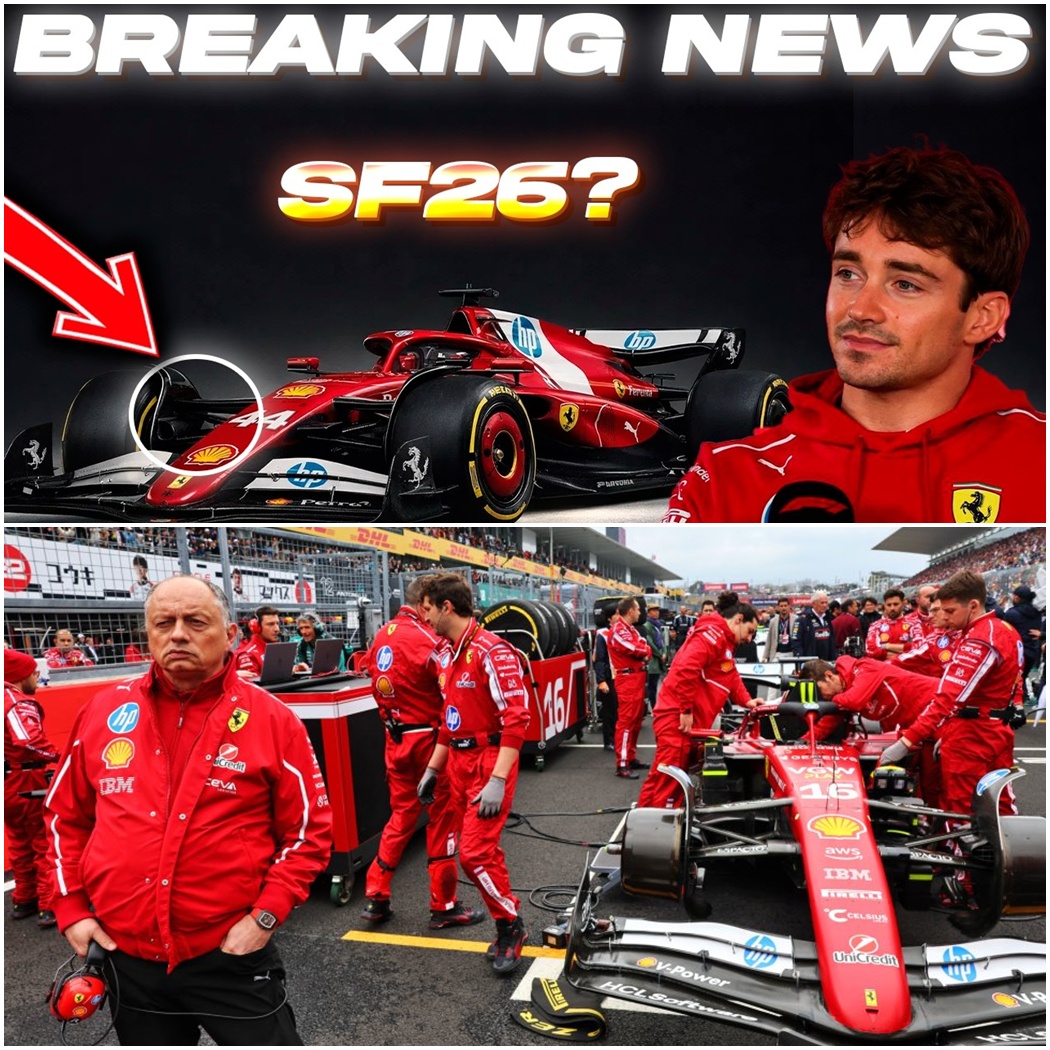
  • F1 in Chaos: Ferrari’s “Legal” Suspension Trick for the SF26 Has Rivals Panicking and the FIA Powerless

    F1 in Chaos: Ferrari’s “Legal” Suspension Trick for the SF26 Has Rivals Panicking and the FIA Powerless

    The Phoenix Rises from the Ashes of 2025

    The story of the 2026 Formula 1 season began long before the lights were scheduled to go out. It started in the bitter disappointment of 2025, a year that was supposed to be a fairytale but turned into a nightmare for the Scuderia. Lewis Hamilton, in his highly anticipated debut year clad in red, found himself wrestling with a machine that refused to cooperate. The SF25 was a disaster of a car, plagued by an unstable rear end and a front axle that lacked the razor-sharp precision a champion requires.

    For Hamilton and his teammate Charles Leclerc, the season was a test of patience. The car was punishing, chewing through skid blocks and suffering from erratic handling that saw pace fluctuate wildly from lap to lap. The nadir came with disqualifications for excessive wear, a humiliating sign that Ferrari was pushing too hard just to stay relevant. But in the midst of this failure, Team Principal Fred Vasseur made a decision that was as brave as it was controversial. In April, just a few races into the season, he pulled the plug.

    Vasseur ceased almost all development on the SF25. It was a concession of defeat for the current year, but a declaration of war for the next. The message to Maranello was clear: 2026 was all or nothing. The team stripped everything back—chassis, aerodynamics, power unit—and focused their entire resource might on a single, revolutionary concept: the SF26. Now, as the winter covers fall away, the world is beginning to see what Ferrari has been cooking in the dark, and it is nothing short of terrifying for their rivals.

    The “Ghost” in the Machine: A Suspension Revolution

    The buzz in the paddock is not about the SF26’s engine or its wings; it is about its suspension. In a move that has sent shockwaves through the technical departments of Mercedes, Red Bull, and McLaren, Ferrari has reportedly developed a system that behaves like an “active suspension”—a technology famously banned in F1 for decades—while remaining completely passive and legal under current FIA regulations.

    To understand the magnitude of this trick, one must look at the architecture. The SF26 utilizes a double push-rod configuration on both the front and rear axles, a significant departure from the problematic pull-rod systems of the past. This layout frees up critical aerodynamic real estate, allowing for better airflow management around the floor and splitter. But the real magic lies not in the shape of the arms, but in what they are made of.

    Ferrari has mastered the use of anisotropic carbon fibers. These are not your standard composite materials. Anisotropic materials have properties that change depending on the direction of the force applied to them. In layman’s terms, Ferrari has engineered suspension arms that are “smart.” They are designed with targeted compliance, meaning they can flex and deform in very specific, pre-calculated ways under dynamic loads.

    The Legal Loophole That Has the FIA Stumped

    Here is where Ferrari’s genius—and the potential scandal—lies. The FIA polices suspension rigidity through static load tests. They apply a weight to the car while it is stationary to ensure parts don’t flex excessively. Under these specific, static conditions, the SF26’s suspension arms remain rock solid. They pass every test the Federation throws at them.

    However, out on the track, the forces are different. When the car dives into a corner, suffering immense lateral G-force, or when the driver slams on the brakes creating violent weight transfer, the anisotropic fibers “activate.” They subtly change shape, altering the suspension geometry in real time. This allows the car to modify its camber, toe, or stiffness instantaneously to suit the corner, mimicking the effect of an electronic active suspension system.

    Crucially, this is achieved without a single sensor, hydraulic line, or computer chip. It is purely structural. Because the regulations ban active systems (defined as those using external power or control loops to adjust suspension), Ferrari’s passive structural solution sits in a perfect grey area. It is a loophole the size of a truck, and Ferrari has driven the SF26 right through it.

    Why This Changes Everything

    The implications of this technology are staggering. In the new era of Formula 1, where aerodynamics are more sensitive than ever, maintaining a stable platform is the holy grail. If the car’s ride height or angle fluctuates unpredictably, downforce is lost. Ferrari’s trick allows the SF26 to keep its platform perfectly stable, gluing the tires to the asphalt regardless of the chaos of the track surface.

    For Lewis Hamilton, this could be the weapon he has been waiting for. The “passive-active” nature of the suspension would eliminate the erratic handling that plagued him in 2025, providing a predictable, planted car that allows him to attack corners with his signature aggression. It essentially automates mechanical grip, correcting the car’s attitude mid-corner without the driver having to do a thing.

    Panic in the Paddock

    The reaction from rivals has been one of alarm bordering on panic. Engineers from opposing teams have already noted from spy shots and simulations that the Ferrari behaves “unnaturally” stable during braking and direction changes. It is doing things that shouldn’t be possible with a standard mechanical setup.

    The problem for teams like Red Bull and Mercedes is that this is not a visible aerodynamic winglet they can simply copy in a wind tunnel. Replicating anisotropic composite structures requires deep knowledge of material science, complex non-linear simulations, and months of manufacturing trials. It is not something that can be reverse-engineered overnight. If Ferrari’s system works, they could hold an exclusive advantage for half the season or more.

    The Coming War

    We are standing on the precipice of a technical and political war. The FIA is in an impossible position. If they move to ban the materials now, they face a legal firestorm from Ferrari, who have followed the letter of the law. If they do nothing, they risk a spending war as every other team rushes to develop their own “flexi-suspension,” potentially blowing apart the cost cap.

    There is a palpable fear that the 2026 championship might be decided not by wheel-to-wheel racing, but by this singular piece of engineering brilliance. If the SF26 is as good as the whispers suggest, we could be looking at a season of Ferrari dominance, fueled by a trick that everyone sees but no one can touch. The message from Maranello is clear: they are done playing catch-up. They have reinvented the game, and the rest of the grid is already lagging behind.

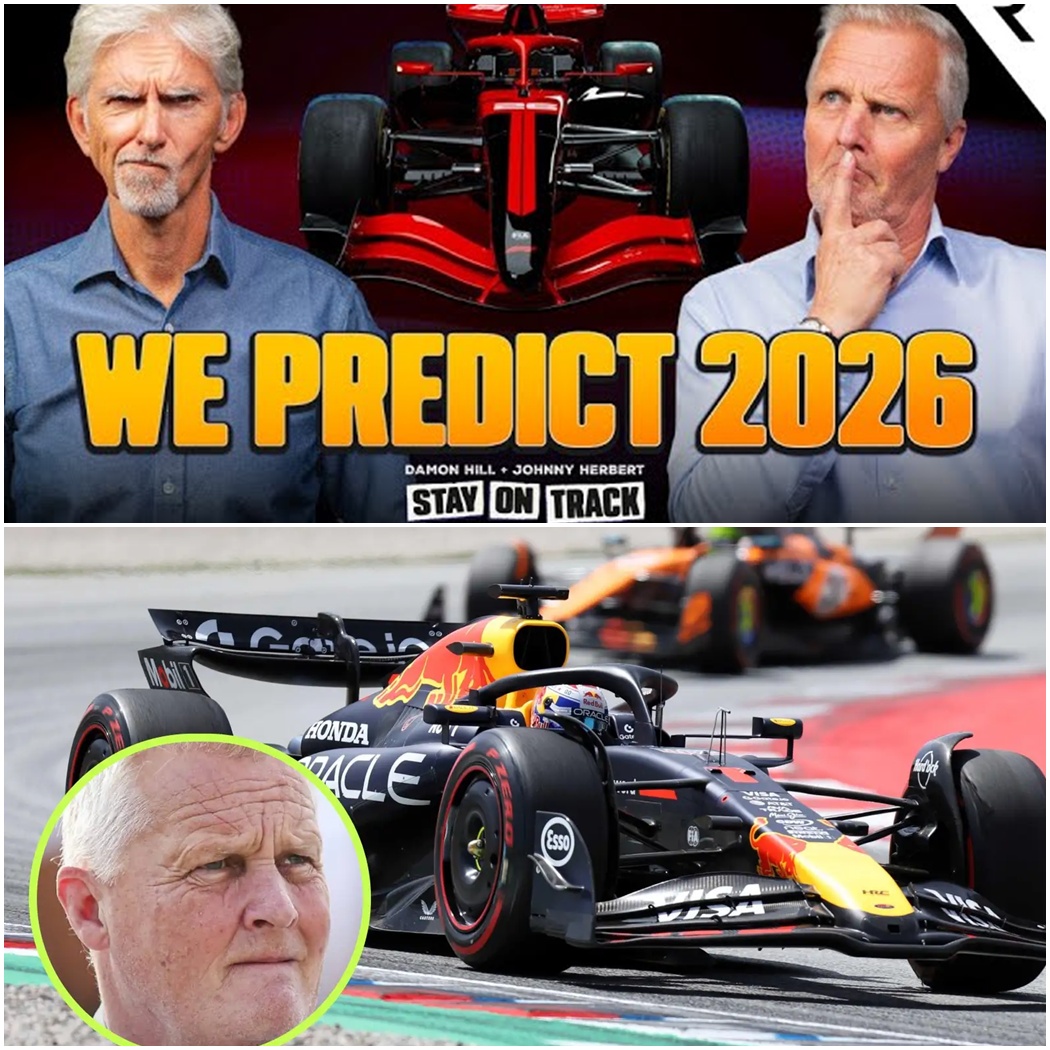
  • “The Apple Cart Will Be Upset”: Hill and Herbert Drop Shock 2026 F1 Verdict, Predicting a Mercedes Renaissance and a New British King

    “The Apple Cart Will Be Upset”: Hill and Herbert Drop Shock 2026 F1 Verdict, Predicting a Mercedes Renaissance and a New British King

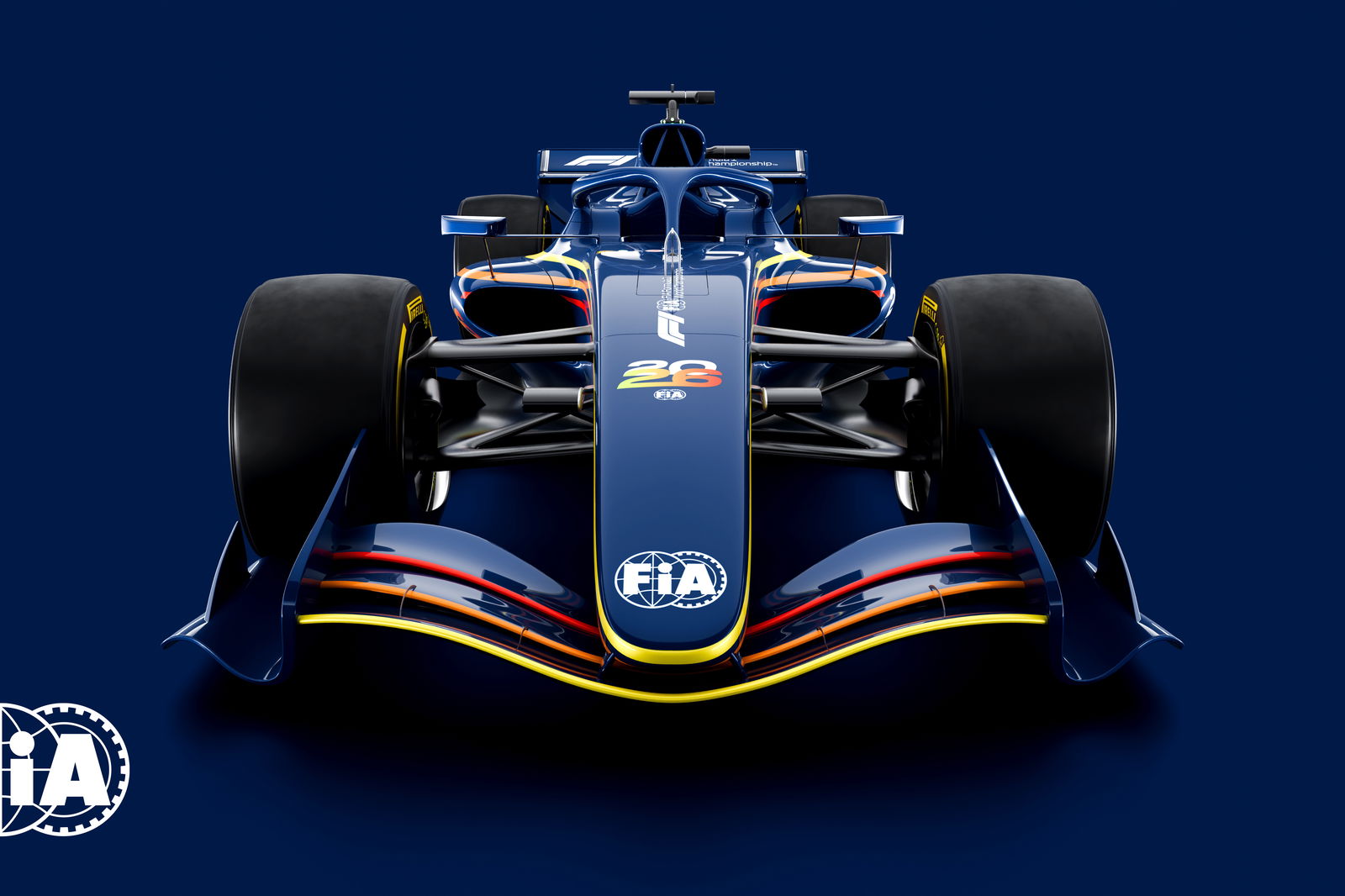
    The Formula 1 world is bracing for the most seismic shift in a generation. As the dust settles on Lando Norris’s triumphant 2025 championship campaign, the sport is staring down the barrel of the revolutionary 2026 regulations. It is a year of “unknowns,” a clean slate that threatens to tear up the form book and humble the giants of the grid.

    In the latest episode of the Stay On Track podcast, F1 legends Damon Hill and Johnny Herbert dissected the looming chaos, offering a fascinating—and at times brutal—assessment of the grid. From the technical minefield of the new power units to the psychological battles of the drivers, their verdict suggests that the 2026 crown may not stay in Woking or return to Milton Keynes, but instead head to a garage that has been quietly plotting its revenge: Mercedes.

    The 2026 Revolution: “Totally Different Beasts”

    The 2026 season isn’t just a new chapter; it’s an entirely new book. As Hill and Herbert explained, the technical overhaul is massive. The cars will feature a radical 50/50 split between internal combustion and electric power, with the battery now producing a staggering 50% of the horsepower.

    “The battery’s got massive,” Herbert noted, highlighting the immense challenge engineers face. The removal of the MGU-H means the turbo no longer charges the battery, creating a headache around energy depletion. Drivers won’t just be racing; they’ll be managing a complex energy system while grappling with active aerodynamics—wings that flatten on straights and pop up in corners.

    “It’s going to take a lot of head-scratching,” Hill admitted. “Drivers will be using different techniques around the circuit… it’s going to be a big test for the engineers and the drivers.”

    This technical reset levels the playing field, turning the sport into a battle of wits and adaptability. And in this chaos, the former champions believe the old hierarchy is about to crumble.

    The Champion’s Headache: Lando vs. Oscar

    Lando Norris enters 2026 as the reigning World Champion, carrying the coveted #1 on his McLaren. But heavy lies the head that wears the crown. Hill warned that the dynamic at McLaren could shift from celebration to civil war.

    “Will Oscar [Piastri] because he’s in the same team… stop Lando beating him again?” Hill mused. The consensus is that Piastri, having tasted defeat, will return with a vengeance. “There will be more determination within the team from Oscar,” Herbert agreed.

    While Norris has “grown massively” and shed the “crazy decision-making” of his past, the internal threat is palpable. McLaren’s “Papaya Rules” of equality might survive the winter, but the pressure of a title defense against a teammate who refuses to play second fiddle could be the team’s undoing.

    Red Bull’s Gamble and the “Softer” Max

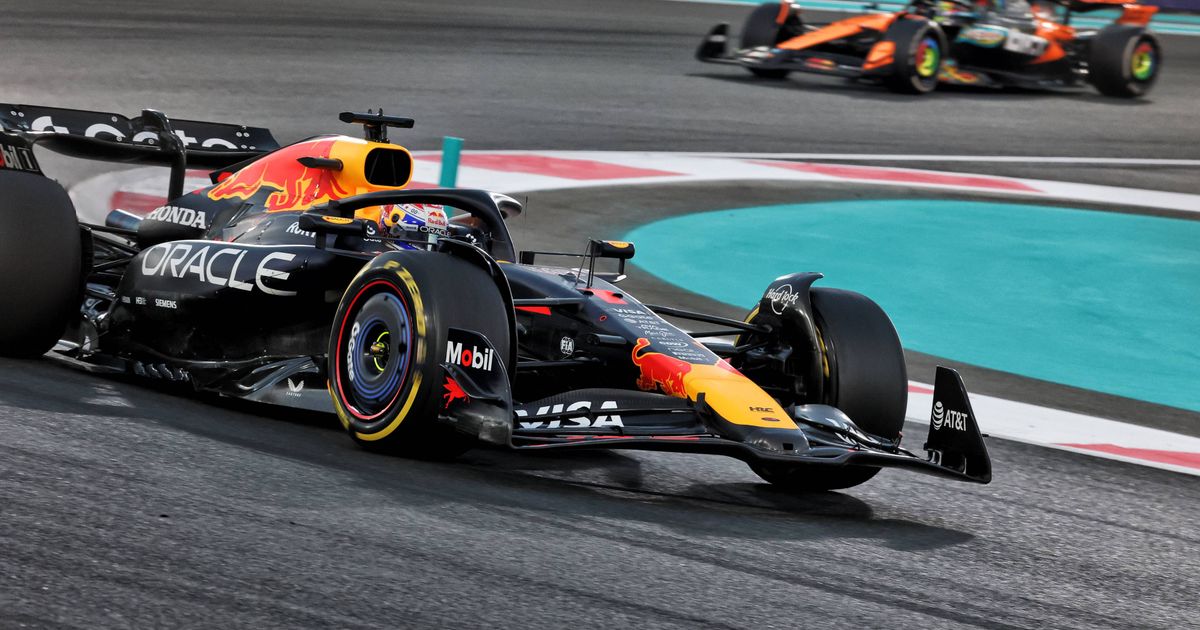
    Perhaps the biggest question mark hangs over Red Bull. The team that dominated the ground-effect era is navigating a perilous transition. They have lost technical genius Adrian Newey, sporting director Jonathan Wheatley, and are embarking on the daunting task of building their own engine with Ford.

    “The team has been stripped of some fairly major personalities,” Hill observed. While Max Verstappen remains a “coherent fighting force,” the uncertainty of the Red Bull Powertrains project is a looming spectre.

    Herbert raised an intriguing point about Verstappen himself: has the ruthless Dutch lion mellowed? “It comes across as a much softer Max than it was before,” he suggested, though noting flashes of the old aggression remain. With a new rookie teammate in Isack Hadjar—who Herbert describes as “expressive” and unlikely to be a “quiet little mouse”—Verstappen faces a new kind of challenge. Can he trust an unproven engine and a rookie wingman to keep him at the top?

    The Hamilton Enigma: “Has the Magic Gone?”

    The conversation took a somber turn when discussing Lewis Hamilton. Now five years removed from the heartbreak of Abu Dhabi 2021, the seven-time champion’s form at Ferrari is under the microscope.

    “He’s taken a beating like you cannot imagine,” Herbert said candidly. The duo debated whether Hamilton’s struggles are down to the machinery or the inevitable march of time. Hill questioned if the “magic” has faded, comparing the loss of qualifying speed to his own experiences.

    “Qualifying was the first thing that I lost,” Hill revealed. “I didn’t feel comfortable being able to push it to that edge again.”

    The contrast with Fernando Alonso, who continues to defy age at Aston Martin, is stark. While Alonso is “brutally harsh” and still hungry, Hill wondered if Hamilton’s mind has drifted to life after racing. “Has he had a belly full?” Hill asked. Unless Ferrari pulls a miracle out of the bag with their 2026 car, the fairy-tale ending for Hamilton looks increasingly elusive.

    The Verdict: A Silver Arrow Rising

    So, who wins in 2026? In a sport obsessed with the dominance of Verstappen and the rise of McLaren, Hill and Herbert looked elsewhere.

    “I’m probably going to go Mercedes,” Hill declared, dropping his prediction for the Constructors’ Championship. But his pick for the Drivers’ Champion was even more specific: George Russell.

    “I think the dark horse here is George Russell,” Hill stated. “He performed brilliantly consistently all year… secretly I think they are in a good place.”

    Herbert concurred, suggesting a “double win” for the Silver Arrows. The logic is sound: Mercedes has a history of mastering new engine regulations (remember 2014?), and with a settled lineup of Russell and the young prodigy Andrea Kimi Antonelli, they possess the stability that Red Bull lacks.

    “If the car is the dominant force, they have the right pairing,” Herbert added.

    Conclusion: The Great Reset

    The 2026 season promises to be a “reset” button for Formula 1. With Audi joining the fray, Cadillac on the horizon, and every team scrambling to master the new 50/50 power units, the predictability of recent years is over.

    Hill and Herbert’s verdict is a warning to the paddock: do not underestimate the sleeping giants. While the world watches Max and Lando, George Russell and Mercedes may be quietly positioning themselves to steal the future. As Hill concluded, “We know exactly what’s going to happen… unless we have to revise everything.”

    Buckle up. 2026 is going to be a wild ride.

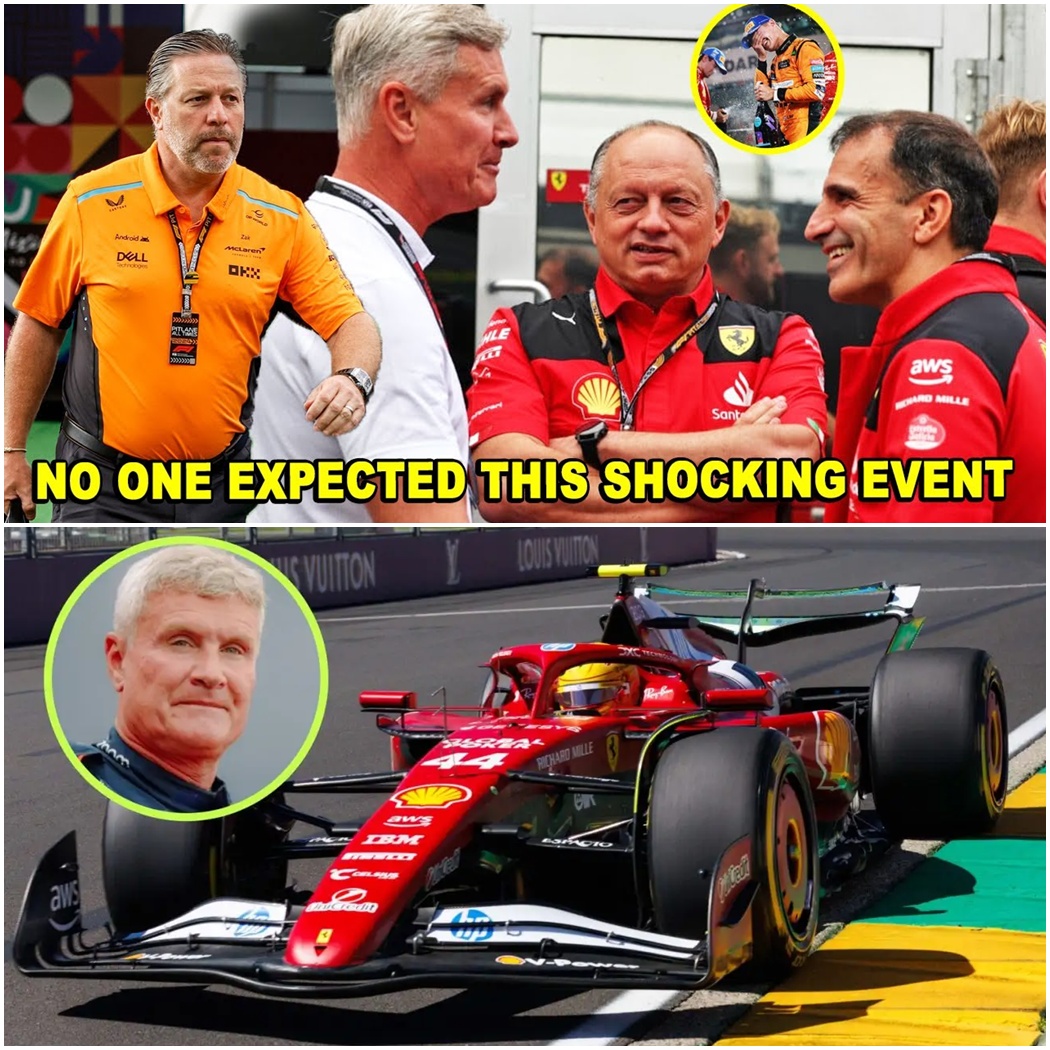
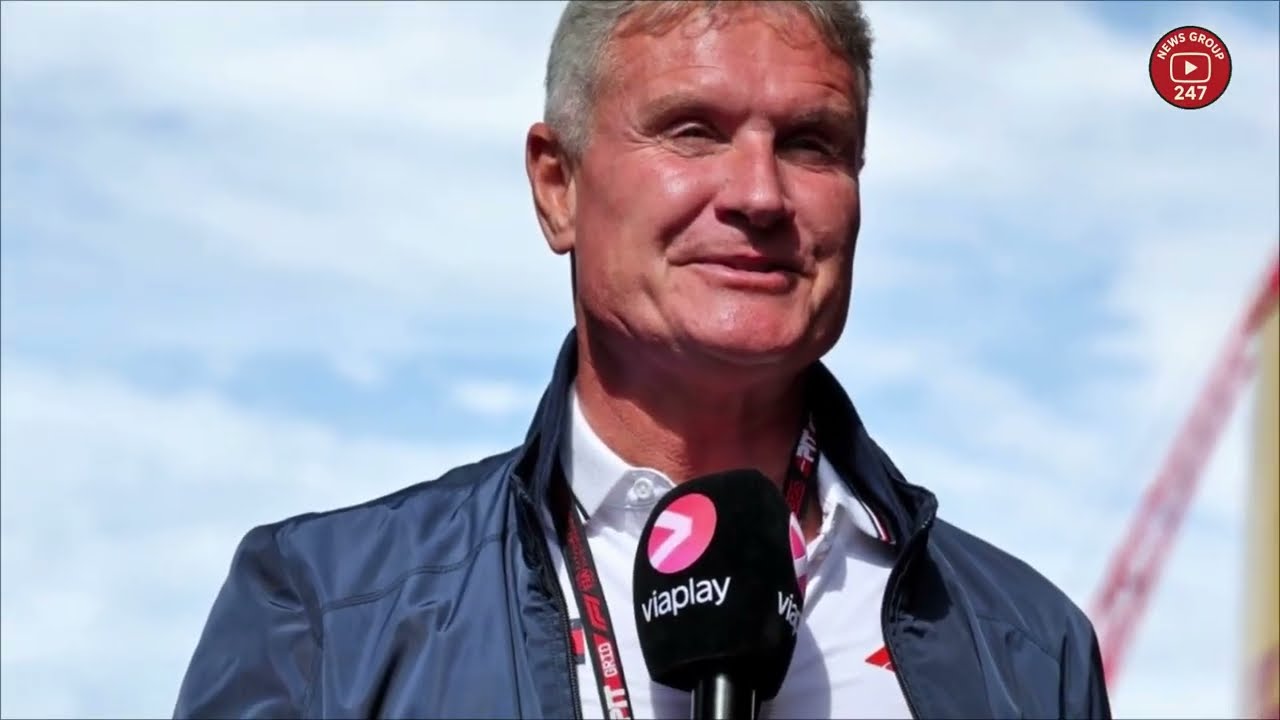
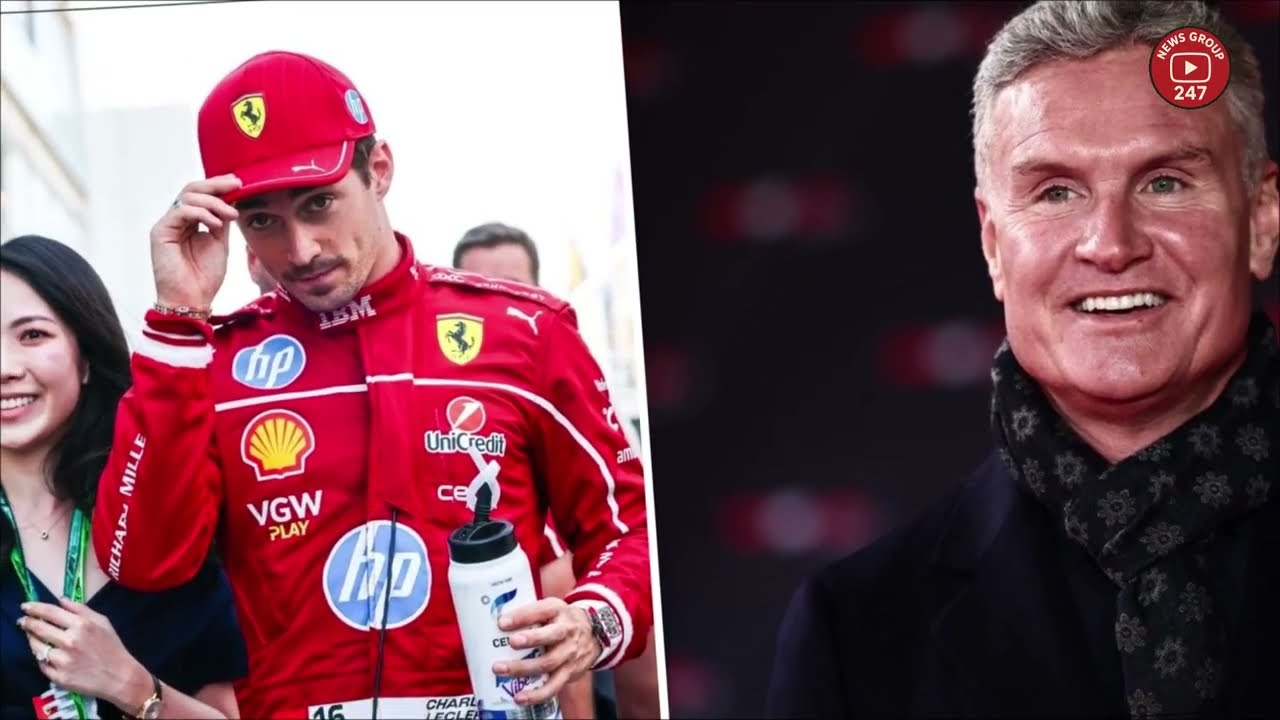
  • The Accidental Mole: How David Coulthard’s “Harmless” Confession Just Armed Ferrari for a Brutal 2026 War

    The Accidental Mole: How David Coulthard’s “Harmless” Confession Just Armed Ferrari for a Brutal 2026 War

    In the high-stakes, multi-billion dollar world of Formula 1, secrets are the ultimate currency. Wind tunnel data is guarded like state secrets, and simulation models are locked behind firewalls thicker than bank vaults. Teams spend fortunes not just to build faster cars, but to obscure their true intentions from their rivals. Yet, in a twist that could only happen in the drama-filled paddock of F1, the most valuable piece of intelligence Ferrari has received in years didn’t come from corporate espionage or a poached engineer. It came from an open microphone, courtesy of one of the sport’s most respected insiders: David Coulthard.

    The “Harmless” Commentary That Shook the Paddock

    On the surface, David Coulthard’s recent comments appeared to be nothing more than the nostalgic musings of a former driver turned pundit. He offered what seemed like a standard analysis of how modern Formula 1 teams operate, specifically touching on the delicate management of long-term regulation changes. He spoke about the development cycles, the pivotal moments where focus shifts, and the internal logic of elite organizations.

    But in Formula 1, context is everything. Coulthard, a McLaren man through and through, didn’t just speak as a commentator; he spoke with the authority of someone who knows how championships are constructed from the inside. He crossed a line that few ever do, pulling back the curtain on the “illusion of confidentiality” that teams like McLaren have meticulously maintained for decades. He detailed exactly how teams pivot when regulations change, explaining the ruthless decision-making process involved in abandoning a current season for future gains.

    To the casual listener, this was interesting insight. To Ferrari, it was a revelation. It was classified intelligence dropped in plain sight.

    Vindication for Maranello: The Strategy of Sacrifice

    For months, Ferrari has been under siege. The narrative surrounding the Scuderia’s 2025 campaign has been one of chaos, panic, and incompetence. Critics pointed to the mid-season abandonment of car development as a sign of a team losing its way—a hallmark of emotional leadership driven by the intense pressure of the Italian media. The “Prancing Horse” was seen as wounded, flailing in the dark while rivals surged ahead.

    Coulthard’s admission has inadvertently flipped this narrative on its head. By describing how elite teams—specifically referencing the McLaren mindset—engineer short-term pain for long-term dominance, he confirmed that Ferrari’s strategy was not reckless; it was orthodox. He validated the theory that Ferrari’s “collapse” was actually a choreographed sacrifice.

    Maranello now has confirmation from a rival’s own mouth that their approach is shared by the sharpest minds in the paddock. They now know that McLaren, and by extension Red Bull, understand the value of sacrificing the present to secure the future. This isn’t just comforting; it is strategically vital. It means Ferrari is not alone in playing the long game. The realization that their “failure” was actually a standard operating procedure for potential champions transforms their perceived weakness into a calculated strength.

    The Shadow War: Psychological Intelligence

    The value of this information goes far beyond technical specs or aerodynamic data. What Ferrari gained is “psychological intelligence.” In the psychological warfare that precedes any major regulation change, knowing how your enemy thinks is as potent as knowing what engine mode they are running.

    Coulthard revealed how teams frame failure internally to buy time. He explained how leadership shields engineers from public scrutiny and how narratives are shaped to manage drivers when results tank. This insight allows Ferrari to look at their rivals—McLaren and Red Bull—and see past the PR spin. When a rival team claims they are “struggling” or “learning,” Ferrari can now decode the message: they are hoarding resources for 2026.

    This changes the timeline of the battle. The upcoming season will not be a period of gentle learning curves or gradual escalation. Because Ferrari knows that their rivals are operating on the same ruthless logic of sacrifice, they know that everyone is arriving at the starting line armed to the teeth. The 2026 season won’t be a race; it will be a “knife fight” from the very first Grand Prix. There will be no slow builds, only immediate, aggressive confrontation.

    Domenicali’s Shield and the Call for Trust

    Amidst this swirling atmosphere of shadow wars and leaked strategies, another significant voice has emerged to fortify Ferrari’s position. Formula 1 CEO Stefano Domenicali, a man who knows the corridors of Maranello intimately, has stepped forward with a message that is both reassuring and revealing.

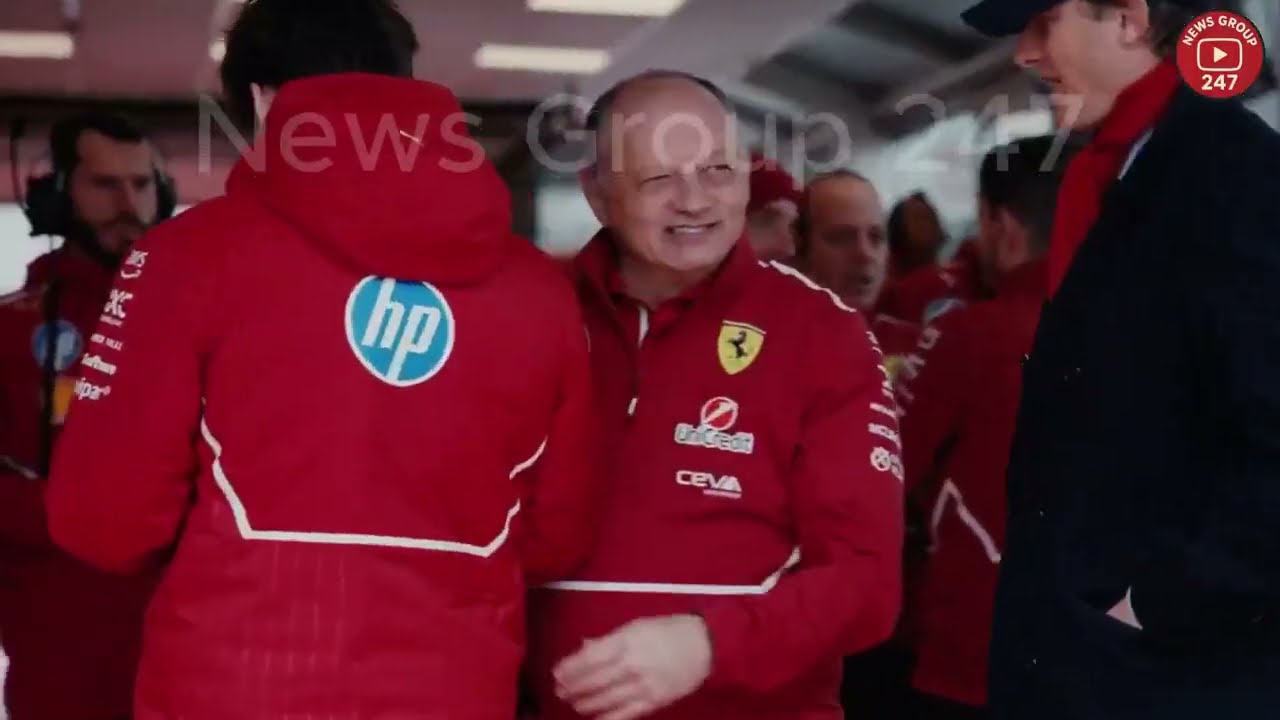
    In a sport where silence is often the best policy, Domenicali’s public urging for Ferrari to remain “positive” and “united” is a deliberate intervention. He is effectively placing a shield around Team Principal Fred Vasseur and his star-studded driver lineup of Lewis Hamilton and Charles Leclerc. Domenicali knows that the pressure on Ferrari is not an occasional visitor but a permanent resident. He understands that the temptation to panic—to react to the whispers of doubt—is the greatest threat to Ferrari’s resurgence.

    His comments underscore a critical reality: the pieces for success are already in place. Fred Vasseur provides the methodical, calm authority needed to steer the ship. Lewis Hamilton brings the legend and the winning mentality, despite the intense scrutiny his arrival has triggered. Charles Leclerc embodies the heart and speed of the team, a talent shaped by the culture yet burdened by its weight. Domenicali is asking the Tifosi and the team to trust the process, implying that the alignment between car, strategy, and talent is closer than the results suggest.

    The Dangerous Advantage of Clarity

    The irony of the situation is brutal. David Coulthard, intending to offer wisdom, may have strengthened Ferrari’s hand at the exact moment they needed it most. By removing the ambiguity surrounding the “abandonment” strategy, he has removed the last excuse for restraint.

    Ferrari now knows that the paddock understands the war they are fighting. They know that an aggressive, 2026-focused approach won’t be underestimated or dismissed as a gamble by their rivals. This clarity forces Ferrari to go further. If everyone knows the game, the only way to win is to push beyond what others consider reasonable.

    We should not expect Ferrari to test conservatively or bring cautious upgrades. The illusion of secrecy is gone. The conspiracy isn’t that Ferrari stole intelligence; it’s that it was given to them freely. The coming months will likely feel sharper, riskier, and more volatile because the gloves are off.

    Conclusion: The War Has Already Begun

    The 2026 season hasn’t started, but the war has. A quiet tension hangs over Maranello, a tension that cannot be measured by lap times but is felt in the glances exchanged behind closed doors. The most dangerous information in Formula 1 is the kind no one realizes they’ve revealed.

    Thanks to a moment of candor from a rival, Ferrari enters the next era not with doubt, but with the cold, hard confirmation that their suffering was necessary. They have been vindicated by the enemy. Now, all that remains is to execute the plan that the rest of the world is only just beginning to understand. The Prancing Horse isn’t wounded; it is patient, and it is waiting.

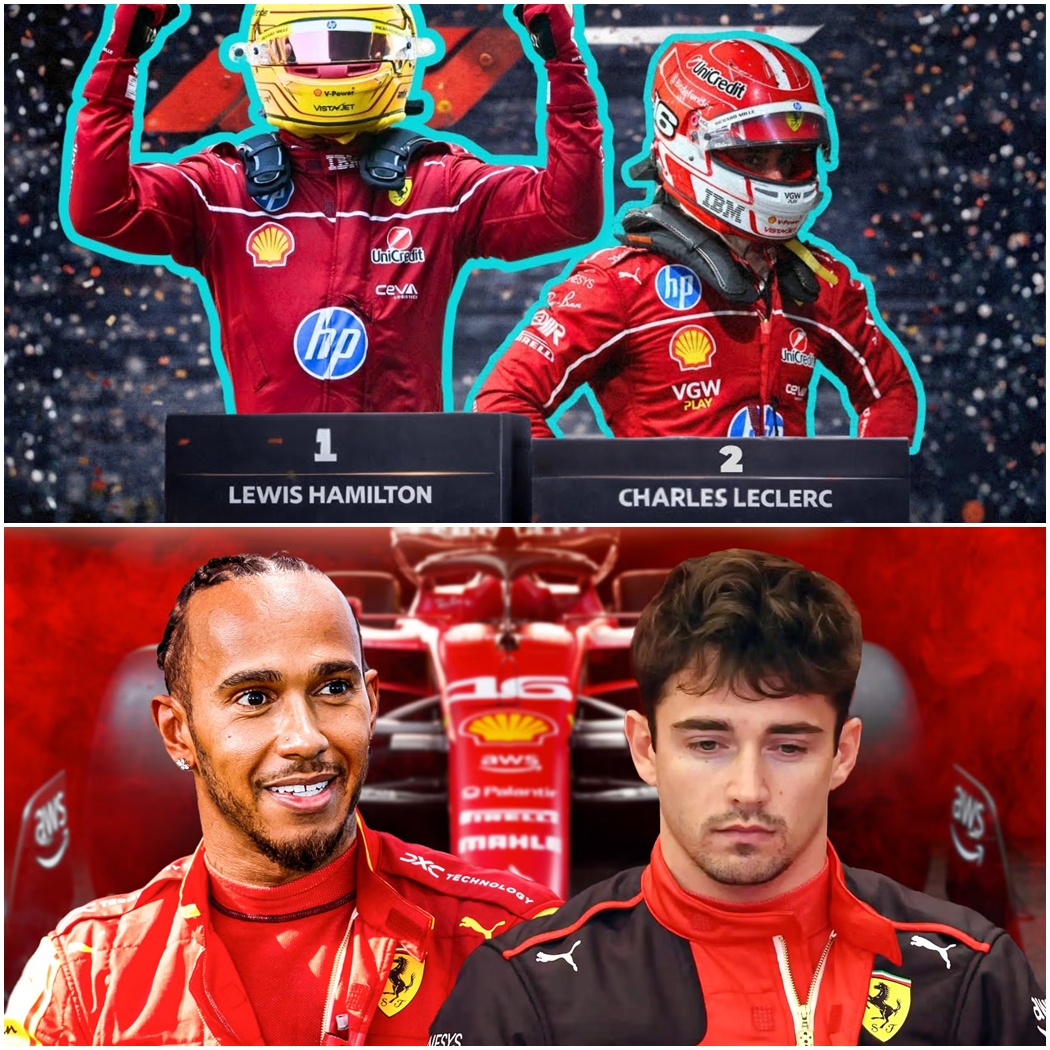
  • The Ferrari Paradox: Why 2026 Could Be Another Heartbreak for the Prancing Horse Despite the “Dream Team” Hype

    The Ferrari Paradox: Why 2026 Could Be Another Heartbreak for the Prancing Horse Despite the “Dream Team” Hype

    The Weight of History

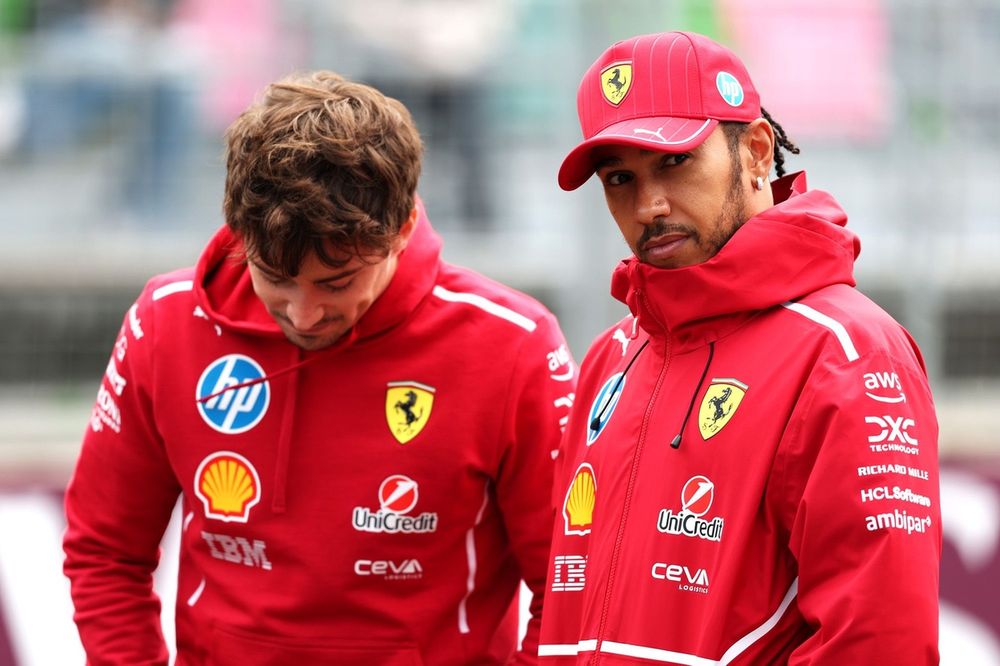
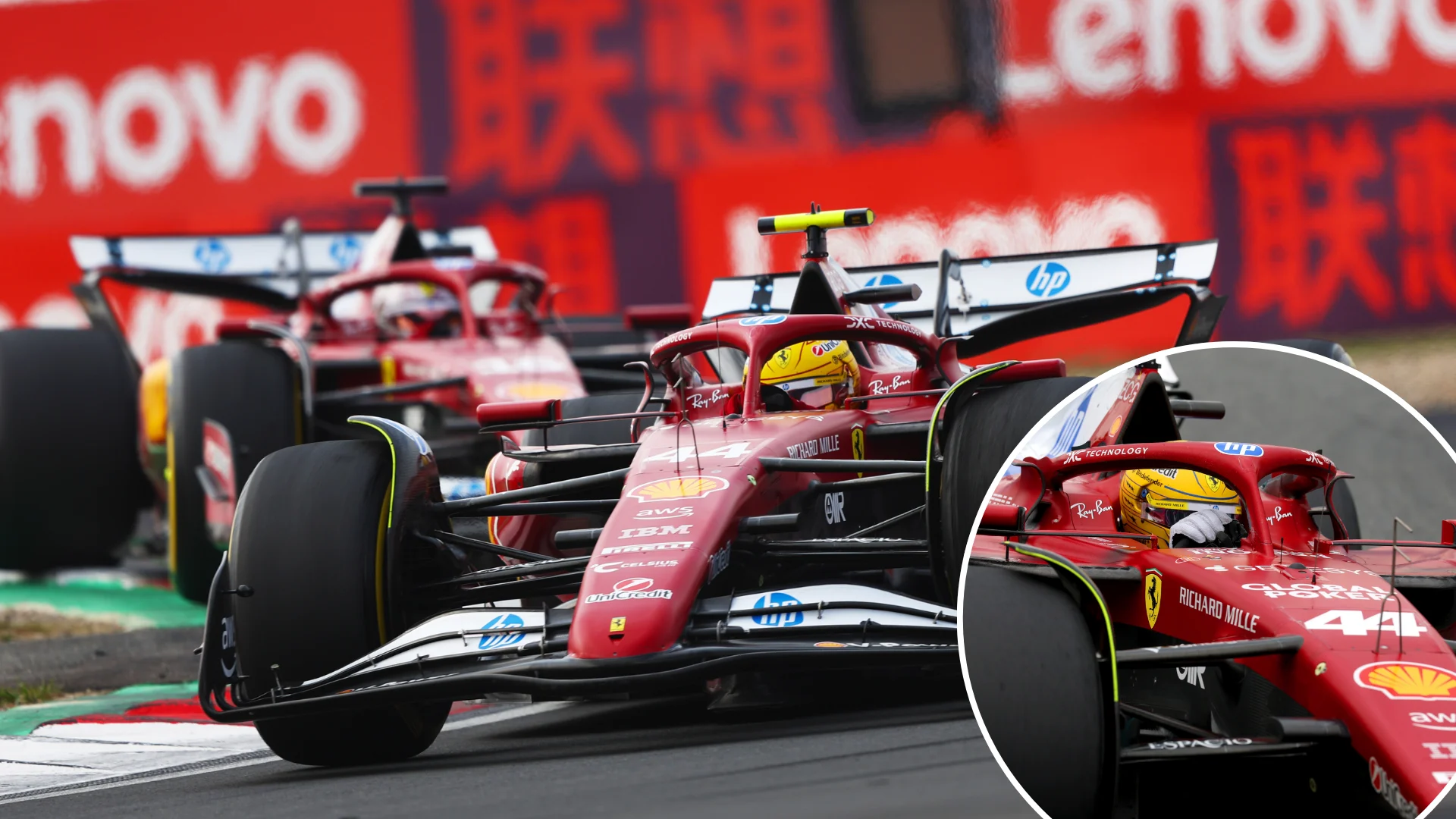
    As the Formula 1 world turns its gaze toward the monumental regulation reset of 2026, one name dominates the conversation: Ferrari. It is an obsession that transcends motorsport, a national identity wrapped in Rosso Corsa. Yet, as we stand on the precipice of this new era, a familiar and unsettling feeling is creeping into the hearts of the Tifosi. On paper, the Scuderia has everything required to dominate: an unlimited budget, the prestige to attract the world’s best engineering minds, and a driver lineup that reads like a fantasy draft—seven-time world champion Lewis Hamilton alongside the blistering speed of Charles Leclerc.

    However, paper championships are not celebrated on the podium at Monza. The reality facing Ferrari in January 2026 is far more complex and arguably more fragile than the glossy PR launches suggest. We are witnessing a team at a crossroads, caught between the intoxicating promise of a fresh start and the suffocating gravity of its own history. The question is not whether Ferrari can win, but whether they have finally exorcised the demons that have turned the last two decades into a cycle of “almosts” and “what ifs.”
    The Cycle of False Dawns

    To understand the trepidation surrounding 2026, we must look at the recent past. The transition from 2024 to 2025 serves as a painful case study in the Ferrari phenomenon. By the end of 2024, the team looked poised for greatness. Under the stewardship of Fred Vasseur, operations were stabilizing, strategic howlers were becoming rarer, and the car was genuinely fighting McLaren and Red Bull on merit. The momentum was palpable.

    Then came 2025. Instead of a title charge, the season unraveled. Development stalled, rivals surged ahead, and the team was forced to pivot its focus to the 2026 regulations as early as April. This pattern—strong starts followed by a gradual loss of momentum—is not a glitch; it is a feature of modern Ferrari. We saw it in the Sebastian Vettel years of 2017 and 2018, and again at the start of the ground-effect era in 2022. The team builds a competitive machine but lacks the operational ruthlessness to sustain a development war across a punishing 24-race calendar.

    Now, with the 2025 season written off as a transitional failure, the narrative has shifted entirely to 2026. But if the fundamental machinery of the team—the ability to upgrade, adapt, and execute—remains unchanged, why should we expect the outcome to be different?

    The “Fastest Slow Sport” in the World

    Formula 1 is often described as a shark tank, but in terms of organizational agility, it is more like maneuvering a supertanker. As noted by analysts, F1 is the “fastest slow sport in the world.” The cars are missiles, but the teams turn like cruise ships. Changing the direction of a behemoth like Ferrari takes years, not months.

    Unfortunately, time is the one luxury Ferrari is never afforded. The pressure cooker of Maranello is unique in sports. The adoration from Italy and the Tifosi is a beautiful, passionate force, but it is also a double-edged sword. When the team wins, they are gods; when they lose, the atmosphere becomes toxic. This external pressure often seeps inside the factory walls, leading to panicked decision-making and a culture of fear.

    Historically, Ferrari has only truly dominated when this pressure was artificially dammed. The golden era of Michael Schumacher was not just about driving talent; it was about the “shield” erected by Jean Todt and Ross Brawn. They insulated the race team from the corporate interference of Fiat and the whims of the Italian press. Since that triumvirate disbanded, that buffer has eroded. Today, management and corporate leadership seem all too present, reportedly even telling drivers to “focus on driving” rather than voicing concerns. Until Ferrari can recreate that structural autonomy, their ceiling will always be artificially lower than that of their British and German rivals.
    The Technical “Loophole” Nightmare

    While the cultural issues are chronic, the immediate concern for 2026 is technical. The new regulations were supposed to be the great equalizer, a blank slate where Ferrari’s resources could shine. However, whispers from the paddock suggest the team may have already missed a trick.

    Reports indicate that rival manufacturers, specifically Mercedes and Red Bull, may have exploited a loophole regarding compression ratios in the new power unit regulations—an area Ferrari seemingly overlooked. While these rumors are notoriously difficult to verify until the cars hit the track in anger, they feed into a terrifying narrative: that Ferrari is starting the new era on the back foot.

    In a formula heavily dependent on engine performance, missing an initial development trick can take years to rectify. If the power unit deficit is real, no amount of aerodynamic wizardry from the chassis department will be able to compensate. It would force the team into a desperate game of catch-up from race one, a scenario that historically leads to overdriving, reliability risks, and strategic gambles that rarely pay off.

    The Hamilton and Leclerc Dynamic

    Then there is the human element, arguably the most volatile variable in the 2026 equation. The arrival of Lewis Hamilton was heralded as the final piece of the puzzle, the veteran leader who would galvanize the team. But the Lewis Hamilton of January 2026 is in a different position than the one who signed the contract. His 2025 campaign with Mercedes was, by objective standards, underwhelming. Was it the car, or has the relentless march of time finally caught up with the legend?

    Ferrari is banking on the former—that a new environment will reignite the spark. But if the car is difficult to drive or lacks pace, the honeymoon period could be brutally short. Hamilton did not move to Maranello to fight for fourth place.

    On the other side of the garage is Charles Leclerc. The Monegasque prodigy has the patience of a saint, having endured years of strategic blunders and unfulfilled promises. Yet, even his loyalty has limits. Subtle signs suggest he is beginning to look around, wondering if his prime years are being wasted waiting for a “next year” that never comes. If 2026 starts poorly, the internal friction between a desperate Hamilton and a disillusioned Leclerc could destabilize the entire operation.

    Realistic Expectations: The Big Four?

    So, stripping away the romance and the hype, what can we realistically expect? Ferrari will not collapse; the team’s floor is simply too high. With their resources and talent, they will almost certainly be part of the “Big Four” (or however the hierarchy shakes out). They will win races. They will secure pole positions. There will be Sundays where the scarlet cars look untouchable.

    But a sustained championship challenge requires consistency, a trait Ferrari has seemingly abandoned. It requires a team that can develop a car aggressively without losing its balance, a strategy team that is ice-cold under pressure, and a management structure that protects its people rather than exposing them.

    Right now, looking at the landscape of early 2026, I have far more confidence in a team like McLaren—lean, focused, and operationally sharp—to execute a title-winning campaign. Ferrari feels like a team still searching for its identity, caught between the glory of its past and the brutal efficiency required for the future.

    The Verdict

    Ferrari in 2026 represents the ultimate paradox of Formula 1: a team with endless potential but an invisible glass ceiling. The ingredients are there, but the recipe feels slightly off. Unless Fred Vasseur has managed to secretly rebuild the culture behind the scenes and insulate his team from the inevitable storms of Italian media, 2026 may well be another season of “what could have been.”

    For the sake of the sport, we hope to be proven wrong. F1 is better when Ferrari is fighting for the crown. But hope is not a strategy, and right now, hope is the primary fuel in the tank at Maranello.

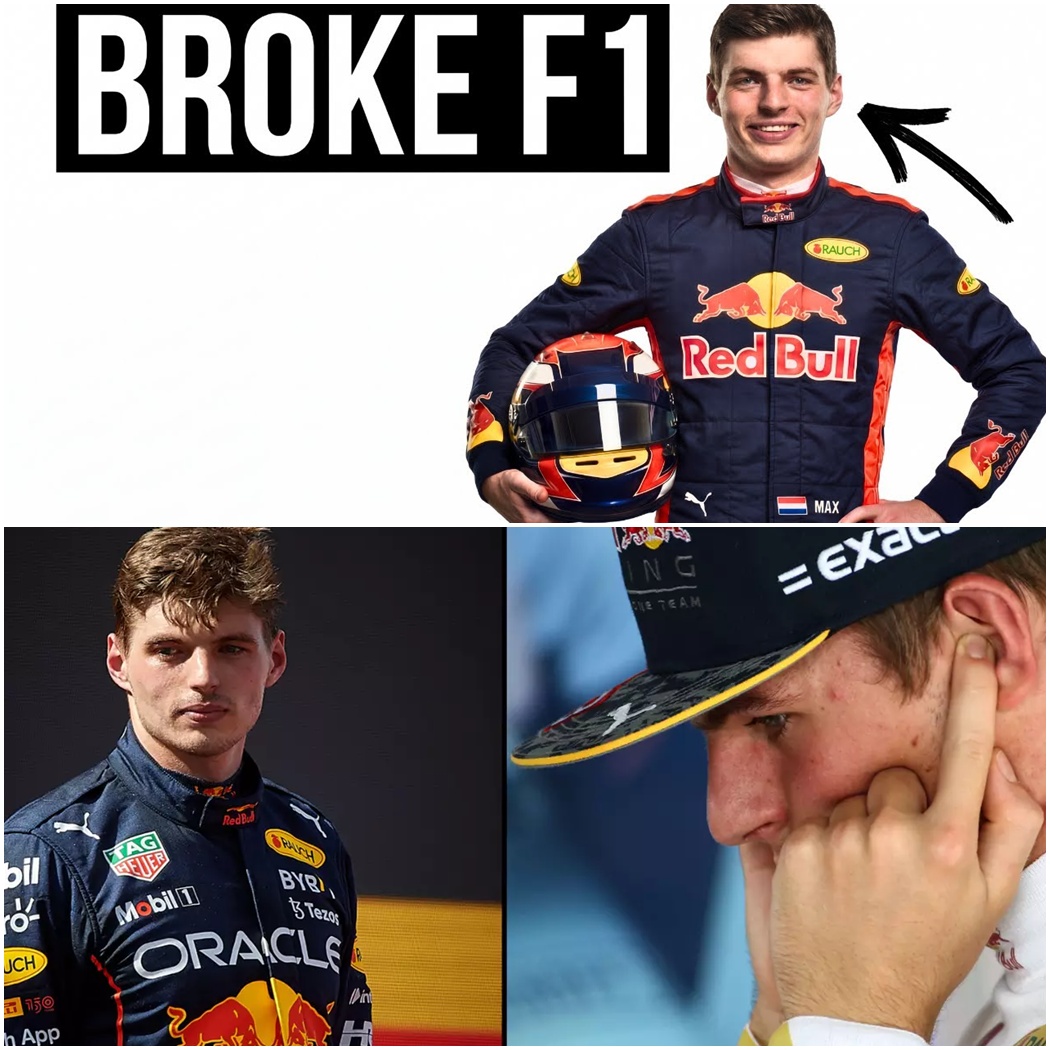
  • The Teenager Who Broke Formula 1: How Max Verstappen Set Records That Can Never Be Touched Again

    The Teenager Who Broke Formula 1: How Max Verstappen Set Records That Can Never Be Touched Again

    In the high-octane world of professional sports, we are often told that records are made to be broken. It is a cliché that fuels the competitive spirit, promising that every benchmark set by a legend is merely a target for the next generation. However, in the annals of Formula 1, there exists a unique anomaly: a set of records held by one man that are not just difficult to beat, but are now legally impossible to replicate. Max Verstappen, the reigning king of the grid, holds the titles for the youngest driver to start a race, the youngest to score points, and the youngest to win a Grand Prix. These are permanent monuments in the history books, frozen in time because the sport itself fundamentally changed its rules the moment he arrived.

    To understand how a seventeen-year-old boy managed to rewrite the rulebook of the world’s most elite motorsport, we have to look back at an origin story that borders on the cinematic. It is a tale of ruthless preparation, unparalleled genetics, and a gamble that left the establishment reeling. The project that became “Max Verstappen” did not begin in a corporate boardroom or a simulator; it began when he was just four years old, strapped into a kart by a father who knew exactly what the summit looked like.

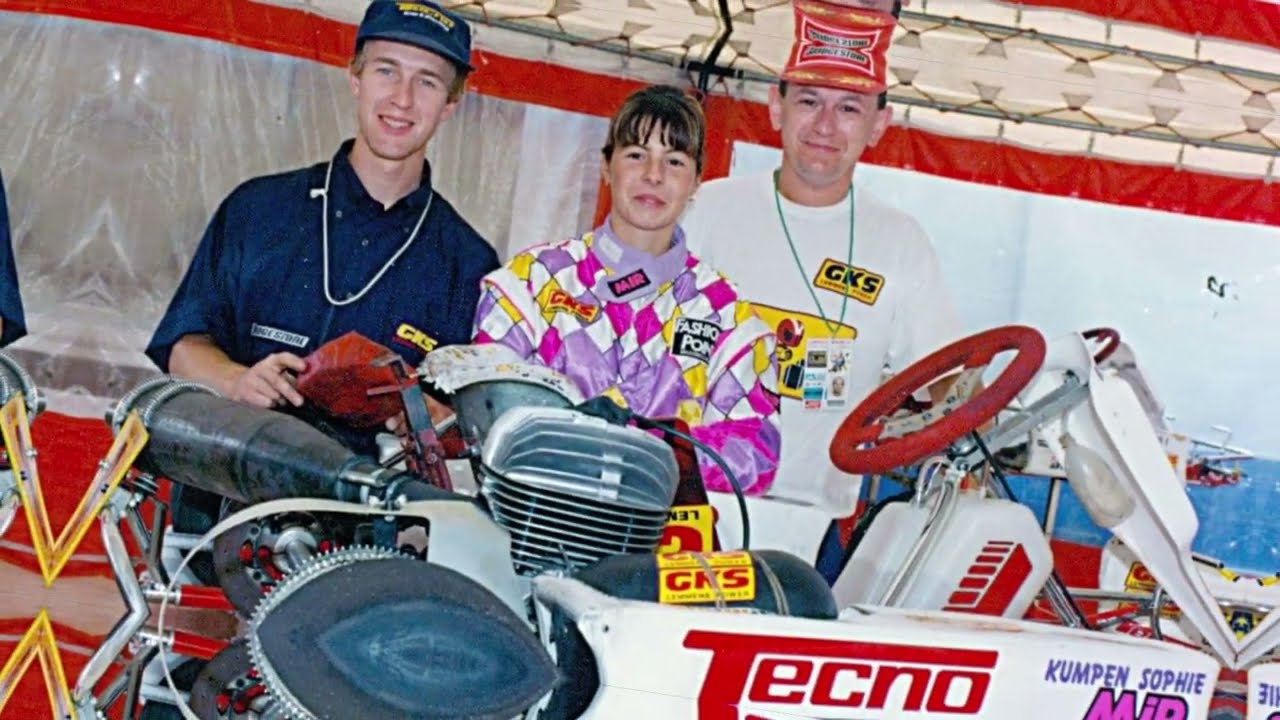
    Jos Verstappen, a veteran of 106 Grand Prix starts and a former teammate of Michael Schumacher, understood the brutality of F1. He knew that raw speed was not enough; mental steel was required. Alongside Max’s mother, Sophie Kumpen—a karting prodigy who once beat Jenson Button—Jos crafted a training regimen of immense intensity. While other children were learning to read, Max was learning racing lines. By the time he reached his teenage years, he had accumulated more track time than drivers twice his age. The result was a driver who functioned less like a rookie and more like a seasoned veteran trapped in a teenager’s body.

    The year 2013 was the turning point that alerted the world to this coming storm. At fifteen years old, Max did the unthinkable in the karting world. He won three major FIA championships in a single season: the World Championship, the European Championship KZ, and the European Championship KF. It was a level of dominance that had never been seen before and hasn’t been seen since. He was winning titles in machinery he couldn’t legally drive on public roads. Every major Formula 1 team, from Ferrari to McLaren, turned their heads. The boy was special, but nobody realized just how quickly he would ascend.

    His transition to single-seaters in 2014 was not a step; it was a leap. Competing in the FIA Formula 3 European Championship with Van Amersfoort Racing, Max bypassed the usual learning curve. Despite having zero experience in cars, he won ten races in his rookie season, more than any other driver on the grid. His six consecutive victories at the Norisring and Spa-Francorchamps showcased a consistency that terrified his rivals. He didn’t win the championship due to mechanical retirements, but the raw data was undeniable. He was ready, not for the next step, but for the final one.

    This sparked one of the most intense bidding wars in modern F1 history. On one side stood Mercedes, the titan of the turbo-hybrid era, led by Toto Wolff and Niki Lauda. They offered a sensible, structured path: a fully funded seat in GP2 (now Formula 2), followed by a groomed entry into F1. It was the traditional route, the safe route. On the other side stood Red Bull and their ruthless talent scout, Helmut Marko. Marko knew he couldn’t match Mercedes’ financial might or their current car performance, so he put something else on the table—a golden ticket. He offered Max a race seat in Formula 1 for the 2015 season, immediately bypassing the final rung of the junior ladder.

    It was a checkmate move. Christian Horner, Red Bull Racing’s Team Principal, later noted that Mercedes simply couldn’t offer a seat straight away. Red Bull could. On August 18, 2014, the announcement dropped like a bombshell: Max Verstappen, aged 16 years and 10 months, would race for Scuderia Toro Rosso. The motorsport world was sent into a frenzy. Critics, including legends like Mika Häkkinen, warned that it was too much, too soon. They argued that F1 was too dangerous for a boy who was still in school, a boy who didn’t even possess a road driving license.

    But the Verstappen camp was unfazed. When Max lined up on the grid for the Australian Grand Prix on March 15, 2015, he was 17 years and 166 days old. He shattered the previous record for the youngest driver by nearly two full years. Two weeks later in Malaysia, he finished seventh, becoming the youngest points scorer in history at 17 years and 180 days. The irony was palpable—here was a young man battling world champions at 200 mph on Sunday, yet he had to be driven to the track by his dad because he wasn’t legally allowed to drive a rental car.

    The governing body, the FIA, watched this unfold with a mixture of awe and concern. They realized that while Max was a prodigy, his path set a dangerous precedent. They didn’t want teams rushing 16-year-olds into the pinnacle of motorsport just to secure the next big talent. In December 2014, before Max had even completed his first full season, the FIA approved sweeping changes to the super license system. The new rules, informally dubbed the “Verstappen Rule,” established a strict minimum age of 18 and required drivers to accumulate points over multiple seasons in junior categories.

    These regulations ensured that Max Verstappen’s records became immortal. No future driver, no matter how talented, can legally start an F1 race at 17. Max had not only broken the record; he had forced the sport to break the mold and then glue it back together in a shape that excluded everyone else.

    The final piece of this historic puzzle fell into place in May 2016. After just four races into his second season, Red Bull promoted Max to the senior team, replacing Daniil Kvyat. Once again, the timing seemed aggressive. Once again, Max silenced the noise. On May 15, 2016, at the Spanish Grand Prix, he capitalized on a collision between the Mercedes drivers to take the lead. He held off a charging Kimi Räikkönen—a man who had been racing in F1 since before Max was born—to take the checkered flag. At 18 years and 228 days old, he became the youngest winner in F1 history. The previous record holder, Sebastian Vettel, was nearly three years older when he won his first race.

    Since those chaotic early days, the “experiment” has matured into one of the most devastatingly effective careers the sport has ever witnessed. The 2021 championship battle with Lewis Hamilton was a titan clash that ended in a controversial but historic first title. What followed was an era of hegemony. In 2023, Max produced the most dominant single season in history, winning 19 out of 22 races and scoring 575 points. By the end of 2024, with four world championships and 63 wins to his name, the debate about his readiness had long been extinguished.

    Helmut Marko’s comparison of a teenage Max to Ayrton Senna, once seen as hyperbolic, now feels prophetic. The critics who said it was “completely wrong” to put a child in the car have publicly eaten their words. Max Verstappen didn’t just survive the pressure cooker of Formula 1; he thrived in it, accelerating the evolution of the sport itself.

    Today, when we look at the record books, we see the name Verstappen etched next to the “Youngest” categories. Those entries are not just statistics; they are reminders of a singular moment in time when preparation met opportunity with such force that it broke the system. The door that Max Verstappen walked through at 17 is now locked and bolted, leaving him standing alone in history—the boy who changed the future of Formula 1 forever.