Blog

  • The Silent Scandal: How a Hidden Engine Loophole Is Threatening to Tear the 2026 F1 Grid Apart Before It Even Begins

    The Silent Scandal: How a Hidden Engine Loophole Is Threatening to Tear the 2026 F1 Grid Apart Before It Even Begins

    The most dangerous problems in Formula 1 rarely happen in plain sight. They don’t occur when a car spins into a gravel trap or when two drivers collide at 200 miles per hour. Instead, the controversies that truly threaten to destabilize the sport often begin in silence—in the cold, fluorescent-lit rooms of engineering departments, buried deep within lines of code and simulation data.

    Right now, long before a single 2026 car has turned a wheel in anger, a storm is gathering that could define the next era of the sport. It isn’t about aerodynamics or driver contracts; it is about the very heart of the machine: the engine. And if the rumors swirling around the paddock are true, the 2026 World Championship might already be tilting in favor of a select few, leaving the rest of the grid scrambling to catch up before the starting lights even fade.
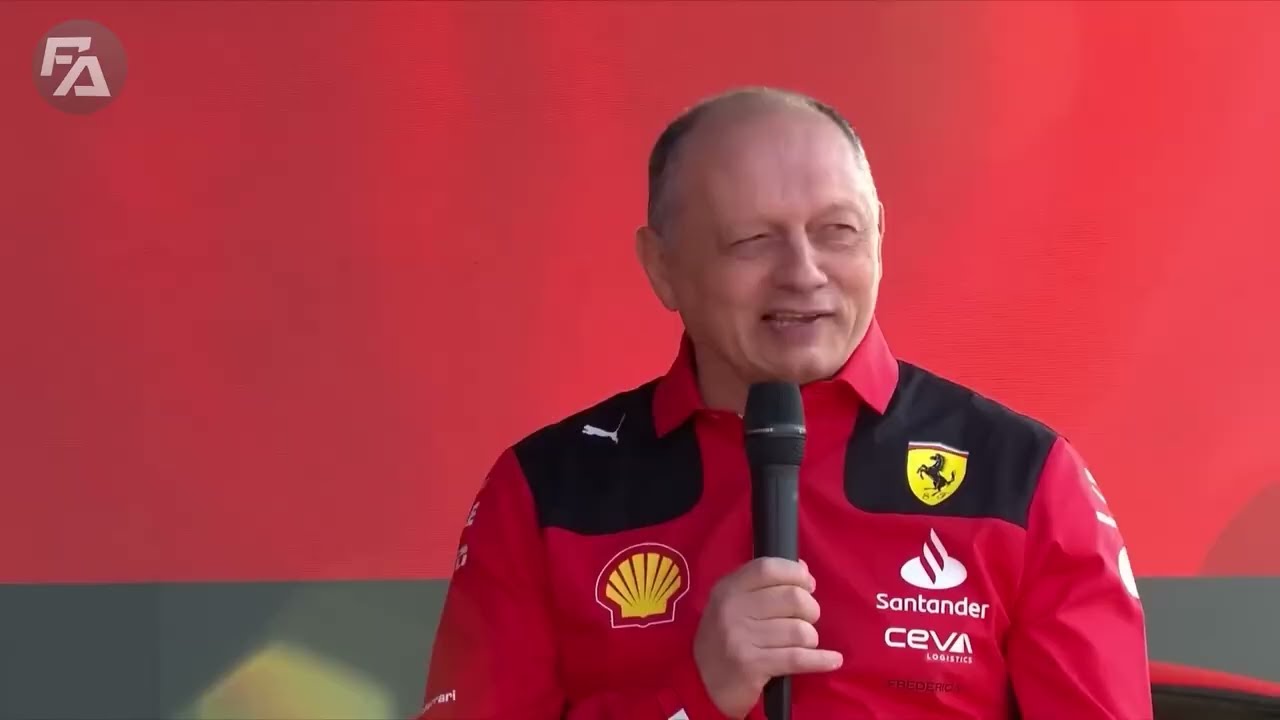
    The “Boring” Number That Could Decide Everything

    At the center of this brewing storm is a technical term that sounds deceptively boring: the compression ratio. For the 2026 regulations, the FIA (Fédération Internationale de l’Automobile) set out to simplify the engines, lower costs, and attract new manufacturers like Audi. To do this, they implemented a strict rule: the internal combustion engine must have a maximum compression ratio of 16:1.

    On the surface, it seems remarkably simple. It’s a hard limit. A red line that cannot be crossed. But in Formula 1, simplicity is often just an illusion, and a rule is only as strong as its specific wording.

    The controversy stems from how this rule is measured. The regulations reportedly state that the geometric compression ratio must not exceed 16.0 under “static conditions”—essentially, when the engine is being measured in a garage or a lab, at normal ambient temperatures. It’s a static test for a dynamic beast.

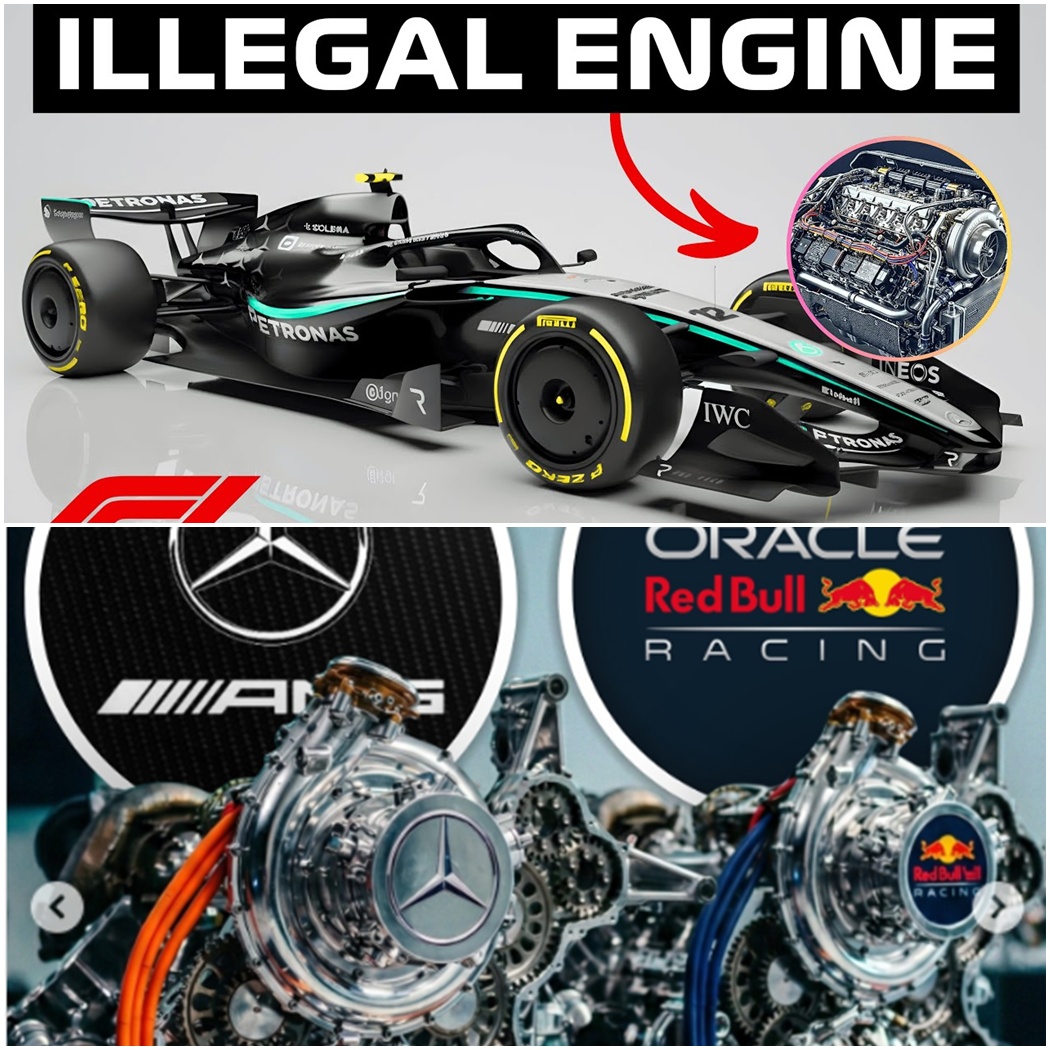
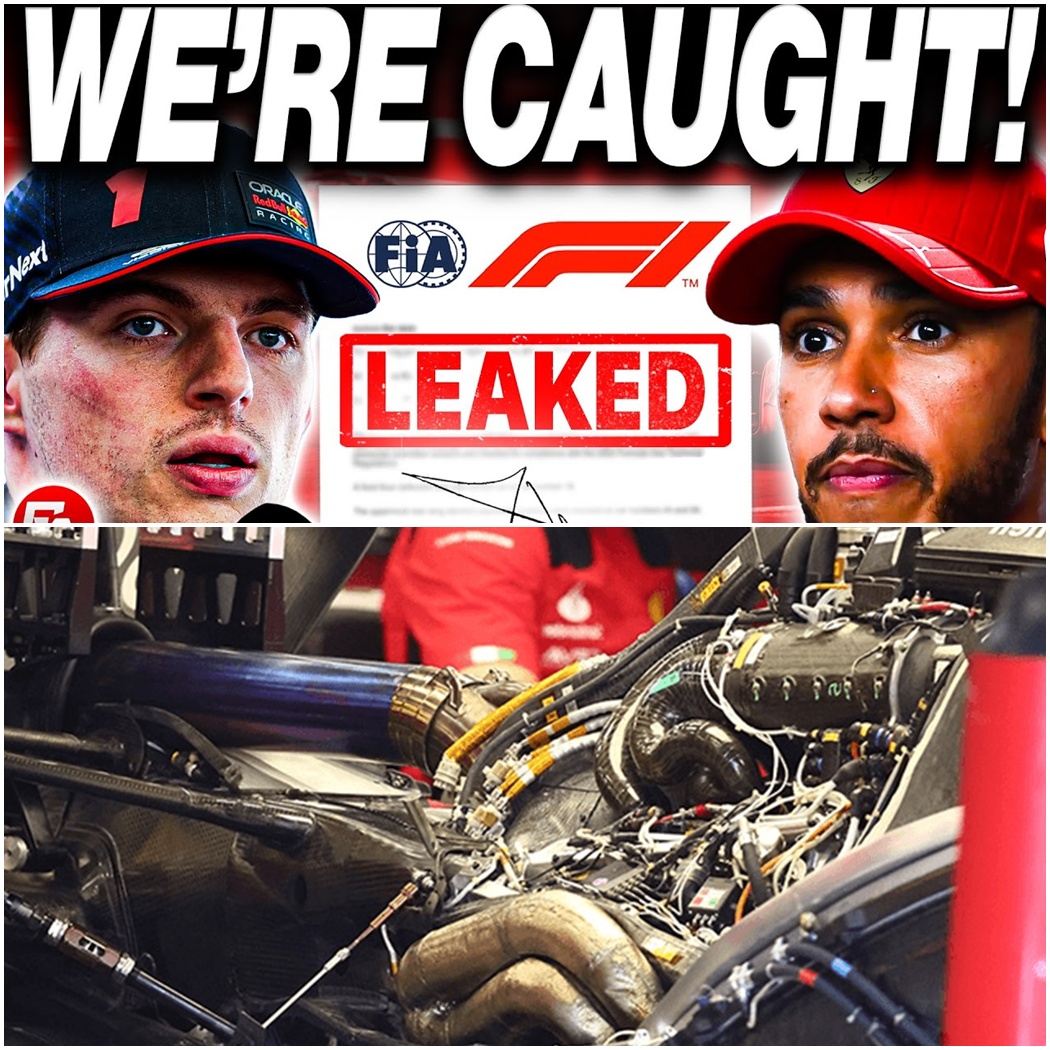
    Here lies the loophole that has set alarms ringing at Maranello and Hinwil. According to growing suspicions and whispered reports from inside the paddock, some manufacturers—with fingers pointed most heavily at Mercedes and potentially Red Bull Powertrains—may have found a way to pass the static test while completely bypassing the spirit of the rule on the track.

    The theory is that while their engines are perfectly legal when measured cold and stationary, the effective compression ratio spikes significantly once the engine is running at full load and racing temperatures. Through clever engineering and thermal management, these teams might be achieving a compression ratio far higher than 16:1 in reality, unlocking a massive performance gain that their rivals haven’t accessed.

    The 15-Horsepower Divide

    You might ask, “Does a slightly higher compression ratio really matter?” In the world of Formula 1, where gaps are measured in thousandths of a second, the answer is a resounding yes.

    Initial estimates suggest that exploiting this loophole could yield a power advantage of roughly 15 horsepower. To the casual observer, that number might seem small. But in a sport as tightly regulated as modern F1, 15 horsepower is an ocean. It is the difference between securing pole position and struggling to make it out of Q2. It is the difference between being able to overtake on a straight and being a sitting duck. Over the course of a 24-race season, a baked-in advantage of that magnitude can decide the destination of the championship trophies before the season reaches its halfway point.

    This is not just about a minor gain; it’s about a fundamental distortion of the competitive order. If one or two manufacturers start the new era with a distinct, “legal” power advantage that others cannot easily replicate without redesigning their entire engine architecture, we could be looking at years of dominance similar to the early Mercedes hybrid era.
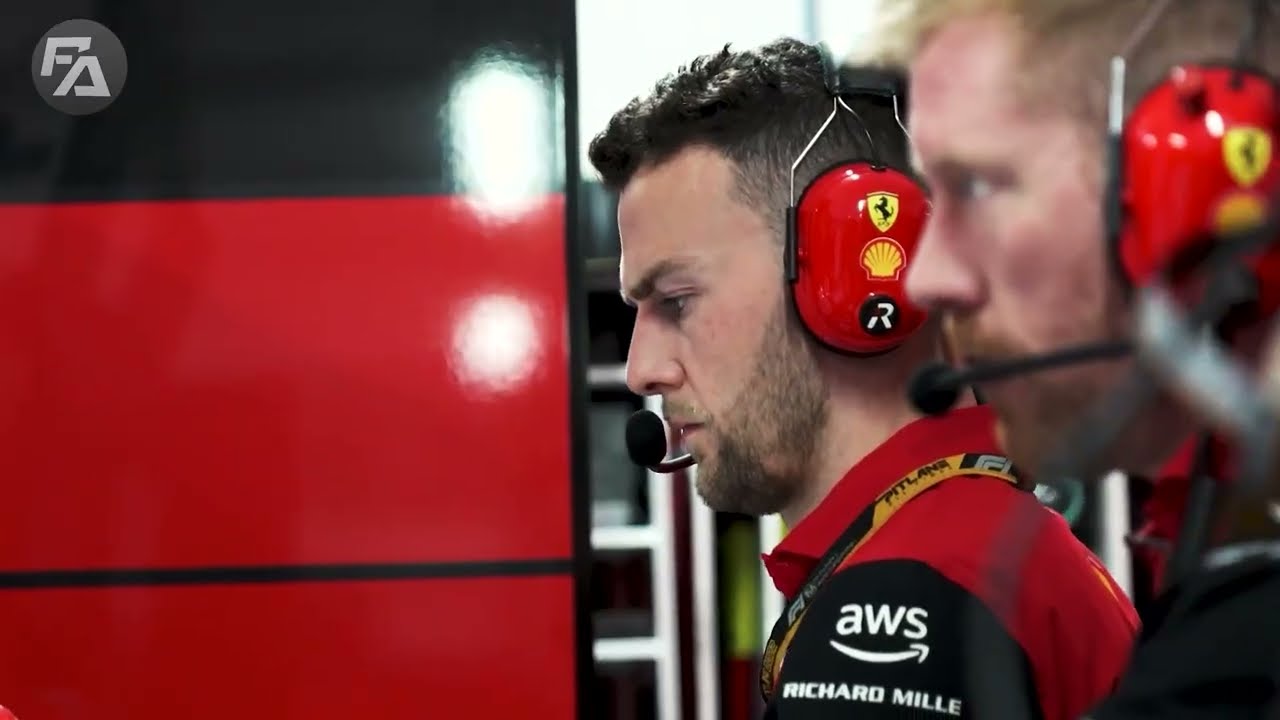
    The War of Words: “Interpretation” vs. “Compliance”

    The paddock is now fracturing into two distinct camps. On one side, you have the innovators—presumably Mercedes and Red Bull—who are likely arguing that they have followed the letter of the law. Their stance is simple and legally sound: If the rule says the limit is measured statically, and they pass the static test, then their car is legal. In F1, if it isn’t explicitly forbidden, it is allowed. That is the ruthless nature of the sport.

    On the other side, you have a furious coalition including Ferrari, Audi, and Honda. Their argument relies on a broader clause in the rulebook which states that cars must comply with regulations “at all times” during competition. They argue that the 16:1 limit was clearly intended to be a hard ceiling for engine performance, not just a box-ticking exercise in a parking lot. For them, complying with the rule only when the car is parked is a mockery of the regulation itself.

    This isn’t just a technical disagreement; it’s a philosophical battle. Audi, entering the sport for the first time, is particularly vulnerable. They joined under the promise of a level playing field and simplified rules. To arrive and find that established players have already outmaneuvered the rulebook via a loophole would be a bitter pill to swallow for the German giant.

    The FIA’s Impossible Dilemma

    Caught in the crossfire is the FIA. A high-stakes meeting is scheduled for January 22nd, where experts from all engine manufacturers will sit down with the governing body. While the official line is that this is a routine discussion, unofficially, everyone knows this issue will dominate the room.

    The FIA is in an unenviable position. If they step in now and close the loophole by clarifying that the limit applies dynamically, they punish the teams that were arguably smarter and read the rules better. They risk accusations of interference and “balancing” the sport artificially.

    However, if they do nothing, they risk 2026 becoming a one-horse race. The terrifying reality for the FIA is that it may already be too late to fix this for the start of the season. Engine architectures for 2026 are largely frozen; these are complex systems that take years to develop. You cannot simply “tweak” the compression ratio overnight. It is baked into the fundamental design of the combustion chambers and piston heads.

    Reports suggest that no short-term changes are expected. Any tightening of the rules would likely only come into effect in the second half of 2026 or even 2027. By then, the damage will have been done. The team with the 15-horsepower head start will have banked the points, built the momentum, and likely secured the title.
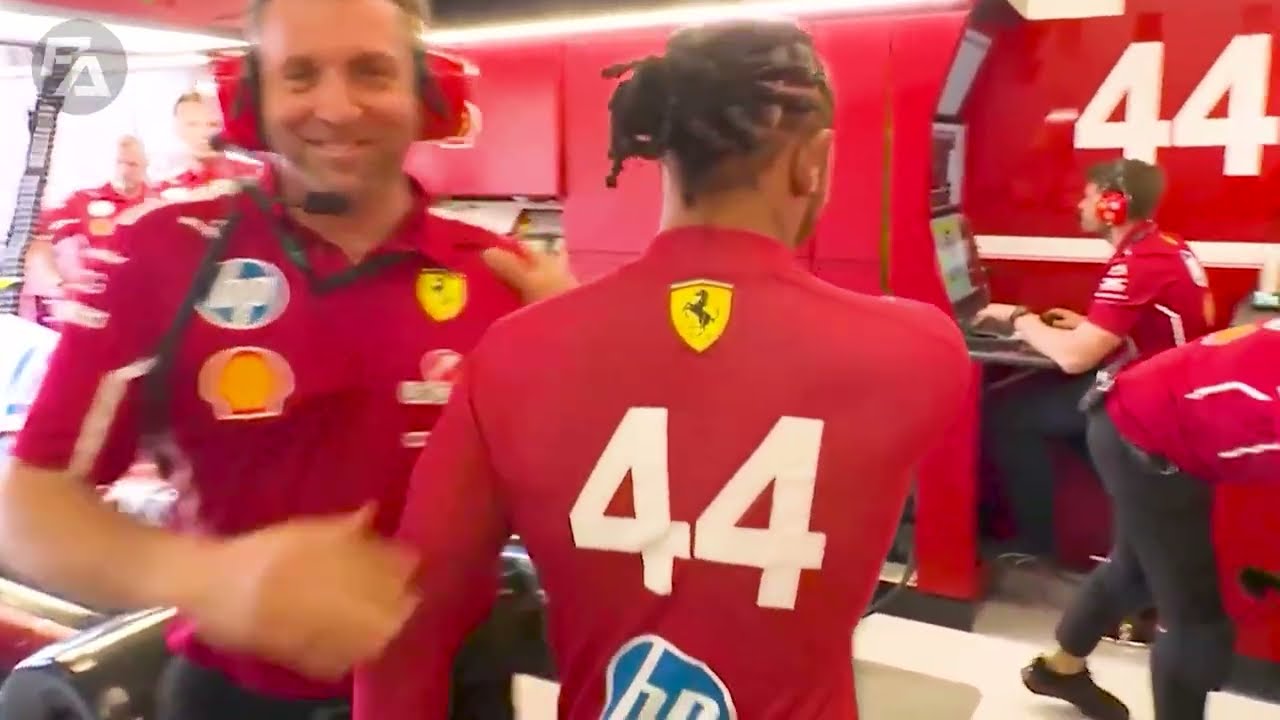
    Ferrari: Calm on the Surface, Anxious Underneath

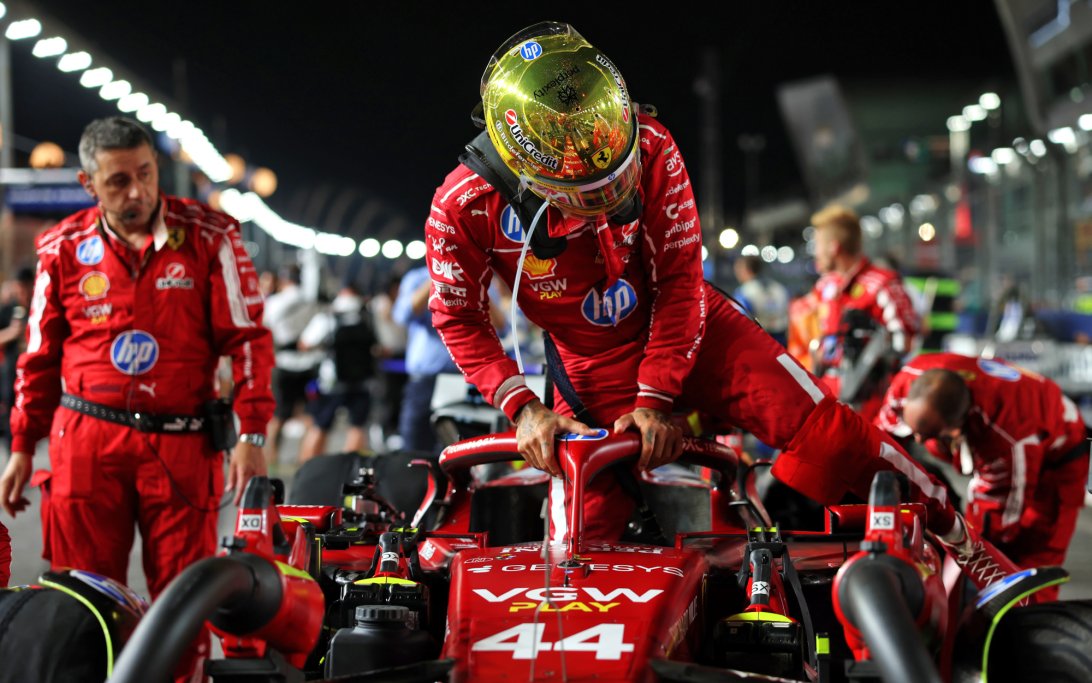
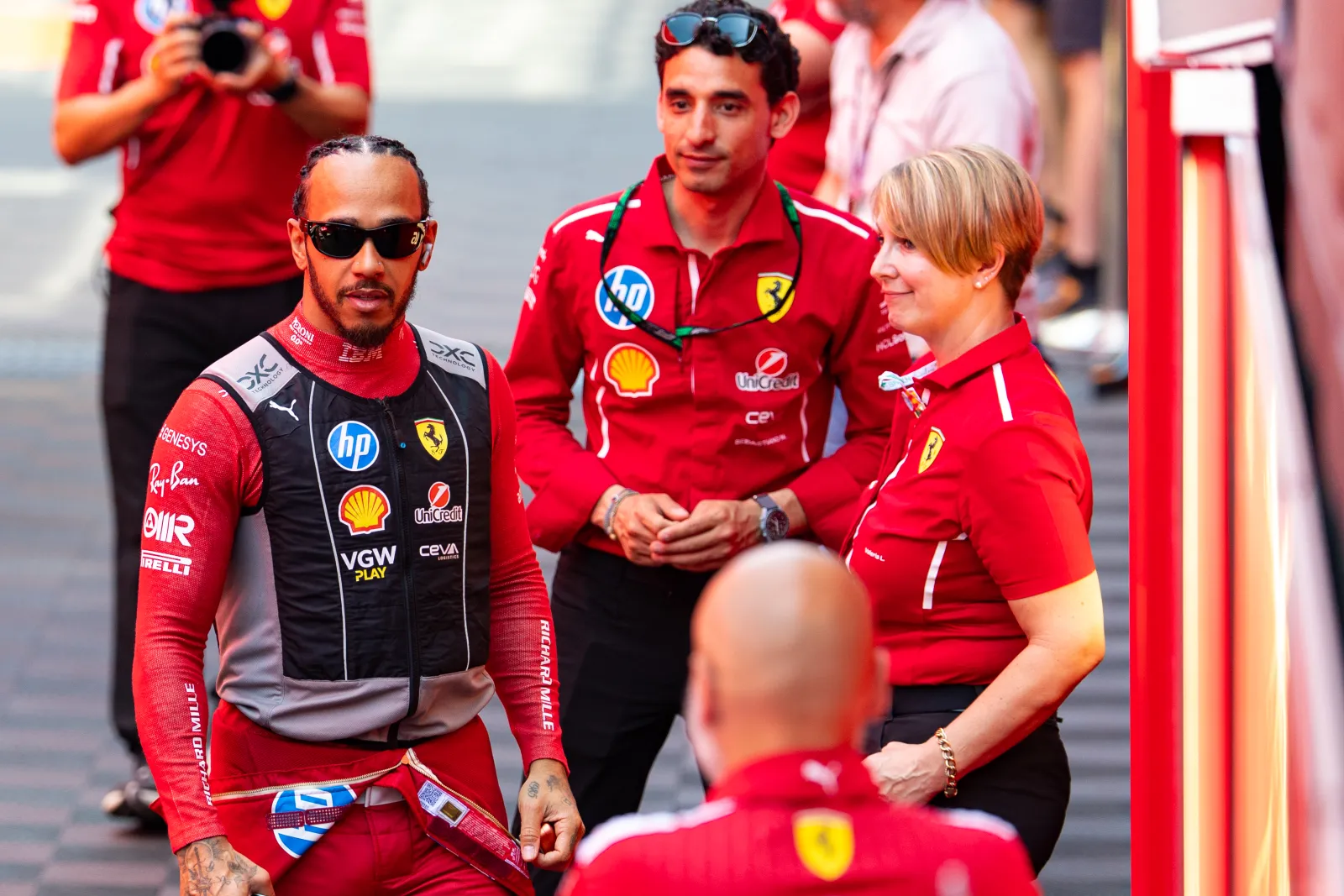
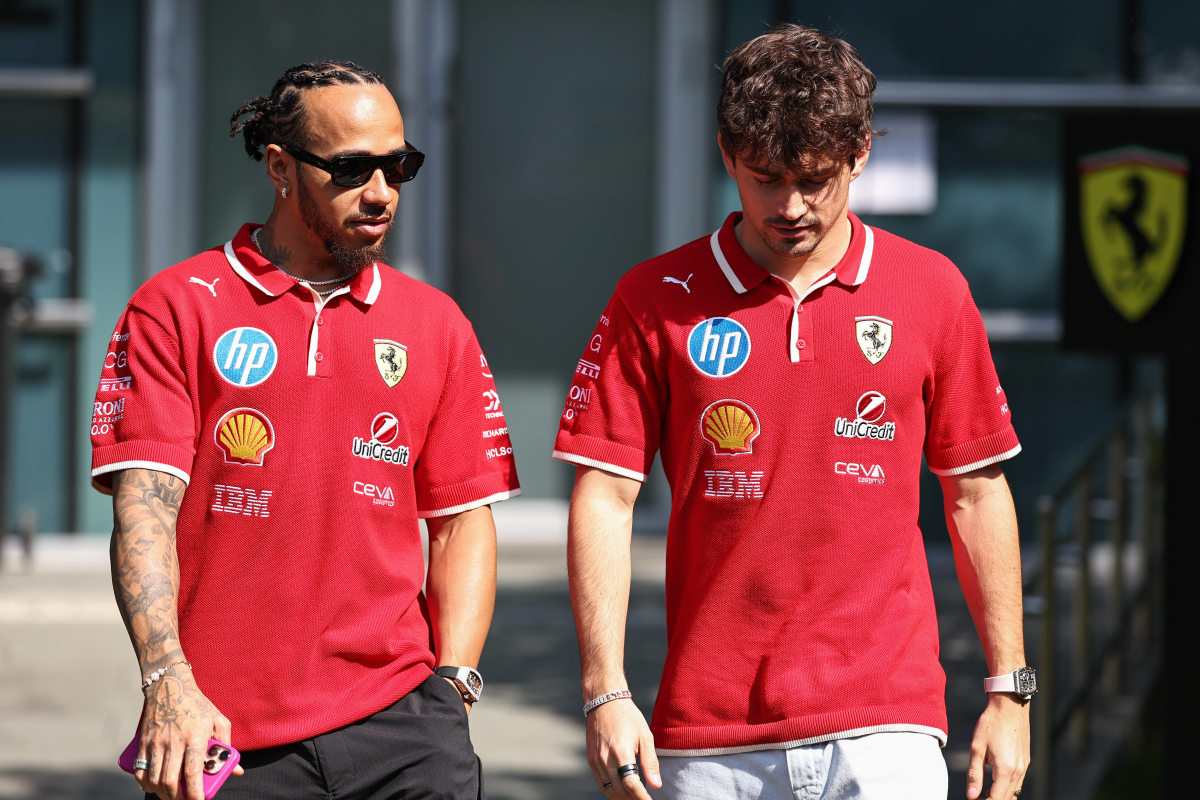
    Amidst this political chaos, Ferrari is trying to project an image of absolute focus and calm. Maranello reports that there are no delays with their challenger, the SF26. The fire-up of the new power unit is imminent, and seat fittings for Lewis Hamilton and Charles Leclerc have already been completed.

    Ferrari knows the pain of starting a new era on the back foot better than anyone. They are desperate to avoid a repeat of past failures. Their development is on schedule, their endurance tests are running, and their focus is on reliability (“survival”) for the upcoming Barcelona tests.

    But beneath this professional exterior, the anxiety is palpable. Ferrari has historically been a guardian of the sport’s “spirit,” often clashing with teams that push the boundaries of “interpretation.” They know that no matter how good the chassis is, and no matter how talented Hamilton and Leclerc are, a 15-horsepower deficit on the straights is nearly impossible to overcome with driving skill alone.

    The Ticking Clock to Barcelona

    As the countdown to the Barcelona winter testing ticks away, the pressure is immense. The teams are racing against time, not just to build their cars, but to decipher the true pecking order.

    We are told that simulations can whisper, but the track tells the truth. When the engines finally fire up in Spain, there will be no place to hide. The speed traps, the GPS traces, and the acoustic analysis will reveal who has found the extra power and who hasn’t.

    The fear is that by the time we see the cars on track, the die will already be cast. The “AoP” (Adjustment of Performance) system, designed as a safety net to help lagging manufacturers, is slow and bureaucratic. It requires a manufacturer to be significantly behind for an extended period before they are allowed extra development time. It is a band-aid, not a cure.

    This story is a stark reminder of what Formula 1 truly is: a relentless pursuit of unfair advantage. It is a sport where engineers are paid millions to find the cracks in the rulebook and pry them open. As we approach 2026, the question isn’t just who has built the fastest engine—it’s who has read the rules the most creatively. And for the fans, the hope is simply that this “creative reading” hasn’t destroyed the championship battle before it has even begun.


  • McLaren’s Radical Suspension Revolution: The “Anti-Dive” Secret That Could Push Oscar Piastri Out of the Team

    McLaren’s Radical Suspension Revolution: The “Anti-Dive” Secret That Could Push Oscar Piastri Out of the Team

    In the high-stakes world of Formula 1, the margin between victory and obscurity is often measured in millimeters. But at McLaren, a radical new technical philosophy introduced in the 2025 season has created a chasm far wider than a simple gap on a stopwatch. It has sparked an internal civil war between engineering data and driver intuition, potentially signaling the end of Oscar Piastri’s tenure with the team.

    As we stand in early 2026, looking back at the pivotal moments of the previous season, one technical innovation stands out not just for its brilliance, but for the human cost attached to it. It wasn’t a flashy new wing or a powerful engine upgrade that shifted the balance of power within the Woking garage. It was something far more subtle, hidden deep within the chassis: a revolutionary front suspension system that has fundamentally changed the DNA of the McLaren car—and in doing so, alienated one of the sport’s brightest young talents.

    The Rise and The Sudden Fall

    Oscar Piastri entered the 2025 season with the world at his feet. Coming off a stellar 2024 campaign where he demonstrated growth, maturity, and raw speed, the Australian was widely tipped to challenge his teammate, Lando Norris, for the title. McLaren had backed him heavily, offering contract terms and a status within the team that suggested he was viewed as a future World Champion, equal in every way to Norris.

    In the early races of 2025, Piastri delivered. He was aggressive in qualifying, a master of tire management, and consistently fast. The car seemed to suit his precise, fluid driving style. But then came the Canadian Grand Prix, and with it, a “covert” technical update that would silently dismantle Piastri’s confidence.

    The update was signed by Rob Marshall, the technical heavyweight poached from Red Bull. In a masterstroke of engineering, Marshall convinced McLaren’s leadership to pursue an extreme “anti-dive” suspension geometry. While the team celebrated the theoretical gains, few understood the practical implications for the man behind the wheel.

    The “Anti-Dive” Revolution Explained

    To understand why this change was so catastrophic for Piastri, we must first understand the physics of an F1 car. In a standard setup, when a driver hits the brakes, the car’s weight transfers forward. The nose “dives” down, and the rear rises. This natural movement, known as pitch, communicates the limit of grip to the driver. It tells them how hard they are braking and how the car is reacting to the track surface.

    However, pitch is the enemy of aerodynamics. When the ride height changes during braking, the underfloor airflow—critical for generating ground effect downforce—becomes unstable.

    McLaren’s solution was radical. They redesigned the front suspension to achieve an almost scandalous 95% to 100% anti-dive characteristic. Standard F1 cars rarely exceed 60%. By repositioning the upper suspension arm anchor points lower and further back, the braking forces are transmitted directly into the rigid chassis rather than compressing the shock absorbers.

    The result? A car that literally does not bow. When Lando Norris or Oscar Piastri hits the brake pedal, the nose stays flat. The aerodynamic platform remains perfectly stable, keeping the downforce constant and the grip levels immense. As the engineers put it: “The car doesn’t breathe; it flies.”

    The Tale of Two Drivers

    For Lando Norris, this rigid, stable platform was a revelation. His struggles with slow-corner performance vanished. The car’s predictable platform allowed him to carry more speed into corners and improved his traction on exit. The “anti-dive” geometry turned the MCL39 into a weapon that perfectly complemented his driving style. He began to beat Piastri in the one area where the Australian had previously held the edge: race pace.

    For Piastri, however, the update was a “silent enemy.”

    Oscar relies heavily on “feeling” the car’s movement to judge his inputs. The anti-dive system effectively muted the car. The feedback loop he depended on—the sensation of the nose dipping, the weight transferring—was gone. He reported feeling a “loss of connection” with the front axle. The car felt numb, overly rigid, and unresponsive to his delicate touch.

    Data vs. The Human Element

    The tragedy of this situation lies in the team’s response. When Piastri raised concerns, questioning the setup and debating with his race engineer, Tom Stallard, he was met with a wall of data.

    Telemetry screens showed the car was faster. The aerodynamic load was higher. The tire degradation was lower. On paper, the upgrade was a massive success. But in the cockpit, Piastri was fighting a beast he could no longer tame. His subjective feedback was dismissed because the objective numbers said otherwise.

    McLaren had made a philosophical choice: they bet on science over sensitivity. They prioritized absolute peak performance over driver adaptability. In doing so, they inadvertently designed a car that only one of their drivers could fully exploit.

    The “Smart” Suspension Controversy

    The implications of this system go beyond the internal driver struggle. The innovation borders on the edge of legality, causing sleepless nights for the FIA and rival engineers.

    While the system uses no electronic actuators (which would be illegal), it behaves dynamically. The multi-link design creates a “passive” adjustment of the wheel toe angle—the angle at which the wheels point inwards or outwards. On straights, the toe reduces to minimize drag. Under braking loads, it aggressively changes to help turn the car into the corner.

    It is, in essence, an intelligent system without artificial intelligence. Rivals view it as a provocation, a “moral trap” that adheres to the letter of the law while shattering its spirit. Quiet lobbying has already begun to ban such extreme anti-dive geometries for the 2026 regulations, with competitors arguing that it forces everyone to redesign their entire chassis just to survive.

    A Fractured Future?

    As we look toward the 2026 season, the question hanging over Woking is no longer just about championships, but about personnel. If the team continues to develop their car down this path—a path that clearly favors Norris’s adaptability over Piastri’s feel—what role is left for the young Australian?

    Piastri is not just a driver; he is a car builder, a talent known for his technical feedback. But if his feedback is systematically ignored in favor of a specific aerodynamic philosophy, his value to the team diminishes, and his frustration grows.

    Rumors are already circulating in the paddock. Other teams, desperate for a driver of Piastri’s caliber to lead their 2026 projects, are watching closely. They know that a driver who feels unheard is a driver who is looking for an exit.

    McLaren’s “magic trick” may have solved their aerodynamic woes, but it has created a human problem that no amount of wind tunnel testing can fix. In their quest for the perfect car, they may have just sacrificed the perfect team dynamic.

  • Ferrari’s “Project 678” Exposed: The Secret Steel Engine Gamble That Could Hand Lewis Hamilton His 8th Title

    Ferrari’s “Project 678” Exposed: The Secret Steel Engine Gamble That Could Hand Lewis Hamilton His 8th Title

    In the high-octane world of Formula 1, silence is rarely a good sign. It usually indicates defeat, confusion, or a team in crisis. For the better part of a year, the Ferrari garage has been a place of heavy, suffocating silence. The Tifosi watched in collective agony as the 2025 season unraveled into a slow-motion disaster, seeing the legendary red cars slip to a lonely fourth in the standings. There were no podium champagne sprays, no anthems ringing out for the Scuderia—only the grim reality of a team that appeared to have lost its way.

    But today, that silence has been broken, not by a press release, but by a shockwave of leaked data that is rattling the foundations of the sport from Brackley to Milton Keynes. While the world mocked Ferrari for a “surrendered” season, something radical was happening behind the fortified walls of Maranello. The team wasn’t giving up; they were loading a weapon.

    Known only by the code name “Project 678,” Ferrari’s 2026 challenger is not merely an update. It is a technological monster born from a gamble so massive it could either define a new era of dominance or bury the team for a decade. As the launch date of January 23rd approaches, insiders are whispering that the Prancing Horse hasn’t just built a new car—they’ve rewritten the laws of physics to suit their ambition.

    The “Burn the Blueprints” Moment

    To understand the magnitude of this breakthrough, we must rewind to the darkest days of early 2025. The SF-25 was a failure—slow, unreliable, and painful to watch. Lewis Hamilton and Charles Leclerc, two of the greatest talents of their generation, were reduced to nursing dying machines to the checkered flag, lifting and coasting just to survive.

    It was in April 2025 that Team Principal Fred Vasseur made a decision that many in the paddock labeled as insanity. He didn’t just pivot; he pulled the plug. Vasseur effectively burned the blueprints for the ongoing season, diverting every engineer, every dollar, and every ounce of computing power toward one singular goal: the SF26.

    It was an “all-in” bet. By sacrificing the 2025 campaign, Ferrari accepted short-term humiliation for the chance of long-term glory. It was a strategy of immense risk. If the simulations for the new car had returned mediocre numbers, Ferrari would have thrown away a year for nothing. But as the data from the Maranello simulators began to trickle in, the mood in the factory shifted from anxiety to electrifying confidence. The sacrifice, it seems, was the smartest move they have made in twenty years.

    The Steel Revolution: Breaking the Aluminum Dogma

    The crown jewel of the SF26—and the source of the paddock’s sudden panic—is the engine. For decades, the gospel of Formula 1 engineering has been lightweight construction. Aluminum has been the material of choice for engine blocks and cylinder heads because in racing, weight is the enemy.

    Ferrari, in partnership with engineering firm AVL, has taken that rulebook and thrown it into the trash.

    In a move that initially baffled onlookers, Ferrari has perfected a secret steel alloy for their cylinder heads. To the layman, using steel in a race car sounds counterintuitive; it is significantly heavier than aluminum. However, Ferrari’s engineers spotted a genius loophole in the 2026 regulations. The new rules raised the minimum weight of the power unit to 150kg. Ferrari realized that if the engine had to be heavier by law, they might as well use that mass to use a stronger material.

    This decision has unlocked a realm of performance that aluminum simply cannot handle. Aluminum has a thermal limit; push it too hard, and it warps or melts. Steel, however, is a tank. By utilizing this robust alloy, Ferrari can run “unprecedented combustion pressures.” In simple terms, they can make the engine explode with vastly more violence and force than any competitor, generating raw horsepower figures that would turn an aluminum engine into molten slag. The simulation data suggests this “heavy” engine is actually a massive competitive advantage, offering bulletproof reliability at power levels that Mercedes and Red Bull may struggle to match.

    The Chemistry War and the Le Mans Connection

    Raw power is useless without the energy to feed it, and here lies Ferrari’s second masterstroke. The 2026 regulations mandate 100% sustainable fuels, a challenge that has sent most teams scrambling to laboratories to synthesize e-fuels. Ferrari, leveraging their decades-long partnership with Shell, took a different path.

    They have developed a highly advanced biofuel that behaves unlike anything else on the grid. The leaked reports indicate that this specific chemical formula burns faster and cleaner, perfectly complementing the high-pressure environment of their new steel engine. It is a “chemistry war” that Ferrari seems to be winning before a wheel has even turned.

    Furthermore, the SF26 benefits from a “cheat code” that no other F1 team possesses: a winning endurance racing pedigree. While the F1 team floundered in 2025, Ferrari’s Hypercar team was busy dominating at Le Mans. The engineers have transferred that championship-winning battery technology directly to the F1 project.

    The 2026 cars are effectively giant hybrids, requiring a massive 350 kW electric boost. This usually necessitates a heavy, bulky battery. However, thanks to their Le Mans experience, Ferrari has produced a battery pack that is lighter and more compact than industry standards. This allows the SF26 to deploy its electrical fury without the weight penalty that is likely keeping rival engineers awake at night.

    Stunned Drivers and a New “Office”

    The true test of any machine is the feedback from the humans strapped into it. Lewis Hamilton, who left Mercedes seeking a final championship crusade, reportedly spent the 2025 season searching for answers. According to sources close to the simulator program, he has finally found them.

    Hamilton is said to be “revitalized” and genuinely “stunned” by the data coming out of the simulator runs. After months of driving a car that felt restricted and lethargic, the raw, violent power delivery of the SF26 has reignited his belief in an eighth world title. Charles Leclerc, too, senses the shift. The Monegasque driver knows that a rules reset of this magnitude is the great equalizer, and for the first time in years, he feels the wind is at his back.

    To help the drivers tame this 15,000 RPM beast, the cockpit has undergone a radical redesign. The complex management of electric energy and active aerodynamics required a new interface. Based on direct feedback from Hamilton and Leclerc, the steering wheel has been stripped of its clutter. The confusing array of six rotary switches has been streamlined down to three primary dials, positioned instinctively for the thumbs. It is a cleaner, smarter “office” designed to let the drivers focus on racing at 200 mph rather than solving equations on a screen.

    The Final Countdown

    Despite the optimism, the atmosphere in Maranello remains incredibly tense. The project is running on a knife-edge timeline. Fred Vasseur has openly admitted that they are cutting it dangerously close. The final assembly of the SF26 is scheduled to conclude on January 22nd—just 24 hours before the global launch on January 23rd.

    There is no safety net. No buffer for manufacturing errors. The car will be bolted together, revealed to the world, and immediately sent to the track for a shakedown. It is a race against the clock that epitomizes the new spirit of the team: aggressive, brave, and unwilling to compromise speed for comfort.

    Ferrari has abandoned its conservative traditions. They have walked away from a season, embraced a heavy metal engine, and bet their legacy on a simulation. As the cover prepares to come off the SF26, the question on everyone’s lips is whether we are witnessing the end of the Mercedes-Red Bull hegemony and the birth of a new Red Renaissance.

    In the world of Formula 1, you do not win by being cautious. You win by being bold. And for the first time in a long time, Ferrari looks ready to be the bravest team on the grid.

  • “BABY PLANS ARE OFFICIALLY ON”: Alexe Godin Reveals She’s Planning to Have a Child With Andrew Spencer, Signaling a Major New Chapter in Their Relationship

    “BABY PLANS ARE OFFICIALLY ON”: Alexe Godin Reveals She’s Planning to Have a Child With Andrew Spencer, Signaling a Major New Chapter in Their Relationship

    Baby fever!

    Bachelor Nation got to know Alexe Godin on Season 29 of “The Bachelor” and Season 10 of “Bachelor in Paradise,” where she met and fell in love with Andrew Spencer.

    Since finding love, and winning $125,000, the couple has been enjoying life together and traveling the world.

    Alexe and Andrew love keeping fans updated on social media, and this week, Alexe took to her Instagram Stories to participate in a viral trend.

    The trend involves using AI to turn you and your partner into a family of four to see what your future children might look like.


    Instagram
    Alexe shared the AI-generated photo of herself, Andrew, and their “kids,” writing, “@marieliroy inspired me to do this trend and omg I have baby fever now. Someone who already has kids please do it and see if it looks like yours I’m curious.”

    How sweet!

    The couple also recently shared photos and videos from their trip to Tulum, packing on the PDA. Alexe even commented “so handsome” on Andrew’s post.

    We love these two and can’t get enough of their love story. We can’t wait to see what 2026 has in store for them!

  • “PAY ME OR I RUIN YOU”: Rachel Lindsay BLASTS Bryan Abasolo’s Gory Blackmail Tactics, Confirming He Threatened to Leak Private Videos Unless She Tossed an Extra $500K Into His Debt Hole

    “PAY ME OR I RUIN YOU”: Rachel Lindsay BLASTS Bryan Abasolo’s Gory Blackmail Tactics, Confirming He Threatened to Leak Private Videos Unless She Tossed an Extra $500K Into His Debt Hole

    The fairytale that began on a rose-covered balcony in Spain has officially devolved into a high-stakes legal horror story. Rachel Lindsay, the trailblazing first Black Bachelorette, is breaking her silence on the “vicious and predatory” tactics allegedly being used by her estranged husband, Bryan Abasolo.

    In an explosive new filing that has left the “Bachelor Nation” community in a state of shock, Rachel has accused the chiropractor of moving beyond standard divorce litigation into the realm of criminal extortion. According to Rachel, Bryan isn’t just looking for spousal support—he is reportedly holding her most private moments hostage in exchange for a massive half-million-dollar payout.

    The $500,000 Ransom Demand

    The core of the allegation is a chilling ultimatum that Rachel claims was delivered through intermediaries. She alleges that Bryan threatened to leak “intimate and private videos” from their years together unless she agreed to pay an additional $500,000 on top of his already substantial settlement demands.

    Rachel described this move as a desperate attempt to fill what she calls Bryan’s “debt hole,” suggesting that his chiropractic business is in far more trouble than he has publicly admitted. For Rachel, this isn’t just a financial dispute; it is a “gory” betrayal of the trust she placed in him during their six-year relationship, turning their private history into a weapon for financial gain.

    A Ruthless Display of Humanity

    Fans who once cheered for the couple’s “mature” and “stable” relationship are now voicing their horror at Bryan’s reported ruthlessness. Rachel’s legal team is branding these tactics as “textbook blackmail,” designed to exploit her public-facing career and reputation.

    The strategy appears to be built on the fear that a scandal would damage Rachel’s high-profile contracts with major media outlets. However, by going public with the blackmail attempt, Rachel is signaling that she refuses to be intimidated. She is choosing to expose the “ruthless humanity” of the man she once called her husband, effectively daring him to follow through on his threats while the world watches.

    The Breakdown of the “Doctor” Persona

    For years, Bryan Abasolo cultivated an image as “Dr. Abs”—a supportive, calm, and professional partner. This latest development has completely shattered that persona. Rachel’s supporters argue that this “pay me or I ruin you” strategy reveals a man who is willing to destroy the person he once claimed to love for a chance at a debt-free life.

    The fallout has been immediate, with fans scrubing their social media of “Bryan and Rachel” tributes and instead rallying behind the former Bachelorette. The consensus among the fandom is one of pure disgust, as the “stable” husband is now being viewed as a “calculated predator” who viewed his marriage as a long-term financial investment rather than a romantic union.

    “Rachel is done being a victim of his greed,” a source close to the legal battle shared. “She would rather burn it all down herself than pay a single cent to someone who would threaten her privacy. She’s taking her power back and showing everyone exactly who Bryan Abasolo is when the cameras aren’t rolling.”

  • Panic in the Paddock: F1 Teams Face “Chaos” as Testing Delays and Ferrari Rumors Grip the Grid

    Panic in the Paddock: F1 Teams Face “Chaos” as Testing Delays and Ferrari Rumors Grip the Grid

    The Formula 1 season hasn’t officially begun, but if you listen closely to the whispers coming from the factories, the race has already started—and some teams are losing. While fans are busy analyzing livery reveals and bold driver predictions, a much quieter, potentially devastating story is developing behind the scenes. It appears the sport is bracing for a chaotic start to the pre-season, with credible reports suggesting that multiple teams are at risk of missing the first crucial days of testing in Barcelona.

    The “Perfect Storm” of Regulations

    Usually, a team missing the start of testing is a sign of financial trouble or poor management at the back of the grid. But this year, the narrative is different. The word “chaos” is creeping into conversations about the top tier—the teams with the biggest budgets and the deepest resources.

    The culprit isn’t a sudden loss of competence; it’s physics. The current technical regulations have created a brutal conflict for engineers. Cars are required to be safer and engines are heavier, yet the minimum weight limit has dropped sharply. This contradiction has birthed a “perfect storm” where teams are struggling to build cars that are legal, reliable, and fast, all while shedding massive amounts of weight.

    This isn’t just about shaving off a few grams. It’s a fundamental engineering headache. Crash structures are stricter, requiring more material, while the power units themselves have packed on pounds. Teams are effectively being asked to achieve the impossible: add mass for safety and power, but subtract it for the scales. The result? A grid-wide scramble that has pushed production schedules to the absolute breaking point.

    Ferrari: Bold Ambition or Familiar Disarray?

    Nowhere is the tension more palpable than at Maranello. Ferrari finds itself at the epicenter of these rumors, and the signals coming out of Italy are, typically, mixed.

    On one hand, there is a narrative of calm—a desire to stay under the radar and execute. On the other, concerning reports indicate delays in the “fire-up” sequence of the new car. While the drivers have completed their seat fittings using advanced scanning technology, the actual machine reportedly hasn’t gone through its final systems checks.

    Sources point to last-minute adjustments to the chassis. This is the detail that splits opinion. Did Ferrari discover a fatal flaw late in the day that required an emergency fix? Or did they stumble upon a performance breakthrough so significant they decided to delay the build to integrate it immediately?

    In the high-stakes world of F1, these scenarios look identical from the outside but lead to vastly different outcomes. If it’s a fix for a flaw, Ferrari begins the season on the back foot, chasing reliability. If it’s an aggressive upgrade, they could arrive late but faster than everyone else. Given Ferrari’s recent history, few are willing to give them the benefit of the doubt, and the pressure on leadership to deliver a clean start is immense.

    Red Bull’s Uncharacteristic Caution

    Perhaps even more surprising than Ferrari’s drama is the mood at Red Bull. The reigning champions, usually brimming with aggressive confidence, are sounding strangely humble. The language drifting out of Milton Keynes speaks of “sleepless nights,” “headaches,” and a difficult road ahead.

    For a team that has dominated the last era of the sport, this caution is alarming. It suggests that they know the current regulatory challenge goes deeper than simply bolting on aerodynamic upgrades. They are preparing their fans—and perhaps their drivers—for a slow start. This raises fascinating questions about driver patience. If the car isn’t capable of winning immediately, how does that shift the dynamic in the garage?

    The Quiet Confidence of McLaren and Mercedes

    Amidst the panic, two teams seem to be sleeping soundly.

    McLaren appears to be reaping the rewards of a gamble made months ago. By shifting resources early and sacrificing late-season development last year, they believe they are ahead of the curve. Internal whispers suggest a “quiet confidence” that the true potential of their package hasn’t even been seen yet. They aren’t scrambling; they are preparing.

    Similarly, Mercedes occupies a strong middle ground. As a works team, the tight integration between their chassis and power unit divisions gives them a natural advantage in solving these weight and packaging puzzles. The feeling is that they have spent their winter interpreting the rules correctly rather than chasing wild concepts, laying a foundation that could see them return to formidable strength.

    The Weight of the Wait

    Ultimately, does missing a day of testing matter? In the modern era, yes.

    Testing is no longer just about checking if the wheels turn. It is about systems correlation, reliability data, and giving drivers the confidence to push the car to its limit. Every hour lost in the garage is an hour of data handed to your rivals.

    Aston Martin serves as a cautionary tale here. Rumors suggest they could start the season significantly overweight. While history shows teams can slim down a car over a season, starting “fat” compromises every early set-up decision and makes the car lethargic and unresponsive.

    As Barcelona approaches, the silence from the factories is deafening. It’s a standoff to see who blinks first—who arrives ready to run, and who is left frantically assembling parts in the pit lane while their rivals put rubber on the track. The 2026 season hasn’t started, but the first battle is already reaching its climax.

  • “I WASN’T WAITING WITH BATED BREATH”: Anna Redman Explains Why She Never Rushed to Marry Chris Bukowski, Admitting She Refused to Build Her Life Around a Ring

    “I WASN’T WAITING WITH BATED BREATH”: Anna Redman Explains Why She Never Rushed to Marry Chris Bukowski, Admitting She Refused to Build Her Life Around a Ring

    Getting candid.

    Bachelor Nation stars Anna Redman and Chris Bukowski hard-launched their relationship on social media in 2022.

    Fans first met Anna on Season 25 of “The Bachelor,” and she later appeared on Season 7 of “Bachelor in Paradise.” Chris appeared on Season 8 of “The Bachelorette,” Season 3 of “Bachelor Pad,” and Seasons 1, 2, and 6 of “Bachelor in Paradise.”

    While both have been on multiple Bachelor Nation shows, the pair actually found love off-screen and currently live together in Chicago, Illinois.

    After nearly four years together, the couple officially got engaged on New Year’s Eve in a stunning proposal in Costa Rica.


    Instagram
    And now, Anna is getting candid about her engagement and sharing why she wasn’t in a rush to marry Chris.

    In a new video posted on social media, she shared, “I debated making this video but I feel like I should say it. And please don’t twist my words here… but, I’ve been seeing all the comments on my engagement and a lot of them are just like, ‘Finally! You’ve waited long enough. You deserve this.’ Which I do, I do deserve love, happiness, a big-a** f**king ring… But I just want to make it clear, I wasn’t waiting with bated breath.”

    “That’s why I was genuinely shocked,” she went on, “And people are like, ‘You were together for four years, how were you shocked?’ Because I haven’t been rushing this part of my life. When Chris and I met, I wanted a life partner. I wanted to find my person, didn’t mean – and I told him this right away – I was like, I don’t know if I believe in a traditional marriage. I don’t know what that looks like, but I’m not holding myself to the bounds of society’s want for marriage. Does not mean I don’t believe in marriage and I don’t want to do that. Obviously, I want to do that. I meant that marriage means something different to me than most people.”


    Sylvia Guardia Photography
    Anna then explained her reason for going on ‘The Bachelor’ and her relationship with Chris.

    She said, “I didn’t want to get married right away, I wanted to find my life partner. I wanted to find the love of my life, and I think that’s more important than just wanting to get married. Early on in our relationship, Chris was like, ‘I’m going to marry you’ and I was like, ‘Okay, but not for a while. Slow.’ I’m not in a rush and… I don’t feel that, which is beautiful as I think a girl entering her thirties. Society tells us to rush and to panic and to make decisions and I just feel so calm in my life. Which is beautiful… It’s so fun to take it all slow. It genuinely is. So fun to relish in being partners, in boyfriend and girlfriend, and now it’s so fun to relish in being a fiancée. It’s so fun — I love this!”

    We always love hearing from Anna and appreciate her honesty. We are so glad she and Chris are doing what’s best for them, and we can’t wait to see what the future holds for these two!

  • The 18.0 Thermal Trick: How Mercedes’ “Chameleon Engine” Sparked a Civil War Ahead of the 2026 F1 Reset

    The 18.0 Thermal Trick: How Mercedes’ “Chameleon Engine” Sparked a Civil War Ahead of the 2026 F1 Reset

    The promise of the 2026 Formula 1 season was simple: a hard reset. It was supposed to be the great equalizer, a clean slate where newcomers like Audi and returning giants like Honda could stand shoulder-to-shoulder with the established titans of the sport. We were promised a battle of engineering purity, defined by sustainable fuels and a simplified hybrid architecture. But while the world was distracted by livery concepts and corporate press releases, a quiet but devastating war was being fought behind the closed doors of the dynamometer cells in Brackley.

    Reports have exploded out of the paddock that Mercedes has found a way to bend not just the FIA rulebook, but the laws of physics themselves. The resulting controversy, now dubbed the “18.0 Thermal Trick,” threatens to tear the grid apart before a single wheel has turned in anger. This isn’t just a technical loophole; it is a potential checkmate that has Ferrari, Audi, and Honda in a state of absolute panic.

    The “Chameleon Engine”

    At the heart of this scandal is a piece of engineering that is as brilliant as it is controversial. To ensure a level playing field and protect new manufacturers from spiraling costs, the FIA mandated a strict geometric compression ratio limit of 16.0:1 for the new era of engines. In the past, teams pushed this ratio as high as 18.0:1 to squeeze every ounce of power from the combustion process, but the new rules were designed to cap that ceiling.

    However, Mercedes engineers allegedly identified a massive, gaping oversight in the testing protocol: the FIA only measures these components when they are cold, in a static, controlled environment.

    According to explosive reports from inside the paddock, Brackley has utilized advanced polytallic alloys with extreme thermal expansion coefficients to create what can only be described as a “chameleon engine.” In the garage, during scrutineering, the piston and sleeve dimensions sit perfectly within the legal 16.0 limit. But the moment the unit fires up and reaches its blistering 1,000°C operating peak on the track, the metallurgy does the work. The components reportedly expand by a calculated half-millimeter—microscopic to the naked eye, but monumental in engine dynamics—effectively pushing the compression ratio back up to a prohibited 18.0.

    It is a masterpiece of metallurgical defiance. The car is technically legal when the scrutineers look at it, but becomes a rule-breaking monster the second it hits the track.

    A “Gun to a Knife Fight”

    You might wonder, does a shift from 16.0 to 18.0 really matter? In the razor-thin margins of Formula 1, it is the difference between winning and disappearing. Estimates suggest this thermal trick yields an additional 15 to 20 horsepower. In an era where engine development is heavily restricted, finding 20 horsepower is like bringing a gun to a knife fight.

    But the advantage goes far beyond raw top speed. A higher compression ratio allows for a significantly more efficient combustion process. This is critical in 2026, where teams are grappling with the lower energy density of 100% sustainable fuels. By burning fuel more efficiently, Mercedes isn’t just gaining speed on the straights; they are gaining strategic freedom. They can run a lighter car with less fuel load, or push their electrical deployment harder and longer than any rival.

    The math is terrifying for the competition. Early data suggests this trick translates to a staggering three-tenths of a second advantage per lap at power-dependent tracks. When championships are decided by thousandths of a second, Mercedes has essentially built an unfair bridge to the next decade of dominance.

    The Revolt of the Rivals

    Panic is a powerful unifier. For the first time in modern history, we are seeing bitter rivals Ferrari, Audi, and Honda standing shoulder-to-shoulder against a common enemy. The three manufacturers have taken the unprecedented step of filing a formal joint protest with the FIA, citing a direct breach of Article 1.5, which mandates that a car must be compliant at all times during a competition.

    Their argument is simple: if the car exceeds the 16.0 ratio on track, it is illegal, regardless of what it measures in the garage. This secret letter to the FIA is the sound of alarm bells ringing across Europe. These teams have invested billions into their 2026 designs based on a hard 16.0 limit. If the Mercedes trick is legalized, their entire development cycle becomes obsolete overnight. They aren’t just losing a race; they are staring down the barrel of a lost era.

    The Red Bull Enigma

    While the rest of Europe is in a state of open revolt, the silence coming from Milton Keynes is deafening. Red Bull Ford Powertrains has remained suspiciously neutral during these heated debates, fueling rampant rumors that they might have stumbled upon a similar metallurgical trick in their partnership with the American giant.

    This is the nightmare scenario for the FIA. If the grid’s two biggest powers—Mercedes and Red Bull—have both moved into the 18.0 territory, the 2026 regulations have failed before they’ve even started. Red Bull’s silence might be the most dangerous tell in the paddock right now. It suggests they aren’t worried about Mercedes’ 15-horsepower advantage because they’ve already matched it in the shadows. We are no longer watching a race; we are watching a global heist of performance.

    The Customer Empire

    The political stakes are magnified by the sheer reach of the Mercedes power unit. Mercedes isn’t just protecting their own garage; they are protecting an empire. With McLaren, Alpine, and Williams all running the Brackley unit in 2026, a 15-horsepower advantage means that nearly half the grid will be faster than the factory efforts of Ferrari and Audi.

    This creates a terrifying power dynamic where the midfield is dominated by Mercedes-powered customer cars that can out-drag factory Ferraris on the straights. McLaren, in particular, is reportedly ecstatic about the current dyno numbers, seeing this loophole as their fast track back to the very top. For the FIA, banning the trick means angering four major teams, while allowing it destroys the hopes of the new manufacturers before they even arrive in Barcelona.

    Judgment Day: January 22nd

    Everything we know about the 2026 hierarchy could be dismantled on January 22nd. The FIA has summoned every power unit manufacturer to an emergency summit in Paris to decide the fate of the compression ratio loophole.

    The governing body finds itself in a technological Catch-22. The technical delegates are struggling to find a way to verify compression while the car is at full operating temperature—a feat that requires infrastructure they simply do not have on-site. How do you punish a team for a crime that only occurs when the engine is a molten core of a thousand degrees?

    If a compromise isn’t reached, we could see a draconian response: the FIA could force Mercedes to mechanically lock their engines to a 14.0 ratio to ensure they don’t exceed 16.0 during expansion. It would be a move that effectively “castrates” the Silver Arrows, punishing them for their own ingenuity.

    Conclusion

    This summit is the ultimate crossroad for the sport. The verdict will decide if 2026 is about engineering brilliance or legal manipulation. Mercedes hasn’t just built a better engine; they have built a political shield that makes them almost impossible to touch without causing a civil war within the sport.

    As the dust settles on this technical bombshell, the reality of the 2026 era has been fundamentally altered. The “18.0 Thermal Trick” isn’t just about horsepower; it’s about the soul of Formula 1 engineering. On January 22nd, the sport will decide if it rewards the pioneers who found the loophole or protects the giants who played by the spirit of the rules. The war for the future has officially arrived.

  • Panic, Luxury, and a “Steel” Gamble: Inside Ferrari’s Chaotic Race to Save the 2026 Season

    Panic, Luxury, and a “Steel” Gamble: Inside Ferrari’s Chaotic Race to Save the 2026 Season

    The snow-capped peaks of St. Moritz offer a serene escape for the wealthy, a place where the air is crisp, and the silence is golden. For Charles Leclerc, navigating the Swiss Alpine resort in a $400,000 Ferrari Purosangue, life seems perfect. The silver SUV, a V12-powered beast that bridges the gap between track dominance and everyday luxury, turned heads as it glided through the winter traffic. It was a picture of confidence, wealth, and typical Ferrari glamour.

    But hundreds of miles away in Maranello, the atmosphere is anything but serene. The silence there isn’t golden; it’s terrifying.

    As the Formula 1 world gears up for the revolutionary 2026 season, reports leaking from the heart of the Scuderia paint a picture of a team living in two very different realities. On one side, there is the public face of unshakeable legacy and diamond-encrusted jubilation. On the other, a factory reportedly engulfed in “chaos,” fighting against aggressive deadlines, missing engine fire-ups, and betting the entire farm on a technical gamble so radical it sounds like it belongs in the 1980s, not the cutting-edge era of hybrid warfare.

    This is the story of Ferrari’s fight for survival—a high-stakes drama involving Lewis Hamilton’s final crusade, a historic auction that echoes past failures, and a secret “steel” weapon that could either crown them champions or destroy them completely.

    The Glamour and the Grind

    To understand the pressure cooking inside Ferrari, you first have to look at the immense weight of the brand itself. Charles Leclerc’s holiday drive wasn’t just a rich athlete showing off a toy; it was a rolling billboard for Ferrari’s success on the road. The Purosangue is their first four-door production model, a machine capable of hitting 62 mph in 3.3 seconds while carrying a family in comfort. It proves Ferrari can still innovate and dominate the luxury market.

    Meanwhile, Lewis Hamilton, now 41, is solidifying his status as a living legend. Topps recently unveiled a “one-of-one” Diamond Anniversary trading card to celebrate F1’s 75th year, featuring a real diamond embedded in the card. Considering a previous Hamilton card sold for a record-breaking $1 million, this new piece is expected to fetch even more. Hamilton’s legacy is secure; his name is immortal.

    But legacy doesn’t win races today.

    Hamilton’s recent open letter to fans and his birthday message revealed a man deeply reflective and hungry for redemption after a disastrous 2025 season where he finished sixth in the standings. He spoke of “leaving behind the Year of the Snake” and the “unwanted patterns” of the past. It was a rallying cry from a driver who knows his time is running out. He needs a car that can fight, not just participate.

    The Echoes of History

    Ferrari has been here before—caught between innovation and failure. In a poetic twist of timing, Jean Alesi’s 1992 Ferrari F92A has just gone up for auction with an estimate of €3 million to €5 million. This car, gifted to Alesi and kept in his villa for 30 years, is a stunning piece of history. It featured a revolutionary “double floor” aerodynamic concept that gave it incredible downforce.

    However, it was also plagued by engine issues. A “blow-by” problem caused oil to pump from the sump, leading to power loss and failures. It was a beautiful, innovative tragedy—a car that had the soul of a winner but the heart of a loser.

    The fear gripping the Tifosi right now is simple: Is history repeating itself? Is the 2026 challenger, the SF26, another F92A in the making?

    Panic at the Disco (and the Factory)

    If the rumors from Italian media outlets are to be believed, the situation in Maranello is tense. Sources describe the atmosphere as “chaotic.” While Leclerc and Hamilton have completed their seat fittings and the chassis has been signed off, a critical milestone is reportedly missing: the engine fire-up.

    In the world of F1, the “fire-up” is the first heartbeat of the new car. It’s usually a moment of celebration, posted on social media to build hype. But as the clock ticks down to the car’s launch on January 23rd, the silence is deafening.

    Team Principal Fred Vasseur hasn’t shied away from the reality, admitting the timeline is “aggressive.” He revealed that the assembly of the car will likely finish just one day before the launch. “It means that we’ll finish the car on the 22nd… everybody will do the same,” he said, trying to downplay the severity.

    But finishing a car 48 hours before the first pre-season test in Barcelona isn’t just aggressive; it’s walking a tightrope over a pit of spikes. With no buffer for error, any mechanical gremlin discovered during assembly could force the team to miss vital testing time.

    The “Steel” Gamble: Genius or Madness?

    So, why the delay? Why the chaos? The answer might lie in a secret technical gamble that Ferrari’s engine department is taking—one that has the potential to turn the grid upside down.

    While the chassis team rushes to bolt the car together, the engine department has been running simulation tests with results that are reportedly “stunning.” Ferrari is collaborating with AVL, an Austrian engineering giant, to develop steel cylinder heads for their 2026 power unit.

    In modern Formula 1, steel is a dirty word. It’s heavy. Teams spend millions to shave grams off the car using exotic alloys and carbon fiber. Using steel in the engine sounds like a step backward.

    But here is the genius logic behind the madness: The 2026 regulations already mandate heavier engines overall. This creates a loophole where the relative weight penalty of using steel is less severe than in previous years.

    The advantage of steel? Strength.

    Steel is significantly more robust than the aluminum alloys typically used. This allows the engine to withstand much higher combustion pressures and temperatures. In simple terms, Ferrari can run the engine harder, exploding the fuel with more violence to generate more horsepower, without the components melting or cracking.

    The simulation tests suggest that this durability could allow Ferrari to unlock a level of performance that other teams, terrified of reliability issues, cannot touch. Combined with their partnership with Shell on advanced biofuels and the hybrid knowledge gained from their Le Mans-winning endurance program, Ferrari believes they might have built a rocket ship.

    The Verdict

    This is the dichotomy of Ferrari in 2026. On the surface, it’s a brand of untouchable luxury, where drivers vacation in super-SUVs and have diamonds embedded in their trading cards. But underneath, it is a team in the trenches, fighting against time and physics.

    The “chaos” reported might not be incompetence; it might be the messy, frantic birth of a revolution.

    Fred Vasseur and his team have decided that playing it safe will only guarantee second place. To beat the likes of Red Bull and McLaren, they need a weapon. They have chosen to trade the safety of conventional materials for the high-risk, high-reward potential of steel.

    If the steel components hold up, Lewis Hamilton could find himself in the fastest car on the grid, chasing that elusive eighth world title with an engine that simply overpowers the competition. If they fail—if the weight is too much, or the “aggressive” timeline leads to reliability nightmares—the dream will collapse before the summer break.

    As the January 23rd launch approaches, the world is watching. We aren’t just waiting to see a livery; we are waiting to see if Ferrari’s gamble pays off. In the high-stakes game of Formula 1, the line between a breakdown and a breakthrough is razor-thin. Ferrari is dancing right on that edge.

  • “I WAKE UP GRIEVING WHILE SHE IS STILL BESIDE ME…” 💔 Martin Frizell has shared a shattering update on wife Fiona Phillips — laying bare the brutal reality of early-onset Alzheimer’s

    “I WAKE UP GRIEVING WHILE SHE IS STILL BESIDE ME…” 💔 Martin Frizell has shared a shattering update on wife Fiona Phillips — laying bare the brutal reality of early-onset Alzheimer’s

    Martin Frizell has offered a deeply moving update on the health of his wife, beloved broadcaster Fiona Phillips, revealing that the realities of her dementia diagnosis have left the couple navigating days that are “no longer good or bad — only bad or wretched.”

    Speaking candidly on Newsnight during an interview with Victoria Derbyshire, the former This Morning editor described how Fiona’s condition has continued to worsen, particularly her short-term memory, which now fades almost instantly.

    “Good days and bad days are gone”

    Frizell admitted that the language he once used to track Fiona’s progress no longer applies.

    “I used to say we had good days and bad days,” he reflected. “Now I say bad days or wretched days. That’s where we are.”

    The comment captured the painful emotional toll the couple has experienced since Fiona — a widely respected journalist and TV host — was diagnosed with early-onset Alzheimer’s in 2022 at the age of 61.

    Fiona Phillips and Martin Frizell in black clothing walking in the street

    In new excerpts from their joint memoir, Fiona Phillips and husband Martin Frizell get candid about her Alzheimer’s diagnosis (Picture: Leon Neal/Getty Images)

    72 repeated questions in 35 minutes

    Frizell recounted one particularly stark moment: a short taxi ride to a medical appointment that revealed the extent of Fiona’s memory loss.

    In the span of just 35 minutes, Fiona asked him 72 times where they were going.

    “It’s most days now,” he said quietly. “Her short-term memory is shot. Completely gone.”

    He explained that Fiona often becomes confused or anxious when trying to process simple information, describing a version of his wife who is still loving, warm and present, but increasingly disconnected from reality as moments slip away faster than he can reassure her.

    A couple trying to adapt — and grieving in real time

    Fiona Phillips has been open in the past about her fear of dementia, which runs in her family. Both her mother and father died after battles with Alzheimer’s, and she once admitted that she worried she might follow the same path. That fear became reality in 2022 when doctors confirmed her diagnosis.Fiona Phillips' heartbreaking realisation when she split from husband - Daily Record

    Frizell said the couple now live in a world measured minute-by-minute — one where Fiona’s vibrant career, sharp wit and tireless work ethic feel agonisingly distant.

    “She was someone who thrived on work. Someone who never stopped,” he said. “To see her now, confused, frightened, asking the same question again and again… it’s heartbreaking.”

    A reminder of a national crisis

    Beyond his personal grief, Frizell used the interview to highlight the challenges families across the UK face in accessing support for dementia patients — calling the system “overwhelmed, underfunded, and nowhere near prepared.”

    He stressed that hundreds of thousands of families are quietly fighting the same battle, often without adequate resources.Fiona Phillips: Presenter reveals she has Alzheimer's at 62 - BBC News

    Fiona is “still here” — but changed forever

    Despite the grim outlook, Frizell emphasised that Fiona’s personality still shines through in moments of clarity: her humour, her warmth, and flashes of the journalist Britain came to love.

    “She’s still with us. She’s still Fiona,” he said. “But the Fiona who could hold a conversation, remember details, organise a day… she slips away a little more each week.”

    As the interview closed, Frizell’s voice wavered — a man grieving the loss of the woman he loves while she is still physically beside him.