

Young people under the age of 25 will be offered a paid military ‘gap year’ from March under a new Government scheme designed to boost Britain’s beleaguered armed forces.
The initiative will initially enrol approximately 150 participants before scaling up to recruit more than 1,000 participants annually.
Placements will last up to two years, offering young Britons an introduction to life in the British Army, Royal Navy and RAF without requiring a long-term commitment.
Those taking part will not be sent on active operations and salary expectations are yet to be disclosed.
The Ministry of Defence hopes the programme will attract a wider range of people into military careers, whilst also equipping participants with transferable skills in leadership, teamwork and problem-solving regardless of whether they ultimately choose to enlist.
Participants joining through the Army will undertake 13 weeks of basic training as part of their two-year placement.
The Royal Navy’s offering differs, providing a 12-month programme with what has been described as “profession agnostic” training for sailors.
Plans for the RAF remain at an earlier stage, with the service currently exploring its options for the scheme.

The Government has set out plans for a military ‘gap year’ to boost recruitment for Britain’s beleaguered armed forces
The initiative draws inspiration from Australia’s Defence Force gap year programme, which has operated for over a decade and allows those aged 17 to 24 to experience military life.
In 2023, some 664 young Australians enrolled in that scheme, with slightly more than half subsequently taking up permanent roles in the country’s armed forces.
Defence Secretary John Healey described the initiative as marking “a new era for Defence” that would create fresh pathways for young people to engage with the armed forces.
“This gap year scheme will give Britain’s young people a taste of the incredible skills and training on offer across the Army, Royal Navy and RAF,” he stated.
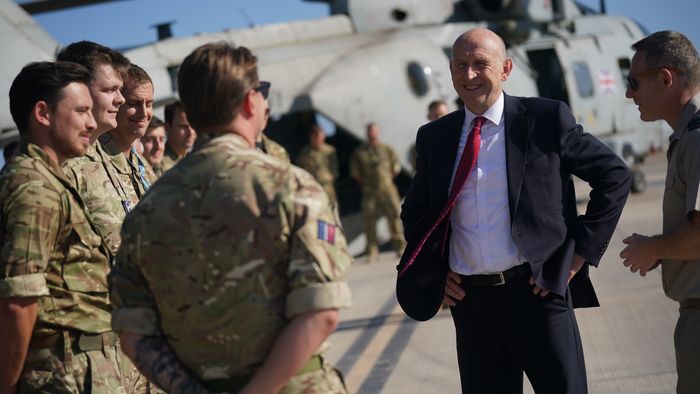
Defence Secretary John Healey described the initiative as marking ‘a new era for Defence
“It’s part of our determination to reconnect society with our forces, and drive a whole of society approach to our nation’s defence.”
Mr Healy hoped the announcement of the scheme would inspire Britain’s youth over the festive period.
“As families come together at this time of year, and young people think about their futures, I want the outstanding opportunities on offer in our Armed Forces to be part of that conversation in homes across the UK,” he said.
However, Shadow Defence Secretary James Cartlidge dismissed the programme as insufficient, arguing that Labour’s rhetoric failed to match reality.
“A scheme involving just 150 participants is barely a pilot, let alone the ‘whole of society’ response they claim to be delivering,” he said.
Mr Cartlidge acknowledged the merits of the Australian model, but maintained “these tiny numbers do nothing for our war readiness, and expose the harsh reality that Labour is prioritising higher welfare spending over a proper increase in the defence budget”.
He criticised Labour’s Defence Investment Plan as running months behind schedule, questioning when ministers intended to reach their 3 per cent of GDP defence spending target.
The Tories, he argued, were more “serious about defending our country”.
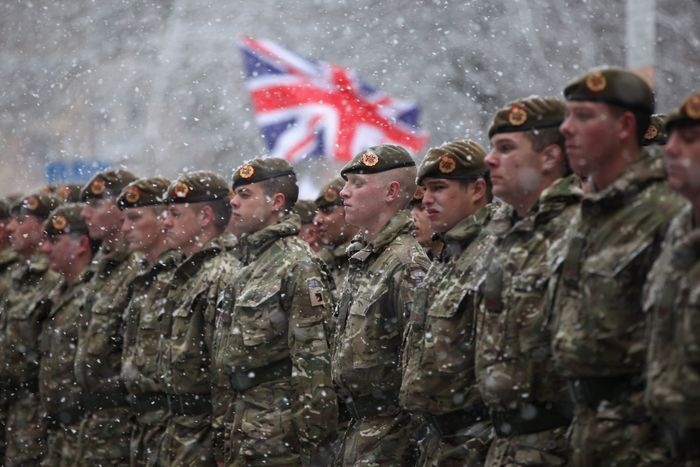
The state of Britain’s armed forces has come under intense scrutiny in recent years
Mr Cartlidge highlighted his party’s proposed Sovereign Defence Fund, which he told the BBC would raise an additional £50billion for defence capabilities.
In November, a dammning Commons Defence Committee concluded the Government is moving at a “glacial” speed in strengthening Britain’s armed forces.
The 11-month-long inquiry said that Britain was struggling to meet its defence obligations under Nato Article 3, which requires member states to “maintain and develop individual and collective capacity to resist armed attack”.
It found that the UK had “next to nothing” with its integrated air and missile defence systems and “lacks a plan for defending the homeland and overseas territories”.
















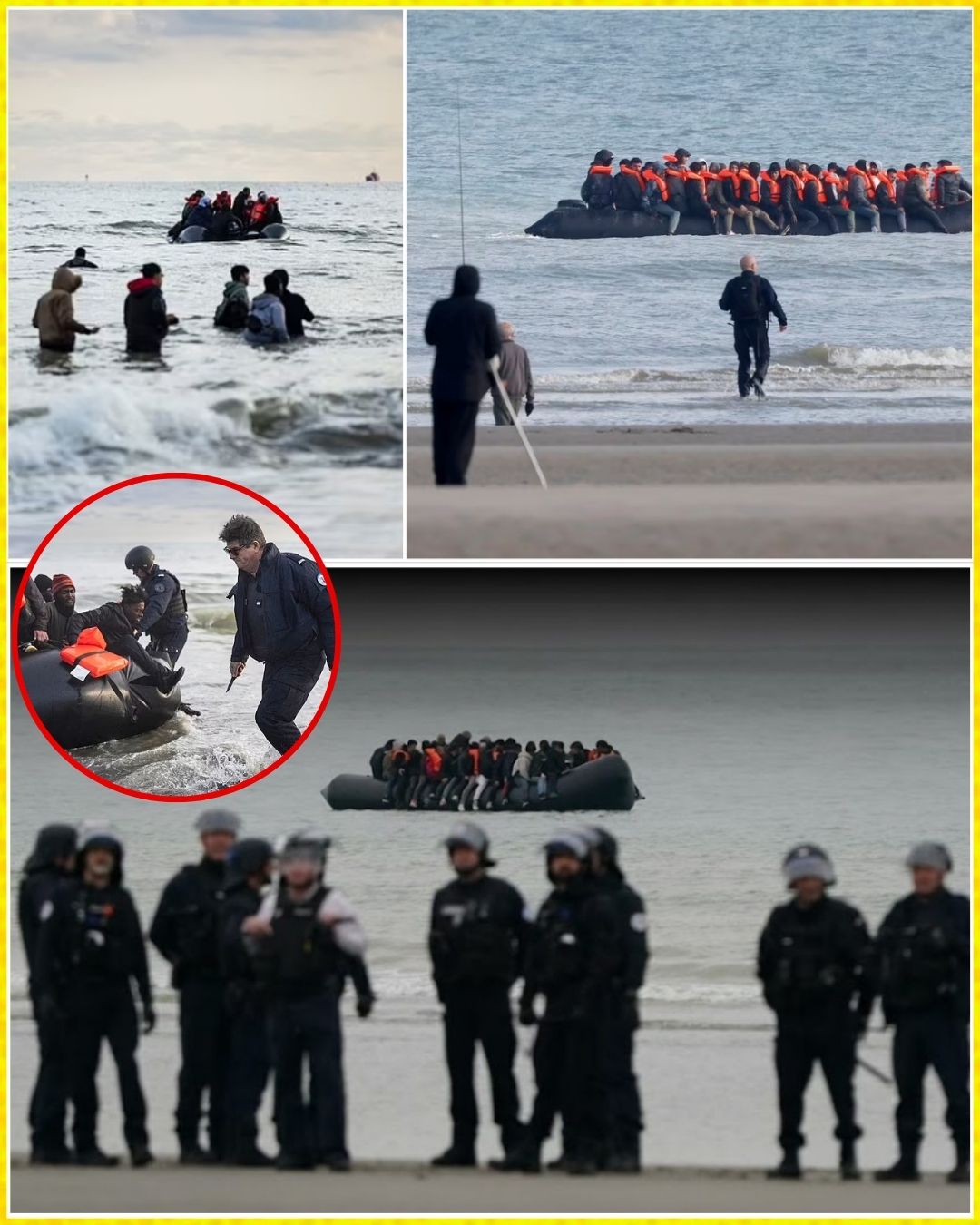

 The Government is under pressure to act after more than 36,000 people have crossed the English Channel in small boats (Photo: raisethecolours.org.uk/Instagram)
 One video shared by the group (Photo: raisethecolours.org.uk/nstagram)