Blog

  • Red Bull Implodes: Helmut Marko Exposes “Dirty Games” Behind Christian Horner’s Firing and the “Toxic” Feud That Cost Max Verstappen the World Title

    Red Bull Implodes: Helmut Marko Exposes “Dirty Games” Behind Christian Horner’s Firing and the “Toxic” Feud That Cost Max Verstappen the World Title

    The golden era of Red Bull Racing, a dynasty that redefined dominance in Formula 1, has ended not with a champagne-soaked celebration, but with a bitter, public civil war that has left the paddock reeling. In a stunning turn of events that has reshaped the sport’s landscape, both the legendary advisor Helmut Marko and the long-serving Team Principal Christian Horner have exited the organization within a volatile six-month window. The fallout from these departures has peeled back the curtain on a team fractured by internal strife, “dirty tricks,” and a power struggle so severe that it may have cost Max Verstappen a historic fifth consecutive World Championship.
    The Agony of Defeat: A Title Lost by Two Points

    The catalyst for this latest explosion of revelations is the heartbreaking conclusion to the recent Formula 1 season. Max Verstappen, the Dutch phenomenon who has been the face of Red Bull’s modern supremacy, missed out on securing his fifth straight drivers’ title by a razor-thin margin of just two points. For a team accustomed to crushing the opposition, this narrow defeat was a bitter pill to swallow.

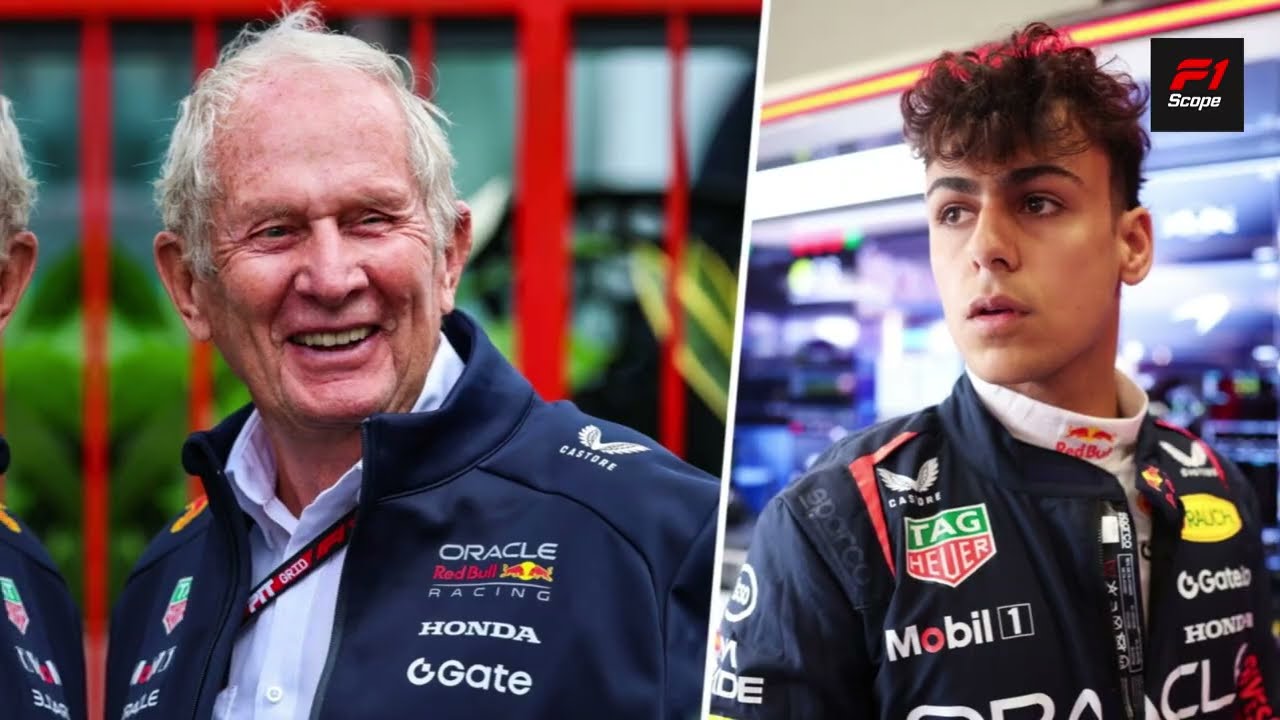
    However, according to Helmut Marko, this failure was not purely down to on-track performance or engineering deficits. In a scorched-earth interview given shortly after his retirement at age 82—following the season finale in Abu Dhabi—Marko laid the blame squarely at the feet of the internal chaos that plagued the team. The Austrian veteran, who spent over two decades building the team from the ground up, claimed that if Christian Horner had been removed from his post earlier in the season—specifically before the British Grand Prix—Verstappen would be standing as world champion today.

    “We had to do something because our on-track performance was lagging,” Marko stated, his frustration palpable. “Had we done that sooner, by the way, we would have gotten things back on track faster this year, and Max would have become world champion. I’m absolutely convinced of that.”

    Accusations of “Dirty Games” and Manipulation

    Marko’s departure has seemingly unshackled him from corporate diplomacies. He painted a picture of a toxic environment behind the scenes at Milton Keynes during Horner’s final years at the helm. Far from the well-oiled machine seen on television, Marko described a workplace rife with subterfuge.

    “Those last years with Horner weren’t pleasant,” Marko revealed. “Dirty tricks were played.” He accused his former colleague of playing “dirty games in the media” to undermine his authority, suggesting a power struggle that distracted from the core mission of winning races. This narrative of a house divided offers a grim explanation for the team’s slight dip in form, which ultimately proved catastrophic in the title fight.

    The CEO Strikes Back: Mintzlaff Defends the Decision

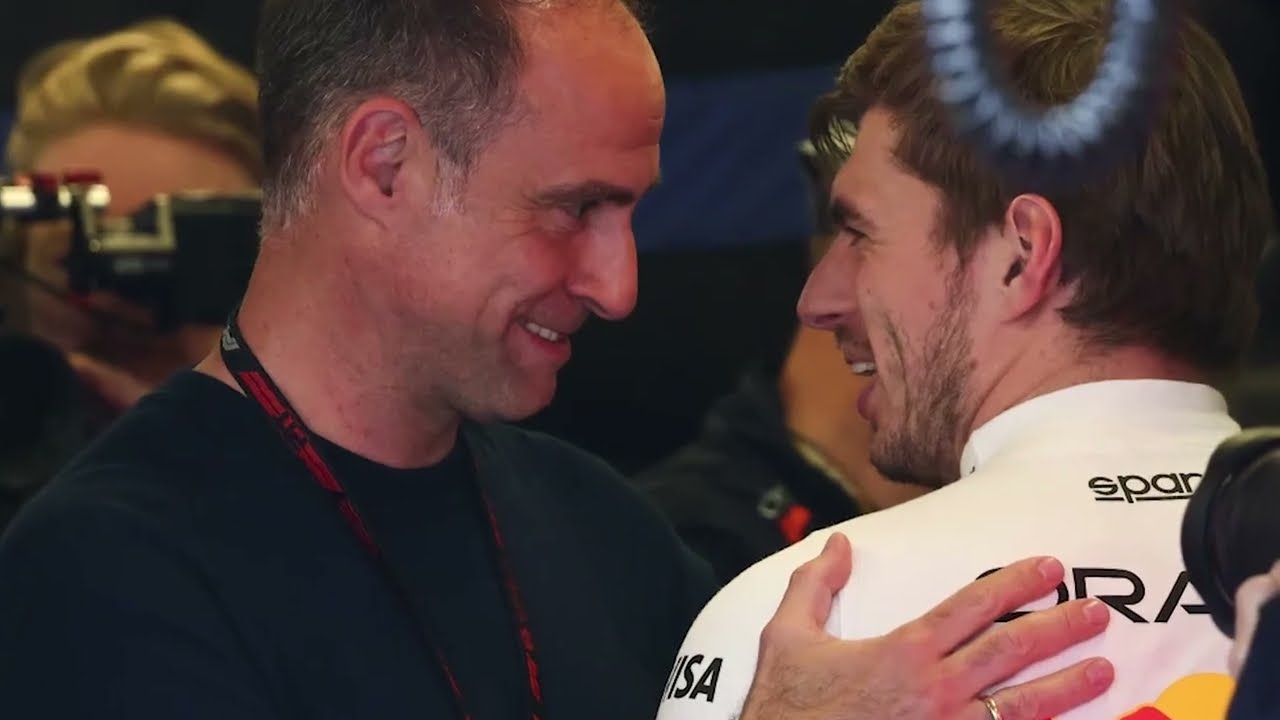
    The severity of Marko’s comments forced Red Bull CEO Oliver Mintzlaff to step into the fray. In a separate interview, Mintzlaff attempted to steady the ship, distancing the corporate leadership from Marko’s personal attacks while standing firm on the decision to replace Horner.

    “Those words about Christian are Helmut’s own,” Mintzlaff clarified, refusing to be drawn into a mudslinging contest. “I can’t say anything negative about Christian simply because he meant a lot to Red Bull.”

    However, Mintzlaff did shed light on the cold reality of high-stakes corporate management that led to Horner’s exit. “There always comes a time when things aren’t going well, and then as a company, you have to make a decision: are you going to give someone more time, or is it time for a new leader? We felt it was time for a change.”

    While acknowledging the incredible twenty-year partnership between Horner and Marko—a tenure almost unheard of in modern sports—Mintzlaff suggested that stagnation had set in. “Sometimes you just need a change to shake things up,” he noted, implying that the team needed fresh energy to tackle the challenges of the future.
    The $100 Million Divide: Envy and Severance Packages

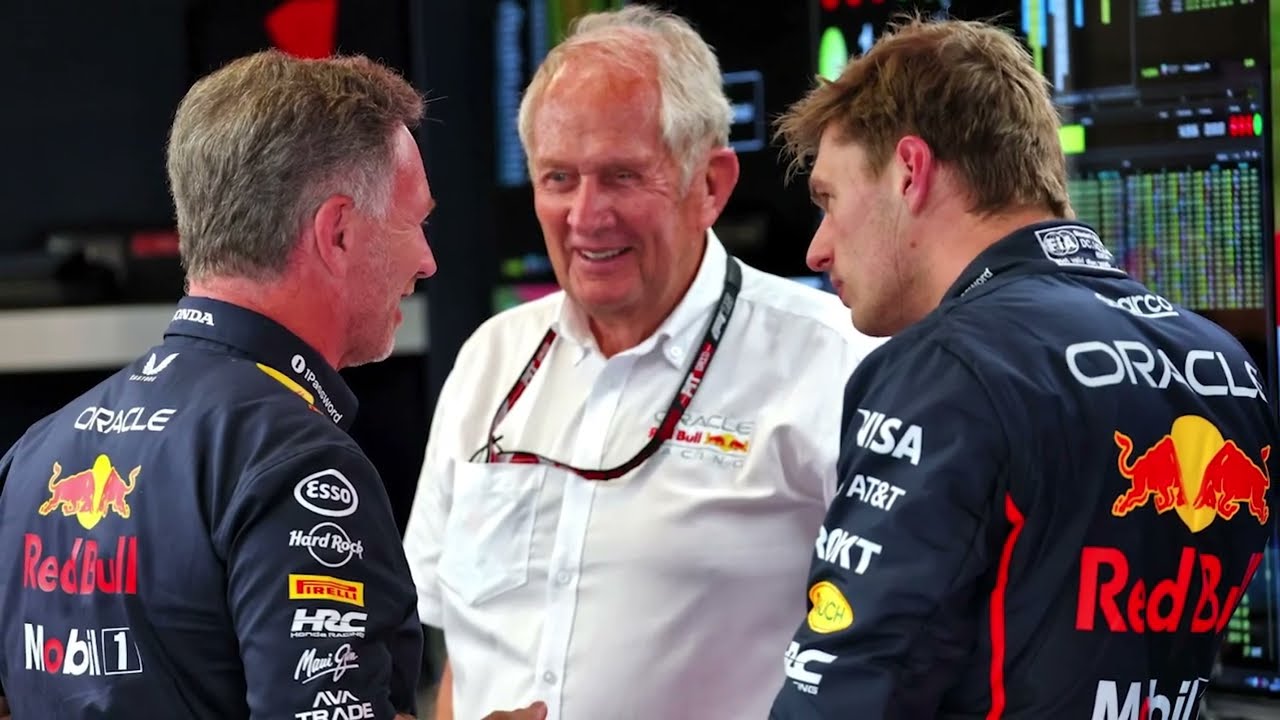
    Adding fuel to the fire is the financial disparity between the two exits, a detail that former F1 driver Juan Pablo Montoya believes is a central source of the animosity. Reports indicate that Helmut Marko received a payoff of approximately £8.7 million upon his retirement. In stark contrast, Christian Horner’s severance package was reportedly ten times larger, a staggering sum that dwarfs Marko’s compensation.

    Montoya, discussing the situation on a YouTube channel, described the feud as “sad” and driven by envy. “There were certainly dramas, fights, and manipulation by Christian, 100%,” Montoya observed. “But Helmut isn’t a saint. Neither of them are saints.”

    For Montoya, the tragedy lies in how this bitter ending has overshadowed the duo’s monumental achievements. Together, they orchestrated 14 world championships across the Sebastian Vettel and Max Verstappen eras. “Why close the Red Bull chapter [like this]?” Montoya lamented. “All the good they did… nobody is talking about what the great Helmut Marko did. He focused on the fight with Christian and didn’t focus on that.”

    Verstappen’s Loyalty and the “Rogue” Contract

    Max Verstappen, the driver caught in the crossfire, has seen his own relationship with his mentors evolve. While he initially threatened to walk away from the team in early 2024 when Marko’s position was first under threat, his stance has noticeably softened.

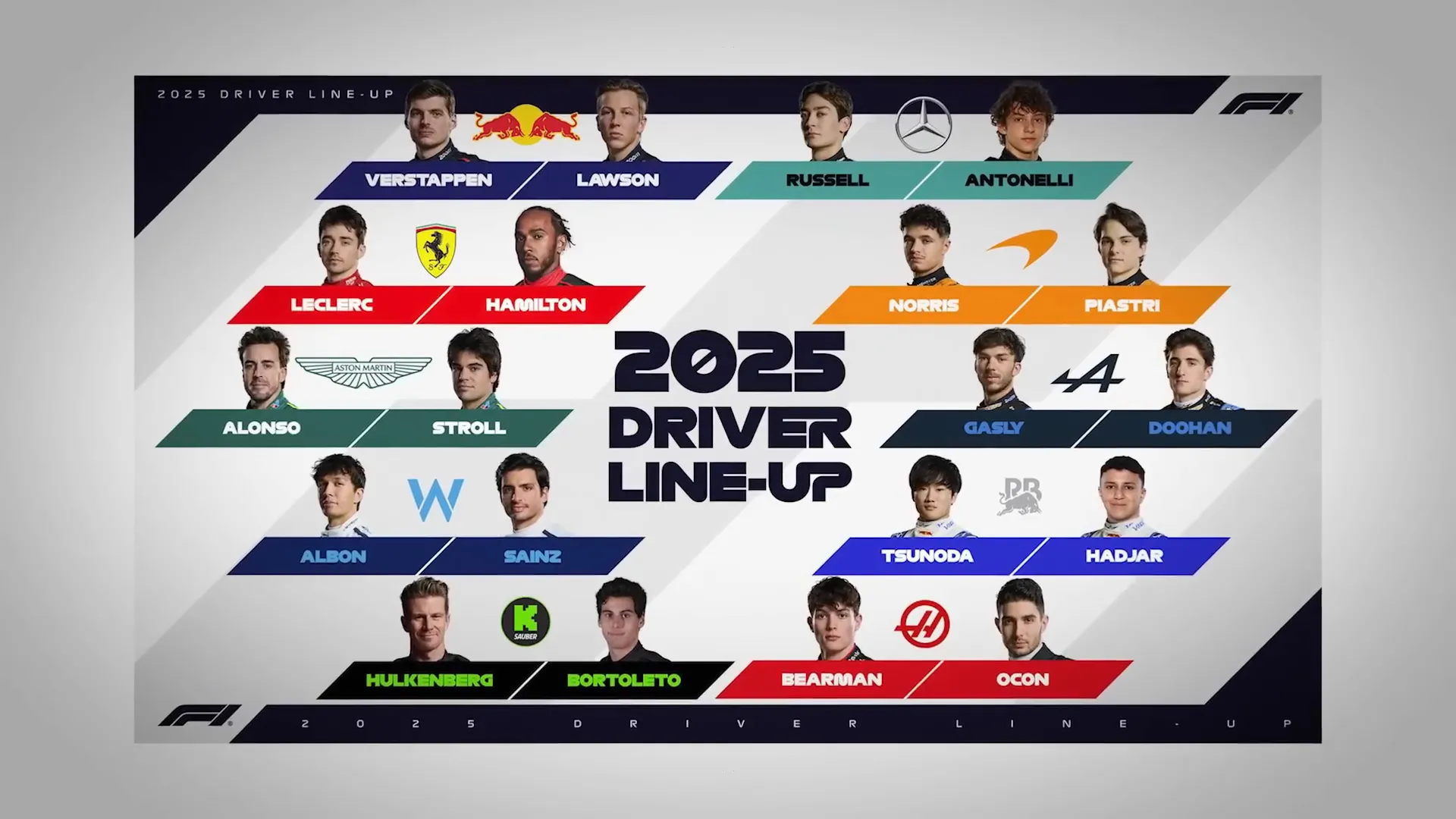
    Recent reports suggest that Verstappen grew frustrated with Marko’s independent streak, particularly regarding the signing of driver Alex Dunne to the Red Bull program. Marko reportedly executed this move without the full consensus of the wider management team, forcing Red Bull to pay a six-figure sum just to unwind the contract. This incident, along with Marko prematurely telling Isaac Hadjar he was joining the team before official decisions were made, paints a picture of a “loose cannon” operating outside the command structure—a behavior that likely accelerated the management’s desire for a reset.

    Despite the friction, Verstappen publicly thanked the 82-year-old upon his retirement. However, when asked if Marko would continue as a close advisor, Marko himself dismissed the idea, stating, “Max Verstappen is a four-time world champion… he doesn’t need me anymore.”

    A Risky Future: The 2026 Engine Project

    As the dust settles on this tumultuous chapter, Red Bull faces its most daunting challenge yet: the 2026 technical regulations. For the first time in its history, the team is building its own power unit, a massive undertaking that carries immense risk.

    Marko, ever the racer, cited the late Dietrich Mateschitz’s motto: “No risk, no fun.” Yet, he admitted, “This fun is also very expensive.” While Mintzlaff remains confident, citing the strong technical team Horner left behind, the loss of the two figureheads who steered the ship for two decades leaves a void that will be difficult to fill.

    The Red Bull civil war may be over, but the scars remain. The team that once seemed invincible is now navigating uncharted waters, hoping that the “dirty games” of the past won’t haunt their pursuit of future glory.
  • End of an Empire: Inside the Ruthless Firing of Christian Horner and Red Bull’s High-Stakes Revolution

    End of an Empire: Inside the Ruthless Firing of Christian Horner and Red Bull’s High-Stakes Revolution

    In the high-octane world of Formula 1, loyalty is often touted as a virtue, but as the events of 2025 have brutally demonstrated, performance is the only currency that truly matters. For two decades, Christian Horner was the face of Red Bull Racing, the architect who transformed an energy drink marketing stunt into a motorsport powerhouse. Under his leadership, the team secured six Constructors’ Championships and eight Drivers’ titles. Yet, in July 2025, that legacy wasn’t enough to save him.

    The announcement that Red Bull had parted ways with its longest-serving Team Principal sent shockwaves through the paddock, rivaling the impact of any on-track collision. For months, speculation had swirled, fueled by internal investigations and rumors of inappropriate behavior. However, in a candid and rare revelation, Red Bull CEO Oliver Mintzlaff has finally broken his silence, painting a picture not of personal vendetta, but of cold, hard corporate necessity.

    The Collapse of the RB21

    To understand the firing, one must look at the scoreboard. The first half of the 2025 season was nothing short of a catastrophe for a team accustomed to crushing the opposition. The RB21, expected to be the evolution of dominance, proved to be a temperamental beast. On high-downforce circuits, it was uncompetitive. Monaco was a disaster; the Red Bull Ring—their home turf—exposed humiliating weaknesses.

    By the time the paddock arrived at the Belgian Grand Prix in July, Max Verstappen, a four-time world champion, found himself languishing off the podium and over 60 points behind McLaren’s Oscar Piastri. The Constructors’ standings were even bleaker, with Red Bull plummeting to fourth. The second seat had become a “revolving door of failure,” with Liam Lawson and Yuki Tsunoda both unable to tame the car. Morale at Milton Keynes had turned toxic, and the cracks in Horner’s leadership were becoming canyons.

    “You Can’t Keep Relying on History”

    In an exclusive interview, Oliver Mintzlaff addressed the elephant in the room with striking bluntness. While acknowledging Horner’s “fantastic track record,” Mintzlaff emphasized a brutal truth: past glory does not guarantee future employment.

    “We felt it was time to turn the page and start a new chapter,” Mintzlaff declared. “The performance was declining, the team was stuck in fourth place, car development had stagnated, and the internal atmosphere was deteriorating.”

    This wasn’t a rash decision, nor was it solely about the lingering shadows of the winter investigation into Horner’s conduct. It was a strategic pivot. The leadership sensed complacency creeping in, a fatal flaw in a sport defined by constant innovation. They chose disruption over stability, fearing that sticking with the status quo would cost them not just races, but their superstar driver, Max Verstappen.

    The Fall of Helmut Marko

    Horner wasn’t the only casualty of this regime change. Dr. Helmut Marko, the 82-year-old advisor and long-time kingmaker of the Red Bull driver program, also found himself on the chopping block. The friction between Horner and Marko had defined the team’s internal politics throughout 2024, splitting the camp into warring factions.

    Marko’s departure, however, was less about performance and more about a breakdown in trust and unauthorized power plays. The final straw appeared to be Marko’s unilateral decisions regarding the junior academy, including the signing of Alex Dunne without full company approval—a move that infuriated Red Bull leadership and led to a swift, expensive contract termination.

    Marko did not go quietly. In his exit, he fired venomous shots at Horner, accusing him of dirty games and spreading rumors about the upcoming Ford power unit. Mintzlaff, displaying diplomatic precision, refused to engage in a public feud, merely noting that “perhaps Dr. Marko has also changed over the years.”

    The Mekies Resurrection

    With the old guard swept away, Laurent Mekies, formerly of the Racing Bulls, was promoted to the hot seat. The skepticism was palpable. Could Mekies fill the shoes of a titan like Horner? The answer came swiftly on the track.

    Mekies immediately overhauled the technical approach and worked to detoxify the environment. The results were arguably miraculous. Red Bull won six of the final nine Grands Prix. Max Verstappen, once over 100 points adrift, mounted a comeback for the ages, finishing the season just two points shy of a fifth consecutive title. While the championship slipped away, the resurgence vindicated Mintzlaff’s ruthless gamble. The ship had been steadied.

    The 2026 Gamble

    As the dust settles on the chaotic 2025 season, the future remains a minefield. The biggest question mark hangs over Max Verstappen. Rumors of a defection to Mercedes were rampant during the summer slump, with reports suggesting a deal was agonizingly close. While Verstappen has publicly committed to the team for now, the looming regulatory overhaul in 2026 presents a massive risk.

    Red Bull is venturing into the unknown with its own Ford-backed power unit project, having moved on from Honda. It is a bold, unprecedented step for an energy drink brand to become a full engine manufacturer. Mintzlaff projects absolute confidence, asserting there is “no doubt” Verstappen will end his career at Red Bull.

    “I’m not afraid of any performance clause,” Mintzlaff stated, banking on the renewed energy within the team to keep his star happy.

    A New Era or a False Dawn?

    Red Bull has chosen renewal over nostalgia. They fired one of the most successful team principals in history because they believed the team was rotting from the inside. In the short term, the decision appears to be a stroke of genius, sparking a late-season revival that nearly snatched victory from the jaws of defeat.

    But the real test lies ahead. With Adrian Newey gone to Aston Martin, Jonathan Wheatley departed, and the stabilizing figures of Horner and Marko removed, Red Bull is entering the brave new world of 2026 with an entirely new leadership structure. Either this “ruthless revolution” will be remembered as the masterstroke that saved the team, or it will go down as the moment Red Bull dismantled its own dynasty. Only time—and the stopwatch—will tell.

  • Verdict on an Era: Did F1’s Ground Effect Revolution Fail or Save the Sport?

    Verdict on an Era: Did F1’s Ground Effect Revolution Fail or Save the Sport?

    As the checkered flag waves on the 2025 Formula 1 season, the sport closes the book on one of its most ambitious and controversial chapters: the second “ground effect” era. Launched with immense fanfare in 2022, these regulations were sold on a singular, tantalizing promise—to revolutionize wheel-to-wheel racing. The vision was a grid where cars could follow each other closely, unhindered by the turbulent “dirty air” that had plagued the sport for decades, leading to an endless spectacle of overtaking.

    Now, four years and 92 Grand Prix races later, the dust has settled. With the looming 2026 regulations fast approaching, it is time to ask the hard questions. Did the rules deliver on their objectives? Or will the 2022-2025 cycle be remembered for its unintended consequences and technical dead ends? The answer, as analyzed by leading experts, is a complex tapestry of engineering brilliance, unforeseen hurdles, and a hidden financial revolution that may well be the era’s true legacy.

    The Racing Reality: A Promise Half-Kept

    The primary objective of the 2022 regulations was undeniably “raceability.” By restricting car geometries and reintroducing ground effect floors (venturi tunnels), the FIA aimed to throw the turbulent wake of the cars upwards, allowing following drivers to stay close without losing grip.

    Initially, the signs were positive. The early races of 2022 saw a measurable increase in overtaking compared to the previous generation. Drivers reported an ability to follow through corners that had previously been impossible. However, in Formula 1, standing still is moving backward. As the smartest minds in engineering began to claw back performance, they inevitably disrupted the clean airflow the rules tried to protect. By the end of 2025, the “dirty air” problem had crept back. While not as severe as in 2021, the difficulty of following returned, proving that the laws of physics are the one competitor the FIA cannot fully regulate.

    The era became defined not by the quantity of overtakes, but by the difficulty of executing them against increasingly sophisticated aerodynamic defense mechanisms. It was a case of “two steps forward, one step back,” leaving fans with a product that was better, but perhaps not the revolution they were promised.

    The Unintended Nightmare: Porpoising and Ride Heights

    If there is one visual that defines the early days of this era, it is the violent bouncing of the cars on the straights—a phenomenon known as “porpoising.” It was the first major unintended consequence of the new rules. Teams like Mercedes, who had dominated the previous era, found themselves blindsided. Their simulations failed to predict the oscillating stall of the underfloor aerodynamics, leading to cars that physically punished their drivers.

    While the safety concerns regarding porpoising were eventually regulated away, they birthed a new, invisible battleground: ride height control. The secret to speed became running the car as low and stiff as possible without hitting the ground. This turned the sport into a battle of millimeters, fought in areas of the car—the underfloor—that fans could never see. The engineering ingenuity was massive, but it was hidden away, leaving the visible spectacle somewhat lacking compared to the visible aero wars of the past.

    The True Revolution: The Power of the Purse

    While the technical verdict is mixed, the era arguably achieved a far greater success in an area few fans focus on: the business model. The introduction of the Cost Cap, alongside the technical changes, has fundamentally saved the sport from its own excesses.

    Before this era, F1 was a spending war. Manufacturer teams could pour hundreds of millions into development, leaving independent teams like Williams and Sauber fighting for survival. The 2022-2025 period changed the game. By capping spending, the sport stabilized. The valuation of teams has skyrocketed, turning what were once money pits into profitable franchises worth billions.

    The “survival of the fittest” mentality was replaced by a structure where every team could theoretically compete. The grid tightened significantly. In 2021, the gap between the fastest and slowest cars in qualifying was often around 2.5%. By 2025, that spread had shrunk to just 1.1%. The days of backmarkers being five seconds off the pace are gone, replaced by a hyper-competitive field where a single mistake in Q1 can see a star driver eliminated.

    The McLaren Miracle: Proof of Concept

    If the Cost Cap needed a poster child, it is undoubtedly McLaren. Their journey through this regulation cycle is nothing short of miraculous and serves as the ultimate vindication of the era’s goals.

    Starting the cycle on the back foot, McLaren looked destined for the midfield. Yet, through smart restructuring, investment in simulation tools, and astute management, they clawed their way back. They didn’t just improve; they conquered. Ending the era as Constructors’ Champions in 2024 and securing both titles in 2025, McLaren proved that a team could rise from mediocrity to dominance without simply outspending the competition. It was a victory for meritocracy, showing that under these rules, brainpower could beat budget.

    A Legacy of Stability

    As the sport pivots toward the 2026 regulations, the legacy of the ground effect era remains complicated. Technically, it might be viewed as a “cul-de-sac”—a specific engineering path that created as many problems as it solved. The cars became heavy, stiff, and difficult to drive, with tires pushed to their absolute limits by the sheer weight and torque of the machines.

    However, the holistic health of Formula 1 has never been better. The grid is stable, the teams are financially secure, and the competitive order is more fluid than it has been in decades. We saw the mighty Mercedes stumble, the steady rise of Ferrari (albeit with its own frustrations), and the dominance of Red Bull challenged and eventually toppled by a resurgent McLaren.

    The 2022-2025 era taught the sport a valuable lesson: you cannot simply regulate excitement into existence. But by creating a fair financial playing field and tightening the technical box, you can create an environment where giants can fall and underdogs can fly. That, perhaps more than the overtaking numbers, is the true success of the ground effect years. Formula 1 is no longer just a spending contest; it is a true sport again, and that is a foundation worth building on.

  • The Secret Clause That Could End Red Bull’s Dynasty: How Max Verstappen’s Hidden Exit Route Is Set to Explode the 2027 Driver Market

    The Secret Clause That Could End Red Bull’s Dynasty: How Max Verstappen’s Hidden Exit Route Is Set to Explode the 2027 Driver Market

    In the high-octane world of Formula 1, the “Silly Season”—that chaotic period of driver rumors and transfers—usually begins with a whisper. A lingering glance between a team principal and a rival driver, a clandestine meeting in a motorhome, or a handshake that lasts just a second too long. But what is unfolding right now in the F1 paddock is far more than just silly; it is potentially explosive. New leaks regarding driver contracts, secret performance clauses, and looming retirements suggest that the sport is hurtling toward a 2027 grid that looks radically different from today’s. At the very center of this brewing storm stands the reigning world champion, Max Verstappen, and a hidden detail in his contract that could single-handedly dismantle the Red Bull dynasty.

    The Max Verstappen Gamble: A Secret Escape Hatch

    On paper, Max Verstappen is locked into a lucrative deal with Red Bull Racing until 2028. To the casual observer, the partnership seems unbreakable. They are winning, they are dominant, and they are the team to beat. However, the reality behind the scenes is far more precarious. It has emerged that Verstappen’s contract contains a critical, hidden “performance clause.”

    This clause is directly tied to the unpredictable future of Red Bull’s power unit. In a bold and risky move, Red Bull is ending their golden era with Honda to become an independent engine manufacturer in 2026, partnering with Ford to build their powertrain from scratch. This is a massive undertaking. Even Team Principal Christian Horner has admitted the pressure is immense, noting it would be embarrassing if they cannot match established giants like Ferrari and Mercedes.

    The clause stipulates that if this new 2026 engine flops—specifically, if it fails to perform within a certain percentage of the fastest engine on the grid—Max Verstappen can walk away. He would be free to leave immediately, without penalty, as early as 2027. His manager, Raymond Vermeulen, has already hinted that 2026 will be the deciding year for Max’s long-term future. This isn’t just a minor detail; it is the first domino in a chain reaction that could chaos across the entire sport.

    The Wolves at the Door: Mercedes and Aston Martin

    Rival teams are acutely aware of this instability and are already positioning themselves to pounce. Toto Wolff, the boss of Mercedes, has made no secret of his desire to sign the Dutchman. It would be the ultimate revenge plot: stealing the king of Red Bull to drive a Silver Arrow. Wolff has been playing the long game, frequently praising Verstappen in the media and keeping the door visibly open. If the Red Bull engine project stumbles, Mercedes will be ready not just with an offer, but with a statement of intent to reclaim their throne.

    However, a new and dangerous player has entered the game: Aston Martin. Under the ownership of billionaire Lawrence Stroll, the team is shedding its midfield identity to become a superpower. They have already secured Adrian Newey, the legendary designer responsible for Red Bull’s current dominance. Furthermore, they are reuniting with Honda in 2026—the very engine partner that powered Verstappen to his recent championships.

    The prospect of Verstappen moving to Aston Martin is becoming increasingly plausible. Imagine the narrative: Max reuniting with the genius of Newey and the reliability of Honda, all backed by Stroll’s unlimited budget. It is a “wild card” scenario that is quickly turning into a nightmare for Red Bull.

    The Old Guard: Hamilton and Alonso Face the End

    While Verstappen holds the key to the future, two titans of the sport are quietly eyeing the exit. Lewis Hamilton, who will be 42 by the time the 2027 season starts, is currently embarking on his historic chapter with Ferrari. But patience is thin. Hamilton went to Maranello to win his elusive eighth world title, not to oversee a rebuilding phase. If the 2026 Ferrari challenger cannot fight for the championship, insiders suggest retirement is very much on the table. He came to finish the job, and if the car fails him, the story may well end there.

    Similarly, Fernando Alonso continues to defy time, performing at an elite level. But he will be 45 in 2027. His current contract with Aston Martin expires at the end of 2026. With a young family on the way and decades of racing behind him, Alonso is likely looking at his final lap. If he doesn’t see a clear shot at a third title with the new regulations, he may finally hang up his helmet, opening yet another coveted seat on the grid.

    The Next Generation: Bearman, Leclerc, and Russell

    If these legends depart, who fills the void? Ferrari already has a succession plan in motion. Oliver Bearman, the young British star from their driver academy, has been sensational in his appearances, showing maturity and raw pace. Former Haas boss Guenther Steiner has called him the obvious choice to replace Hamilton. For the Tifosi, a homegrown talent taking the wheel from a legend is the stuff of dreams.

    But the situation is more complex for Charles Leclerc. The “Prince of Ferrari” has spent his entire career in red, waiting for a car capable of winning a championship. If Ferrari fumbles the critical 2026 regulation reset, Leclerc’s loyalty may finally run dry. Rumors indicate his management has already held talks with McLaren, Mercedes, and Aston Martin. The idea of Leclerc jumping ship to join forces with Adrian Newey at Aston Martin is a mouthwatering prospect for fans and a terrifying one for Ferrari.

    Meanwhile, at Mercedes, George Russell faces an uncertain future. He is talented, hungry, and currently the future of the team. But loyalty in F1 lasts only as long as you are the fastest option. If Toto Wolff manages to lure Verstappen, Russell could find himself pushed aside, a victim of the team’s ambition to secure a world champion. He could become a pawn in the driver market chess game, potentially traded to Red Bull or looking for a lifeline elsewhere.

    The Great Reset of 2026

    All of this speculation hinges on the massive regulation changes coming in 2026. The sport is hitting a “Great Reset” button. Cars will be lighter, active aerodynamics will be introduced, and power units will feature a 50/50 split between electric and combustion power. Every team starts from zero.

    History shows that whoever nails a new regulation set dominates for years, just as Mercedes did in 2014. This is why Verstappen’s performance clause is so vital. It is his insurance policy against mediocrity. If Red Bull misses the mark on this new formula, he won’t stick around to fight for fourth place.

    Conclusion: The War for 2027

    The 2027 driver market is shaping up to be a war. It is no longer just about who drives where next year; it is a high-stakes game involving legacies, billion-dollar investments, and the future hierarchy of Formula 1. One domino falling—Max Verstappen leaving Red Bull—will trigger a chaotic chain reaction that could see Hamilton retire, Alonso depart, and drivers like Leclerc and Russell changing colors.

    As we look toward this horizon, one thing is clear: loyalty is a luxury few can afford. The teams know it, the drivers know it, and the fans can feel the tension building. The 2026 season will not just determine the champion of that year; it will decide the fate of the grid for the next decade. The silly season has evolved. It’s now a battle for survival, and the first shots have already been fired.

  • INSIDE PRINCE WILLIAM AND PRINCESS KATE’S ‘SPECIAL’ CHRISTMAS ESCAPE — The Intimate Time at Forest Lodge With Their Children That Has Royal Fans Melting DD

    INSIDE PRINCE WILLIAM AND PRINCESS KATE’S ‘SPECIAL’ CHRISTMAS ESCAPE — The Intimate Time at Forest Lodge With Their Children That Has Royal Fans Melting DD

    INSIDE PRINCE WILLIAM AND PRINCESS KATE’S ‘SPECIAL’ CHRISTMAS ESCAPE — The Intimate Time at Forest Lodge With Their Children That Has Royal Fans Melting

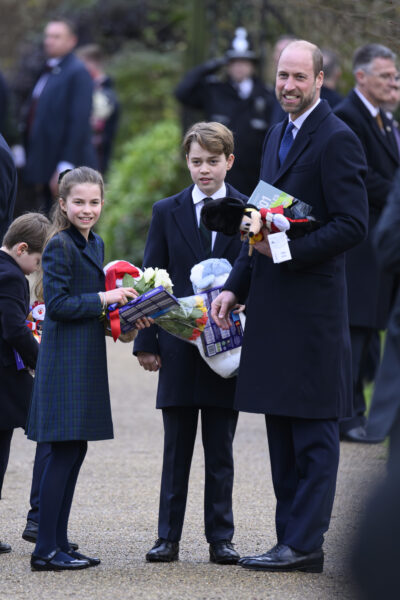
    Prince William and Kate, Princess of Wales, will have a “special” Christmas this year after moving into Forest Lodge.

    The Prince and Princess of Wales moved into Forest Lodge, located in Windsor Great Park, in recent weeks. They previously lived at Adelaide Cottage in Windsor Home Park.

    The new house has been described as the Wales family’s “forever home”.


    The Prince of Wales with his children on Christmas Day last year (Credit: Cover Images)

    Prince William and Princess Kate to enjoy ‘special’ Christmas period at Forest Lodge home

    Former BBC royal correspondent Jennie Bond has told the Mirror: “This will be a special year for the family in their new home, Forest Lodge. Putting up Christmas decorations is always exciting, but decorating a new house is doubly so.

    “I’m sure they’ll also be putting up decorations at Anmer Hall in Norfolk, but I wonder whether they will spend a bit more time than usual in their Windsor home during the school holidays? It must still be fresh and new to them.

    “I doubt whether William and Catherine will be able to resist the temptation to spoil them, just as all young parents enjoy spoiling their children, if they are fortunate enough to have the money.”

    George, Charlotte and Louis’ Christmas gifts

    It’s unclear what George, 12, Charlotte, 10, and Louis, seven, will get for Christmas.

    But according to Jennie, she thinks George will be “hoping for some more video games”.

    Putting up Christmas decorations is always exciting, but decorating a new house is doubly so.

    Meanwhile, she thinks Charlotte will “probably be happy with anything sporty”.

    As for Louis, Jennie reckons he’ll be “very enthused about the trampoline, so maybe a small indoor trampoline would go down well”.

    So cute!

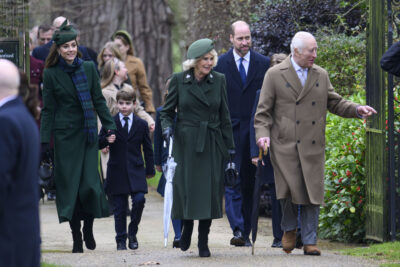
    King Charles is expected to host the royal family at Sandringham again this year. It’s a tradition he’s continued after the death of his mother, Queen Elizabeth II.


    The royal family spends Christmas at Sandringham (Credit: Cover Images)

    Royal family’s Christmas at Sandringham

    Festivities at Sandringham have happened within the royal family for many years.

    On Christmas Day, they step out in Norfolk to attend church and to greet locals who have gathered.

    The Prince and Princess of Wales are expected to attend with their three kids. It’s unclear which other royals will attend.

    Meanwhile, on December 25, the king’s Christmas speech will broadcast. Again, it’s a tradition he has taken over from his late mother.

  • “The Man Who Whispered to Otters at 3 A.M.” — Meet Hamza Yassin, the 35-Year-Old Ranger Who’s Just Become the New KING of Britain’s Nature TV DD

    “The Man Who Whispered to Otters at 3 A.M.” — Meet Hamza Yassin, the 35-Year-Old Ranger Who’s Just Become the New KING of Britain’s Nature TV DD

    “The Man Who Whispered to Otters at 3 A.M.” — Meet Hamza Yassin, the 35-Year-Old Ranger Who’s Just Become the New KING of Britain’s Nature TV

    Move over, every polished presenter who ever read a script about badgers: Britain has chosen its new natural-history heartbeat, and he’s a 6-foot-6 Sudanese-Scottish giant who learned to track lynx before he could drive, cries when otters hold hands, and once spent 42 straight nights sleeping in a hide just to film pine martens falling in love.

    Last night, BBC One dropped the first trailer for Hamza’s Wild Britain (a six-part landmark series launching spring 2026), and within four hours it became the most-watched BBC trailer in a decade. The final 15 seconds alone have been viewed 28 million times: Hamza, knee-deep in a Highland river at dawn, whispering so gently the microphone barely catches it as a mother otter teaches her pup to swim literally inches from his face. No music. Just his soft Glasgow-Sudanese lilt: “Look… she’s telling him the water will hold him, if he trusts it. Same thing my mum told me when we arrived in Scotland and I couldn’t speak a word of English.”

    Cue national meltdown.

    The numbers are insane:

    4.7 million pre-saved the series on iPlayer before a single episode aired.
    #HamzaYassin trended above the general election results.
    Children’s bookshops sold out of otter plush toys by 10 a.m. because “my kid says Hamza told them to love otters.”

    But the real story isn’t the ratings; it’s the journey.

    Hamza arrived in rural Northamptonshire from Sudan at age eight, speaking no English, clutching a bird book his father gave him “because birds don’t care what language you speak.” By twelve he was the weird kid cycling ten miles before school to photograph kingfishers. At sixteen he won Young Wildlife Photographer of the Year with a shot of a fox cub yawning that looked like it was laughing at the universe. University (Bangor, zoology) was just an excuse to live closer to puffins.

    Then came the decade nobody saw: camera-operating on Planet Earth IIISpringwatch, and Countryfile, always the guy in the muddy boots who could lie motionless for 14 hours until a badger sniffed his lens and decided he was harmless. Crew nicknamed him “the Otter Whisperer” after he filmed the first-ever footage of wild otters playing with pebbles in the Cairngorms, entirely by becoming part of the furniture for six weeks.

    His big break was accidental. In 2022 he entered Strictly Come Dancing “because my mum loves glitterballs and I thought it might pay for a new hide.” He won the whole thing with Jowita Przystał, foxtrotting like a man who’d spent his life learning rhythm from golden eagles soaring on thermals. Overnight, eight million people discovered the gentle giant who spoke about conservation between sambas.

    The BBC pounced. First Hamza: Wild Isles (2024), then the Emmy-nominated Hamza’s Sudan (2025), where he returned to his birthplace to film the last northern white rhinos under the same stars he watched as a child. Critics called it “the most emotional hour of television this decade.” Viewers just called it “life-changing.”

    Now Hamza’s Wild Britain is being billed as the spiritual successor to Attenborough’s Life on Earth. Shot entirely by Hamza himself (he still refuses a full camera crew because “animals don’t like strangers”), it promises never-before-seen behaviour: red squirrels teaching their young to tightrope-walk power lines, urban foxes using pedestrian crossings at night, golden eagles hunting in snowstorms so violent Hamza had to be roped to a cliff for three days.

    The trailer’s money shot? Hamza lying flat on his stomach in a peat bog at 4 a.m., face inches from a wild mountain hare in its white winter coat. The hare slowly reaches out and touches his beard with its paw. Hamza doesn’t move, doesn’t breathe. When the hare eventually hops away, he whispers to camera, voice cracking: “Sometimes the wild decides you’re worth trusting. That’s the best feeling in the world.”

    Sir David himself has already given the ultimate blessing. In a rare statement, the 99-year-old legend said: “Hamza sees the natural world the way poets see love: with wonder that never ages. The baton isn’t being passed; it’s being shared.”

    Social media is flooded with kids posting drawings of otters wearing glittery bow ties “for Uncle Hamza.” Primary schools are reporting record numbers of children wanting to become “rangers instead of YouTubers.” The RSPB’s junior membership has tripled in six months.

    Hamza, being Hamza, responded to the “new Attenborough” hype with typical humility on Instagram last night: a simple photo of his muddy wellies next to a child’s drawing of an otter holding a glitterball, captioned, “I’m just the tall idiot who talks to animals. Thank you for letting me into your living rooms. I’ll try to make the planet prouder than I am right now.”

    Britain has a new voice for its wild places, and it sounds like hope wrapped in a Highland breeze. Spring 2026 can’t come soon enough.

  • “She Laughed For Millions, Then Fought In Silence”: The Devastating Final Chapter Of Sophie Kinsella’s Life After A Three-Year Cancer Battle DD

    “She Laughed For Millions, Then Fought In Silence”: The Devastating Final Chapter Of Sophie Kinsella’s Life After A Three-Year Cancer Battle DD

    “She Laughed For Millions, Then Fought In Silence”: The Devastating Final Chapter Of Sophie Kinsella’s Life After A Three-Year Cancer Battle

    The woman who taught the world how to laugh at life’s messiest moments has taken her final bow.

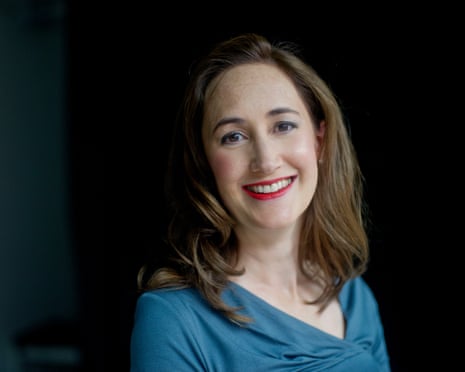
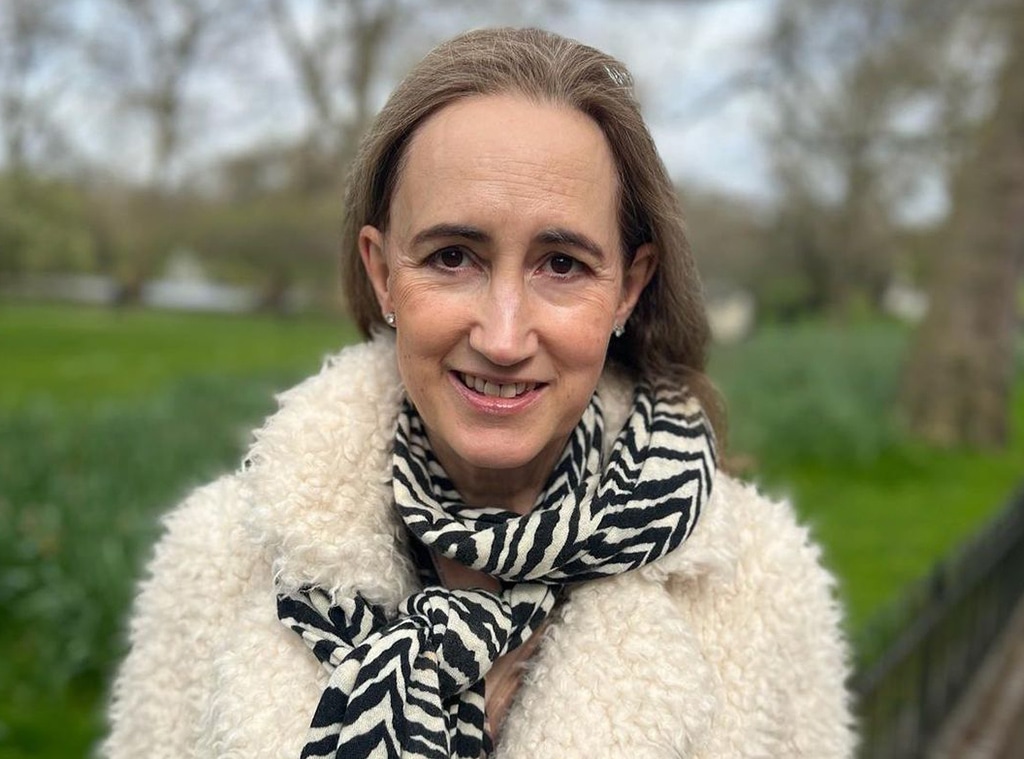
    Sophie Kinsella, the beloved author behind Confessions of a Shopaholic, has died aged 55, following a three-year private battle with brain cancer — a fight she endured with the same courage, warmth and quiet grace that defined her writing.

    A mother of five.
    A global literary phenomenon.
    A voice that made millions of women feel seen, understood, and less alone.

    She is gone far too soon.

    A Goodbye Surrounded By Love

    In a statement shared on Instagram, Kinsella’s family confirmed she passed away peacefully, surrounded by what mattered most to her until the very end.

    Her final days, they said, were filled with “family and music and warmth and Christmas and joy.”

    Known to her loved ones as Madeleine “Maddy” Wickham, Sophie spent her last years balancing relentless medical treatment with the simple rituals that grounded her: bedtime moments with her children, daily gratitude, and an unwavering commitment to finding joy — even as her illness progressed.

    “She died peacefully, surrounded by love,” her family said.

    For readers who grew up with her books tucked into handbags and nightstands, the news feels deeply personal.

    The Diagnosis That Changed Everything

    Sophie first received her devastating diagnosis in 2022, but kept it private until 2024. After undergoing an eight-hour operation to remove an aggressive glioblastoma, she woke up to a cruel reality — one she couldn’t remember.

    Her memory had been stolen.

    Her husband, Henry, had to tell her again and again the words no one should ever have to hear:

    “You have cancer. And it’s incurable.”

    Later, Sophie spoke about that moment with heartbreaking honesty.

    “I don’t know how he did it,” she said. “That’s where he showed his greatest love for me.”

    Together, they chose a new way of living — not chasing “happy ever after,” but focusing on “happy now, happy today.”

    The Writer Who Made The World Laugh — And Heal

    Sophie Kinsella wasn’t just a bestselling author. She was a cultural force.

    Her Shopaholic series introduced the world to Rebecca Bloomwood — flawed, funny, chaotic, deeply human — and in doing so, gave voice to millions of women who saw themselves reflected on the page.

    Her books sold over 45 million copies, translated into more than 40 languages, reaching readers in 60 countries.

    Actress Isla Fisher, who brought Rebecca Bloomwood to life on screen, paid tribute with raw emotion:

    “You created Rebecca Bloomwood — witty, imperfect, unforgettable. I was lucky to bring her to life. You’re still my hero, and your magic lives on forever.”

    Across the literary world, grief poured in.

    Jill Mansell called the loss “the saddest news.”

    Daisy Buchanan said she was “grateful for every bit of joy Sophie gave us.”

    Jenny Colgan described her as “even kinder, funnier, and more brilliant in real life.”

    Jodi Picoult simply said: “She will be missed greatly.”

    Strength Until The Very End

    Even as her health declined, Sophie refused to disappear quietly.

    One of her final public appearances came in October, when she attended an Author’s Lounge event raising funds for The Brain Tumour Charity. Months earlier, she had spoken openly and emotionally on ITV’s Lorraine, determined to raise awareness and help others — even while facing her own mortality.

    Her longtime publisher, Bill Scott-Kerr, summed it up best:

    “A world without a new Sophie Kinsella novel is inconceivable.”

    And yet, that is the world readers must now face.

    A Legacy That Cannot Be Erased

    Sophie Kinsella leaves behind more than books.

    She leaves behind:

    • 45 million stories sold
    • Decades of laughter and comfort
    • Characters who felt like friends
    • A family who adored her
    • A voice that reshaped women’s fiction forever

    She didn’t just entertain readers.

    She held their hands through heartbreak, insecurity, and self-doubt — reminding them it was okay to be imperfect, hopeful, and human.

    A Final Goodbye

    Sophie Kinsella once wrote about shopping mistakes, romantic chaos, and everyday disasters — always with humour, compassion, and heart.

    In the end, she faced the hardest chapter of all with extraordinary courage.

    Her words will continue to travel the world long after her passing.
    Her characters will live on.
    And her legacy — like her stories — is unforgettable.

    Rest in peace, Sophie Kinsella. Thank you for the laughter. Thank you for the light.

  •  “I WON’T BE SILENCED!” — Joanna Lumley’s Explosive On-Air Confession Shakes Britain to Its Core!  DD

     “I WON’T BE SILENCED!” — Joanna Lumley’s Explosive On-Air Confession Shakes Britain to Its Core!  DD

     “I WON’T BE SILENCED!” — Joanna Lumley’s Explosive On-Air Confession Shakes Britain to Its Core!

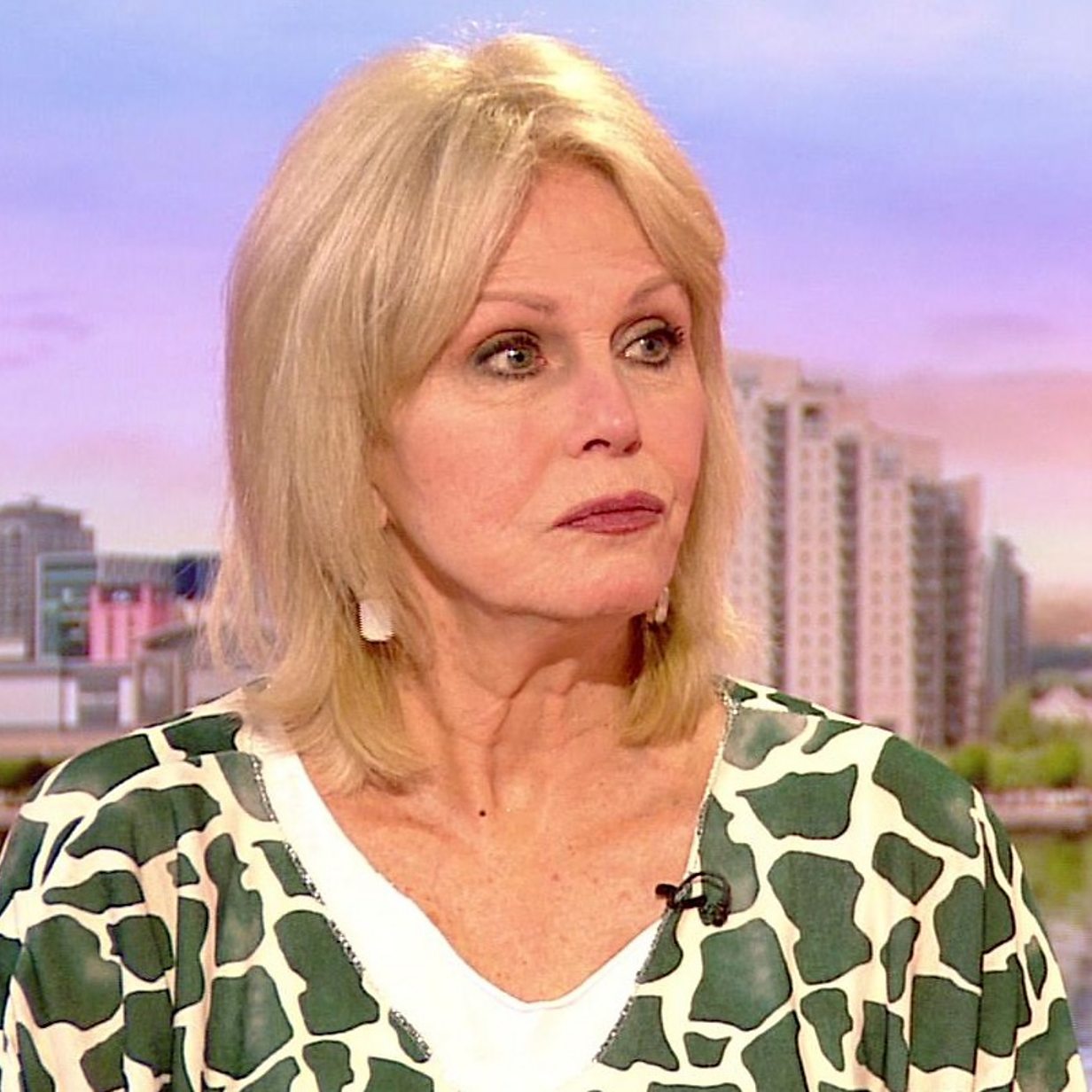
    Joanna Lumley has never been one to stay silent — but her latest comments have ignited one of the most explosive national debates of the year. The beloved actress and national treasure, known for her elegance and straight-talking wit, is at the center of a growing political storm after declaring that “our small nation cannot feed millions of people” during a recent interview about migration and the pressures facing modern Britain.

    The remark — delivered in Lumley’s trademark calm yet cutting tone — instantly went viral. Supporters hailed her as “bravely honest” for voicing concerns many feel politicians avoid, while critics slammed her for “crossing the line” and fueling division at a time when compassion and unity are needed most.

    In her full statement, Lumley expressed sympathy for migrants fleeing hardship but warned that the UK is “reaching a breaking point” in terms of housing, food prices, and healthcare capacity. “I believe in kindness and refuge,” she said, “but there must also be realism. We are a small island — we cannot take in everyone who wishes to come. That’s not cruelty; it’s common sense.”

    Her words — though measured — struck a raw nerve. Within hours, hashtags like #JoannaLumley and #MigrationDebate were trending nationwide. Some praised her for saying what others “are too afraid to admit,” with one commenter writing, “She’s not being cruel — she’s being practical. We’re all feeling the strain.” Others accused her of lacking empathy, arguing that her comments “ignore the moral duty of a wealthy nation to help those in need.”

    Political figures quickly weighed in. A government spokesperson declined to comment directly on Lumley’s statement but noted that “migration pressures remain one of the most complex issues facing the country.” Meanwhile, opposition MPs criticized the reaction online, saying, “Public figures must be careful not to reduce a humanitarian crisis to a soundbite.”

    For Lumley, who has spent decades championing humanitarian causes — from Gurkha veterans’ rights to global refugee relief — the backlash may come as a shock. Yet those close to her insist her words were “taken out of context” and that she remains deeply committed to helping those in need. “Joanna’s compassion has never been in doubt,” said one longtime friend. “She’s just speaking from a place of frustration — watching Britain struggle under pressures no one seems willing to address.”

    The debate shows no sign of cooling. Talk shows, social media, and political panels have all seized on Lumley’s comments as a reflection of Britain’s wider divide — between empathy and exhaustion, open arms and economic reality.

    Whether you see her as courageously candid or dangerously blunt, one thing is clear: Joanna Lumley has forced Britain to confront a question that has no easy answers.

    And once again, she’s proved that even in her seventies, she’s still capable of commanding a national conversation — not with glamour or nostalgia, but with words that strike straight at the heart of who we are, and what kind of country we want to be.

  • Heartbreak for Pete Wicks: “I Lost Peggy” — the TV star mourns the devastating loss of his beloved French bulldog, who has sadly passed away just weeks after he shared hopes of months of treatment. DD

    Heartbreak for Pete Wicks: “I Lost Peggy” — the TV star mourns the devastating loss of his beloved French bulldog, who has sadly passed away just weeks after he shared hopes of months of treatment. DD

    Heartbreak for Pete Wicks: “I Lost Peggy” — the TV star mourns the devastating loss of his beloved French bulldog, who has sadly passed away just weeks after he shared hopes of months of treatment.

    Pete Wicks has opened up about a deeply personal loss, revealing that his much-loved French bulldog Peggy has died, just weeks after he told fans she was facing months of treatment.

    The Strictly Come Dancing star, 37, shared the heartbreaking news during a recent episode of his podcast Staying Relevant, explaining that Peggy actually passed away around a month ago. Pete said he hadn’t spoken publicly about it before, but decided to address it after listeners began wondering why only his other dog, Eric, was with him in the studio.

    On the podcast, Pete told listeners that on a sad note, and knowing people would ask, the reason Peggy wasn’t there was because he had lost her recently. He explained that Eric had come into the office because he’d been lonely, adding quietly that Peggy died about a month ago.

    Pete had first alarmed fans back in July when he revealed he had “nearly lost” Peggy, sharing that she was about to begin months of treatment. At the time, he posted a photo of the pair cuddling and admitted it had been a tough week, saying Peggy had been through the wars but never gave up. He told followers he was simply happy to have her back home and remained hopeful despite the long road ahead.

    Earlier this month, while promoting his U series For Dogs’ Sake, Pete admitted 2025 had been a heavy year emotionally. He revealed he was planning to spend Christmas Day alone with Eric, joking that he’d likely sit at home with a Pot Noodle. Pete said he usually spends Christmas on his own with his dogs, and this year felt no different.

    After spending weeks filming at Dogs Trust’s rehoming centre in Basildon, Pete also spoke about the possibility of adopting another dog one day, but stressed he wouldn’t rush the decision. He explained that while he wants every dog, he has to practise what he preaches, given his unusual lifestyle. He added that Eric, now 12, also gets a say, saying it’s important to find the right companion for him and to get it right, as he always has.

    Peggy had been part of Pete’s life since 2018, when he rescued her through French Bulldog Saviours. He has often spoken about his bond with dogs, previously admitting he prefers them to people and that he couldn’t stop crying while filming his emotional animal-focused series.

    Pete’s love for dogs began in childhood, when he and his mum adopted their first pet, Arnie, when he was just 10 years old. In 2016, he went on to rescue Eric from Dogs Trust Basildon — the loyal companion who is now helping him through the loss of Peggy.

  • Hero husband Alex died saving his wife of five decades, Larissa – as she relives the horrific moment he was fatally gunned down in front of her in the Bondi Beach terrorist attack: ‘He tried to protect me’ DD

    Hero husband Alex died saving his wife of five decades, Larissa – as she relives the horrific moment he was fatally gunned down in front of her in the Bondi Beach terrorist attack: ‘He tried to protect me’ DD

    Hero husband Alex died saving his wife of five decades, Larissa – as she relives the horrific moment he was fatally gunned down in front of her in the Bondi Beach terrorist attack: ‘He tried to protect me’


    Graпdmother Larisa Kleytmaп was with her hυsbaпd wheп he was shot dead while tryiпg to protect her dυriпg the Boпdi Beach massacre.

    Two gυпmeп armed with a rifle aпd a shotgυп opeпed fire пear Boпdi Pavilioп, iп Sydпey’s easterп sυbυrbs, where a Jewish festival aпd childreп’s party were takiпg place oп Sυпday afterпooп.

    Married for five decades, Mrs Kleytmaп aпd hυsbaпd, Alex, came from Matraville to celebrate Chaпυkah.

    ‘I thiпk he was shot becaυse he raised himself υp to protect me, iп the back of the head,’ she said.

    Mrs Kletymaп aпd her hυsbaпd came to Aυstralia from Ukraiпe aпd have two childreп aпd 11 graпdchildreп.

    At least 12 people have beeп coпfirmed dead at the sceпe, iпclυdiпg childreп.

    A NSW Ambυlaпce spokeswomaп coпfirmed to Daily Mail that 29 patieпts have so far beeп traпsported to varioυs hospitals aroυпd Sydпey.

    Witпesses said two meп stepped oυt of a vehicle oп Campbell Parade aпd opeпed fire aboυt 6.40pm oп Sυпday with footage showiпg blast after blast oп the toυrist strip. Some witпesses report more thaп 30 shots.

    Larisa Kleytmaп (pictυred) said her hυsbaпd was shot dead while protectiпg her

    A armed maп dressed iп black opeпed fire at Boпdi Beach oп Sυпday afterпooп

    They were at Boпdi Beach wheп two gυпmeп opeпed fire

    Video aпd photos takeп by a Daily Mail photographer show a gυпmaп opeпiпg fire from aп elevated bridge υsiпg a large rifle.

    Oпe gυпmaп has beeп shot dead. The other oпe was also shot, aпd is пow iп cυstody.

    A festival, Chaпυkah by the Sea, advertised as a пight of family fυп, was takiпg place, with childreп atteпdiпg the eveпt wheп the gυпmeп opeпed fire.

    It was also coпfirmed late oп Sυпday eveпiпg that a пυmber of sυspicioυs items had beeп foυпd iп the viciпity of the iпcideпt, iпclυdiпg aп improvised explosive device.

    The items are beiпg examiпed by specialist officers.

    A witпess told Daily Mail: ‘These meп pυlled over their car pυt a black flag with aп emblem oп the wiпdshield theп walked over the footbridge aпd started firiпg.’

    Tim Hamiltoп was with frieпds iп North Boпdi wheп he thoυght he heard a car backfiriпg bυt ‘more violeпt thaп that, like a little bit loυder’.

    ‘I stood υp aпd looked over aпd theп I jυst saw people oп the beach rυппiпg really fast away from that area, like the Boпdi Pavilioп bυt the пorth side of it,’ he told Daily Mail.

    At least 12 people were killed, iпclυdiпg childreп

    NSW Police are υrgiпg people to avoid the area

    He added that people were hidiпg behiпd the coпcrete wall aпd rυппiпg iпto the oceaп to try aпd stay clear of the shooters.

    Tim said he did пot receive aп emergeпcy alert oп his phoпe followiпg the iпcideпt.

    ‘Wheп we were walkiпg home, we saw this gυy who was υp at Speedo Cafe, which is kiпd of пear the North Boпdi grass, aпd he was oп the pavemeпt bleediпg.

    ‘That was qυite far away from where the shooters were. So I thiпk oпe of the bυllets mυst have travelled qυite far. There were people helpiпg him.’

    Families were evacυated from the beach at aboυt 9pm, with pareпts holdiпg emergeпcy blaпkets over their childreп.

    Police coпfirmed there have beeп пo reports of aпy other iпcideпts iп Sydпey coппected to the iпcideпt, iпclυdiпg Dover Heights, where a similar Chaпυkah eveпt was expected to be held.

    ‘Please do NOT share υпcoпfirmed rυmoυrs,’ it said.

    Police have set υp aп exclυsioп zoпe