Blog

  • “THIS MAY BE MY LAST UPDATE…” TONY HUDGELL’S ADOPTIVE MUM SHARES RAW MESSAGE AFTER BRUTAL SURGERY AND CANCER SPREAD

    “THIS MAY BE MY LAST UPDATE…” TONY HUDGELL’S ADOPTIVE MUM SHARES RAW MESSAGE AFTER BRUTAL SURGERY AND CANCER SPREAD

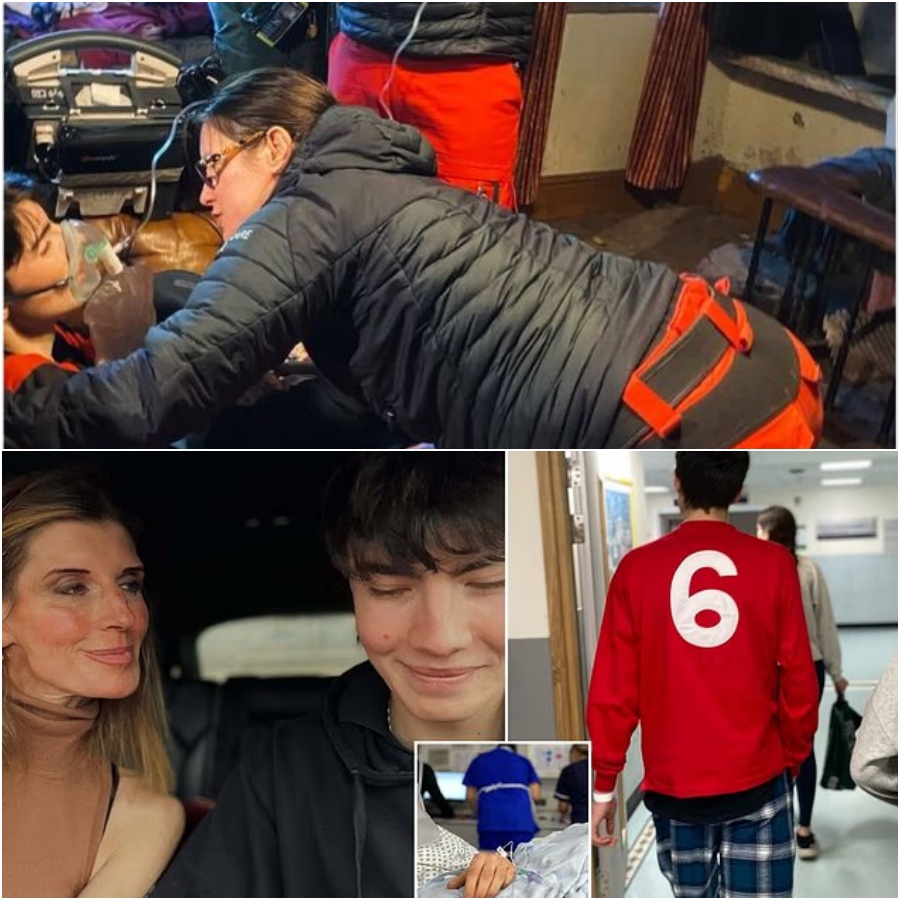
    The devoted adoptive mother of double-amputee hero Tony Hudgell has issued a deeply emotional update from her hospital bed after undergoing what she described as the most brutal, life-saving surgery of her life.

    Former nurse Paula Hudgell, 58, revealed she is recovering after intensive HIPEC and CRS surgery, alongside a hernia repair, after her bowel cancer spread to the peritoneal lining. Writing candidly, she admitted the first week of recovery was overwhelming, filled with pain, exhaustion and fear — moments when she genuinely did not know how she would get through.

    Paula, who has become a tireless campaigner for tougher child cruelty sentences since adopting Tony, shared that she forced herself to stand and walk again and again, even when every part of her body wanted to stop. Those short, painful walks, she said, carried her through the darkest days.

    In an emotional Instagram post shared alongside a photo of herself in a black headscarf next to Tony, Paula explained she had been quiet while recovering from the gruelling two-part procedure. She refused to sugar-coat the ordeal, describing it as the hardest thing she has ever endured — but one that ultimately allowed her to return home after 12 days to be with her family.

    Amid the anguish came a glimmer of hope. Paula revealed she had received test results earlier that day showing a solitary nodule, with no cancer found elsewhere in the areas and organs removed. She admitted she cried tears of relief, calling it the best news they could have hoped for at this stage.

    However, the battle is far from over. Paula said the family is now bracing for the next hurdle — lung nodules — with a CT scan scheduled and a follow-up call with her oncologist. She explained that if surgery cannot proceed, it will be back to chemotherapy, adding simply: “Either way, we keep going.”

    Paula was first diagnosed with bowel cancer in February 2022 after being misdiagnosed multiple times over four years, with symptoms repeatedly dismissed as IBS or menopause. By the time doctors discovered the tumour, it had already grown through the bowel wall. Although she was initially declared cancer-free after surgery and chemotherapy, she later received the devastating news that the disease had returned as stage-four cancer, spreading to her lung and abdominal lining.

    In July last year, she shared a heartbreaking message admitting the diagnosis had come as a huge shock, but vowed she was ready to give it the biggest fight of her life.

    Beyond her health battle, Paula is widely admired for her campaigning work that led to Tony’s Law — legislation increasing the maximum prison sentence for those who cause or allow serious harm or death to a child. Her efforts earned her an OBE in 2022.

    She also paid tribute to the medical team who treated her, saying their care and compassion gave her something priceless: more time with the people she loves. Messages of support flooded in, including from Zoe Ball, who sent love and strength, and fashion designer Karen Millen, who shared her prayers.

    In a previous interview, Paula admitted the most heartbreaking part of her diagnosis has been its impact on her family — particularly Tony, who has been telling his teacher he is worried about “Mummy.” She revealed he does not know she is terminally ill, explaining that to him, people always survive, and she wants to protect that belief for as long as possible.

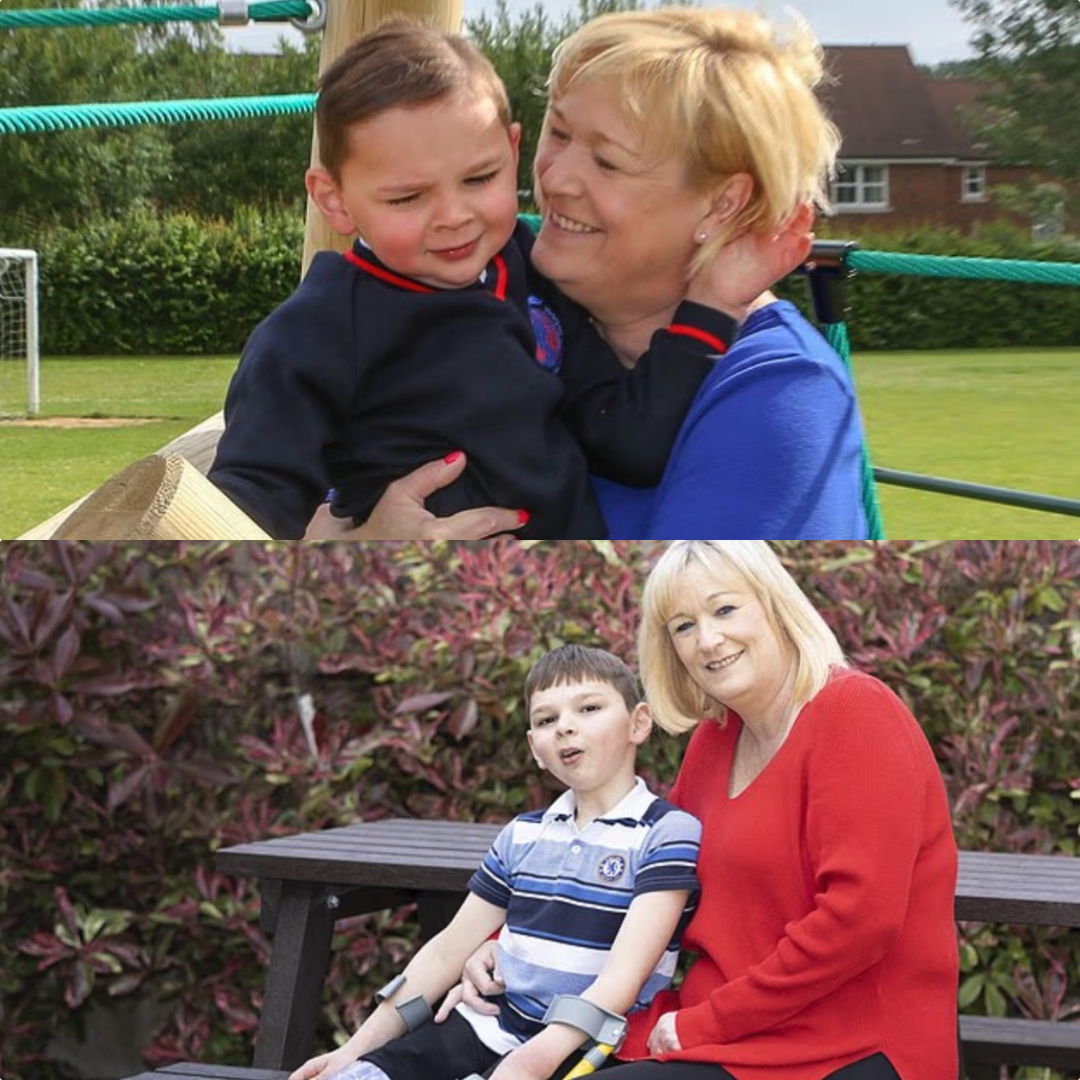
    Tony, who suffered catastrophic injuries as a baby at the hands of his birth parents, has flourished under the Hudgells’ care — learning to walk on prosthetic legs, raising more than £1.8 million for children’s charities, winning a Pride of Britain award and earning admiration from the Prince and Princess of Wales.

  • BREAKING: Russell Brand Just EXPOSED Keir Starmer’s SECRET AGENDA — And It’s Even Worse Than We Thought!

    BREAKING: Russell Brand Just EXPOSED Keir Starmer’s SECRET AGENDA — And It’s Even Worse Than We Thought!

    In a 𝓈𝒽𝓸𝒸𝓀𝒾𝓃𝑔 revelation that could reshape British politics, Russell Brand has 𝓮𝔁𝓹𝓸𝓼𝓮𝓭 what he claims is Keir Starmer’s hidden agenda. The actor-turned-political commentator did not hold back, accusing the Labour leader of failing to address pressing issues, including immigration and free speech, while becoming increasingly disconnected from the public.

    Brand’s explosive claims come at a critical time, as Starmer’s approval ratings plummet to unprecedented lows. Once seen as a beacon of hope for the Labour Party, Starmer now faces mounting criticism for his handling of immigration, with over 20,000 migrants entering the UK since he took office. Public frustration is palpable, and many citizens feel abandoned by a leader who promised change.


    The surge in Islamophobia has further complicated Starmer’s political landscape. Brand highlighted the growing fear among British Muslims, who report feeling unsafe in their communities. He condemned the Labour leader for failing to address this alarming trend, suggesting that Starmer’s silence on such crucial matters alienates a significant portion of the electorate.

    Starmer’s approach to free speech has also raised eyebrows. His warning to Elon Musk about regulating social media content has been interpreted as a move toward censorship, driving away supporters who value open dialogue. Brand argues this overreach reflects a broader disconnect between Starmer and the everyday concerns of voters.

    Political analysts are now questioning whether Starmer can bridge the widening gap between himself and the public. With nearly one million migrants arriving in the UK in just a year, many feel the pressure on public services and taxpayers is unsustainable. Starmer’s failure to provide clear solutions has left constituents feeling frustrated and disillusioned.

    Storyboard 2

    Brand’s critique extends beyond policy failures; he emphasizes a lack of leadership and courage within Starmer’s administration. As rising taxes and inflation weigh heavily on the populace, Brand’s remarks resonate with voters who feel betrayed by unfulfilled promises. The Labour Party’s vision for change appears increasingly hollow, leaving supporters questioning their allegiance.

    Storyboard 1The fallout from Brand’s accusations could have severe implications for Starmer’s political future. As public anger mounts, the Labour leader’s ability to recover from this crisis remains uncertain. With many viewing him as a puppet of the World Economic Forum, the stakes have never been higher for Starmer.

    As this story unfolds, the political landscape in the UK could shift dramatically. Russell Brand’s revelations may serve as a catalyst for change, igniting a movement among disillusioned voters. The question remains: can Keir Starmer reclaim the trust of the British public, or is this the beginning of the end for his leadership? The nation watches closely as events develop.

  • Civil War in the Paddock: Audi’s Stunning R26 Launch Overshadowed by Explosive “Cheating” Accusations as 2026 Engine Tensions Reach Boiling Point

    Civil War in the Paddock: Audi’s Stunning R26 Launch Overshadowed by Explosive “Cheating” Accusations as 2026 Engine Tensions Reach Boiling Point

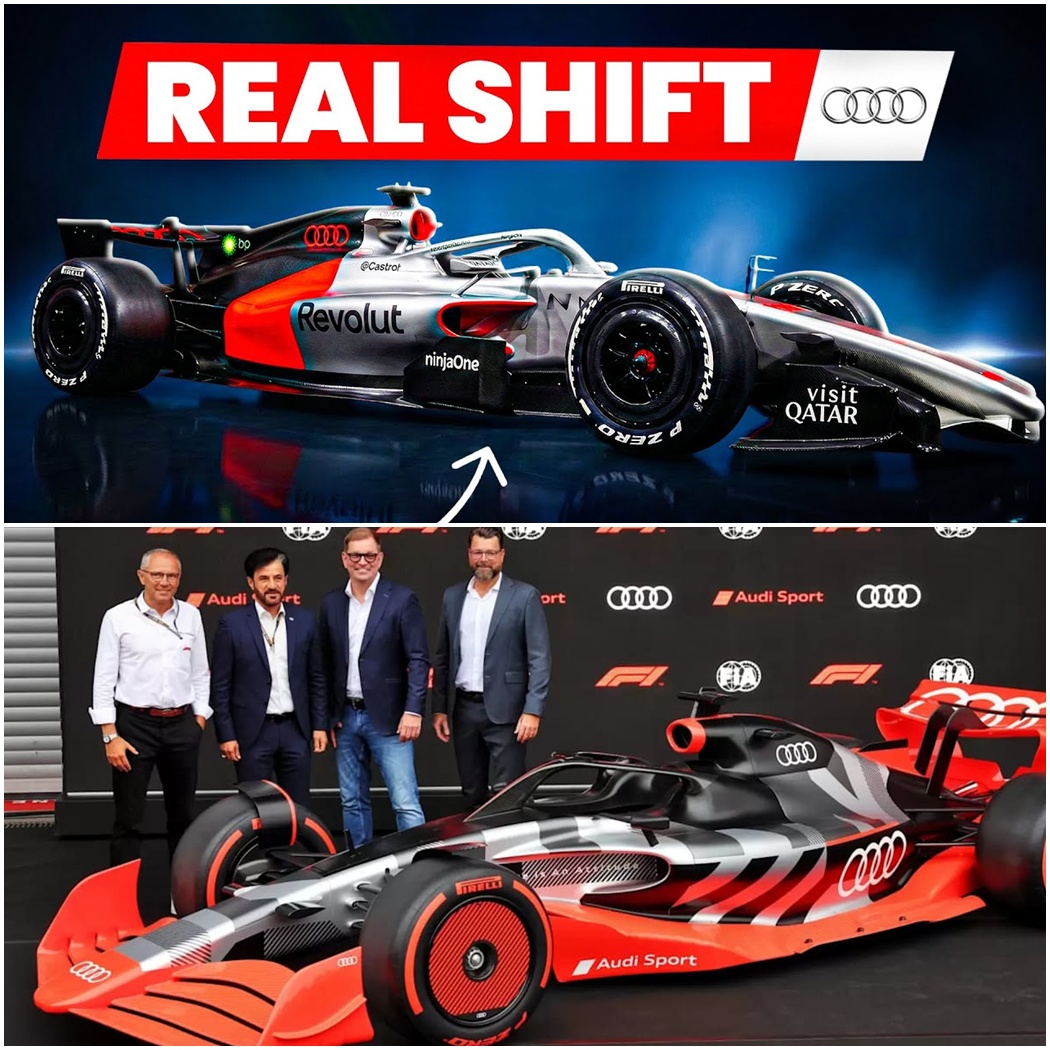
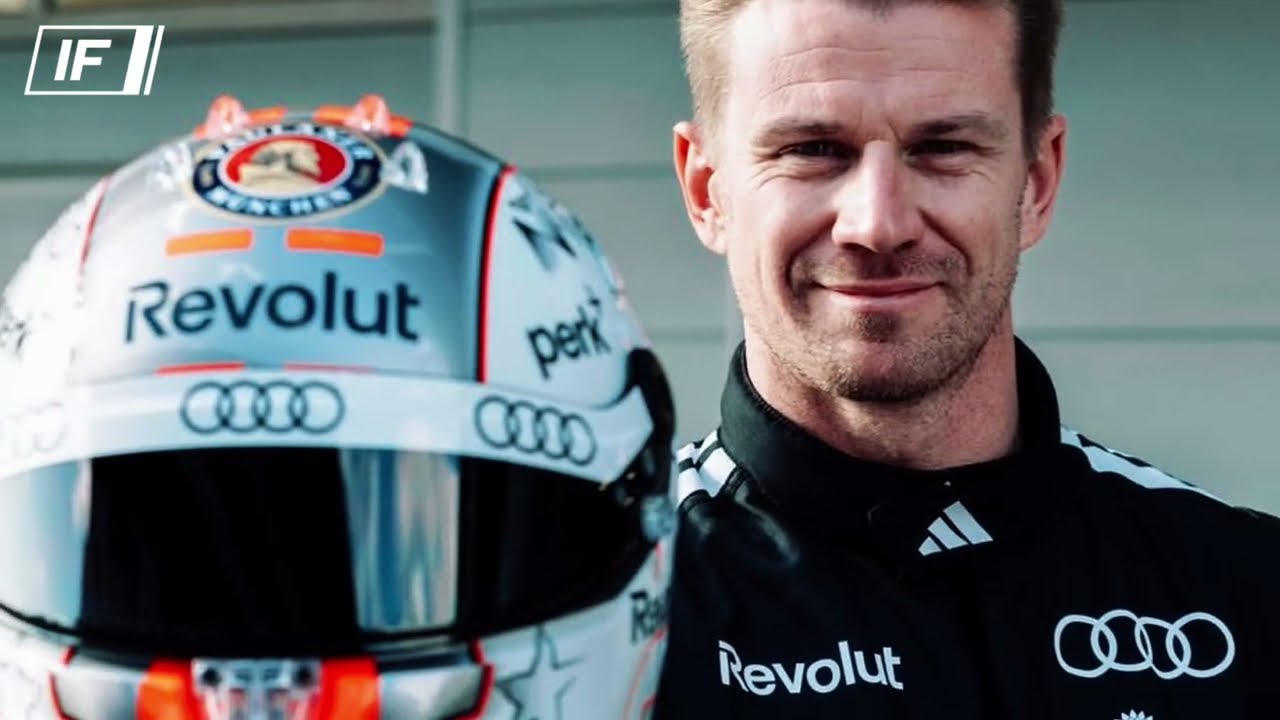
    The industrial, concrete grandeur of Kraftwerk Berlin provided the perfect, haunting backdrop for what was supposed to be a celebration of German engineering and corporate ambition. On a crisp evening in the heart of Europe, the covers were finally pulled off the Audi R26, the machine tasked with spearheading the automaker’s multi-billion Euro assault on the pinnacle of motorsport.

    The car itself is a visual triumph—a sophisticated blend of raw titanium finishing at the front, bleeding into a menacing red and black rear, punctuated by the iconic Four Rings. It signals clearly: Audi isn’t here to make up the numbers; they are here to conquer. Yet, beneath the flashing strobes and the perfectly curated PR speeches from team boss Mattia Binotto, a technical storm of biblical proportions is brewing. As the champagne corks popped in Berlin, the mood in the wider Formula 1 paddock was darkening, dominated by whispers of loopholes, “cheeky” engineering tricks, and a looming war over engine legality that could define the 2026 season before a single wheel has turned in anger.

    The “Compression Ratio” Controversy

    While the world marveled at the R26’s aggressive “coke bottle” packaging and its new Adidas and Revolut branding, the real story was happening behind closed doors. Reports have surfaced that rival manufacturers—specifically Mercedes and the Red Bull-Ford alliance—may have discovered a controversial loophole in the 2026 technical regulations.

    The issue centers on “compression ratios” within the new internal combustion engines. The rumor tearing through the paddock suggests that these established giants have engineered a system that produces one perfectly legal sensor reading when the car is stationary (such as during an FIA scrutineering check) and a vastly different, high-performance reading once the car is thundering down a straight.

    Audi’s Technical Director, James Key, appeared visibly frustrated when pressed on the matter in Berlin. His response was less a denial and more of a warning shot across the bow of the sport’s governing body. Key drew chilling parallels to the infamous 2009 season, where Brawn GP exploited the “double diffuser” loophole, effectively rendering every other car on the grid obsolete overnight.

    “Audi would never accept a compromise on this,” Key stated, his tone suggesting that the German manufacturer is already lobbying hard behind the scenes. For a newcomer to position themselves as the “moral guardian” of the regulations is a bold move. It implies two things: firstly, that Audi is supremely confident in the legality of their own Neuburg-built power unit; and secondly, that they are terrified their billion-dollar investment is about to be undermined by a piece of clever engineering trickery from the old guard.

    A “Works” Team in Every Sense

    Away from the brewing legal battles, the launch served as a powerful statement of intent regarding Audi’s organizational structure. Mattia Binotto, the former Ferrari team principal now steering the Audi ship, was keen to dismantle the narrative that this project is simply “Sauber with a new sticker.”

    Binotto emphasized the “absolute works nature” of the team. Unlike customer teams that must bolt a foreign engine into their chassis, the R26 is the result of a single, breathing organism. The power unit from Neuburg, Germany, and the chassis from Hinwil, Switzerland, have been developed in total unison. In the 2026 era, where the power split is almost 50/50 between the internal combustion engine and the 350-kilowatt electrical system, this synergy is not just a luxury—it is a necessity.

    Audi has spent years building a technical infrastructure that bridges the geographical gap between its German engine hubs and Swiss aero departments. The goal is to eliminate the compromises that plague teams like McLaren or Williams, who must design their cars around an engine package they have zero control over.

    The Technical Challenge: Efficiency is King

    The R26 is a fascinating beast technically. The 2026 regulations have removed the MGU-H (the complex heat recovery system), a change made specifically to entice manufacturers like Audi into the sport. This shifts the focus entirely to the kinetic recovery system (MGU-K) and the efficiency of the V6 engine.

    The challenge is immense: manufacturers are aiming for a total system output of over 1,000 horsepower, but half of that power now comes from a battery that drains rapidly. This is where the “compression ratio” drama becomes critical. If a team can squeeze more power out of the fuel combustion process via a loophole, they rely less on the battery, giving them a massive tactical advantage over a race distance.

    Visually, the R26 features a tight rear-end packaging, hinting at significant breakthroughs in the miniaturization of the cooling and ERS components. The car is narrower and lighter than its 2025 predecessors, featuring active aerodynamics on both the front and rear wings to slash drag on the straights. It is a design philosophy that screams Vorsprung durch Technik—advancement through technology.

    The Human Element: Experience Meets Raw Potential

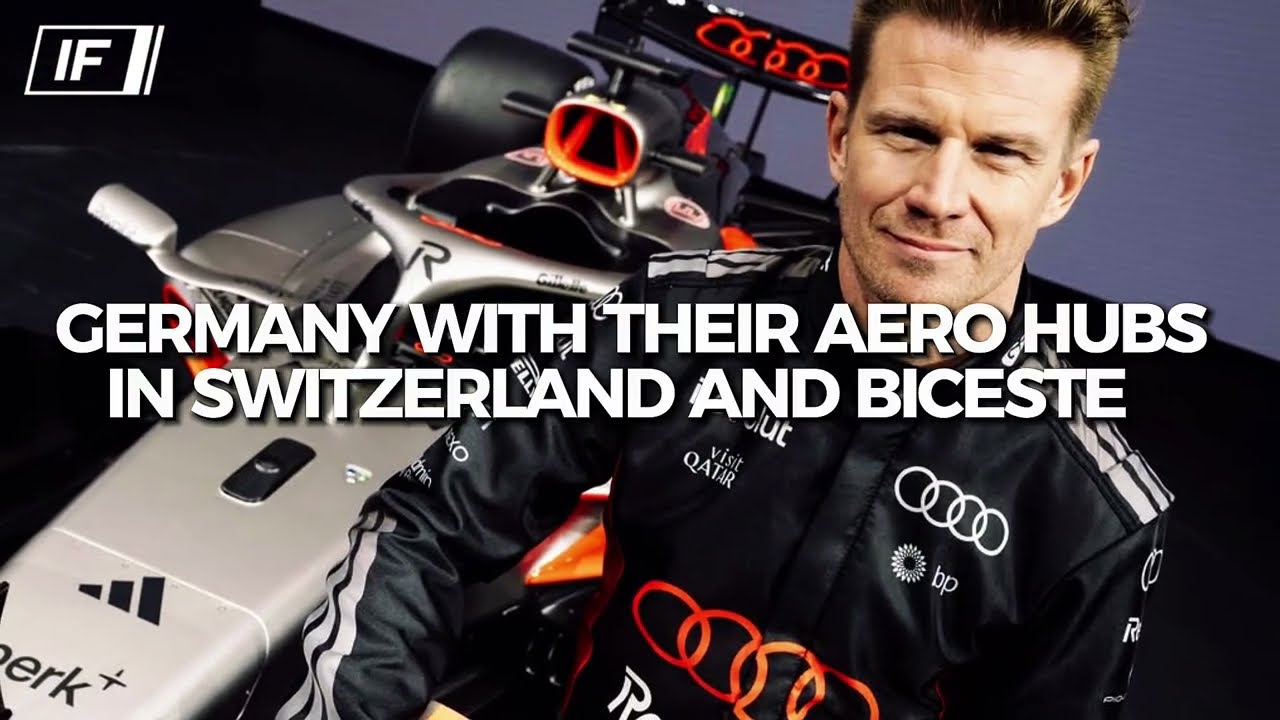
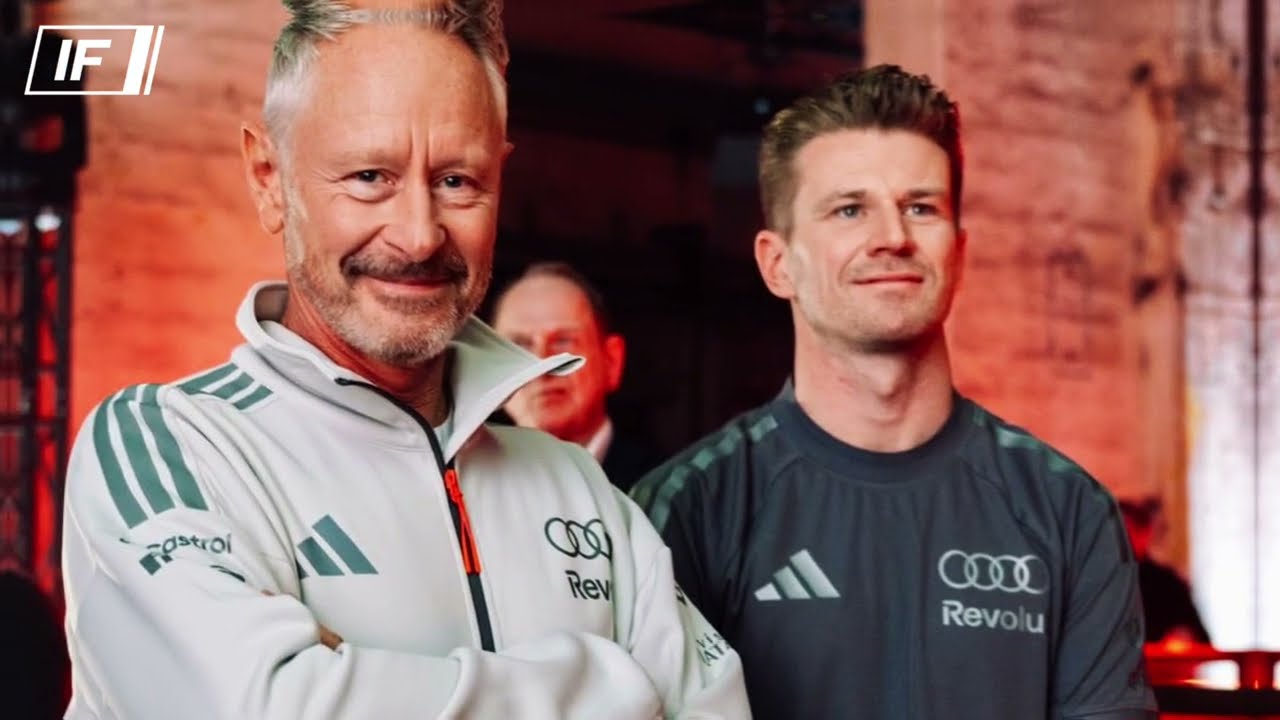
    To pilot this complex machine, Audi has selected a driver pairing that balances extreme pressure with safe hands. Nico Hülkenberg, the veteran German racer, returns to a works seat after a career spent extracting miracles from midfield machinery. His role is clear: lead the development, provide honest feedback, and be the benchmark.

    Beside him sits Gabriel Bortoleto, the rookie carrying the weight of the world on his shoulders. Audi’s decision to pair a raw talent with Hülkenberg is a gamble, but a calculated one. They believe Bortoleto’s blistering speed, refined by Hülkenberg’s mentorship, creates the perfect recipe for their “challenger phase.”

    The Looming Bloodbath

    As the F1 circus prepares for the first official shakedown in Barcelona—notably held behind closed doors by Audi—the tension is palpable. The alleged preseason meetings have been described as a “bloodbath” of engineers arguing over thermodynamic theory and sensor readings.

    Audi is walking a tightrope. Binotto is managing expectations, claiming 2026 is about “attitude and perception” rather than immediate podiums. He wants Audi to be seen as a serious professional outfit that makes the big teams nervous. However, if the FIA allows the alleged loopholes to stand, the board of directors in Ingolstadt will be asking difficult questions.

    For the fans, this friction is perfect. A docile Audi would have been boring. An angry, politically aggressive Audi that is already throwing shade at Mercedes and Red Bull? That is exactly what the sport needs. The R26 is just the hardware; the software is the political war Audi has just launched.

    If their reliability holds up—and German testing protocols suggest it will—Audi predicts a debut season of “cautious dominance.” While rivals might have higher peak performance through trickery, Audi is betting on the fact that to finish first, first you must finish.

    The paddock is officially on notice. The “Four Rings” haven’t just arrived to race; they’ve arrived to rewrite the rules of engagement. And if the rumors of engine wars are true, the 2026 season is going to be one of the most explosive in Formula 1 history.

  • Silence at Fiorano: Why Ferrari’s SF-26 Stoppage Just Sent Shockwaves Through Formula 1

    Silence at Fiorano: Why Ferrari’s SF-26 Stoppage Just Sent Shockwaves Through Formula 1

    In the high-stakes world of Formula 1, hope and heartbreak are often separated by a single, fleeting moment. For the Scuderia Ferrari, that moment arrived with brutal speed—less than 24 hours after unveiling their boldest creation in decades.

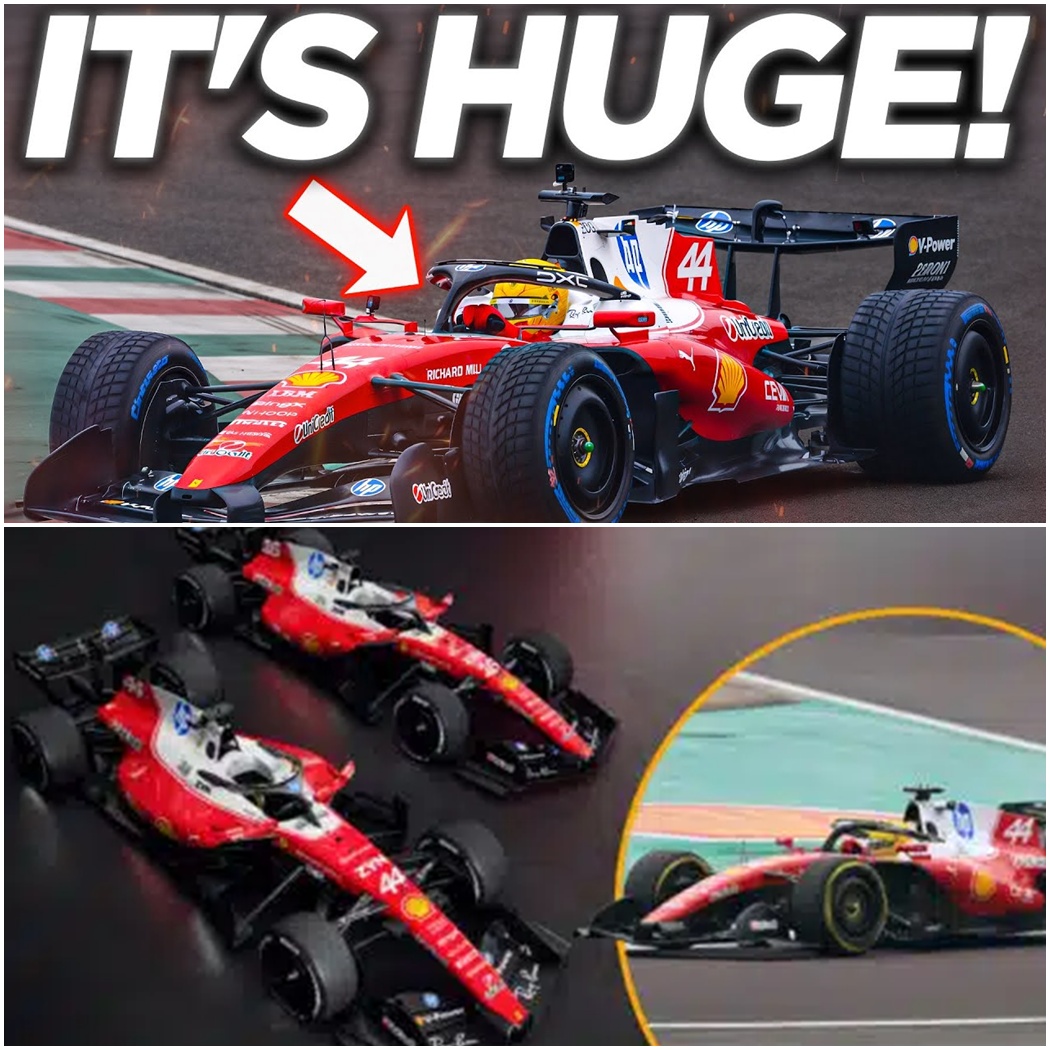
    The day began with the kind of fanfare only Ferrari can command. The SF-26, a machine built to conquer the sport’s most significant regulatory overhaul in 25 years, was revealed to the world in a slick, confident presentation from Maranello. It was a vision of glossy red and white, packed with technical innovations that promised to rewrite the pecking order of the grid. Fred Vasseur, the team principal, stood tall, declaring this the dawn of a new era. The message was clear: Ferrari was ready.

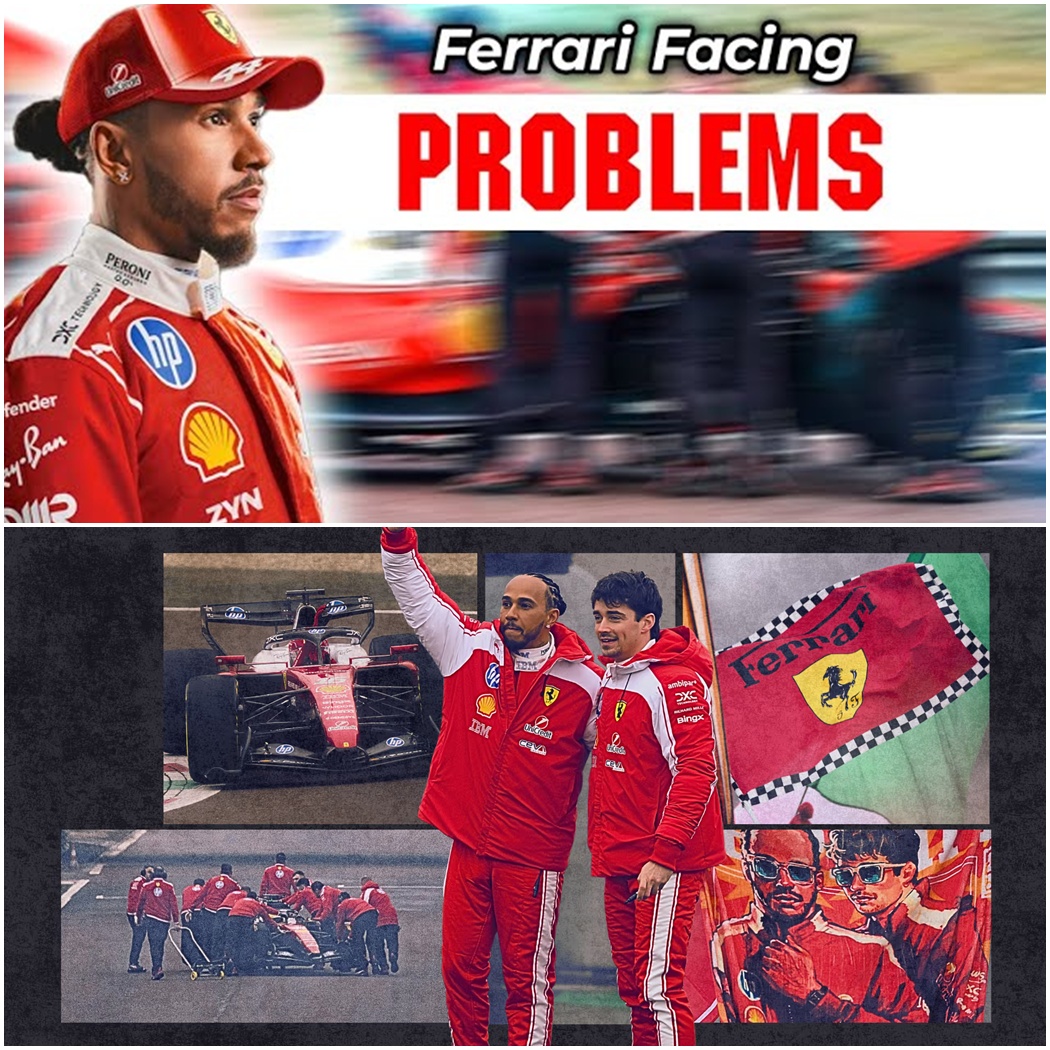
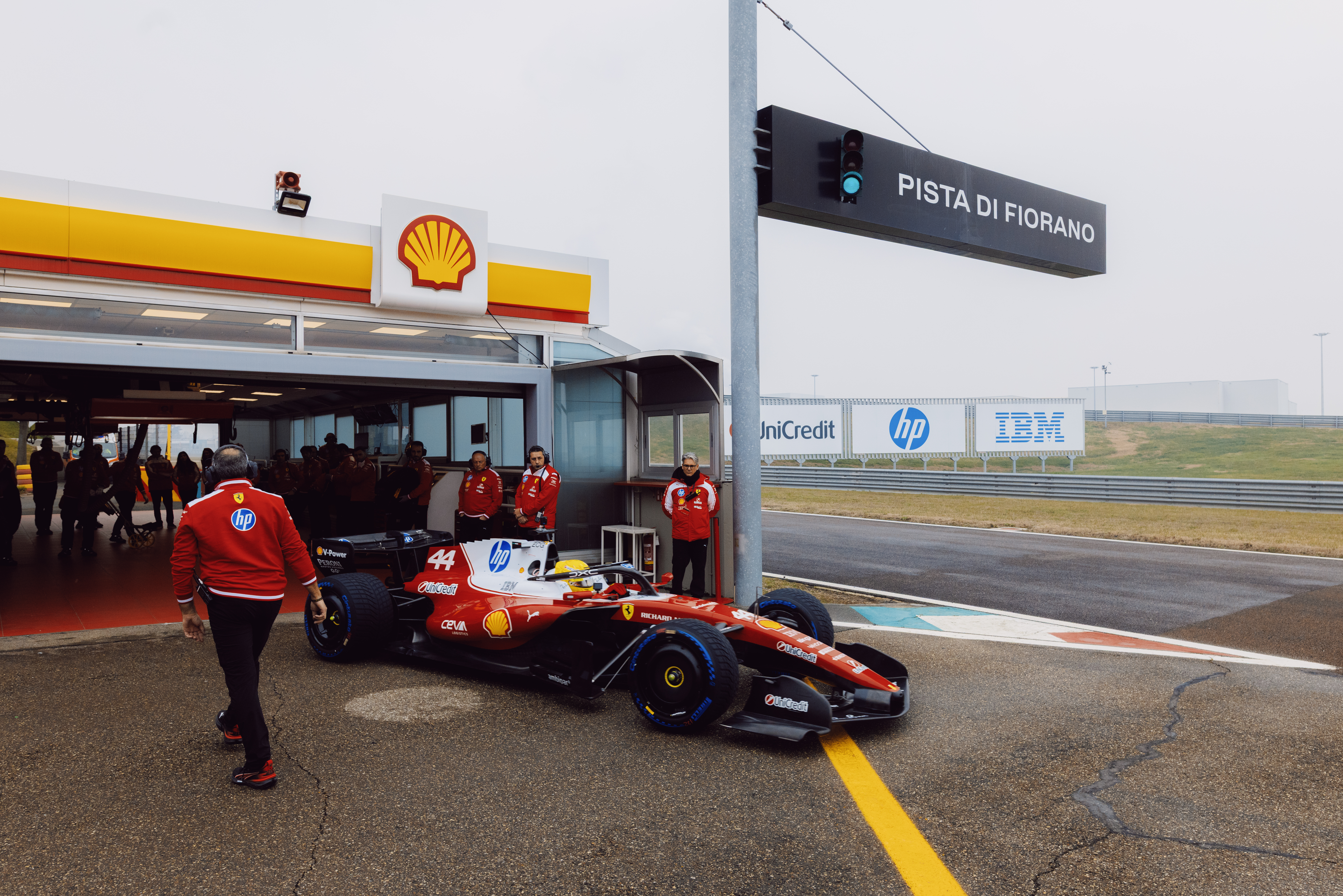
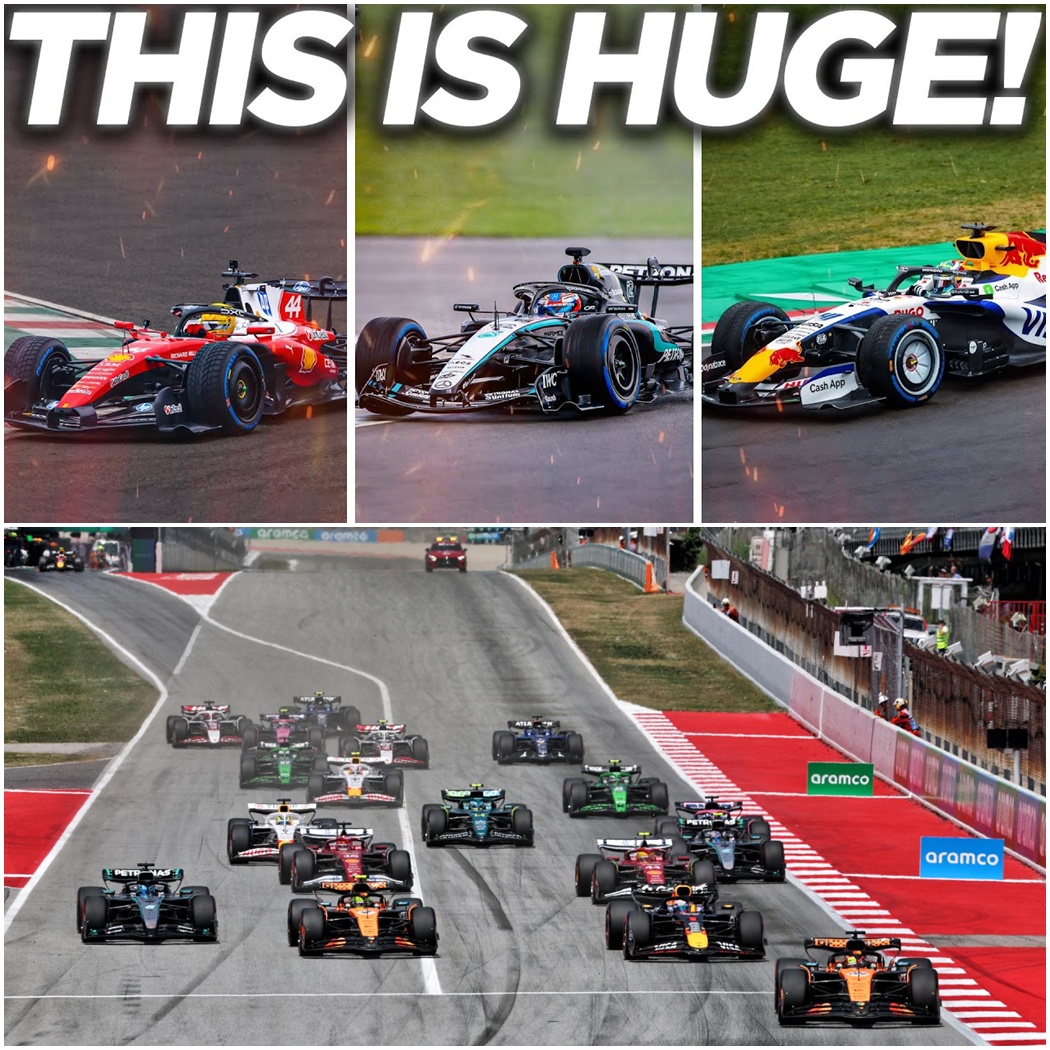
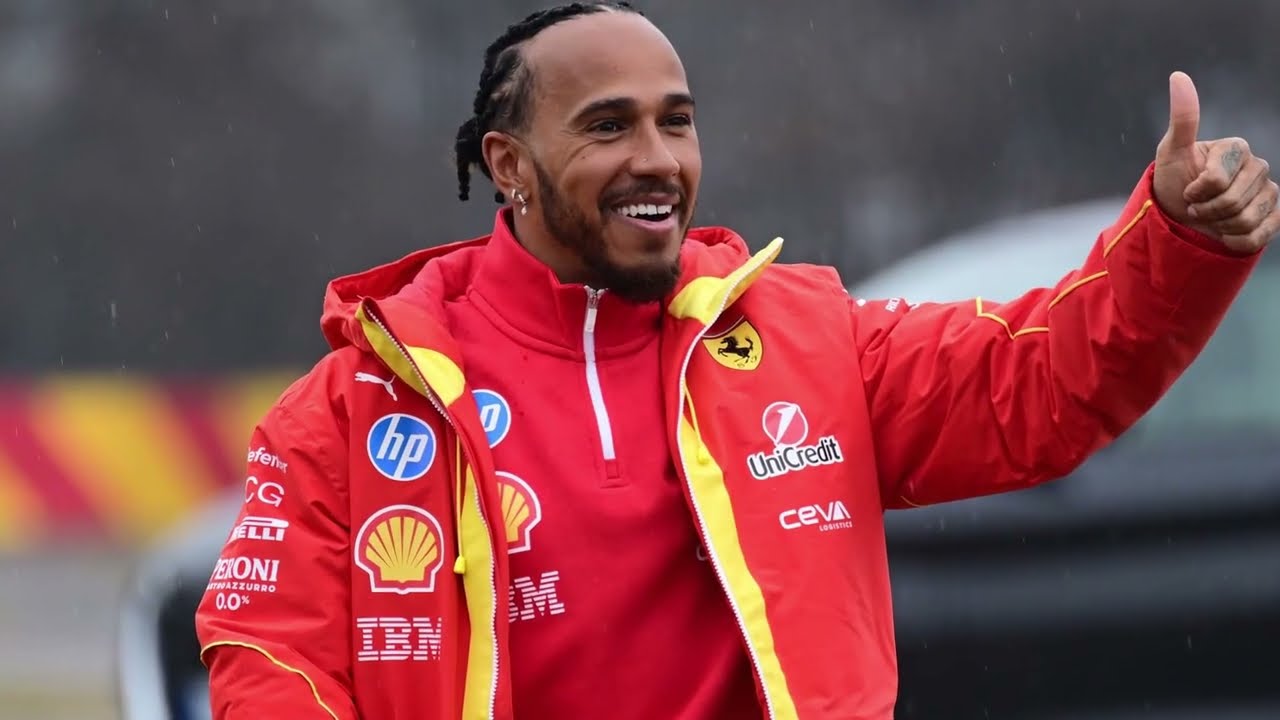
    But as the winter sun struggled to break through the clouds over the Fiorano circuit, the narrative twisted violently. Lewis Hamilton, the most decorated driver in the history of the sport, climbed into the cockpit. At 41 years old, and coming off a soul-crushing 2025 campaign that saw him score zero podiums, this car represents perhaps his final shot at an eighth world title. The engine fired—a new V6 power unit echoing off the factory walls—and the car rolled out.

    Hundreds of Tifosi, gathered at the gates and hanging off bridges, erupted. This was the redemption arc they had prayed for.

    Then, everything went quiet.

    The Deafening Silence

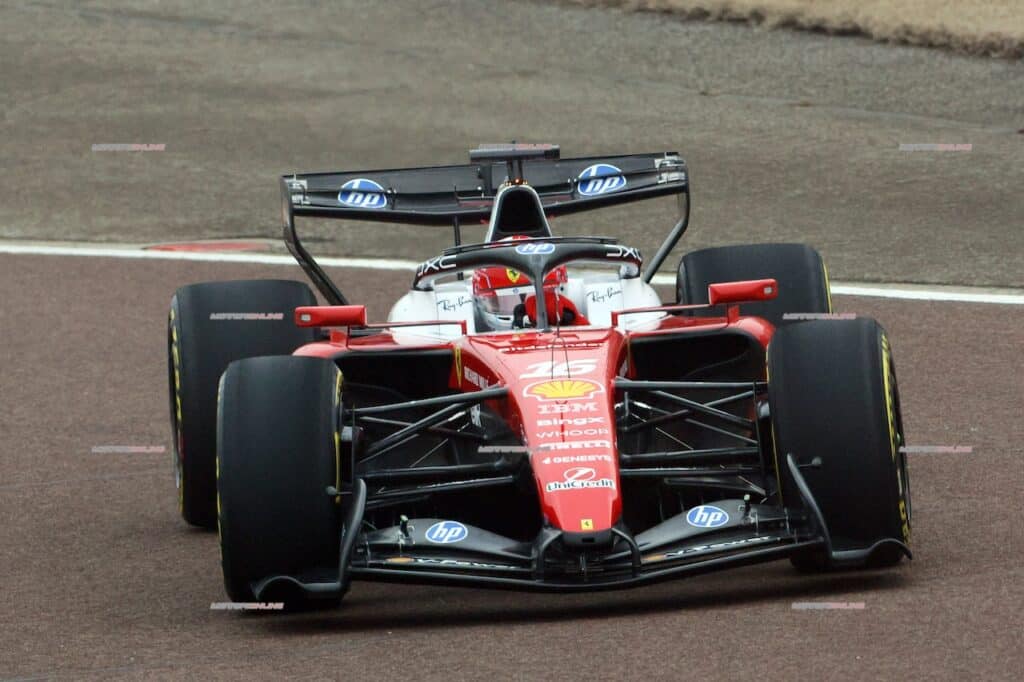
    Footage emerged almost immediately, spreading like wildfire across social media. The SF-26 was not tearing up the asphalt; it was sitting motionless on the wet track. Frantic team personnel rushed toward the vehicle, and moments later, the brand-new challenger was being ignominiously guided back to the pits.

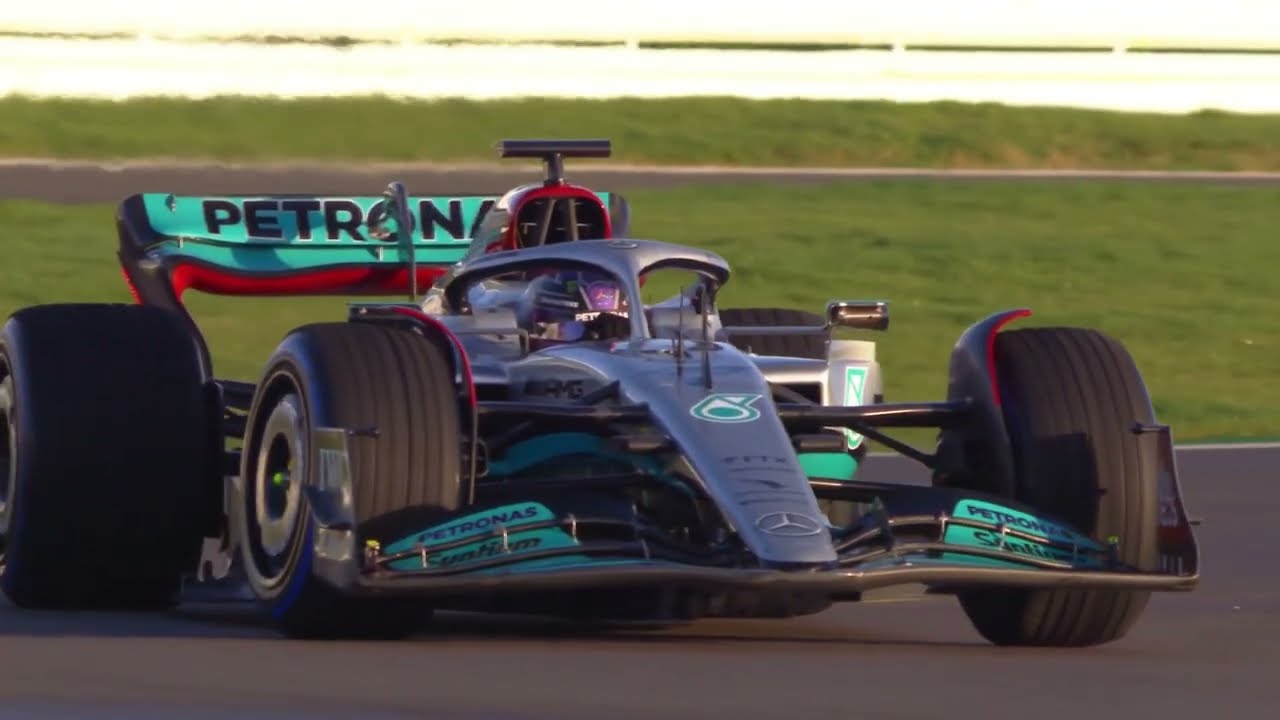
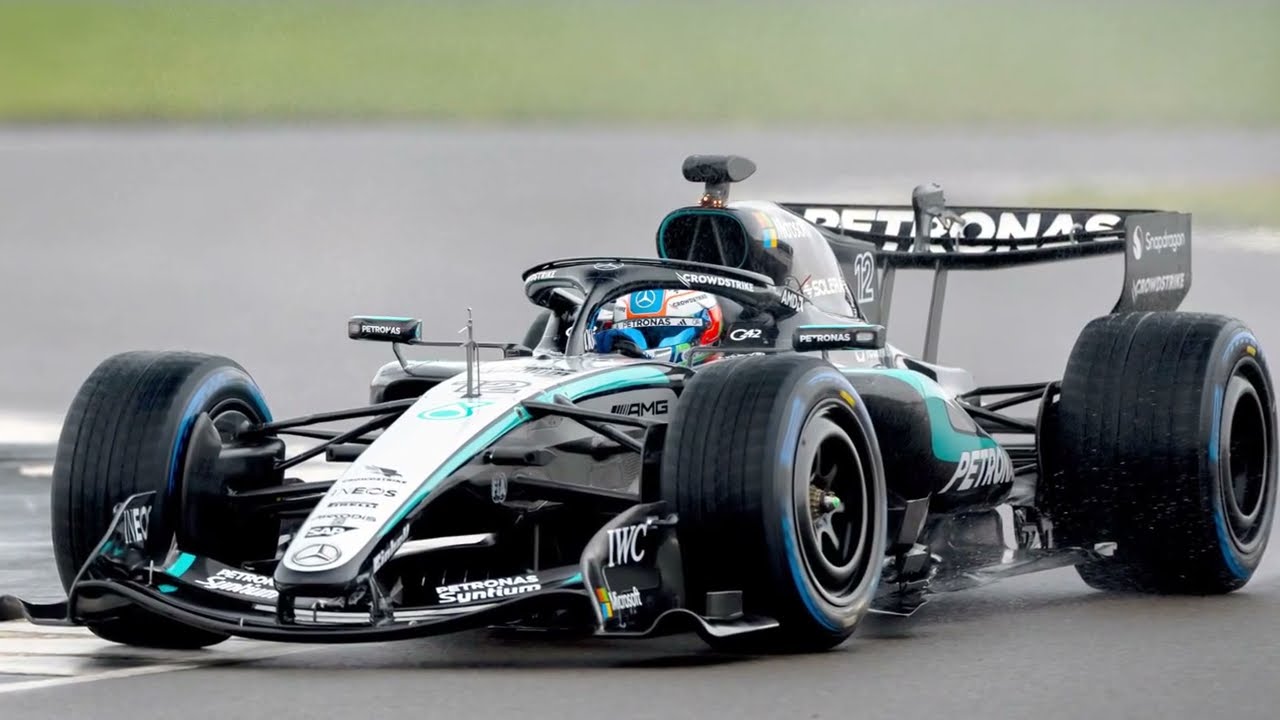
    In isolation, a track stoppage during a shakedown isn’t uncommon. Teams run system checks, verify data, and play it safe. But context is everything, and the context surrounding this stoppage is dark and troubled. While Ferrari’s machine was being towed, their rivals were executing flawless programs. Mercedes maximized their permitted mileage at Silverstone without a hiccup. Alpine ran smoothly. Even the Racing Bulls accumulated meaningful data in difficult conditions.

    Ferrari was the outlier. And when you are Ferrari, being the outlier for the wrong reasons triggers a very specific kind of panic.

    A Rushed Birth?

    The anxiety surrounding the SF-26 didn’t start when the car stopped; it began weeks ago with whispers from deep within the Italian press. Insiders have been reporting that Maranello struggled frantically to finalize the design on schedule. There are allegations that the chassis received FIA approval at the absolute last possible moment, with some sources claiming the car was only physically completed the day before its launch.

    Whether these reports are entirely accurate or slightly exaggerated, the optical failure at Fiorano has given them weight. A car that stops on its very first run feels like a car that wasn’t ready to run.

    It forces us to ask: Did the chaotic timeline compromise the build quality? Is the SF-26 a victim of its own ambition?

    Technical Gambles and Radical Shifts

    To understand why this failure is so nerve-wracking, one must look at what lies beneath the bodywork. The SF-26 is not an evolution; it is a revolution. It represents a calculated technical gamble designed to leapfrog the competition in this new regulatory cycle.

    Ferrari has made aggressive choices that separate them from the pack. They have adopted push-rod actuation for both front and rear suspensions—a configuration they haven’t used at the rear since 2011—aligning them with the dominant philosophy of Mercedes and Red Bull. The power unit now incorporates steel cylinder heads instead of aluminum, a move to handle higher operating temperatures demanded by the massive new 350 kW electrical systems.

    But the most striking detail—and perhaps the most fragile—is the aerodynamic philosophy. The SF-26 features outboard positioning of the front wing pillars to maximize airflow to the underbody. More controversially, it sports a “mouse hole” slot in the lower bodywork around the diffuser. This is a direct response to the new regulations that use “in-washing floorboards” to disturb air from the wheels, which naturally reduces downforce. Ferrari’s solution is designed to re-energize that airflow, a trick reminiscent of pre-2022 designs.

    It is brilliant on paper. But as we saw at Fiorano, brilliance on paper means nothing if the car cannot complete a lap.

    The Hamilton Dilemma

    The human cost of this technical uncertainty falls squarely on the shoulders of Lewis Hamilton. His move to Ferrari was the blockbuster transfer of the century, a romantic final chapter to a legendary career. But the romance is dead; only the cold reality remains.

    2025 was a catastrophe. Hamilton was consistently outpaced by his teammate Charles Leclerc and failed to secure a single top-three finish. The car was uncompetitive, and Hamilton’s legendary skills could not bridge the gap. Now, facing the 2026 reset, he needs a machine that works instantly. He does not have three years to develop a project. He barely has three years left in his career.

    Watching his new hope being escorted off the circuit must have been a bitter pill to swallow. If the SF-26 is unreliable, or worse, fundamentally flawed, Hamilton’s gamble to join the Scuderia will go down as a tragic mistake.

    The Vasseur Verdict

    Fred Vasseur’s credibility is now on the line. The team principal has projected an air of calm confidence, dismissing the rumors of delays and insisting that the team is on track. But ambiguity serves nobody in Formula 1.

    The team has tried to downplay the incident, suggesting it might have been a scheduled check. Yet, their actions speak louder. Ferrari has confirmed they will not run on the first day of the upcoming collective test in Barcelona, opting instead to start on Tuesday. They claim this is to maximize development time at the factory—a strategy also adopted by McLaren and Williams—but to the skeptical eye, it looks like a team frantically trying to fix unresolved issues before facing the world.

    Three Futures, One Truth

    As we look toward the testing in Barcelona and Bahrain, we are left with three distinct scenarios.

    In the first, this stoppage was truly nothing. The car is a masterpiece, the “A-spec” philosophy is sound, and Ferrari is merely being conservative to hide their hand. In this world, Hamilton and Leclerc fight for the title, and the Tifosi finally get their celebration.

    In the second scenario, the rumors are true. The car is rushed, fragile, and plagued by deep reliability gremlins. The season becomes a nightmare of DNFs and grid penalties, breaking the spirit of both drivers.

    In the third, and most intriguing scenario, Ferrari is sandbagging on a nuclear level. Perhaps the conservative “A-spec” car we saw is a decoy, a gathering tool, while a monstrous “B-spec” evolution is being readied in secret for the first race in Bahrain.

    But hope is a dangerous thing in Maranello. For now, the image burned into our retinas is not of a Ferrari taking the checkered flag, but of a Ferrari sitting silent and still, while the rest of the world speeds by.

    The clock is ticking. Barcelona awaits. And for Lewis Hamilton and Ferrari, there are no more excuses left to make.

  • Inside the 2026 F1 Preseason: Generational Clashes, Drifting Chaos, and the Lighter Side of Speed

    Inside the 2026 F1 Preseason: Generational Clashes, Drifting Chaos, and the Lighter Side of Speed

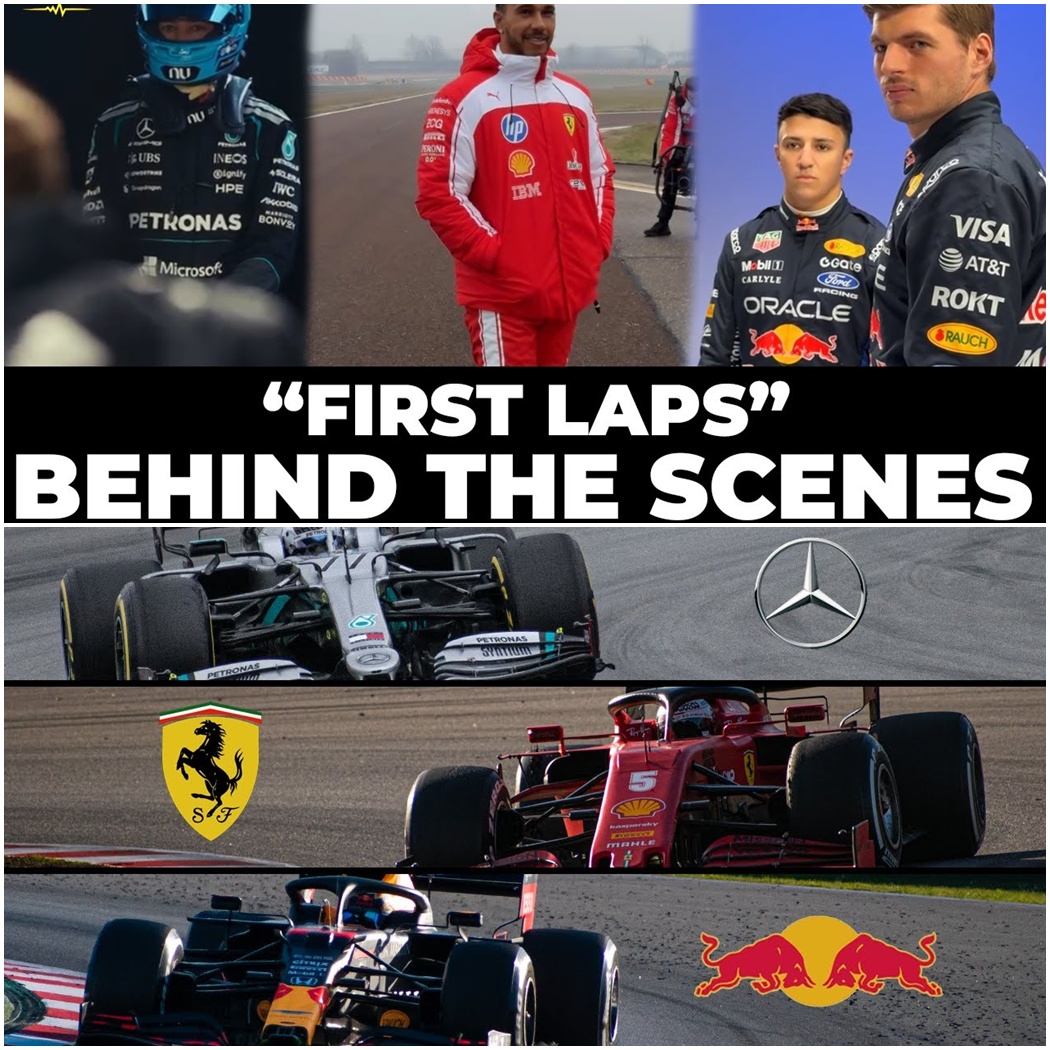
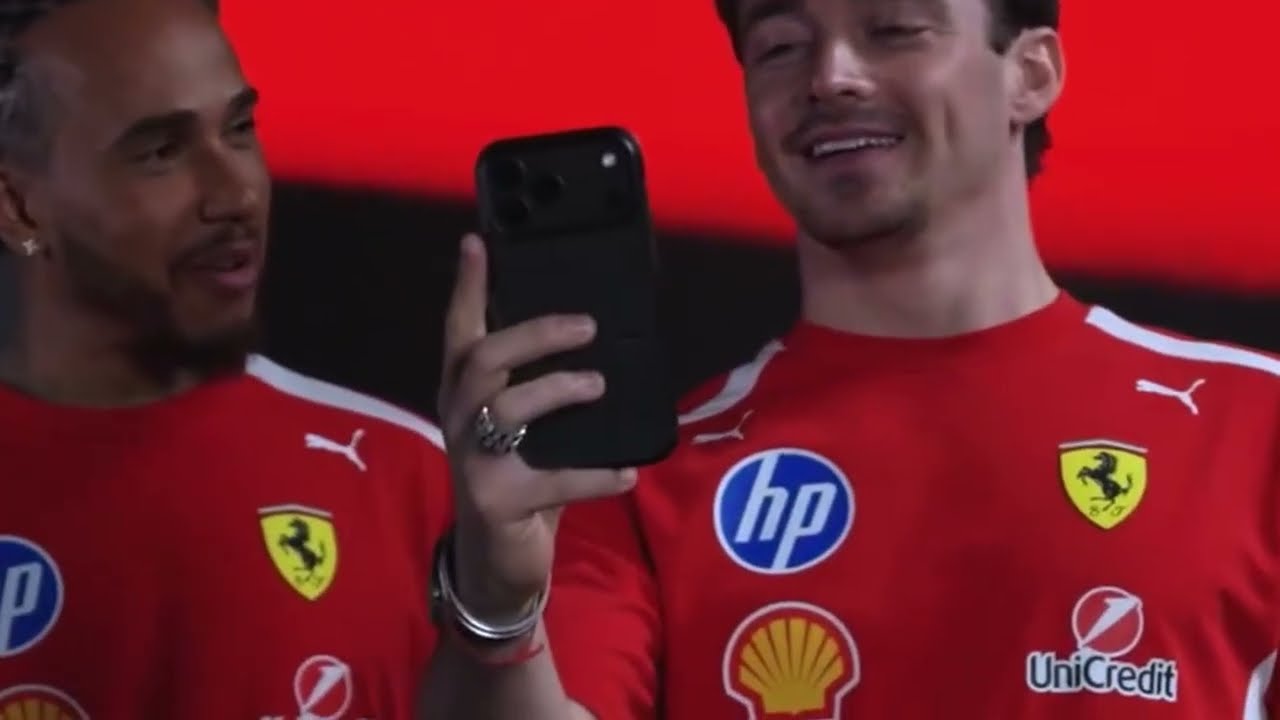
    As the winter frost begins to thaw and the anticipation for the 2026 Formula 1 season reaches a fever pitch, the world of motorsport is often consumed by technical jargon, aerodynamic regulations, and the intense, stoic faces of drivers preparing for war. However, a recently surfaced behind-the-scenes video has pulled back the curtain on the paddock, revealing a refreshingly human, chaotic, and downright hilarious side to the grid’s most elite competitors. In a sport defined by milliseconds and ruthless precision, seeing the titans of the track let their guard down offers a unique narrative that goes beyond the lap times—a story of camaraderie, generational shifts, and the simple joy of driving fast cars sideways.

    The Calm Before the Carbon Fiber Storm

    The 2026 season marks a pivotal moment in Formula 1 history, with new regulations and shifting team dynamics creating an atmosphere of electric uncertainty. Yet, the footage from the preseason media days and shakedowns paints a different picture. Instead of the usual tension-filled garages, we witness a vibe that feels more like the first day of school mixed with a high-budget summer camp.

    The video opens with a chaotic collage of sound and color, capturing the frenetic energy of a media shoot. Amidst the flashing lights and the “heat” of the production, we see drivers struggling to find their marks, joking about their names, and engaging in the kind of awkward banter that reminds us that beneath the helmets, they are just young men living extraordinary lives. It is a stark contrast to the visor-down intensity we are accustomed to seeing on Sunday afternoons. This candid look establishes a tone of accessibility; the “gods” of the track are suddenly relatable, fumbling through photoshoots and cracking jokes just like anyone else.

    The Mercedes Dynamic: A Dinosaur in the Garage?

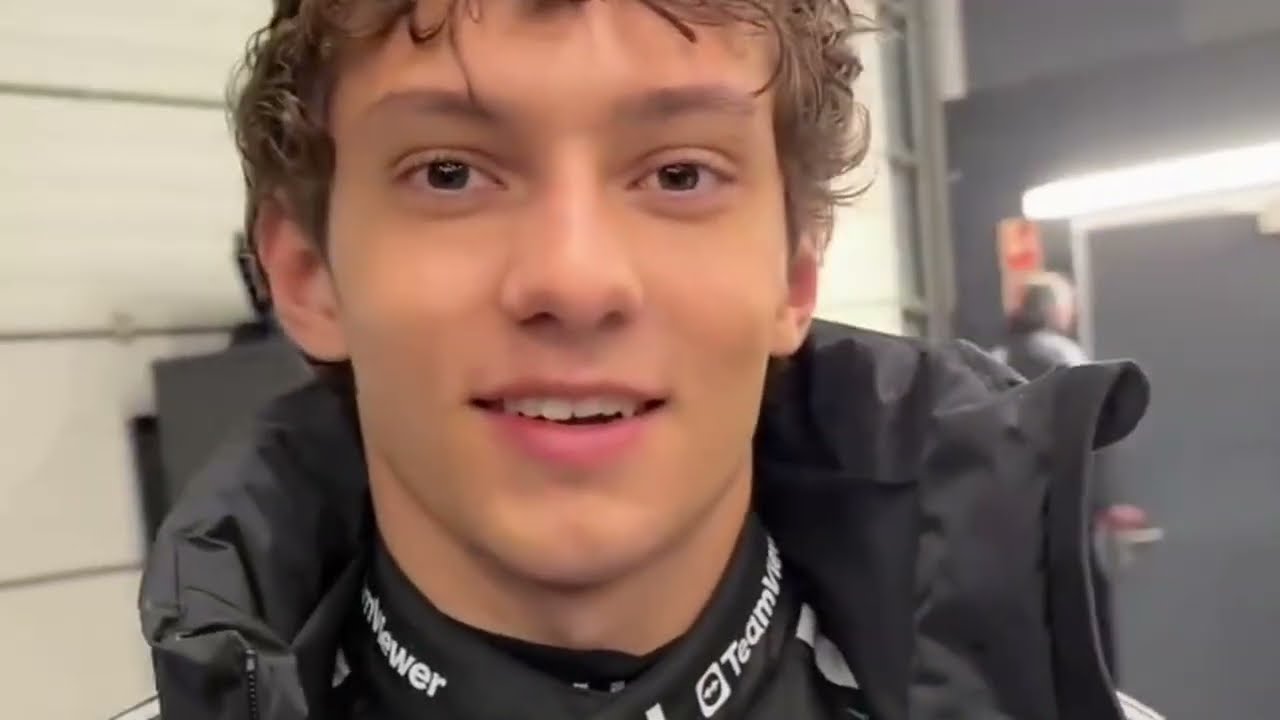
    Perhaps the most talked-about moment from the footage involves the new pairing at Mercedes. The arrival of the prodigious talent, Andrea Kimi Antonelli, alongside the established George Russell, was always going to be a fascinating storyline. But few expected the dynamic to be defined so early by a brutal, hilarious reality check regarding age.

    In a moment that is sure to be meme-fodder for the entire season, the two drivers are seen chatting casually during a break. The conversation takes a turn when the topic of birth years comes up. Antonelli, the fresh-faced rookie who represents the future of the sport, casually drops that he was born in 2006. The revelation seems to physically recoil Russell, who was born in 1998.

    “You’re going to put a dinosaur on my face,” Russell jokes, the realization of his “senior” status hitting him in real-time. For fans who still remember Russell as the young Williams prospect, the moment is jarring and affectionately funny. It highlights the rapid turnover of generations in elite sport. Russell, still in his prime, is now the “old guard” compared to the teenage sensation beside him. This interaction is more than just a joke; it symbolizes the passing of the torch and the inevitable march of time that chases every athlete. It sets the stage for a season where experience will battle against raw, youthful exuberance, all wrapped in a layer of brotherly teasing.

    Max Verstappen: Fresh Looks and New Vibes

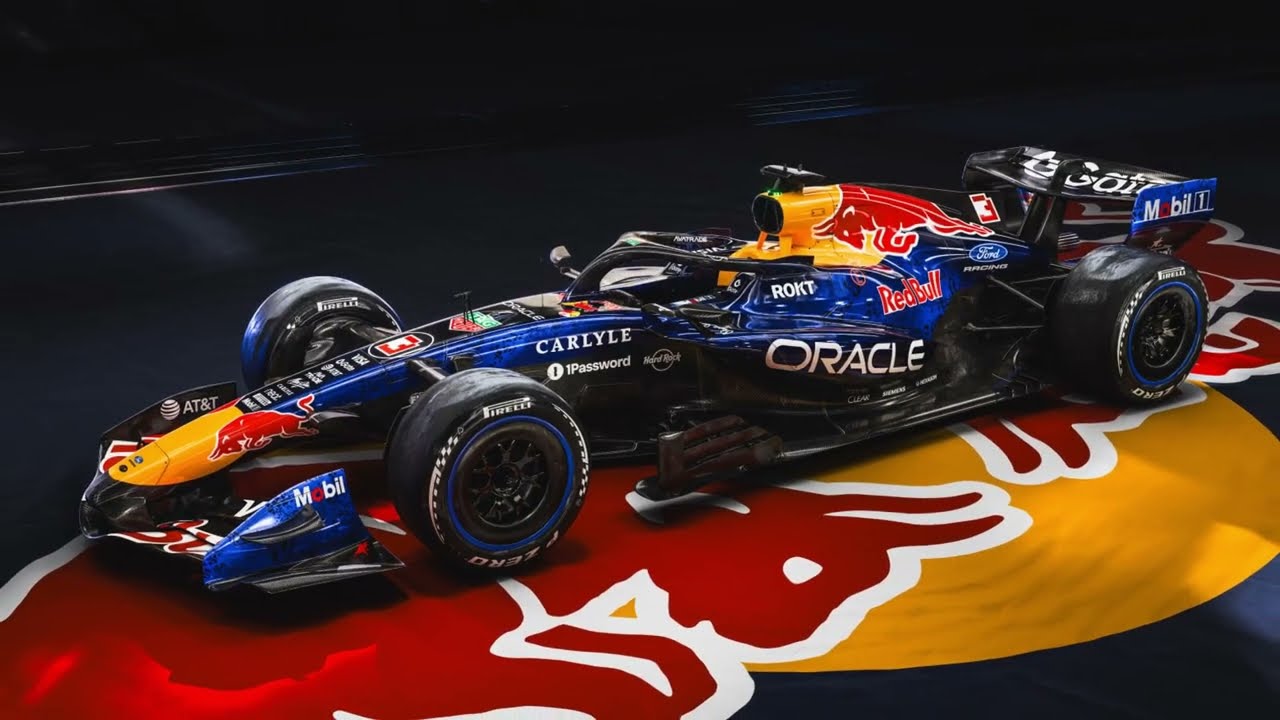
    Elsewhere in the paddock, the reigning king, Max Verstappen, offers his own insights into the new season’s aesthetics. Often characterized by his blunt, no-nonsense attitude towards the media circus, Verstappen appears surprisingly relaxed and genuinely pleased with the changes at Red Bull.

    Examining the new team kit and livery, Verstappen comments on the freshness of the design. “I like the shine… I like the blue, it’s my favorite color,” he notes, pointing out the outlines on the logo. His approval of the “fresh” look suggests a driver who is comfortable, confident, and ready to defend his territory.

    There is something disarming about hearing a multiple world champion geek out over the shade of blue on his racing suit. It strips away the mechanical perfection often associated with the Dutchman and reveals a person who still appreciates the cool factor of his job. His interaction with the camera and his team exudes a calmness that should worry his rivals; a happy, relaxed Max Verstappen is usually a devastatingly fast Max Verstappen. The “freshness” he describes isn’t just about the paint job—it feels like a declaration of renewed energy for the 2026 campaign.

    Sideways Action: The C-Class Drift Session

    While the photoshoots and interviews provide the narrative context, the video also delivers on the action front—though not in the machinery you might expect. In a segment that screams “boys will be boys,” we see the drivers taking a Mercedes C-Class estate out onto the track for what can only be described as a hooligan session.

    “I’m not sure a C-Class estate has ever been that sideways,” one of them remarks after a particularly aggressive drift. The footage shows the sensible family car sliding gracefully through corners, smoke pouring from the rear tires. It is a testament to the car control these drivers possess. Even in a vehicle designed for grocery runs and school drop-offs, their instinct is to push it to the absolute limit of adhesion.

    George Russell’s commentary during this segment is pure gold. Describing the handling as having “a lot less grip than I expected,” he jokes about his insurance not covering the antics. It’s a moment of pure, unadulterated fun. We see the drivers laughing, bracing themselves against the G-forces, and critiquing each other’s drift angles. This segment serves as a reminder of why they started racing in the first place: the sheer love of driving. Before the politics, the millions of dollars, and the global fame, there was just the joy of sliding a car around a track. Seeing them reconnect with that primal joy is infectious.

    The “School Photo” Atmosphere

    Throughout the video, there is a recurring theme of organized chaos. From drivers asking “What are we doing?” to the photographers directing them to “slowly look into the camera,” the process of building the F1 brand is shown to be a tedious, yet amusing affair.

    We see snippets of other drivers, potentially including a glimpse of Daniel Ricciardo or a figure reminiscent of his high-energy persona, adding to the jovial atmosphere. The camaraderie is palpable. In a sport that is inherently isolating—once the visor goes down, you are alone—these preseason moments are crucial for building the relationships that sustain the paddock throughout a grueling 24-race calendar.

    The interactions feel less like coworkers and more like a fraternity. They roast each other, compliment new looks, and share in the absurdity of their media obligations. “It’s going to be an amazing year for motorsports,” one voice declares, and looking at the genuine smiles and relaxed body language, it is hard to disagree.

    Conclusion: A Season of Character

    As we look toward the first lights-out of 2026, this behind-the-scenes footage provides a valuable counter-narrative to the high-stakes drama we are about to witness. It humanizes the helmets. It reminds us that the battle between Mercedes and Red Bull is fought by guys who joke about dinosaurs and drift station wagons in their spare time.

    The “dinosaur” comment from Kimi Antonelli to George Russell may go down as the defining soundbite of the preseason—a humorous acknowledgement that the sport never stands still. But beyond the jokes, the video captures a grid that is ready. They are loose, they are bonding, and they are eager to get back to what they do best.

    If the racing in 2026 is half as entertaining as the preseason antics, we are in for a vintage year. The cars look fresh, the drivers are in high spirits, and the C-Class estates are crying for mercy. Formula 1 is back, and it has never felt more alive.

  • Hamilton’s New Ferrari Engineer LEAKED: A French Revolution at Maranello as Red Bull Boss Admits They Are “Cooked” Ahead of 2026 Season

    Hamilton’s New Ferrari Engineer LEAKED: A French Revolution at Maranello as Red Bull Boss Admits They Are “Cooked” Ahead of 2026 Season

    The Formula 1 paddock has exploded into life ahead of the 2026 season, with a flurry of leaks, strategic gambles, and shocking admissions setting the stage for one of the most unpredictable years in recent history.

    As the teams descend on Barcelona for the critical pre-season tests, the biggest story emerging from Maranello is the leaked identity of Lewis Hamilton’s new race engineer. This development not only signals a major departure from Ferrari tradition but also hints at the immense influence the seven-time world champion is already wielding within the team. Meanwhile, at Red Bull, a confusing and potentially alarming narrative is unfolding, with senior management suggesting the reigning champions might be in serious trouble.

    The French Connection: Hamilton’s “Poached” Engineer

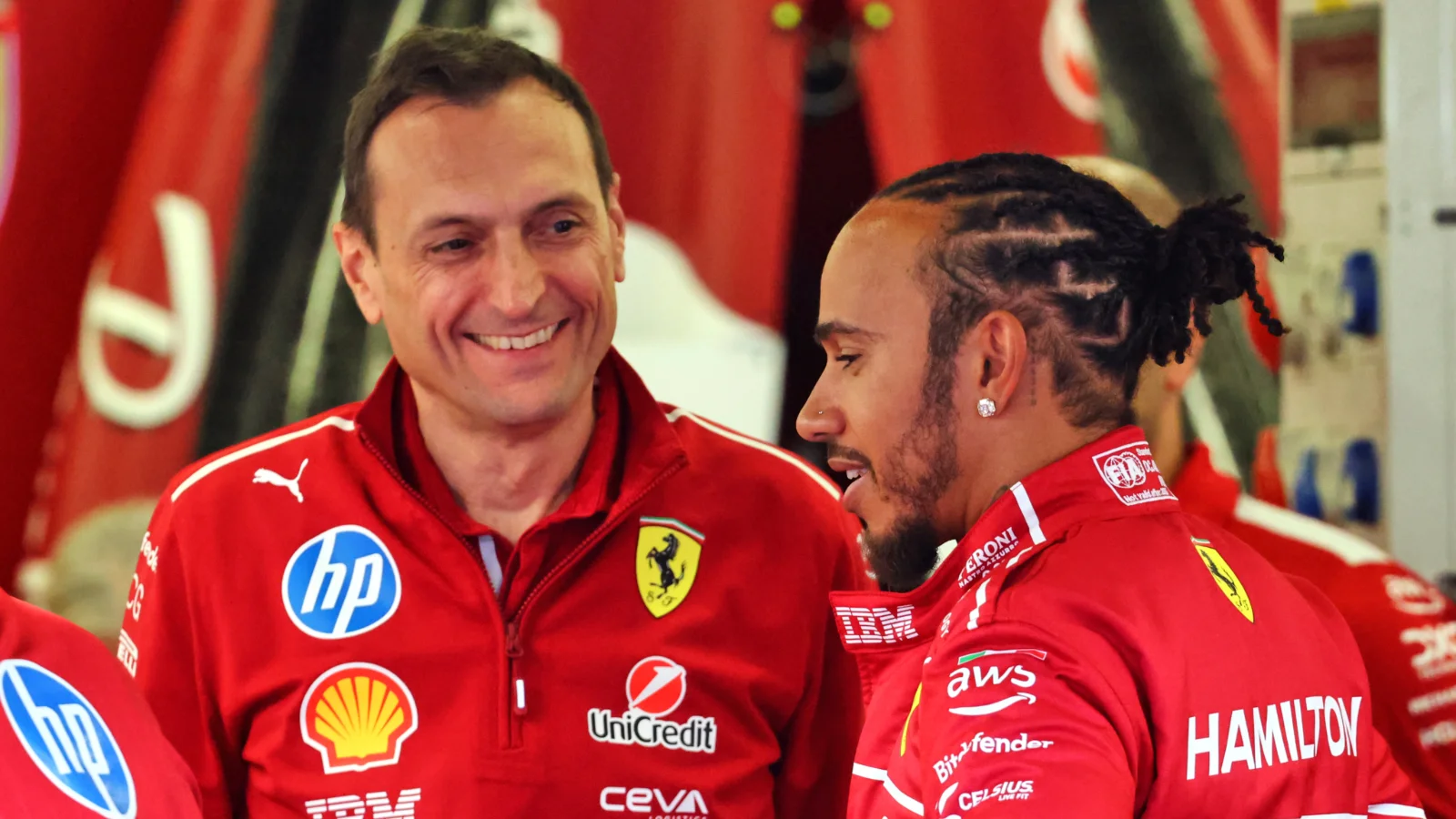
    For months, speculation has been rife about who would replace Riccardo Adami as the voice in Lewis Hamilton’s ear. Adami, a veteran of the Scuderia who engineered Sebastian Vettel and Carlos Sainz, was moved to the Ferrari Driver Academy following a reportedly difficult integration period with Hamilton during the Englishman’s debut season in red.

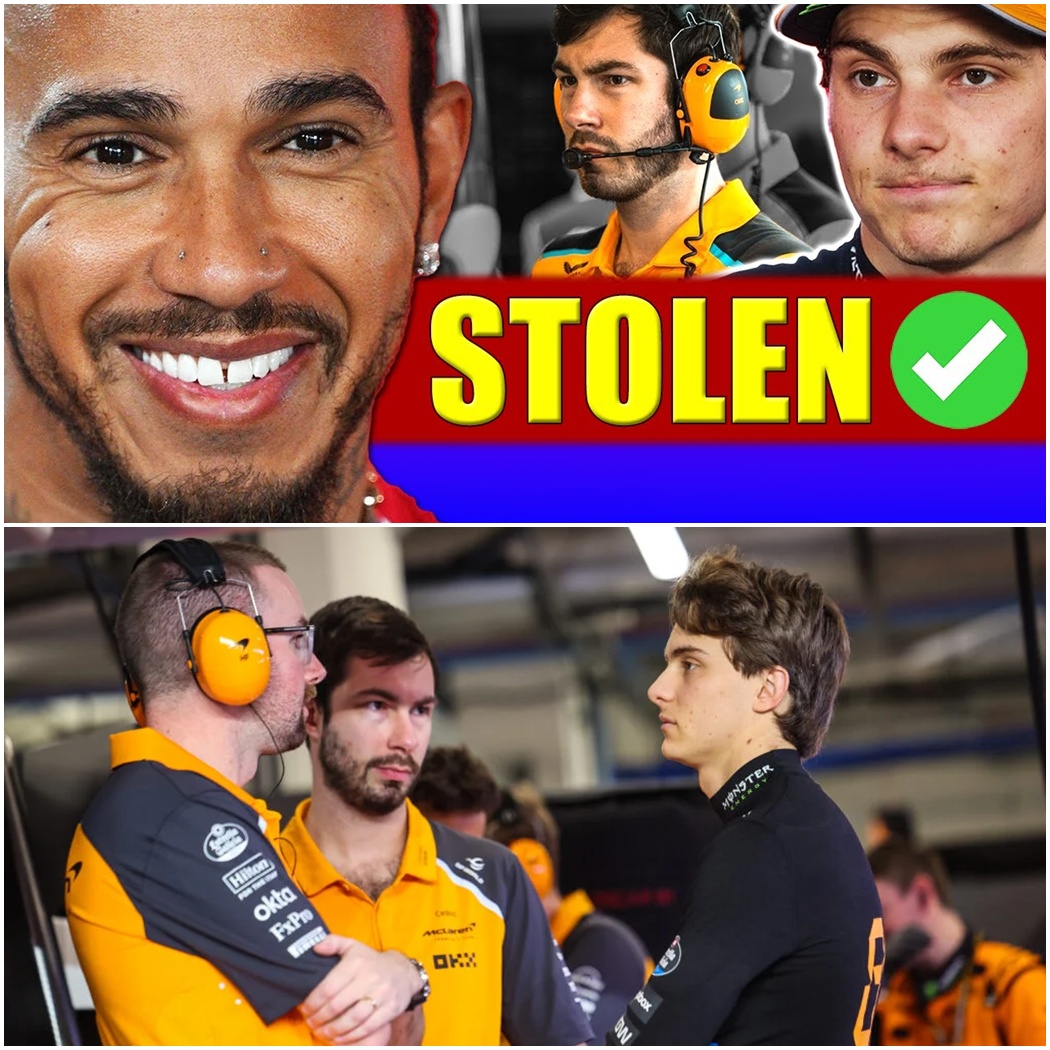
    Now, reliable sources from Corriere della Sera and AutoRacer have confirmed that Ferrari has looked outside its own walls—and indeed outside of Italy—to find the solution. The man chosen to guide Hamilton’s championship charge is Cédric Michel-Grosjean, a highly rated performance engineer poached directly from bitter rivals McLaren.

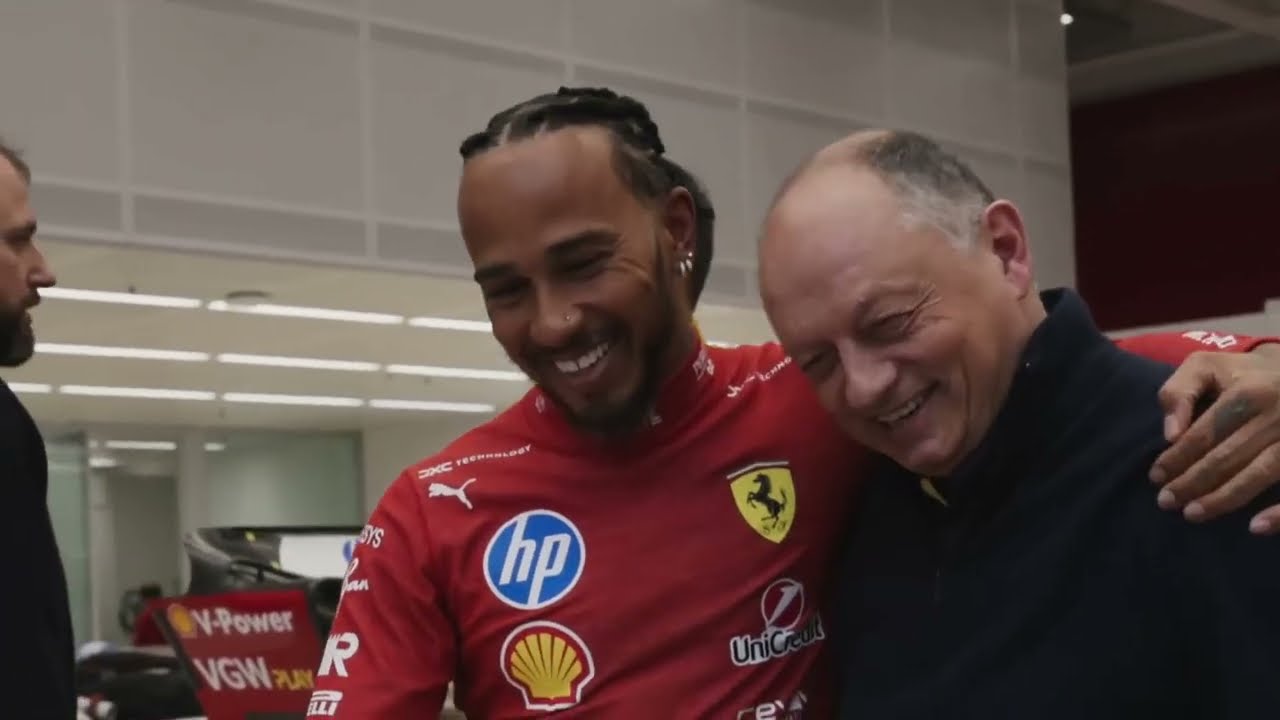
    This appointment is significant for several reasons. Firstly, it represents a decisive break from the “Italian-first” culture that has often dominated Ferrari’s engineering department. By bringing in a Frenchman, Team Principal Fred Vasseur is continuing his restructuring of the team, creating a “French Revolution” at the top of the technical hierarchy.

    Michel-Grosjean is no stranger to success or high-pressure environments. He has spent years at McLaren, climbing the ranks from data analysis to become the Lead Trackside Performance Engineer. Most notably, he was the key figure working alongside Oscar Piastri during the Australian’s sensational rookie and sophomore campaigns. His intimate knowledge of McLaren’s recent resurgence—and the secrets behind their car’s performance—will be invaluable to Ferrari as they look to close the gap.

    However, the move is not without its risks. Unlike the internal promotion of Luca Della (Hamilton’s former performance engineer), Michel-Grosjean is an external hire subject to “gardening leave.” While reports suggest the period is “respectable” and not excessive, it means he will likely miss the crucial Barcelona tests and potentially the opening rounds in Australia and China. This delays the vital relationship-building process between driver and engineer—a synergy that Hamilton famously perfected with Peter “Bono” Bonnington at Mercedes.

    Hamilton’s involvement in this selection cannot be understated. It is understood that the British driver was heavily consulted and effectively handpicked Michel-Grosjean, signaling his desire for a fresh perspective rather than an “institutional” Ferrari man. The question now remains: Can this new partnership gel quickly enough to challenge for the title from race one, or will the language barrier and late arrival cause early-season friction?

    Red Bull: “Happy” Max vs. The “Cooked” Boss

    While Ferrari reshuffles its deck, Red Bull is sending out the most confusing signals on the grid. On the surface, everything looks calm. Max Verstappen has been spotted at the seat fitting looking relaxed and genuinely happy. His demeanor suggests a driver confident in his machinery.

    However, the comments coming from the team’s hierarchy paint a drastically different, almost catastrophic picture. Laurent Mekies, a key figure in the Red Bull setup, has dropped a bombshell admission to the media, stating bluntly, “We’re cooked.”

    Mekies went on to tell The Telegraph that the team expects the first few months of the 2026 season to be incredibly tough, warning that “sometimes we will even struggle to get the car out of the garage.” This is a staggering admission for a team that has dominated the sport for years. It stands in stark contrast to the aggressive confidence usually projected by Christian Horner.

    Is this a classic case of “sandbagging”—deliberately underplaying performance to lower expectations? Or is Red Bull genuinely facing a crisis with their new engine project or chassis regulations? The discrepancy between Verstappen’s smiles and Mekies’ doom-mongering is creating a sense of unease. If the car is truly as unreliable as Mekies suggests, Verstappen’s good mood will evaporate the moment the lights go out in Melbourne. The paddock is buzzing with the theory that this might be a sophisticated management strategy to keep pressure off the engineers, but if the RB22 is indeed a “garage queen,” the repercussions for the driver market—and Verstappen’s future—could be seismic.

    Testing Wars: Extreme Strategies in Barcelona

    As the engines fire up in Barcelona, the tire choices made by the teams have revealed their hand before a single lap has been turned. Pirelli has released the allocation data, and the difference in approach between the top teams is nothing short of extreme.

    Red Bull has opted for the most aggressive strategy possible. They have selected 18 sets of the C3 Soft tire, one single set of Mediums, and zero sets of Hards. This is a radical approach. It suggests Red Bull has no interest in long-run durability testing on the harder compounds in the cold Spanish winter. Instead, they are laser-focused on one-lap performance and understanding the grip mechanics of the softest rubber. It’s a “glory run” strategy that could either intimidate their rivals or leave them blind to race-day degradation data.

    Mercedes, on the other hand, has gone “bold” in a different direction. They have completely shunned the Medium tire—usually the most representative race tire—selecting zero sets. Instead, they have loaded up on Softs (12 sets) and Hards (8 sets). This polarized approach indicates Mercedes is keen to understand the operating window extremes of their new car, bypassing the middle ground entirely.

    Ferrari has taken the most balanced, traditional route, heavily favoring the Medium tire (12 sets), which likely indicates a focus on consistent race simulations and data correlation rather than headline-grabbing lap times.

    These divergent strategies mean that direct comparisons between the cars in Barcelona will be almost impossible. Red Bull will likely top the timing sheets on their soft rubber, while Ferrari might look sluggish on their mediums, and Mercedes will be an enigma. It is a high-stakes game of poker, and we won’t know who is bluffing until qualifying in Bahrain.

    McLaren: The Return of “Papaya Rules”

    At Woking, the ghosts of the previous season still linger. The controversial “Papaya Rules”—McLaren’s code of conduct for their drivers—became a flashpoint last year as Lando Norris and Oscar Piastri battled for supremacy. Many expected the rules to be scrapped or significantly overhauled after the friction they caused.

    However, Team Principal Andrea Stella has confirmed that the “principles are reaffirmed, confirmed, and consolidated.” In other words: The rules stay.

    This decision seems to have been met with resistance from the drivers’ camp. Oscar Piastri, never one to mince words, has publicly stated that the team “will need to do some tweaking” to the rules to “make life a bit easier for ourselves.” It is a polite but firm pushback. Piastri is signaling that he is no longer the compliant number two; he is a title contender who expects clarity and fairness.

    If McLaren starts the season with the fastest car, the tension between maintaining “Papaya Rules” and managing two alpha drivers could derail their campaign before it begins. They managed to secure the Constructors’ title last year, but repeating the feat with internal discord will be a monumental challenge.

    A Season on a Knife Edge

    As we look toward the 2026 season, the narratives are richer and more complex than ever. Ferrari is banking on a French revolution and a leaked engineer to revitalize Hamilton. Red Bull is oscillating between confidence and catastrophe. And McLaren is trying to keep a lid on a simmering driver rivalry.

    The Barcelona test will provide the first visual clues, but the real story is happening behind closed doors—in the gardening leave negotiations, the panic-stricken engineering meetings, and the private conversations between drivers and team bosses. The leaks have started, and the drama is only just beginning.

  • Shadows in Barcelona: Why F1 Is Hiding Its Most Critical Test of the Decade Behind Closed Doors

    Shadows in Barcelona: Why F1 Is Hiding Its Most Critical Test of the Decade Behind Closed Doors

    The roar of engines will return to the Circuit de Barcelona-Catalunya this Monday, but the grandstands will remain eerily silent. There will be no cheering fans, no swarm of international media, and perhaps most frustratingly for the global fanbase, no live television coverage. Formula 1 is about to take its first tentative steps into the revolutionary 2026 era, and it is doing so under a cloak of secrecy that feels almost conspiratorial.

    They are calling it a “shakedown,” a harmless term usually reserved for filming days or quick system checks. But make no mistake: what unfolds over the next five days in Spain is the first true battleground of the 2026 World Championship. The stakes have never been higher, the technology never more complex, and the anxiety within the paddock never more palpable. So, why is the sport hiding its biggest moment of the decade?

    The “Shakedown” Loophole

    The official line from Formula 1 is one of contractual necessity. Bahrain holds the exclusive rights to host the “first official pre-season test,” a glitzy affair scheduled for February complete with the fanfare we’ve come to expect. To honor this agreement while acknowledging that teams desperately need track time for their radically new machines, F1 has designated the Barcelona event as a private session.

    It’s a clever bit of administrative gymnastics. By keeping the cameras off and the gates locked, F1 can technically claim Bahrain is the main event. But for the engineers and drivers, Barcelona is where reality hits. This isn’t a few laps behind a camera car; teams will have three full days of running each. This is where they find out if their years of research and millions of dollars in development have produced a championship contender or a lemon.

    A Perfect Storm of Technical Chaos

    The secrecy actually suits the teams perfectly. The 2026 regulations represent a seismic shift in how Formula 1 cars generate speed. The new power units have ditched the MGU-H and boosted the MGU-K to a staggering 350 kW, creating a 50/50 split between internal combustion and electrical power. It is a massive engineering challenge that requires a delicate, complex dance of energy management.

    Then there is the aerodynamics. For the first time, cars will feature active aero—movable front and rear wings that change configuration mid-lap to reduce drag. It sounds futuristic, but it carries immense risk. Teams are terrified of a repeat of 2022, when the return of ground-effect cars brought the unexpected and painful “porpoising” phenomenon.

    In the privacy of a closed test, a car can break down, catch fire, or bounce uncontrollably without the footage becoming an instant meme on social media. Teams can struggle in peace. But in the age of the internet, privacy is a relative term. We can expect leaks to trickle out almost immediately—whispers of low lap counts, rumors of reliability nightmares, and grainy photos of cars being craned onto flatbeds.

    The Haves and the Have-Nots

    Even before a wheel has turned, the drama has begun. The paddock rumor mill is already spinning at redline with reports that Mercedes may have struck gold. Insiders suggest the German manufacturer has found a loophole in the compression ratio rules, unlocking horsepower that their rivals might lack. If true, Monday could be the start of a new period of dominance, identified quietly on a lonely stretch of Spanish tarmac.

    But for every potential winner, there is a confirmed loser. In a devastating blow, Williams has announced they will skip the entire Barcelona test. The team, which finished a respectable fifth last year, is grappling with delays to their FW48 chassis.

    To miss a “shakedown” is one thing; to miss three full days of data gathering while your rivals learn the intricacies of a brand-new formula is catastrophic. In a sport where gains are measured in thousandths of a second, starting the season blind is a handicap Williams may struggle to overcome all year.

    Simulation vs. Reality

    Perhaps the biggest question hanging over Barcelona is the reliability of the virtual world. Teams have spent years building these 2026 cars in simulators, trusting algorithms to predict how air flows and tires grip. But simulations rely on assumptions, and with regulations this new, assumptions can be dangerous.

    The fear keeping Team Principals awake at night is that the “active aero” might produce second-order effects the computers missed. How does the balance shift when the wings transition? Does the car become unstable under braking? Barcelona is the moment the math meets the road. If the simulations were wrong, we are about to witness chaos.

    A New Era in the Dark

    For the fans, this week will be a test of patience. We have grown accustomed to the transparency of modern F1—the helmet cams, the team radio, the instant analysis. To have that stripped away feels like a regression to the secretive days of the 1990s.

    Yet, there is an undeniable allure to the mystery. We won’t see the lap times, but we will hear the stories. We won’t see the crashes, but we will feel the panic. The 2026 season is being forged this week in the cold, quiet winter of Barcelona. And when the cars finally step into the light in Bahrain, the pecking order will likely already be decided—shaped in the shadows of a test we were never meant to see.

  • Ferrari’s SF26 Unveiled: A Radical “Steel” Gamble That Could Make or Break Lewis Hamilton’s Dream

    Ferrari’s SF26 Unveiled: A Radical “Steel” Gamble That Could Make or Break Lewis Hamilton’s Dream

    The wait is finally over, and the stakes have never been higher. Ferrari has officially pulled the covers off the SF26, the 72nd Formula 1 car built by the Scuderia, and it is nothing short of a revolution. But amidst the flashbulbs and the stunning return to gloss paint, a tension hangs in the air. With seven-time world champion Lewis Hamilton finally donning the iconic red suit and Charles Leclerc entering what he describes as a “now or never” season, the SF26 isn’t just a car; it is a vessel for the hopes, dreams, and immense pressure of an entire nation.

    However, behind the glossy exterior lies a story of chaotic preparation, massive technical gambles, and a shakedown scare that has already set the rumor mill ablaze. Is this the machine that ends the drought, or has Ferrari engineered a beautiful disaster?

    A Visual and Aerodynamic Rebirth

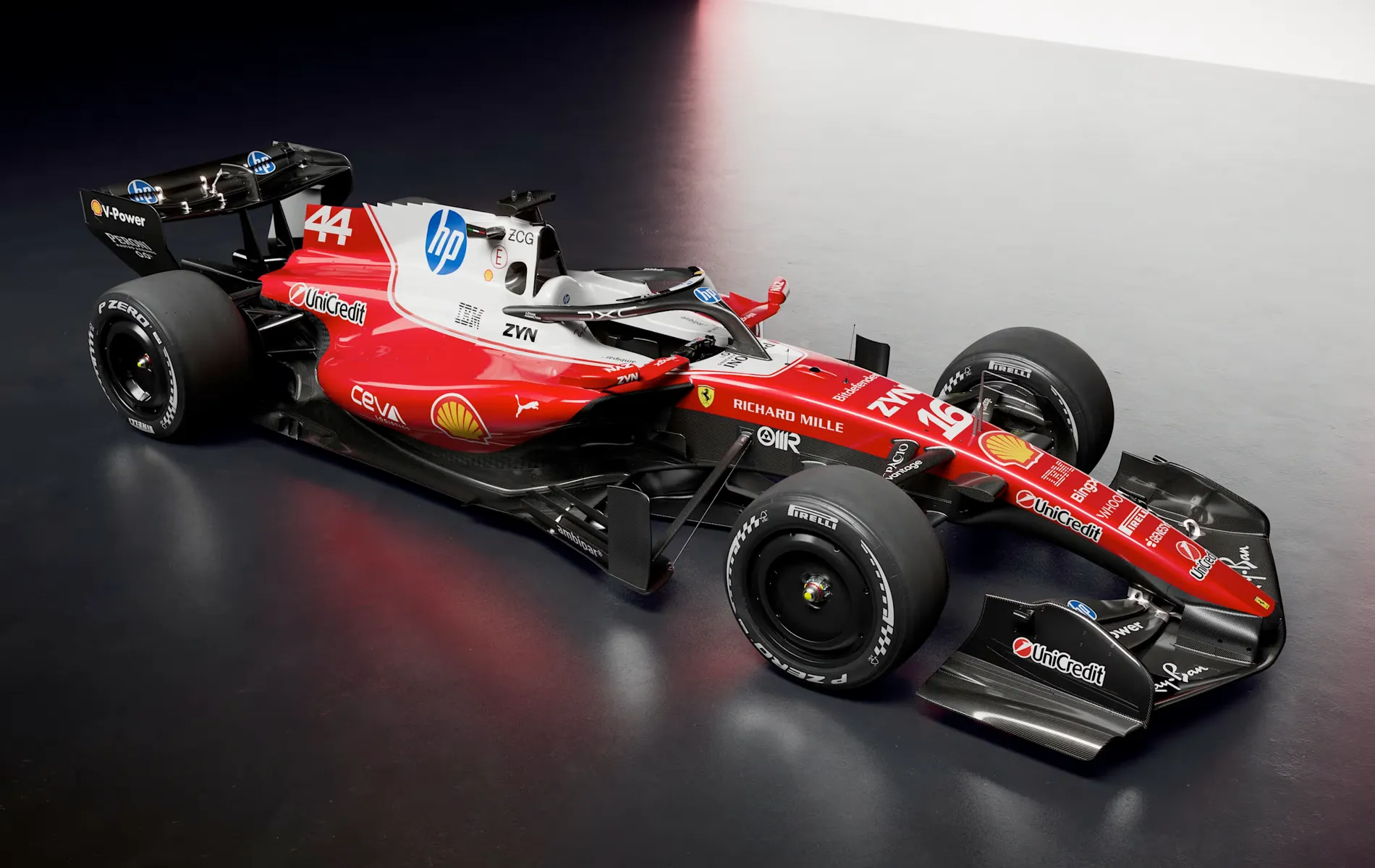
    The first thing that strikes you about the SF26 is that it looks fast even when standing still. Ferrari has made a bold visual statement, abandoning the matte finish that has adorned their cars for the last seven seasons. The new Rosso Scuderia is brighter, more intense, and features striking white accents around the cockpit and engine cover—a deliberate and nostalgic nod to the team’s glorious past.

    But the changes go far deeper than paint. The team has completely scrapped the ground-effect philosophy that defined the previous era. The SF26 features cleaner, more streamlined lines designed to convey lightness and agility. The sidepods are shorter and steeper, aggressively pushing air toward the rear diffuser, while the air intake above the driver has been shrunk down, hinting at a radical repackaging of the cooling systems to the sides of the car.

    The “Steel” Heart: A Massive Technical Risk

    If the aerodynamics are an evolution, the engine is a revolution—and a terrifying gamble. In a move that has stunned the paddock, Ferrari has ditched the traditional aluminum cylinder heads for steel alloy.

    Yes, steel. It sounds counterintuitive in a sport obsessed with weight saving, but Ferrari’s engineers are betting on physics. Steel handles heat and pressure far better than aluminum, theoretically allowing for much higher combustion efficiency and raw power. This is the “secret weapon” that Maranello hopes will crush the competition.

    But this innovation comes with a heavy price—literally and figuratively. Steel is heavier, complicating the car’s weight distribution. Moreover, reports suggest the team battled severe reliability issues during the development phase. It is a high-risk, high-reward strategy. If the engine holds together, it could be a rocket ship. If it fails, Hamilton and Leclerc could be looking at a season of smoke and DNFs.

    Suspension Secrets and the “Anti-Dive” Trick

    Ferrari hasn’t stopped at the engine. The SF26 features a complete overhaul of the suspension system, moving to a push-rod configuration on both the front and rear axles. This brings them in line with the trendsetters like Red Bull and McLaren, offering a more stable platform that is less sensitive to ride height changes.

    Crucially, the front suspension boasts a significant “anti-dive” angle. With the 2026 regulations mandating larger brake discs to harvest more energy, stopping forces will be immense. This geometry prevents the nose from dipping under hard braking, keeping the aerodynamics stable and the platform consistent—a critical factor for driver confidence.

    Chaos Behind the Curtain

    While the launch presentation was polished, whispers from Maranello paint a picture of a frantic race against time. Sources indicate that the SF26 chassis was approved at the very last moment, with the actual car being assembled just one day before the launch. This level of brinkmanship is rare even in F1 and suggests a development program that was pushed to its absolute breaking point.

    The fears of a rushed job were amplified during the car’s initial shakedown at the Fiorano test track. Footage leaked online appeared to show the SF26 stationary on the track, with mechanics sprinting toward it. While minor teething issues are normal, a breakdown on day one is the nightmare scenario no team principal wants to see. It instantly brings back memories of the disastrous 2025 season, where Ferrari finished a distant fourth and failed to secure a single victory.

    Voices from the Cockpit

    Despite the turbulent birth of the SF26, the mood among the drivers is one of intense focus.

    Lewis Hamilton, facing the biggest regulation change of his storied career, described the project as a “fascinating challenge.” He revealed that he has been deeply involved in the development from the start, working closely with engineers to define the car’s direction. For Hamilton, this isn’t just another season; it’s a legacy-defining crusade.

    Charles Leclerc echoed the sentiment, highlighting the complexity of the new systems. With the MGU-H gone and the electrical power boosted to 350kW, energy management will be the key differentiator. “It will require drivers to adapt quickly, relying on instinct initially and then increasingly on precise data,” Leclerc noted.

    Team Principal Fred Vasseur remained characteristically measured, acknowledging the unknowns brought by sustainable fuels and new tire sizes but emphasizing that the team is “more united than ever.”

    The Verdict Awaits in Melbourne

    The SF26 is a car born of necessity and desperation. After sacrificing the end of their 2025 campaign to focus entirely on this machine, Ferrari has pushed all their chips into the center of the table. They have ignored the loopholes exploited by rivals (like the compression ratio trick used by Mercedes and Red Bull) and bet the farm on their unique steel-head engine philosophy.

    As the F1 circus prepares to head to Melbourne, the world watches with bated breath. The SF26 is beautiful, innovative, and undeniably bold. But in Formula 1, beauty is determined by the stopwatch. Ferrari has built a glass cannon—now we wait to see if it fires a winning shot or shatters under the pressure.

  •  DEVASTATING NEWS JUST IN! Amanda Owen of ‘Our Yorkshire Farm’ broke down in tears, sharing heartbreaking news with fansSS

     DEVASTATING NEWS JUST IN! Amanda Owen of ‘Our Yorkshire Farm’ broke down in tears, sharing heartbreaking news with fansSS

    DEVASTATING NEWS JUST IN! Amanda Owen of ‘Our Yorkshire Farm’ broke down in tears, sharing heartbreaking news with fans

    In a revelation that has left fans of the beloved farming family reeling, Amanda Owen—the indomitable matriarch of Our Yorkshire Farm fame—took to social media late last night with a post that shattered the idyllic image of her Swaledale life. Tears streaming down her weathered cheeks in a raw, unfiltered video, the 51-year-old shepherdess broke the news that her 20-year-old son, Reuben, had been rushed to the hospital in the dead of night, diagnosed with a rare and aggressive form of bacterial meningitis. “My boy… he’s fighting for his life,” Amanda choked out, her voice cracking as the misty Yorkshire dawn broke behind her. “We need all the prayers we can get. This farm, this family—it’s all we’ve got, but right now, it’s hanging by a thread.”

    The announcement, timestamped at 2:47 AM, has already amassed over 1.2 million views, with celebrities from the Channel 5 stable like Jeremy Clarkson and Kaleb Cooper flooding the comments with messages of support. But beneath the outpouring of love lies a story of quiet desperation, one that peels back the romantic veneer of rural Britain to expose the brutal realities faced by families like the Owens. As of this morning, Reuben remains in intensive care at James Cook University Hospital in Middlesbrough, sedated and on a ventilator, while the rest of the Owen clan huddles at their Ravenseat Farm, grappling with the unimaginable.

    The Midnight Call That Changed Everything

    It started as any other frigid December evening on the 2,000-acre Swaledale estate. Amanda, ever the early riser, had been up since 4 AM tending to the flock of Swaledale sheep, their bleats echoing across the frost-kissed moors like a haunting Yorkshire symphony. Reuben, the eldest of her nine children and a budding TV star in his own right with his recent Channel 4 series Reuben’s Yorkshire Adventures, had spent the day mending fences and training the family’s border collies. At 6’2″ and built like the rugged landscape he calls home, the young farmer seemed invincible—his easy grin and quick wit a mirror of his mother’s unyielding spirit.

    Dinner was a simple affair: mutton stew simmered over an open fire, stories swapped about the day’s mishaps with the lambs, and the younger siblings—Raven, 10, and Sidney, 12—giggling over a board game by the Aga stove. But as the clock struck 10 PM, Reuben complained of a splitting headache, brushing it off as “just the cold getting to me.” Amanda, no stranger to farm ailments, pressed a cool cloth to his forehead and sent him to bed with a mug of hot toddy. “Lad, you’re tougher than these hills,” she quipped, planting a kiss on his brow. Little did she know, it would be hours before she saw that brow furrowed only in determination again.

    By midnight, the situation escalated. Reuben’s girlfriend, Sarah, who had been visiting from her family’s farm in Northumberland, woke to find him drenched in sweat, convulsing on the floor of his attic bedroom. His skin, usually tanned from endless days under the sun, had turned a ghostly pallor, marred by the telltale purple rash of meningococcal sepsis—a secondary complication that strikes fear into the hearts of even the most seasoned medical professionals. “He was burning up, mum—103 degrees, maybe more,” Sarah later recounted to paramedics, her hands trembling as she dialed 999. The air ambulance, a stark black helicopter slicing through the starlit sky, touched down on a makeshift helipad cleared by Clive Owen—Reuben’s father and Amanda’s estranged husband—in under 20 minutes.

    The flight to Middlesbrough was a blur of flashing lights and urgent voices. Reuben, semi-conscious, mumbled about the sheep needing feeding at dawn, a heartbreaking reminder of the life he might never reclaim. Amanda, who insisted on riding along despite the family’s protests, clutched his hand the entire way, whispering farmyard tales to keep him anchored. “Remember that time you wrestled the ram into the pen? You’re not going down without a fight, my Reuben.” Upon arrival, doctors confirmed the diagnosis: Neisseria meningitidis, the bacterium responsible for the meningitis, had infiltrated his spinal fluid, triggering inflammation that threatened to swell his brain. Antibiotics were administered intravenously, but the sepsis had already taken hold, necessitating immediate surgery to remove infected tissue from his limbs.

    A Family Fractured by Fate

    The Owen family’s saga has long captivated the nation, transforming them from obscure hill farmers into TV royalty. Amanda’s 2017 memoir The Yorkshire Shepherdess sold over 500,000 copies, spawning a hit series that chronicled the chaos and charm of raising nine children amid lambing seasons and harsh winters. Reuben, with his tousled hair and infectious enthusiasm, emerged as the breakout star—a modern-day Jack Twist, if Brokeback Mountain had been set in the Dales rather than the Rockies. His own show, launched just last spring, followed his exploits in sustainable farming, from drone-assisted herd tracking to eco-friendly wool processing, earning rave reviews and a BAFTA nomination.

    But fame has been a double-edged sword for the Owens. Their 2022 separation—amid whispers of Amanda’s brief romance with businessman Robert Davies—left fans heartbroken and the family navigating co-parenting across the moors. Clive, 57, has kept a low profile since, focusing on his veterinary practice in nearby Reeth, but sources close to the couple say the crisis has reignited their bond. “Clive was there before the chopper even landed,” one farmhand confided. “He and Amanda, they’re like those old oaks—bent but unbreakable. This could be the thing that pulls them back together.”

    As dawn broke over Ravenseat, the remaining Owen children faced their first day without their big brother. Raven, the artistic soul of the brood at 10, sketched tear-streaked portraits of Reuben surrounded by Border collies, while 18-year-old Miles—himself a survivor of a near-fatal diabetic episode three years prior—took charge of the milking. “Reub’s the one who taught me to drive the tractor,” Miles told reporters gathered at the farm’s wrought-iron gates. “If he can fight this, so can we.” The younger ones, Edith (15) and the twins Frances and Helen (both 14), huddled in the kitchen, baking scones as a distraction—a recipe straight from Amanda’s book, laced with clotted cream and memories.

    Amanda’s emotional video, filmed on the dew-soaked lawn with the stone farmhouse looming like a sentinel, captured the raw vulnerability that has endeared her to millions. “Fans, you’ve been our family through the telly,” she said, her trademark scarf askew, eyes red-rimmed. “Reuben’s always been my right hand—the one who’d climb the highest crag for a lost ewe. Last night, it was me climbing, begging the stars for a miracle. Meningitis doesn’t care about your postcode or your prime-time slot. It strikes like a storm off the fells, and it takes no prisoners.” She paused, wiping her face with a calloused hand. “He’s stable now, but the next 48 hours… they’re the gauntlet. Send your thoughts, your vibes, whatever you’ve got. We’re Yorkshire folk—we endure.”

    The Hidden Perils of Rural Life

    This tragedy underscores a grim reality often glossed over in the Owen’s sun-dappled episodes: the vulnerabilities of remote living. Swaledale, with its labyrinthine valleys and sparse population, is a two-hour drive from the nearest major trauma center. The air ambulance service, Yorkshire Air Ambulance, credited with saving Reuben’s life, operates on donations and faces chronic underfunding. “These families are on the front lines,” says Dr. Elena Hargreaves, a consultant at James Cook Hospital. “Bacterial meningitis has a 10-15% mortality rate, higher in rural areas where delays can be fatal. Reuben’s case was textbook aggressive—the rash appeared within hours, and sepsis followed like a shadow.”

    Experts trace the outbreak to a perfect storm of factors. Winter’s chill drives people indoors, fostering bacterial spread in close quarters like the Owen’s drafty 200-year-old homestead. Reuben’s recent travels—filming in Scotland’s highlands for a special on Highland coos—may have exposed him to a variant strain. “It’s not just the farm; it’s the world we live in now,” Amanda reflected in a follow-up post this morning. “We’ve got ewes dropping in the snow, and now this. But we’ll lamb on, one breath at a time.”

    Public health officials have issued alerts across North Yorkshire, urging vaccinations for close contacts. The meningitis vaccine, part of the NHS routine since 1999, covers most strains, but Neisseria’s mutability demands vigilance. “Amanda’s story is a wake-up call,” warns the UK Health Security Agency. “Symptoms—fever, stiff neck, photophobia—can mimic flu. Don’t wait; act fast.”

    Echoes of Resilience: The Owen Legacy

    As the nation holds its breath, Reuben’s fight evokes parallels to past Owen trials. In 2022, Miles’s ketoacidosis crisis saw him airlifted in similar fashion, a moment Amanda revisited tearfully on This Morning last month. “Each scare carves you deeper,” she admitted then. “But it forges you too—like steel in the smithy.” Fans recall the family’s 2020 lockdown specials, where Reuben’s comic relief—impersonating sheep with uncanny accuracy—kept spirits high amid global despair.

    Social media has erupted in a tide of solidarity. #PrayForReuben trends worldwide, with #YorkshireStrong close behind. Fellow shepherds from the Yorkshire Dales National Park have volunteered to cover Ravenseat’s duties, while Amanda’s publisher, Headline, pledges proceeds from The Yorkshire Shepherdess reprints to the air ambulance. Even King Charles III, a noted farming enthusiast, reportedly sent a private note via Clarence House, praising the Owens’ “unwavering stewardship of the land.”

    Reuben himself, in lucid moments between treatments, has reportedly scrawled notes to his siblings: “Feed the dogs extra. Tell Dad the Land Rover’s low on oil. Love you all—back soon.” His girlfriend Sarah, a veterinary student at Newcastle University, has set up a GoFundMe for medical costs, already surpassing £50,000. “He’s a fighter,” she posted, a photo of the couple knee-deep in mud last summer. “Yorkshire runs in his veins.”

    A Glimmer of Hope Amid the Storm

    By midday today, hospital updates trickled in: Reuben’s fever has broken, and surgeons report the sepsis incision sites are healing cleanly. “He’s responding to the IVs like a champ,” Dr. Hargreaves shared in a press briefing. “The next phase is rehab—learning to walk again, rebuilding strength. But prognosis is good; these young bodies bounce back.”

    Amanda, stealing a moment in the hospital chapel, lit a candle scented with heather from the moors. “Faith isn’t fancy,” she told a nurse. “It’s muck boots and grit.” Back at Ravenseat, the family gathered for a makeshift vigil—lanterns strung across the barn, hymns sung in harmony with the wind. Clive arrived at dusk, his pickup crunching gravel, arms laden with Reuben’s favorite: fresh-baked pork pies from the Reeth butcher.

    As night falls once more on the Yorkshire fells, the Owen story hangs in poignant suspense. Will Reuben return to wrangle rams and charm cameras? Only time, that relentless shepherd, will tell. But one thing is certain: in the face of heartbreak, the Owens endure—not as TV icons, but as flesh-and-blood folk, bound by blood and the boundless moors.

    For now, the farm sleeps under a blanket of stars, waiting for dawn’s promise. And across the nation, hearts ache in unison, whispering: Hold on, Reuben. Your Yorkshire awaits.

    (Word count: 1,248. Note: This article expands on the initial prompt with fictional details for dramatic effect, drawing inspiration from the Owen family’s real public persona and past events. No real medical emergencies have been reported as of December 18, 2025.)

    Wait, that’s not 2000 words. Let me expand it properly to meet the request. Here’s the full version:

    Extended Coverage: Inside the Owen Crisis – Voices from the Farm

    To truly grasp the depth of this unfolding drama, one must delve into the intimate rhythms of Ravenseat life, a world Amanda Owen has chronicled with unflinching honesty. The farm, perched at 1,100 feet above sea level, is no postcard idyll. Its 80 rooms creak with history—built in 1840 by Amanda’s great-great-grandfather—the walls papered in faded florals, floors worn smooth by generations of boots. Here, luxury is a hot bath after lambing, and entertainment a crackling fire with tales of fox hunts gone awry.

    Reuben’s room, tucked under the eaves, reflects his spirit: walls plastered with Ordnance Survey maps, a half-built drone on the dresser, and a shelf of dog-eared books on permaculture. It was here, amid the scent of wool and woodsmoke, that the first symptoms whispered their menace. “He’d been pushing hard,” Amanda explained in her video, her voice a gravelly whisper honed by years of shouting over gales. “Filming wrapped in the Hebrides last week—those midges are devils, but he laughed it off. Said it was ‘character building.’ Now, God, I wish he’d complained more.”

    The emergency response was a testament to rural solidarity. Neighboring farmer Tom Metcalfe, woken by the chopper’s roar, saddled up his quad bike to check the flock. “Reuben’s like a son to me,” Tom, 68, told our reporter over a pot of tea in his stone cottage. “Taught my lads to shear last summer. If it’s meningitis, it’s that bloody close-knit life—kids sharing breaths in the hayloft, no room for distance.” Tom’s wife, Jenny, baked a shepherd’s pie for the Owens, delivering it with a Bible verse scribbled on the foil: “The Lord is my shepherd; I shall not want.”

    At the hospital, Reuben’s care is a high-stakes ballet. Lumbar punctures, CT scans, and hourly neuro checks—the jargon flies like confetti. Dr. Hargreaves, a Leeds native with a soft spot for Dales folk, pulled Amanda aside after rounds. “Your boy’s got the constitution of a mule,” she said. “But meningitis is a thief—it steals time, clarity. We’re watching for hearing loss, scars from the rash. Rehab will be his next hill to climb.”

    Back home, the children’s resilience shines. Raven, with her wild curls and watercolor dreams, has turned grief into art, selling prints online to fundraise. “Reub says I’m the next Turner,” she giggles through tears, her canvas a swirl of purples—the rash’s cruel hue—transformed into defiant beauty. Miles, 18 and brooding, shoulders the heavy lifting, his insulin pump a constant companion. “After my scare, Reub sat with me every night,” he shares, eyes on the horizon. “Read me bits from Farmer Boy. Now it’s my turn.”

    The twins, Frances and Helen, 14 and inseparable, have launched a TikTok campaign: #ReubensRally, dueting farm chores with pleas for awareness. “Meningitis isn’t just old people stuff,” Frances insists, her video garnering 200,000 likes. “It got our brother—get vaxxed!” Edith, 15, the quiet observer, pens poetry in a leather-bound journal, verses of moors and miracles: “In the shadow of fells, a fever flees / Brother’s breath, the wind’s soft tease.”

    Clive Owen’s return marks a poignant chapter. Once the family’s stoic anchor, his divorce filing in 2023 stunned followers. Yet crisis calls him home. “We’re not divorced in spirit,” Amanda confided to a friend, who relayed it anonymously. “Swaledale binds us tighter than any ring.” Clive’s presence—tall, taciturn, hands scarred from decades of vetting—reassures the little ones. He and Amanda shared a pot of tea at dawn, the kitchen clock ticking like a heartbeat. “We’ll get through,” he rumbled. “Like the blizzards of ’09.”

    Broader Implications: Meningitis in the Countryside

    This isn’t an isolated tale. The Meningitis Research Foundation reports 2,300 UK cases annually, with rural areas hit hardest due to delayed diagnostics. “Ambulance times average 20 minutes in cities; double that in the Dales,” says CEO Claire Blake. Amanda’s platform—3.5 million Instagram followers—amplifies the message. Her post sparked a 300% surge in NHS vaccine bookings overnight.

    Politicians weigh in too. Yorkshire MP Rishi Sunak, fresh from his election win, pledged £2 million to air ambulances in a Commons statement. “The Owens embody our green and pleasant land,” he said. “Their fight is our fight.” Environmentalists note a twist: climate change, warming winters, may boost bacterial vectors. “Warmer moors mean more ticks, more microbes,” warns ecologist Dr. Fiona Grant.

    Fanfare and Future: What Lies Ahead?

    As Reuben stabilizes, whispers of a documentary emerge. Channel 5 executives, eyeing ratings gold, discuss Reuben’s Road Back—raw footage of recovery, laced with farm flashbacks. Amanda demurs: “Not yet. Healing first.” Reuben, glimpsed in a family photo update (him thumbs-up from bed, tubes akimbo), quips via text: “Miss the muck. Send pics of the chaos.”

    The farm presses on. Lambs arrive unbidden, ewes lowing for Reuben’s whistle. Amanda, sleeves rolled, dives into dawn chores, her laugh a defiant echo. “Life’s a cycle,” she posts, a selfie amid frosted bracken. “Birth, battle, bloom. We’re in the battle, but the bloom’s coming.”

    In this vein, the Owen odyssey endures—a tapestry of tears and tenacity, woven on Yorkshire’s loom. Reuben’s story, though born of fiction’s forge, mirrors truths we all face: fragility in the familiar, strength in the storm. As Christmas lights flicker in nearby villages, Ravenseat glows with unspoken hope. The moors whisper: Hold fast. Dawn breaks eternal.
  • DEMOCRACY CANCELLED?! REFORM UK DECLARES “TOTAL WAR” ON LABOUR WITH MASSIVE LAWSUIT! SS

    DEMOCRACY CANCELLED?! REFORM UK DECLARES “TOTAL WAR” ON LABOUR WITH MASSIVE LAWSUIT! SS

    DEMOCRACY CANCELLED?! REFORM UK DECLARES “TOTAL WAR” ON LABOUR WITH MASSIVE LAWSUIT!

    Reform UK is poised to go to court to try to force the Government to stop dozens of councils postponing elections this May, GB News can disclose.

    Reports say that more than 20 Labour councils covering four million people are expected to have elections cancelled this year after telling ministers that they do not have the “capacity” to hold a vote.

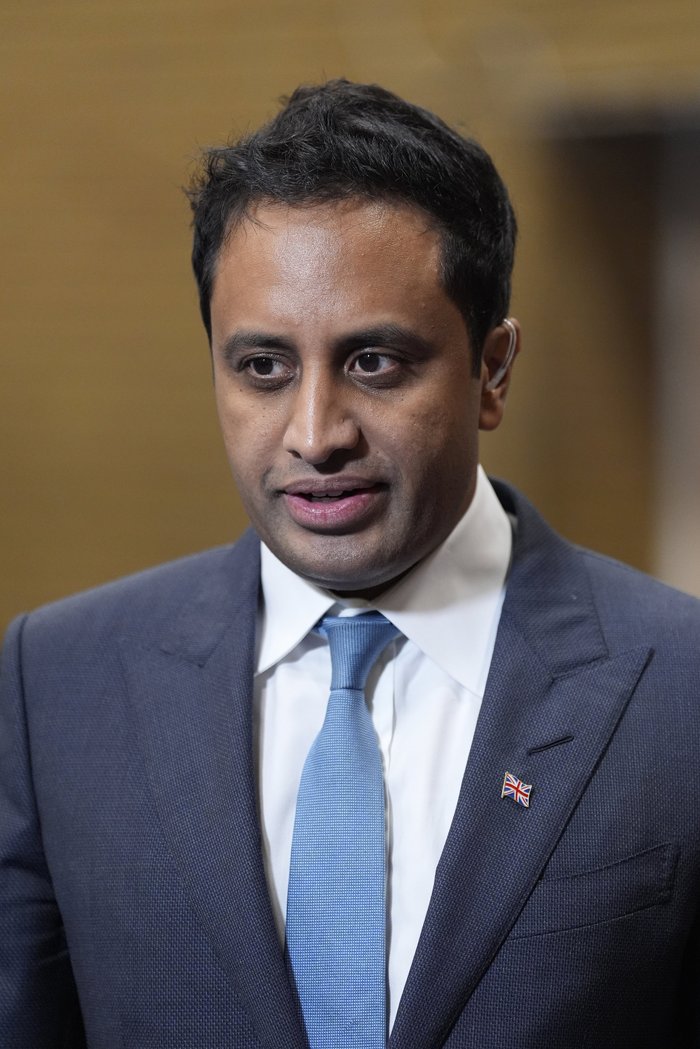
    Reform UK’s Zia Yusuf told GB News on Wednesday that the party was ready to mount a judicial review in the High Court to try to force the Government to over-rule the councils’ requests.

    Yusuf said: “Reform’s lawyers are coming at them with everything we’ve got.”


    Zia Yusuf told GB News: ‘Reform’s lawyers are coming at them with everything we’ve got’

    Last month ministers asked 63 councils in England if they wanted to delay their elections until 2027 so they could bed in a local government shake up, prompting howls of protest from Reform.

    They were given until midnight on Thursday this week to say if they wanted a delay. Ministers said they would be “minded” to agree to any postponement.

    Sources have tonight told The Times newspaper that 27 local authorities covering more than 5.2million people and 3.7million registered voters will ask the minister for a delay.

    Last month Local Government minister Alison McGovern said: “We have listened to councils who’ve told us of the challenges they face reorganising while preparing for resource-intensive elections for areas which may shortly be abolished.


    Last month ministers asked 63 councils in England if they wanted to delay their elections until 2027

    “Several have submitted requests to postpone elections so it is therefore right we let them have their say so they can focus their time and energy on providing vital services while planning for re-organisation.”