Blog

  • Great News for Verstappen: Red Bull and Ford’s 2026 Engine Update Reveals a Game-Changing Shift in Momentum

    Great News for Verstappen: Red Bull and Ford’s 2026 Engine Update Reveals a Game-Changing Shift in Momentum

    A Turning Point in the Narrative

    For the first time in months, the storm clouds gathering over Milton Keynes seem to be parting. Amidst a season rife with internal political strife, the departure of key personnel, and the looming threat of the radical 2026 regulation overhaul, genuine positivity has finally emerged regarding Max Verstappen’s future at Red Bull Racing. The source of this optimism is not a new aerodynamic upgrade or a contract extension, but something far more fundamental: the beating heart of the 2026 challenger.

    The latest update from the Red Bull-Ford alliance regarding their fledgling power unit project has quietly but effectively shifted the narrative. It offers crucial reassurance at a moment when doubts about the team’s future competitiveness, reliability, and technical direction were beginning to reach a fever pitch. As the sport barrels toward the most significant regulation reset in a generation, this development could be the anchor that secures Verstappen’s loyalty for the long haul.
    The Ghost of 2014 and the New Challenge

    To understand the weight of this update, one must first appreciate the precipice upon which Max Verstappen currently stands. The three-time World Champion is approaching the 2026 season facing more question marks than at any point since he ascended to the status of a consistent title contender. Since 2020, Verstappen has entered every season with the reasonable belief that he could fight for the championship. The machinery was proven, the team was stable, and the regulations were familiar.

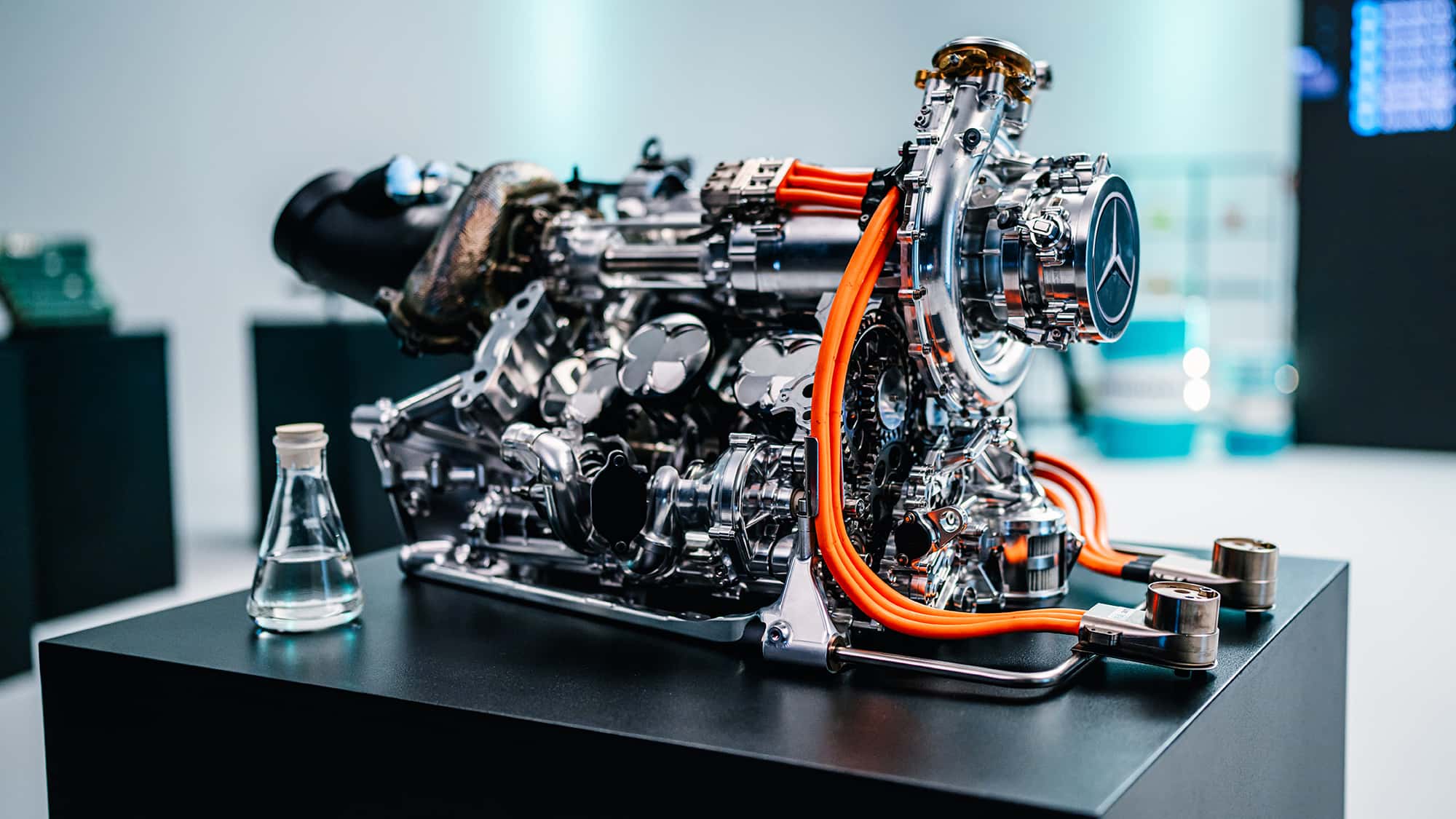
    However, 2026 represents a complete reset—a “Year Zero” for Formula 1. The introduction of new chassis rules alongside radically different engines creates a new competitive order where past success guarantees nothing. Sitting at the center of these concerns is the new Red Bull power unit. Developed internally for the first time in the team’s history, in partnership with American automotive giant Ford, this is uncharted territory. Red Bull, a team that has historically relied on external suppliers like Renault and Honda, is now transforming into a full-fledged manufacturer.

    History serves as a stark warning. Regulation changes have a habit of punishing even the most dominant teams. Red Bull experienced this pain firsthand in 2014, when the switch to the turbo-hybrid era saw them fall from four consecutive championships to a distant second-best behind Mercedes, largely due to an uncompetitive Renault engine. The fear of history repeating itself—of Red Bull producing an engine that leaves Verstappen stranded in the midfield—has been a legitimate source of anxiety.

    Substance Over Slogans: The Ford Update

    This historical context is precisely why the recent comments from Ford Performance Director Mark Rushbrook carry such significance. In a world often dominated by marketing slogans and vague optimism, Rushbrook offered a measured, technical confirmation that the project is running strictly to plan. In the high-stakes environment of Formula 1, where falling even slightly behind schedule can ruin an entire season before it begins, simply hitting targets is a massive achievement.

    Rushbrook’s emphasis on timelines and internal milestones sends a clear message to the paddock: Red Bull and Ford are not scrambling. They are not fighting fires or trying to fix fundamental flaws late in the day. Instead, they appear to be progressing through their development phases exactly as intended, shifting their focus now toward integration rather than emergency solutions.

    Crucially, Rushbrook acknowledged a reality that many engineers try to gloss over: everything changes once the engine is installed in the chassis. He admitted that simulations, dyno testing, and lab work have limits. True performance, drivability, and reliability are only revealed when systems interact under real-world conditions.
    Why Honesty Matters to Verstappen

    For a driver like Max Verstappen, this level of technical honesty is far more valuable than blind optimism. Throughout his career, the Dutchman has never responded well to corporate fluff or political reassurance. He demands clarity, even when the truth is uncomfortable. He operates on data and reality, not hope.

    Knowing that the team views the first on-track test as a decisive moment—rather than pretending everything is already perfect—aligns with how Verstappen processes risk. It gives him a clear reference point. The update suggests that the project is grounded in reality. Rushbrook did not frame the upcoming track tests as a potential crisis, nor did he downplay their importance. He presented them as the natural convergence of three years of hard labor, where simulation finally meets the tarmac. This framing suggests a deep confidence in the underlying architecture of the engine, implying that the team is not relying on last-minute miracles to rescue a flawed concept.

    The Meaning of “Crisp”

    Perhaps the most telling detail to emerge is Verstappen’s own reaction to hearing the engine run. He described the sound and behavior of the power unit as “crisp.” While this may sound like a casual adjective to the layperson, for a driver with Verstappen’s superhuman sensitivity to car behavior, it carries profound technical weight.

    A “crisp” engine implies clean combustion cycles, immediate throttle response, and a total lack of irregular vibrations or hesitation. It suggests a system that is reactive and tight. These are critical indicators of an engine’s health long before a wheel is turned in anger.

    Under the 2026 regulations, these characteristics will be the difference between winning and losing. The sport is moving into an era where outright peak power is no longer the sole differentiator. With a mandated 50/50 split between electrical energy and the internal combustion engine (ICE), the driver’s ability to manage energy deployment across a lap will be paramount.
    The Technical Battlefield: Drivability

    In 2026, drivability, consistency, and predictability will become just as valuable as raw horsepower. Throttle response will be central to this new challenge. Drivers will need an engine that reacts instantly and smoothly as they transition between harvesting energy under braking and deploying it on exit. Any lag, inconsistency, or unpredictability in the power delivery will not only cost lap time but will shatter driver confidence—especially on corner exits where precision is essential.

    Verstappen’s driving style is aggressive but incredibly controlled; he demands a car that responds exactly as expected, every single time. If the engine hesitates or delivers power non-linearly, it forces the driver to drive defensively, leaving time on the table.

    This is where Ford’s involvement becomes the “ace in the hole.” Ford’s expertise in hybrid systems is not theoretical. Their experience across multiple racing categories and road car development gives Red Bull access to a deep reservoir of knowledge regarding energy flow, control systems, and efficiency optimization. The 2026 cars will rely heavily on how efficiently energy is recovered and how seamlessly it is redeployed. This places enormous importance on software calibration—an area where Ford thrives.

    Anchoring the Project Amidst Instability

    Red Bull is clearly leaning on this American expertise to refine how the engine behaves, not just at peak RPM, but across an entire race distance. For Verstappen, seeing this progress is the type of tangible evidence that inspires confidence when adapting to a radically different formula.

    This technical reassurance is timely. Red Bull has been working internally to manage Verstappen’s concerns amidst wider organizational instability. Rumors surrounding the possible departure of key figures, and the general noise surrounding the team’s leadership, have naturally raised questions about the stability of the environment. In such a volatile context, a competitive and reliable power unit acts as an anchor.

    Even if the organizational chart changes, a fast car remains the ultimate argument for retention. Performance has always been Red Bull’s strongest currency when negotiating for Verstappen’s commitment. This update strengthens that argument at a critical juncture.

    The Final Verdict

    The true turning point, of course, remains the first on-track test. Once Verstappen physically straps into the 2026 mule and experiences the engine’s behavior on the asphalt, he will form his final conclusion. That first week of running will reveal not just power levels, but the “feel” of the car—how intuitive the system is, how demanding it is to manage the hybrid settings, and whether it allows him to drive instinctively.

    However, the latest signals from Ford and Red Bull suggest they are on the right path. They have moved from uncertainty to “crisp” reality, providing a glimmer of genuine hope that the Verstappen-Red Bull dominance could well survive the biggest regulation change in Formula 1 history.
  • From Exile to Empire: Christian Horner’s Shocking $60M Bid to Buy Alpine and Reunite with Verstappen

    From Exile to Empire: Christian Horner’s Shocking $60M Bid to Buy Alpine and Reunite with Verstappen

    In a development that has sent seismic shockwaves through the Formula 1 paddock, Christian Horner, the architect of Red Bull Racing’s modern dynasty, is reportedly plotting an audacious return to the sport. But this is no ordinary comeback. The man who was unceremoniously ousted from Milton Keynes is not looking for a job; he is looking for power. According to explosive new reports, Horner is in active negotiations to acquire a significant ownership stake in the beleaguered Alpine F1 Team, a move that could fundamentally alter the political and competitive landscape of Formula 1 forever.

    The Phoenix Rises from the Ashes of 2025

    The narrative of the 2025 season was dominated by two stories: the collapse of Alpine and the near-miraculous resilience of Max Verstappen. Now, those two threads are weaving together in a way no one predicted. Alpine, the French manufacturer team, finished the 2025 season in absolute disgrace—dead last in the Constructors’ Championship. The car was so uncompetitive that driver Pierre Gasly was heard on the radio demanding the team “keep the car out of my sight” after the finale.

    Enter Christian Horner. Following his departure from Red Bull, which came with a staggering $60 million payout, Horner has been serving a “gardening leave” that officially expires in April 2026. While the world thought he was licking his wounds, it appears he was sharpening his knives. Reports from The Telegraph indicate that Horner is eyeing the 24% ownership stake in Alpine currently held by Otro Capital—the investment consortium famously backed by Hollywood heavyweights like Ryan Reynolds, Rob McElhenney, and Michael B. Jordan.

    These A-list investors pumped $200 million into the team in 2023 with dreams of F1 glory. Less than three years later, faced with a team anchoring the bottom of the grid, they are reportedly looking for an exit. For Horner, this desperation creates the perfect storm of opportunity. He isn’t just bringing management expertise; he is bringing capital, a ruthlessness forged in championship battles, and a vision to rebuild an empire from the ground up.

    The Secret Bond: Verstappen’s Confession

    Perhaps the most emotional and revealing aspect of this saga comes from Max Verstappen himself. In a stunning admission that peels back the curtain on the secretive world of driver-principal relationships, the three-time World Champion revealed that his connection with Horner never severed.

    Throughout the second half of the 2025 season, as Verstappen mounted one of the greatest championship comeback attempts in history against Lando Norris, Horner was there—a ghost in the machine. While new Team Principal Laurent Mekies was technically running the show at Red Bull, Verstappen was secretly in constant contact with his former mentor.

    “He sends me messages,” Verstappen explained, his voice thick with the weight of their shared history. “It’s more about him saying ‘I wish you the best of luck and I believe in you, I’m your biggest fan,’ but it’s also about what they’ve been through together.”

    Every race weekend—Friday, Saturday, and Sunday—the text messages flowed. When Verstappen was 104 points behind the championship leader after the Dutch Grand Prix, written off by every pundit in the paddock, it was Horner’s voice in his ear (or rather, on his phone) keeping the belief alive. Verstappen’s subsequent run—six wins in the final nine races—brought him within a heartbreaking two points of the title. It is now clear that while Mekies was on the pit wall, Horner was still managing the driver’s psyche from afar.

    This revelation changes everything. It confirms that the bond forged in the fires of the controversial 2021 title fight is unbreakable. It also raises the most titillating question of the upcoming transfer market: If Horner takes over Alpine, will Max Verstappen follow?

    The Irony of Engines: A Deal with the Devil?

    If the ownership bid and the Verstappen connection weren’t enough drama, consider the engine situation. Alpine has already confirmed that they will shut down their Renault engine program to become a customer team starting in 2026. Their supplier? Mercedes.

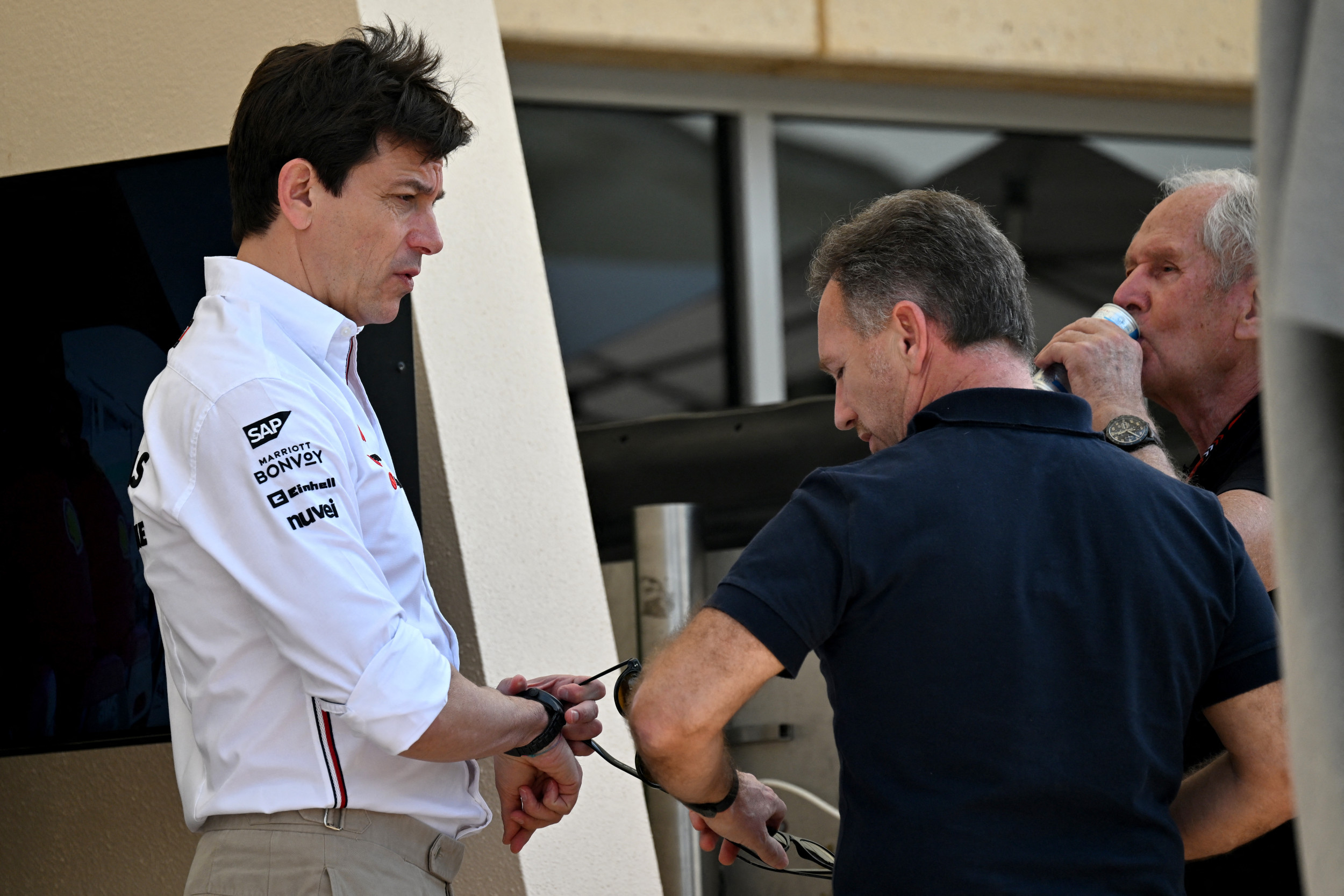
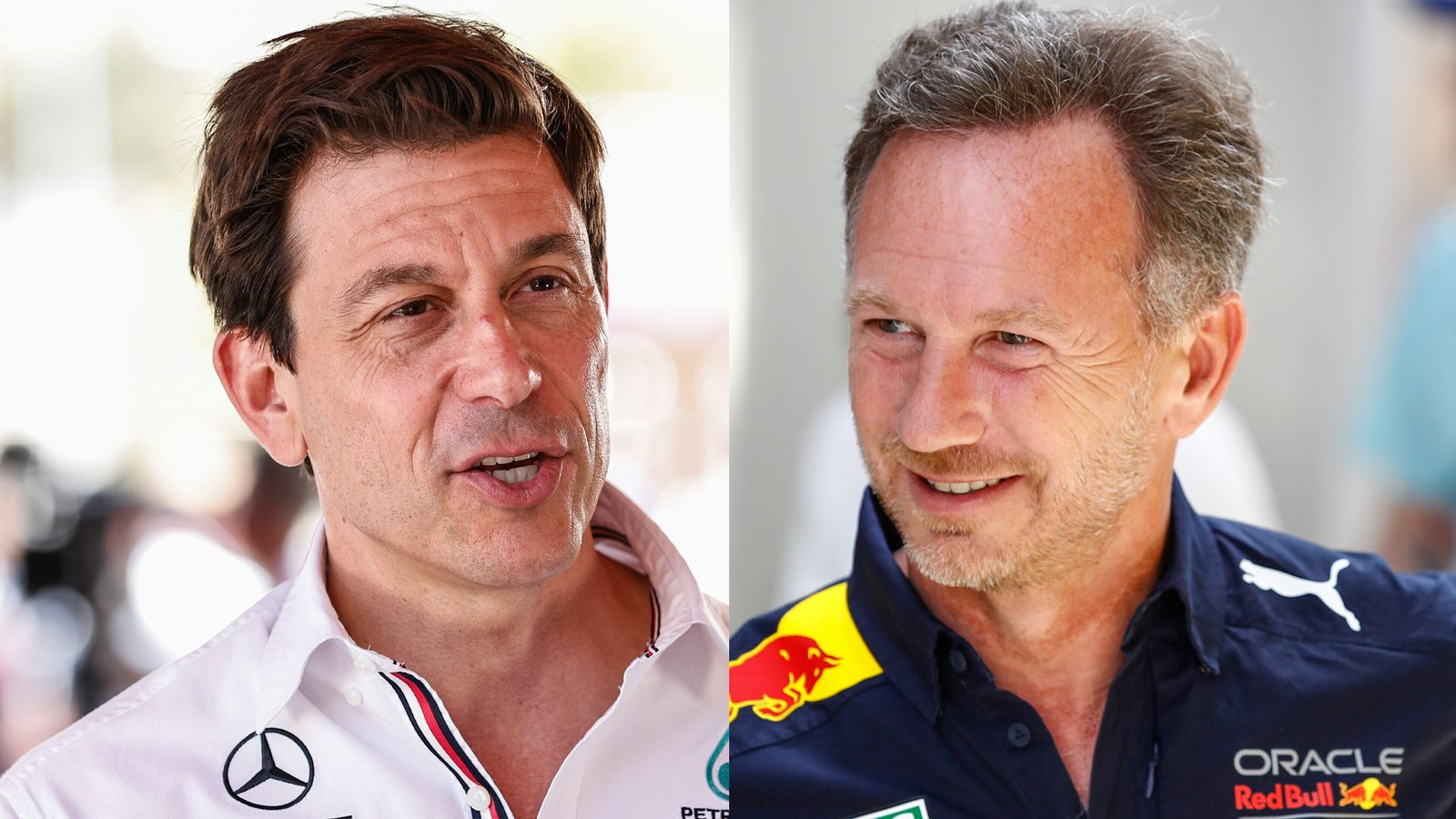
    This sets the stage for one of the most awkward and ironic partnerships in sports history. Christian Horner, the man who spent the better part of a decade trading verbal blows, accusations, and furious finger-pointing with Mercedes boss Toto Wolff, would effectively become Wolff’s customer.

    Imagine the scene: Christian Horner, part-owner and Team Principal of Alpine, sitting in meetings with Toto Wolff, relying on Mercedes power units to propel his cars. The relationship between the two has been openly hostile, ranging from the shattered headphones of Saudi Arabia to the bitter legal threats of 2021. Yet, in the high-stakes world of F1 business, strange bedfellows are common. Alpine has secured these engines until 2030, meaning Horner would be contractually bound to the Silver Arrows.

    Furthermore, Horner faces lingering animosity from his old camp. Helmut Marko, Red Bull’s senior advisor, has accused Horner of “dirty tricks” in the media. The power struggle that led to Horner’s exit involved Marko demoting drivers without consultation and a fractured management structure. By moving to Alpine, Horner would be placing himself in direct opposition to the team he built, fueled by a desire to prove that he was the magic ingredient in Red Bull’s success, not Marko.

    A $60 Million Gamble on Redemption

    Why would a man who has won everything, who has walked away with a fortune, choose to inherit the worst team on the grid? The answer lies in the nature of Formula 1 competitors. They are addicted to the challenge.

    Alpine offers a blank slate. The bar is on the floor. If Horner takes a team from 10th place to the midfield, he is a stabilizer. If he takes them to podiums, he is a genius. If he makes them champions, he becomes the undisputed greatest team boss of all time. The risk is high—Alpine has chewed up and spit out team principals and drivers for years—but the reward is immortality.

    The astronomical $60 million payout from Red Bull gives him the financial freedom to take this risk. He doesn’t need the salary; he needs the legacy. He needs to show the world that the “Christian Horner Era” wasn’t just about Adrian Newey’s designs or Red Bull’s money—it was about his leadership.

    The Endgame

    As we look toward 2026, the pieces are moving on the chessboard. The Hollywood glamour at Alpine is fading, likely to be replaced by the gritty, win-at-all-costs mentality of Horner. The 2025 season showed us that even without him physically in the garage, his influence on Max Verstappen remains potent.

    Scenario one: Horner buys in, cleans house, and uses the 2026 regulation changes to catapult Alpine up the grid. Scenario two: The deal collapses, and Horner waits, a looming shadow over every team principal underperforming on the grid. Scenario three, the “Nuclear Option”: Horner takes over Alpine, and in a few years, a disillusioned Verstappen, tired of a post-Horner Red Bull, makes the shock switch to join him.

    One thing is certain: The silence of Christian Horner’s gardening leave was deceptive. While the engines were cooling after a dramatic 2025 finale, the real race was just beginning in the boardroom. If these negotiations succeed, the 2026 season won’t just be a new era of regulations; it will be the start of Christian Horner’s war of revenge. And as we’ve learned, you should never bet against him.

  • From Rookie Sensation to Prancing Horse? Oliver Bearman Breaks Silence on Ferrari Ambitions After Stunning 2025 Season

    From Rookie Sensation to Prancing Horse? Oliver Bearman Breaks Silence on Ferrari Ambitions After Stunning 2025 Season

    The Formula 1 paddock is buzzing with one name that has transcended the typical rookie narrative: Oliver Bearman. As the dust settles on the 2025 season, the 19-year-old British driver has not only cemented his place on the grid but has also ignited fervent speculation about a future in the coveted scarlet red of Ferrari. Following a season where he defied expectations, outscored a veteran teammate, and held his own against world champions, Bearman is making it clear that his ambitions soar far beyond the midfield.

    The “Race in Red” Dream

    The conversation surrounding Bearman’s future reached a fever pitch recently when Sky Sports F1 pundit Martin Brundle suggested that Ferrari should look “no further” than Bearman as a potential successor to Lewis Hamilton. For any young driver, such an endorsement carries immense weight, but for Bearman, the connection is personal and deep-rooted.

    “Is that a nice target to have? Yeah,” Bearman admitted in a candid interview, reflecting on the high praise. “You know, I made my debut with Ferrari, so I’ve always had that connection with them being with the academy. I’m still with the academy, and we still have a very close relationship.”

    While the allure of Maranello is undeniable, Bearman displays a maturity beyond his years. He acknowledges that driving for Ferrari is the “obvious target at one stage,” but he remains grounded in his current reality with Haas. “My goal in life is to win races and to race in red as well,” he stated, unequivocally planting his flag for the future while emphasizing his commitment to his current team’s growth.

    A Rookie Season to Remember

    The 2025 season was a crucible for Bearman, and by all accounts, he emerged forged in steel. Competing in his first full season, he faced the daunting task of measuring up against Esteban Ocon, a race winner with years of experience. The final tally tells a story of remarkable talent and adaptability: Bearman finished the year with 41 points, narrowly edging out Ocon’s 38.

    This internal victory at Haas is significant. In a sport where your teammate is your first benchmark, beating a seasoned campaigner like Ocon in a debut season is a rare feat. Bearman describes the campaign as “strong but honest,” noting that his development was a game of patience and persistence.

    “It’s easy to forget that in the middle of the season I had a run of four or five 11th places in a row,” Bearman recalled. “That was consistent, just not quite good enough. But we gained a bit of car performance and that 11th turned into a 10th, a 9th, an 8th.”

    He credits the summer break as a pivotal moment, after which he found a “really good rhythm and momentum.” This steady accumulation of points and confidence transformed him from a promising rookie into a reliable point-scorer for the American outfit.

    The Mexico Masterclass

    If there was a singular moment that defined Bearman’s 2025 potential, it was the Mexico City Grand Prix. In a performance that left the paddock stunned, the young Briton secured a fourth-place finish, but it was the manner of the result that turned heads. Bearman spent the race soaking up immense pressure, holding off a train of elite drivers including Max Verstappen, George Russell, and Oscar Piastri.

    Haas Team Principal Aya Komatsu was effusive in his praise for the drive. “To soak up that pressure and make no mistakes in a rookie season is pretty amazing,” Komatsu said. He highlighted Bearman’s calmness and accuracy as indicative of a major step forward in his development.

    Komatsu also noted Bearman’s “open-minded approach” and rapid learning curve. While there were earlier incidents, particularly under red flags, the team boss observed a distinct improvement in consistency from the Singapore Grand Prix onwards. For a rookie to defend against multiple world champions without cracking is the kind of steel that Ferrari scouts dream of.

    The Advantage of a Small Team

    Despite the Ferrari rumors, Bearman is pragmatic about the benefits of starting his career at Haas. He views the smaller team environment as a crucial incubator for his talent, free from the political maneuvering that often plagues larger organizations.

    “We have many benefits and pros of being a small team, and one of them is that there’s no politics,” Bearman explained. “There’s no issues to change things, and that means when coming into the team as a rookie, I’m really able to build the team around me as well.”

    This ability to influence the team’s direction and focus purely on driving has allowed him to flourish. However, he is keenly aware of the looming changes in the sport.

    The 2026 Reset

    Looking ahead, the 2026 regulatory overhaul presents a unique opportunity. Bearman believes the new rules could level the playing field, neutralizing the experience gap that veteran drivers currently enjoy.

    “You rookies have come in and had to drive cars that very experienced drivers have had for a few years,” the interviewer noted. “2026, you must be thinking we’re going to kick a few backsides now that it’s the same for everyone.”

    Bearman agreed, highlighting the disparity in current seat time. “Despite me having a lot of experience in this car, it’s maybe 10 or 20% of what the guys who have been here since the start of that regulation cycle [have]. So it’s definitely beneficial, I think, for a reset.”

    He expressed hope that Haas can “get it right” with the new regulations, signaling that while his eyes may be on a red car in the distance, his immediate focus is pushing Haas up the grid.

    “I Believe I’m Ready”

    Ultimately, confidence is the currency of Formula 1, and Oliver Bearman is not short on it. When asked if he feels prepared for a potential call-up to the Scuderia, his answer was direct.

    “Well, you know, I’m in F1 and you have to back yourself,” he said. “So yes, I believe I’m ready, but I have to continue to prove that.”

    Bearman’s journey in 2025—from stand-in appearances in 2024 to outperforming his teammate and dazzling in Mexico—suggests a driver on a steep upward trajectory. With the pressure mounting on Ferrari’s current lineup and the 2026 regulations promising a new dawn, Bearman has positioned himself perfectly. He is no longer just a prospect; he is a contender. And as the F1 world watches, the question isn’t if he will race in red, but when.

  • The Impossibility of Prime Lewis Hamilton: How the “Kid from Stevenage” Became the Most Destructive Force in F1 History

    The Impossibility of Prime Lewis Hamilton: How the “Kid from Stevenage” Became the Most Destructive Force in F1 History

    The Arrival That Shook the World

    The year was 2007. The location: Melbourne, Australia. The Formula 1 world was comfortable with its hierarchy, expecting rookies to learn their place and veterans to rule the roost. Then, a 22-year-old kid from Stevenage named Lewis Hamilton stepped into a McLaren cockpit.

    He wasn’t just any rookie; he was partnered with Fernando Alonso, the reigning two-time world champion. The script said Hamilton should be the dutiful apprentice. But by the end of the first corner, that script was shredded. Hamilton passed Alonso around the outside, a bold, audacious move that announced to the world: I am not here to learn. I am here to take over.

    In that single moment, Hamilton destroyed every assumption about the learning curve in elite motorsport. He finished on the podium in his first nine races. He won four times in his debut season. He missed the championship by a single point. It remains, to this day, the greatest rookie season in the history of the sport. But as we now know, that was merely the warm-up act for a career that would redefine greatness.

    The Gamble That Changed Everything

    Fast forward to 2012. Hamilton had a world title under his belt (the dramatic 2008 victory in Brazil), but frustration was mounting at McLaren. In a move that stunned pundits and fans alike, he announced he was leaving his winning team to join Mercedes—a midfield team struggling to find pace.

    Critics called it career suicide. They couldn’t see what Hamilton saw: the vision of Ross Brawn and a team preparing to gamble everything on the radical new regulations of 2014. Hamilton wasn’t just chasing a paycheck; he was chasing a legacy.

    When the hybrid era arrived in 2014, Mercedes delivered a masterpiece, and Hamilton unleashed a level of dominance rarely seen in sports. Between 2014 and 2020, he claimed six world titles. The partnership became a dynasty, winning 51 of 59 races in a three-year span alone. But to attribute this success solely to the car is to ignore the evidence of what happened on the track.

    More Than Just a Fast Car

    The “it’s just the car” argument falls apart when you look at who was sitting in the other seat. Valtteri Bottas drove the exact same Mercedes machinery as Hamilton from 2017 to 2021. In that time, Hamilton won 50 races and four championships. Bottas won 10 races and zero championships. The equipment was identical; the difference was the human being behind the wheel.

    Even against Nico Rosberg, a fiercely quick driver, Hamilton’s edge was undeniable. In their shared time at Mercedes, Hamilton won 31 races to Rosberg’s 20. He had a surgical precision in wheel-to-wheel combat, an uncanny ability to place his car in gaps that didn’t exist, and a “trail braking” technique that allowed him to carry more speed into corners while saving fuel and tires.

    The Master of the Impossible

    To understand “Prime Hamilton,” you have to look beyond the 105 wins and 104 pole positions. You have to look at the moments where logic failed.

    Take the 2020 British Grand Prix. On the final lap, Hamilton’s front-left tire exploded. With Max Verstappen closing in at 30 seconds per lap, Hamilton didn’t park the car. He dragged it, on three wheels, through the corners, balancing a disintegrating machine through sheer force of will to cross the line first. It was the defining image of his tenacity—snatching victory from the jaws of absolute disaster.

    Or consider the 2020 Turkish Grand Prix. On a newly resurfaced track that was as slippery as an ice rink, drivers were spinning helplessly. Hamilton qualified sixth. But while others pitted for fresh rubber, Hamilton stayed out on a single set of intermediate tires for 50 laps. He nursed them, massaged them, and turned them into slicks, eventually winning by over 30 seconds to secure his seventh world title. Sebastian Vettel, his longtime rival, told him immediately after the race that it was a privilege to witness history being made.

    The Wet Weather King

    Perhaps the truest test of a driver’s raw skill is the rain, which acts as a great equalizer, stripping away the car’s aerodynamic advantages. From late 2014 to mid-2019, Hamilton went nearly five years without losing a rain-affected race.

    His ability to find grip on a wet track is supernatural. He senses the asphalt’s changing conditions before the data even registers on the pit wall. This “sixth sense” allowed him to pull off victories that defied strategy models, proving that his computer-like consistency was matched by an old-school racer’s instinct.

    The Verdict: A Complete Driver

    So, how good was Prime Lewis Hamilton? The statistics—seven world titles, over 100 wins, and pole positions—paint a picture of dominance. But the reality is even more impressive. He was a complete driver: rapid in qualifying, imperious in racecraft, unmatched in the rain, and mentally unbreakable.

    He faced down Alonso, Vettel, Rosberg, and Verstappen—generations of talent—and beat them all. He broke Michael Schumacher’s “unbreakable” records. When he finally won again at Silverstone in 2024, ending a 945-day drought, the raw emotion from the paddock showed just how much his legacy means to the sport.

    Whether he is the undisputed GOAT will always be a subject of heated debate among fans of Senna, Schumacher, and Clark. But on his best days—in the rain at Silverstone, in the heat of Brazil—Lewis Hamilton operated at a level that made the impossible look routine. He didn’t just drive the grid; he destroyed it.

  • From Untouchable to Unraveled: The Brutal Truth Behind Oscar Piastri’s 2025 Title Collapse

    From Untouchable to Unraveled: The Brutal Truth Behind Oscar Piastri’s 2025 Title Collapse

    The Uncomfortable Silence of December

    In the quiet aftermath of the 2025 Formula 1 season, the history books have already begun to solidify a specific narrative: Lando Norris versus Max Verstappen. A duel of titans, decided in the dying breath of the year. But inside the paddock, among the whispers of mechanics and the cold hard data of telemetry, there exists a far more uncomfortable truth. It is a story that has been quietly erased from the headlines, yet it remains the defining arc of the year.

    The 2025 championship wasn’t just won by the survivors; it was lost by the man who once owned it.

    Oscar Piastri didn’t just lose a title fight. He lost control of a season that, as late as September, belonged entirely to him. To understand the gravity of this collapse—and why it might ironically be the making of a future legend—we have to rewind past the heartbreak of Abu Dhabi and back to the dominance of spring.

    The Mirage of Invincibility

    Memory is short in Formula 1. It’s easy to forget that for the first half of 2025, Oscar Piastri wasn’t just a contender; he was the reference. The narrative early in the year wasn’t about a three-way fight; it was about a young Australian threatening to run away with the prize.

    Three consecutive wins from Bahrain to Miami didn’t just put points on the board; they shattered the internal hierarchy at McLaren. Piastri was driving with a chilling completeness. His tire management was surgical, his race execution robotic. By the time the circus reached Zandvoort, and Piastri claimed his seventh victory while Lando Norris failed to finish, the championship lead looked mathematically and psychologically untouchable.

    At that moment, the question wasn’t if Piastri would win, but when. And that, paradoxically, was the most dangerous moment of his career. He had established dominance before he had experienced the true attrition of a title fight. He was winning, but he hadn’t yet been tested.

    The “Silent Killer” and The Baku Collapse

    Championships rarely unravel in a single moment, but they often pivot on a specific feeling. For Piastri, the shift wasn’t an explosion, but a suffocation. It started in Mexico.

    When Lando Norris won the Mexico City Grand Prix by over 30 seconds, reclaiming the championship lead, the air in the garage changed. The narrative of “Piastri the Dominant” was replaced by “Piastri the Chased.” Momentum in F1 is a currency, and once it leaves your bank account, it is excruciatingly hard to earn back.

    Then came Baku.

    If Mexico was the warning shot, the Azerbaijan Grand Prix was the fatal wound. Until that weekend, Piastri’s season had been defined by an eerie lack of mistakes. In Baku, that rhythm didn’t just break; it disintegrated. A crash in qualifying. A jump start. A Lap 1 DNF. It was a cluster of unforced errors that would be concerning for a rookie, let alone a championship leader.

    That weekend erased his buffer. Suddenly, he wasn’t managing a lead; he was fighting for relevance. The psychological armor had been pierced, and his rivals smelled blood.

    The Technical Betrayal: Adaptability vs. Speed

    However, to pin the loss solely on mental fragility would be lazy analysis. The true killer of Piastri’s 2025 dream was mechanical, hidden deep within the carbon fiber DNA of the McLaren MCL39.

    As the season entered its final quarter and the calendar shifted to circuits with low-grip conditions, the car revealed a nasty personality quirk. It demanded a very specific, counter-intuitive driving style to unlock performance on slippery tracks. This is where the difference between “fast” and “adaptable” decided the title.

    Lando Norris, battered by previous losses, found a way to wrestle the car into submission. He adapted. Piastri, whose natural style relies on high-grip precision, hit a wall. He didn’t become slow overnight—he just couldn’t find that final 1% that championships are built on. The title didn’t slip away in a dramatic fireball; it bled out, race by race, in P4 and P5 finishes while Norris stood on the top step.

    The Compressed Education

    It is brutal to criticize a driver who wins seven races in a season. But Formula 1 does not grade on a curve. The harsh reality is that Piastri’s inability to adapt quickly to the low-grip struggle cost him the crown.

    Yet, this is where the story shifts from a tragedy to an origin story.

    Consider the context: Oscar Piastri took a title fight to the wire in just his 70th career start. His rivals, Norris and Verstappen, didn’t win their first titles until their 141st and 152nd starts, respectively. Piastri is learning lessons at 200mph that others learned in the midfield.

    2025 was a “compressed education.” He learned that speed is nothing without durability. He learned that a car’s behavior can turn on you in an instant. Most importantly, he learned the pain of losing a prize that was already in his hands.

    Why 2026 Should Terrify the Grid

    History is often unkind to drivers who peak too early, but it is incredibly generous to those who lose once and refuse to lose again.

    The Oscar Piastri who enters the 2026 season—armed with new regulations and a fresh start—is not the same driver who arrived in Bahrain in 2025. He now possesses something that cannot be taught in a simulator: the scar tissue of a lost championship.

    He knows he can lead. He knows he can dominate. And now, he knows exactly what it feels like to have it torn away. The “technical quirk” of the MCL39 won’t matter in the new era of regulations, but the mental callus formed in Baku and Mexico will remain.

    The 2025 season will be remembered as the year Oscar Piastri lost. But if he converts this heartbreak into instinct, we may look back at it as the year he truly became a champion. The risk has shifted. He doesn’t need to prove he’s fast anymore. He just needs to prove he’s resilient. And that is a dangerous prospect for everyone else on the grid.

  • F1 2026 War Begins Early: Mercedes Accused of Engine “Trickery,” Hamilton Snubbed, and Red Bull’s Ford Power Struggle

    F1 2026 War Begins Early: Mercedes Accused of Engine “Trickery,” Hamilton Snubbed, and Red Bull’s Ford Power Struggle

    The 2025 Formula 1 season hasn’t even begun, but the political machinations for the revolutionary 2026 era are already reaching a boiling point. In a sport where engineering genius is often indistinguishable from rule-bending, a new storm has erupted in the paddock. From allegations of a Mercedes engine “magic trick” to shocking admissions from Red Bull’s future partner Ford, and a driver ranking list that has left fans baffled, the drama is relentless. Here is a deep dive into the chaos currently engulfing the pinnacle of motorsport.

    The Mercedes “Compression Trick”: Genius or Illegal?

    The loudest whispers in the paddock concern the 2026 power unit regulations. Rumors have surfaced that Mercedes High Performance Powertrains has discovered a loophole involving a “compression trick.” This innovation reportedly allows their engine to generate significantly higher performance figures by manipulating compression ratios in a way that skirts the edges of the FIA’s testing protocols.

    According to reports, rival manufacturers—specifically Ferrari, Honda, and newcomer Audi—are up in arms. They are reportedly preparing to protest this technology, not necessarily to ban it immediately, but to have it outlawed midway through the 2026 season. This calculated political move would force Mercedes into a brutal dilemma: push ahead with a design that might become illegal after six races, or abandon their advantage now to develop a safer, more conventional compliant engine.

    However, James Vowles, the Team Principal of Williams and a former Mercedes strategy chief, has come out swinging in defense of his engine supplier. Vowles dismissed the rumors as a fabricated narrative created by a rival team that is terrified of its own lack of performance.

    “This is just a narrative that has been made up by a rival that realizes their power unit is not going to be good enough,” Vowles suggested. His implication is clear: the noise isn’t about Mercedes cheating; it’s about other manufacturers realizing they are already behind. Vowles argues that no one truly knows the pecking order yet, and this “protest” is merely a tactic to force the FIA to scrutinize Mercedes while distracting from others’ shortcomings. Is Vowles simply a loyal customer defending his supplier, or is he exposing the classic F1 tactic of “if you can’t beat them, ban them”?

    Red Bull’s Double Trouble: Ford’s Admission and the GP Exodus

    While Mercedes deals with accusations of being too good, Red Bull Racing faces a very different kind of anxiety. The team’s 2026 engine partner, Ford, has made a startling admission. Representatives have reportedly conceded that they expect a “small disadvantage” in thermal engine power compared to rivals with more recent experience, such as Ferrari and Mercedes.

    While Ford insists the project is on target and any deficit is recoverable, this is not the news Max Verstappen fans want to hear. In Formula 1, a “small disadvantage” can easily translate to a massive gap on the stopwatch, especially at power-hungry circuits. If the Red Bull-Ford powertrain starts the new era on the back foot, the dynasty built by Verstappen could face a premature end.

    Compounding the misery at Milton Keynes are the persistent rumors surrounding Gianpiero Lambiasi (GP), Verstappen’s no-nonsense race engineer. Following the departure of design genius Adrian Newey, losing GP would be a hammer blow to the team’s stability. Reports from Italy initially linked GP to Ferrari or Aston Martin, but now McLaren has entered the chat.

    The Woking-based squad, currently riding a wave of resurgence, is reportedly interested in poaching Lambiasi. If McLaren pulls this off, it would be a strategic masterstroke—simultaneously weakening their biggest rival while bolstering their own technical ranks. With Jonathan Wheatley already gone to Sauber/Audi, the potential exit of GP raises a terrifying question for Red Bull: Is the brain drain becoming a flood?

    The Ranking Scandal: Hamilton Erasure and Rookie Wars

    Away from the technical wars, the annual Team Principals’ Driver Rankings have stirred up a hornet’s nest of controversy. The voting, which included bosses like Toto Wolff and Andrea Stella (but notably missed representatives from Ferrari and Red Bull this year), produced a list that has many scratching their heads.

    Unsurprisingly, Max Verstappen topped the chart. However, the shock came further down the order. Seven-time world champion Lewis Hamilton failed to crack the Top 10 entirely—a staggering omission for the sport’s most successful driver, even accounting for a difficult car. His future teammate, Charles Leclerc, also languished in seventh place, a position many feel is “outrageously low” given his two victories and multiple podiums in an erratic Ferrari.

    The rookie battle also sparked debate. The team bosses voted Oliver Bearman as the top rookie (8th overall), placing him ahead of Franco Colapinto and Liam Lawson. While Bearman’s stand-in performance for Ferrari in Jeddah was sensational, questions regarding “recency bias” and British bias remain. Is the paddock undervaluing the raw speed of the young guns while disrespecting the established legends? The omission of Hamilton, in particular, feels like a harsh changing of the guard, signaling that team bosses are looking purely at current machinery performance rather than inherent talent.

    The Cost of Justice: FIA’s New “Pay to Protest” Rule

    Perhaps the most concerning update for the long-term health of the sport is the FIA’s new stance on protests. In an effort to stop frivolous complaints, the governing body has raised the protest fee to a hefty €20,000. But here is the kicker: reports suggest that if a protest is unsuccessful, the fee will count against the team’s cost cap.

    This is a game-changer. In an era where teams pinch pennies to stay under the budget cap, risking $20,000 (roughly equivalent to a high-end front wing part or critical development hours) becomes a massive gamble. This rule could effectively silence teams from challenging bad stewarding decisions. Even if a refereeing call is blatantly wrong, a team might hesitate to protest if they lack “new evidence,” fearing the financial penalty will hurt their car development. It creates a system where justice is a luxury item, accessible only to those willing to sacrifice performance for principle.

    Ferrari’s 2026 Blueprint Leaked

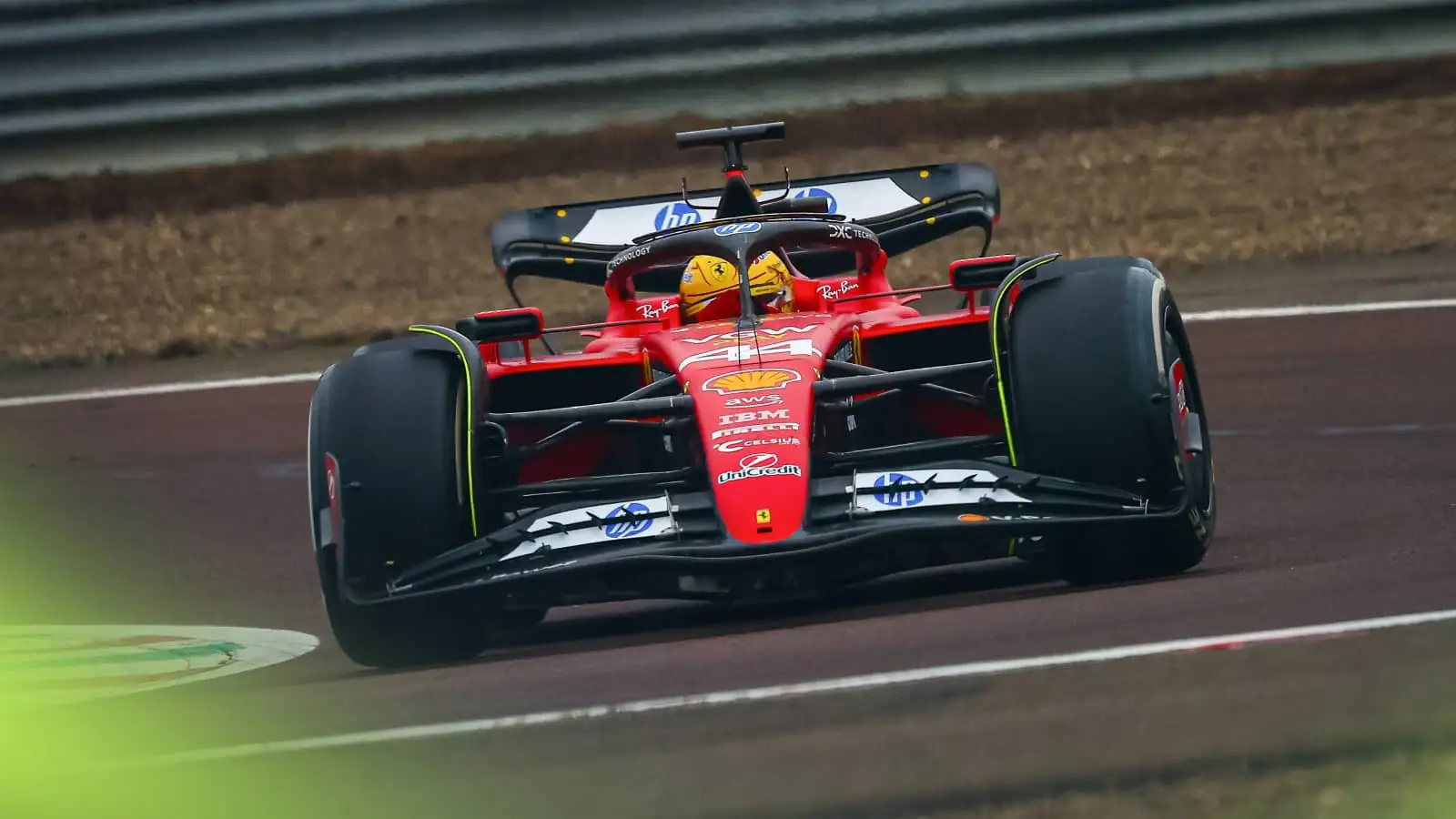
    Finally, eager eyes have spotted leaked details regarding Ferrari’s 2026 challenger. The reports indicate that the Scuderia is planning a “B-spec” strategy. They intend to launch a basic version of the car for the initial reveal and shakedown, only to introduce a significantly upgraded aerodynamic package for the second week of testing or the first race in Melbourne.

    Renders suggest the 2026 cars will be shorter and narrower, with Ferrari moving toward a push-rod suspension layout at both the front and rear to optimize internal packaging. This aerodynamic sleight of hand suggests that while the engine war grabs headlines, the battle for airflow supremacy will be just as fierce.

    Conclusion

    As we head toward the 2025 season, it is clear that the shadow of 2026 is already looming large. The politics are vicious, the engineering stakes are astronomical, and the driver market is as volatile as ever. Whether Mercedes is cheating or just winning, whether Red Bull is crumbling or simply recalibrating, one thing is certain: the drama in Formula 1 is faster than the cars themselves. Stay tuned, because the off-season is just getting started.

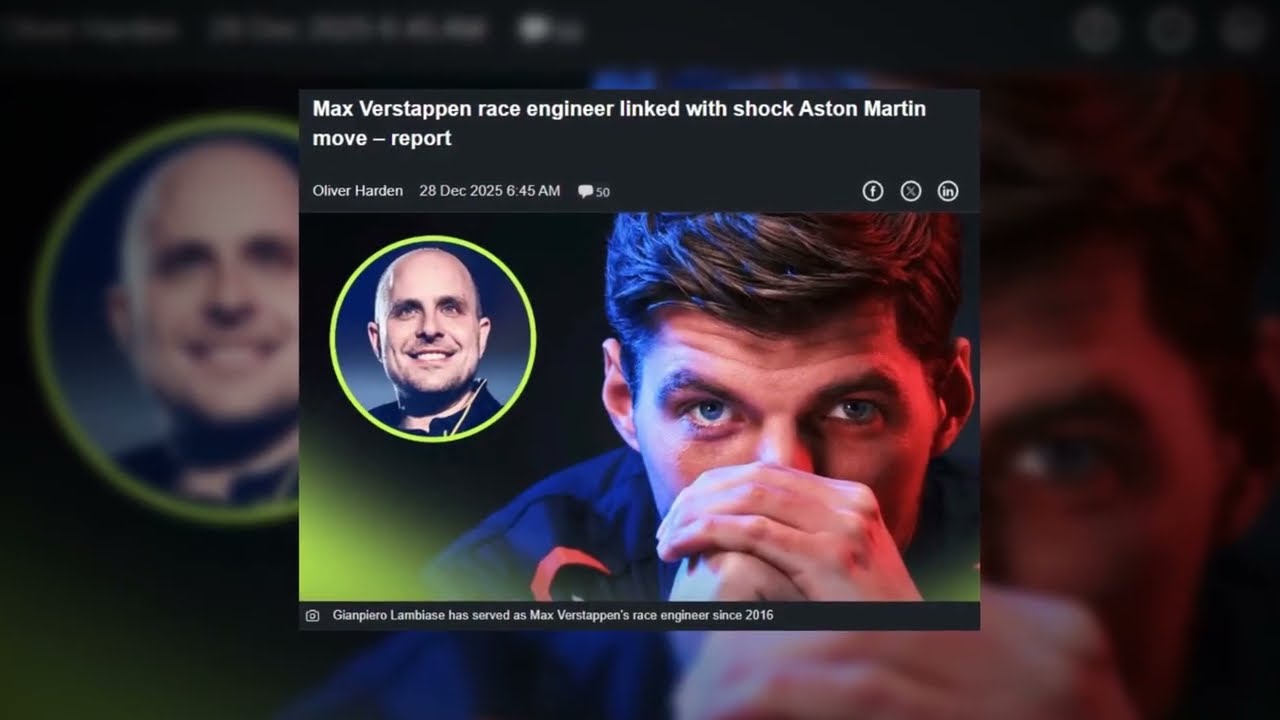
  • The “Dream Team” Plot: Leaked Reports Link Verstappen’s Engineer to Aston Martin Shock Move – Is Max Next?

    The “Dream Team” Plot: Leaked Reports Link Verstappen’s Engineer to Aston Martin Shock Move – Is Max Next?

    A Seismic Shift in the Paddock

    In the high-octane world of Formula 1, silence is often the precursor to the loudest explosions. Just when Red Bull Racing thought they could weather the storm of recent internal departures, a new bombshell has dropped—one that threatens to tear the very heart out of their championship-winning operation. Reports have surfaced indicating that Gianpiero Lambiase, Max Verstappen’s longtime race engineer and closest confidant, is in serious talks to defect to Aston Martin.

    But this isn’t just another engineer moving down the pit lane. This is a potential checkmate move by Lawrence Stroll that could dismantle Red Bull’s dominance once and for all and pave the way for Max Verstappen to don British Racing Green in 2027.

    The Human Cost: Why Lambiase Wants Out

    To understand the gravity of this rumor, we have to look past the lap charts and telemetry data. The driving force behind Lambiase’s potential departure is deeply personal and heartbreakingly human. It has recently emerged that Lambiase’s wife, Eloise, is battling breast cancer—a devastating diagnosis that forced “GP” to miss the Austrian and Belgian Grands Prix in 2025.

    For years, Lambiase has lived the grueling life of a race engineer, traveling to over 24 countries a year, living out of suitcases, and spending weeks away from home. In light of his family’s health crisis, the allure of the traveling circus has faded. He needs stability. He needs to be home.

    Aston Martin is reportedly not offering him another headset on the pit wall. Instead, they are proposing a senior management role—potentially as a Team Principal or CEO-style figure alongside Adrian Newey. This position would be largely factory-based at Aston Martin’s state-of-the-art Silverstone headquarters. It offers the one thing Red Bull currently demands he sacrifice: a work-life balance that allows him to support his wife through her recovery. It is an offer that appeals to the husband, not just the engineer, making it incredibly difficult to refuse.

    The Aston Martin “Super Team” Strategy

    If the personal motivation provides the “why,” the professional opportunity provides the “how.” Lawrence Stroll is assembling what can only be described as the “Galacticos” of Formula 1 technical leadership. With design genius Adrian Newey already signed to lead the team from 2026, a specific gap has opened up in the team’s structure.

    Newey has been explicitly clear throughout his career, and specifically regarding his move to Aston Martin: he wants to design fast cars. He does not want to be bogged down by the mundane administrative burdens of running a racing team—HR meetings, logistics, budgets, and media obligations. He needs a partner.

    Enter Gianpiero Lambiase.

    Having worked together during Red Bull’s golden eras, Newey and Lambiase share a shorthand and a mutual respect that takes years to build. Lambiase possesses the operational sharpness, the calm under pressure, and the strategic mind to run the day-to-day operations of the team, leaving Newey free to work his magic on the drawing board. It is a symbiotic relationship that created arguably the most dominant car in history, the RB19, and Stroll is keen to recreate that magic in silver and green.

    The Max Verstappen Connection: The Long Game

    Let’s be honest: in F1, every move is 4D chess, and the king on the board is Max Verstappen. The potential hiring of Lambiase is not just about securing a top-tier manager; it is arguably the most aggressive recruiting pitch for a driver in the sport’s history.

    Max Verstappen and Gianpiero Lambiase are the “old married couple” of F1. Their radio messages—swinging from bickering to jubilation—are the stuff of legend. Max has stated on record, multiple times, that his relationship with GP is critical to his performance. He has even hinted in the past that he wouldn’t want to race without him.

    By securing Lambiase, Aston Martin effectively holds the key to Verstappen’s comfort zone.

    Consider the landscape for 2027:

    The Engine: Aston Martin will be the works team for Honda in 2026. Max won his first title with Honda. He trusts Japanese engineering implicitly.

    The Designer: Adrian Newey, the man who designed every car Max has won a championship in, will be at Aston Martin.

    The Engineer: If Lambiase joins, the “holy trinity” of Max’s success will be reunited under one roof.

    Contrast this with the uncertainty at Red Bull. They are venturing into the unknown with their own Red Bull Powertrains project in collaboration with Ford. Rumors are already swirling that the engine project is behind schedule and struggling to hit performance targets compared to Mercedes and Ferrari. Max’s contract reportedly contains a performance clause that allows him to leave at the end of 2026 if the car is not competitive. Aston Martin is building a safety net that looks more like a golden parachute.

    Red Bull’s Crumbling Empire

    For Red Bull Racing, this rumor represents an existential crisis. The team that looked invincible just two seasons ago is facing a “brain drain” of catastrophic proportions. First, they lost Rob Marshall to McLaren. Then, the legendary Adrian Newey departed. Jonathan Wheatley, the sporting director, is heading to Audi. Now, the potential loss of Lambiase threatens to sever the final link keeping Max Verstappen grounded at Milton Keynes.

    If Lambiase leaves, it signals to the entire paddock—and crucially to Max—that the old Red Bull is gone. The stability is gone. The “family” feel is gone. It becomes a team trying to rebuild while its rivals are accelerating.

    The 2027 Vision

    Imagine the grid in 2027. Fernando Alonso, ever the gladiator, has hinted he might retire if he can’t win, or perhaps he stays for one last dance. But if that seat opens up, and Aston Martin presents Max Verstappen with a car designed by Newey, an engine built by Honda, and a team run by Lambiase, how could he say no?

    It would be the reunion of the decade. A team built specifically to maximize the talents of one generational talent. Lawrence Stroll is proving that he isn’t just playing at running an F1 team; he is methodically acquiring every single asset required to dominate.

    The rumor of Gianpiero Lambiase to Aston Martin is more than just “silly season” gossip. It is the first tremor of an earthquake that could reshape the Formula 1 landscape for years to come. Red Bull should be worried. Very worried. Because if GP goes, Max might just be packing his bags right behind him.

  • Kelly Brook’s Explosive ‘Jerry Springer–Style’ Revenge: Inside the Wild Confrontations She Unleashed on Her Cheating Exes

    Kelly Brook’s Explosive ‘Jerry Springer–Style’ Revenge: Inside the Wild Confrontations She Unleashed on Her Cheating Exes

    Kelly Brook has never been the type to sit quietly and look pretty when a man crosses the line — and the shocking stories from her past romances prove she’s every bit as fiery as she is glamorous.

    The 45-year-old I’m A Celebrity star has spent decades in the spotlight, adored for her beauty, humour, and charm. But behind the scenes? Kelly has weathered some jaw-dropping betrayals… and she didn’t always walk away quietly.

    The Las Vegas Strip-Club Meltdown That Became Legend

    During her turbulent romance with rugby star Danny Cipriani, Kelly discovered he’d allegedly slipped his number to a stripper inside Spearmint Rhino. The moment she spotted him walking toward her — fresh from the stage — the glamour girl saw red.

    “I punched him,” she confessed in her book Close Up.

    Within seconds, four bouncers were on her, hauling her away “like a crazy, drunk, betrayed woman.” Kelly didn’t sugarcoat it either — she admitted the whole scene looked straight out of Jerry Springer.

    Danny later gave his version in his memoir, hinting the dancer was the one pushing boundaries. But the damage — and the drama — were already done.

    The A-List Wedding Slap Heard Around the Room

    Danny wasn’t the only ex to face Kelly’s wrath.

    At Madonna and Guy Ritchie’s star-studded wedding in 2000, Kelly’s then-fiancé Jason Statham had one too many drinks… and one too many compliments for Gwyneth Paltrow, whom he reportedly called “sexy, sexy” mid-dance floor shimmy.

    Kelly responded with another swift smack.

    Looking back, she admits she’s not proud of the violence — but she’s honest about where her fire comes from. “I’m not an angel,” she wrote. “But I guess I get some of that fiery passion from my parents.”

    Even Her Friends Weren’t Safe From the Fall-Out

    Former I’m A Celeb star Nicola McLean revealed she once helped Kelly uncover a cheating partner — using her connections to dig up the other woman. The two teamed up for a full day of emotional detective work… only for Kelly to unfollow her afterward.

    “I was like, ‘Oh, cheers Kelly,’” Nicola said, laughing.

    From Chaos to True Love

    Decades of headline-grabbing romances later, Kelly seems to have finally found steady happiness. In 2022 she married Italian model Jeremy Parisi — and he’s now waiting in Australia to support her once she leaves the jungle.

    Jeremy, who is openly besotted with his wife, told reporters:

    “I’m a very lucky man to be married to one of the most beautiful women in the world… she never disappoints.”

  • Shocking News: After Numerous Attempts By Gordon Ramsay To Prevent It, His Beloved Daughter Matilda “Tilly” Ramsay Has Officially Announced Her Pregnancy With Luciano D’Acampo — The Son Of Gino D’Acampo! The Newly Released News Has Set The Media On Fire, As All Eyes Now Turn To The Two Famous Fathers, Leaving Everyone Wondering How They’ll React To This Jaw-Dropping Revelation! See The Detail Below!

    Shocking News: After Numerous Attempts By Gordon Ramsay To Prevent It, His Beloved Daughter Matilda “Tilly” Ramsay Has Officially Announced Her Pregnancy With Luciano D’Acampo — The Son Of Gino D’Acampo! The Newly Released News Has Set The Media On Fire, As All Eyes Now Turn To The Two Famous Fathers, Leaving Everyone Wondering How They’ll React To This Jaw-Dropping Revelation! See The Detail Below!

    In a completely unexpected turn of events, British media has exploded with news that Matilda “Tilly” Ramsay – beloved daughter of celebrity chef Gordon Ramsay – is reportedly pregnant with Luciano D’Acampo, the son of the famously cheeky chef Gino D’Acampo. While no official statement has been released, several sources claim the young couple has already informed their families and is preparing to welcome their first child.

    According to a close friend of Tilly, her romance with Luciano has been going on quietly for over two years. The couple chose to keep things private, particularly to avoid interference from Tilly’s father – known for being extremely protective and stern. But now, the truth is out, and the public can’t get enough of the drama.

    The biggest question now is: how will Gordon Ramsay and Gino D’Acampo react? Rumors suggest that Gordon is “furious beyond words,” while Gino is reportedly “celebrating wildly,” seeing this as a sign from the universe for both families to reconcile.

    One thing is certain: nothing will ever be the same for Tilly and Luciano, and the world is eagerly awaiting a formal response from all involved.

  • “Cares Like His Own”: JJ Slater spent the entire day looking after Harvey and the family’s kittens while Katie Price was busy performing, showing a thoughtfulness as if he were Harvey’s real father

    “Cares Like His Own”: JJ Slater spent the entire day looking after Harvey and the family’s kittens while Katie Price was busy performing, showing a thoughtfulness as if he were Harvey’s real father

    Katie Price’s boyfriend JJ Slater was seen stepping up as a carer for her son Harvey during the latest stop of her chaotic tell-all tour with Kerry Katona.

    The Married At First Sight UK star, 32, spent the day looking after Harvey, 23, who is blind, autistic, and lives with septo-optic dysplasia. While Katie prepared for her performance at St Helens Theatre, JJ not only guided Harvey but also tended to the family’s kittens, who were brought along for the outing.

    In a recent statement, JJ openly said, “If the boy’s father won’t claim him, then I will — he will be my son.”

    Onlookers praised JJ’s attentiveness, with many noting how he kept Harvey entertained and comfortable before the show began. Later, Harvey joined Katie and Kerry on stage, where he delighted the crowd by dancing to Atomic Kitten’s Whole Again. Katie and Kerry held his hands as the audience rose to their feet, creating a heart-warming family moment that left fans cheering.

    Katie proudly shared a selfie wearing Harvey’s signature frog-eyed green bucket hat, writing: “OMG Harvey just absolutely slayed that crowd.”

    Despite the wholesome scenes, the tour has faced heavy criticism. Just a day earlier, Katie sparked fury by arriving more than two hours late to a different gig in Whitley Bay, leaving Kerry to hold the stage alone. Some fans branded the shows “unprofessional,” with audience members demanding refunds after Katie only performed for around 30 minutes on certain nights.

    Still, JJ’s growing bond with Harvey has not gone unnoticed. Sources close to the couple say JJ and Harvey have developed a “sweet connection,” with JJ seen guiding him gently into the theatre in what fans described as a “touching” moment.