Blog

  • Williams F1 in Crisis? The Shocking Truth Behind the Missed 2026 Shakedown and the Ghosts of 2019

    Williams F1 in Crisis? The Shocking Truth Behind the Missed 2026 Shakedown and the Ghosts of 2019

    The Nightmare Returns to Grove

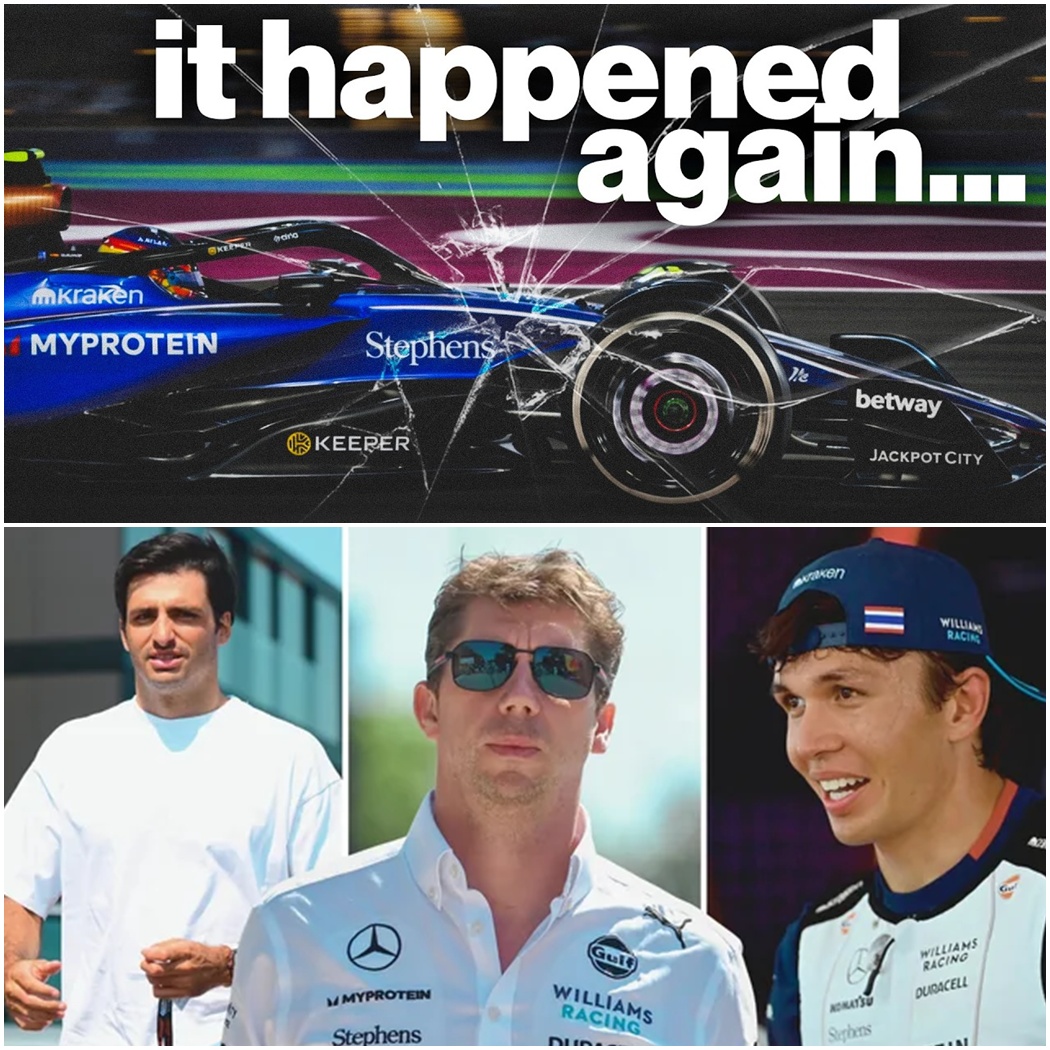
    It is January 2026. The Formula 1 world has been holding its breath for years, waiting for this specific moment. The new regulation cycle—the “great reset”—was supposed to be the leveling of the playing field that historic teams like Williams have been praying for. For the past two seasons, Team Principal James Vowles has preached patience, selling a vision of a long-term reconstruction that would culminate in this very season. The arrival of superstar driver Carlos Sainz was meant to be the final stamp of legitimacy on this project. The stage was set for a triumphant return to form.

    And then, the music stopped before the party even began.

    In a move that has sent shockwaves through the paddock and shivers down the spines of the Williams faithful, the team announced they would not be participating in the upcoming “shakedown” test in Barcelona. The official statement, draped in the usual corporate sanitary language, cited “delays in the FW48 program” and a desire to “push for maximum car performance.” But for anyone who has followed the sport for more than a few years, those words don’t signal ambition; they signal alarm.
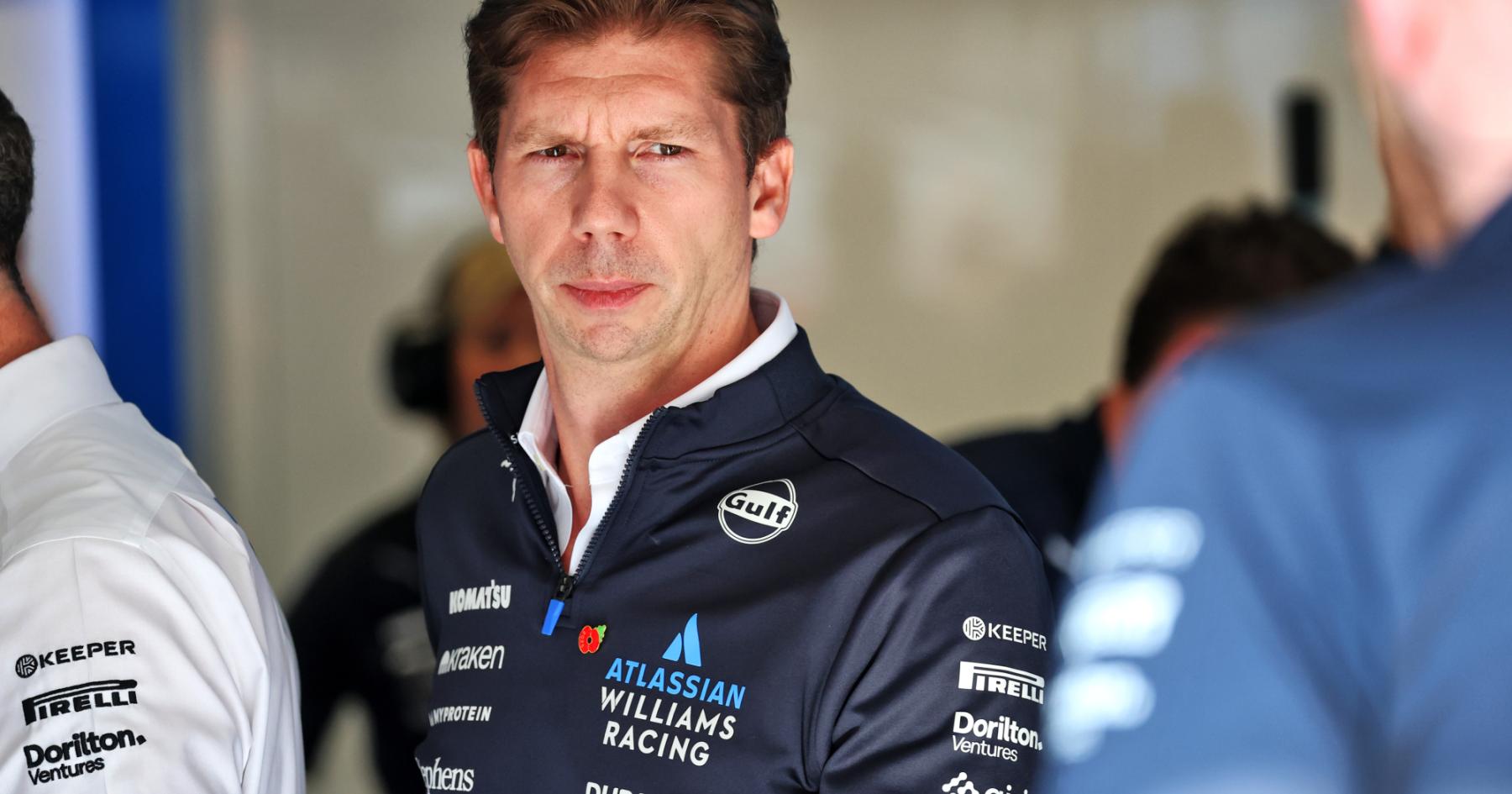
    The Ghosts of 2019: A PTSD Trigger

    To understand the visceral reaction to this news, one must rewind to the traumatic events of 2019. That year was supposed to be a turning point, too. Williams had re-hired the legendary Paddy Lowe, a man with a championship pedigree from Mercedes, to lead their technical charge. The anticipation was palpable. But as preseason testing began in Barcelona, the Williams garage remained ominously empty.

    The car wasn’t just late; it was a catastrophe. When the FW42 finally arrived—two and a half days late—it was immediately clear that something was fundamentally broken. The car was seconds off the pace, overweight, and, humiliatingly, featured parts that were deemed illegal by the FIA. It wasn’t just a slow car; it was a public undressing of a once-great team. The fallout was brutal: Paddy Lowe took a “leave of absence” and never returned, and the team spent the entire season languishing at the back, managing only a single lucky point in a chaotic rain race in Germany.

    Now, in 2026, the parallels are too striking to ignore. Once again, a new regulation cycle is here. Once again, a highly touted technical structure is in place. And once again, Williams is missing the start gun. While the team urges calm, the fanbase’s collective PTSD is flaring up. Is the FW48 another FW42? Is history repeating itself in the cruelest way possible?

    Decoding the “Corporate Speak”

    The press release issued by Williams on January 23rd was a masterclass in damage control. “Williams F1 team has taken the decision not to participate in next week’s shakedown test in Barcelona following delays in the FW48 program as we continue to push for maximum car performance.”

    Translated from PR-speak to reality, this essentially admits a failure in project management. In Formula 1, time is the only commodity you cannot buy. Every team has had the same deadline for the 2026 regulations. For a team that has been sacrificing results in 2024 and 2025 specifically to prepare for this moment, missing the first tangible deadline is a heavy blow.

    James Vowles has been the darling of the F1 media since his arrival, praised for his transparency and articulate vision. He has frequently drawn parallels to Brawn GP in 2009 or Mercedes in 2014—teams that nailed a regulation change and rode that advantage for years. Conversely, starting on the back foot can doom a team for an entire era. If your concept is flawed or late, you spend years playing catch-up while the leaders refine their already superior machines. By missing the shakedown, Williams has forfeited the first chance to verify if their “maximum performance” exists anywhere other than a computer screen.
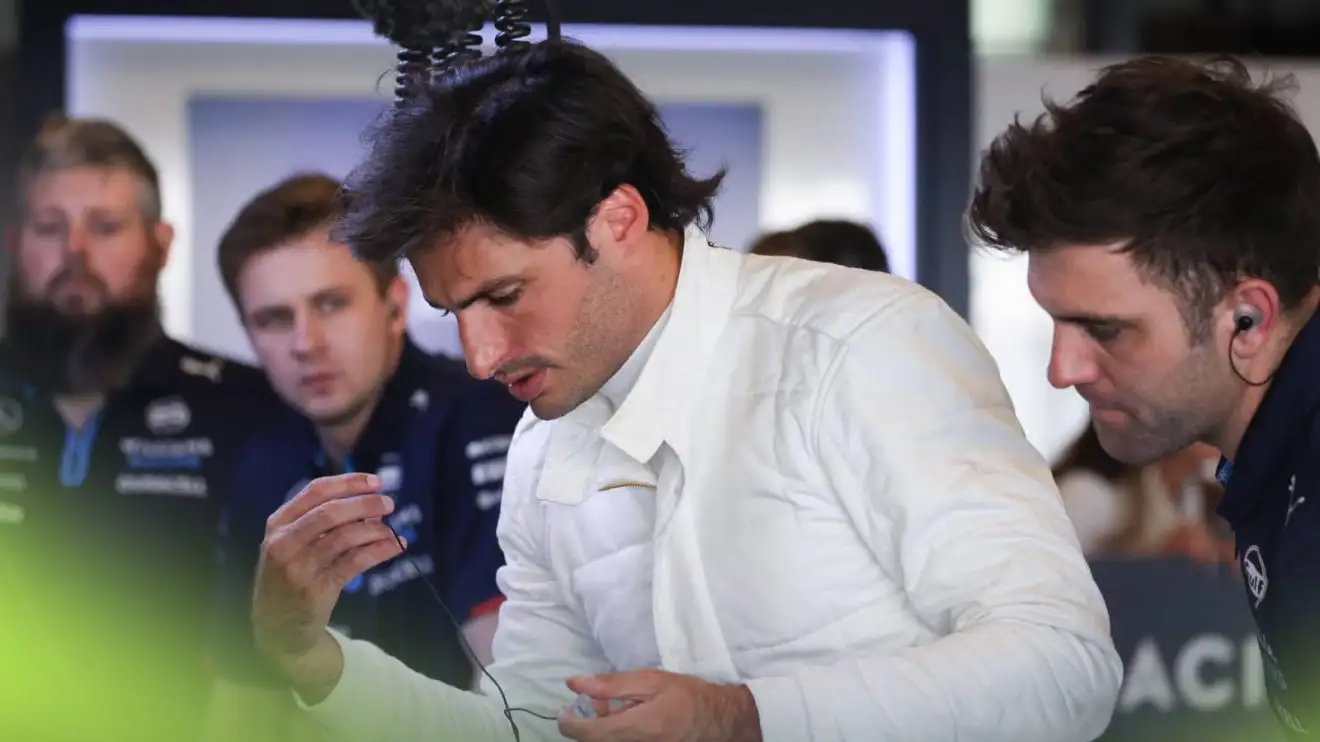
    The Carlos Sainz Factor

    One can only imagine the conversations happening in the Sainz household right now. Carlos Sainz, one of the most rated drivers on the grid, chose Williams over other potential suitors (like Audi) because he believed in Vowles’ vision. He was sold a dream of a team on the rise, a sleeping giant awakening.

    To be playing board games—as social media snippets suggested—while his team announces they aren’t ready to race is a stark contrast to the intensity usually seen in elite athletes during preseason. While Sainz is a consummate professional who will likely tow the party line publicly, privately, there must be concern. A driver of his caliber cannot afford to waste the prime years of his career in a car that isn’t ready. If the FW48 is late and slow, the relationship between star driver and team principal could sour before the first lights go out in Bahrain.

    Is It Really That Bad? Finding the Silver Lining

    However, before we write the obituary for the 2026 Williams season, it is crucial to look at the nuance. The event they are missing is a “shakedown,” not the official pre-season test.

    In the past, shakedowns were glorified filming days—100km limits, demo tires, and plenty of drone shots for sponsors. However, with the radical changes of the 2026 regulations, these sessions have morphed into vital systems checks. It’s where you find out if the engine fits, if the cooling works, and if the car actually starts.

    The “optimistic” view is that Williams has made a calculated gamble. By skipping the shakedown, they buy themselves perhaps two extra weeks of wind tunnel and manufacturing time. In the world of F1 design, two weeks can yield significant aerodynamic gains. If the choice was between rushing a basic “launch spec” car to Barcelona just to run a few laps, or keeping the car in the oven to bake in more performance for the real test in Bahrain, the latter is theoretically the bolder, smarter choice.

    The team has announced an “intensive virtual track testing (VTT)” program in the factory. This involves running the car on dynos and in the simulator to replicate track conditions. It’s better than nothing, but it lacks the chaotic variables of the real world.
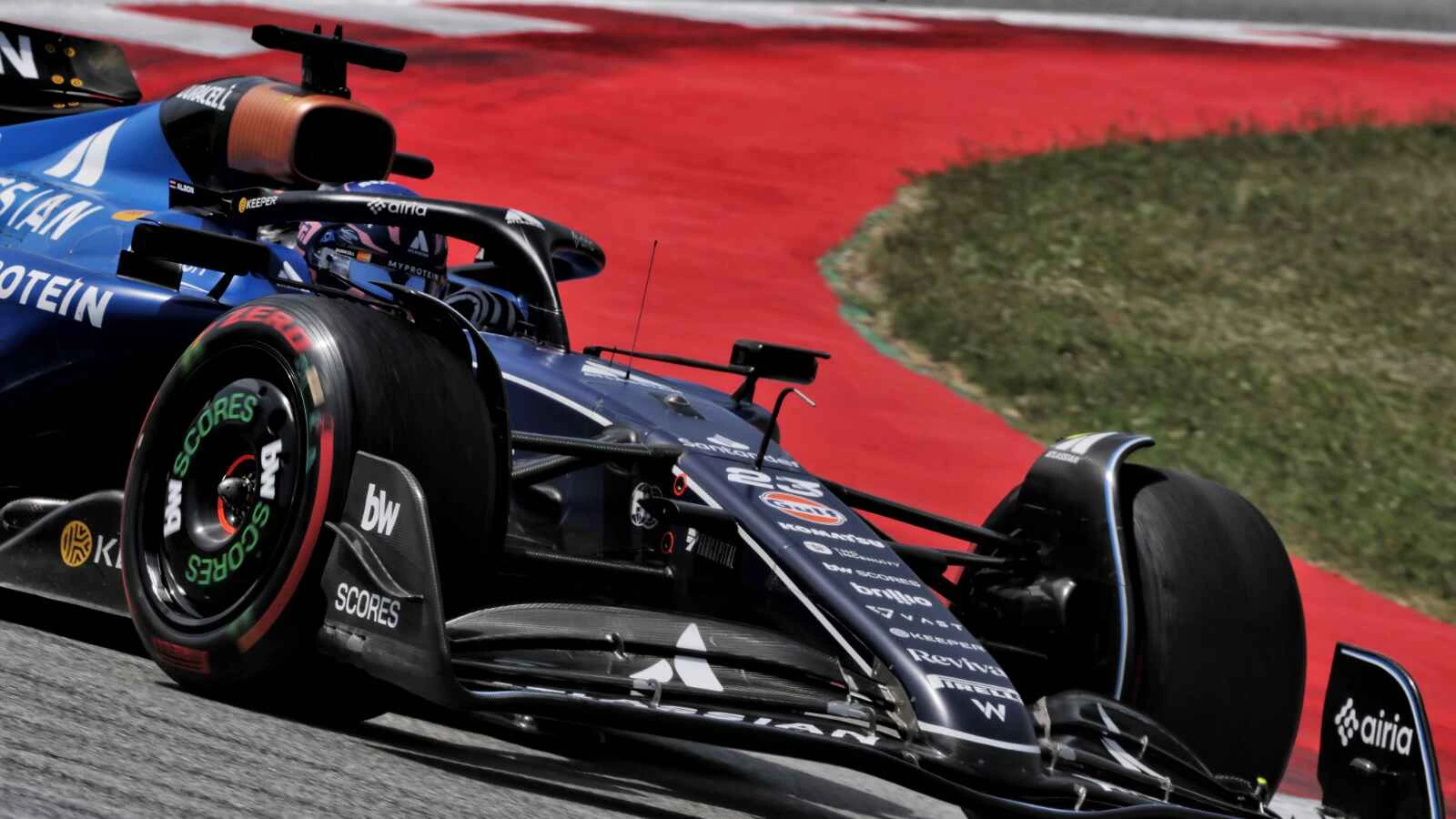
    The Danger of the Virtual World

    The problem with relying on VTT is correlation. As Mercedes discovered with the W13 in 2022, a car can look like a world-beater in the wind tunnel and a bouncing nightmare on the tarmac. The “porpoising” phenomenon that destroyed Mercedes’ championship hopes was not visible in their simulations. It was only found on the track.

    By missing the shakedown, Williams denies themselves the chance to spot these “real world” quirks early. While other teams—and even the “newbies” on the grid—are collecting terabytes of real data, ironing out teething issues, and validating their cooling packages, Williams is flying blind. If the FW48 hits the track in Bahrain and immediately starts overheating or bouncing, they will have zero time to fix it before the first race. That is the true risk. They are betting the house that their simulations are perfect. In F1, simulations are rarely perfect.

    A Grid in Turmoil?

    Interestingly, Williams might not be alone in their struggles. Rumors are swirling that Aston Martin is also facing delays, with whispers that the aggressive timeline of the 2026 regulations has caught out more than one manufacturer. If “Daddy Stroll’s” team is also absent, it suggests a broader issue with the feasibility of the new rules rather than just Williams-specific incompetence.

    However, misery loves company, but points don’t care about excuses. The teams that are on track—Ferrari, McLaren, Red Bull—are gaining an advantage with every lap turned. Reliability is often the deciding factor in the first year of new rules. You cannot test reliability in a computer. You need miles. And right now, Williams has zero.

    Conclusion: The Pressure Cooker

    The next few weeks will define the tenure of James Vowles. If the FW48 arrives in Bahrain and is fast, this delay will be hailed as a stroke of genius—a brave decision to prioritize performance over public relations. But if the car is slow, or worse, unreliable, the narrative will turn instantly. The goodwill Vowles has built up will evaporate. The “long-term vision” will start to look like an endless excuse.

    Fans are rightly skeptical. They have been burned before. The mockery from Domino’s Pizza on X (formerly Twitter) about the delay adds insult to injury, but it highlights the public perception: Williams is the team that is always late.

    For the sake of the sport, and for the legacy of one of F1’s most beloved names, we have to hope this is just a stumble, not a fall. But as the engines fire up in Barcelona without the blue and navy of Williams, the silence from Grove is deafening. The clock is ticking, and 2026 is already waiting for no one.

  • ‘I KNOW I’M LUCKY — I CAN’T MESS THIS UP’  Jack Fincham Breaks Silence on Relapse as He Heads Back to Rehab for a Fresh Start

    ‘I KNOW I’M LUCKY — I CAN’T MESS THIS UP’ Jack Fincham Breaks Silence on Relapse as He Heads Back to Rehab for a Fresh Start

    Jack Fincham has revealed he is preparing to return to rehab, just days after publicly admitting he had relapsed — marking what he describes as a crucial turning point in his battle to rebuild his life.

    Jack Fincham has revealed he is set to return to rehab, just a week after breaking his silence on his relapse (pictured 2025)Jack Fincham has revealed he is set to return to rehab, just a week after breaking his silence on his relapse (pictured 2025)

    The 34-year-old reality star, who shot to fame after winning Love Island in 2018 alongside Dani Dyer, had recently confessed he was unable to afford rehabilitation and had just £20 left to his name.

    Now, following his emotional admission, Jack has confirmed he has been offered a lifeline — and says he knows he cannot afford to waste it.

    The TV personality, 34, who rose to fame on Love Island in 2018 after winning the show alongside Dani Dyer (seen), previously admitted he couldn't 'afford rehab' and had just £20 to his nameThe TV personality, 34, who rose to fame on Love Island in 2018 after winning the show alongside Dani Dyer (seen), previously admitted he couldn’t ‘afford rehab’ and had just £20 to his name

    According to The Sun on Sunday, care provider Steps Together has stepped in to offer Jack a place at one of its rehabilitation centres, beginning on Monday.

    The former Love Island winner is reportedly set to spend two months at Rainford Hall in Merseyside, receiving around £32,000 worth of treatment, including intensive therapy six days a week and structured physical training sessions with a boxing coach.

    Now, after publicly opening up about his struggles, Jack has revealed he will be heading back to rehab and feels 'lucky' to be getting a fresh start (pictured 2025)Now, after publicly opening up about his struggles, Jack has revealed he will be heading back to rehab and feels ‘lucky’ to be getting a fresh start (pictured 2025)

    Speaking about the opportunity, Jack said:
    “I told how I couldn’t afford rehab, and this company came forward. I know I’m lucky. I can’t stuff this up.”

    He added:
    “I am going to work hard and not let anybody down.”

    Jack’s return to rehab comes after he admitted that he relapsed last year following a period of sobriety — a decision that quickly spiralled out of control.

    He will reportedly spend two months receiving £32,000 worth of treatment at Rainford Hall in Merseyside, including therapy six days a week, as well as physical exercise sessions with a boxing coachHe will reportedly spend two months receiving £32,000 worth of treatment at Rainford Hall in Merseyside, including therapy six days a week, as well as physical exercise sessions with a boxing coach

    Previously, he revealed he had been desperate to seek help but did not qualify for NHS-funded treatment and could not afford to go private.

    “A few weeks before Christmas I started drinking heavily again,” he said at the time.
    “I need rehab, but the Love Island millions have gone — I can’t afford it.”

    It comes after Jack revealed he relapsed last year following a period of sobriety and was desperate to return to rehab, but did not qualify for NHS treatment and could not afford to go private (pictured 2025)It comes after Jack revealed he relapsed last year following a period of sobriety and was desperate to return to rehab, but did not qualify for NHS treatment and could not afford to go private (pictured 2025)


    In a stark moment, Jack reportedly pulled out a single £20 note during an interview, explaining that it was all the money he had to his name, with nothing left in his bank account.

    Reflecting on the relapse, Jack admitted that what began as one drink quickly escalated.

    “Since then, I’ve done drugs, I’ve done laughing gas,” he said.
    “I’ve been so drunk that I kissed a woman over Christmas and don’t even remember doing it.”

    He added candidly:
    “I am embarrassed, mortified… I feel like an idiot. I’m a 33-year-old man — I should be settled down, married.”

    The woman Jack referred to was later identified as Leisha Lightbody, whom he was seen kissing at Tulleys Farm’s Christmas light festival in November.

    The moment marked the first time Jack had been spotted with someone new since his split from Chloe Brockett, following a turbulent on-off relationship that spanned several years and multiple break-ups.

    Footage obtained at the time showed Jack and Leisha appearing close throughout the evening, with onlookers claiming the pair “didn’t seem to care who was watching.”

    However, Jack’s focus now appears firmly on recovery.

    In a raw Instagram confession earlier this month, he admitted he had reached “absolute rock bottom” and was determined to take responsibility for his past.

    “I took a lot of bad advice and had the wrong people around me,” he said.
    “I’ve made massive mistakes — and I own every single one. I’m not a victim.”

    He continued:
    “This new chapter is about showing what it’s like to start from absolute rock bottom. It pains me to say it, but that’s exactly where I am.”

    Jack also revealed he has launched a YouTube channel to document his recovery journey in real time.

    “It’s going to be messy, uncut, raw — in my own words,” he explained.
    “Not what you read in a paper. This is my story.”

    He added that he hopes sharing his experience will help others who feel trapped or hopeless.

    “If you’ve ever felt there’s no way out, this channel is for you,” he said. “The first video is coming very soon.”

    Now, with professional help secured and a renewed sense of purpose, Jack insists this is his chance to finally turn things around — and he knows what’s at stake.

  • Shock Footage Emerges of Britons Crossing to France to Destroy Migrant Boats Before Channel Crossings

    Shock Footage Emerges of Britons Crossing to France to Destroy Migrant Boats Before Channel Crossings

    SHOCKING FOOTAGE: British Vigilantes Caught on Camera Smashing Migrant Boats in France – Is This the End of Channel Crossings?

    Shocking videos have surfaced online showing groups of British individuals actively destroying inflatable boats used by migrants to cross the dangerous English Channel from northern France to the UK. The footage, which has spread rapidly on social media platforms, depicts men slashing dinghies, smashing outboard engines hidden in dunes, and posing triumphantly beside damaged vessels, often under the cover of darkness or early morning.

    The actions are linked to far-right activists associated with networks like Raise the Colours, who have branded their efforts “Operation Stop the Boats.” These self-described patriots claim they are taking matters into their own hands after growing frustration with what they see as government inaction on record levels of small-boat arrivals. In recent months, crossings have surged despite poor weather conditions in winter, with thousands attempting the perilous journey each year, leading to frequent tragedies at sea.

    The vigilantes film their operations, showing them patrolling beaches near Calais and Gravelines, digging up concealed engines, and confronting migrants or their facilitators. Some videos capture them wading into shallow waters to damage boats before launch or harassing those preparing to depart. They argue these interventions prevent overloaded, unseaworthy vessels from setting off, potentially saving lives in a route notorious for drownings.

    However, the activities have sparked outrage and diplomatic tension. French authorities view the sabotage as illegal vigilantism, accusing the perpetrators of vandalism, harassment, and propaganda that fuels xenophobia. In response, France has imposed entry bans on several British nationals involved, barring them from the country and signaling a crackdown on such cross-border actions. Aid organizations in northern France have also raised alarms, reporting increased intimidation around migrant camps and beaches where humanitarian workers operate.

    The English Channel migrant crisis remains a flashpoint in UK-France relations. Successive British governments have promised to “stop the boats,” yet numbers continue to rise amid smuggling networks exploiting desperate people fleeing conflict, poverty, and persecution. French police regularly intervene by deflating or slashing boats in shallow waters to prevent departures, but critics argue enforcement is inconsistent and overwhelmed.

    These vigilante videos mark a worrying escalation, blurring lines between protest and criminality while highlighting deep public divisions over immigration. As footage circulates widely, questions mount about whether such extralegal actions could deter crossings or instead provoke backlash, endanger lives further, and worsen bilateral cooperation needed to tackle people-smuggling gangs. With warmer weather expected to bring another spike in attempts, the Channel’s deadly waters may see even more drama—and potential tragedy—in the months ahead.

  • “THIS IS HOW DEMOCRACY COLLAPSES”: Alberta Premier Danielle Smith has accused the Trudeau government of crossing a dangerous line, pointing to frozen bank accounts, jailed pastors, and detentions — after a court ruled the Emergency Act was illegal. “This isn’t policy. It’s lawlessness,” she warned.

    “THIS IS HOW DEMOCRACY COLLAPSES”: Alberta Premier Danielle Smith has accused the Trudeau government of crossing a dangerous line, pointing to frozen bank accounts, jailed pastors, and detentions — after a court ruled the Emergency Act was illegal. “This isn’t policy. It’s lawlessness,” she warned.

    Premier Smith Takes Aim at the Lawless Liberal Government with Tucker Carlson in Alberta


    Alberta Premier Danielle Smith delivered a scathing denunciation of Canada’s current Liberal government during a fiery interview with Tucker Carlson, exposing alleged government lawlessness and criticizing federal overreach in recent emergency measures. Smith condemned frozen bank accounts, jailed pastors, and long detentions as symptomatic of deep political decay.


    Smith did not mince words, labeling the Trudeau administration as “lawless” after a federal court ruled its invocation of the Emergency Act illegal. She conveyed profound sympathy for victims of what she described as federal government 𝓪𝓫𝓾𝓼𝓮, spotlighting the ongoing imprisonment of four men near the Montana border on political grounds without trial or bail.

    In an explosive exchange, Smith openly challenged mainstream media’s narrative control and invited the CBC to interview her candidly, daring them to broadcast the truth. Her defiant posture underscored the widening gap between Alberta’s provincial leadership and Ottawa’s federal government, further igniting political tensions across Canada.


    Discussing Alberta’s energy crisis, Smith emphasized the province’s near-blackout emergency, warning of devastating consequences from unreliable solar and wind power. She sharply criticized Canada’s environmental minister, labeling him an “environmental zealot” and questioning his qualifications to manage Alberta’s energy grid, which continues to rely heavily on fossil fuels.


    Smith recounted Alberta’s close brush with rolling blackouts affecting 120,000 homes, a crisis narrowly averted by emergency alerts. She underscored the critical need for dependable base load energy from natural gas, rejecting what she called ideological opposition to fossil fuels that endangers lives and economic stability.

    She highlighted the technical complexity of power grids and condemned the federal government’s interference by appointing ideologues like Steven Guilbeault, who lacks engineering expertise, to oversee policies that directly affect Alberta’s energy production and infrastructure.


    Storyboard 3Addressing the systemic political and cultural disconnect that fuels current conflicts, Smith noted conservative disengagement from major institutions, leaving media, academia, and arts dominated by progressive ideology. This gap, she argued, alienates rural communities and energy producers whose livelihoods underpin critical infrastructure.


    Smith praised recent American energy policies that contradict their political rhetoric by boosting oil and gas exports. She urged Canada to similarly double down on oil and gas development to ensure energy security for North America rather than relying on unstable foreign sources.

    Her interview with Carlson illuminated stark divisions within Canada over governance, energy policy, and freedom, with Smith boldly denouncing federal mismanagement and calling for provincial resilience. Her remarks send a clear message: Alberta stands defiantly against a federal government perceived as out of control and disconnected from its people’s needs.


    The premier’s provocations have already reverberated across political circles, signaling an intensification of the battle over Canada’s future direction. This confrontation between Alberta and Ottawa, framed by issues of law, liberty, and energy dominance, is unfolding rapidly with profound implications for Canadian governance and regional autonomy.


    Smith’s challenge to federal authority, particularly her blunt rejection of the Emergency Act usage and long detentions without trial, raises critical questions about the limits of government power and adherence to rule of law in crisis situations.

    Storyboard 2

    The discussion also laid bare the complexity of Canada’s energy future, where sustainability aspirations clash with practical demands for reliable electricity. Smith’s firsthand account of grid instability starkly contrasts with federal promises of a green transition, exposing fractures in national energy strategy.


    Her pointed critique of media complicity and institutional bias further fuels debates over freedom of speech and political representation in Canada, highlighting how divergent ideological narratives shape public discourse and policy debates.


    As Albertans face real risks from rolling blackouts and stringent federal policies, Smith’s insistence on prioritizing affordable and stable energy resonates deeply, suggesting growing provincial assertiveness and calls for reform at the national level.

    The Premier’s remarks underscore a critical moment in Canadian politics where competing visions of governance, energy, and freedom are clashing with escalating urgency, shaping the political landscape in Alberta and beyond.


    Storyboard 1This high-stakes interview crystallizes tensions 𝓉𝒽𝓇𝑒𝒶𝓉𝑒𝓃𝒾𝓃𝑔 to redefine federal-provincial relations, laying bare the contentious fault lines over power, liberty, and regional identity in contemporary Canada.

     

    With rising political turmoil, Alberta asserts a fierce defense of its sovereignty and economic lifelines, challenging federal authority and demanding accountability for overreach and mismanagement.

    Premier Smith’s resolute stand, articulated with raw candor during the Tucker Carlson interview, shines a spotlight on the fraught dynamics at play within Canada’s political framework amid spiraling conflicts and societal divides.


    The unfolding 𝒹𝓇𝒶𝓂𝒶 marks a pivotal juncture, signaling intensified confrontation between provincial autonomy advocates and a federal government accused of lawlessness and reckless governance, with energy at the epicenter.


    In sum, Alberta’s Premier Danielle Smith delivers a bold, urgent rebuke of Canada’s Liberal government’s approach to law enforcement and energy policy, galvanizing her province and amplifying national debates on governance, freedom, and the future of Canadian energy security.

  • ‘STARMER OUT!’ Fury Grows as Angry Youths Deliver Stark Warning to Downing Street

    ‘STARMER OUT!’ Fury Grows as Angry Youths Deliver Stark Warning to Downing Street

    The streets are angry! 🇬🇧🔥 A furious group of British lads has just issued a brutal message to Keir Starmer, and it’s spreading like wildfire. They are DONE with the “betrayal” and “broken promises.”

    British youths are rising up in a fervent call to action against Labour leader Keir Starmer, expressing deep frustration over perceived incompetence and betrayal. Fueled by anger over broken promises and a sense of abandonment, they demand immediate change, urging their fellow citizens to reclaim their power and hold leaders accountable.

    In a passionate outburst, a group of British lads voiced their discontent, declaring that they are fed up with Starmer’s leadership and the direction of the country. Their rallying cry echoed through social media, urging others to stand up against what they see as a betrayal of their values and hopes.

    The frustration is palpable. Many feel that Starmer has not only failed to deliver on his promises but has also turned his back on the very people he claims to represent. The sentiment is that polite protests and petitions are no longer sufficient; it’s time for action.

    With rising costs of living and stagnant wages, ordinary citizens are feeling the pinch. The lads argue that while they struggle, leaders like Starmer appear disconnected, more focused on maintaining their positions than addressing the real issues at hand. This disillusionment has sparked a fierce desire for change, with calls for a more accountable and relatable leadership.

    The anger directed at Starmer transcends political affiliation; it’s about a collective sense of being ignored and disrespected. Many believe that the political elite are insulated from the consequences of their decisions, leading to a growing divide between them and the public.

    As the calls for action intensify, there’s a growing consensus that the time for change is now. The lads’ passionate pleas resonate with a broader audience, reflecting a deep-seated frustration with the status quo. They demand a leader who stands firm on principles and genuinely fights for the interests of the people.

    However, amidst the fervor, there’s a strong message of unity. The movement emphasizes the need for collective action, urging citizens to organize, speak out, and hold their leaders accountable. The anger, while powerful, must be channeled into constructive efforts for real change.

    In a time when trust in leadership is waning, the British public is poised to make their voices heard. The lads’ rallying cry serves as a reminder that the future of the country lies in the hands of its people, and it’s time to reclaim that power.

    As discussions around accountability and leadership continue, one thing is clear: the call for change is growing louder, and the British public is ready to demand better for their future.

  • “GET HIM OFF MY SCREEN”: Dylan Barbour UNLEASHES on Colton Underwood’s TV comeback, REVEALING his intense “death stare” as he watches wife Hannah Godwin react to her famous ex-boyfriend GG

    “GET HIM OFF MY SCREEN”: Dylan Barbour UNLEASHES on Colton Underwood’s TV comeback, REVEALING his intense “death stare” as he watches wife Hannah Godwin react to her famous ex-boyfriend GG

    Tuning in…

    Bachelor Nation saw Hannah Godwin and Dylan Barbour find love and get engaged on Season 6 of “Bachelor in Paradise.”

    Since then, the fan-favorite couple finally tied the knot in 2023 and has been keeping fans updated with their lives online.

    Hannah famously first joined Bachelor Nation during Colton Underwood’s season of “The Bachelor,” who has since come out as gay and married his now-husband Jordan Brown.

    Colton recently returned to TV and is currently part of the cast for Season 4 of the hit show “The Traitors.”


    Deadline / Peacock / The Traitors
    And both Hannah and Dylan have been tuning in to watch the new season unfold each week.

    This week, Dylan posted a funny video on his Instagram page, showing him and Hannah reacting to Colton on the show. Over a clip of him intensely staring, Dylan wrote, “Watching my wife’s reaction when her ex comes on the screen.”

    The video then shows clips of Colton on “The Traitors” before cutting to a wide shot of Dylan right next to Hannah, staring at her while she watches the TV.


    Instagram
    The Bachelor Nation star jokingly captioned the post, “Banish” and followers filled the comments with their reactions.

    Fellow Bachelor Nation alum Demar Jackson teased, “Trynna catch Hannah slippin 👀 😂”

    Adam Gottschalk posted a meme of someone sitting down and eating popcorn, and one person said, “hahahahahaah wait this is so funny 😂”

    A fan tagged Hannah and wrote, “I know you are trying not to laugh lol,” to which she replied, “I had no clue what he was filming.”

    Too funny! We love Hannah and Dylan’s content together, and we can’t wait to see how the rest of Colton’s time on the show goes.

    Britani Bateman Reveals Her Shocking Alleged Call With Man Accused of Bigotry, Confirms She and Jared Osmond Called Off Their Engagement

    Britani Bateman revealed her shocking alleged phone call with the man who was accused of bigotry, and shared that she contacted Bravo amid the controversy. Meanwhile, Britani also shared why she and Jared Osmond called off their engagement.

    On the Real Housewives of Salt Lake City reunion, Meredith Marks accused Britani of supporting a bigoted manicure artist. But Britani denied it and claimed that she and Meredith already worked out the misunderstanding off-camera.

    On SiriusXM’s Page Six Radio, Britani addressed the allegations.

    “All I knew is that [the man] called me and said, ‘Hey, I do Meredith’s nails. I would love to do your nails for free,’” Britani recalled. “And I thought, ‘Well, yeah, sure. Anyone that does Meredith’s nails, you know, that’s a good stamp of approval right there.’ So he did my nails. The next thing I know he’s texting me, ‘Hey, I’m getting a bunch of bad reviews,’ on whatever platform it was. ‘Can you gimme a good review?’ I was like, ‘Yeah, sure. That’s the least I could do.’”

    “[Then] someone sent me a text … with a screenshot and said, ‘Did you know this guy is anti-Semitic?’” she continued. “I was like, ‘What?’ So I called him myself. I didn’t, like, wait to hear. I pick up the phone and said, ‘Are you anti-Semitic?’ And he said, ‘Yep, sure am.’”

    According to Britani, she then told him: “‘Don’t ever call me again. … You need to go get some help. You need some therapy. Go get some help and bye. Don’t ever contact me again.’”

    Britani said she relayed this conversation to Meredith at the reunion, but it “doesn’t look like it aired.”

    “[My call with him] was just off the heels of her calling me vile and disgusting and terrible person and all the things from [last season],” she went on. “So anyway, I hung up the phone immediately, took down the review and … made a public apology of some sort … And then I called Bravo and was just like, ‘Hey, this just happened.’ And Bravo was like, ‘Great. You handled it perfectly.’ And didn’t think another thought of it.”

    Britani shared that she thinks Meredith steered the conversation in this direction because she feared having to talk about her drinking. Later on, Britani addressed when Meredith first confronted her off-camera about the manicure artist.

    “[At first] I was like, ‘Are you effing kidding me? You can go to hell for calling me that … that’s a terrible thing to say unfounded,’” she said. “But then by the end I realized that, you know, she broke down and was really vulnerable with me and said, ‘Look, you know, I received death threats over my bat mitzvah.’”

    At one point in the interview, Britani revealed why she and Jared called off their engagement.

    “I’m not engaged,” she stated. “No, no, no ring. And as you know, like someone stole my ring outta my bag in New York. Maybe it’s a sign. I’m just kidding.”

    “When we got back together in November, we [discussed a timeline]. And then we just, there was such a backlash with our kids … And we’ve got six together. I mean, between the two of us, not one of [our kids] thought, ‘Oh, this is a great idea. You guys should get married.’ … So we just decided to put the whole marriage talk on hold. … So we’re just feeling it out.”

    But Britani clarified that they’re still together.

  • “YOU RUINED MY LIFE”: Bryan Abasolo IGNITES a NUCLEAR Legal War, Filing a Shock Counter-Suit Against Rachel Lindsay, Claiming Her Public Attacks OBLITERATED His Chiropractic Career as He DEMANDS Millions to Replace His Lost ‘Free Ride’

    “YOU RUINED MY LIFE”: Bryan Abasolo IGNITES a NUCLEAR Legal War, Filing a Shock Counter-Suit Against Rachel Lindsay, Claiming Her Public Attacks OBLITERATED His Chiropractic Career as He DEMANDS Millions to Replace His Lost ‘Free Ride’

    Bryan Abasolo is escalating his divorce battle into a scorched-earth legal campaign against Rachel Lindsay, and the stakes have never been higher.

    Weeks after the Bachelorette couple’s separation turned into a public spectacle of back-and-forth accusations, Bryan, 44, has filed a massive counter-suit, alleging that Rachel’s public commentary and media appearances have systematically dismantled his professional reputation.

    According to the filing, Bryan claims that Rachel’s portrayal of him as “financially dependent” has triggered a wave of harassment that has directly led to a collapse in his chiropractic practice.

    “She didn’t just leave the marriage; she went on a media tour to ensure I could never work again,” Bryan’s legal representative stated in a brief shared on January 26. “The damage to his business isn’t just accidental; we are alleging it was a calculated attempt to ruin his livelihood.”

    Bryan is now demanding millions of dollars in damages, arguing that Rachel must compensate him for the loss of his professional standing and the future earnings he has been deprived of.

    “He is seeking to be made whole for the career she helped destroy while she was building her own brand on his back,” the filing continued. “She leveraged their private life for podcast downloads and headlines, and now she needs to pay for the fallout.”

    Regarding the “free ride” narrative that has dominated social media, Bryan’s suit pushes back aggressively, claiming that Rachel is intentionally misrepresenting their financial history to humiliate him.

    “The idea that he was just along for the ride is a lie designed to paint him as a villain,” a source close to Bryan told E! News earlier today. “He supported her for years behind the scenes, and now that she’s the one with the high-profile career, she’s using it to crush him.”

    Although Rachel has maintained that she is simply speaking her truth about the end of their relationship, Bryan’s legal team argues that her “truth” crosses the line into professional defamation.

    “There is a difference between sharing your feelings and launching a coordinated strike on someone’s ability to pay their rent,” the insider added. “The nuclear war started the moment she forgot that she was still married to a real person with a real business.”

    Regarding the millions in damages, the suit specifies that the amount covers not only lost current revenue but also the “long-term brand damage” Bryan has suffered within the health and wellness industry.

    “His name is now synonymous with the ‘messy divorce’ headlines she created,” his representative reasoned. “Patients are leaving, and new ones aren’t coming in. She effectively put a ‘closed’ sign on his door.”

    That said, Rachel has reportedly been “blindside” by the scale of the counter-suit, with her own legal team preparing a vigorous defense against what they call “baseless and retaliatory” claims.

    “Rachel is a lawyer; she knows the law, and she knows she hasn’t done anything but live her life,” a friend of the former Bachelorette shared. “Bryan is trying to turn a divorce into a lottery ticket because he’s scared of being on his own.”

    Bryan then acknowledged the intensity of the legal war during a short statement to his followers, insisting that he is only fighting for fairness.

    “I didn’t want it to get to this point, but I have to protect my future,” he reportedly noted. “I’m not going to let anyone—no matter how loud their microphone is—tell a story that ruins my life. I’m standing up for my name.”

    The legal proceedings are expected to continue through the spring, with a court date set for late March to address the new damages claim.

  • The Roar and the Reset: Ferrari’s 2026 Engine Fire-Up and the Ruthless Decision That Could Hand Lewis Hamilton His 8th Title

    The Roar and the Reset: Ferrari’s 2026 Engine Fire-Up and the Ruthless Decision That Could Hand Lewis Hamilton His 8th Title

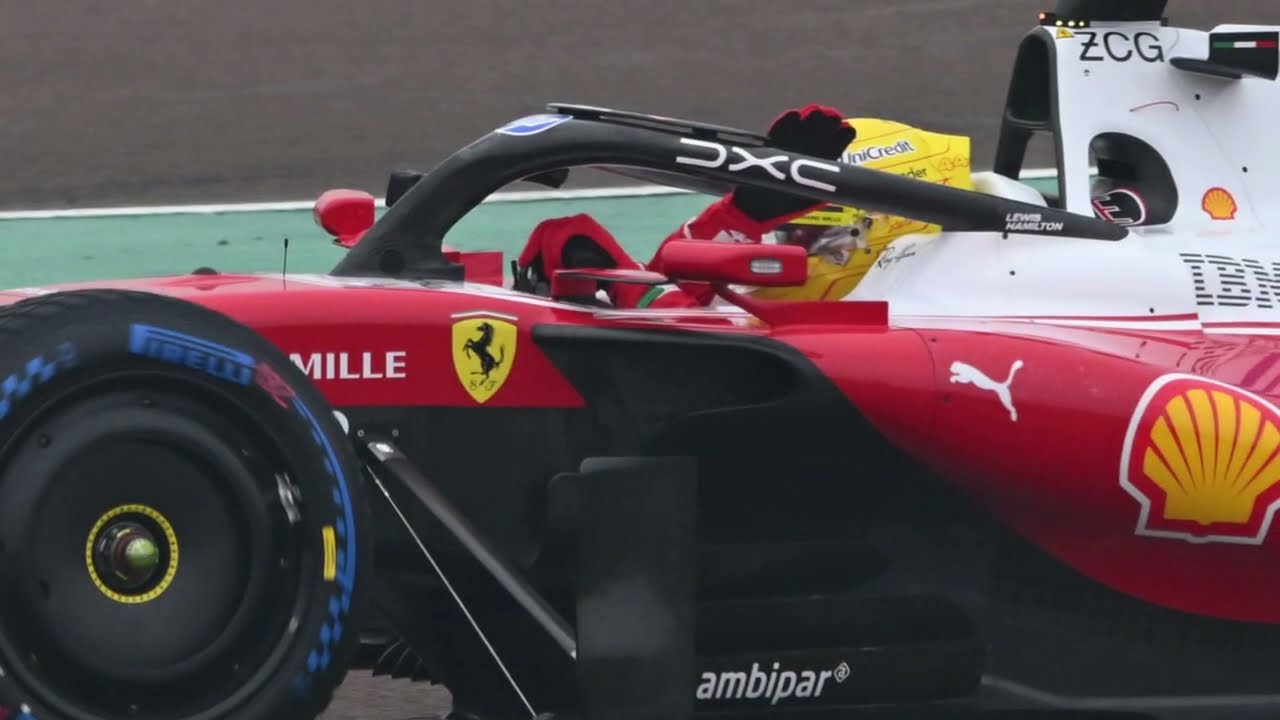
    If you were anywhere near the gates of Ferrari’s legendary headquarters this week, you wouldn’t have just heard an engine; you would have heard a statement of intent. The Prancing Horse has officially fired up its 2026 power unit, sending a raw, unfiltered message to the rest of the Formula 1 grid. But while the technical world is buzzing over the harmonics of this new beast, a quieter, perhaps more decisive revolution is taking place behind the garage doors—one that involves Lewis Hamilton and a ruthless reshuffling of the deck that proves the Fred Vasseur era is truly underway.

    The Sound of Survival: Why the 2026 Fire-Up Matters

    Winter in Maranello is traditionally a time of silence, secrecy, and the occasional controlled leak to the press. But this week, that silence was shattered by the distinct, aggressive growl of Ferrari’s 2026 challenger. For the casual fan, it’s a cool sound clip. For the paddock, it is a terrifying signal of readiness.

    The 2026 regulations represent the most significant technical overhaul in modern Formula 1 history. We aren’t talking about a simple aerodynamic tweak or a fuel-flow adjustment. This is a fundamental rethink of how a race car generates speed. The new regulations demand a power unit where the electric motor (MGU-K) delivers nearly 500 horsepower—roughly half the total output—while the internal combustion engine runs on 100% sustainable fuel.

    To fire up a full system this early in the development cycle is rare. It suggests that Ferrari has moved past the dreaded “does it work?” phase and straight into performance optimization. In a sport where time is the only currency that matters, Ferrari has just bought themselves a massive head start.

    The sound itself tells a story. With the removal of the MGU-H (Motor Generator Unit – Heat), the engine is no longer electronically “polished.” The result is a V6 that sounds rawer, louder, and more mechanically honest. But for the engineers, that noise is data. A clean fire-up means the harmonics are stable, the crankshaft is holding up against the insane torque of the electric motor, and the integration philosophy is sound. They haven’t just built an engine; they’ve solved the complex puzzle of making an internal combustion engine shake hands with a high-voltage electrical system without tearing itself apart.

    The Human Reset: Hamilton and Adami Part Ways

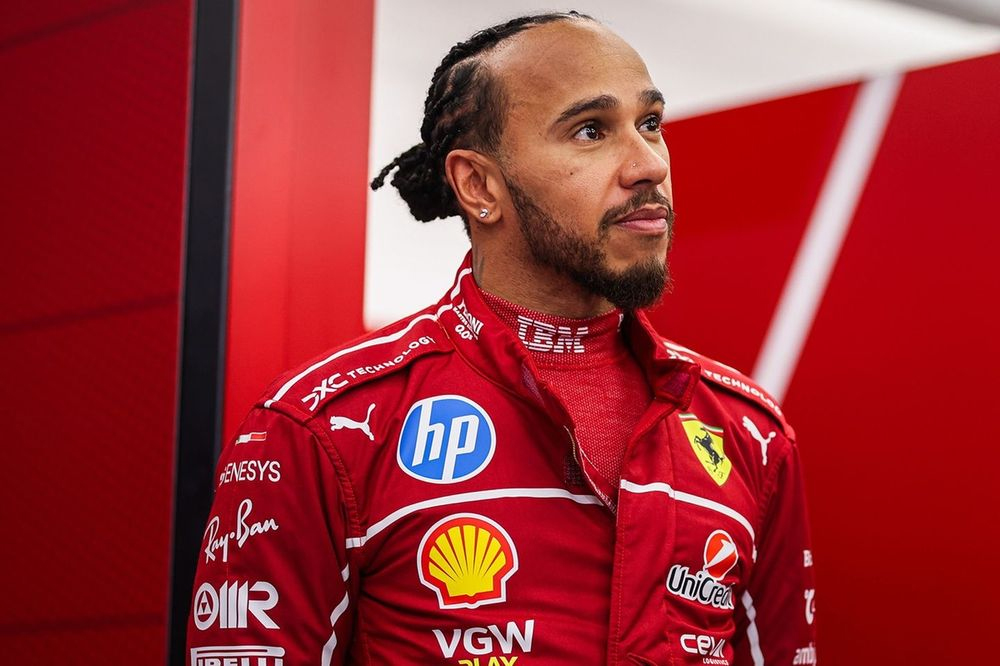
    While the dyno rooms were vibrating with success, the human side of the garage witnessed a surgical strike. Reports confirm that Lewis Hamilton and race engineer Riccardo Adami are officially parting ways.

    Adami is an institution at Ferrari. He was the calm voice in Sebastian Vettel’s ear for years, a stabilizing force known for his methodical, driven approach. But Formula 1 is not a sport for the sentimental, and under Fred Vasseur’s leadership, it seems “good enough” is no longer acceptable.

    The split wasn’t born out of a dramatic fallout or a shouting match. Instead, it appears to be a calculated decision based on compatibility. Lewis Hamilton operates on a different frequency than most drivers. He doesn’t just need data; he needs anticipation. He requires a race engineer who can translate tire feel and car balance into strategy in real-time. In 2025, observers noted that Hamilton and Adami, while respectful, were often slightly out of sync—two brilliant minds speaking different dialects of the same language.

    By moving Adami to a senior role within the Ferrari Driver Academy, the team has retained his immense institutional knowledge while clearing the seat next to Hamilton. It’s a “promotion” that doubles as a strategic reset. It signals that Ferrari is finally building the team around Lewis, rather than expecting Lewis to simply fit into an existing slot.

    The Era of the “Energy Strategist”

    Why is this engineer change so critical right now? Because the role of the race engineer is about to change forever.

    In the current era, a race engineer is part psychologist, part traffic controller, and part technician. But in 2026, they will effectively become real-time energy strategists. With 50% of the car’s power coming from the battery, the management of energy deployment will be the difference between winning and losing.

    Drivers will need to know exactly when to deploy that 500-horsepower electric kick, when to harvest energy, and when to conserve. A communication delay of even one second could leave a driver derated (out of battery power) halfway down a straight, effectively a sitting duck for an overtake.

    The level of trust required for this dance is non-negotiable. Hamilton needs a voice in his ear that he trusts implicitly—someone who understands his “operating system” and can make split-second decisions without hesitation. Ferrari’s decision to replace Adami now, rather than wait for the pressure of the 2026 season, shows a foresight that has been lacking in previous years.

    Vasseur’s Ruthless Pragmatism

    This entire sequence of events—the aggressive engine timeline, the personnel changes—bears the signature of Team Principal Fred Vasseur. Since taking the helm, Vasseur has slowly but surely dismantled the “culture of fear” and replaced it with a culture of ruthless clarity.

    In the past, Ferrari might have kept a veteran engineer in place out of respect or tradition. Vasseur, however, looks at the lap times. If a relationship isn’t yielding maximum performance, it is changed. Full stop.

    This “performance over sentiment” approach is exactly what Lewis Hamilton has been craving. His move to Ferrari was never just about wearing red; it was about finding a team willing to do whatever it takes to win. By proactively fixing a dynamic that wasn’t 100% perfect, Ferrari is proving to Hamilton that they are as hungry for that eighth title as he is.

    The 2026 Gamble: Engineering a Miracle

    When you zoom out, the engine fire-up and the engineer swap are not separate stories. They are two sides of the same coin. Ferrari is attempting to align its hardware and its “software” (the people) perfectly for the start of the new regulation cycle.

    The 2026 project is being treated as a blank slate. The car is designed around low drag and aggressive energy deployment. The team structure is being streamlined for faster decision-making. The “legacy” ways of doing things are being challenged.

    For fans, the question remains: Can they pull it off? Early success on the dyno is promising, but it doesn’t guarantee a championship. Mercedes and Red Bull are undoubtedly working just as hard in their own factories. However, Ferrari’s willingness to disrupt its own stability in search of higher performance is a terrifyingly positive sign.

    The roar from Maranello this week was more than just combustion. It was the sound of a giant waking up—electric-focused, unsentimental, and done with waiting. Ferrari isn’t hoping for a miracle in 2026; for the first time in a long time, they look like they are actively engineering one.

    Lewis Hamilton knows his window is closing. But with a beast of an engine behind him and a fresh voice in his ear, he might just have found the weapon he needs to kick the door wide open one last time.

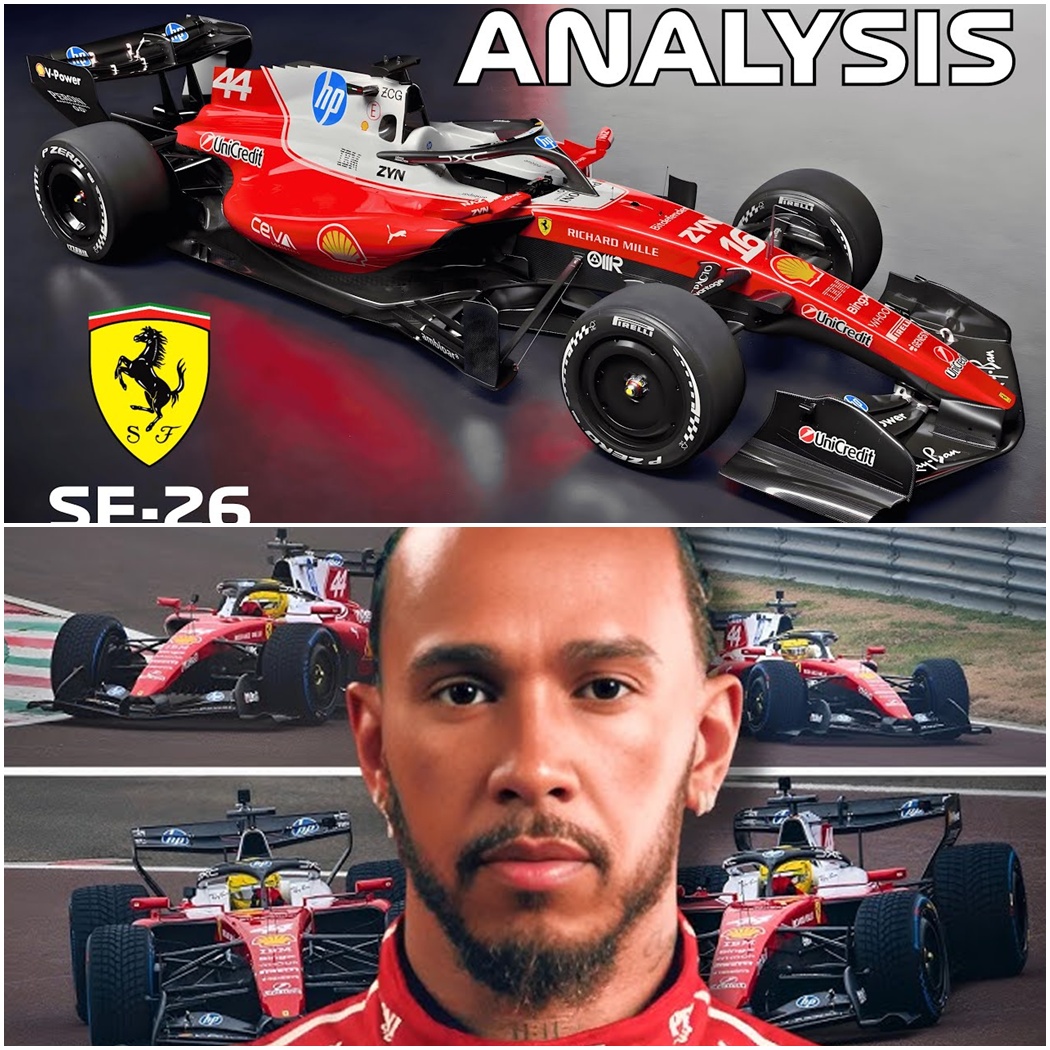
  • The Maranello Revolution: How Ferrari’s Radical SF-26 and Lewis Hamilton Are Poised to Shatter a 20-Year Curse

    The Maranello Revolution: How Ferrari’s Radical SF-26 and Lewis Hamilton Are Poised to Shatter a 20-Year Curse

    The Roar Returns to Fiorano

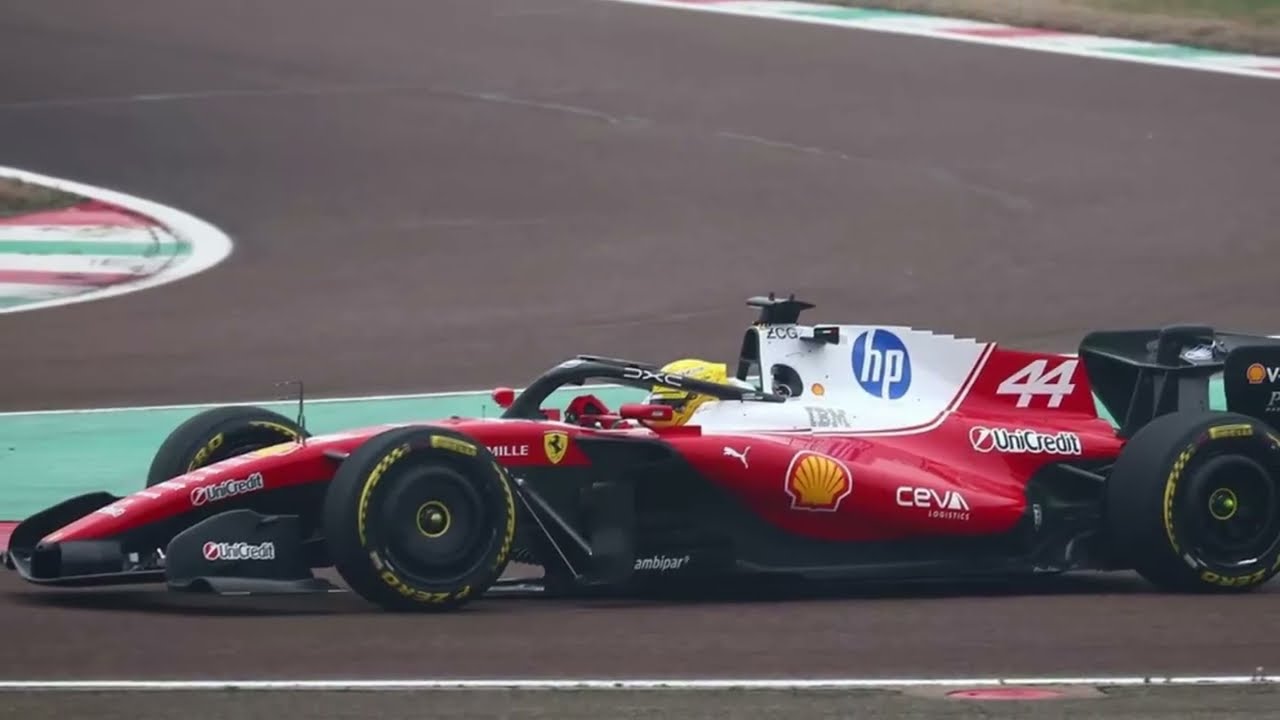
    The deep, haunting silence that has lingered over Maranello since 2007 was shattered last Friday. It wasn’t just the sound of an engine firing up on the Fiorano asphalt; it was the roar of a declaration. When the Ferrari SF-26 rolled out of the garage, it didn’t just signal the start of a new season—it signaled the end of an era of compromise.

    For nearly two decades, the Tifosi have waited. They have watched seasons start with hope and end in heartbreak. But as the engines cool and the data uploads from the first shakedown, the mood in Italy is different this time. It’s electric. The SF-26 isn’t a tweak. It isn’t a polish of last year’s mistakes. It is a 99% overhaul, a radical reinvention designed with a singular, obsessive purpose: to bring the World Championship back to Maranello.

    With the 2026 regulations introducing shorter, narrower, and lighter cars, Ferrari saw more than just a rule change—they saw a blank sheet of paper. And on that paper, they have drawn a machine that experts are already calling a “championship contender.”

    The “Zero-Compromise” Philosophy: Engineering as Art

    To understand why the SF-26 is terrifying the paddock, you have to look beneath the famous red livery. In modern Formula 1, success is a game of millimeters, and Ferrari has played this hand aggressively.

    The most striking feature of the new car is its “ultra-compact” engine architecture. In previous years, aerodynamicists often had to work around the bulky power unit, compromising the car’s shape to fit the engine. Not this year. For 2026, Ferrari’s engine department was given a brutal directive: make it small.

    The result is a packaging miracle. The engine cover features one of the narrowest “coke bottle” structures ever seen in the paddock. This isn’t just for aesthetics. By shrinking the cooling system and packaging the engine so tightly, Ferrari has opened up vast channels of clean air to flow directly to the rear wing and diffuser. While rivals are struggling to balance cooling needs with aerodynamic drag, Ferrari has seemingly solved the puzzle. They have made the engine a “slave to aerodynamics,” prioritizing cornering speed and balance over everything else.

    This compact design does double duty. It optimizes the center of gravity, a critical factor in the new, narrower 2026 chassis. It proves that Ferrari is no longer just an engine manufacturer trying to build a car; they are a cohesive design powerhouse where every department works in total unison.

    The Great Suspension Gamble

    If the engine packaging is a marvel, the suspension is a revolution. For years, the debate between push-rod and pull-rod suspension has dominated technical discussions. This season, Ferrari has made a definitive choice that has raised eyebrows across the pit lane.

    The SF-26 has abandoned the traditional pull-rod system entirely, adopting a push-rod geometry on both the front and rear axles.

    This is not a decision made lightly. It is a pure aerodynamic play. By positioning the push-rod arms higher, engineers can direct airflow from the front wing directly into the sidepod inlets and the critical underfloor Venturi ducts with surgical precision. They have even moved the front wheels forward by a few millimeters, a subtle tweak that completely optimizes how air travels over the chassis.

    The goal? To push the turbulent “wake” generated by the spinning wheels away from the car’s sensitive aerodynamic zones. This decision came after thousands of hours in the wind tunnel. It suggests that Ferrari is looking for a wider operating window—a car that is easier to tune and reliable across different track surfaces, something that has plagued them in the past.

    The Hamilton Factor: Braking Bad

    When Lewis Hamilton announced his move to Ferrari, the world gasped. But now, we are seeing the technical impact of that transfer. One of the biggest questions was how the seven-time world champion would adapt to Ferrari’s equipment, specifically the brakes.

    At Mercedes, Hamilton used Carbon Industries brakes, known for a specific feel and bite. Ferrari has been married to Brembo for 50 years. Would the British legend force a switch?

    The answer is a testament to Hamilton’s adaptability and Ferrari’s commitment to him. After extensive testing and feedback, the decision was made to stay with Brembo, but with a twist. The braking system has been optimized specifically for Hamilton’s aggressive style. During the Fiorano shakedown, observers noted Hamilton stopping frequently on the start-finish straight. It wasn’t a malfunction. It was a deliberate “stop-start” test to calibrate the synchronization between the new Brembo calipers and the hybrid energy recovery system.

    Every stop was data. Every launch was a lesson. Hamilton isn’t just driving the car; he is engineering it from the cockpit.

    The Weight War: Ferrari’s Secret Advantage

    In the new era of F1, weight is the enemy. The 2026 rules set a minimum weight limit of 768 kg. It sounds generous, but with the new hybrid systems, it is a nightmare target for engineers.

    Rumors from the paddock suggest a startling reality: most teams are struggling, sitting roughly 10 kg over the limit. In a sport where 10 kg can cost three-tenths of a second per lap, that is a lifetime.

    Ferrari, however, seems to have pulled a rabbit out of the hat. Reports indicate the SF-26 is hovering just a few kilograms above the minimum. This is a massive strategic advantage. While Mercedes and Red Bull may have to spend their development budget and upgrade tokens just to put their cars on a diet, Ferrari can focus purely on performance. They don’t need to make the car lighter; they just need to make it faster. This “readiness” allows them to be agile, bringing aerodynamic updates while others are still trying to shed fat.

    Strategic Masterclass: The Barcelona vs. Bahrain Plan

    Ferrari is also playing a long game with their testing schedule. As the Barcelona tests kick off today, don’t expect to see the full potential of the SF-26 immediately.

    Ferrari is deploying a rational, gradual strategy. The car in Barcelona is an “A-spec” model—simple, robust, and focused on reliability. The goal is to check the harmony between mechanical parts and validate the wind tunnel data. They want to log thousands of kilometers without a breakdown.

    The real fireworks are reserved for the Bahrain tests. That is where the aggressive aero updates and full power unit optimizations will be bolted on. By the time the lights go out in Melbourne, the car will be fully evolved. This contrasts sharply with rivals who might rush a “B-spec” car to Barcelona, risking reliability nightmares. Ferrari is building a house on a rock, not on sand.

    The Rivalry: Chess in the Grey Areas

    Of course, the competition is not sleeping. Mercedes has unveiled the W17 with a stunning livery, but the real story is their engine. Speculation is rife that Mercedes and Red Bull Powertrains have found a loophole regarding the compression ratio rule (set at 16.1). There are whispers that they comply in static tests but boost the ratio at high track temperatures.

    Ferrari and other manufacturers are unsettled, lodging complaints with the FIA. But Ferrari isn’t waiting for a ruling. Their answer to Mercedes’ potential engine power advantage is their superior efficiency. If Mercedes has the brute force, Ferrari has the slippery shape and the tire management.

    Conclusion: A Golden Age Reborn?

    The 2026 season won’t just be a battle of drivers; it will be a chess match of engineers. Ferrari has placed its pawns strategically. They have removed the MGU-H, boosted electrical power to 350 kW, and redesigned their software to deploy that energy with surgical precision.

    As the SF-26 takes to the track in Barcelona today, January 26th, the pieces are set. The car is light. The engine is compact. The suspension is revolutionary. And in the cockpit, they have the experience of Lewis Hamilton and the speed of Charles Leclerc.

    For the first time in 20 years, Ferrari isn’t just hoping for a miracle—they have engineered one. The wait for the Tifosi might finally be over. This isn’t just a launch; it’s a ticket back to the golden age.

    Safe exits from the pit.

  • ‘Evil and Sinister’: Laurence Fox Explodes in Foul-Mouthed Rant Over Claim His Son Was Vaccinated Without Consent — As Lawyers Are Brought In

    ‘Evil and Sinister’: Laurence Fox Explodes in Foul-Mouthed Rant Over Claim His Son Was Vaccinated Without Consent — As Lawyers Are Brought In

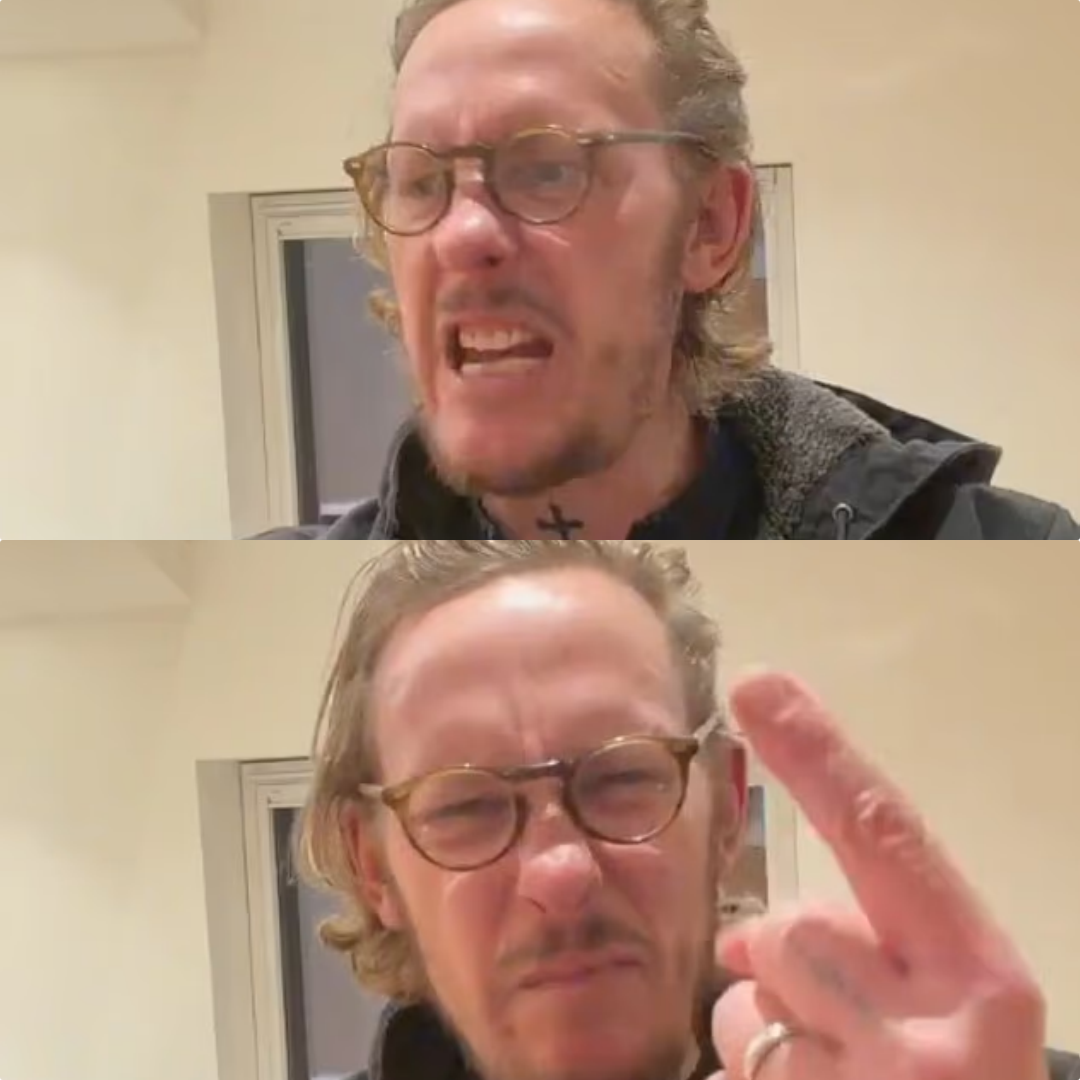
    Laurence Fox has unleashed a furious, profanity-laden rant after claiming one of his sons was vaccinated at school without his consent — announcing he has now instructed lawyers to intervene.

    Laurence Fox đã đăng tải một bài viết đầy giận dữ, cáo buộc trường học đã tiêm chủng cho con trai ông mà không có sự đồng ý - đồng thời tuyên bố ông đã chỉ đạo luật sư can thiệp.Laurence Fox has unleashed a furious rant claiming a school vaccinated his son without consent – while declaring he has now instructed lawyers to intervene

    The controversial actor-turned-activist, 47, took to social media platform X to allege that his child had been “jabbed” without permission and left feeling unwell, branding the modern education system “evil” in an explosive outburst that quickly went viral.

    Laurence, who shares two sons Winston, 16, and Eugene, 12, with his ex-wife Billie Piper, accused the unnamed school of carrying out the vaccination against his wishes and branded modern schooling 'evil' (pictured with Billie in 2014)Laurence, who shares two sons Winston, 16, and Eugene, 12, with his ex-wife Billie Piper, accused the unnamed school of carrying out the vaccination against his wishes and branded modern schooling ‘evil’ (pictured with Billie in 2014)

    Laurence, who shares two sons — Winston, 16, and Eugene, 12 — with his ex-wife Billie Piper, accused the unnamed school of acting against his explicit wishes.

    ‘How dare they touch my child?’

    In a conspiracy-tinged video, Laurence raged:

    “How dare they touch a hair on my child’s head? Evil, evil b******s, a lot of them.”

    The controversial actor-turned-activist, 47, posted a foul-mouthed meltdown alleging one of his two children was 'jabbed' without his permission and left 'really ill'The controversial actor-turned-activist, 47, posted a foul-mouthed meltdown alleging one of his two children was ‘jabbed’ without his permission and left ‘really ill’

    He went on to claim schools were no longer places of learning, but institutions imposing ideological and medical agendas on children.

    “If they’re not teaching them that they’re all racists or white-privileged, then they’re jabbing them with some experimental pharmaceutical,” he said.
    “Get your kids out of the system. This is evil.”

    ‘He was really ill’

    It is unclear whether former pop star Billie, 43, who divorced Laurence in 2016, was contacted by the school or whether she provided consent for the vaccination (seen last year)It is unclear whether former pop star Billie, 43, who divorced Laurence in 2016, was contacted by the school or whether she provided consent for the vaccination (seen last year)

    Laurence alleged he only became aware of the vaccination after being informed his son had suffered a “horrible nosebleed,” appeared “off balance,” and looked visibly unwell.

    “He looks like he’s lost half a stone,” Laurence claimed.
    “He looked really f***ing ill, if I’m honest.”

    Billie has previously said navigating co-parenting with Laurence amid his penchant for courting controversy, came with 'enormous difficulty' (pictured on their wedding day in 2007)Billie has previously said navigating co-parenting with Laurence amid his penchant for courting controversy, came with ‘enormous difficulty’ (pictured on their wedding day in 2007)

    He said he had previously written to the school stating he did not consent to any non-emergency medical treatment.

    “I said ‘No, please don’t,’ and they did it anyway,” he added.
    “That is modern schooling. It’s absolutely disgusting.”

    ‘Sinister’ phone call claim

    Laurence further alleged a teacher attempted to phone him for consent — a claim he disputed, insisting there was no record of the call on his phone.

    “Where is the parent in modern Britain in 2026?” he asked.
    “I am absolutely f***ing livid.”

    A partial climbdown — but legal action remains

    He remarried last year, tying the knot with Californian conspiracy podcaster Elizabeth Barker, who has claimed the Moon landings were faked, described 9/11 as an 'inside job' and dismissed climate change as a government 'smokescreen'He remarried last year, tying the knot with Californian conspiracy podcaster Elizabeth Barker, who has claimed the Moon landings were faked, described 9/11 as an ‘inside job’ and dismissed climate change as a government ‘smokescreen’

    In a second video posted the following morning, Laurence admitted he later discovered an email containing a consent form — which he had not opened due to email issues.

    “I finally got into my emails and I found a consent form,” he said.
    “I didn’t see it. I did not consent to it.”

    Despite acknowledging this, he maintained schools should never proceed without explicit parental approval, confirming that he had instructed a lawyer to write formally to the school demanding answers.

    Laurence also clarified he was not opposed to all vaccinations, but stressed his position was rooted in parental consent and transparency.

    “I am pro parents being informed,” he said.
    “And I’m against this taking place in schools, especially in a shadowy way.”

    Billie Piper’s silence — and past comments

    It remains unclear whether Billie Piper was contacted by the school or provided consent. Schools typically require permission from at least one parent or guardian with parental responsibility.

    The Daily Mail has contacted representatives for Billie for comment.

    Billie has previously spoken candidly about the difficulties of co-parenting with Laurence amid his controversies, describing it as an “enormous challenge.”

    In a 2024 interview, she said:

    “What is paramount for me is the privacy and anonymity of my children. They deserve their own identities.”

    A controversial path

    Laurence comes from one of Britain’s most famous acting dynasties — his father James Fox, brother Jack Fox, and cousins Freddie Fox and Emilia Fox.

    However, in recent years he has pivoted away from acting toward political activism, founding the Reclaim Party, unsuccessfully running for London Mayor, and later joining GB News before departing after controversial remarks.

    He remarried last year to Californian podcaster Elizabeth Barker, known for promoting fringe conspiracy theories.

    As the debate continues, questions remain over what exactly occurred — and whether legal action will bring clarity or further controversy.