In the high-octane world of Formula 1, silence is rarely golden—it’s usually terrifying. As the engines roared to life at the Circuit de Barcelona-Catalunya for the highly anticipated 2026 shakedown, one garage door remained firmly shut. The Williams F1 team, a historic giant of the sport, was nowhere to be found. For a fanbase desperate for a resurgence, the absence of the FW48 wasn’t just disappointing; it was a siren call of panic. But is the hysteria justified, or are we witnessing a cold, calculated masterstroke from Team Principal James Vowles?
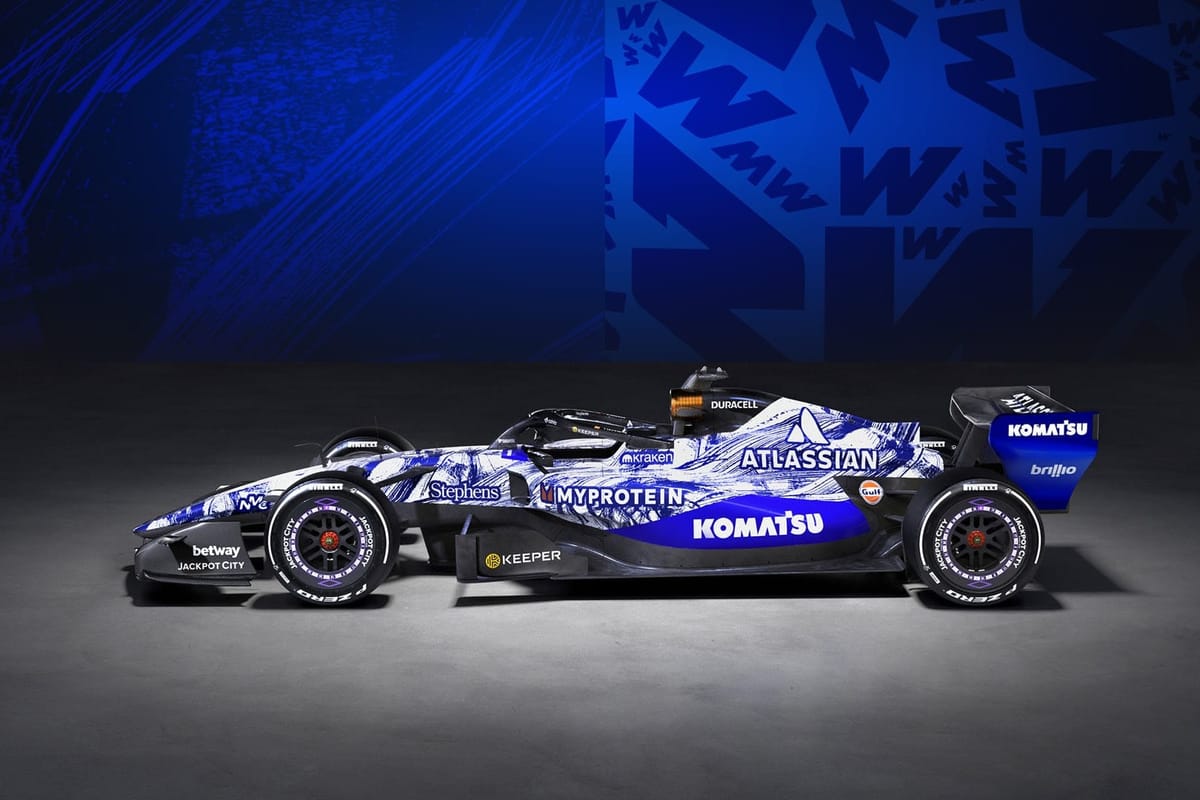
The Sound of Silence in Spain
The Barcelona shakedown was supposed to be the first glimpse of the revolutionary 2026 cars. Fans and media alike descended on the circuit, eager to see the new machinery in action. Reports from the ground described a chaotic scene, with police helicopters allegedly buzzing overhead to keep curious onlookers at bay. Yet, amidst the noise and the fervor, the most shocking story was the one that wasn’t there.
Williams officially announced they would not participate in the test due to “delays in the FW48 program.” The statement was corporate and calm, framing the decision as a necessary step in pushing for “maximum car performance.” But in the cutthroat paddock of F1, “delays” is often code for “disaster.”
Naturally, the rumor mill kicked into overdrive. Whispers circulated that the car was vastly overweight—some suggesting a deficit of 20 to 30 kilos—though these claims were later walked back. darker murmurs hinted that the car hadn’t been ready because it failed the FIA crash tests. While reputable sources like The Race indicate the car has since passed these crucial safety checks, the narrative of a team in crisis had already taken root.
A Calculated Risk or a Desperate Measure?
To understand why Williams might skip such a crucial event, we have to look inside the mind of James Vowles. Since taking the helm, Vowles has been a proponent of long-term engineering integrity over short-term PR wins. This is the man who made the ruthless call to bench Logan Sargeant to give Alex Albon a fighting chance, absorbing the public backlash for the greater good of the team’s points tally.
The decision to skip Barcelona appears to be cut from the same cloth. Faced with the choice of rushing a “bodge job” car to Spain—potentially with limited spare parts and a compromised design—or refining the vehicle in a controlled environment, Vowles chose the latter. It is a gamble that prioritizes the quality of the debut over the timing of it.
By skipping the public shakedown, Williams avoids the risk of a public breakdown. Imagine the optics if they had arrived in Barcelona only to spend three days nursing a fragile car in the garage, or worse, suffering a mechanical failure on the first lap. Instead, they have retreated to the shadows, opting for a “virtual test track” program.

The Virtual Secret Weapon
While their rivals deal with the unpredictable variables of a physical track, Williams is reportedly utilizing the facilities of AVL in Austria, the world’s largest independent simulation and testing company. This “Digimon approach” to Formula 1 allows them to run the FW48 through thousands of simulated lap profiles and stress cases without the prying eyes of rival engineers or the cameras of the media.
In this virtual sanctum, they can correlate their data, refine their setups, and test the limits of the new 2026 regulations—which heavily emphasize energy recovery and active aerodynamics—without wearing out physical parts. If the correlation between the simulation and the real world is accurate, Williams could arrive at the official Bahrain test with a car that is dialed in and ready to push, while others are still working out the kinks.
This strategy also offers a tantalizing tactical advantage: secrecy. By keeping the car under wraps, Williams prevents rival teams from analyzing their aerodynamic solutions. In a sport where teams employ photographers to spy on competitors’ floor edges and wing designs, denying them any visual data until the last possible moment is a legitimate defensive play.
Context is Key: The Struggles of Others
The panic among Williams fans is understandable, but a look at the rest of the grid offers some perspective. The Barcelona shakedown was far from smooth for everyone. Newcomers like Audi and Cadillac reportedly struggled on Day 1, with Audi completing a fraction of the laps managed by the Mercedes-powered teams. Even established outfits faced red flags and teething issues.
Engineering is a messy business, especially when completely new regulations come into play. Williams isn’t missing a standard test; they are missing a “shakedown,” a session designed to clear the cobwebs. If they were missing the first official test in Bahrain, the alarm bells would be deafening. But missing a preliminary run to ensure the car is robust for the main event? That is a defensible, albeit risky, strategy.
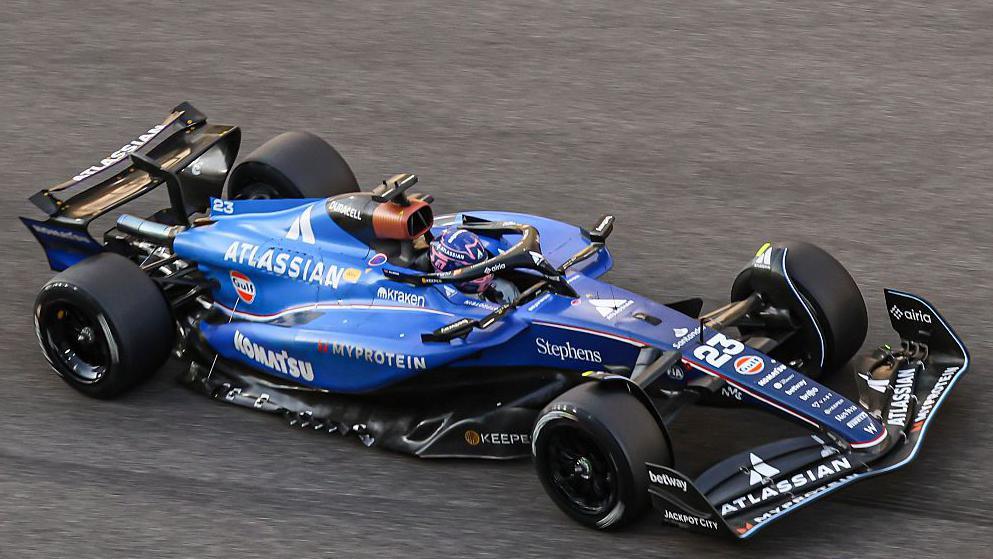
The Dorilton Doctrine
Under the ownership of Dorilton Capital, Williams has shifted its focus from survival to revival. The investors have shown a willingness to embrace “noble pain” for future payoff. They aren’t interested in a team that looks good on day one of testing but fails on Sunday. They want a car that is competitive for the long haul.
This alignment allows Vowles to make unpopular decisions without fear of immediate termination. The team is rebuilding its infrastructure, its workflows, and its culture. Sometimes, that means tearing down the old way of doing things—like rushing an unfinished car to a test just to save face.
The Verdict: Waiting for Bahrain
Is it “game over” for Williams in 2026? Absolutely not. It is, however, a time of extreme tension. The team has placed a massive bet on their simulation tools and their internal processes. They have traded track time for development time, a currency that is incredibly valuable in F1.
If the FW48 rolls out of the garage in Bahrain and clocks consistent, fast laps, this decision will be hailed as a stroke of genius. It will prove that Williams has finally matured into a team that dictates its own terms rather than reacting to external pressure. But if the car arrives late or slow in Bahrain, the silence of Barcelona will echo throughout a long, painful season.
For now, the Williams garage remains empty, and the “hype train” is paused at the station. But as any F1 fan knows, the race isn’t won in the first corner, and the season certainly isn’t decided in a shakedown. The true test awaits in the desert heat of Bahrain. Until then, hold the panic—but keep your fingers crossed.
News

Inside Shane Richie’s love life: Drug – fuelled orgy with six blondes; real reason he split from Coleen Nolan; six-year ‘affair with fan’
Inside Shane Richie’s love life: Orgy with six blondes; real reason he split from Coleen Nolan; six-year ‘affair with fan’ He’s popular with the ladies… Shane Richie…

SH0CKING REVELATI0N:A sh0cking behind-the-scenes secret revealed about Lizzie Rizzini, the woman replacing Carol Kirkwood on the 6pm weather bulletin
BBC viewers still reeling from the departure of Carol Kirkwood got another surprise last night when presenter Lizzie Rizzini appeared to flash her black lace stockings on…

HEARTBREAKING: Peter Andre’s Tearful Message to Son Junior After SHOCKING Revelation About How He Truly Feels Toward Mum Katie Price — Katie Price’s reaction scares fans.
Peter Andre’s emotional message to son Junior after it’s revealed how he really feels about mum Katie Pri… PETER Andre has shared an emotional message to his…

Ben Shephard opens up about the devastating health battle his wife is facing: “She wakes up crying every single morning…”
Inside This Morning Ben Shephard’s Life Including Rarely Seen Wife and Health Battle Ben Shephard is a name synonymous with British television, renowned for his engaging presentation…
🚨 LIVE TV HEARTBREAK: Good Morning Britain Host Announces ‘Devastating’ Dɘath of Guest Minutes Into Show
Viewers of Good Morning Britain were met with heartbreaking news just minutes into Friday’s (January 30) episode, as co-hosts Kate Garraway and Ranvir Singh reported the tragic…

Emmerdale legend Cain Dingle will never be the same again after a shock cancer diagnosis turns his world upside down
FROure Desk. Full Terms and conditions are available on the website http://www.itv.com/presscentre/itvpictures/terms Emmerdale wouldn’t be Emmerdale without the glowering, grunting embodiment of manliness that is Cain Dingle (Jeff Hordley) But…
End of content
No more pages to load






