In a development that has sent shockwaves through the Formula 1 community and dampened the high spirits of eager fans, Williams Racing has officially announced that they will miss the very first shakedown test of the 2026 season. The test, scheduled to take place next week at the Circuit de Barcelona-Catalunya, marks the beginning of a revolutionary new era in the sport, making this absence all the more conspicuous and concerning. For a team that has publicly staked its future on acing the 2026 regulations, this stumble at the very first hurdle is a bitter pill to swallow.
A Shocking Announcement
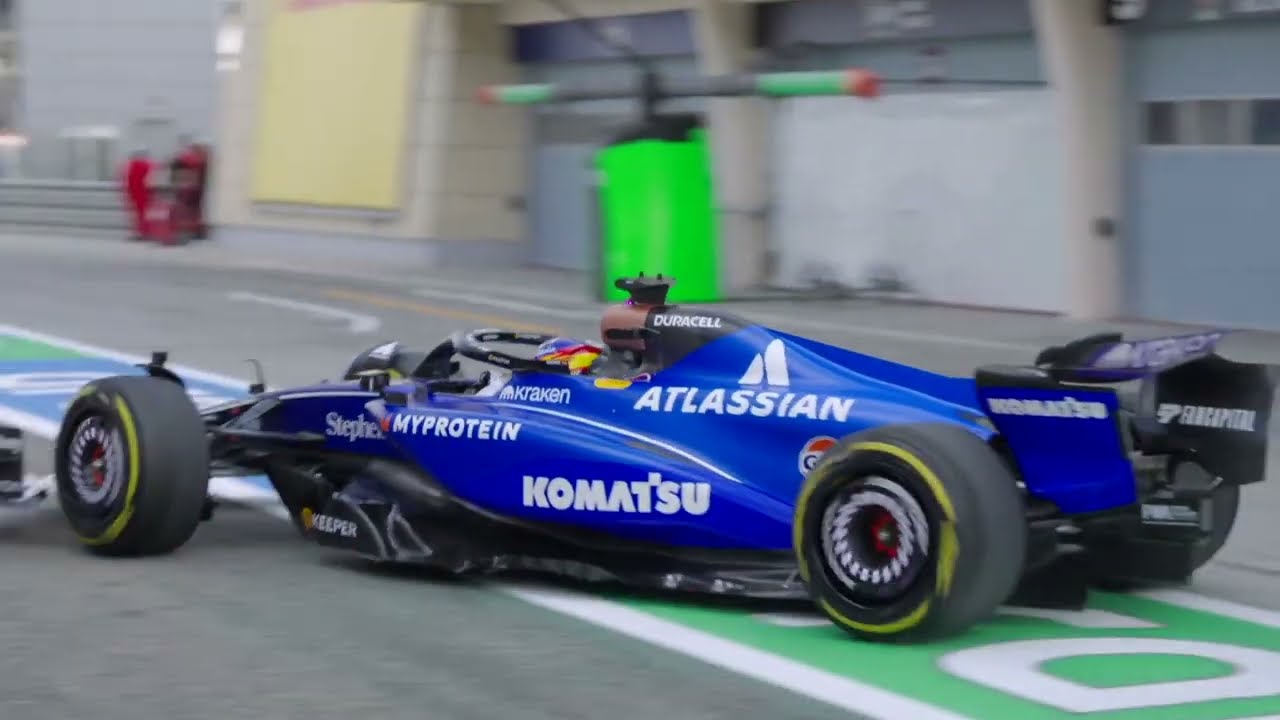
The news broke via a statement released by the team on social media, a digital admission that instantly ignited debate across the motorsport world. The message was clear but raised more questions than it answered: “The Williams F1 team has taken a decision not to participate in next week’s shakedown test in Barcelona following delays in the FW48 program as we continue to push for maximum car performance.”
Instead of the roar of engines and the smell of burning rubber on Spanish tarmac, the team will remain in their factory, conducting a “virtual track testing program” to prepare for the official pre-season test in Bahrain and the season opener in Melbourne. While the team tried to couch the news in optimism—thanking fans for support and looking forward to the season—the underlying reality is undeniable: the car simply isn’t ready to run.
The Devil in the Details
What makes this delay particularly intriguing is the specific nature of the problem. According to reports and analysis, the team has been light on the exact technical reasons, but they have been firm on what the problem is not. It is reportedly not an issue with an external supplier, nor is it a production bottleneck within the factory. Furthermore, the team has confirmed that their chassis has passed all FIA-mandated crash tests. This rules out the catastrophic “failed crash test” scenario that has plagued teams in the past.
Instead, the issue appears to be something that caught the team by surprise during the final build-up. Experts suggest that while the core architecture—the chassis and suspension—might be sound, the delays likely stem from the manufacturing or reinforcement of specific parts needed to complete the car build. In the high-stakes, high-precision world of Formula 1, even a small component failure or a late design change can have a cascading effect, rendering the car undriveable until rectifications are made. The fact that Williams has chosen to skip the entire five-day window, rather than aiming for the final days, indicates the problem is substantial enough to wipe out a full week of potential running.
A Comparative Embarrassment
Context is everything in Formula 1, and unfortunately for Williams, the context makes this delay look significantly worse. The 2026 season represents a massive reset for the sport, with new power unit regulations and aerodynamic rules. Every kilometer of real-world data is worth its weight in gold.
The embarrassment stems from looking at the competition. Audi, a manufacturer entering the sport as a full works team, had their car on track as early as January 9th. Even more striking is the performance of Cadillac, a brand-new entry starting from scratch, which managed to run their car for the first time on January 16th. For Williams—a team with decades of history and an existing infrastructure—to be beaten to the track by a completely new outfit is a tough optical blow.
This situation is compounded by the strategic decisions Williams made over the last 12 months. The team essentially sacrificed the development of their 2025 car, accepting a season of mediocrity, specifically to pour all their resources and focus into the 2026 project. To “tank” a season for the sake of preparation, only to miss the very first deadline of that preparation, feels like a strategic misfire that is hard to justify to stakeholders and fans alike.
The Importance of the Barcelona Shakedown
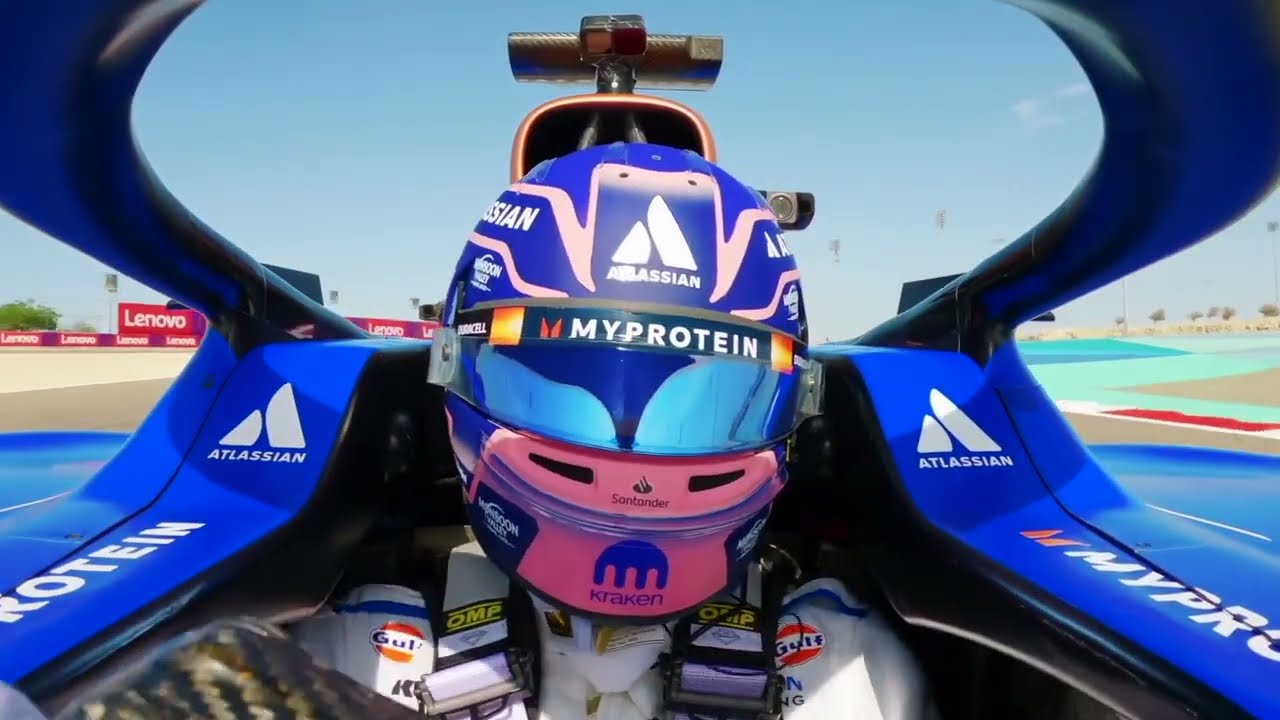
To understand the gravity of missing this test, one must understand the format of the Barcelona shakedown. This is not a media circus; it is a private, closed-door session designed for functionality. It runs for five days, with each team allocated a maximum of three days of running time with one car.
Teams like McLaren have approached this strategically, opting to skip the first day to let others clean the “green” track before they start their program. That is a choice born of optimization. Williams, however, has no choice. By abandoning the shakedown entirely, they are forfeiting a massive opportunity to correlate their simulation data with reality. While they claim they will replace this with virtual testing, any engineer will tell you that a simulator cannot replicate the vibration, thermal management, and mechanical reality of a car on an actual circuit.
Not a Power Unit Crisis
If there is a silver lining to be found in this cloudy situation, it is the power unit. Speculation initially ran rampant that perhaps the Mercedes engine was the culprit. However, evidence suggests the Mercedes power unit is performing well. The factory Mercedes team and Alpine (another customer team) have already completed shakedowns at Silverstone, clocking hundreds of kilometers without issue. Furthermore, Williams has reportedly already fired up their engine at the factory.
This isolation of the problem to the car’s build program is a double-edged sword. On one hand, it’s a relief that the engine—the heart of the beast—is functional. On the other hand, it places the blame squarely on Williams’ own internal processes and project management. It suggests that despite the restructuring and new leadership, the “ghosts of the past” still linger in the halls of Grove.
Echoes of the Past
Long-time followers of the sport will feel a sense of déjà vu. Williams has a painful history with missing testing deadlines. The disastrous 2019 pre-season, where the car arrived days late to Barcelona, remains a scar on the team’s legacy. More recently, in 2024, they also missed track time due to late arrivals.
Each time this happens, promises are made that processes have been fixed and that the team has learned its lesson. Yet, here we are again at the dawn of a new era, and the team is once again playing catch-up. While the current leadership urges calm, citing that “maximum car performance” is worth the wait, the pattern of delays is undeniable and worrying.
Fan Reaction: The Sainz Factor
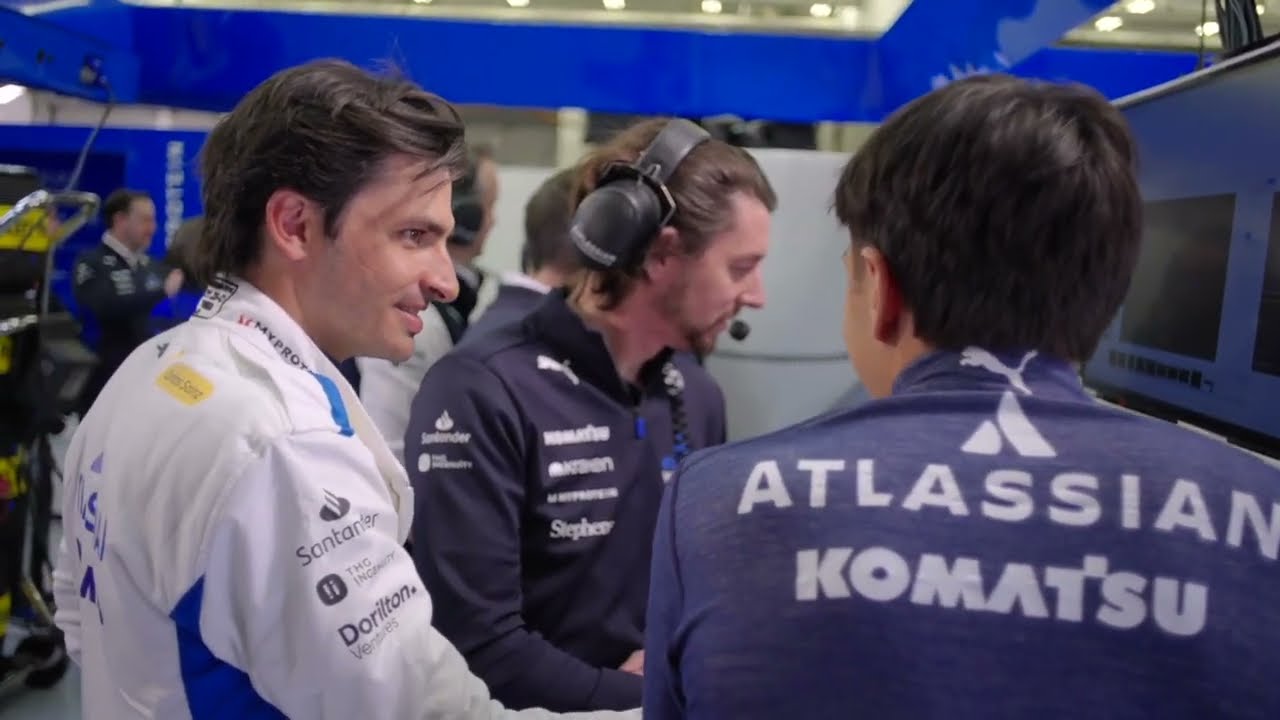
The social media reaction has been swift and, in many cases, brutal. A significant portion of the discourse surrounds Carlos Sainz, the star driver who chose to join Williams for this new era. Fans are already voicing regrets on his behalf, with comments flooding platforms stating, “This is why Sainz should have gone to Audi.”
While experts argue that it is far too early to declare the season a failure—and indeed, a few days of missed testing does not guarantee a slow car—the perception of instability is damaging. Fans want to see competence and punctuality, especially from a team that promised a resurgence. The anxiety is palpable: if they can’t manage the build schedule, can they manage the complex in-season development race?
The Verdict: Concern, Not Panic
Despite the sensational headlines and the genuine embarrassment of the situation, it is important to maintain perspective. This is a setback, not a death knell. The car exists, the engine works, and the crash tests are passed. The team is still optimistic that when the FW48 does hit the track in Bahrain, it will be competitive.
However, the margin for error has now evaporated. By missing Barcelona, Williams arrives in Bahrain on the back foot. They will have to spend their official test days doing basic system checks that other teams completed in Spain, effectively shortening their time for performance tuning.
In the ruthless world of Formula 1, time is the one commodity you cannot buy. Williams has just lost a week of it, and the pressure is now squarely on Team Principal James Vowles and his technical team to ensure that when the car finally rolls out of the garage, it is fast enough to make everyone forget this stumbling start. The 2026 season hasn’t started, but the race against time is already in full swing—and Williams is currently losing.
News

Inside Shane Richie’s love life: Drug – fuelled orgy with six blondes; real reason he split from Coleen Nolan; six-year ‘affair with fan’
Inside Shane Richie’s love life: Orgy with six blondes; real reason he split from Coleen Nolan; six-year ‘affair with fan’ He’s popular with the ladies… Shane Richie…

SH0CKING REVELATI0N:A sh0cking behind-the-scenes secret revealed about Lizzie Rizzini, the woman replacing Carol Kirkwood on the 6pm weather bulletin
BBC viewers still reeling from the departure of Carol Kirkwood got another surprise last night when presenter Lizzie Rizzini appeared to flash her black lace stockings on…

HEARTBREAKING: Peter Andre’s Tearful Message to Son Junior After SHOCKING Revelation About How He Truly Feels Toward Mum Katie Price — Katie Price’s reaction scares fans.
Peter Andre’s emotional message to son Junior after it’s revealed how he really feels about mum Katie Pri… PETER Andre has shared an emotional message to his…

Ben Shephard opens up about the devastating health battle his wife is facing: “She wakes up crying every single morning…”
Inside This Morning Ben Shephard’s Life Including Rarely Seen Wife and Health Battle Ben Shephard is a name synonymous with British television, renowned for his engaging presentation…

🚨 LIVE TV HEARTBREAK: Good Morning Britain Host Announces ‘Devastating’ Dɘath of Guest Minutes Into Show
Viewers of Good Morning Britain were met with heartbreaking news just minutes into Friday’s (January 30) episode, as co-hosts Kate Garraway and Ranvir Singh reported the tragic…

Emmerdale legend Cain Dingle will never be the same again after a shock cancer diagnosis turns his world upside down
FROure Desk. Full Terms and conditions are available on the website http://www.itv.com/presscentre/itvpictures/terms Emmerdale wouldn’t be Emmerdale without the glowering, grunting embodiment of manliness that is Cain Dingle (Jeff Hordley) But…
End of content
No more pages to load






