The Nightmare Returns to Grove
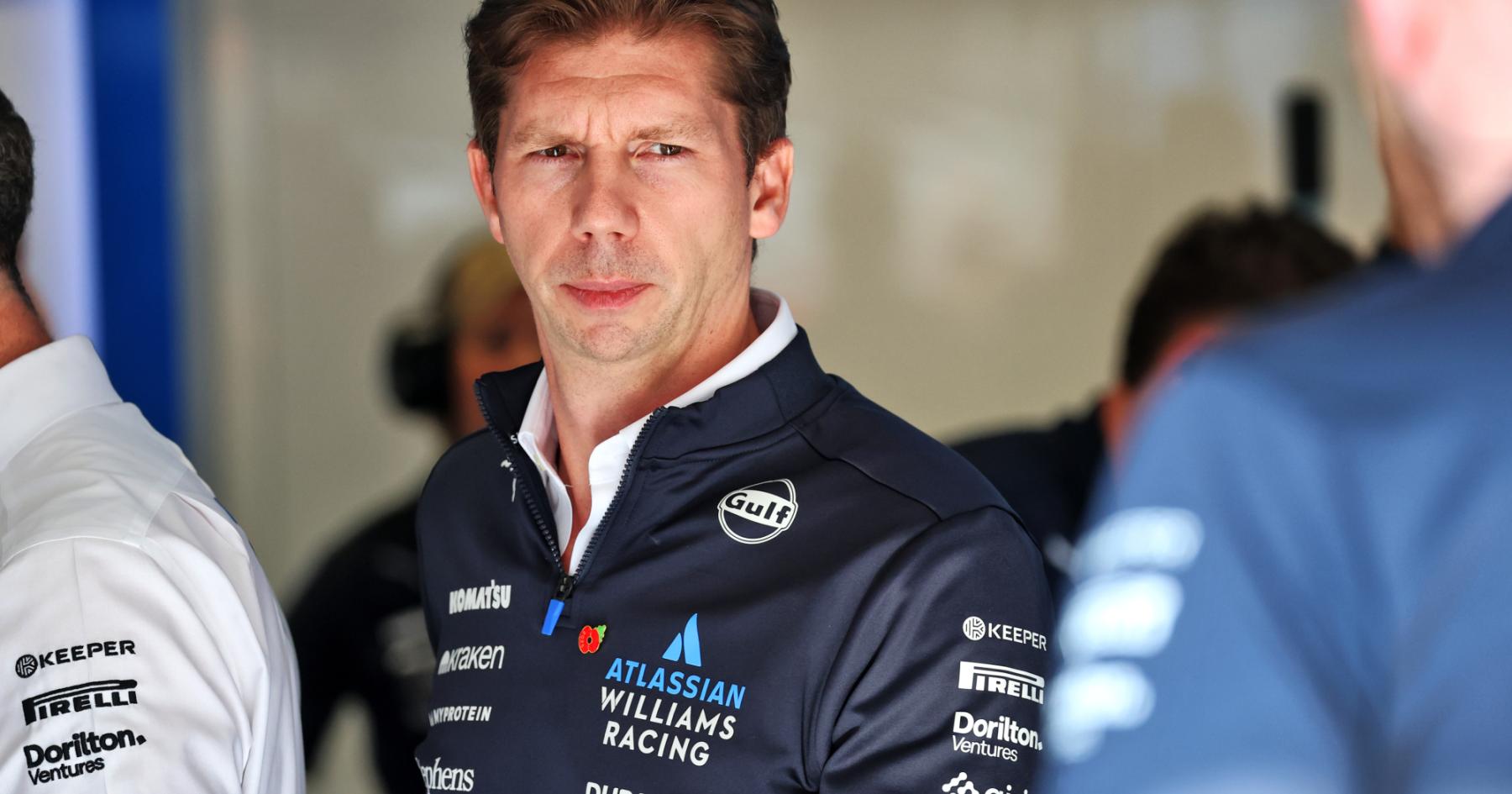
It is January 2026. The Formula 1 world has been holding its breath for years, waiting for this specific moment. The new regulation cycle—the “great reset”—was supposed to be the leveling of the playing field that historic teams like Williams have been praying for. For the past two seasons, Team Principal James Vowles has preached patience, selling a vision of a long-term reconstruction that would culminate in this very season. The arrival of superstar driver Carlos Sainz was meant to be the final stamp of legitimacy on this project. The stage was set for a triumphant return to form.
And then, the music stopped before the party even began.
In a move that has sent shockwaves through the paddock and shivers down the spines of the Williams faithful, the team announced they would not be participating in the upcoming “shakedown” test in Barcelona. The official statement, draped in the usual corporate sanitary language, cited “delays in the FW48 program” and a desire to “push for maximum car performance.” But for anyone who has followed the sport for more than a few years, those words don’t signal ambition; they signal alarm.
The Ghosts of 2019: A PTSD Trigger
To understand the visceral reaction to this news, one must rewind to the traumatic events of 2019. That year was supposed to be a turning point, too. Williams had re-hired the legendary Paddy Lowe, a man with a championship pedigree from Mercedes, to lead their technical charge. The anticipation was palpable. But as preseason testing began in Barcelona, the Williams garage remained ominously empty.
The car wasn’t just late; it was a catastrophe. When the FW42 finally arrived—two and a half days late—it was immediately clear that something was fundamentally broken. The car was seconds off the pace, overweight, and, humiliatingly, featured parts that were deemed illegal by the FIA. It wasn’t just a slow car; it was a public undressing of a once-great team. The fallout was brutal: Paddy Lowe took a “leave of absence” and never returned, and the team spent the entire season languishing at the back, managing only a single lucky point in a chaotic rain race in Germany.
Now, in 2026, the parallels are too striking to ignore. Once again, a new regulation cycle is here. Once again, a highly touted technical structure is in place. And once again, Williams is missing the start gun. While the team urges calm, the fanbase’s collective PTSD is flaring up. Is the FW48 another FW42? Is history repeating itself in the cruelest way possible?
Decoding the “Corporate Speak”
The press release issued by Williams on January 23rd was a masterclass in damage control. “Williams F1 team has taken the decision not to participate in next week’s shakedown test in Barcelona following delays in the FW48 program as we continue to push for maximum car performance.”
Translated from PR-speak to reality, this essentially admits a failure in project management. In Formula 1, time is the only commodity you cannot buy. Every team has had the same deadline for the 2026 regulations. For a team that has been sacrificing results in 2024 and 2025 specifically to prepare for this moment, missing the first tangible deadline is a heavy blow.
James Vowles has been the darling of the F1 media since his arrival, praised for his transparency and articulate vision. He has frequently drawn parallels to Brawn GP in 2009 or Mercedes in 2014—teams that nailed a regulation change and rode that advantage for years. Conversely, starting on the back foot can doom a team for an entire era. If your concept is flawed or late, you spend years playing catch-up while the leaders refine their already superior machines. By missing the shakedown, Williams has forfeited the first chance to verify if their “maximum performance” exists anywhere other than a computer screen.
The Carlos Sainz Factor
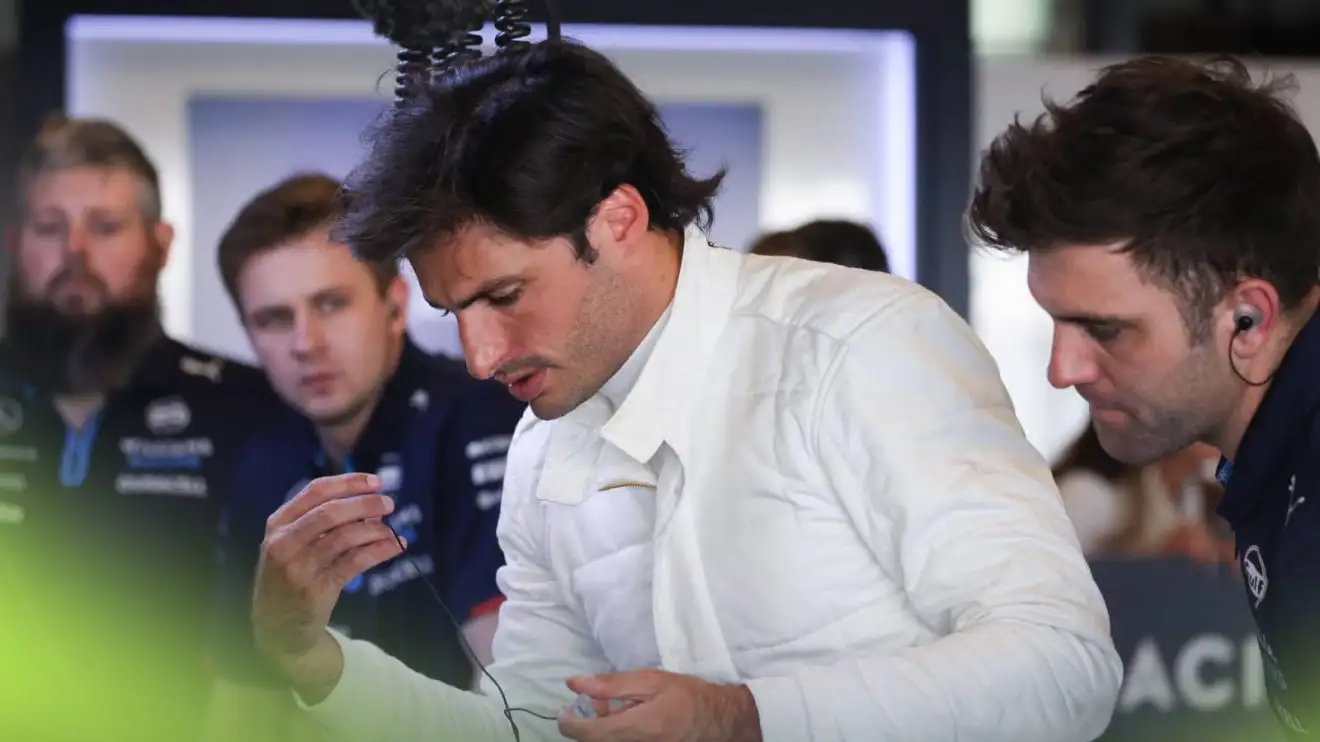
One can only imagine the conversations happening in the Sainz household right now. Carlos Sainz, one of the most rated drivers on the grid, chose Williams over other potential suitors (like Audi) because he believed in Vowles’ vision. He was sold a dream of a team on the rise, a sleeping giant awakening.
To be playing board games—as social media snippets suggested—while his team announces they aren’t ready to race is a stark contrast to the intensity usually seen in elite athletes during preseason. While Sainz is a consummate professional who will likely tow the party line publicly, privately, there must be concern. A driver of his caliber cannot afford to waste the prime years of his career in a car that isn’t ready. If the FW48 is late and slow, the relationship between star driver and team principal could sour before the first lights go out in Bahrain.
Is It Really That Bad? Finding the Silver Lining
However, before we write the obituary for the 2026 Williams season, it is crucial to look at the nuance. The event they are missing is a “shakedown,” not the official pre-season test.
In the past, shakedowns were glorified filming days—100km limits, demo tires, and plenty of drone shots for sponsors. However, with the radical changes of the 2026 regulations, these sessions have morphed into vital systems checks. It’s where you find out if the engine fits, if the cooling works, and if the car actually starts.
The “optimistic” view is that Williams has made a calculated gamble. By skipping the shakedown, they buy themselves perhaps two extra weeks of wind tunnel and manufacturing time. In the world of F1 design, two weeks can yield significant aerodynamic gains. If the choice was between rushing a basic “launch spec” car to Barcelona just to run a few laps, or keeping the car in the oven to bake in more performance for the real test in Bahrain, the latter is theoretically the bolder, smarter choice.
The team has announced an “intensive virtual track testing (VTT)” program in the factory. This involves running the car on dynos and in the simulator to replicate track conditions. It’s better than nothing, but it lacks the chaotic variables of the real world.
The Danger of the Virtual World
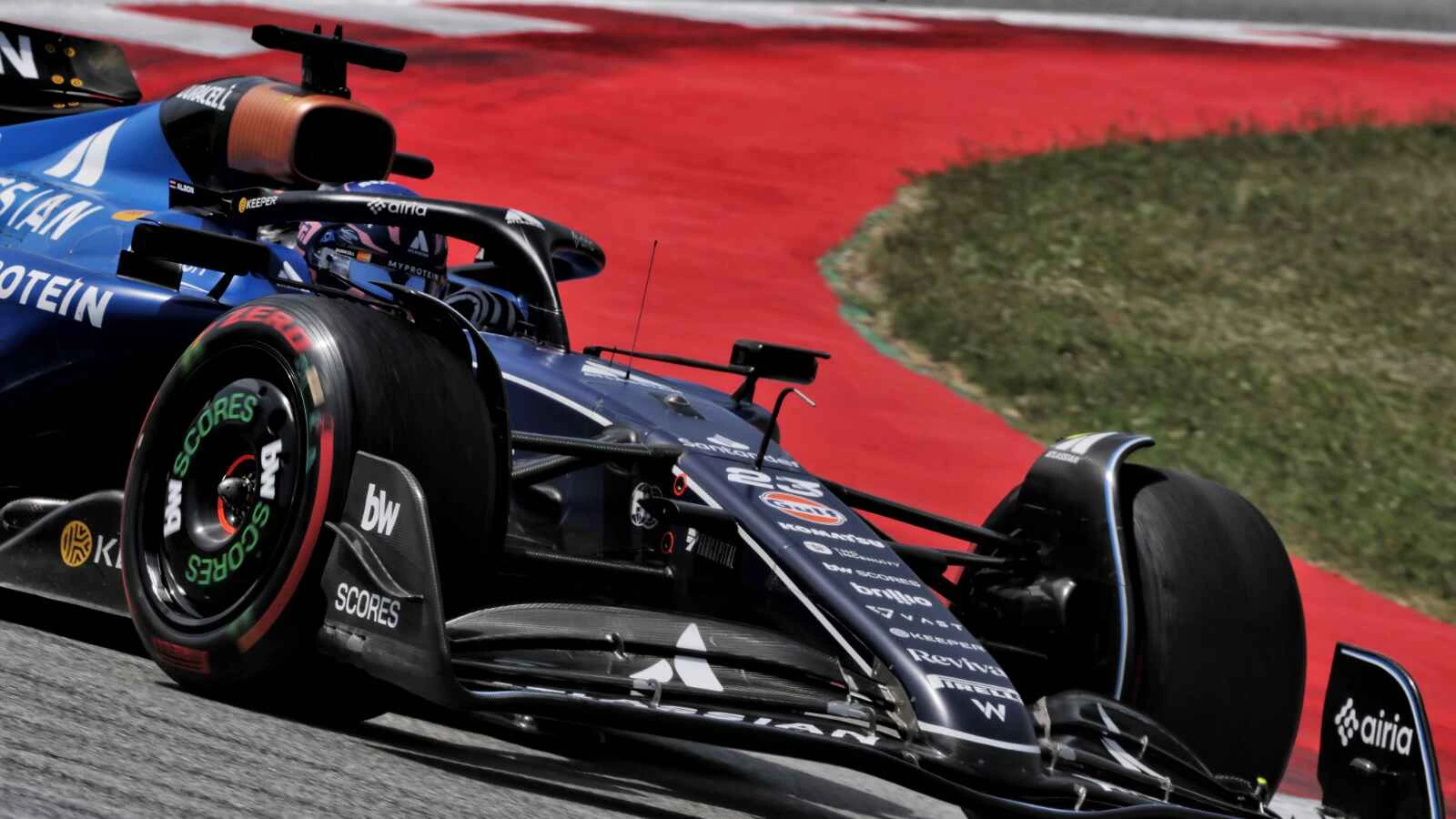
The problem with relying on VTT is correlation. As Mercedes discovered with the W13 in 2022, a car can look like a world-beater in the wind tunnel and a bouncing nightmare on the tarmac. The “porpoising” phenomenon that destroyed Mercedes’ championship hopes was not visible in their simulations. It was only found on the track.
By missing the shakedown, Williams denies themselves the chance to spot these “real world” quirks early. While other teams—and even the “newbies” on the grid—are collecting terabytes of real data, ironing out teething issues, and validating their cooling packages, Williams is flying blind. If the FW48 hits the track in Bahrain and immediately starts overheating or bouncing, they will have zero time to fix it before the first race. That is the true risk. They are betting the house that their simulations are perfect. In F1, simulations are rarely perfect.
A Grid in Turmoil?
Interestingly, Williams might not be alone in their struggles. Rumors are swirling that Aston Martin is also facing delays, with whispers that the aggressive timeline of the 2026 regulations has caught out more than one manufacturer. If “Daddy Stroll’s” team is also absent, it suggests a broader issue with the feasibility of the new rules rather than just Williams-specific incompetence.
However, misery loves company, but points don’t care about excuses. The teams that are on track—Ferrari, McLaren, Red Bull—are gaining an advantage with every lap turned. Reliability is often the deciding factor in the first year of new rules. You cannot test reliability in a computer. You need miles. And right now, Williams has zero.
Conclusion: The Pressure Cooker
The next few weeks will define the tenure of James Vowles. If the FW48 arrives in Bahrain and is fast, this delay will be hailed as a stroke of genius—a brave decision to prioritize performance over public relations. But if the car is slow, or worse, unreliable, the narrative will turn instantly. The goodwill Vowles has built up will evaporate. The “long-term vision” will start to look like an endless excuse.
Fans are rightly skeptical. They have been burned before. The mockery from Domino’s Pizza on X (formerly Twitter) about the delay adds insult to injury, but it highlights the public perception: Williams is the team that is always late.
For the sake of the sport, and for the legacy of one of F1’s most beloved names, we have to hope this is just a stumble, not a fall. But as the engines fire up in Barcelona without the blue and navy of Williams, the silence from Grove is deafening. The clock is ticking, and 2026 is already waiting for no one.
News

Inside Shane Richie’s love life: Drug – fuelled orgy with six blondes; real reason he split from Coleen Nolan; six-year ‘affair with fan’
Inside Shane Richie’s love life: Orgy with six blondes; real reason he split from Coleen Nolan; six-year ‘affair with fan’ He’s popular with the ladies… Shane Richie…

SH0CKING REVELATI0N:A sh0cking behind-the-scenes secret revealed about Lizzie Rizzini, the woman replacing Carol Kirkwood on the 6pm weather bulletin
BBC viewers still reeling from the departure of Carol Kirkwood got another surprise last night when presenter Lizzie Rizzini appeared to flash her black lace stockings on…

HEARTBREAKING: Peter Andre’s Tearful Message to Son Junior After SHOCKING Revelation About How He Truly Feels Toward Mum Katie Price — Katie Price’s reaction scares fans.
Peter Andre’s emotional message to son Junior after it’s revealed how he really feels about mum Katie Pri… PETER Andre has shared an emotional message to his…

Ben Shephard opens up about the devastating health battle his wife is facing: “She wakes up crying every single morning…”
Inside This Morning Ben Shephard’s Life Including Rarely Seen Wife and Health Battle Ben Shephard is a name synonymous with British television, renowned for his engaging presentation…

🚨 LIVE TV HEARTBREAK: Good Morning Britain Host Announces ‘Devastating’ Dɘath of Guest Minutes Into Show
Viewers of Good Morning Britain were met with heartbreaking news just minutes into Friday’s (January 30) episode, as co-hosts Kate Garraway and Ranvir Singh reported the tragic…

Emmerdale legend Cain Dingle will never be the same again after a shock cancer diagnosis turns his world upside down
FROure Desk. Full Terms and conditions are available on the website http://www.itv.com/presscentre/itvpictures/terms Emmerdale wouldn’t be Emmerdale without the glowering, grunting embodiment of manliness that is Cain Dingle (Jeff Hordley) But…
End of content
No more pages to load






