In the high-octane world of Formula 1, the starting grid is sacred. It is the real estate teams spend millions of dollars and countless hours fighting for. Qualifying is supposed to be the ultimate test of speed, a single lap that defines your weekend. So, when you see the reigning world champion, Max Verstappen, sitting at the end of the pit lane while the rest of the grid revs their engines for the formation lap, the immediate reaction is one of shock. It looks like a disaster. It looks like failure. The narrative is usually that something went catastrophically wrong for Red Bull Racing.
But if you look closer, past the optics of the moment, a different and far more intimidating reality emerges. Max Verstappen didn’t just “end up” in the pit lane. In many cases, he was put there by a team that made a cold, calculated decision to sacrifice position for performance. The scary truth about modern F1 is that a pit lane start is rarely an accident; it is often a strategic weapon, a confession of dominance, and a psychological blow to every other team on the grid.
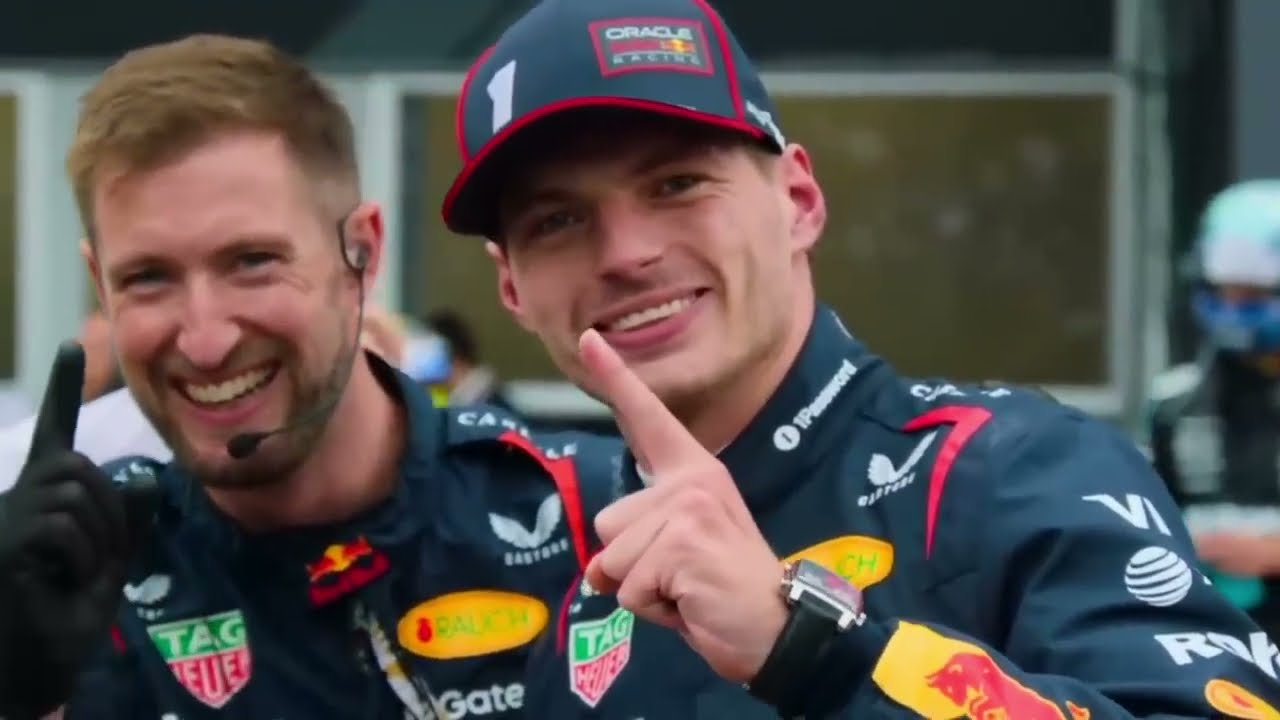
The Illusion of Failure
To the casual observer, a pit lane start implies a team in crisis. It suggests that the car is broken, the setup is lost, or the reliability is in tatters. And sometimes, that is true. But for a team as ruthless as Red Bull, the decision to pull their car off the grid is almost never an act of surrender. It is an act of aggression.
When Max starts from the pit lane, it usually means Red Bull has looked at their data and realized that starting on the grid with a sub-optimal car is a greater risk than starting last with a corrected one. It is a “full-blown emergency decision,” but one made with the confidence of a team that knows their driver can rewrite the script. They are choosing to begin a war with their hands tied behind their backs because they are confident they can still win the fight.
The Parc Fermé Trap
To understand why this happens, you have to understand the strict regulations of Parc Fermé. In Formula 1, once a car rolls out for qualifying, it is effectively locked. You cannot change major parts. You cannot alter the suspension geometry. You cannot swap the gearbox or engine components without incurring severe penalties. The car you qualify with is the car you must race with.
This rule is designed to keep costs down and stop teams from building “qualifying specials.” But it also creates a trap. If a team realizes on Saturday night that they have gone down the wrong path—perhaps the ride height is too low and will destroy the floor, or the aerodynamic balance will chew up tires within ten laps—they are stuck. They face a choice: race a compromised car that might retire or drop down the order, or break the rules.
Red Bull, more than any other team, is willing to break the rules. By voluntarily breaching Parc Fermé conditions, they accept the penalty of a pit lane start. But in exchange, they get to rebuild the car. They can change the setup, swap the wing levels, and install new components. They essentially trade a grid position that was doomed to fail for a race car that is optimized to attack.

The Three Pillars of the Pit Lane Decision
When Red Bull makes this call, it generally falls into one of three categories, each revealing a different facet of their strategic mindset.
The first is the Strategic Upgrade. This is perhaps the most demoralizing for rivals. F1 rules limit the number of power unit elements—engines, turbochargers, energy stores—a driver can use in a season. Exceeding these limits results in grid penalties. Sometimes, Red Bull calculates that since they are already facing a penalty that would drop them to the back, they might as well take a full new suite of parts. They turn a punishment into a refresh, giving Max a brand-new engine with maximum power for his recovery drive.
The second is the Setup Reset. F1 cars are temperamental beasts. Sometimes, the simulation data doesn’t match reality. A car might be fast over one lap but undrivable over a race distance. If Red Bull realizes their setup is fundamentally flawed—wrong suspension stiffness, wrong aero platform—they will choose the pit lane start to fix it. They would rather race a fast car from last place than a slow car from first.
The third, and perhaps most critical, is Reliability Fear. The start of an F1 race is violent. The mechanical stress on the clutch, gearbox, and driveshafts during a standing start is immense. If the team sees a sensor warning or a potential flaw in a component, the risk of a breakage on the grid is too high. A “Did Not Finish” (DNF) scores zero points. Starting from the pit lane allows for a gentler launch, bypassing the chaos of Turn 1 and ensuring the car survives to fight.
The “Max Factor”
None of this strategy would work without one specific variable: Max Verstappen. This strategy is not viable for every driver. For a mid-field driver, starting from the pit lane is a guarantee of a non-scoring finish. But Max is different. He is the “cheat code” that allows Red Bull to take these gambles.
Red Bull knows that Max can clear the backmarkers efficiently. He doesn’t just pass people; he manages the race as he does it. He saves tires while overtaking, reads the traffic flow, and predicts where the gaps will open. This allows the strategists to look at a simulation that says “P18 start” and see “Podium finish.”
When Red Bull sends Max to the pit lane, they aren’t hoping he finishes; they are expecting him to compete. It shifts the pit lane start from a defensive move to an offensive one. They are betting that a fast Max Verstappen at the back is still more dangerous than a slow Max Verstappen in the middle.
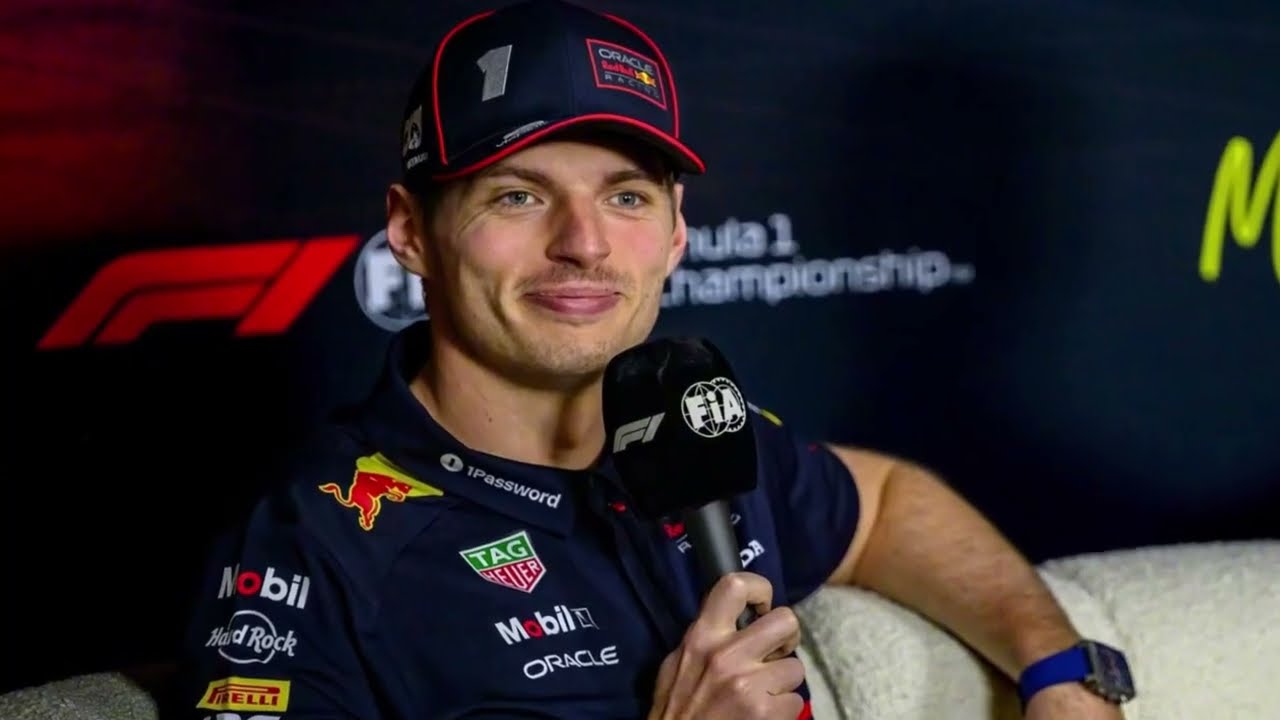
Psychological Warfare
There is a psychological aspect to this that cannot be overstated. Imagine being a driver for Ferrari or Mercedes. You qualify well, you see Max has an issue and is starting from the pit lane. You think, “Finally, a chance to win. He’s out of the picture.”
Then, the race begins. You manage your tires, you fight your battles. And then you look at the pit board or the giant screens. Lap 10: Max is P15. Lap 20: Max is P8. Lap 40: Max is in your mirrors.
The realization that even a massive penalty cannot stop him is crushing. It creates a sense of inevitability. It forces rival teams to panic, to push their engines too hard, or to make risky strategic calls to cover a threat that started a mile behind them. A pit lane recovery drive by Max Verstappen doesn’t just score points for Red Bull; it breaks the spirits of their competition. It sends a message that says, “Even when we spot you a head start, you are not safe.”
A Trade, Not a Penalty
Ultimately, the pit lane start is a trade. It is a transaction where Red Bull trades grid position for vehicle performance. In the modern era of F1, where passing is difficult but possible with a significant pace advantage, this is a trade that favors the brave.
It exposes a terrifying truth about the current state of the sport: Red Bull is so confident in their package and their driver that they treat the race not as a sprint from the lights, but as a 300-kilometer hunt. They value the long-term performance of the car over the short-term optic of a grid slot.
So, the next time you see the number 1 car sitting at the end of the pit lane, don’t feel sorry for them. Don’t think they’ve lost. Realize that they have just made a move to sacrifice the start to win the war. They have fixed their problems, refreshed their engine, and unleashed the most aggressive driver on the grid into clean air. The pit lane start isn’t the end of their race; it’s just the beginning of the hunt. And for everyone else on the track, that is the scariest sight in Formula 1.
News

Inside Shane Richie’s love life: Drug – fuelled orgy with six blondes; real reason he split from Coleen Nolan; six-year ‘affair with fan’
Inside Shane Richie’s love life: Orgy with six blondes; real reason he split from Coleen Nolan; six-year ‘affair with fan’ He’s popular with the ladies… Shane Richie…

SH0CKING REVELATI0N:A sh0cking behind-the-scenes secret revealed about Lizzie Rizzini, the woman replacing Carol Kirkwood on the 6pm weather bulletin
BBC viewers still reeling from the departure of Carol Kirkwood got another surprise last night when presenter Lizzie Rizzini appeared to flash her black lace stockings on…

HEARTBREAKING: Peter Andre’s Tearful Message to Son Junior After SHOCKING Revelation About How He Truly Feels Toward Mum Katie Price — Katie Price’s reaction scares fans.
Peter Andre’s emotional message to son Junior after it’s revealed how he really feels about mum Katie Pri… PETER Andre has shared an emotional message to his…

Ben Shephard opens up about the devastating health battle his wife is facing: “She wakes up crying every single morning…”
Inside This Morning Ben Shephard’s Life Including Rarely Seen Wife and Health Battle Ben Shephard is a name synonymous with British television, renowned for his engaging presentation…

🚨 LIVE TV HEARTBREAK: Good Morning Britain Host Announces ‘Devastating’ Dɘath of Guest Minutes Into Show
Viewers of Good Morning Britain were met with heartbreaking news just minutes into Friday’s (January 30) episode, as co-hosts Kate Garraway and Ranvir Singh reported the tragic…

Emmerdale legend Cain Dingle will never be the same again after a shock cancer diagnosis turns his world upside down
FROure Desk. Full Terms and conditions are available on the website http://www.itv.com/presscentre/itvpictures/terms Emmerdale wouldn’t be Emmerdale without the glowering, grunting embodiment of manliness that is Cain Dingle (Jeff Hordley) But…
End of content
No more pages to load






