The Silence Before the Storm
The Formula 1 paddock is never truly quiet. Even when the engines are turned off and the season has yet to begin, the machinery of rumor, counter-intelligence, and engineering warfare spins at a fever pitch. But as we look toward the horizon of the 2026 season—a year marked for one of the most significant regulation overhauls in the sport’s history—a new sound is emerging from the secretive halls of Maranello. It isn’t the high-pitched whine of a turbo, but the heavy, industrial clatter of a decision that challenges decades of racing convention.
Ferrari, the oldest and most illustrious team on the grid, appears to be breaking the mold. According to emerging reports from Austrian and Italian press, the Prancing Horse is preparing to turn the engineering world on its head by swapping the industry-standard aluminum cylinder heads for steel. In a sport where every gram is scrutinized and “lightweight” is usually synonymous with “fast,” this move seems counter-intuitive, almost heretical. But a deeper dive into the 2026 technical regulations reveals that this might not be madness—it might be the stroke of genius Ferrari has been desperately searching for.
The AVL Connection: A Leak from Graz
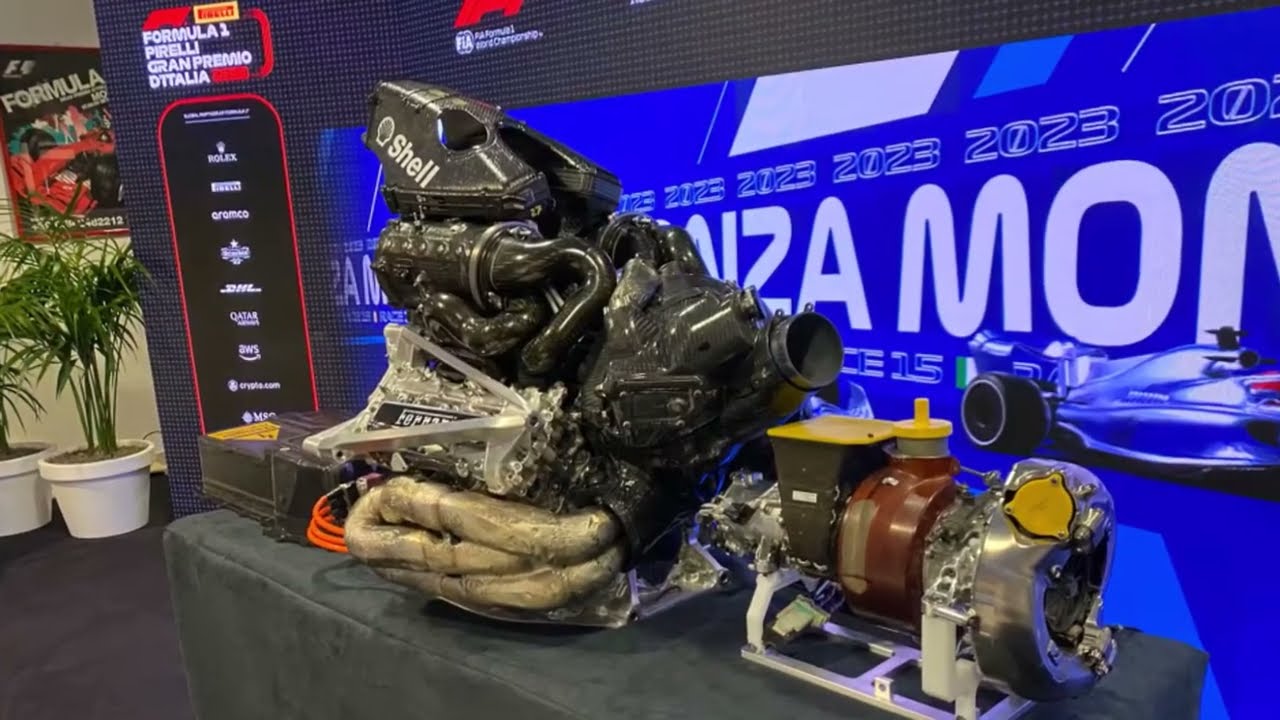
The rumor mill began churning with information leaking from Graz, Austria, the home of AVL (Anstalt für Verbrennungskraftmaschinen List). AVL is a titan in the world of powertrain development, an independent specialist company that works with the biggest names in automotive engineering. It is here, within AVL’s state-of-the-art facilities, that Ferrari has reportedly been conducting secret durability tests.
Unlike the leaks that often trickle out of F1 teams—sometimes planted to confuse rivals, sometimes genuine lapses in security—this information comes with a degree of specificity that demands attention. The reports suggest that Ferrari has been running parallel tests, pitting traditional aluminum cylinder heads against new steel prototypes. The verdict? The team has allegedly made the firm decision to proceed with steel.
This partnership with AVL highlights a crucial shift in Ferrari’s approach. Acknowledging the “difficult spot” the team found itself in during the 2025 campaign, Maranello is looking outward, leveraging external expertise to ensure their 2026 power unit is not just competitive, but dominant.
The Science of Steel: Why Now?
To understand why a racing team would choose a heavier metal for a critical engine component, we must first look at the rulebook. For decades, aluminum has been the material of choice for cylinder heads. It is lightweight, easy to machine, and possesses excellent thermal conductivity. In an era where engine manufacturers were fighting to get down to the minimum weight limit, aluminum was the only logical option.
However, the FIA’s 2026 regulations have introduced a game-changer: the minimum weight of the power unit has been increased from 120 kg to a whopping 150 kg. Suddenly, the strict diet that engineers have forced upon their engines has been relaxed. Weight is no longer the primary enemy; efficiency and reliability are.
With the weight penalty of steel largely negated by the new rules, its superior physical properties can finally shine. The report highlights two critical factors where steel outperforms aluminum: pressure resistance and thermal expansion.
The Thermal Battleground
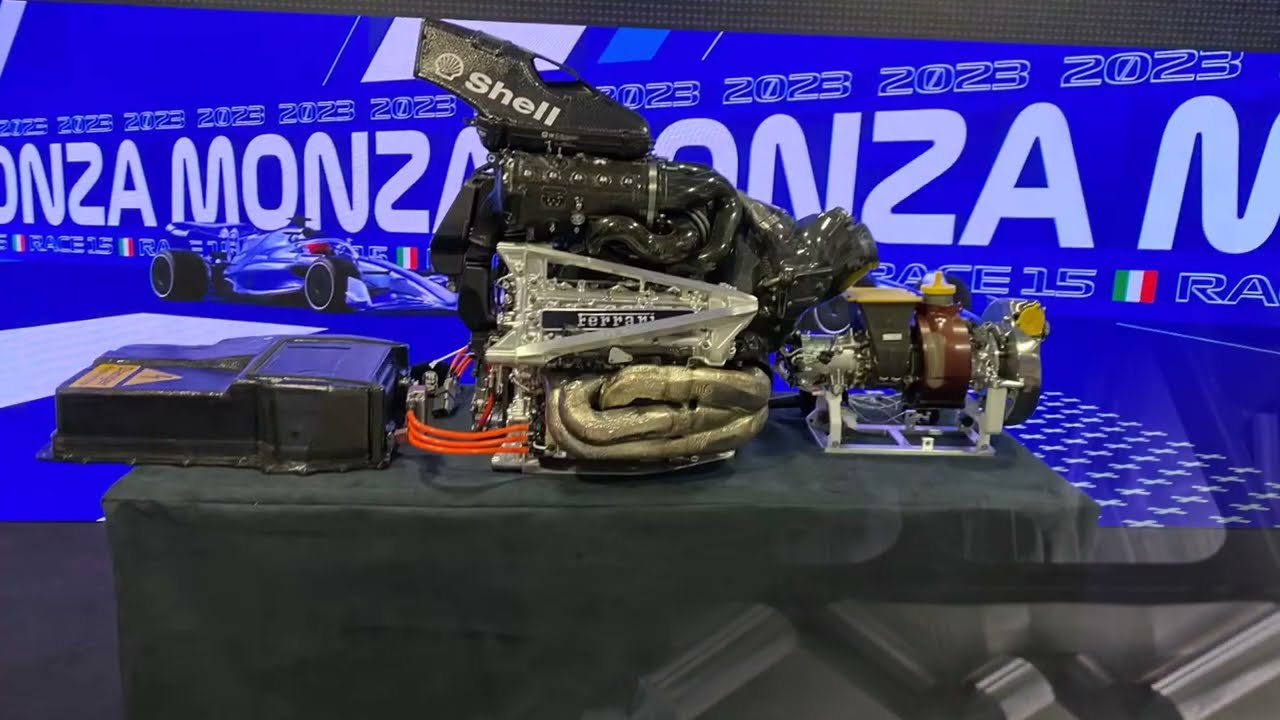
The 2026 engines will be 1.6-liter V6 turbos, similar to the current generation, but they will be operating under a completely redesigned set of constraints. The new regulations mandate a limited turbo boost and a lower compression ratio. To extract maximum power from these restricted parameters, the combustion process must be incredibly precise and violent.
Steel is renowned for its ability to withstand higher pressures and temperatures than aluminum. But the true “killer app” of steel in this context is its expansion ratio. Aluminum expands significantly when heated. In a high-tolerance F1 engine, this thermal expansion can distort the shape of the combustion chamber, altering the compression ratio and reducing efficiency while the engine is running at race temperatures.
Steel, on the other hand, has an expansion ratio that is roughly half that of aluminum. This means that a steel cylinder head maintains its shape and dimensions far more accurately under the extreme heat of a Grand Prix. The result? A more stable compression ratio while the engine is hot. While rumors suggest Red Bull and Mercedes are looking for “tricks” to increase compression ratios hot-running engines using complex methods, Ferrari’s material switch offers a fundamental, structural solution to the same problem.
Reliability: The 24-Race Marathon
Performance is nothing without the ability to finish the race. The 2026 calendar is set to be a grueling test of endurance, featuring 24 races. The catch? Teams are only allocated four engines for the entire season. This means each power unit must survive an average of six race weekends—including practice sessions, qualifying, and the Grand Prix itself.
The fragility of high-performance engines is the stuff of nightmares for team principals. A blown engine is a guaranteed zero-point weekend. Ferrari’s testing at AVL has focused heavily on the reliability factor. Steel’s robustness makes it far less prone to cracking or warping under sustained load compared to aluminum. If Ferrari has indeed cracked the code on making a steel cylinder head viable, they could be looking at an engine that doesn’t just start the season strong, but maintains its peak performance deep into its lifecycle, while rivals with aluminum heads might be forced to detune their engines to save them from failure.
The Packaging Puzzle: Batteries and Radiators
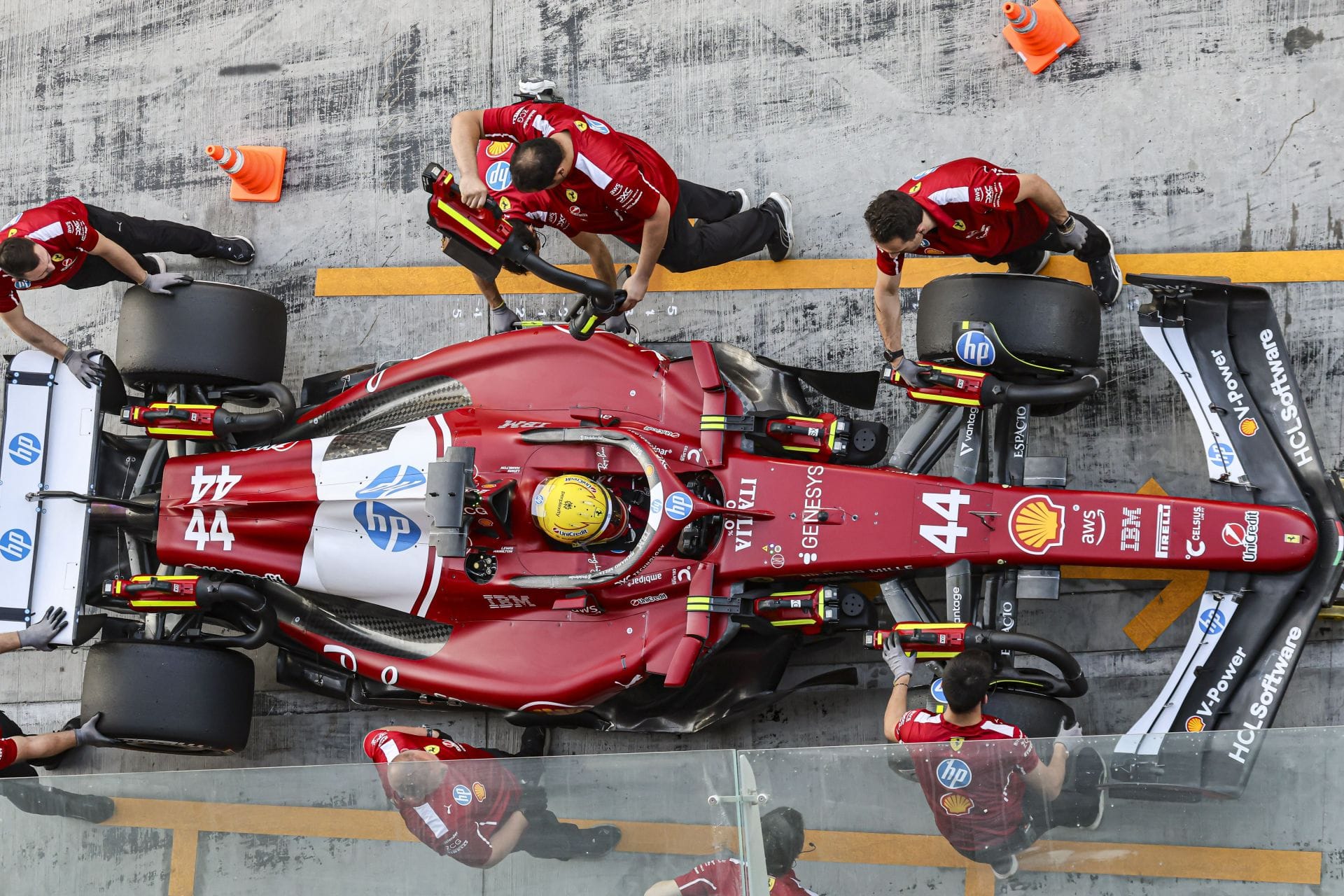
The engine block isn’t the only area where Ferrari is innovating. The leaked information also points to significant developments in the auxiliary systems. Ferrari has reportedly developed a new battery that is both smaller and lighter than its predecessors. In the world of packaging an F1 car, volume is just as valuable as weight. A smaller battery allows for tighter bodywork, improving aerodynamics.
Furthermore, the new engine design is said to require smaller radiators. While the video analysis correctly notes that all 2026 engines might need less cooling due to reduced overall power output compared to the previous generation, any gain Ferrari can make here is vital. Smaller radiators mean smaller sidepods, less drag, and higher top speeds. If the steel engine runs more efficiently thermally, the cooling requirements could drop even further, creating a virtuous cycle of performance gains.
The Psychological War: Bluff or Breakthrough?
Of course, in Formula 1, nothing should be taken at face value. The timing of this leak is suspicious. Ferrari had a challenging 2025, and morale needs a boost. Is this news a genuine leak, or a calculated release of information from Maranello designed to panic the competition?
We know that Mercedes and Red Bull are working on their own innovations. The rumor mill has already credited them with finding ways to manipulate compression ratios. By floating the story of the “Steel Head,” Ferrari forces their rivals to burn valuable simulation hours and budget investigating whether they have missed a trick. If Mercedes and Red Bull suddenly scramble to test steel components, Ferrari has already won the first battle of the mind games.
However, the involvement of a third party like AVL lends credibility to the story. If this were purely an internal Ferrari rumor, it would be easier to dismiss. But the specific details regarding the testing facilities in Graz suggest that hardware actually exists and is running.
A New Era for the Prancing Horse?
For the Tifosi—the passionate Ferrari fanbase—this news offers a glimmer of hope. The last few years have been a rollercoaster of brilliant qualifying laps followed by race-day heartbreak, reliability issues, and strategic blunders. The 2026 regulations represent a “hard reset” for the sport. Everyone starts from zero.
If Ferrari has identified a fundamental architectural advantage in the engine rules—specifically the exploitation of the increased weight limit to use more durable materials—they could start the new era with a significant lead. History shows that the team that aces the engine regulations at the start of a new cycle (like Mercedes in 2014) can dominate for years.
The shift to steel is bold. It is a rejection of the “lightness at all costs” dogma that has ruled F1 for decades. But it is a calculated risk, backed by the science of thermodynamics and the hard reality of a 24-race calendar. As the F1 world waits for the cars to hit the track, one thing is certain: the engineers in Maranello are not sleeping, and the heart of the 2026 Ferrari is beating stronger—and perhaps heavier—than ever before.
News

Inside Shane Richie’s love life: Drug – fuelled orgy with six blondes; real reason he split from Coleen Nolan; six-year ‘affair with fan’
Inside Shane Richie’s love life: Orgy with six blondes; real reason he split from Coleen Nolan; six-year ‘affair with fan’ He’s popular with the ladies… Shane Richie…

SH0CKING REVELATI0N:A sh0cking behind-the-scenes secret revealed about Lizzie Rizzini, the woman replacing Carol Kirkwood on the 6pm weather bulletin
BBC viewers still reeling from the departure of Carol Kirkwood got another surprise last night when presenter Lizzie Rizzini appeared to flash her black lace stockings on…

HEARTBREAKING: Peter Andre’s Tearful Message to Son Junior After SHOCKING Revelation About How He Truly Feels Toward Mum Katie Price — Katie Price’s reaction scares fans.
Peter Andre’s emotional message to son Junior after it’s revealed how he really feels about mum Katie Pri… PETER Andre has shared an emotional message to his…

Ben Shephard opens up about the devastating health battle his wife is facing: “She wakes up crying every single morning…”
Inside This Morning Ben Shephard’s Life Including Rarely Seen Wife and Health Battle Ben Shephard is a name synonymous with British television, renowned for his engaging presentation…

🚨 LIVE TV HEARTBREAK: Good Morning Britain Host Announces ‘Devastating’ Dɘath of Guest Minutes Into Show
Viewers of Good Morning Britain were met with heartbreaking news just minutes into Friday’s (January 30) episode, as co-hosts Kate Garraway and Ranvir Singh reported the tragic…

Emmerdale legend Cain Dingle will never be the same again after a shock cancer diagnosis turns his world upside down
FROure Desk. Full Terms and conditions are available on the website http://www.itv.com/presscentre/itvpictures/terms Emmerdale wouldn’t be Emmerdale without the glowering, grunting embodiment of manliness that is Cain Dingle (Jeff Hordley) But…
End of content
No more pages to load






