The fireworks erupted over Yas Marina, painting the desert sky in shades of papaya orange. On the podium, Max Verstappen stood on the top step, the winner of the Abu Dhabi Grand Prix. He had driven a flawless race. He was the fastest man on Sunday. He had done everything right.
And yet, the night belonged to the man standing two steps below him.
Lando Norris, finishing third, was the new Formula 1 World Champion. The image of that podium—Max winning the battle while Lando won the war—perfectly encapsulated a season that has left pundits, fans, and drivers alike rethinking everything they thought they knew about this sport. The 2025 season didn’t just crown a new champion; it marked the death of an old philosophy. We have officially entered an era where raw speed is no longer the ultimate currency.
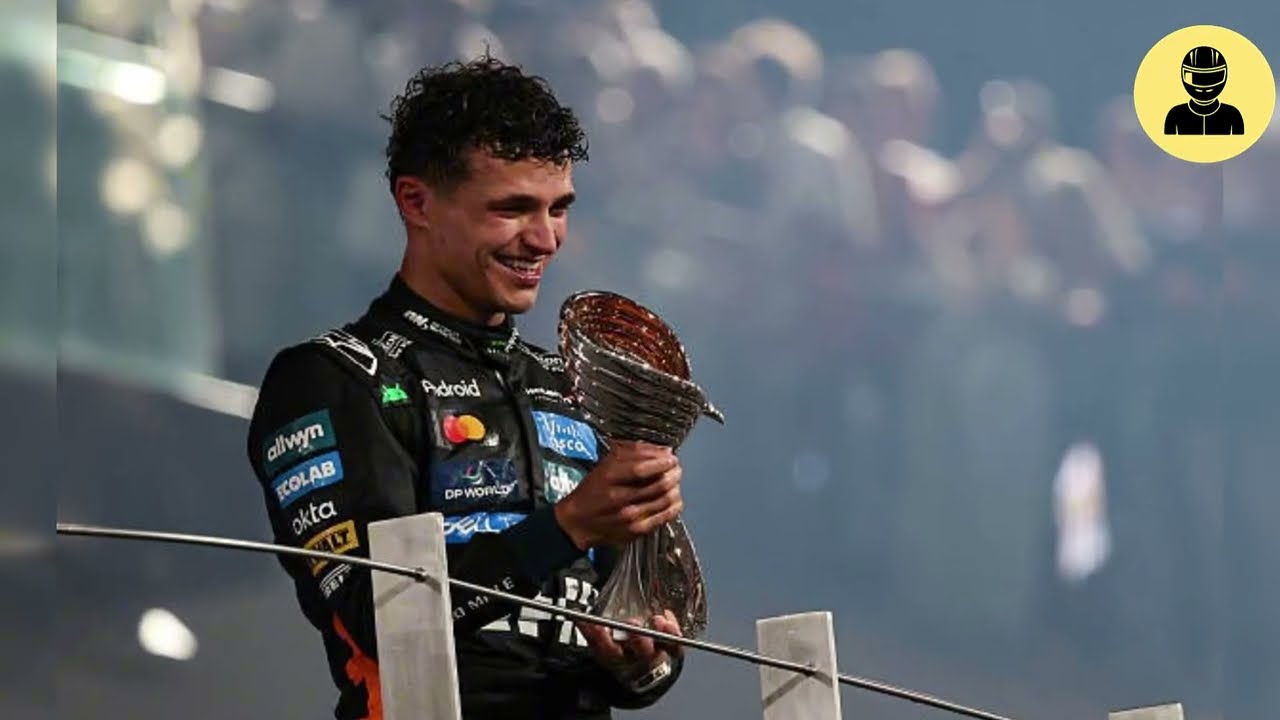
The Illusion of Speed
For years, the formula was simple: build the fastest car, put the fastest driver in it, and the trophy is yours. But 2025 shattered that illusion. If you look purely at the data, Max Verstappen and Red Bull were often the superior package. Max’s lap times were blistering. His ability to extract performance from the RB21 was, at times, superhuman.
But as the dust settles on the season, a brutal truth has emerged: Formula 1 titles are not won on perfect Sundays. They are lost on the bad ones.
This is where Lando Norris won the championship. It wasn’t in the highlight-reel overtakes or the dominant pole positions. It was in the gritty, unglamorous midfield battles where things went wrong. When the McLaren lacked balance, when the strategy faltered, or when the track conditions turned against them, Norris didn’t panic. He didn’t overdrive the car into a gravel trap trying to chase a podium that wasn’t there.
Instead, he accepted the reality of the day. He turned a potential eighth-place finish into a fourth. He turned a retirement into a sixth. These moments never made the headlines. No one makes a YouTube compilation of “Lando Norris carefully bringing the car home in P5.” But those salvaged points are exactly what reshaped the standings. While others pushed beyond the limits and paid the price, Lando drove inside the limits of the championship.
The Red Bull Trap: Timing is Everything
So, where did it go wrong for Max? How do you win the season finale and still lose the crown?
The answer lies in the calendar. The 2025 season taught us that the timing of your performance matters just as much as the performance itself. Red Bull’s season was plagued by a narrow operating window early in the year. The car was fast, yes, but it was temperamental. A slight drop in track temperature or a change in grip levels would throw the balance off, forcing Max into compromises that cost crucial points.
Max delivered heroics to mask these flaws, but the arithmetic of F1 is unforgiving. Points dropped in March and April do not magically reappear in November just because you fixed the car. By the time Red Bull found their stride late in the season, the damage was done. Max went on a tear, winning races and reasserting his dominance, but he was no longer defending a title—he was on a recovery mission.
And that is a very different kind of pressure.
The Asymmetry of Pressure
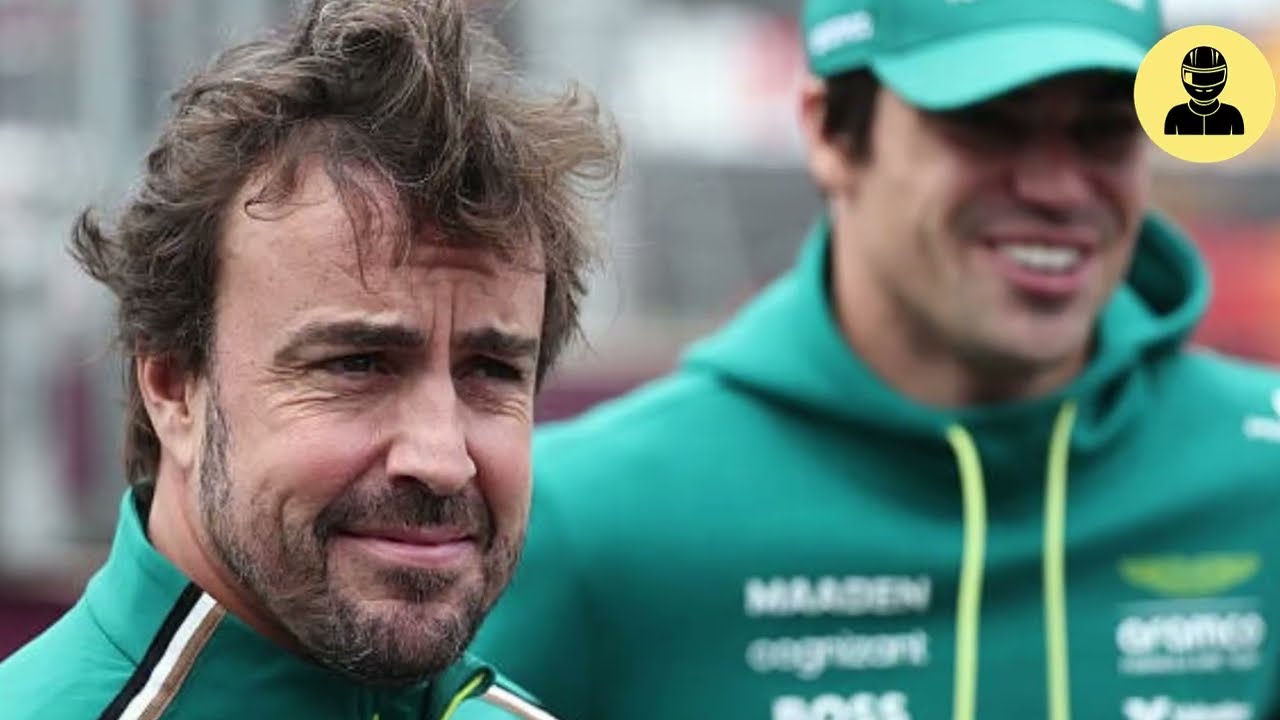
Fernando Alonso, a man who has lived through every variation of title heartbreak and glory, put it best. He pointed out the “asymmetry” of the fight. By the final phase of the season, Max needed miracles. He needed to win every race. Neutral results were useless to him; he needed massive upside every single weekend.
That necessity forces a driver into a corner. You have to take risks on setup. You have to be aggressive on strategy. You have to drive on a knife-edge where one small mistake ends it all.
Lando, on the other hand, had the luxury of “survival.” He didn’t need to win; he just needed to not collapse. Alonso notes that this is actually the harder discipline to master. Your instinct as a racer is to push, to attack, to be the fastest. To actively restrain yourself, to drive at 98% because that’s all the math requires, takes a level of emotional maturity that few possess. Norris absorbed that pressure without amplifying it. He let Max have the speed, knowing he held the points.
The Piastri Effect: Iron Sharpens Iron
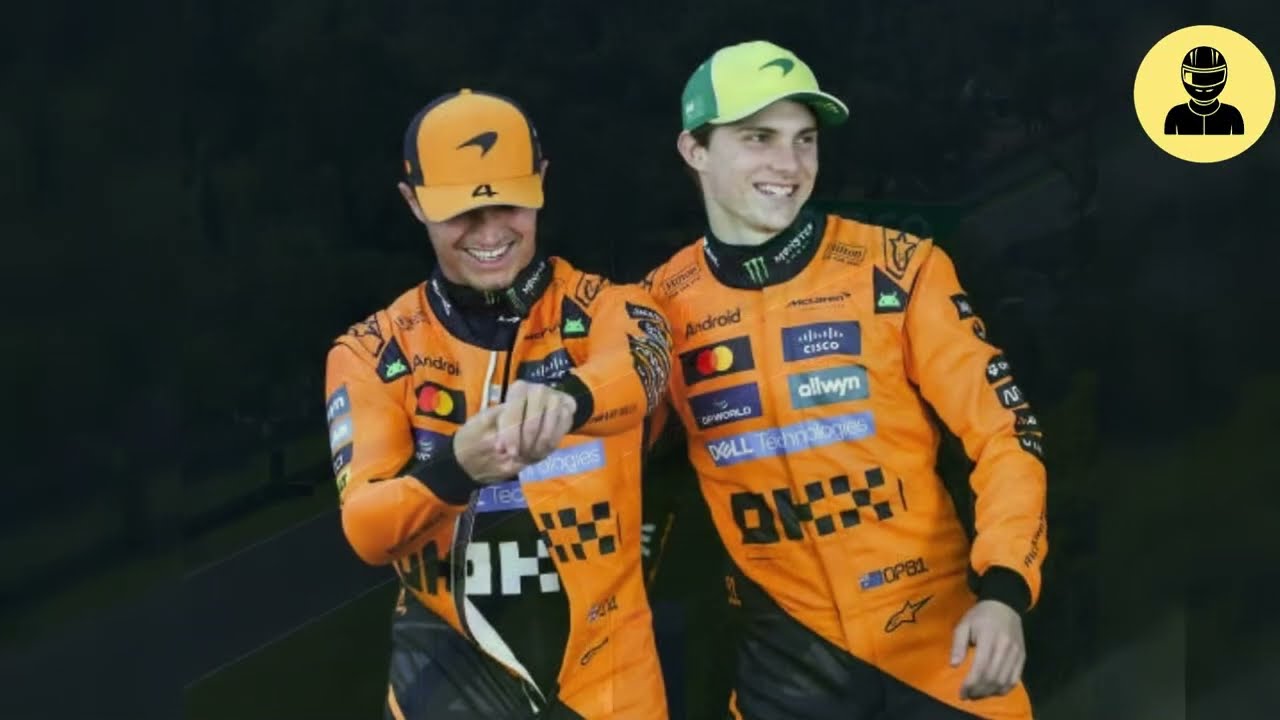
We cannot talk about Lando’s triumph without mentioning the garage next door. While Max was fighting a lonely battle at the front, Lando was being forged in fire by his own teammate, Oscar Piastri.
The dynamic at McLaren was intense. Piastri’s pace meant that Lando never had a “day off.” There were no comfortable Fridays where he could cruise. Every practice session was a shootout. Every qualifying lap was a direct comparison. This internal competition set a terrifyingly high baseline for the team.
But rather than cracking under the pressure, McLaren used it. The constant validation between the two drivers meant the team raised its operational ceiling. They didn’t have to guess if the car was fast—if Oscar was fast, Lando knew the pace was there, and vice versa. It refined the system. By the time they arrived at the track on Sunday, they were already calibrated.
The Window of Opportunity
Perhaps the most chilling perspective comes from George Russell. As someone who has spent years waiting for a championship-capable car, Russell recognized something in Lando’s approach that separated him from the pack: a total lack of hesitation.
In F1, championship windows are rare. They open quietly, and they slam shut without warning. Most drivers never even see one. Russell observed that Norris didn’t race this season like it was a “learning year” or a prelude to future success. He raced like it was his only shot. He treated every point as irreplaceable.
There was no “we’ll get them next time.” There was only “get them now.” That urgency is what separates champions from race winners. Lando realized that the stars had aligned—the car was good, Red Bull was vulnerable—and he grabbed the opportunity by the throat.
The Evolution of the Sport
Ultimately, the 2025 season wasn’t just a changing of the guard; it was the evolution of the sport itself. We are seeing a shift away from the “hero driver” narrative where one man drags a car to victory through sheer will. Formula 1 has become a game of systems.
It rewards the team that manages development efficiency. It rewards the driver who understands damage limitation. It rewards the ability to survive the bad days rather than just celebrating the good ones.
Max Verstappen did not lose his talent. He didn’t become slower. He simply fell victim to a sport that no longer rewards isolated brilliance in the same way. He was defeated by a system—Lando Norris and McLaren—that understood the long game better than anyone else.
As the champagne dried on the podium in Abu Dhabi, the message was clear. Speed is still king, but consistency is the power behind the throne. Lando Norris didn’t win by overpowering the season; he won by outlasting it. And in the brutal, high-speed chess match of modern Formula 1, that is the only checkmate that matters.
News

Inside Shane Richie’s love life: Drug – fuelled orgy with six blondes; real reason he split from Coleen Nolan; six-year ‘affair with fan’
Inside Shane Richie’s love life: Orgy with six blondes; real reason he split from Coleen Nolan; six-year ‘affair with fan’ He’s popular with the ladies… Shane Richie…

SH0CKING REVELATI0N:A sh0cking behind-the-scenes secret revealed about Lizzie Rizzini, the woman replacing Carol Kirkwood on the 6pm weather bulletin
BBC viewers still reeling from the departure of Carol Kirkwood got another surprise last night when presenter Lizzie Rizzini appeared to flash her black lace stockings on…

HEARTBREAKING: Peter Andre’s Tearful Message to Son Junior After SHOCKING Revelation About How He Truly Feels Toward Mum Katie Price — Katie Price’s reaction scares fans.
Peter Andre’s emotional message to son Junior after it’s revealed how he really feels about mum Katie Pri… PETER Andre has shared an emotional message to his…

Ben Shephard opens up about the devastating health battle his wife is facing: “She wakes up crying every single morning…”
Inside This Morning Ben Shephard’s Life Including Rarely Seen Wife and Health Battle Ben Shephard is a name synonymous with British television, renowned for his engaging presentation…
🚨 LIVE TV HEARTBREAK: Good Morning Britain Host Announces ‘Devastating’ Dɘath of Guest Minutes Into Show
Viewers of Good Morning Britain were met with heartbreaking news just minutes into Friday’s (January 30) episode, as co-hosts Kate Garraway and Ranvir Singh reported the tragic…

Emmerdale legend Cain Dingle will never be the same again after a shock cancer diagnosis turns his world upside down
FROure Desk. Full Terms and conditions are available on the website http://www.itv.com/presscentre/itvpictures/terms Emmerdale wouldn’t be Emmerdale without the glowering, grunting embodiment of manliness that is Cain Dingle (Jeff Hordley) But…
End of content
No more pages to load






