The Formula 1 world has been shaken to its core. After a year in the wilderness, watching the 2025 season from the sidelines, Sergio “Checo” Perez is officially back on the grid for 2026. He returns not as a number two driver fighting for scraps, but as the seasoned team leader for the newly formed Cadillac F1 team. However, it isn’t just his return that has the paddock buzzing—it is the scorching, no-holds-barred interview he has just delivered, lifting the lid on his four turbulent years at Red Bull Racing.
Speaking on the Cracks podcast in what can only be described as a raw, emotional, and startlingly honest conversation, Perez has provided the most detailed account yet of the internal dynamics at Milton Keynes. For years, fans and pundits speculated about the pressure of the “second seat” at Red Bull. We watched Pierre Gasly and Alexander Albon crumble under the weight of expectation. We saw Perez himself go from race winner to struggling qualifier. Now, for the first time, Perez has confirmed what many suspected but no one dared to say out loud: Being Max Verstappen’s teammate isn’t just difficult—it is, in his own words, “the worst job in Formula 1.”
The Impossible Mandate
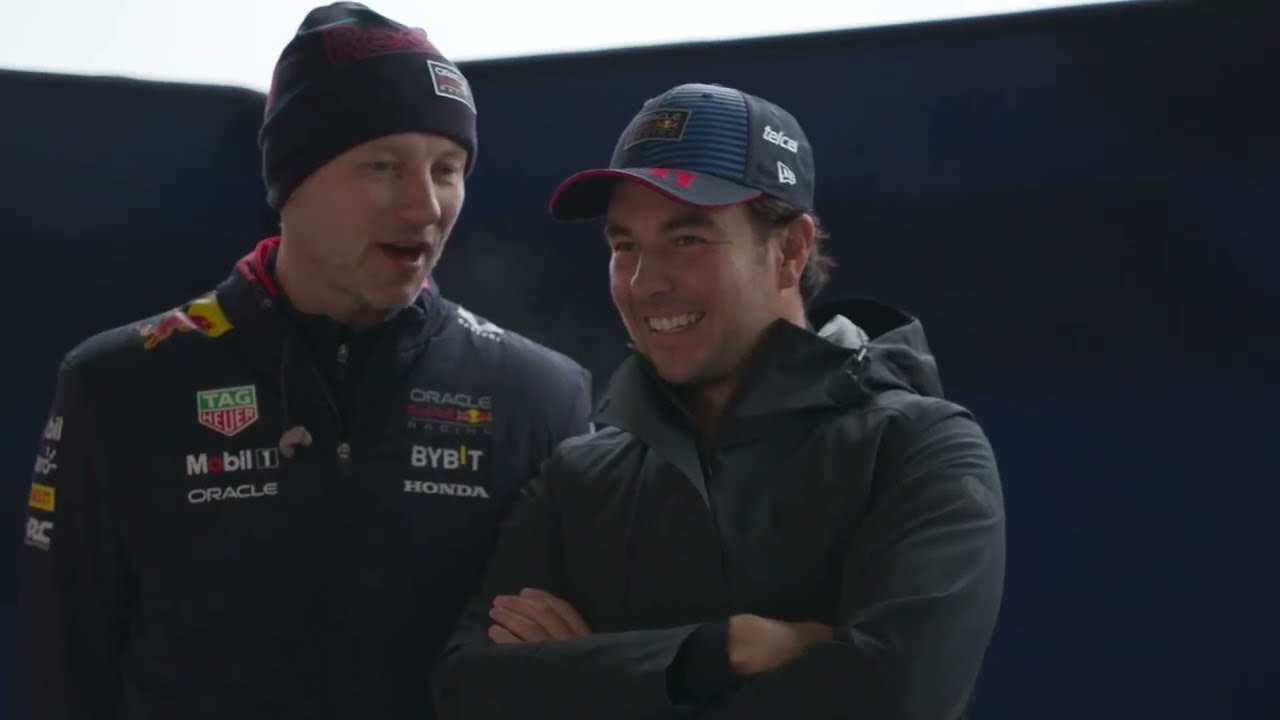
Perez’s revelations paint a picture of a team culture so singularly focused on one individual that it became suffocating for anyone else. The most damning moment of the interview came when Perez recounted his very first conversation with Team Principal Christian Horner. It was a moment of brutal transparency that set the tone for his entire tenure.
According to Perez, Horner didn’t mince words. “Look, we’re going to race with two cars because we have to race with two cars,” Horner reportedly told him. “But this project has been created for Max. Max is our talent.”
For a driver of Perez’s caliber—a man who had spent a decade clawing his way up the midfield, earning his stripes through tire management wizardry and opportunistic podiums—this must have been a crushing realization. He wasn’t walking into a partnership; he was walking into a supporting role in a movie where the script had already been written. He was the “secondary character,” as he poignantly described it, in a story that was always designed to glorify someone else.
This admission from the top brass explains the often baffling strategies and development paths we witnessed during the ground-effect era. If the car was difficult to drive, or if the upgrades favored a sharp front end that only Verstappen could master, it wasn’t an accident. It was the design philosophy. The project was Max. Everyone else was just filling the second garage slot because the regulations required it.
A “No-Win” Existence
Perhaps the most psychologically revealing part of Perez’s interview was his description of the “damned if you do, damned if you don’t” environment he lived in. To the outside observer, a teammate is a benchmark—someone to beat, or at least match. But at Red Bull, Perez describes a twisted dynamic where challenging the hierarchy was viewed almost as an act of treason.
“If I was faster than Max, it was a problem,” Perez stated, his voice heavy with the memory of that stress. “If I was slower than Max, it was a problem. So, everything was a problem.”
Let that sink in. In elite sports, performance is usually the ultimate currency. If you outperform your teammate, you are celebrated. Yet, Perez suggests that on the rare weekends he had the upper hand—think back to his dominance in Baku or his masterful drive in Saudi Arabia—it created tension rather than joy. It disrupted the narrative. It threatened the established order.
Conversely, when he was slower, the pressure mounted instantly. The media scrutiny, fueled often by the team’s own advisors, became a crushing weight. He described a “constant battle against a tide that was always pulling in one direction.” It is a harrowing insight into why we saw such dramatic fluctuations in his form. How does an athlete perform at their peak when success is viewed with suspicion and failure is met with disdain? It is a psychological trap that would erode the confidence of even the most steel-nerved competitor.
The “Toxic” Implosion
Perez didn’t just speak about his own struggles; he hinted at a broader institutional rot that began to set in despite—or perhaps because of—the team’s overwhelming success. “We had the team to dominate the sport for the next 10 years, I think,” he lamented. “And unfortunately, it all ended. Everything was destroyed.”
This is a cryptic but powerful statement. It suggests that the internal power struggles, the rumored friction between the Thai and Austrian ownership sides, and the relentless pressure of maintaining a dynasty eventually tore the fabric of the team apart. While the results on track looked perfect in 2023 and parts of 2024, the internal reality was seemingly much darker.
He portrays a team that, in its pursuit of perfection for one driver, sacrificed the harmony and “team culture” necessary for long-term sustainability. It raises fascinating questions about the departure of key figures like Adrian Newey and others during that period. Was the environment simply too toxic to sustain? Perez seems to think so.
Cracks in the Armor of a King
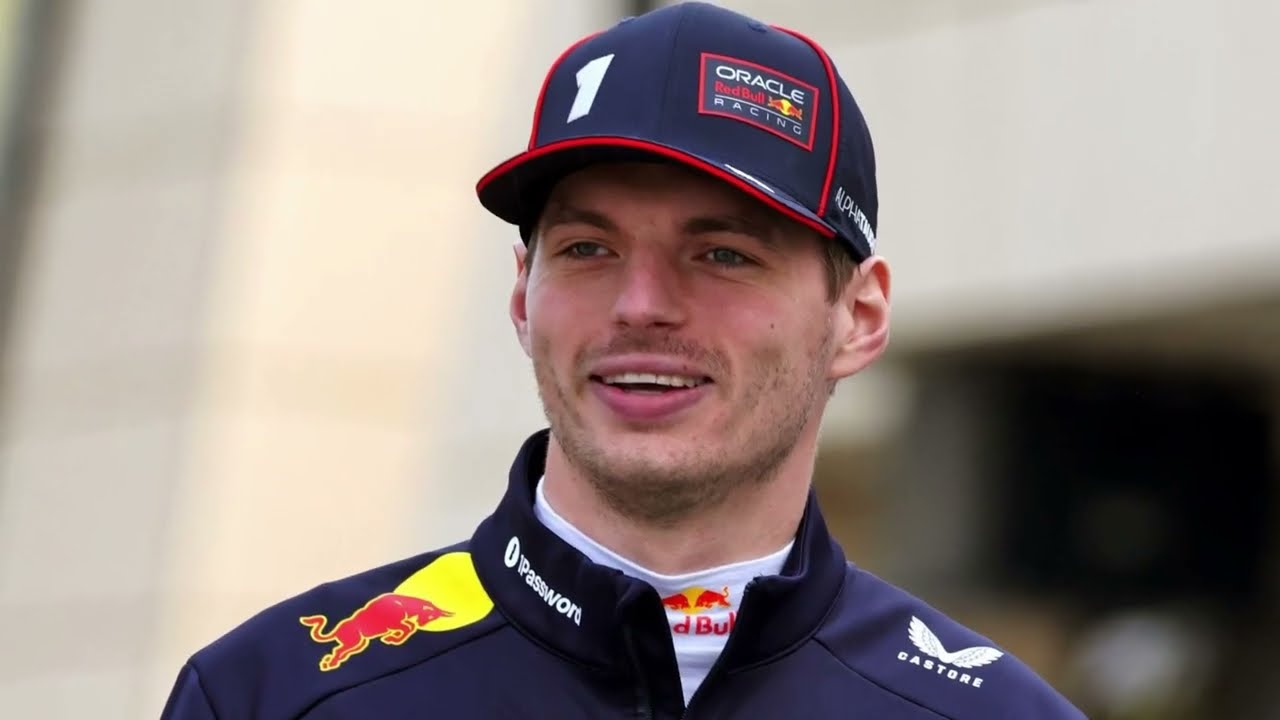
In a move that is sure to grab headlines, Perez also offered a rare critique of Max Verstappen’s character. While he was quick to praise Verstappen’s mental fortitude and “tremendous confidence,” he identified a specific vulnerability—a “chink in the armor” that few have seen up close.
“I think the downside is his character,” Perez observed. “When things go against him, he struggles a lot to deal with it.”
We have seen glimpses of this on the radio—the explosive outbursts when the DRS doesn’t open or when the strategy is slightly off. But coming from a teammate who shared briefings and debriefs with him for four years, this carries more weight. It suggests that the “Iceman” persona is fragile when the machinery isn’t compliant. As we head into the 2026 season with brand new regulations and potentially a leveled playing field, this observation could be crucial. If Red Bull is no longer dominant, how will Verstappen handle the adversity? Perez seems to imply that the mental game might be where the champion is most vulnerable.
Redemption in American Colors
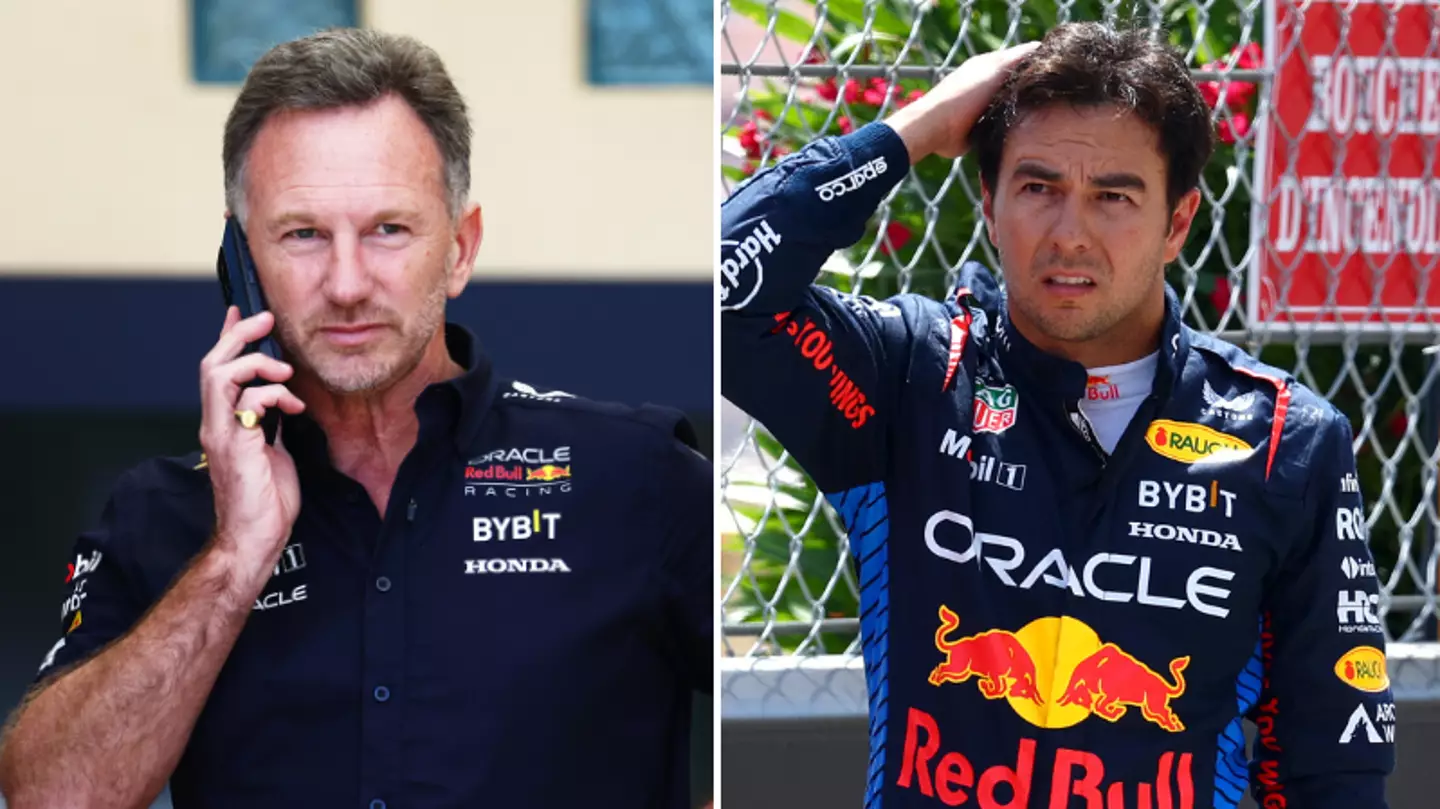
Despite the “nightmare” of the Red Bull years, Perez appears to have found peace. “When what happened at Red Bull happened, obviously I felt sad,” he admitted regarding the loss of his seat. “But deep down, I knew it was the best thing that could have happened to me.”
The year away seems to have recharged his batteries. Now, partnering with Cadillac, Perez is stepping into a role he has craved for years: the builder. The leader.
The entry of Cadillac into Formula 1 is one of the most anticipated storylines of the decade. An American automotive giant entering the sport is huge, but they need an experienced hand to guide them. Perez is the perfect fit. He is a race winner, a veteran of the midfield battles, and a survivor of the toughest seat in motorsport.
At Cadillac, Perez won’t be looking over his shoulder. He won’t be the “secondary character.” He will be the protagonist. He talks about building a culture of “support and collaboration”—a clear antithesis to what he experienced at Red Bull. This is his chance for vindication. If he can take this new team and make them competitive, it will be the ultimate silence to his critics. It will prove that the driver who won at Sakhir in a Racing Point, the driver who held off Lewis Hamilton in Abu Dhabi, is still in there, waiting to be unleashed.
The Cautionary Tale for 2026
As we prepare for the lights to go out on the 2026 season, Perez’s interview serves as a somber reminder of the human cost of F1’s ruthlessness. It challenges us to look at the sport not just as a competition of engineering, but of psychology.
Red Bull may have won the championships, but they seem to have lost the loyalty and spirit of the people who helped them get there. With young Isack Hadjar now stepping into the pressure cooker alongside Verstappen, one has to wonder: will history repeat itself? Will the young Frenchman be the next victim of the “worst job in F1”?
For Sergio Perez, the rear-view mirror is now clear. The toxicity of the past is behind him. Ahead lies the open road, a fresh American livery, and a point to prove. The “Minister of Defense” is back on the attack, and if this interview is anything to go by, he is driving with a fire we haven’t seen in years.
The 2026 season was already shaping up to be a classic. But with Checo Perez returning with a vengeance and the secrets of Red Bull laid bare, it has just become unmissable. Welcome back, Checo. We’ve missed this.
News

Inside Shane Richie’s love life: Drug – fuelled orgy with six blondes; real reason he split from Coleen Nolan; six-year ‘affair with fan’
Inside Shane Richie’s love life: Orgy with six blondes; real reason he split from Coleen Nolan; six-year ‘affair with fan’ He’s popular with the ladies… Shane Richie…

SH0CKING REVELATI0N:A sh0cking behind-the-scenes secret revealed about Lizzie Rizzini, the woman replacing Carol Kirkwood on the 6pm weather bulletin
BBC viewers still reeling from the departure of Carol Kirkwood got another surprise last night when presenter Lizzie Rizzini appeared to flash her black lace stockings on…

HEARTBREAKING: Peter Andre’s Tearful Message to Son Junior After SHOCKING Revelation About How He Truly Feels Toward Mum Katie Price — Katie Price’s reaction scares fans.
Peter Andre’s emotional message to son Junior after it’s revealed how he really feels about mum Katie Pri… PETER Andre has shared an emotional message to his…

Ben Shephard opens up about the devastating health battle his wife is facing: “She wakes up crying every single morning…”
Inside This Morning Ben Shephard’s Life Including Rarely Seen Wife and Health Battle Ben Shephard is a name synonymous with British television, renowned for his engaging presentation…

🚨 LIVE TV HEARTBREAK: Good Morning Britain Host Announces ‘Devastating’ Dɘath of Guest Minutes Into Show
Viewers of Good Morning Britain were met with heartbreaking news just minutes into Friday’s (January 30) episode, as co-hosts Kate Garraway and Ranvir Singh reported the tragic…

Emmerdale legend Cain Dingle will never be the same again after a shock cancer diagnosis turns his world upside down
FROure Desk. Full Terms and conditions are available on the website http://www.itv.com/presscentre/itvpictures/terms Emmerdale wouldn’t be Emmerdale without the glowering, grunting embodiment of manliness that is Cain Dingle (Jeff Hordley) But…
End of content
No more pages to load






