The Formula 1 world stands on the precipice of its most significant revolution in over a decade. The 2026 season isn’t just another year; it is a complete reset, a “Year Zero” that promises to sweep away the established pecking order and replace it with a landscape of unknowns, technical intrigue, and high-stakes gambling. As the sport gears up for this brave new world of 1,000-horsepower hybrids, active aerodynamics, and sustainable fuels, the buildup has taken a turn for the bizarre. Welcome to the “Phantom” launch season—a period defined not by what we see, but by what is being hidden from us.

The “Ghost” Test in Barcelona
In a move that feels like a throwback to a bygone, less transparent era of Grand Prix racing, the opening chapter of the 2026 story will be written behind closed doors. The Circuit de Barcelona-Catalunya, a traditional testing ground for F1, will host the very first running of these radical new machines from January 26th to 30th. However, unlike the fan-filled festivals of speed we have grown accustomed to, this test will be a ghost town.
Strictly no public access. No media scrutiny. No live television cameras.
Teams are permitted to run their cars on just three days within this five-day window, allowing for flexibility against mechanical gremlins or poor weather. But this media blackout has created a dangerous vacuum. In the information age, silence is rarely empty; it is quickly filled with speculation. As The Race’s F1 experts warn, “A lie travels halfway around the world before the truth has even got its shoes on.”
Without reputable journalists on the ground to verify lap times or spot reliability issues, the “rumor mill” is expected to grind into overdrive. Did a Mercedes power unit fail? Is the Red Bull undrivable? Has Audi found a magic loophole? Fake narratives could spiral out of control within hours, leaving fans navigating a minefield of misinformation. This decision to lock the gates seems a missed opportunity for the sport to control its own narrative and educate the world on its groundbreaking new technology. Instead, we face a week of shadowboxing where the truth will be the scarcest commodity in the paddock.
The Pressure Cooker: Winners and Losers
While the test may be secret, the stakes are painfully public. The pressure on established giants is immense. Mercedes, in particular, finds itself under the microscope. Having dominated the start of the hybrid era in 2014, the Silver Arrows are expected to nail these new engine regulations. Anything less than a top-tier power unit will be viewed as a catastrophic failure. Unlike newcomers who might be granted a grace period, Mercedes has no place to hide. If they stumble out of the gate, the scrutiny will be immediate and merciless, amplified by the relentless 24/7 news cycle of modern social media.
On the other end of the spectrum lies Audi. The German automotive titan is making its full works entry, taking over the Sauber operation. Their launch in Berlin is poised to be a grand spectacle, a statement of intent. Yet, they are managing expectations carefully, talking of a “five-year plan” to contend for titles by 2030. It is a smart PR move: under-promise and over-deliver. If they arrive with a solid midfield car, they will be lauded. If they struggle, they can point to their long-term roadmap.
Then there is the wildcard: Cadillac. The American giant is set to make a splash with a launch scheduled during the Super Bowl halftime—arguably the most expensive and high-profile advertising slot on the planet. It signals General Motors’ serious ambition and desire to capture the American market. While expectations for their on-track performance are tempered for a new team, their marketing aggression suggests they are not here just to make up the numbers.
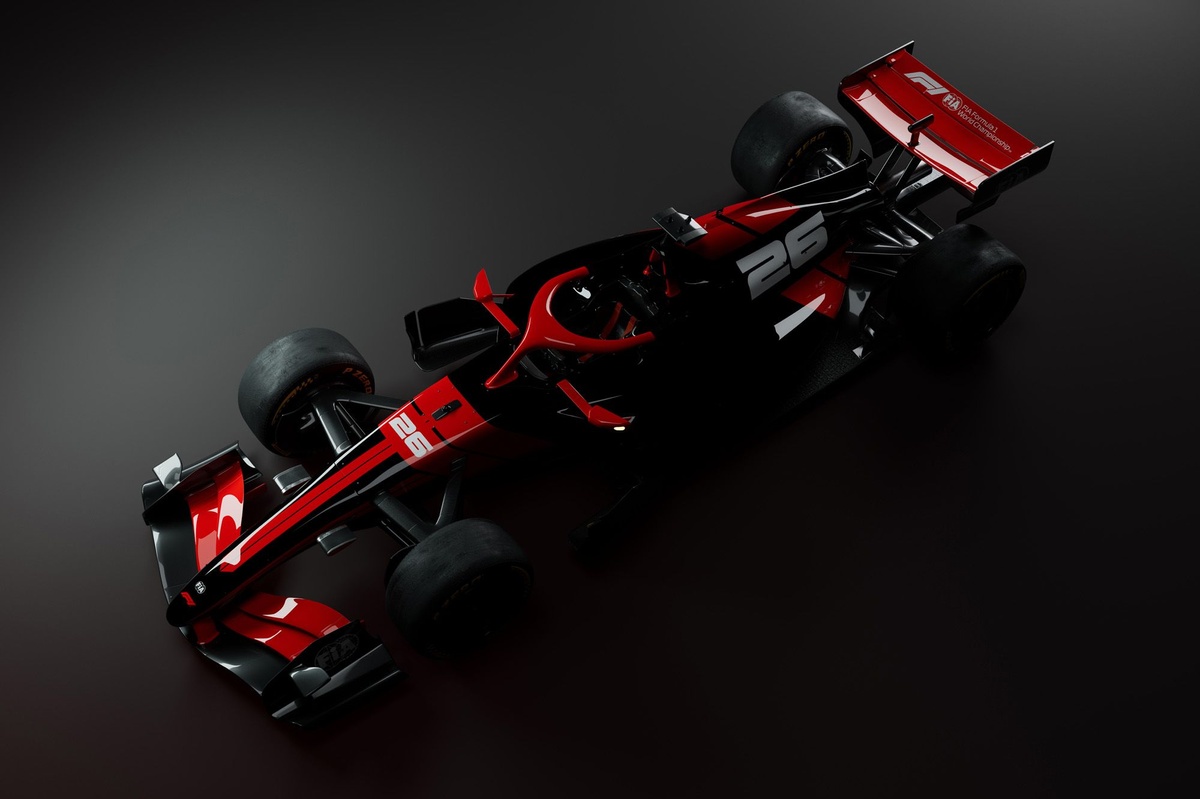
Technical Nightmares and “Franken-Cars”
The cars themselves remain an enigma. The 2026 regulations require a 50/50 power split between the internal combustion engine and the battery system. This massive increase in electrical dependence creates a headache for drivers and engineers alike. “Energy management” will be the buzzword of the year. Drivers may have to drastically alter their styles—changing how they brake, how they attack corners, and when they deploy power to avoid running out of “juice” mid-lap.
Reliability, a factor that had almost vanished from modern F1, is expected to return with a vengeance. These power units are pushing the boundaries of physics. The “knowledge bucket,” as the experts call it, is currently empty. Teams have spent months in simulators, but virtual data often fails to correlate with reality. A car that behaves perfectly in a wind tunnel might bounce violently or overheat instantly on a real track.
Because of the secrecy, the “launch” events themselves are likely to be exercises in deception. Don’t expect to see the real 2026 challengers when the covers come off in early February. Teams will likely present “launch spec” cars—generic bodywork draped over the new chassis to hide their aerodynamic secrets from rivals. We may see elaborate liveries on “Franken-cars” that bear little resemblance to what will roll out of the garage in Bahrain for the second, public test.
The Weather Wildcard
Adding to the chaos is the choice of venue and timing. Testing in Europe in late January is a gamble. Barcelona can be mild, but it has also seen snow, hail, and freezing temperatures during F1 testing in the past. If a freak snowstorm hits Catalonia during the “closed door” week, teams could lose precious days of running.
Imagine the irony: billions of dollars spent on technology, only for the entire sport to be grounded by a flurry of snowflakes. It would force teams to head to the subsequent tests in Bahrain with almost zero real-world mileage, turning the first race in Melbourne into a lottery of survival.
A Season of Discovery
Despite the frustration of the closed test and the potential for deceptive launches, the anticipation is undeniable. We are witnessing the birth of a new era. Every snippet of information, every leaked photo from a marshal’s phone, and every guarded quote from a Team Principal will be analyzed for clues.
Will Lewis Hamilton find his new Ferrari to be the championship contender he dreams of? Will Adrian Newey’s genius give his new team an unfair advantage? Will Max Verstappen adapt seamlessly to the new driving style, or will the playing field finally level out?
The “knowledge bucket” will fill up slowly, drop by drop. The initial narrative may be clouded by smoke and mirrors, but when the lights finally go out, there will be nowhere left to hide. The 2026 season promises to be messy, unpredictable, and potentially glorious. Buckle up—the race to the future has already begun, even if we aren’t allowed to watch it just yet.
News

Inside Shane Richie’s love life: Drug – fuelled orgy with six blondes; real reason he split from Coleen Nolan; six-year ‘affair with fan’
Inside Shane Richie’s love life: Orgy with six blondes; real reason he split from Coleen Nolan; six-year ‘affair with fan’ He’s popular with the ladies… Shane Richie…

SH0CKING REVELATI0N:A sh0cking behind-the-scenes secret revealed about Lizzie Rizzini, the woman replacing Carol Kirkwood on the 6pm weather bulletin
BBC viewers still reeling from the departure of Carol Kirkwood got another surprise last night when presenter Lizzie Rizzini appeared to flash her black lace stockings on…

HEARTBREAKING: Peter Andre’s Tearful Message to Son Junior After SHOCKING Revelation About How He Truly Feels Toward Mum Katie Price — Katie Price’s reaction scares fans.
Peter Andre’s emotional message to son Junior after it’s revealed how he really feels about mum Katie Pri… PETER Andre has shared an emotional message to his…

Ben Shephard opens up about the devastating health battle his wife is facing: “She wakes up crying every single morning…”
Inside This Morning Ben Shephard’s Life Including Rarely Seen Wife and Health Battle Ben Shephard is a name synonymous with British television, renowned for his engaging presentation…
🚨 LIVE TV HEARTBREAK: Good Morning Britain Host Announces ‘Devastating’ Dɘath of Guest Minutes Into Show
Viewers of Good Morning Britain were met with heartbreaking news just minutes into Friday’s (January 30) episode, as co-hosts Kate Garraway and Ranvir Singh reported the tragic…

Emmerdale legend Cain Dingle will never be the same again after a shock cancer diagnosis turns his world upside down
FROure Desk. Full Terms and conditions are available on the website http://www.itv.com/presscentre/itvpictures/terms Emmerdale wouldn’t be Emmerdale without the glowering, grunting embodiment of manliness that is Cain Dingle (Jeff Hordley) But…
End of content
No more pages to load






