In the high-octane world of Formula 1, silence is rarely just silence. Usually, it’s the sound of an engine revving before the lights go out. For months, the paddock has been deafeningly quiet regarding one of its most polarizing and successful figures: Christian Horner. Since his dramatic and shock dismissal from Red Bull Racing following the British Grand Prix last season, the man who built a dynasty seemed to vanish into thin air. No interviews. No paddock walks. No soundbites.
But yesterday, that silence didn’t just break; it shattered.
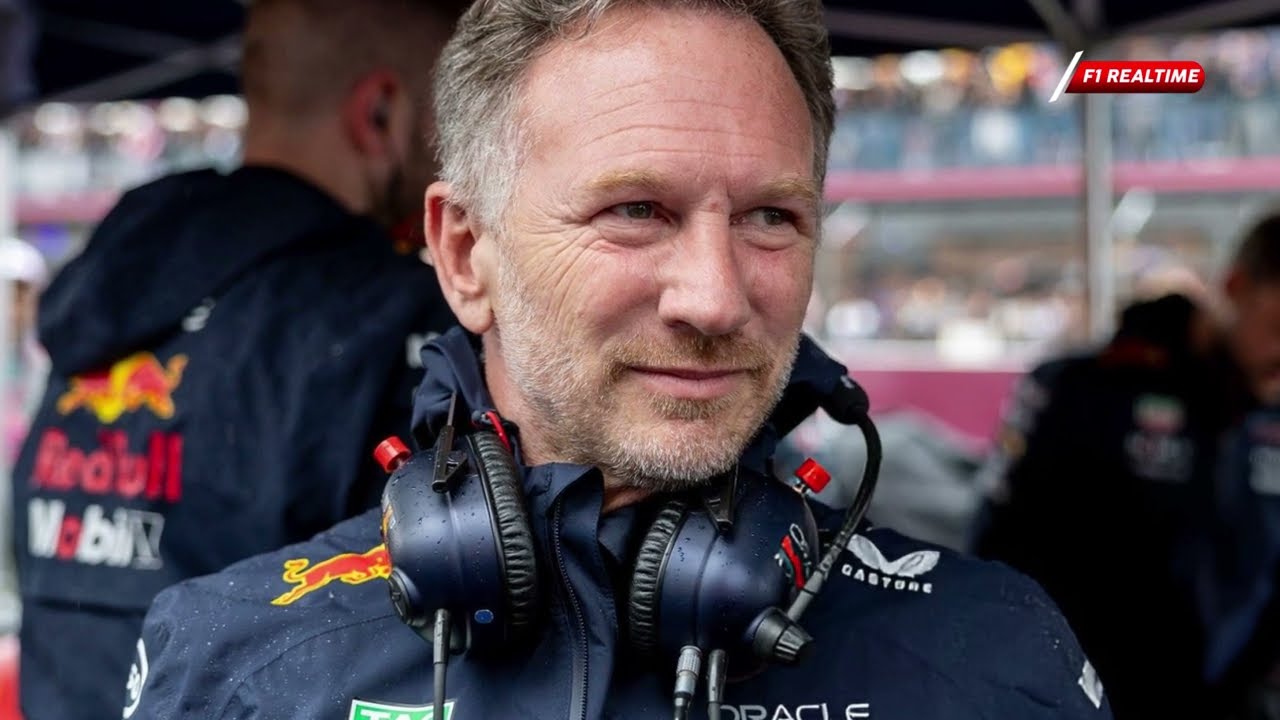
A single photograph, posted seemingly casually by FIA President Mohammed Ben Sulayem, has sent shockwaves from London to Maranello. The image showed a smiling Horner at the FIA headquarters in Paris, looking relaxed, confident, and very much back in the game. While the caption may have hinted at a friendly catch-up, seasoned F1 insiders know better. In this sport, you don’t go to Paris to drink coffee with the most powerful man in motorsport unless you are planning a coup. And if the latest reports from the French press and paddock whispers are to be believed, Horner isn’t just looking for a job—he’s looking to own the team.
The Alpine Connection: A Masterstroke in the Making?
The most explosive detail emerging from this sudden reappearance is the confirmation from Alpine themselves: Christian Horner is part of a high-profile investment group showing “serious interest” in purchasing a significant stake in the team.
To understand the magnitude of this, we have to look at the current state of play. Alpine has been a team in turmoil. The 2025 season was, to put it mildly, a disaster. Finishing dead last in the Constructor’s Championship, the French outfit has been plagued by internal instability, a revolving door of management, and a car that simply couldn’t compete. But amidst the wreckage, they made a decision that might just be genius: a full tactical retreat to prepare for the 2026 regulatory overhaul.
They scrapped their Renault engine program—a move that hurt French national pride but made immense business sense—and signed a partnership with Mercedes. Starting in 2026, Alpine will essentially be a “works” team chassis with the grid’s most reliable engine. It is a blank canvas, a sleeping giant waiting for the right architect.
Enter Christian Horner.
The “Otro Capital” Exit Strategy
The specific opportunity lies with Otro Capital. Remember the fanfare in 2023 when Ryan Reynolds, Rob McElhenney, Patrick Mahomes, and Rory McIlroy bought into the team? It was a PR dream. But the reality of F1 economics is brutal. With team valuations skyrocketing across the grid, sources suggest Otro Capital is looking to cash in their chips, selling their 24% to 26% stake for a massive profit.
This is where Horner’s group steps in. If successful, this wouldn’t just make Horner a team principal; it would make him a partial owner. It grants him a level of security and control he never truly had at Red Bull, where he was ultimately an employee, however powerful. By buying out the celebrity investors, Horner would instantly gain influence over strategic decisions, leadership structures, and the long-term vision of the team.
Why the Paris Meeting Matters
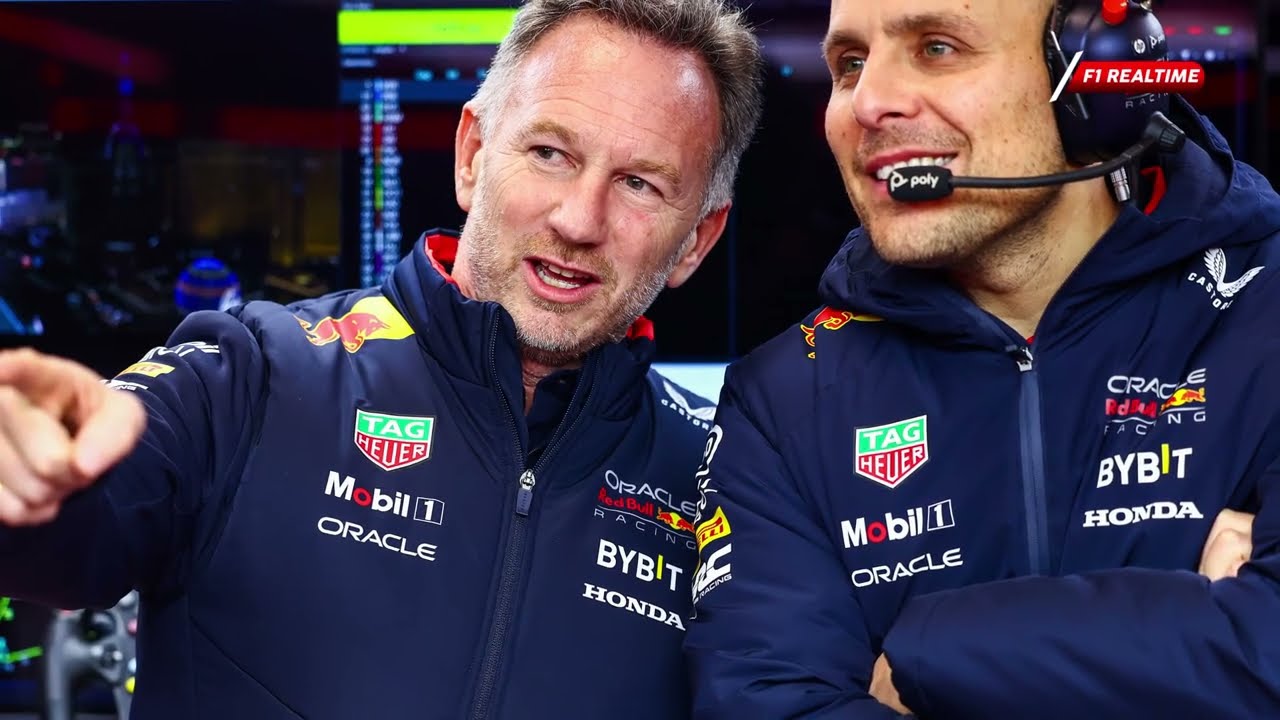
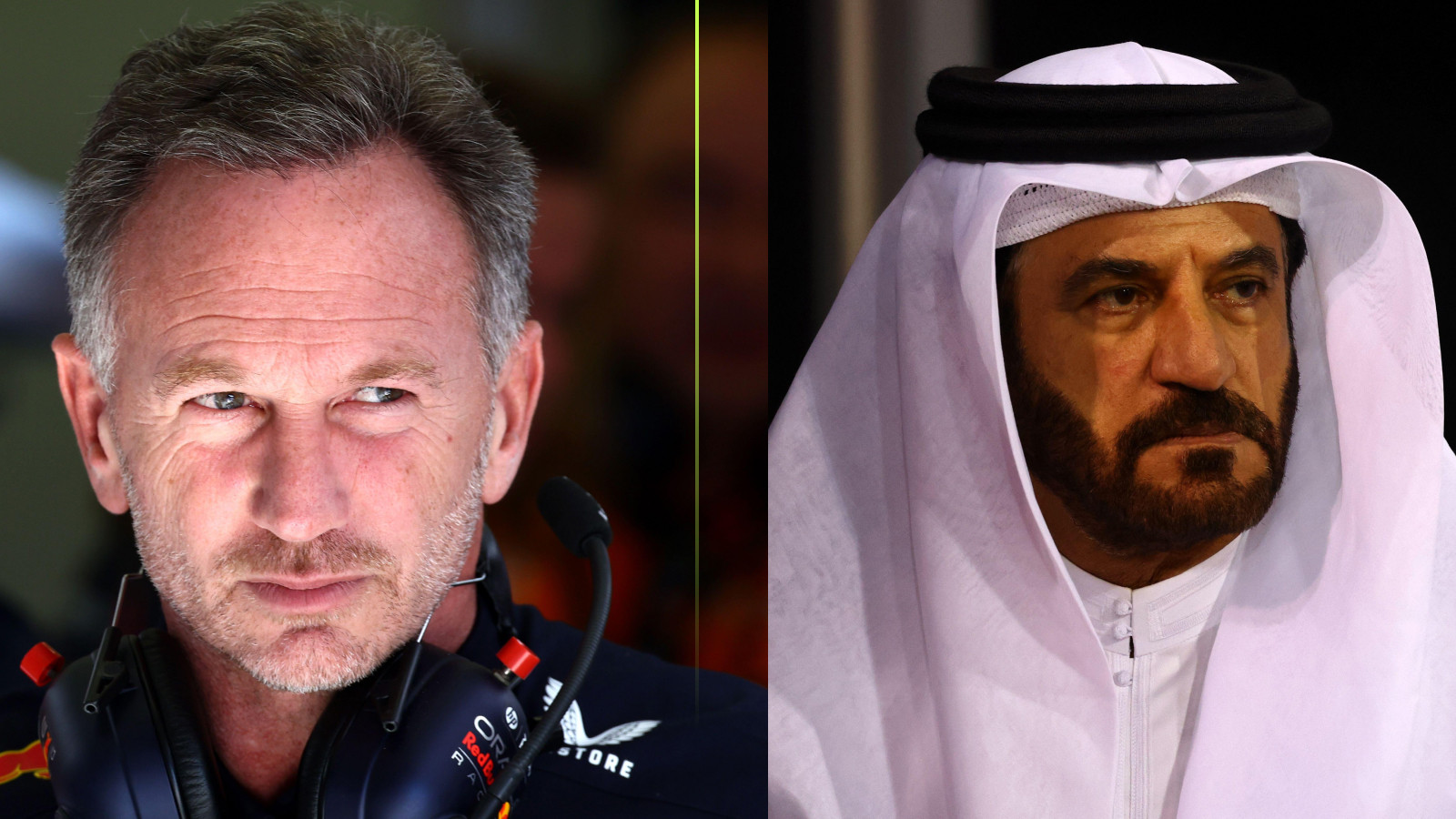
This context turns the “friendly” photo with Mohammed Ben Sulayem into a smoking gun. Any major change in F1 ownership requires rigorous vetting and approval from the FIA. Ownership structures must be transparent, governance rules adhered to, and conflicts of interest cleared.
Horner, a veteran of the Paddock’s shark tank, knows this better than anyone. You don’t sign the check until you know the regulators will clear it. His presence in Paris suggests that the deal is not just a fantasy—it is likely in the advanced stages. He was there to smooth the runway, to ensure that when the announcement drops, there are no regulatory red lights blocking his path.
The 2026 Vision: Building a New Empire
Why would Horner, a man used to winning championships, want to touch a team that just finished last? Because Christian Horner is a builder. We often forget that when he took over Red Bull Racing in 2005, they were the chaotic remnants of Jaguar Racing—a midfield laughing stock. He didn’t walk into a winning team; he built one, brick by brick, hiring Adrian Newey, nurturing Sebastian Vettel, and later Max Verstappen.
Alpine represents the exact same challenge. It is a broken team with massive potential. The switch to Mercedes power for the 2026 era removes the biggest headache (the engine) and allows the team to focus entirely on aerodynamics and chassis. It is the perfect storm for a “Horner-style” rebuild.
Furthermore, his “gardening leave” reportedly expires in April. While he cannot officially take a management role until then, purchasing a stake as an investor is a different ballgame. It allows him to plant his flag immediately, influencing the team’s direction from the boardroom while preparing to potentially step onto the pit wall—or appoint a loyal lieutenant—when the clock strikes midnight on his non-compete clause.
The Psychological Warfare
Beyond the business, there is the undeniable human element. The narrative of Horner returning to battle against Toto Wolff and, more poignantly, the Red Bull hierarchy that ousted him, is the stuff of Netflix producers’ dreams.
Imagine the scenes in 2026: Christian Horner, clad in Alpine blue (or whatever rebrand he orchestrates), standing on the podium, having beaten the team that let him go. It creates a rivalry that will define the next decade of the sport. His visit to Paris was a signal flare. It told the world, “I haven’t gone anywhere. I’m just reloading.”
A Defining Moment for Formula 1
As we wait for official confirmation, one thing is clear: the landscape of Formula 1 is shifting beneath our feet. The disastrous 2025 season for Alpine may have been the forest fire needed to clear the ground for new growth. If Christian Horner is indeed the gardener coming to tend this new plot, the rest of the grid should be very, very worried.
He has the experience. He likely has the backing. And now, he has the ultimate motivation: a point to prove. The meeting in Paris wasn’t the end of the story; it was the opening paragraph of a new chapter. Buckle up, race fans. The 2026 season hasn’t even started, but the race for power has already begun.
News

Inside Shane Richie’s love life: Drug – fuelled orgy with six blondes; real reason he split from Coleen Nolan; six-year ‘affair with fan’
Inside Shane Richie’s love life: Orgy with six blondes; real reason he split from Coleen Nolan; six-year ‘affair with fan’ He’s popular with the ladies… Shane Richie…

SH0CKING REVELATI0N:A sh0cking behind-the-scenes secret revealed about Lizzie Rizzini, the woman replacing Carol Kirkwood on the 6pm weather bulletin
BBC viewers still reeling from the departure of Carol Kirkwood got another surprise last night when presenter Lizzie Rizzini appeared to flash her black lace stockings on…

HEARTBREAKING: Peter Andre’s Tearful Message to Son Junior After SHOCKING Revelation About How He Truly Feels Toward Mum Katie Price — Katie Price’s reaction scares fans.
Peter Andre’s emotional message to son Junior after it’s revealed how he really feels about mum Katie Pri… PETER Andre has shared an emotional message to his…

Ben Shephard opens up about the devastating health battle his wife is facing: “She wakes up crying every single morning…”
Inside This Morning Ben Shephard’s Life Including Rarely Seen Wife and Health Battle Ben Shephard is a name synonymous with British television, renowned for his engaging presentation…

🚨 LIVE TV HEARTBREAK: Good Morning Britain Host Announces ‘Devastating’ Dɘath of Guest Minutes Into Show
Viewers of Good Morning Britain were met with heartbreaking news just minutes into Friday’s (January 30) episode, as co-hosts Kate Garraway and Ranvir Singh reported the tragic…

Emmerdale legend Cain Dingle will never be the same again after a shock cancer diagnosis turns his world upside down
FROure Desk. Full Terms and conditions are available on the website http://www.itv.com/presscentre/itvpictures/terms Emmerdale wouldn’t be Emmerdale without the glowering, grunting embodiment of manliness that is Cain Dingle (Jeff Hordley) But…
End of content
No more pages to load






