As the sun sets over the Circuit de Barcelona-Catalunya, the paddock is buzzing with a familiar, yet terrifying energy for the rest of the grid. The 2026 Formula 1 season, heralded as the dawn of a new era with sweeping regulation changes and new power unit manufacturers, was supposed to level the playing field. It was supposed to be the great reset. But if the first few days of pre-season testing are any indication, one team hasn’t just hit the ground running—they’ve taken flight. Mercedes-AMG Petronas Formula One Team has arguably already won the first, and perhaps most crucial, battle of the year.
The narrative emerging from Spain isn’t just about lap times or tire degradation; it’s about a controversial technical coup that has left rivals seething and the Silver Arrows smiling. Combined with a testing program that has been nothing short of flawless, Mercedes looks poised to reclaim their throne with a vengeance.
The Return of the King: Mileage is King
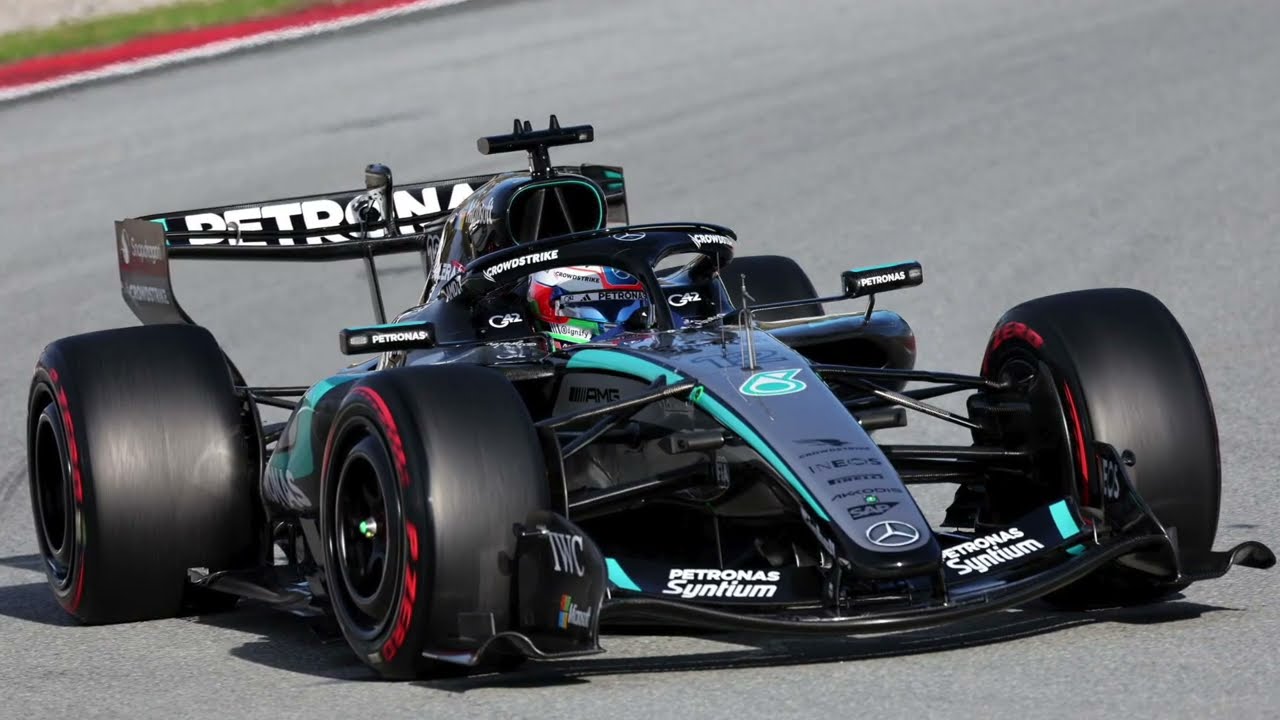
In the world of Formula 1 testing, speed is vanity, but mileage is sanity. Especially in a year like 2026, where power units have undergone a radical redesign and aerodynamics have been overhauled, reliability is the most precious currency. In this regard, Mercedes has been absolutely impeccable.
The team’s performance during their initial shakedown at Silverstone was a harbinger of things to come. Both drivers utilized the maximum 200km allowed for a filming day, a feat matched by their new customer team, Alpine, who managed a respectable 140km before the British weather intervened. But it was in Barcelona where the W17 truly stretched its legs.
On Day One, Mercedes didn’t just join the queue; they led it. They were the first to hit the track, signaling a readiness that speaks volumes about their winter development. Kimi Antonelli, the young prodigy under immense pressure to perform, clocked 56 laps in the morning session. But it was George Russell who truly laid down the gauntlet. In the afternoon session alone, Russell completed a mammoth 93 laps—more than a Grand Prix distance—posting a best time of 1:18.696.
To put that into perspective, most teams struggle to hit 100 laps a day with both drivers combined in the early stages of a new regulation cycle. Mercedes, however, operated with clockwork precision. After a strategic pause on Day Two to correlate data in the simulator—a luxury afforded only to those confident in their baseline—they returned on Day Three with even more ferocity.
Russell, continuing his ironman performance, punched in another 92 laps in just the morning session, lowering the benchmark to a blistering 1:17.580. With Antonelli taking over for the afternoon, the team was on track to threaten the 200-lap barrier in a single day. Considering the Spanish Grand Prix is 66 laps, Mercedes effectively completed three race distances in one day. This isn’t just testing; it’s a show of force.
The Engine Loophole: A Political & Technical Masterstroke
While the W17’s reliability is impressive, the real story—the one causing sleepless nights in Maranello and Milton Keynes—is hidden deep within the power unit. A bubbling controversy regarding an “engine compression loophole” has effectively handed Mercedes a strategic victory before the first light goes out.
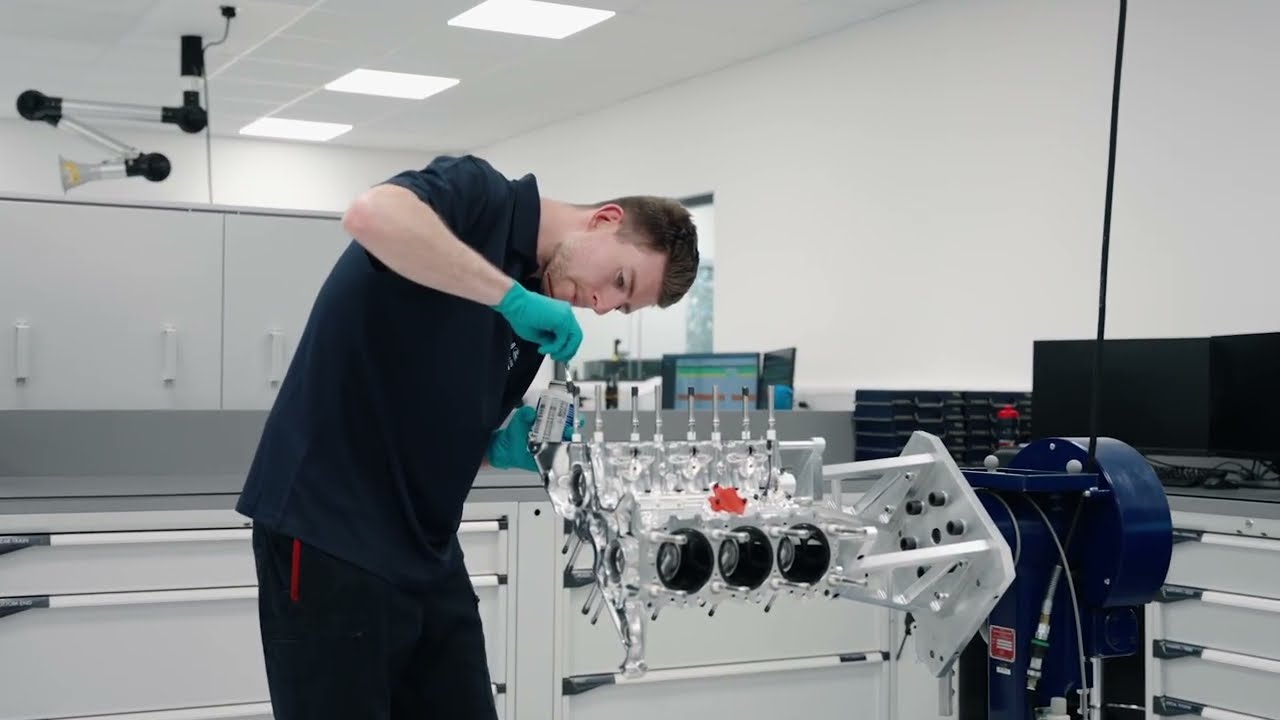
The crux of the issue lies in the 2026 power unit regulations. To assist new manufacturers like Audi and Red Bull Ford, the FIA lowered the mandatory compression ratio limit to 16:1. Crucially, the regulations state that this ratio is measured when the car is static and at ambient temperatures.
Mercedes, leveraging their decade of hybrid dominance, found a way to circumvent the spirit, if not the letter, of this rule. Reports indicate they have engineered a method to run their engines at a compression ratio of 18:1—the previous standard—while the car is out on track.
This is not a marginal gain. Estimates suggest this trick unlocks an additional 13 horsepower. On power-sensitive circuits like Monza or Spa-Francorchamps, this could translate to a staggering four-tenths of a second per lap. In a sport where pole position is often decided by thousandths of a second, four-tenths is an eternity.
The Paddock Reaction: Fury and Resignation
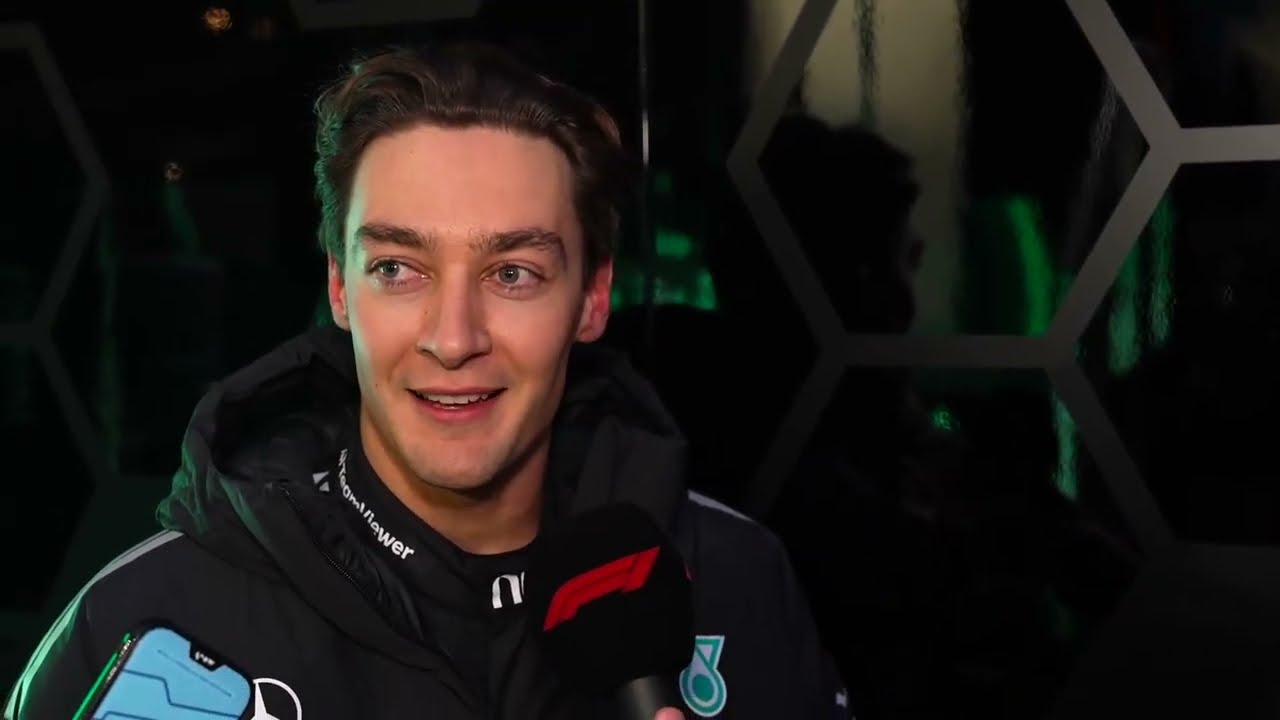
Naturally, this discovery has not gone down well with the competition. Ferrari, Honda, and newcomer Audi are reportedly furious, viewing this as a blatant exploitation of a rule designed to keep costs down and competition close. The tension culminated in a high-stakes meeting between the FIA and the power unit manufacturers leading up to testing.
The verdict? A resounding victory for Mercedes.
Because the engines were homologated months ago, the FIA ruled that it is too late to mandate major architectural changes for the 2026 season. The advantage is baked in. While the loophole might be closed for 2027 with new measurement protocols, for the upcoming 12 months, Mercedes has a legal, locked-in performance advantage. They have effectively outsmarted the rulebook and their rivals, securing a “free” performance upgrade that no amount of aerodynamic tweaking can easily replicate.
Rivals in Disarray: Red Bull’s Stumble
The contrast between Mercedes’ serene progress and their rivals’ chaotic start couldn’t be starker. Red Bull Racing, embarking on their brave new journey as an independent power unit manufacturer, started strong but quickly hit a wall.
On Day Two, rookie Isack Hadjar suffered a heavy crash, severely damaging the rear of the car and the brand-new power unit. In the cost-cap era, spare parts are scarce, especially for brand-new 2026 specs. The crash forced Red Bull to miss the entirety of Day Three, leaving them miles behind in data gathering. For a team building their own engine for the first time, losing a full day of testing is a catastrophic setback.
McLaren, too, has had a stuttering start, opting out of Day One and battling wet weather on Day Two. Ferrari has remained “low-key,” ticking over 120 laps with solid reliability, but they lack the headline-grabbing confidence that radiates from the Mercedes garage.
The Human Element: Confidence Returns
Beyond the technical jargon and lap counts, there is a palpable shift in the body language at Mercedes. For the last few years, the team has been fighting an uphill battle, often looking lost or frustrated. Now, there is a swagger.
Kimi Antonelli, despite the weight of expectation, described the car as “very nice to drive,” noting that while the new power unit requires more management, the mechanical platform is sound. The progression in lap times—from 1:20s to 1:17s—shows a team that is not fixing problems, but polishing a diamond. They are confident enough to push the car on soft tires and chase performance runs while others are still checking for leaks.
Conclusion: The Silver Arrows are Sharpened
As the teams pack up in Barcelona, the psychological blow has been struck. Mercedes has arguably the most reliable car, the most prepared drivers, and thanks to their engineering ingenuity, a power unit advantage that is legally untouchable for the entire season.
Formula 1 is a sport of margins, and in the high-stakes game of 2026, Mercedes has found the margins that matter. The battle for the championship hasn’t officially started, but in the war of engineering and politics, Mercedes has already claimed the first victory. The rest of the grid now faces a terrifying question: If this is what Mercedes looks like in testing, what will they unleash in Bahrain?
News

Inside Shane Richie’s love life: Drug – fuelled orgy with six blondes; real reason he split from Coleen Nolan; six-year ‘affair with fan’
Inside Shane Richie’s love life: Orgy with six blondes; real reason he split from Coleen Nolan; six-year ‘affair with fan’ He’s popular with the ladies… Shane Richie…

SH0CKING REVELATI0N:A sh0cking behind-the-scenes secret revealed about Lizzie Rizzini, the woman replacing Carol Kirkwood on the 6pm weather bulletin
BBC viewers still reeling from the departure of Carol Kirkwood got another surprise last night when presenter Lizzie Rizzini appeared to flash her black lace stockings on…

HEARTBREAKING: Peter Andre’s Tearful Message to Son Junior After SHOCKING Revelation About How He Truly Feels Toward Mum Katie Price — Katie Price’s reaction scares fans.
Peter Andre’s emotional message to son Junior after it’s revealed how he really feels about mum Katie Pri… PETER Andre has shared an emotional message to his…

Ben Shephard opens up about the devastating health battle his wife is facing: “She wakes up crying every single morning…”
Inside This Morning Ben Shephard’s Life Including Rarely Seen Wife and Health Battle Ben Shephard is a name synonymous with British television, renowned for his engaging presentation…

🚨 LIVE TV HEARTBREAK: Good Morning Britain Host Announces ‘Devastating’ Dɘath of Guest Minutes Into Show
Viewers of Good Morning Britain were met with heartbreaking news just minutes into Friday’s (January 30) episode, as co-hosts Kate Garraway and Ranvir Singh reported the tragic…

Emmerdale legend Cain Dingle will never be the same again after a shock cancer diagnosis turns his world upside down
FROure Desk. Full Terms and conditions are available on the website http://www.itv.com/presscentre/itvpictures/terms Emmerdale wouldn’t be Emmerdale without the glowering, grunting embodiment of manliness that is Cain Dingle (Jeff Hordley) But…
End of content
No more pages to load






