The 2026 Formula 1 Revolution: Shorter Cars, Active Aero, and the Secret Engine Crisis Threatening the Grid
The world of Formula 1 is standing on the precipice of its most radical transformation in decades. As the 2026 season approaches, the sport is not just changing its look; it is fundamentally altering its DNA. From shorter, more agile chassis to a power unit split that shifts the burden onto electrical energy, the upcoming regulations are sparking a mixture of awe and absolute terror within the paddock. Recent leaks and official renders have finally pulled back the curtain on what these machines will look like and, more importantly, how they will behave on track. The consensus among insiders is clear: the Formula 1 of 2026 will be unrecognizable compared to the ground-effect era we currently inhabit.

At the heart of this revolution is a significant downsizing of the machinery. For years, fans and drivers alike have complained that modern F1 cars have become too heavy and too wide, resembling “boats” rather than nimble racing machines. The 2026 regulations address this by making the cars both shorter and thinner. Even the wheels are being narrowed, a move intended to reduce weight and drag but one that carries a hidden cost: a significant loss of mechanical grip. Rumors from within the technical working groups suggest these cars could be as much as three to four seconds slower per lap than the 2024 iterations. While they may be slower in the corners, they are designed to be rockets on the straights, thanks to a controversial new feature known as Active Aerodynamics.
Active Aero is perhaps the most divisive inclusion in the new rulebook. For the first time, both the front and rear wings will feature movable elements that adjust automatically—or via driver input—on every single lap. This is not just a replacement for the current Drag Reduction System (DRS); it is a fundamental necessity for the car’s survival. Because the new 2026 power units are split nearly 50/50 between the internal combustion engine (400kW) and the electrical battery (350kW), the cars become incredibly “thirsty” for energy. Without these wings flattening out to reduce drag on the straights, the batteries would deplete long before the end of a lap, leaving the cars “clipping” and losing massive amounts of speed.
However, this reliance on moving parts has created a nightmare for drivers in the simulator. Reports have emerged suggesting that the cars are incredibly difficult to handle, particularly in low-grip or rainy conditions. Because the electric motors produce massive amounts of instantaneous torque and the tires are thinner than before, the car’s rear end is prone to snapping. The FIA has had to devise a “genius” solution: the Race Director will now have the power to “disable” certain aero modes during a race if the weather turns, effectively controlling the car’s performance level from the control tower. This raises serious questions about technical malfunctions and the potential for a “button-pushing” championship rather than a driving one.

The terminology is also undergoing a major facelift. Gone are the days of simple “harvesting” and “ERS deployment.” In 2026, fans will need to learn a new vocabulary: Boost, Overtake, and Recharge. The standard deployment of energy will be known as “Boost,” while a secondary, more powerful “Overtake” mode—effectively a manual override—will be available only to the car following within one second of a rival. This system mimics the current DRS but focuses on electrical power rather than just wing angles. Meanwhile, “Recharge” mode will be used when a driver needs to sacrifice speed to replenish the battery, potentially leading to more tactical, chess-like battles on track.
Beyond the technical specs, the 2026 calendar is also seeing a seismic shift. The announcement of a ten-year deal for a street circuit in Madrid has sent shockwaves through the fan base, especially as it puts legendary circuits like Spa-Francorchamps and Barcelona-Catalunya under threat. In a move that has frustrated purists, Spa is expected to move to a rotational basis, alternating years on the calendar starting in 2028. Its likely partner in this rotation? Barcelona. While the return of Portimao in 2027 provides some relief for fans of purpose-built tracks, the trend toward street circuits in major metropolitan areas continues unabated, much to the chagrin of drivers like Lewis Hamilton who value the history and flow of traditional racing venues.
Speaking of Hamilton, the seven-time world champion’s move to Ferrari in 2025 means he will be the face of the Scuderia when these regulations hit. The pressure on the Italian team is immense. Team Principal Fred Vasseur has been uncharacteristically quiet about their progress, recently admitting that the team has “no clue” exactly how competitive they will be compared to the field. While there is optimism surrounding Ferrari’s internal combustion progress, the sheer complexity of the 2026 package means that even the best-laid plans could result in a car that “flounders” if the integration of the electrical systems isn’t perfect. Former F1 ace Rubens Barrichello noted that Hamilton will face scrutiny like never before, with the eyes of the Tifosi watching every move as he attempts to manage the worst set of regulations he’s seen in his career.
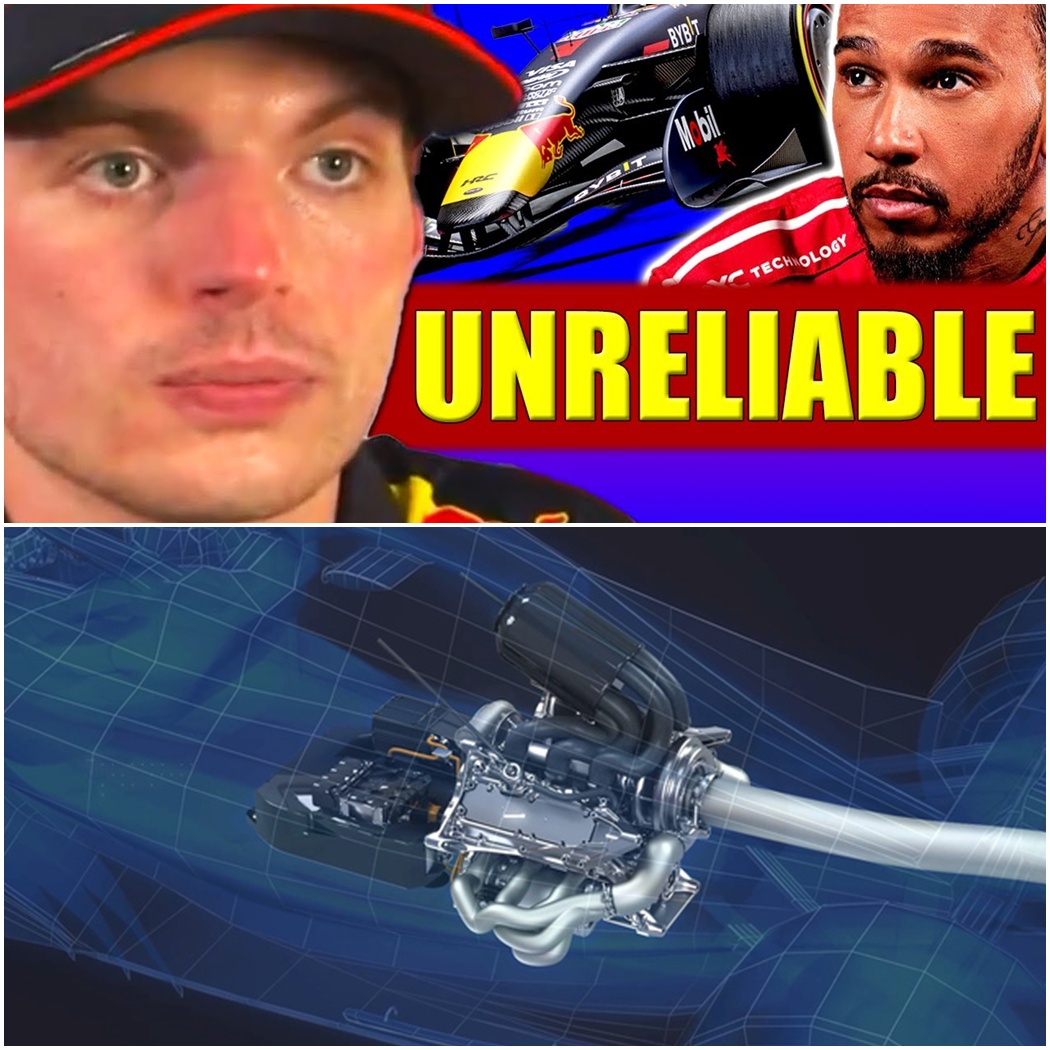
Perhaps the most dramatic storyline, however, involves the reigning champions at Red Bull. For the first time in their history, Red Bull is building its own engine in-house, supported by a massive recruitment drive that poached talent directly from Mercedes’ High-Performance Powertrains division. Yet, despite the star-studded staff, rumors persist that the Red Bull engine project is hitting significant roadblocks. Sources suggest that while the performance might eventually match the top manufacturers, reliability is proving to be a “rough” hurdle. Max Verstappen, known for his uncompromising demand for perfection, is reportedly keeping a very close eye on these developments. If the Red Bull Ford power unit isn’t a winner out of the box, the “Verstappen sweepstakes” will hit a fever pitch, with Mercedes and Aston Martin waiting in the wings to snatch the Dutchman away.
As we look toward 2026, the sport finds itself in a state of nervous anticipation. The cars will be smaller, the technology will be more complex, and the stakes have never been higher. Will the move to Active Aero and hybrid-heavy power units create the closest racing in history, or will it create a technical disparity that ruins the spectacle? One thing is certain: the drivers who can master the “Boost,” navigate the “Recharge” cycles, and keep a twitchy, high-torque car on the track will be the ones to define this new era. For the fans, it’s a waiting game filled with leaked renders and simulator horror stories, all leading toward a season that promises to be nothing short of chaotic. Formula 1 is changing, and the world is watching to see if it can stick the landing.