Formula 1 in 2025 is officially in the rearview mirror. As the engines cool on the past era, the sport is accelerating violently into what might be the most significant technical overhaul in its history: the 2026 regulations. The mantra for the new season is clear—long live Formula 1 in 2026. This isn’t just a facelift; it is a complete reimagining of what a Grand Prix car looks like, sounds like, and, most importantly, how it races.
For years, fans and drivers alike have lamented the bloating of F1 machines. They became heavy, wide, and lethargic in slow corners—often derisively compared to “oil tankers” or buses. But the FIA and Formula 1 have listened. The 2026 regulations introduce a radical “crash diet” for the grid, alongside propulsion technology so advanced it borders on science fiction. From “active aerodynamics” that essentially turn the cars into Transformers, to a safety cell built on the hard-learned lessons of terrifying accidents, here is the deep dive into the 2026 revolution that promises to shake the grid to its core.
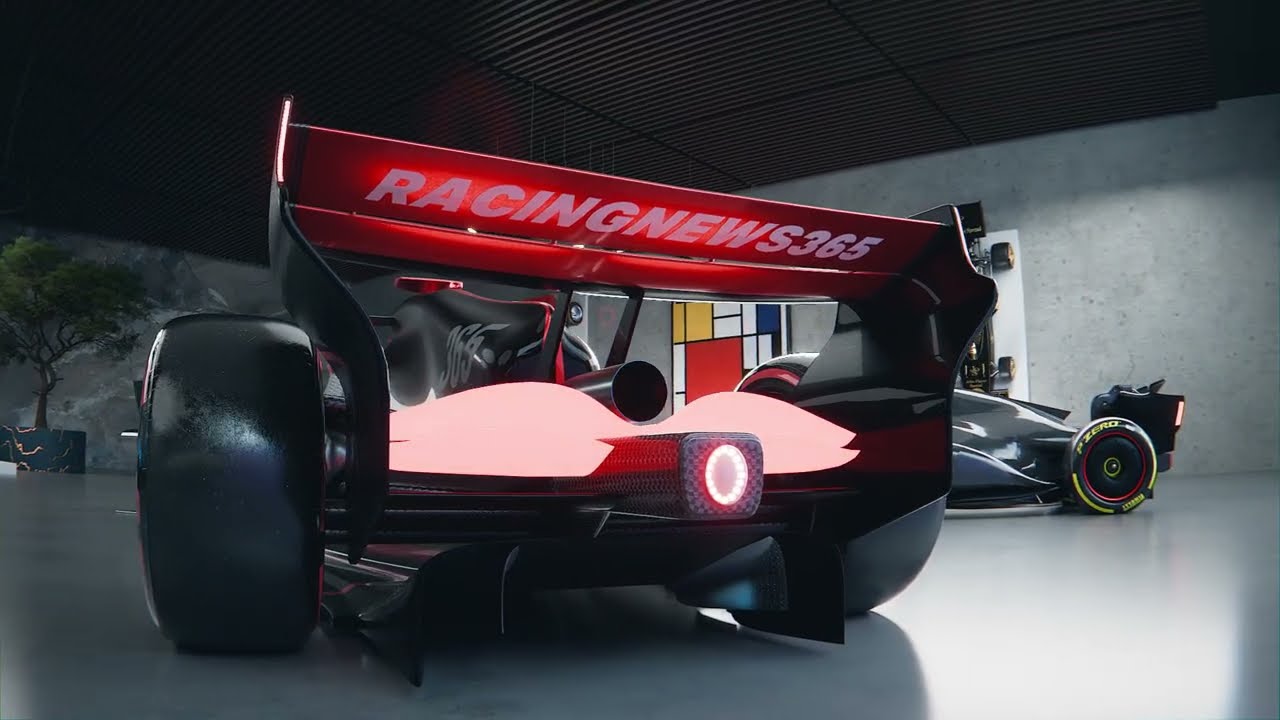
The Great “Crash Diet”: Shrinking the Beasts
The most immediately visible change for 2026 is the physical footprint of the car. For the first time in decades, F1 cars are getting smaller. The “bigger is better” philosophy has been scrapped in favor of agility and raceability.
The total width of the car has been slashed by 10 centimeters, making the machines significantly narrower. To complement this, the wheelbase—the distance between the front and rear wheels—has been cut by 20 centimeters, dropping from a gargantuan 3,600 mm to a tighter 3,400 mm. This might sound like mere millimeters on paper, but on the tarmac, it represents a massive shift in handling characteristics. A shorter wheelbase means a car that is more eager to rotate, more responsive in chicanes, and potentially much twitchier for the drivers.
This “diet” extends to the rubber meeting the road as well. While the 18-inch rims introduced in the previous era remain, the tires themselves are shrinking. The front tires are now 25 mm narrower, and the rears have slimmed down by 30 mm.
The immediate consequence? Less mechanical grip. And this isn’t an accidental engineering oversight; it is a deliberate design choice by Formula 1. The goal is to make the cars harder to drive, forcing the pilots to manage more sliding and work harder for their lap times. The days of being glued to the track on rails are being dialed back in favor of a raw, mechanical challenge.
Aerodynamics: The Return of the “Transformer”
If the chassis changes are an evolution, the aerodynamic rules for 2026 are a revolution. The sport is welcoming back “active aerodynamics”—a concept once banned for being too dominant—with open arms.
The 2026 cars will feature movable wings that the drivers can control, effectively changing the shape of the car mid-lap. This system goes far beyond the simple DRS (Drag Reduction System) of the past. Drivers will now have two distinct modes:
Z-Mode (High Downforce): Used for cornering, where flaps are angled steeply to glue the car to the track.
X-Mode (Low Drag): Activated on straights, where both the front and rear wing elements flatten out to shed drag and maximize top speed.
This manual activation makes the car behave like a dynamic entity. The moment the driver touches the brakes, the car snaps back into its high-downforce configuration. It is a system that guarantees enormous top speeds without sacrificing cornering ability. Crucially, unlike the old DRS which required you to be within one second of a rival, these modes can be used by any driver in designated zones, regardless of track position. It is a fundamental shift in how lap time is extracted.
Visually, the wings are getting a retro-futuristic makeover. The front wing is 100 mm narrower with fewer elements, and the rounded “swoopy” endplates of the 2022 era are gone, replaced by aggressive vertical plates that allow for small aero flicks. The rear wing also ditches the rounded look for a traditional, boxier style that screams “Back to the Future.” Meanwhile, the “beam wing”—that small lower wing above the exhaust—has been banned entirely to clean up the airflow.
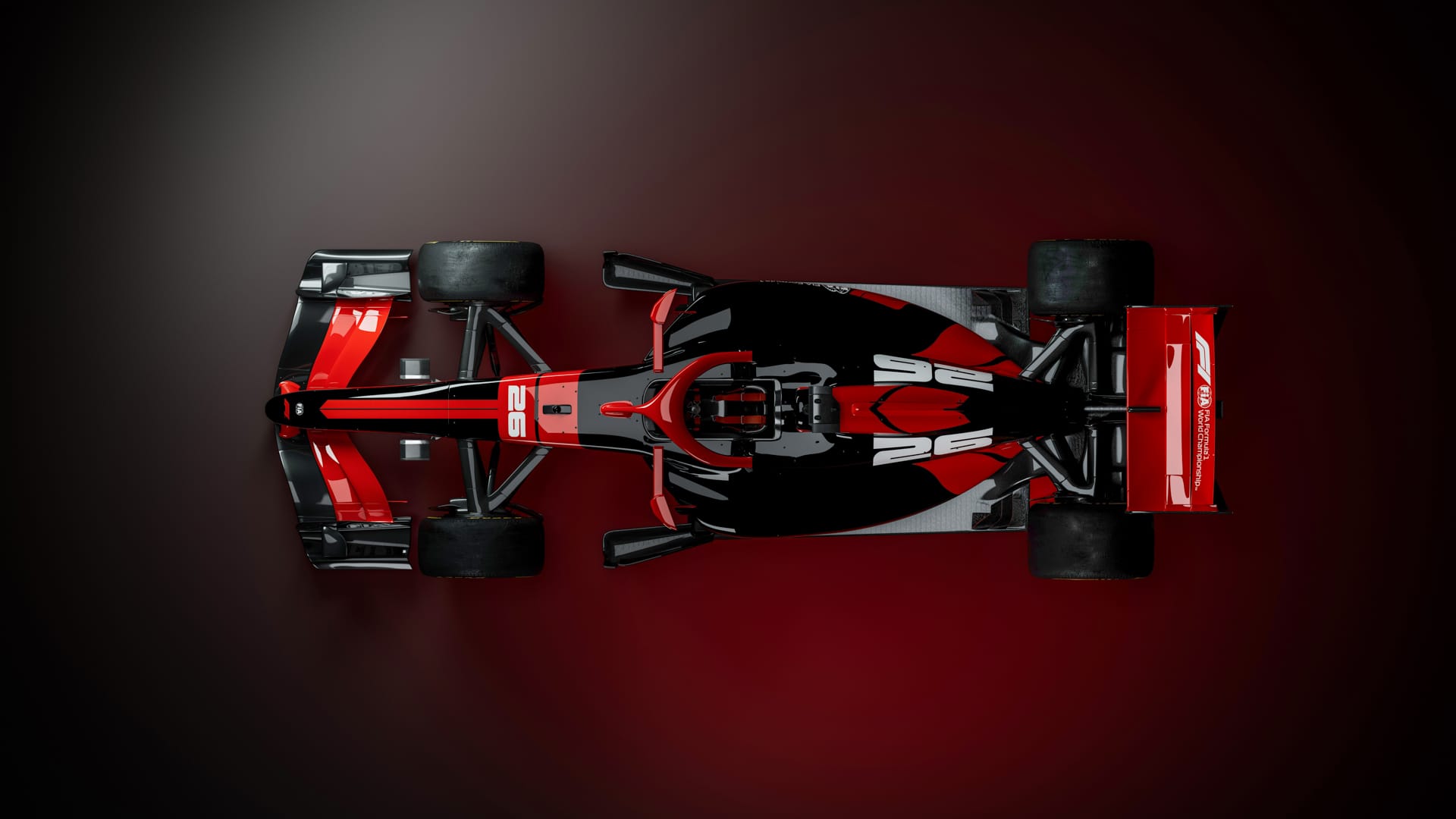
The Engine War: 50% Electric, 100% Sustainable
Under the engine cover, the changes are just as dramatic. The sport is keeping the hybrid power unit architecture to remain relevant to road car manufacturers, but the balance of power has shifted seismically.
The complex and expensive MGU-H (Motor Generator Unit – Heat) has been scrapped. In its place, the kinetic energy recovery system (MGU-K) has been given a massive steroid injection. The electric power output has nearly tripled, jumping from 120 kW to a staggering 350 kW.
This creates a unique 50/50 power split: 50% of the car’s horsepower will come from the internal combustion engine (ICE), and 50% will come from the electrical system. This parity is unprecedented. It means drivers will have a reserve of electric power to deploy for overtaking that is far more potent than before—a “push-to-pass” system that some are likening to a real-life Mario Kart boost. While purists might scoff at the artificial nature of it, there is no denying the strategic complexity it adds to the racing.
Fueling these engines is a “life juice” that is arguably the sport’s biggest achievement: fully CO2 neutral fuel. For the first time, F1 cars will run on 100% sustainable fuel with no harmful net emissions. This was the key to keeping manufacturers involved and justifying the continued use of the internal combustion engine in an increasingly electric world.
Safety: Lessons Written in Fire and Metal
While performance grabs the headlines, the 2026 regulations include vital safety updates born from the sport’s most terrifying recent moments. Formula 1 is incredibly safe, but accidents like Romain Grosjean’s fiery crash in Bahrain (2020) and Zhou Guanyu’s upside-down slide at Silverstone (2022) exposed specific weaknesses that the FIA has now addressed.
Fuel Cell Protection: Following the horror of Grosjean’s fireball, where the fuel tank was torn open, the protection around the fuel cell has been doubled. Amazingly, engineers achieved this without adding extra weight.
Roll Hoop Reinforcement: Directly responding to Zhou’s crash, where the roll hoop failed after digging into the tarmac, the air intake structure above the driver’s head must now withstand impacts of 20G (up from 16G).
Impact Structures: The frontal impact structure now features a two-stage design to better absorb energy, and the side impact structures near the cockpit have been significantly beefed up.
These changes are invisible to the camera, but they are the difference between life and death. They ensure that even as cars get faster and lighter, the driver’s survival cell remains an impregnable fortress.
The Verdict: A “Purist” Dream or an Engineer’s Nightmare?
The overall weight of the car has dropped by 30 kilograms, bringing the minimum weight down to 768 kg. It is a victory for drivers like Max Verstappen, a self-proclaimed purist who has long criticized the heavy, sluggish nature of modern F1 cars.
However, the road to 2026 is paved with question marks. Total downforce is reduced by 30%, meaning the cars will be more slippery and harder to tame. The “ground effect” floor has been simplified and flattened, reducing the suction effect that defined the 2022-2025 era. While this hurts raw performance, the addition of mandatory “barge boards” to guide dirty air inward is intended to improve close racing, fixing the dirty air issues that plagued the end of the last regulation cycle.
Will it work? The FIA has denied “doom scenarios” suggesting these cars would be as slow as Formula 2 machines on the straights due to energy harvesting. They are confident the active aero will solve the drag issues. But as always, the truth lies in the hands of the geniuses like Adrian Newey.
The 2026 regulations are an invitation for brilliance. They allow for “two ideas” to exist at once: extreme efficiency and raw speed. Come March 2026, we will see which teams have interpreted these complex new rules correctly and which have been left behind. Until then, we can only dream of the speed, the sound, and the sight of these agile new monsters tearing up the asphalt. The “oil tanker” era is over. The era of the “active” fighter jet has begun.
News

Inside Shane Richie’s love life: Drug – fuelled orgy with six blondes; real reason he split from Coleen Nolan; six-year ‘affair with fan’
Inside Shane Richie’s love life: Orgy with six blondes; real reason he split from Coleen Nolan; six-year ‘affair with fan’ He’s popular with the ladies… Shane Richie…

SH0CKING REVELATI0N:A sh0cking behind-the-scenes secret revealed about Lizzie Rizzini, the woman replacing Carol Kirkwood on the 6pm weather bulletin
BBC viewers still reeling from the departure of Carol Kirkwood got another surprise last night when presenter Lizzie Rizzini appeared to flash her black lace stockings on…

HEARTBREAKING: Peter Andre’s Tearful Message to Son Junior After SHOCKING Revelation About How He Truly Feels Toward Mum Katie Price — Katie Price’s reaction scares fans.
Peter Andre’s emotional message to son Junior after it’s revealed how he really feels about mum Katie Pri… PETER Andre has shared an emotional message to his…

Ben Shephard opens up about the devastating health battle his wife is facing: “She wakes up crying every single morning…”
Inside This Morning Ben Shephard’s Life Including Rarely Seen Wife and Health Battle Ben Shephard is a name synonymous with British television, renowned for his engaging presentation…

🚨 LIVE TV HEARTBREAK: Good Morning Britain Host Announces ‘Devastating’ Dɘath of Guest Minutes Into Show
Viewers of Good Morning Britain were met with heartbreaking news just minutes into Friday’s (January 30) episode, as co-hosts Kate Garraway and Ranvir Singh reported the tragic…

Emmerdale legend Cain Dingle will never be the same again after a shock cancer diagnosis turns his world upside down
FROure Desk. Full Terms and conditions are available on the website http://www.itv.com/presscentre/itvpictures/terms Emmerdale wouldn’t be Emmerdale without the glowering, grunting embodiment of manliness that is Cain Dingle (Jeff Hordley) But…
End of content
No more pages to load






