In the glitzy, champagne-soaked world of Formula 1, the Monaco Grand Prix stands alone. It is an anachronism, a relic of a bygone era where safety was an afterthought and bravery was the only currency that mattered. To win here is to ascend to godhood; to fail is to be chewed up and spat out by the unforgiving Armco barriers that line the narrow streets like a cage. For decades, drivers have approached Monaco with a specific mindset: you do not attack this track; you negotiate with it. You beg it for grip, you plead for space, and you pray that the walls don’t close in.
But in 2023, Max Verstappen stopped negotiating. He invaded.
The story of Verstappen’s domination at the 2023 Monaco Grand Prix is not merely a tale of a fast car or a talented driver. It is the culmination of a psychological evolution that transformed a reckless prodigy into a calculated weapon. To understand the sheer violence of the lap that secured him pole position—and effectively the race—we must first look back at the forge that created him.
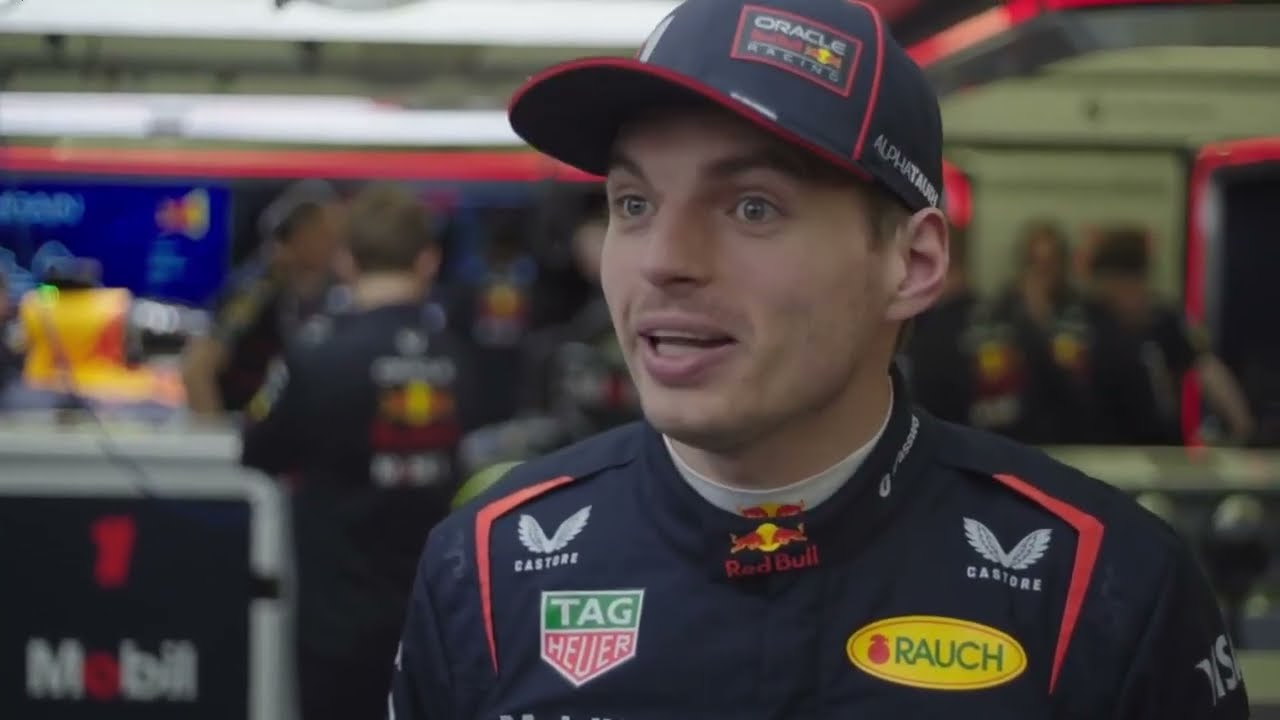
The Blueprint of a Weapon
Max Verstappen did not arrive in Formula 1 like a typical rookie. He wasn’t nurtured in a warm, encouraging environment where participation trophies were handed out for effort. He was engineered. His father, Jos Verstappen, a former F1 driver whose own career was marked by unfulfilled potential, raised Max with a singular, brutal focus.
The anecdotes are legendary, bordering on mythical, yet they paint a consistent picture of a childhood defined by extreme conditioning. There is the infamous story of the gas station—a moment that defines the Verstappen psyche. After a poor karting performance, Jos didn’t yell or lecture; he simply pulled over, told a young Max to get out, and drove off. He didn’t speak to him for days. This wasn’t just tough love; it was a lesson in absolute consequence.
In the Verstappen household, perfection wasn’t praised; it was the baseline requirement. This upbringing stripped away the fear of pressure or risk. When you grow up fearing the silence of your father more than a 100mph crash, the walls of Monaco look different. You don’t fear the accident; you fear the mediocrity of lifting off the throttle. This conditioning created a driver who views survival not as a goal, but as a secondary outcome to winning.
From Raw Fire to Cold Steel
When a 17-year-old Max burst onto the F1 scene, he was “raw fire.” He was fast, aggressive, and utterly unapologetic. But fire burns, and in Monaco, fire gets extinguished. The early years were a catalogue of errors. He crashed in 2015. He crashed again in 2016. The nadir came in 2018, when he binned his Red Bull in the final practice session, destroying his chances of qualifying and forcing him to start from the back of the grid.
That 2018 crash was a watershed moment. It was a public humiliation in front of the world’s elite. Monaco had stripped him of his dignity. At that crossroads, many drivers crumble. They become tentative, scarred by the circuit’s bite. Max faced a choice: evolve or be remembered as the talent who never learned control.
He chose evolution. The recklessness vanished, replaced by a cold, terrifying precision. The speed remained, but the desperation was gone. He began to drive not like a challenger chasing a win, but like a king defending a throne.
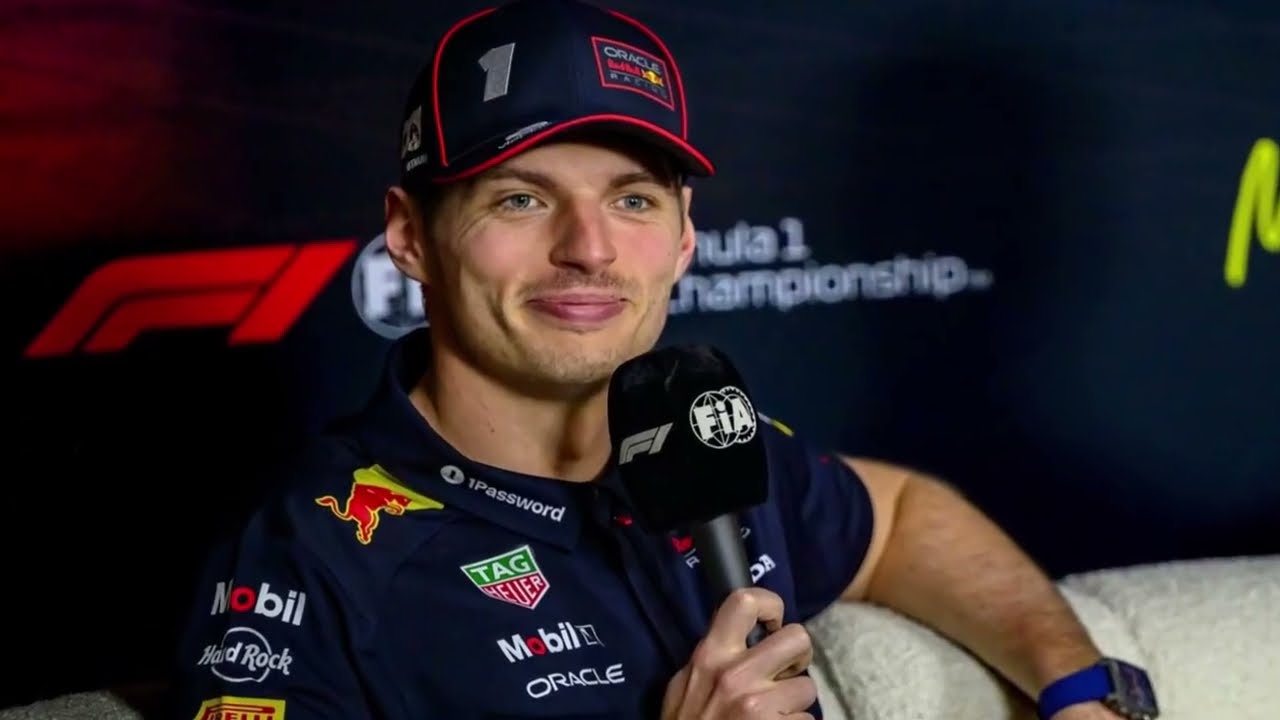
The Lap That Broke Reality
Fast forward to Saturday afternoon, May 2023. The qualifying session was reaching a fever pitch. Red Bull, usually untouchable, looked vulnerable. Aston Martin’s Fernando Alonso, the cunning veteran, had just delivered a lap for the ages. The Spaniard had danced his car through the swimming pool section and scraped the barriers to snatch provisional pole. The grandstands erupted. It was the Hollywood ending everyone wanted: the resurgence of the old master.
But Max Verstappen still had one lap left.
As he began his final run, the data looked grim. He was down on Alonso’s time in Sector 1. He remained behind through the twisty Sector 2. To the casual observer, it was over. Alonso had done enough. The laws of physics suggest you cannot make up a significant deficit in the final sector of Monaco—it’s too short, too tight, too technical.
Then, Max entered Sector 3.
What happened in those final few corners was not racing; it was a glitch in the matrix. Verstappen stopped treating the track with respect and started treating the walls as leverage. Entering the swimming pool chicane, he didn’t just clip the apex; he flirted with disaster.
“I hit the wall two times,” Max would later casually remark over the radio.
Let that sink in. On a qualifying lap, where the margins are microscopic, he struck the barrier not once, but twice. Any other driver would have suffered suspension failure or a puncture. Any other driver would have lifted. Max kept his foot buried. He scraped the concrete, using the friction to rotate the car, finding grip where none should exist.
He crossed the line 0.084 seconds faster than Alonso.
The paddock was stunned. Alonso himself admitted he had taken “uncomfortable levels of risk,” essentially saying, “I went too far, and Max went further.” It was a display of dominance that transcended machinery. It proved that even when the car is equalized by the track’s layout, the driver’s will can bend reality.
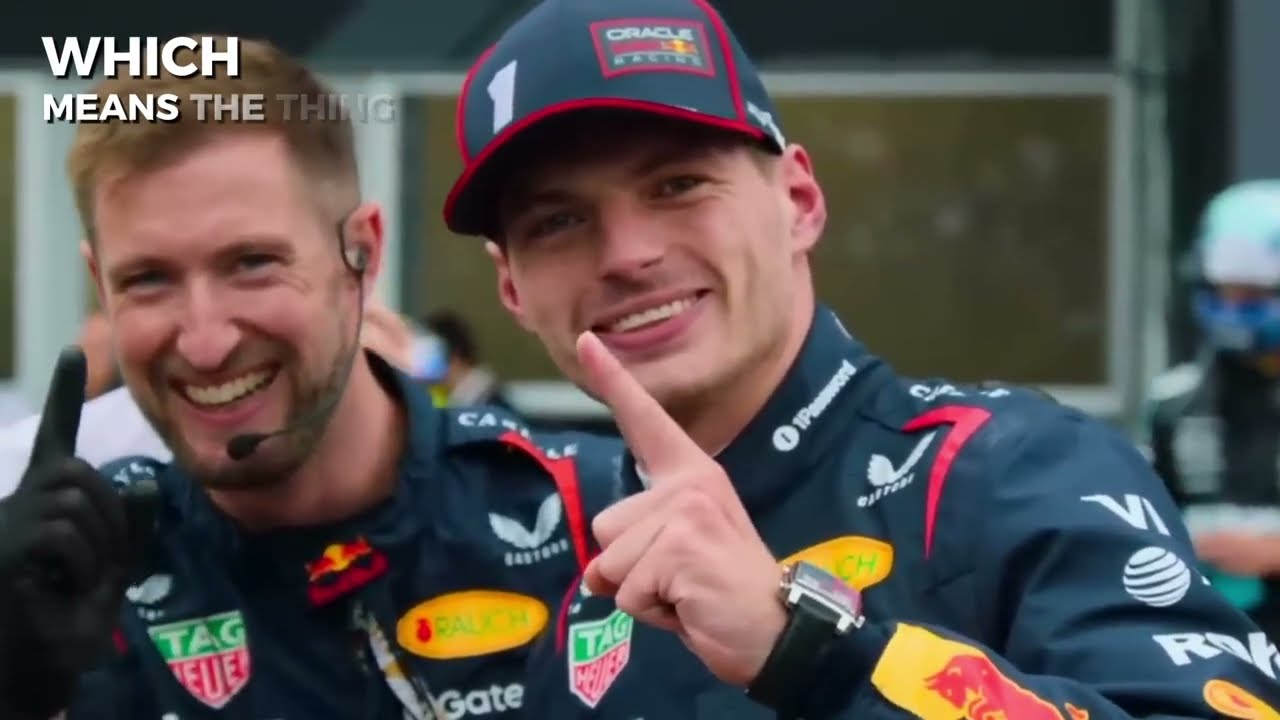
Psychological Demolition
This specific performance does more damage to a rival’s psyche than a 20-second victory on a standard track. When a driver wins by a large margin at a track like Spa or Silverstone, rivals can blame the aerodynamics or the engine. “It’s just the car,” they say to comfort themselves.
But Monaco? Monaco exposes the soul. To brush the walls twice and still find time is not an engineering feat; it is a human one. It signaled to the entire grid—Lewis Hamilton, Charles Leclerc, Fernando Alonso—that Max is willing to go to places they simply cannot. He is comfortable on the edge of catastrophe in a way that defies logic.
This is the terror of the new Max Verstappen. He hasn’t lost the aggression of his youth; he has simply harnessed it. He is no longer a wild animal lashing out; he is a predator who knows exactly when to strike. The 2023 Monaco Grand Prix wasn’t just another trophy for the cabinet. It was a message: The raw kid who used to crash is gone. In his place stands a champion who can turn the most dangerous track on Earth into his personal playground.
The New Era
As Formula 1 moves forward, the shadow of that lap looms large. It serves as a warning that while regulations may change and teams may close the gap, the variable behind the wheel of the number 1 car operates on a different frequency. He didn’t just survive Monaco; he terrorized it. And in doing so, he changed the question from “Who can beat Red Bull?” to “Who dares to race Max Verstappen?”
The silence that followed his father’s lessons has been replaced by the roar of engines, but the lesson remains: win, or suffer. And right now, Max Verstappen is doing a lot of winning, while the rest of the grid is left to suffer in his wake.
News

Inside Shane Richie’s love life: Drug – fuelled orgy with six blondes; real reason he split from Coleen Nolan; six-year ‘affair with fan’
Inside Shane Richie’s love life: Orgy with six blondes; real reason he split from Coleen Nolan; six-year ‘affair with fan’ He’s popular with the ladies… Shane Richie…

SH0CKING REVELATI0N:A sh0cking behind-the-scenes secret revealed about Lizzie Rizzini, the woman replacing Carol Kirkwood on the 6pm weather bulletin
BBC viewers still reeling from the departure of Carol Kirkwood got another surprise last night when presenter Lizzie Rizzini appeared to flash her black lace stockings on…

HEARTBREAKING: Peter Andre’s Tearful Message to Son Junior After SHOCKING Revelation About How He Truly Feels Toward Mum Katie Price — Katie Price’s reaction scares fans.
Peter Andre’s emotional message to son Junior after it’s revealed how he really feels about mum Katie Pri… PETER Andre has shared an emotional message to his…

Ben Shephard opens up about the devastating health battle his wife is facing: “She wakes up crying every single morning…”
Inside This Morning Ben Shephard’s Life Including Rarely Seen Wife and Health Battle Ben Shephard is a name synonymous with British television, renowned for his engaging presentation…

🚨 LIVE TV HEARTBREAK: Good Morning Britain Host Announces ‘Devastating’ Dɘath of Guest Minutes Into Show
Viewers of Good Morning Britain were met with heartbreaking news just minutes into Friday’s (January 30) episode, as co-hosts Kate Garraway and Ranvir Singh reported the tragic…

Emmerdale legend Cain Dingle will never be the same again after a shock cancer diagnosis turns his world upside down
FROure Desk. Full Terms and conditions are available on the website http://www.itv.com/presscentre/itvpictures/terms Emmerdale wouldn’t be Emmerdale without the glowering, grunting embodiment of manliness that is Cain Dingle (Jeff Hordley) But…
End of content
No more pages to load






