The roar of engines will return to the Circuit de Barcelona-Catalunya this Monday, but the grandstands will remain eerily silent. There will be no cheering fans, no swarm of international media, and perhaps most frustratingly for the global fanbase, no live television coverage. Formula 1 is about to take its first tentative steps into the revolutionary 2026 era, and it is doing so under a cloak of secrecy that feels almost conspiratorial.
They are calling it a “shakedown,” a harmless term usually reserved for filming days or quick system checks. But make no mistake: what unfolds over the next five days in Spain is the first true battleground of the 2026 World Championship. The stakes have never been higher, the technology never more complex, and the anxiety within the paddock never more palpable. So, why is the sport hiding its biggest moment of the decade?
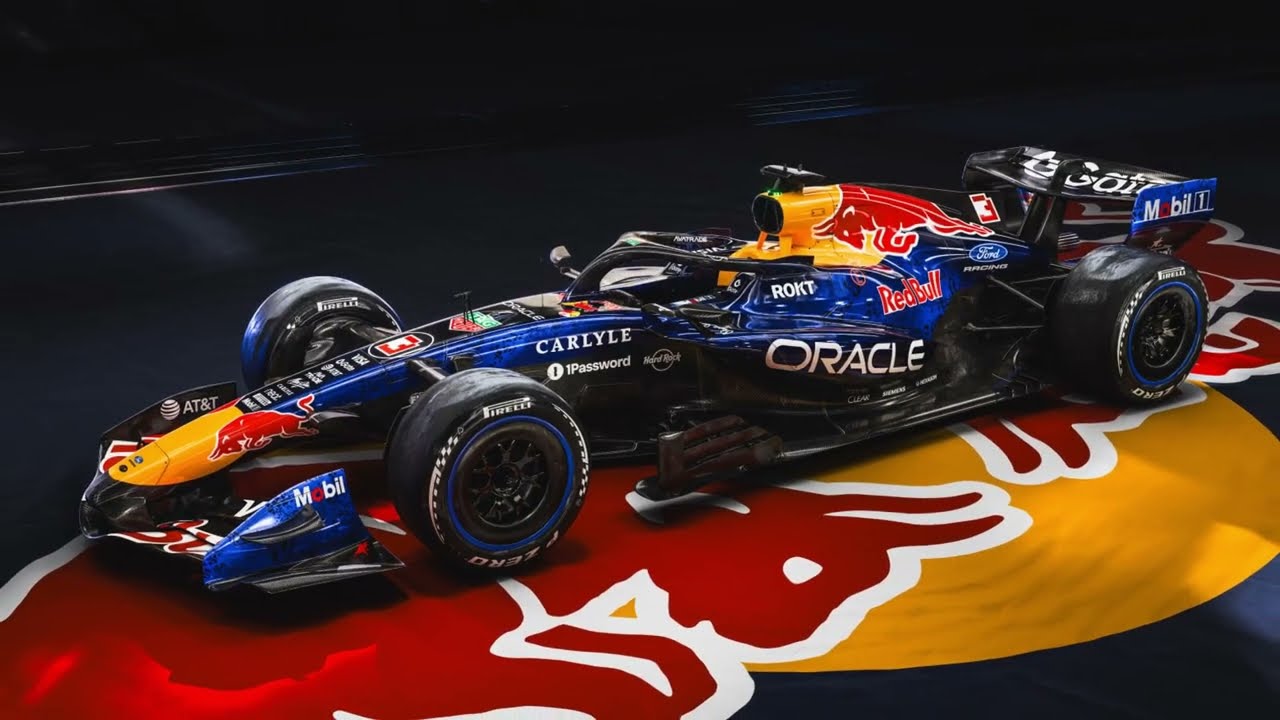
The “Shakedown” Loophole
The official line from Formula 1 is one of contractual necessity. Bahrain holds the exclusive rights to host the “first official pre-season test,” a glitzy affair scheduled for February complete with the fanfare we’ve come to expect. To honor this agreement while acknowledging that teams desperately need track time for their radically new machines, F1 has designated the Barcelona event as a private session.
It’s a clever bit of administrative gymnastics. By keeping the cameras off and the gates locked, F1 can technically claim Bahrain is the main event. But for the engineers and drivers, Barcelona is where reality hits. This isn’t a few laps behind a camera car; teams will have three full days of running each. This is where they find out if their years of research and millions of dollars in development have produced a championship contender or a lemon.
A Perfect Storm of Technical Chaos
The secrecy actually suits the teams perfectly. The 2026 regulations represent a seismic shift in how Formula 1 cars generate speed. The new power units have ditched the MGU-H and boosted the MGU-K to a staggering 350 kW, creating a 50/50 split between internal combustion and electrical power. It is a massive engineering challenge that requires a delicate, complex dance of energy management.
Then there is the aerodynamics. For the first time, cars will feature active aero—movable front and rear wings that change configuration mid-lap to reduce drag. It sounds futuristic, but it carries immense risk. Teams are terrified of a repeat of 2022, when the return of ground-effect cars brought the unexpected and painful “porpoising” phenomenon.
In the privacy of a closed test, a car can break down, catch fire, or bounce uncontrollably without the footage becoming an instant meme on social media. Teams can struggle in peace. But in the age of the internet, privacy is a relative term. We can expect leaks to trickle out almost immediately—whispers of low lap counts, rumors of reliability nightmares, and grainy photos of cars being craned onto flatbeds.
The Haves and the Have-Nots
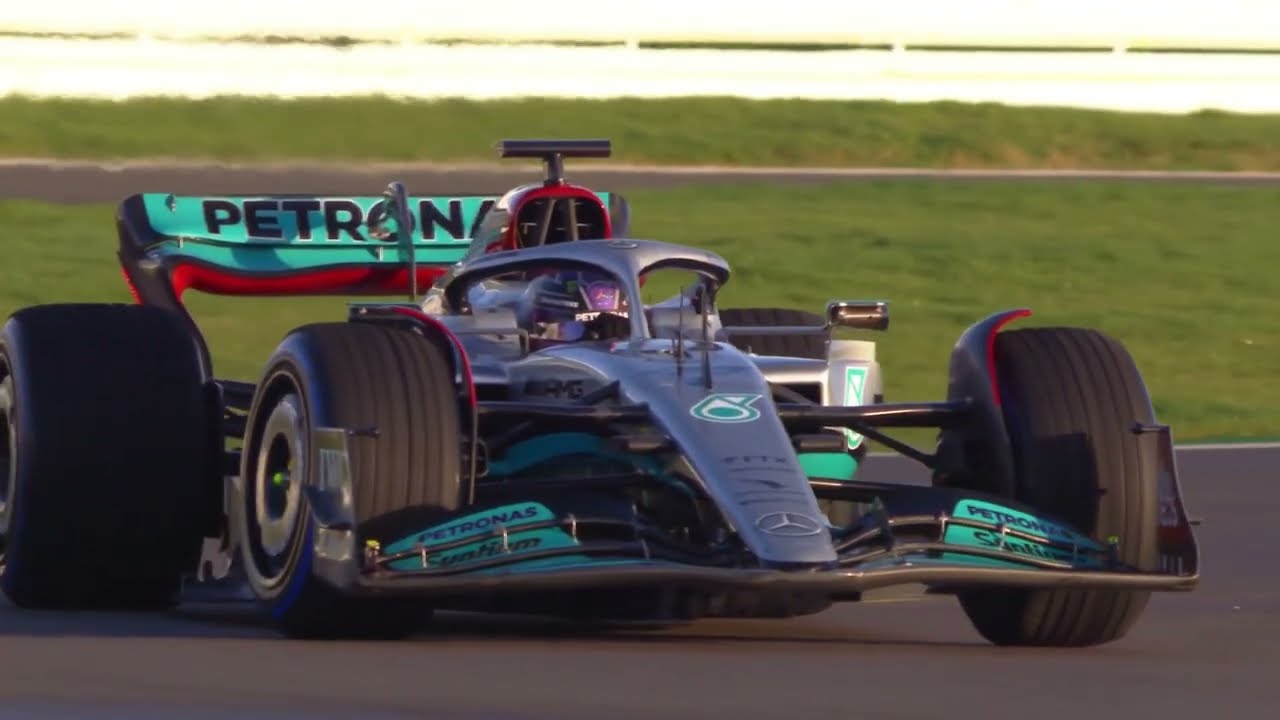
Even before a wheel has turned, the drama has begun. The paddock rumor mill is already spinning at redline with reports that Mercedes may have struck gold. Insiders suggest the German manufacturer has found a loophole in the compression ratio rules, unlocking horsepower that their rivals might lack. If true, Monday could be the start of a new period of dominance, identified quietly on a lonely stretch of Spanish tarmac.
But for every potential winner, there is a confirmed loser. In a devastating blow, Williams has announced they will skip the entire Barcelona test. The team, which finished a respectable fifth last year, is grappling with delays to their FW48 chassis.
To miss a “shakedown” is one thing; to miss three full days of data gathering while your rivals learn the intricacies of a brand-new formula is catastrophic. In a sport where gains are measured in thousandths of a second, starting the season blind is a handicap Williams may struggle to overcome all year.
Simulation vs. Reality
Perhaps the biggest question hanging over Barcelona is the reliability of the virtual world. Teams have spent years building these 2026 cars in simulators, trusting algorithms to predict how air flows and tires grip. But simulations rely on assumptions, and with regulations this new, assumptions can be dangerous.
The fear keeping Team Principals awake at night is that the “active aero” might produce second-order effects the computers missed. How does the balance shift when the wings transition? Does the car become unstable under braking? Barcelona is the moment the math meets the road. If the simulations were wrong, we are about to witness chaos.
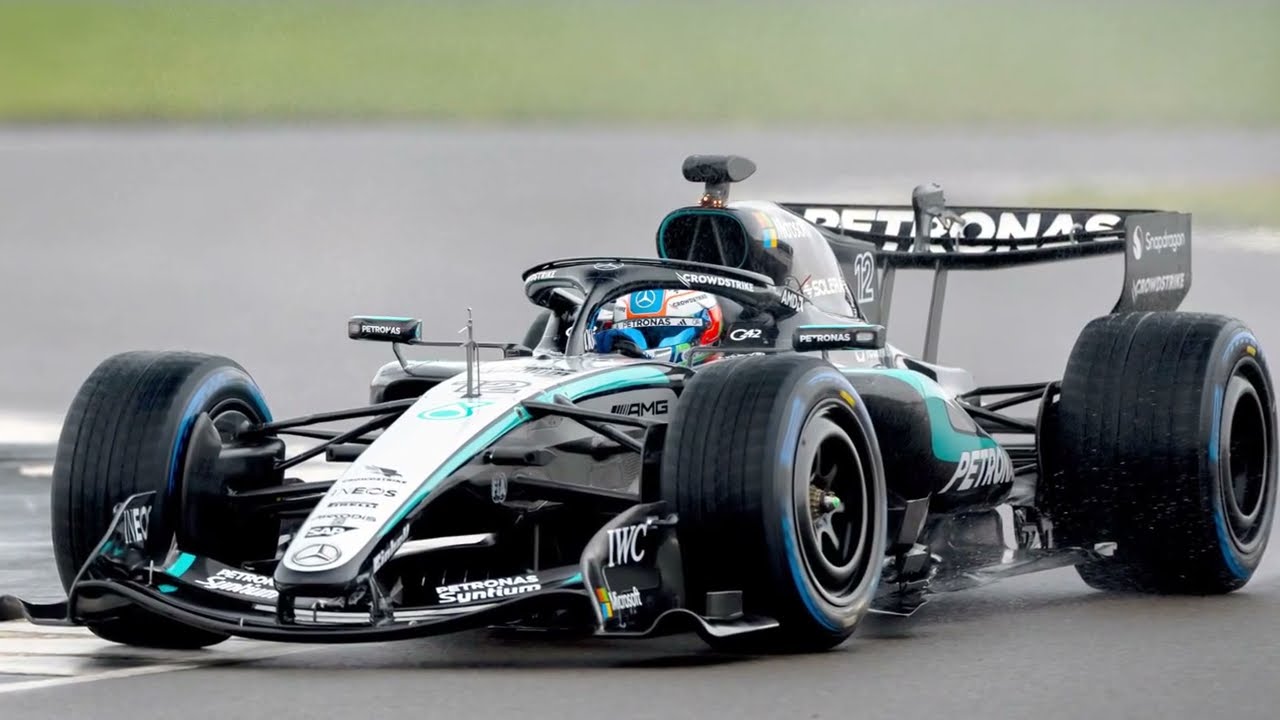
A New Era in the Dark
For the fans, this week will be a test of patience. We have grown accustomed to the transparency of modern F1—the helmet cams, the team radio, the instant analysis. To have that stripped away feels like a regression to the secretive days of the 1990s.
Yet, there is an undeniable allure to the mystery. We won’t see the lap times, but we will hear the stories. We won’t see the crashes, but we will feel the panic. The 2026 season is being forged this week in the cold, quiet winter of Barcelona. And when the cars finally step into the light in Bahrain, the pecking order will likely already be decided—shaped in the shadows of a test we were never meant to see.
News

Inside Shane Richie’s love life: Drug – fuelled orgy with six blondes; real reason he split from Coleen Nolan; six-year ‘affair with fan’
Inside Shane Richie’s love life: Orgy with six blondes; real reason he split from Coleen Nolan; six-year ‘affair with fan’ He’s popular with the ladies… Shane Richie…

SH0CKING REVELATI0N:A sh0cking behind-the-scenes secret revealed about Lizzie Rizzini, the woman replacing Carol Kirkwood on the 6pm weather bulletin
BBC viewers still reeling from the departure of Carol Kirkwood got another surprise last night when presenter Lizzie Rizzini appeared to flash her black lace stockings on…

HEARTBREAKING: Peter Andre’s Tearful Message to Son Junior After SHOCKING Revelation About How He Truly Feels Toward Mum Katie Price — Katie Price’s reaction scares fans.
Peter Andre’s emotional message to son Junior after it’s revealed how he really feels about mum Katie Pri… PETER Andre has shared an emotional message to his…

Ben Shephard opens up about the devastating health battle his wife is facing: “She wakes up crying every single morning…”
Inside This Morning Ben Shephard’s Life Including Rarely Seen Wife and Health Battle Ben Shephard is a name synonymous with British television, renowned for his engaging presentation…

🚨 LIVE TV HEARTBREAK: Good Morning Britain Host Announces ‘Devastating’ Dɘath of Guest Minutes Into Show
Viewers of Good Morning Britain were met with heartbreaking news just minutes into Friday’s (January 30) episode, as co-hosts Kate Garraway and Ranvir Singh reported the tragic…

Emmerdale legend Cain Dingle will never be the same again after a shock cancer diagnosis turns his world upside down
FROure Desk. Full Terms and conditions are available on the website http://www.itv.com/presscentre/itvpictures/terms Emmerdale wouldn’t be Emmerdale without the glowering, grunting embodiment of manliness that is Cain Dingle (Jeff Hordley) But…
End of content
No more pages to load






