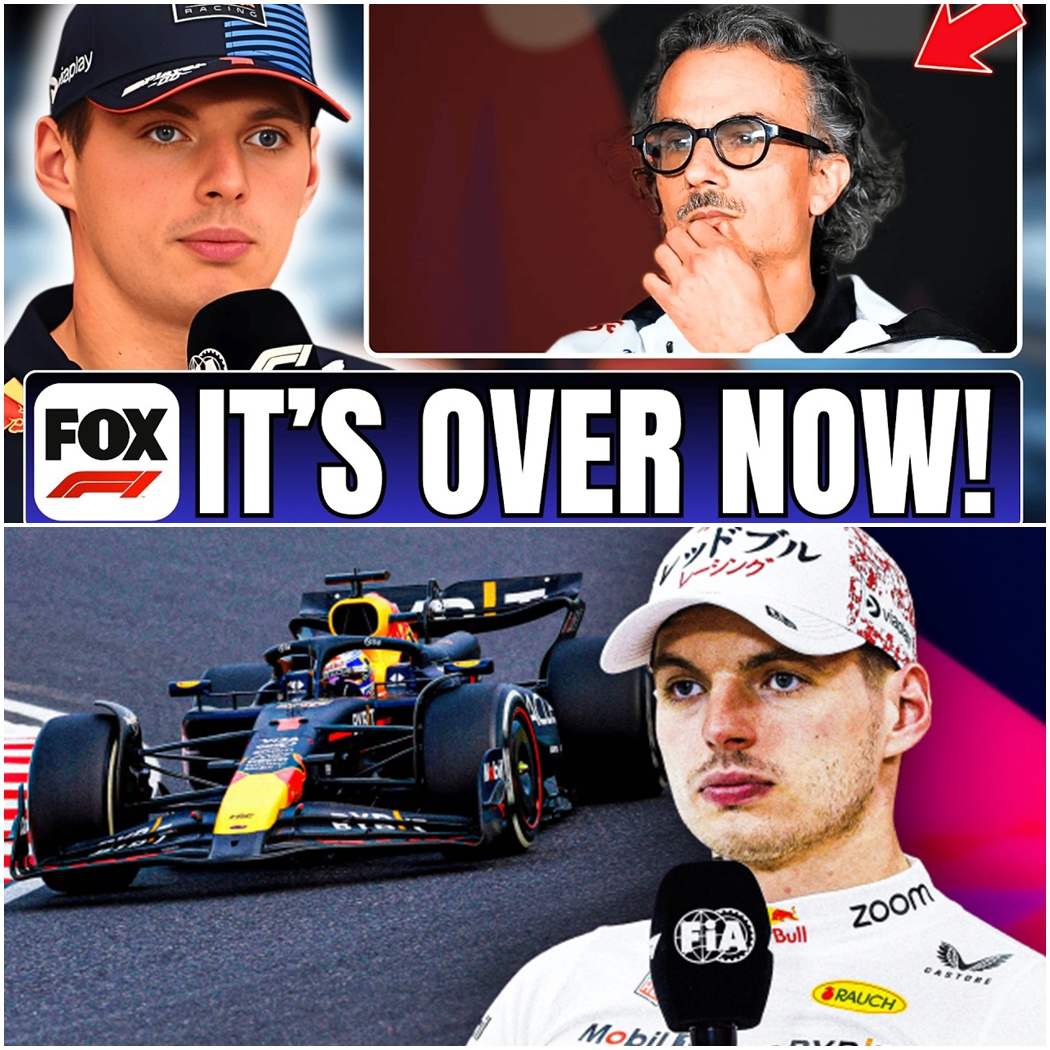
In the high-stakes, multi-billion dollar world of Formula 1, silence is rarely a good sign—unless you are a new engine manufacturer. For years, the paddock has whispered, debated, and openly doubted Red Bull Racing’s audacious decision to sever ties with established auto giants and build their own power unit from scratch. The skepticism was well-founded; history is littered with the carcasses of teams that tried to take on the engineering might of Mercedes and Ferrari and failed miserably. But as the sun set on the first days of testing in Barcelona for the revolutionary 2026 regulations, the silence in the Red Bull garage wasn’t born of panic or broken machinery. It was the quiet, confident hum of a gamble that has spectacularly paid off.
The narrative heading into the 2026 era was supposed to be one of struggle for the Milton Keynes-based squad. By launching Red Bull Power Trains (RBPT) in partnership with Ford, the team was effectively entering uncharted territory. They were no longer just chassis wizards; they were attempting to master the dark art of propulsion. Critics and pundits alike questioned whether a team famous for aerodynamics could genuinely construct a competitive internal combustion engine and complex hybrid system to rival manufacturers who have been doing it for a century. The Barcelona test was widely expected to be a humbling reality check, a period of teething problems, smoke, and frustration.
Instead, Red Bull triggered a nightmare for their rivals.
The Day One Shock
When the lights went green on Monday, the expectation was for a slow, cautious rollout. New engines are notoriously temperamental beasts, comprised of thousands of moving parts that must operate in perfect harmony under extreme stress. Usually, a new manufacturer spends the first day checking systems, fixing leaks, and managing software glitches.
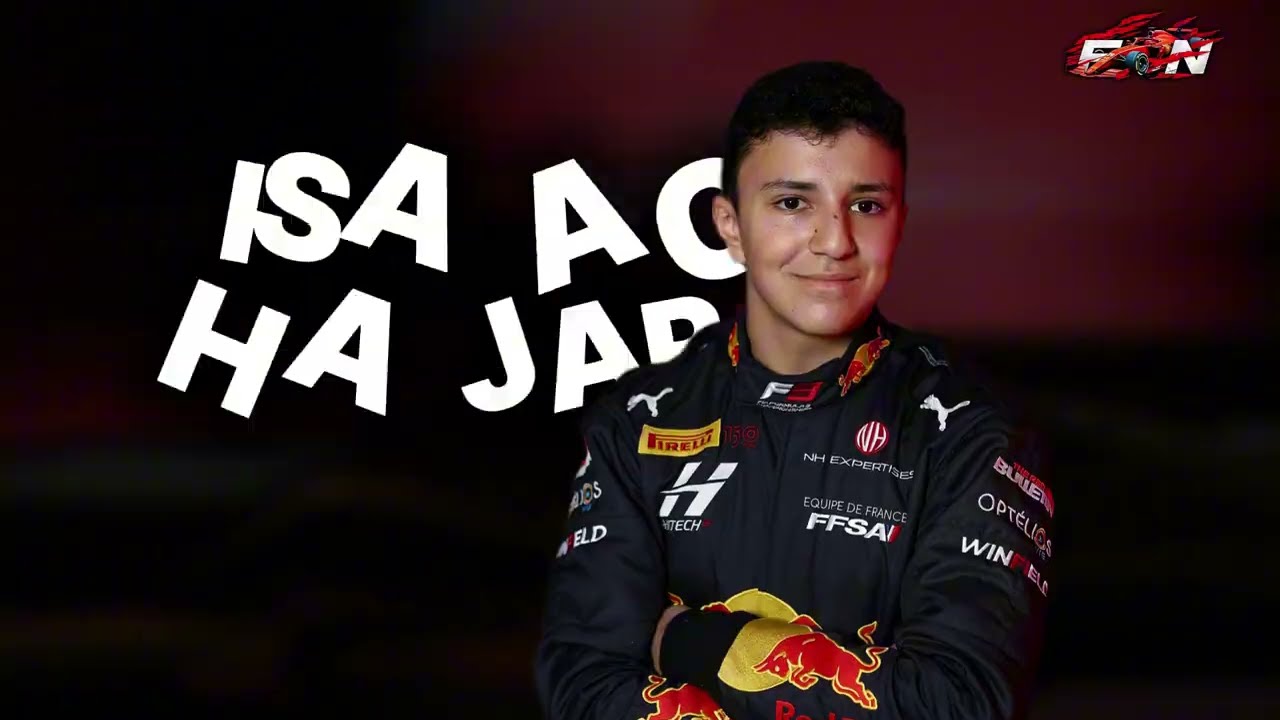
But Red Bull didn’t get the memo. Young driver Isack Hadjar was given the honor of debuting the new RB22, and what followed was nothing short of a statement of intent. Hadjar didn’t just complete a few tentative installation laps; he hammered the track. By the time the checkered flag waved to end the session, he had racked up over 100 laps and, perhaps most shockingly, set the fastest time of the day.
For a brand-new power unit to run so flawlessly on its very first proper outing is almost unheard of in modern Formula 1. It wasn’t just a fluke, either. The sister team, Racing Bulls, which also runs the new Red Bull-Ford hardware, enjoyed a similarly productive day. Driver Liam Lawson completed 88 laps, confirming that the reliability wasn’t limited to the main team’s car.
Crunching the Numbers: A Terrifying Reliability
In Formula 1, data is king, and the mileage charts from Barcelona tell a story that will have alarm bells ringing in Brackley and Maranello. Reliability is the bedrock of championship challenges; you cannot finish first if you do not finish.
On that opening day, the two teams powered by the new Red Bull engine completed a combined 980 kilometers. To put that figure into perspective, the two Mercedes-powered teams managed 973 kilometers, and the Ferrari-powered squads completed 922 kilometers.
Let that sink in. On their very first day as an engine manufacturer, Red Bull matched—and in some cases exceeded—the mileage of the established giants of the sport. They didn’t just survive; they thrived. The comparison becomes even more stark when looking at other newcomers. Audi, a brand with immense motorsport heritage that has been working on its F1 project for years, struggled immensely, completing a fraction of the mileage. Honda, Red Bull’s former partner, didn’t even run on the first day.
By the end of the week, Red Bull-powered cars had logged over 622 laps, or nearly 3,000 kilometers. While this total was slightly less than the accumulated mileage of the Mercedes and Ferrari stables, it is a staggeringly impressive figure for a fledgling program. It sends a clear message: RBPT is not a vanity project; it is a serious, lethal threat.
The Rival’s Verdict
Perhaps the most telling validation of Red Bull’s success came not from their own press releases, but from the competition. George Russell, a driver who knows exactly what a dominant engine feels like having driven for Mercedes during their hybrid era supremacy, was watching from the sidelines. Drivers are rarely generous with praise for their rivals, often preferring to downplay others’ achievements to maintain a psychological edge.
However, Russell couldn’t hide his impression. He singled out Red Bull’s performance, noting that for a first engine build, they had clearly done a “good job.” He admitted it was surprising to see a new manufacturer capable of such reliability right out of the gate. When a rival driver describes your performance as “impressive” and “surprising,” you know you have rattled them. It was a vote of confidence that validated the years of investment and the hundreds of millions of dollars poured into the RBPT campus.
Beyond Speed: The “Fantastic” Feel
While reliability is crucial, it is only half the battle. An engine can run forever, but if the power delivery is jerky, unpredictable, or lags, the car will be slow. The 2026 regulations have introduced a massive challenge in this regard. With the removal of the MGU-H (Motor Generator Unit – Heat) and a significant increase in electrical power—now a 50/50 split between the internal combustion engine and the battery—drivability is the new frontier of performance.
Managing the handoff between the engine and the electric motor is incredibly complex. Get it wrong, and the car becomes a bucking bronco, impossible to drive on the limit. Yet, here too, Red Bull seems to have struck gold.
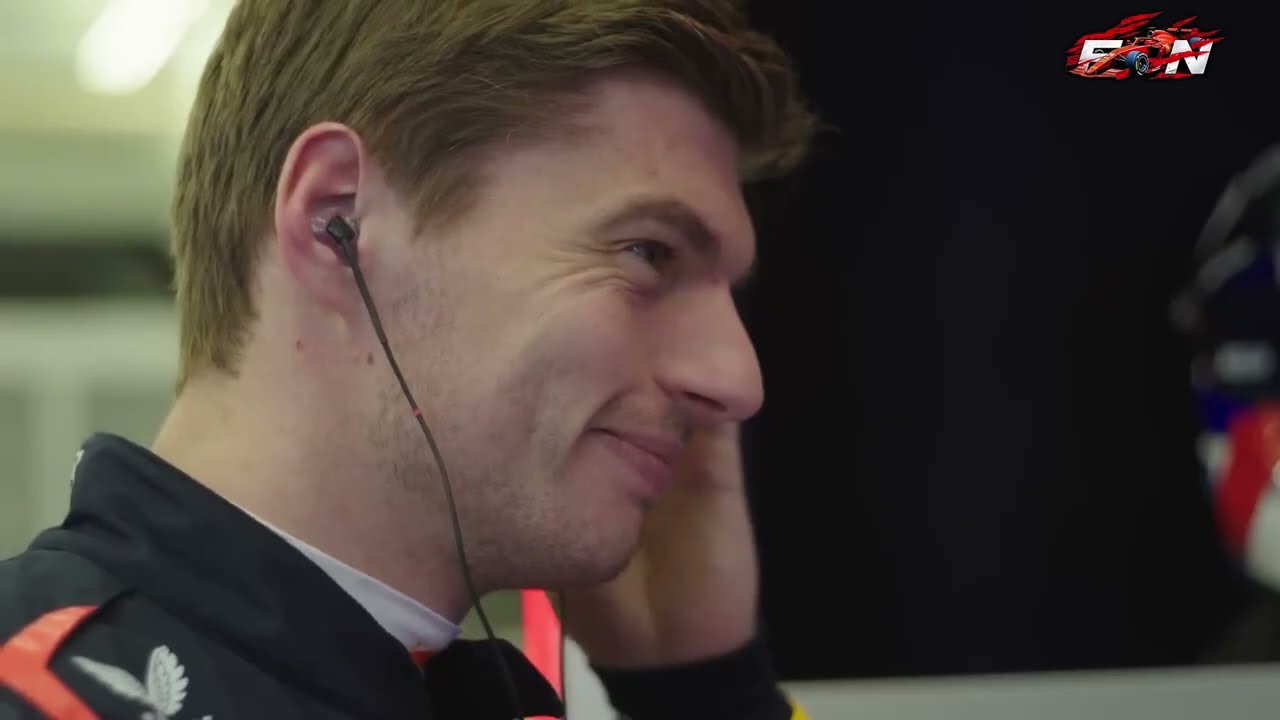
Max Verstappen, a driver known for his exacting standards and blunt feedback, stated that the team had “hit the ground running.” But the most glowing review came from Tim Goss, the Chief Technical Officer of the Racing Bulls, who described the engine’s drivability as “simply fantastic.” For a driver, a smooth, predictable engine breeds confidence. Confidence allows them to brake later, get on the power earlier, and extract every millisecond of performance from the chassis. If the Red Bull engine is already “fantastic” to drive, the rest of the grid is in serious trouble.
The Ford Factor and the “Works” Advantage
This success validates the strategic brilliance of partnering with Ford. When the partnership was announced, some viewed it as merely a branding exercise. However, Ford brought something critical to the table: deep, world-class expertise in battery technology and electric motors.
With the 2026 rules placing such a heavy emphasis on the electrical component of the power unit, Ford’s knowledge has likely accelerated Red Bull’s development curve significantly. While other teams are still figuring out how to manage complex energy flows and battery harvesting, Red Bull and Ford seem to have arrived in Barcelona with a mature, refined solution.
Furthermore, this transition elevates Red Bull to the status of a true “Works” team. For the first time in their history, they are not dependent on a supplier like Renault or Honda. They can design the chassis and the engine in perfect unison. Every pipe, every wire, and every cooling duct can be placed exactly where the aerodynamicists want it, without compromise. This total integration was the secret to Mercedes’ unprecedented run of eight consecutive championships. Red Bull has now unlocked that same potential.
A Minor Setback in a Major Victory
The week wasn’t entirely without incident. Isack Hadjar did crash the car on the second day, causing significant damage and costing the team valuable track time. However, in the grand scheme of testing, this was a blip, not a disaster. Crucially, the crash was a driver error in tricky, wet conditions—it was not a mechanical failure.
The fact that the biggest headache of the week was a spun car and not a blown engine is, ironically, another positive sign. The hardware held up; the human element was the only weak link. The underlying story of the engine’s strength remained unchallenged.
The Future is Bullish
As the dust settles on the Barcelona test, the hierarchy of the 2026 grid is beginning to take shape in the shadows. Audi’s nightmare start serves as a stark reminder of how difficult this task truly is, making Red Bull’s achievement look even more extraordinary by comparison.
Max Verstappen and Christian Horner took a gamble that could have sunk the team’s competitive future. They bet the farm on their ability to become an engine manufacturer. Based on the evidence from Barcelona, that bet is about to pay out a fortune in trophies. The “nightmare” scenario that rivals feared—a Red Bull team that is completely self-sufficient and faster than ever—has arrived. And it has a Ford badge on the engine cover.