The Silence That Stopped the Internet
It was supposed to be the start of a golden era. The sun was shining over the Fiorano circuit, the asphalt was calling, and the world was watching with bated breath. This wasn’t just another car launch; it was the dawn of 2026, the year Lewis Hamilton finally donned the scarlet racing suit of Ferrari. The hype machine had been running at full throttle for days, fueled by teasers of race suits and artistic glimpses of the new SF-26. But when the seven-time world champion finally took the “shiny new toy” out for its maiden voyage, the unthinkable happened.
Before the seat was even warm, the car ground to a halt.
Images flooded social media immediately: the SF-26 stranded in the middle of the track, silence falling over the circuit, and a crew of mechanics scrambling to tend to the driver. For the Tifosi—Ferrari’s famously passionate and often traumatized fanbase—it triggered a collective PTSD. Was this 2022 all over again? Had the curse followed them into the new regulation era? Twitter (now X) didn’t wait for an explanation. The timeline lit up with hot takes, memes of despair, and the premature declaration that the season was over before it had even begun. “Ferrari broken already,” they cried. “Here we go again.”
But as the dust settles and the hysteria fades, the truth behind those dramatic images reveals a very different story—one that suggests Ferrari might actually be sharper, calmer, and more calculated than they have been in years.
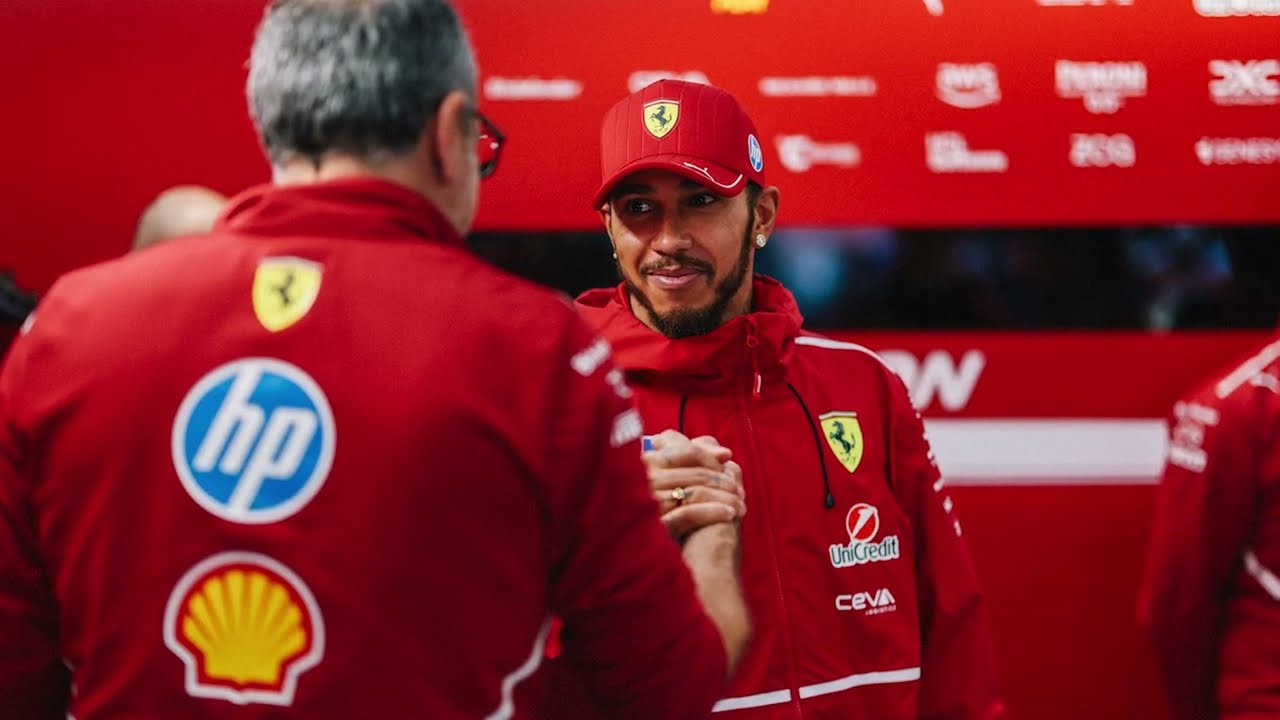
The “Disaster” That Wasn’t
Let’s cut through the noise. Yes, the car stopped. Yes, it had to be retrieved. But was it a breakdown? Absolutely not.
In the high-stakes world of Formula 1, context is everything. The run at Fiorano wasn’t a full-blown test session; it was a filming day (also known as a shakedown). Under FIA regulations, teams are strictly limited in the mileage they can cover during these promotional events. Every single meter counts. If a driver finishes a lap and drives the car all the way back to the garage, that cooldown lap eats into the precious 200km allowance.
What looked like a mechanical failure to the outside world was, in reality, a meticulously planned procedure. As confirmed by F1 journalist Lawrence Barretto and later corroborated by team sources, the stoppage was part of the run plan. Hamilton was instructed to perform a practice start, gather the necessary data, and then shut the engine down immediately on track. No limping back to the pits, no wasted fuel, no wasted kilometers.
The “panic” we saw online was a mirage. Inside the Ferrari garage, there was no shouting, no throwing of headsets, and no frantic engineers pointing at telemetry screens. It was protocol. When Charles Leclerc took over the car later in the day, he followed the exact same script: an installation lap, a faster camera lap, a practice start, and a planned stop on the track. It was boring, efficient, and thoroughly professional—three words that, ironically, should make Ferrari’s rivals very nervous.
A New Look for a New Era
While the “stalling” drama hogged the headlines, the real story was hiding in plain sight: the car itself. The SF-26 is a stunner, a visual love letter to the team’s glorious past. The livery, revealed just a day prior, echoes the special Monza design from last season and digs even deeper into the archives to channel the 312T from 1975—the legendary machine that powered Niki Lauda to his first title with the Scuderia.
The white accents on the airbox and wings are a bold departure from recent years, giving the car a retro-cool aesthetic that stands out instantly. However, it’s not just for show. The white background makes the HP branding pop aggressively, a reminder that modern F1 liveries are designed as much for smartphone screens and high-speed TV cameras as they are for the grandstands.
But look closer, past the paint. The SF-26 offers the first proper glimpse of the 2026 technical regulations in action. The active aerodynamics—a headline feature of this new generation of cars—were visible and functioning. Sharp-eyed observers noted the front and rear wings moving, subtly shifting to alter drag and downforce levels. Watching Hamilton toggle these elements on his way to Turn 1 was a surreal moment, signaling that the sport has truly stepped into a new technological age.
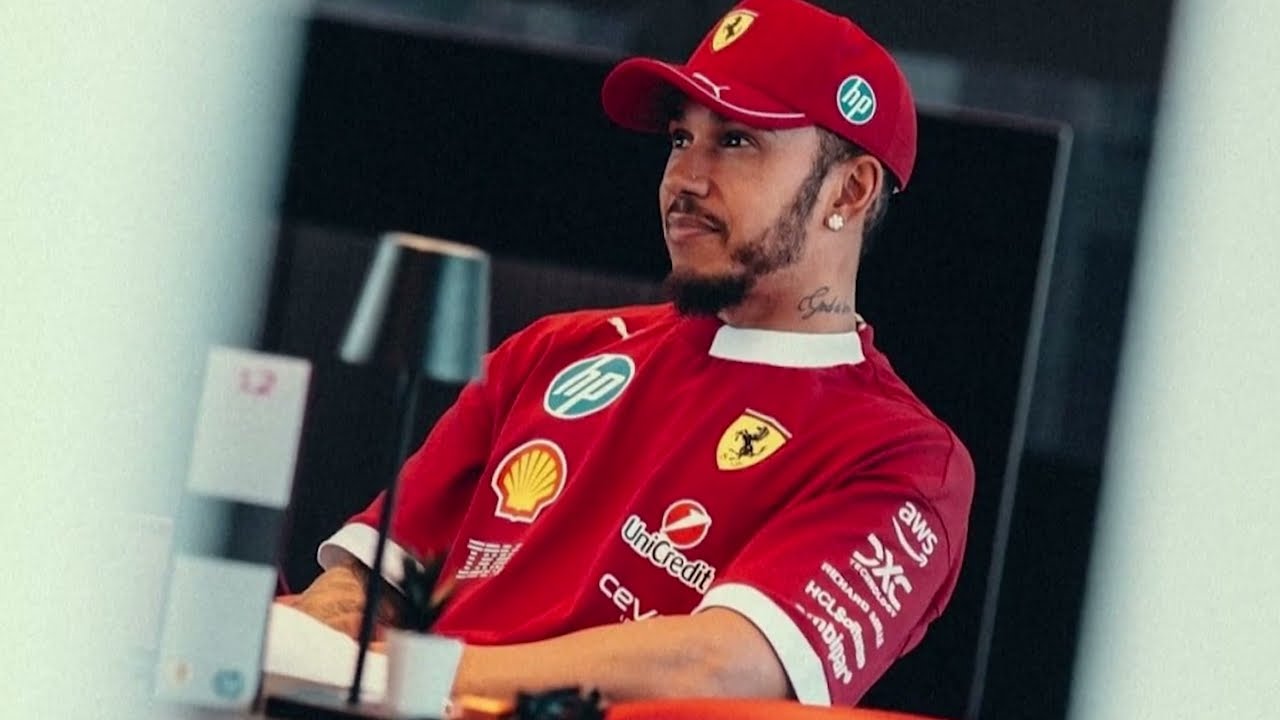
The Hamilton Factor: Reading Between the Lines
There was another subtle message sent at Fiorano, one that has nothing to do with engineering and everything to do with hierarchy. Lewis Hamilton drove the car first.
In the highly political ecosystem of Ferrari, these things are rarely accidental. Charles Leclerc has been the team’s “Golden Boy,” the chosen one nurtured by the Ferrari Driver Academy. Yet, it was the newcomer, the 41-year-old British legend, who was entrusted with the very first laps of the SF-26.
This isn’t a slight against Leclerc; rather, it’s a testament to the immense value Ferrari places on Hamilton’s experience. You don’t hand the keys of a brand-new, unproven machine to a driver unless you implicitly trust their feel and feedback. Hamilton’s initial run wasn’t about setting lap times; it was a systems check, a “housekeeping” run to ensure the baseline was solid. By putting him in the cockpit first, Team Principal Fred Vasseur is signaling that this partnership is a serious bid for the championship, utilizing every ounce of Hamilton’s veteran intuition to steer development from kilometer zero.
The Vasseur Doctrine: Evolution, Not Revolution
Speaking of Fred Vasseur, his demeanor throughout the launch and shakedown has been the most reassuring aspect of all. Emotional? Yes, he spoke with pride about what the team built. But panicked? Never.
Vasseur has been clear that the SF-26 seen at Fiorano is effectively an “A-spec” car. It was built to run, to gather data, and to establish a reliability baseline. He knows that titles aren’t won in January. The flashy, aggressive aerodynamic upgrades will come later, likely during the Bahrain tests or the first few races. Right now, the focus is on understanding the platform.
This conservative approach is a stark contrast to the “glass cannon” philosophy Ferrari has sometimes fallen victim to—building a fast car that is fragile or difficult to set up. By treating the Barcelona test (where they will skip the first day to analyze data) as a learning exercise rather than a glory run, Ferrari is showing a maturity that has been missing in recent campaigns.
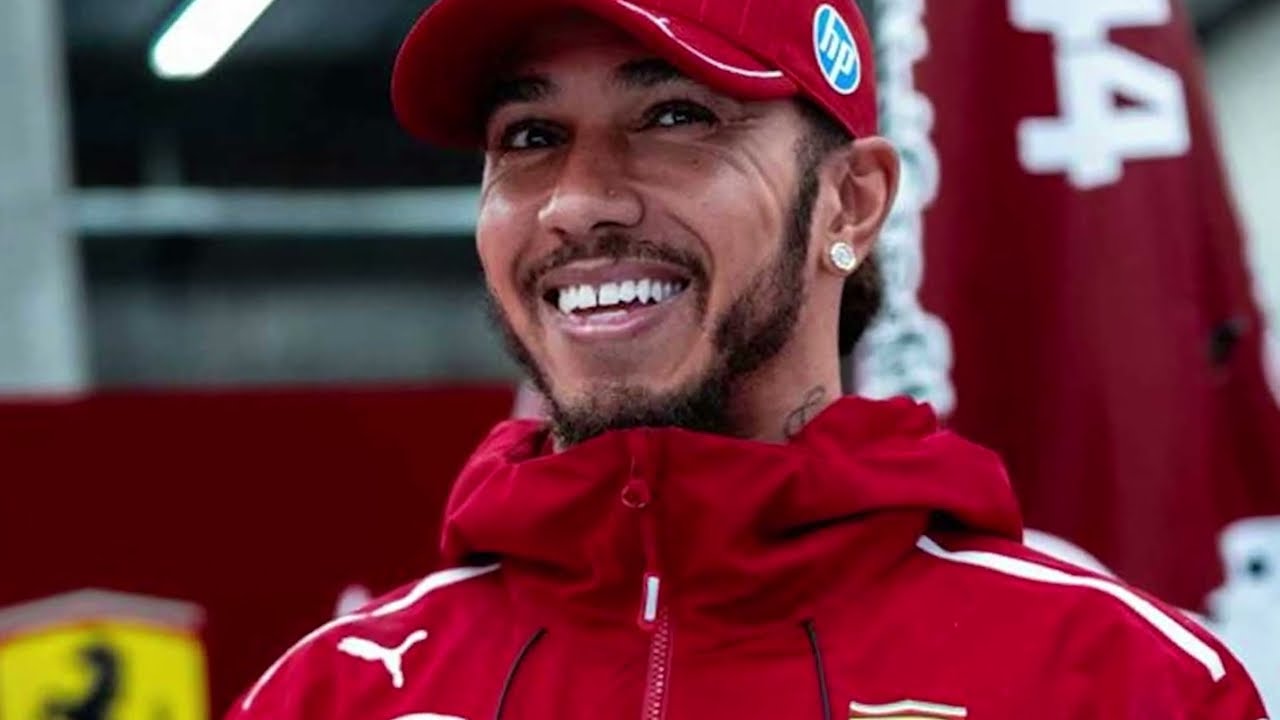
Reserved Hope
So, where does this leave us? Is Ferrari back?
It is dangerous to drink the Kool-Aid this early in the year. Red Bull won’t have forgotten how to design a race car overnight, and Mercedes thrives on regulatory resets. The SF-26 didn’t break down, and Ferrari didn’t trip over their own shoelaces, which is a victory in itself. But competence in January does not guarantee podiums in March.
However, there is a tangible shift in the atmosphere at Maranello. The organization feels calmer. The messaging is consistent. The pairing of Hamilton and Leclerc is arguably the strongest on the grid. For the first time in a long time, the chaos seems to be coming from the fans outside the fence, not the garage inside it.
As the team packs up the SF-26 for shipment to Spain, the Tifosi can breathe a sigh of relief. The car didn’t die; it was just taking a nap. And if Vasseur and Hamilton have their way, when it finally wakes up in Bahrain, it’s going to be a nightmare for everyone else.
News

Inside Shane Richie’s love life: Drug – fuelled orgy with six blondes; real reason he split from Coleen Nolan; six-year ‘affair with fan’
Inside Shane Richie’s love life: Orgy with six blondes; real reason he split from Coleen Nolan; six-year ‘affair with fan’ He’s popular with the ladies… Shane Richie…

SH0CKING REVELATI0N:A sh0cking behind-the-scenes secret revealed about Lizzie Rizzini, the woman replacing Carol Kirkwood on the 6pm weather bulletin
BBC viewers still reeling from the departure of Carol Kirkwood got another surprise last night when presenter Lizzie Rizzini appeared to flash her black lace stockings on…

HEARTBREAKING: Peter Andre’s Tearful Message to Son Junior After SHOCKING Revelation About How He Truly Feels Toward Mum Katie Price — Katie Price’s reaction scares fans.
Peter Andre’s emotional message to son Junior after it’s revealed how he really feels about mum Katie Pri… PETER Andre has shared an emotional message to his…

Ben Shephard opens up about the devastating health battle his wife is facing: “She wakes up crying every single morning…”
Inside This Morning Ben Shephard’s Life Including Rarely Seen Wife and Health Battle Ben Shephard is a name synonymous with British television, renowned for his engaging presentation…

🚨 LIVE TV HEARTBREAK: Good Morning Britain Host Announces ‘Devastating’ Dɘath of Guest Minutes Into Show
Viewers of Good Morning Britain were met with heartbreaking news just minutes into Friday’s (January 30) episode, as co-hosts Kate Garraway and Ranvir Singh reported the tragic…

Emmerdale legend Cain Dingle will never be the same again after a shock cancer diagnosis turns his world upside down
FROure Desk. Full Terms and conditions are available on the website http://www.itv.com/presscentre/itvpictures/terms Emmerdale wouldn’t be Emmerdale without the glowering, grunting embodiment of manliness that is Cain Dingle (Jeff Hordley) But…
End of content
No more pages to load






