The Formula 1 paddock is a place where silence often speaks louder than words, but this week in Barcelona, the noise coming from the Mercedes garage was deafeningly confident. As the dust settles on the fledgling pre-season testing for the revolutionary 2026 regulations, one narrative is dominating the headlines: Mercedes is back, and they look terrifyingly prepared.
For the past few years, the Silver Arrows have been the team playing catch-up, wrestling with “diva” cars, porpoising nightmares, and correlation issues that left their engineers scratching their heads. But the dawn of the 2026 era seems to have wiped the slate clean. The early evidence isn’t just good; it’s “ominous,” a word that is undoubtedly sending chills through the factories at Maranello and Milton Keynes.
The “Not a Turd” Relief
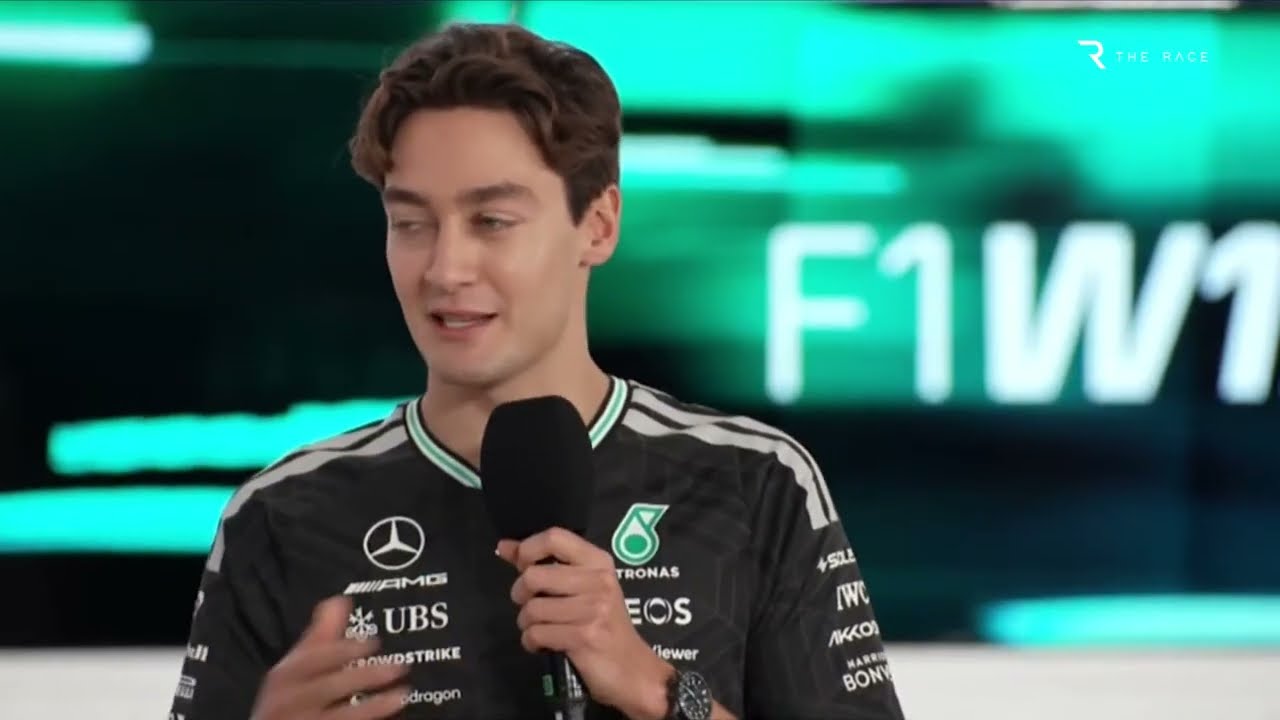
The tone of the week was set by a comment that was equal parts hilarity and immense relief. George Russell, quoting his team boss Toto Wolff, famously declared, “The new car is not a turd.”
While the phrasing was jovial, the subtext was deadly serious. For a team that has spent the better part of the ground-effect era (2022-2025) trying to fix fundamental flaws, simply having a car that behaves predictably is a game-changer. Wolff himself confirmed the sentiment, admitting that the team is “enthusiastic” and that “you wake up with more of a smile if your car is quick.”
This isn’t the false dawn of previous years. In 2022, Mercedes arrived with a radical design that looked fast but bounced its drivers into submission. In 2026, the mood is different. There are no frantic meetings to solve bouncing; there is no confusion between wind tunnel data and track reality. The car is doing exactly what it’s supposed to do. For the first time since their championship-winning year in 2021, Mercedes has a solid foundation, and that alone is a warning shot to the rest of the grid.
Dominance in the Data
If the vibes were good, the data was even better. Mercedes didn’t just turn up; they dominated the mileage charts. While other teams struggled with the teething problems expected of a brand-new engine formula—managing complex new battery systems and increased electrification—Mercedes ran like clockwork.
Trackside Engineering Director Andrew Shovelin delivered what can only be described as a magnificent “accidental brag.” He noted that Mercedes lost more time due to other teams causing red flags than any issues of their own. While rivals were patching their cars together with what technical director James Allison described as “bailing wire and tape,” Mercedes was busy crunching data.
This reliability is a weapon. In a new regulatory era, track time is gold. Every lap George Russell and rookie prodigy Kimi Antonelli completed was a data point that their rivals missed out on. It allowed them to move past basic system checks and start optimizing performance immediately—a luxury that Red Bull and Ferrari seemed to be chasing rather than enjoying.
The Simulator Correlation Breakthrough
Perhaps the most frightening aspect for the competition is the correlation between the virtual world and reality. For years, Mercedes suffered from a “disconnect”—the computer said the car was fast, but the stopwatch said otherwise.
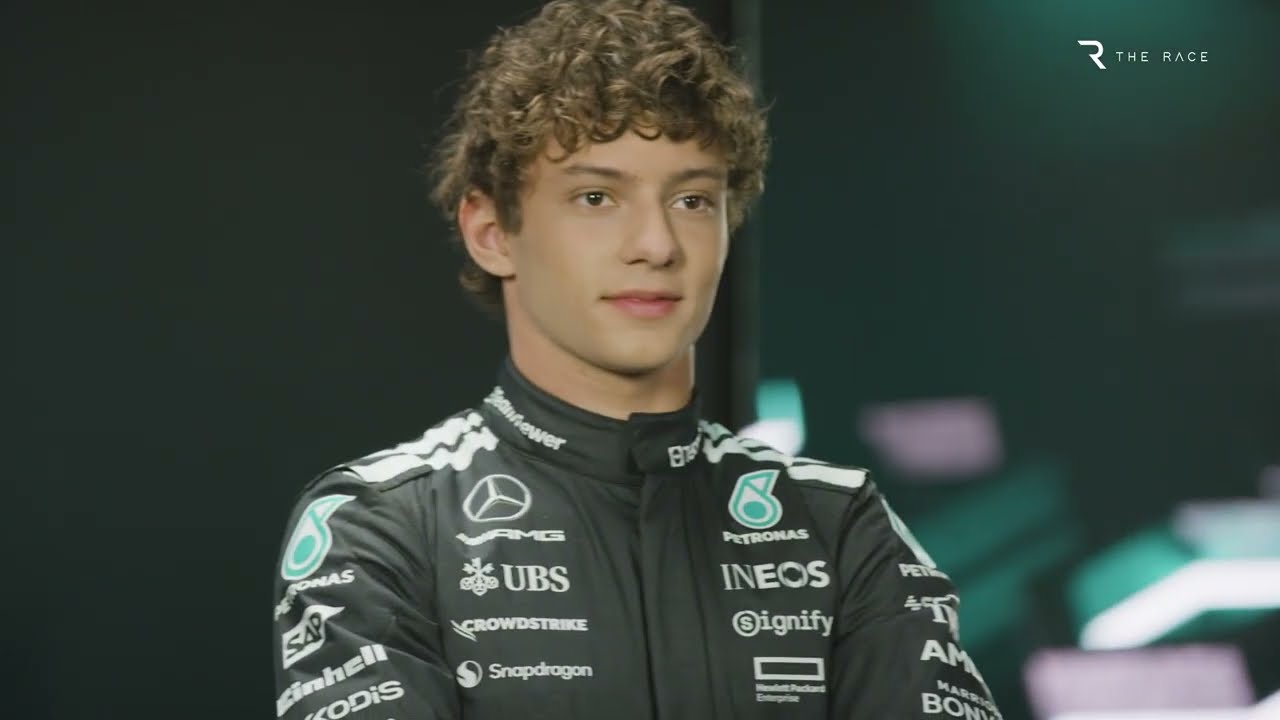
That curse appears to have been broken. Russell confirmed that the car on the track feels “broadly the same” as the one in the simulator. Even more promising, Antonelli remarked that the real car actually felt “quite a bit better” than its virtual counterpart. When your simulation tools are accurate, development speed skyrockets. You can test new parts virtually with confidence, meaning upgrades brought to the track will actually work. This was the superpower that fueled Mercedes’ eight-year dominance, and it looks like they have reclaimed it.
The Engine Controversy: “Get Your Sh*t Together”
Of course, it wouldn’t be a Formula 1 season opener without a juicy technical controversy. Rumors have been swirling for months that Mercedes found a loophole in the new engine regulations—specifically regarding compression ratios.
The theory is that Mercedes has found a way to run a higher compression ratio when the engine is running hot on track compared to when it is statically measured by the FIA. Rivals claim this offers a small but significant performance advantage and have allegedly been holding “secret meetings” and sending letters to the FIA to complain.
Toto Wolff’s response? Absolute defiance.
Refusing to play the diplomat, Wolff unleashed a scathing rebuke of his competitors. He insisted the Mercedes engine is fully legal and complies with every written regulation. Then came the haymaker: he suggested that rival teams should stop obsessing over Mercedes and focus on their own problems. “Get your sh*t together,” was the message, accusing them of inventing testing methods that don’t exist to try and outlaw a clever piece of engineering.
When Toto Wolff is this combative, it usually means one thing: he knows he’s winning. His dismissal of the complaints as merely “excuses before the season has even started” suggests a confidence that borders on arrogance—the kind of arrogance that only comes from having a rocket ship in the garage.
Drivers on the Attack
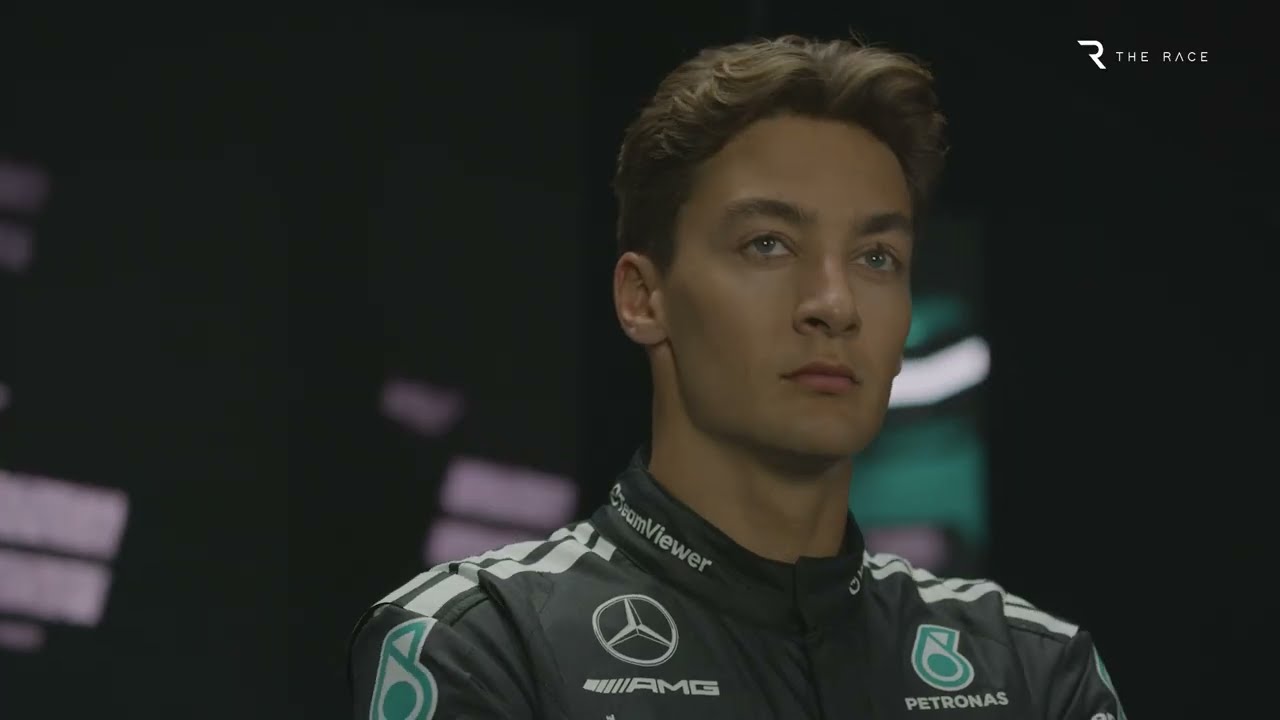
On the driving front, the body language of George Russell and Kimi Antonelli told its own story. There was a quiet restraint, a refusal to get too carried away publicly, but the underlying satisfaction was palpable.
Russell mentioned that he was able to “push the limits” of the car immediately. This is crucial. In a bad car, a driver spends the first few tests tiptoeing around, scared of a snap of oversteer or a sudden mechanical failure. Russell was attacking the kerbs from day one. He admitted that the test “exceeded expectations,” a phrase that, in the guarded world of F1 PR, is akin to shouting from the rooftops.
For Antonelli, the pressure of stepping into a top seat is immense, but the smooth running of the test has given him the best possible start. Instead of troubleshooting, he was learning energy management and tire behavior—essential skills for the complex 2026 formula which places heavy demands on driver strategy regarding battery deployment.
Is the Championship Already Over?
It is dangerous to crown a champion in February. Fuel loads are unknown, engine modes are hidden, and the “sandbagging” games are in full effect. Alpine’s Steve Nielsen rightly pointed out that we won’t know the true picture until the end of the Bahrain test.
However, the signs are unmistakable. In 2014, when the hybrid era began, Mercedes aced the regulations while others faltered, leading to years of uncontested dominance. The fear in the paddock is that history is repeating itself. Mercedes has the mileage, the reliability, the driver confidence, and potentially a “magic bullet” in their engine design.
They are the only team that seems to have hit the ground running without stumbling. While Ferrari and Red Bull will undoubtedly fight back, they are starting the race with a handicap. Mercedes isn’t just walking; they are sprinting while others are learning to tie their shoelaces.
As the F1 circus packs up and heads to Bahrain, the question isn’t “Who is fastest?”—it’s “How far ahead are they?” For the sake of a competitive season, fans will hope the gap is small. But if the smiles on the faces of Toto Wolff and George Russell are anything to go by, the rest of the grid might already be racing for second place.
The Empire hasn’t just struck back; it looks like they’ve built a new Death Star. And this time, they don’t plan on leaving any exhaust ports open.
News

Inside Shane Richie’s love life: Drug – fuelled orgy with six blondes; real reason he split from Coleen Nolan; six-year ‘affair with fan’
Inside Shane Richie’s love life: Orgy with six blondes; real reason he split from Coleen Nolan; six-year ‘affair with fan’ He’s popular with the ladies… Shane Richie…

SH0CKING REVELATI0N:A sh0cking behind-the-scenes secret revealed about Lizzie Rizzini, the woman replacing Carol Kirkwood on the 6pm weather bulletin
BBC viewers still reeling from the departure of Carol Kirkwood got another surprise last night when presenter Lizzie Rizzini appeared to flash her black lace stockings on…

HEARTBREAKING: Peter Andre’s Tearful Message to Son Junior After SHOCKING Revelation About How He Truly Feels Toward Mum Katie Price — Katie Price’s reaction scares fans.
Peter Andre’s emotional message to son Junior after it’s revealed how he really feels about mum Katie Pri… PETER Andre has shared an emotional message to his…

Ben Shephard opens up about the devastating health battle his wife is facing: “She wakes up crying every single morning…”
Inside This Morning Ben Shephard’s Life Including Rarely Seen Wife and Health Battle Ben Shephard is a name synonymous with British television, renowned for his engaging presentation…

🚨 LIVE TV HEARTBREAK: Good Morning Britain Host Announces ‘Devastating’ Dɘath of Guest Minutes Into Show
Viewers of Good Morning Britain were met with heartbreaking news just minutes into Friday’s (January 30) episode, as co-hosts Kate Garraway and Ranvir Singh reported the tragic…

Emmerdale legend Cain Dingle will never be the same again after a shock cancer diagnosis turns his world upside down
FROure Desk. Full Terms and conditions are available on the website http://www.itv.com/presscentre/itvpictures/terms Emmerdale wouldn’t be Emmerdale without the glowering, grunting embodiment of manliness that is Cain Dingle (Jeff Hordley) But…
End of content
No more pages to load






