If you have been following Formula 1 for any significant amount of time, you know the rhythm of a pre-season test. The anticipation, the screens flickering with green sector times, and the inevitable chaotic stoppages. But the first test of the 2026 era at Barcelona felt profoundly different. It wasn’t just the brand-new chassis or the revolutionary engine regulations; it was the atmosphere. Shrouded in unprecedented secrecy, with heavy security, limited access, and a near-total blackout on live timing, the sport seemed to be holding its breath.
Yet, despite the “Iron Curtain” approach, the few days of running have been surprisingly revealing. What was intended to be a quiet shakedown for survival turned into a loud statement of competence. The 2026 cars aren’t just real; they are robust, radically different to drive, and essentially rewrite the playbook on what a Formula 1 car feels like.
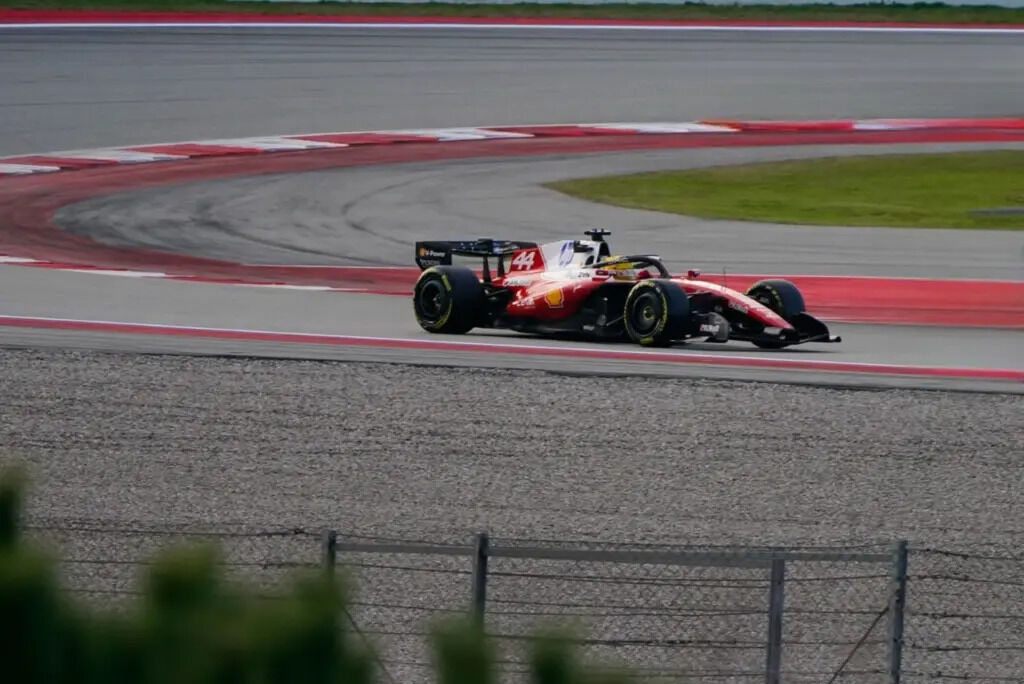
The Sound of Silence (and Survival)
The most striking aspect of this test wasn’t a lap time, but the absence of chaos. Historically, massive regulation overhauls—like those in 2014 or 2022—are accompanied by a symphony of failures: red flags, smoking engines, and cars stranded in the pit lane for hours. Barcelona 2026 was eerily calm.
Teams arrived better prepared than perhaps anyone anticipated. The focus was strictly on survival first, understanding second, and performance a distant third. This wasn’t a chase for headlines or glory runs; it was a scientific dissection of how these new machines interact with the asphalt outside of a simulator. Reliability was the star of the show, with confidence and basic understanding already creating a hierarchy among the teams.
The Mileage Kings: Mercedes and Ferrari Make a Statement
In the absence of meaningful lap times—which are currently obfuscated by heavy fuel loads and conservative engine modes—mileage became the true currency of the paddock. Mercedes, in particular, made an aggressive statement of intent. They were the first out of the pits and ran both drivers extensively, signaling a terrifyingly high level of confidence in their basic package. To log that many laps so early in a new cycle suggests they aren’t fixing problems; they are already refining solutions.
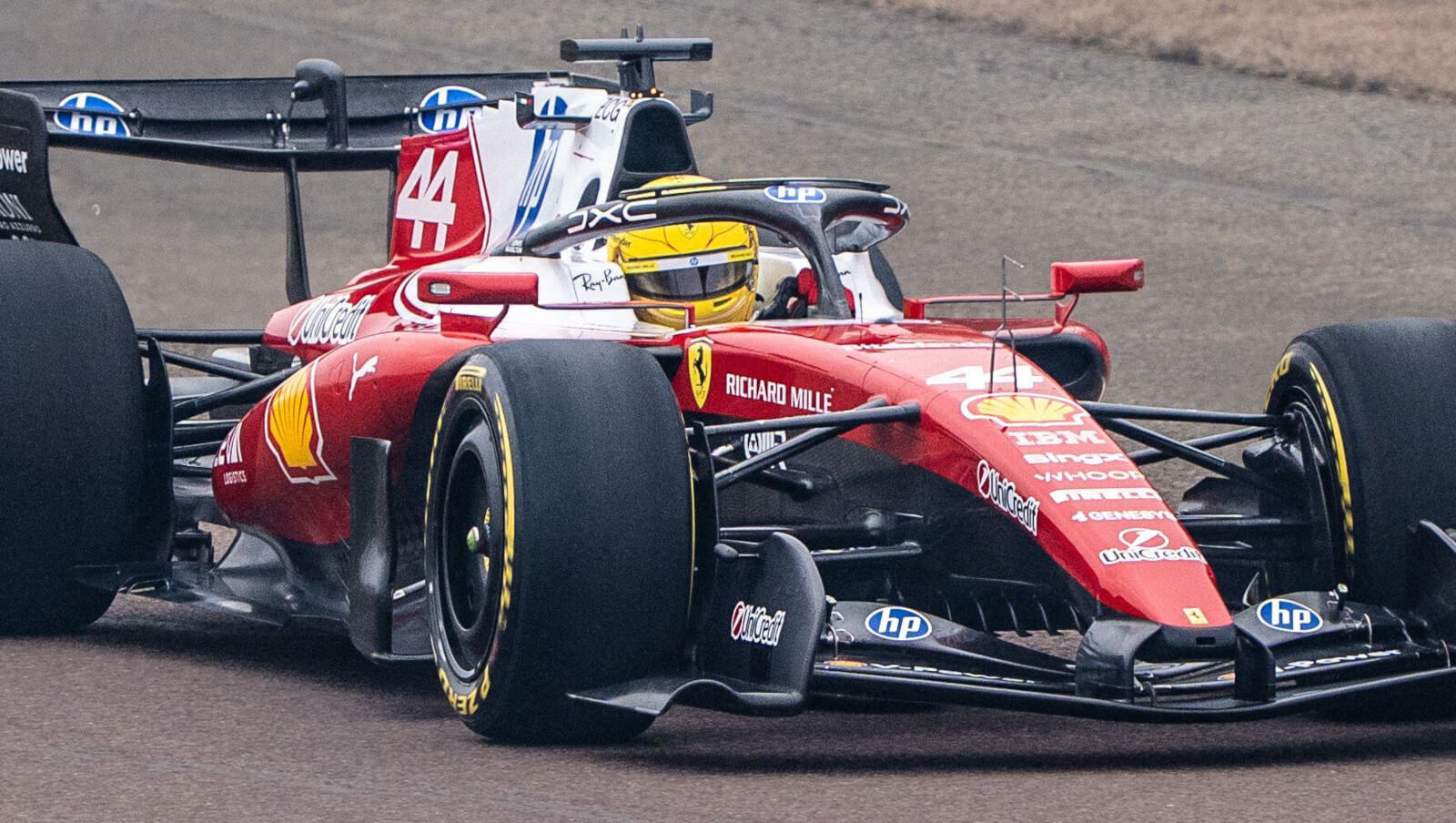
They weren’t alone. The Ferrari engine, powering both the works team and customers like Haas, looked incredibly robust. Esteban Ocon, putting in an enormous lap count, proved that the new Maranello power unit architecture is not just alive, but durable. In a testing week where “not fighting fires” is considered a victory, Ferrari seems to have started on the front foot. Even Red Bull walked away quietly satisfied, with youngster Isack Hadjar clocking serious mileage and hinting that the car is behaving well enough to be leaned on.
Of course, not everyone escaped the teething pains. Audi, facing the monumental task of entering as a new manufacturer, suffered technical issues that limited their running—a frustrating but expected “on-brand” hurdle for a newcomer. Cadillac, treating the week as an extended shakedown, accepted their position off the pace as they focused on cleaning up their operations.

“The Quickest Cars I’ve Ever Seen”: The Driver’s Verdict
The most fascinating intel, however, came from the cockpit. The 2026 regulations have fundamentally altered the driving DNA of Formula 1, and the drivers are the first to feel it. The headline-grabbing feedback came from Mercedes’ George Russell, who dropped a bombshell about the sensation of speed.
“These are the quickest cars I’ve ever seen go past on the main straight,” Russell remarked. It’s a comment that seems to contradict the slower overall lap times on the timing sheets, but it highlights a crucial reality: the sensation of speed is intense. Russell noted that the smaller dimensions and lighter weight were immediately palpable, making the car feel more agile and responsive—a sharp contrast to the heavy, boat-like feel of the previous generation.
However, the transition isn’t seamless for everyone. Sergio Perez described the experience as “massively different,” underscoring the steep learning curve required to master these machines. The power delivery, now split almost evenly between the internal combustion engine and the battery, forces drivers to constantly manage deployment, harvesting, and braking. It’s a mental load as much as a physical one.
Liam Lawson was refreshingly honest, admitting he wasn’t fully “on top of” the demands of the new car yet, but offered a glimmer of hope for racing purists: he feels there is significantly more room for the driver to make a difference. If true, the 2026 regulations could see a return to an era where driver skill, adaptability, and decision-making outweigh pure engineering dominance.
The Technical Reality: Flashing Lights and Energy Wars
Visually, the cars offered clues to the strategic battles ahead. Observers noted that the rear derating lights—warning lights that indicate a car is harvesting energy or not at full power—were flashing almost constantly. In previous years, these were rare sights limited to heavy braking zones. Now, they are ubiquitous, even in high-speed sections.
This confirms that the 2026 cars are insatiably energy-hungry. Managing the battery isn’t a side quest; it is the main game. Drivers are going to be engaged in a perpetual balancing act of harvesting and deploying, trying to avoid becoming a “sitting duck” on the straights while ensuring they have enough punch for the corners. This dynamic promises to reshape racing strategy entirely.
A Missed Opportunity?
Despite the technical fascination, a cloud hung over the test: the secrecy. By locking out fans, cutting live feeds, and treating the event like a covert military operation, Formula 1 may have missed a golden opportunity. Instead of celebrating the dawn of a new era and educating the fanbase on these complex new machines, the sport created unnecessary tension.
The cars ran well, the sound was better than feared (louder and less “alien” than rumors suggested), and the action was plentiful. It could have been a global showcase. Instead, it was a closed-door experiment.
As the paddock packs up and heads toward the next session, one thing is clear: the 2026 cars are not just a regulation change. They are a revolution. They are faster in a straight line, trickier to manage, and potentially more rewarding for the brave. The lap times might look slow today, but make no mistake—the speed is there, waiting to be unleashed.
News

Inside Shane Richie’s love life: Drug – fuelled orgy with six blondes; real reason he split from Coleen Nolan; six-year ‘affair with fan’
Inside Shane Richie’s love life: Orgy with six blondes; real reason he split from Coleen Nolan; six-year ‘affair with fan’ He’s popular with the ladies… Shane Richie…

SH0CKING REVELATI0N:A sh0cking behind-the-scenes secret revealed about Lizzie Rizzini, the woman replacing Carol Kirkwood on the 6pm weather bulletin
BBC viewers still reeling from the departure of Carol Kirkwood got another surprise last night when presenter Lizzie Rizzini appeared to flash her black lace stockings on…

HEARTBREAKING: Peter Andre’s Tearful Message to Son Junior After SHOCKING Revelation About How He Truly Feels Toward Mum Katie Price — Katie Price’s reaction scares fans.
Peter Andre’s emotional message to son Junior after it’s revealed how he really feels about mum Katie Pri… PETER Andre has shared an emotional message to his…

Ben Shephard opens up about the devastating health battle his wife is facing: “She wakes up crying every single morning…”
Inside This Morning Ben Shephard’s Life Including Rarely Seen Wife and Health Battle Ben Shephard is a name synonymous with British television, renowned for his engaging presentation…

🚨 LIVE TV HEARTBREAK: Good Morning Britain Host Announces ‘Devastating’ Dɘath of Guest Minutes Into Show
Viewers of Good Morning Britain were met with heartbreaking news just minutes into Friday’s (January 30) episode, as co-hosts Kate Garraway and Ranvir Singh reported the tragic…

Emmerdale legend Cain Dingle will never be the same again after a shock cancer diagnosis turns his world upside down
FROure Desk. Full Terms and conditions are available on the website http://www.itv.com/presscentre/itvpictures/terms Emmerdale wouldn’t be Emmerdale without the glowering, grunting embodiment of manliness that is Cain Dingle (Jeff Hordley) But…
End of content
No more pages to load






