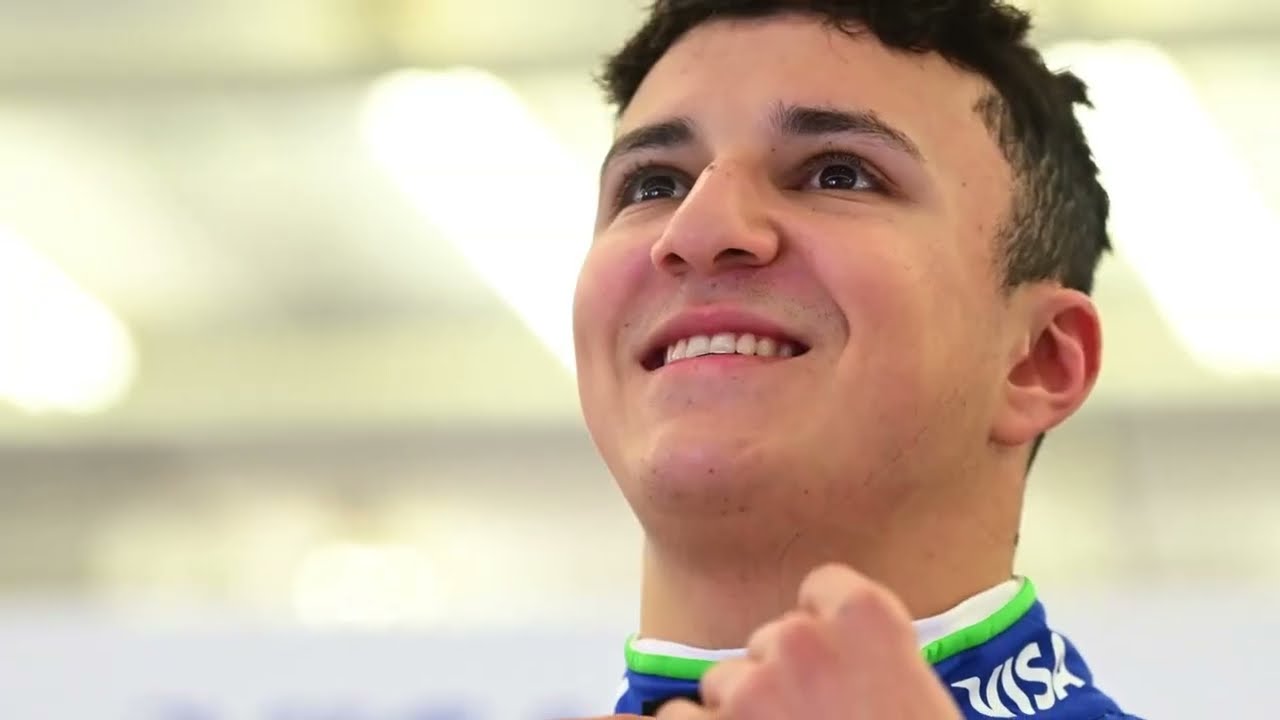
The air in the Circuit de Barcelona-Catalunya pit lane was thick with anticipation this morning, but as the garage doors rolled up at Red Bull Racing, that anticipation turned into a collective gasp of disbelief. Pre-season testing is often a game of smoke and mirrors, but there was no hiding the sheer audacity of the new RB22. As the car, piloted by Isack Hadjar for its initial installation laps, roared onto the tarmac, it became immediately clear: Red Bull has not just pushed the envelope for the 2026 season; they have shredded it.
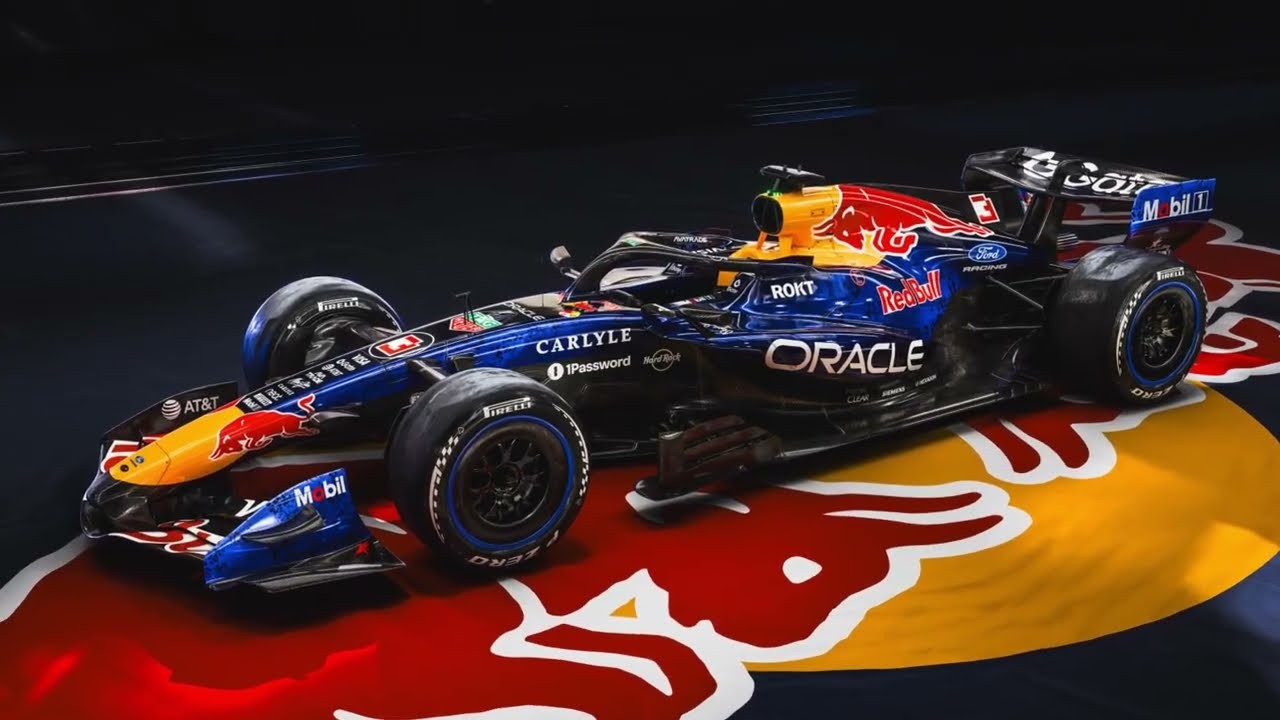
While the world champion, Max Verstappen, watched intently from the cool shadows of the garage, the technical community outside was set ablaze. The focus of this fervor? The RB22’s sidepods—or rather, the lack thereof. In a move that creates a stark visual contrast to the grid, the Milton Keynes-based team has unveiled a challenger with bodywork so tightly packaged it borders on the impossible, signaling a massive strategic gamble that could define the coming era of Formula 1.
The “Impossible” Slimness: A Visual Shock
When the RB22 finally broke cover, the immediate reaction from rival engineers and trackside analysts was one of genuine surprise. In an era where the 2026 regulations were expected to force teams into bulkier designs to accommodate complex new hybrid systems, Red Bull has gone the opposite direction.
The sidepods are described as “super tight,” featuring an extremely small frontal cross-section that makes the chassis look incredibly slim, almost fragile, from certain angles. One prominent technical analyst in the paddock likened the tapering bodywork to a more extreme, “tightened up” version of previous Mercedes concepts—but taken to a level previously thought unviable under the new rules.
The most striking feature is the air intake area. While competitors have opted for generous, gaping maws to gulp in cooling air, Red Bull has shrunk their inlets to a size that seems barely sufficient. It is a design philosophy that screams aerodynamic efficiency. By minimizing the opening, they drastically reduce drag, allowing the car to slice through the air with less resistance. However, this comes at a terrifying potential cost: heat.
The Great Cooling Gamble
This design represents a pivotal fork in the road for the team. The 2026 regulations have shifted the thermal landscape of the cars significantly. While the internal combustion engine now requires slightly less cooling, the upscaled hybrid systems generate a massive amount of heat that must be rejected to prevent catastrophic failure.
Most teams, including the re-emerging Mercedes with Kimi Antonelli at the wheel, have respected this thermal threat. The Mercedes W17, the first car out on track this morning, sports generous air intakes and “outer ears,” signaling a conservative approach that prioritizes reliability above all else. Their strategy seems to be paying off early, with the German team logging nearly twice as many laps as anyone else in the first hour.
Red Bull, however, appears to be playing a different game entirely. They are betting that they can manage the thermal load without the aerodynamic penalty of large vents. This is a high-stakes poker game played at 200 miles per hour. If their calculations are correct, they will possess a significant aerodynamic advantage—more downforce, less drag, and faster lap times—that rivals simply cannot copy without redesigning their entire chassis. But if they have underestimated the cooling requirements, they could be facing a season of overheating engines, forced pit stops, and “opened up” bodywork that ruins their carefully crafted airflow.
Innovation in the Post-Newey Era
Questions have swirled around Red Bull’s ability to innovate following the departure of legendary designer Adrian Newey. The RB22 serves as a defiant answer. The car is bristling with novel technical solutions that suggest the team’s appetite for risk hasn’t diminished.
A key innovation spotted by sharp-eyed observers is the “Sidepod Cannon Exits.” These unique outlets, the first of their kind seen on a 2026 spec car, are not just simple vents for hot air. They appear designed to expel heat in a specific, energized stream that benefits the aerodynamics at the rear of the car. Instead of “dirty” waste air, Red Bull is using the cooling exhaust to generate downforce—a stroke of dual-purpose engineering brilliance.
Furthermore, the team has seemingly shifted the burden of cooling away from the sidepods and towards the center of the car. The RB22 features a noticeably larger airbox above the driver’s head, significantly different from previous iterations. This suggests a re-routing of ducts to feed the engine and hybrid systems from the centerline, allowing those sidepods to remain razor-thin. It is a complex, interconnected web of airflow management that relies on every single piece working in perfect harmony.
The Rivals: Safety vs. Aggression
The contrast between the top teams could not be starker. While Red Bull chases the jagged edge of performance, their sister team, Racing Bulls, has gone in the completely opposite direction with oversized intakes. Ferrari, set to debut their SF26 tomorrow, is reported to have a small air scoop but generous sidepods—a middle-ground compromise.
Red Bull stands alone in their aggression. The presence of an additional inlet on top of the sidepod—a feature they pioneered in 2025 to exploit high-pressure zones near the cockpit—remains, proving they are doubling down on their unique philosophy.
The paddock is buzzing with the phrase “risk versus reward.” Every bit of bodywork removed translates directly to lap time. In a fresh regulatory cycle where everyone starts from zero, having an inherent aerodynamic edge is the holy grail. But the new power units are untested in race conditions. The thermal demands of a cheeky qualifying lap are vastly different from a grueling 90-minute Grand Prix stuck in dirty air behind another car.

Championship Implications
For the fans watching at home, debating sidepod geometry might seem like granular technical nitpicking. But make no mistake: championships are won and lost in these millimeters. If Red Bull has found a “magic bullet” to run less cooling, they hold an ace card that Mercedes and Ferrari cannot easily counter. Redesigning a car’s cooling architecture is a massive undertaking that takes months—time that no team can afford to lose.
However, the specter of reliability looms large. If the RB22 starts cooking its internal components, Red Bull will be forced to cut holes in their beautiful bodywork, essentially adding drag and destroying the very advantage they worked so hard to create.
As the Barcelona sun climbs higher and the test continues until January 30th, every eye will be glued to the telemetry screens and the rear of that Red Bull. Will it keep running? Or will the heat of ambition prove too much for the machinery?
Max Verstappen, standing in the garage, knows the stakes better than anyone. He isn’t just watching a car; he’s watching the verdict on his title defense. The RB22 is a bold statement of intent—a declaration that even in a new era, Red Bull is not afraid to walk the tightrope between genius and disaster. Whether this gamble pays off or backfires spectacularly will be the story that defines the start of the 2026 Formula 1 season.
News

Inside Shane Richie’s love life: Drug – fuelled orgy with six blondes; real reason he split from Coleen Nolan; six-year ‘affair with fan’
Inside Shane Richie’s love life: Orgy with six blondes; real reason he split from Coleen Nolan; six-year ‘affair with fan’ He’s popular with the ladies… Shane Richie…

SH0CKING REVELATI0N:A sh0cking behind-the-scenes secret revealed about Lizzie Rizzini, the woman replacing Carol Kirkwood on the 6pm weather bulletin
BBC viewers still reeling from the departure of Carol Kirkwood got another surprise last night when presenter Lizzie Rizzini appeared to flash her black lace stockings on…

HEARTBREAKING: Peter Andre’s Tearful Message to Son Junior After SHOCKING Revelation About How He Truly Feels Toward Mum Katie Price — Katie Price’s reaction scares fans.
Peter Andre’s emotional message to son Junior after it’s revealed how he really feels about mum Katie Pri… PETER Andre has shared an emotional message to his…

Ben Shephard opens up about the devastating health battle his wife is facing: “She wakes up crying every single morning…”
Inside This Morning Ben Shephard’s Life Including Rarely Seen Wife and Health Battle Ben Shephard is a name synonymous with British television, renowned for his engaging presentation…

🚨 LIVE TV HEARTBREAK: Good Morning Britain Host Announces ‘Devastating’ Dɘath of Guest Minutes Into Show
Viewers of Good Morning Britain were met with heartbreaking news just minutes into Friday’s (January 30) episode, as co-hosts Kate Garraway and Ranvir Singh reported the tragic…

Emmerdale legend Cain Dingle will never be the same again after a shock cancer diagnosis turns his world upside down
FROure Desk. Full Terms and conditions are available on the website http://www.itv.com/presscentre/itvpictures/terms Emmerdale wouldn’t be Emmerdale without the glowering, grunting embodiment of manliness that is Cain Dingle (Jeff Hordley) But…
End of content
No more pages to load






