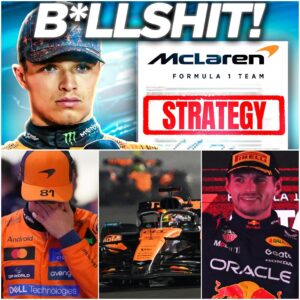
The Qatar Grand Prix was poised to be a crowning moment for McLaren. The papaya-colored cars had dominated the entire weekend. Oscar Piastri, the young Australian sensation, had been flawless, topping every single session: Sprint Qualifying, the Sprint Race, Grand Prix Qualifying, and leading the Grand Prix itself. Lando Norris was right there in the mix, sitting comfortably in third. The pace was undeniable, the setup was perfect, and a dominant 1-2 finish seemed not just possible, but probable.
And then came Lap 7. In a matter of seconds, a race that should have been a straightforward victory march transformed into a strategic catastrophe that left drivers furious, fans baffled, and the Formula 1 World Championship blown wide open.
The Decision That Changed Everything
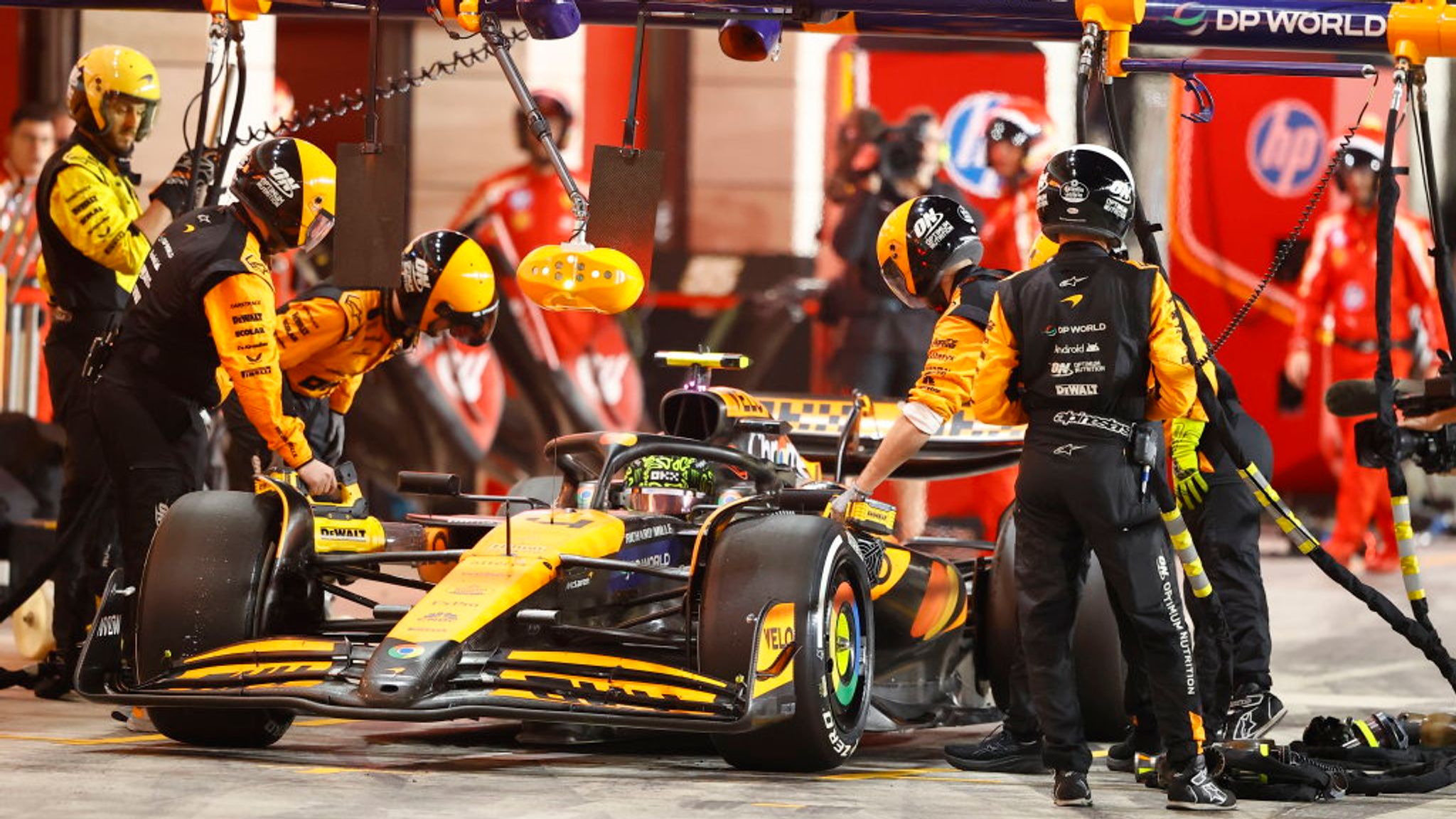
The turning point was triggered by a collision involving Nico Hülkenberg and Pierre Gasly, which scattered debris across the track and necessitated a Safety Car. With 50 laps still to run and the FIA mandating a strict 25-lap limit on tire stints for safety reasons, the timing was technically perfect for a pit stop. It was a “free” stop—an opportunity to swap fresh rubber without losing significant track time relative to the field.
Up and down the pit lane, strategists jumped into action. Red Bull Racing, known for their sharp tactical operations, didn’t hesitate for a second. They called Max Verstappen in from second place immediately. Mercedes followed suit with both George Russell and rookie sensation Kimi Antonelli. Ferrari brought Charles Leclerc in. Every serious contender seized the moment.
Every team, that is, except one.
In a baffling move that will be debated for years to come, McLaren left both Oscar Piastri and Lando Norris out on the track. They gambled on track position and superior pace, hoping to maintain flexibility for the remainder of the race. It was a decision that ignored the fundamental reality of the race situation: flexibility means nothing if you are stuck behind a rival on fresher tires who has already completed their mandatory stop.
“We Should Have Just Followed Him”
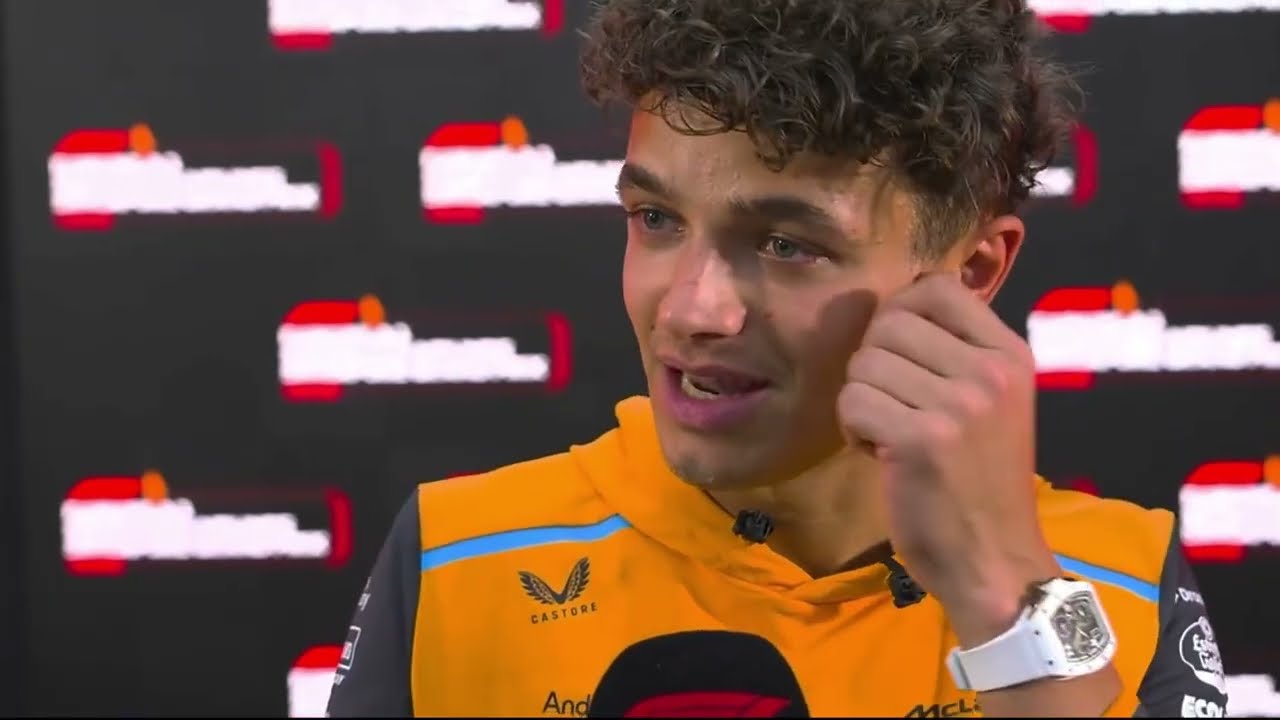
Inside the cockpit, the drivers realized the gravity of the mistake almost instantly. Lando Norris, possessing a racer’s instinct for strategy, questioned his race engineer, Will Joseph, with pointed frustration.
“We should have just followed him in,” Norris radioed, referring to Verstappen. When Joseph attempted to justify the call by claiming the other teams had lost “flexibility,” Norris shut it down. He knew the math didn’t add up. By staying out, McLaren had effectively handed the net lead—and the race win—to Max Verstappen.
The consequences were brutal. When the race resumed, Piastri drove with the desperation of a man trying to outrun a mathematical impossibility. He pushed his McLaren to the limit, setting purple sectors and competitive lap times, trying to build a gap large enough to pit and re-emerge ahead of the Red Bull. But the numbers were never on his side. Even after finally pitting, Piastri emerged only to find himself 10 seconds adrift of Verstappen.
The race was effectively over. Max Verstappen, a driver who needs no second invitation to win, controlled the proceedings with the calm assurance of a champion. He managed his tires, maintained the gap, and cruised to a victory that he likely never expected to take so easily. He crossed the line more than 12 seconds ahead of the man who had been faster than him all weekend.
A “Livid” Aftermath
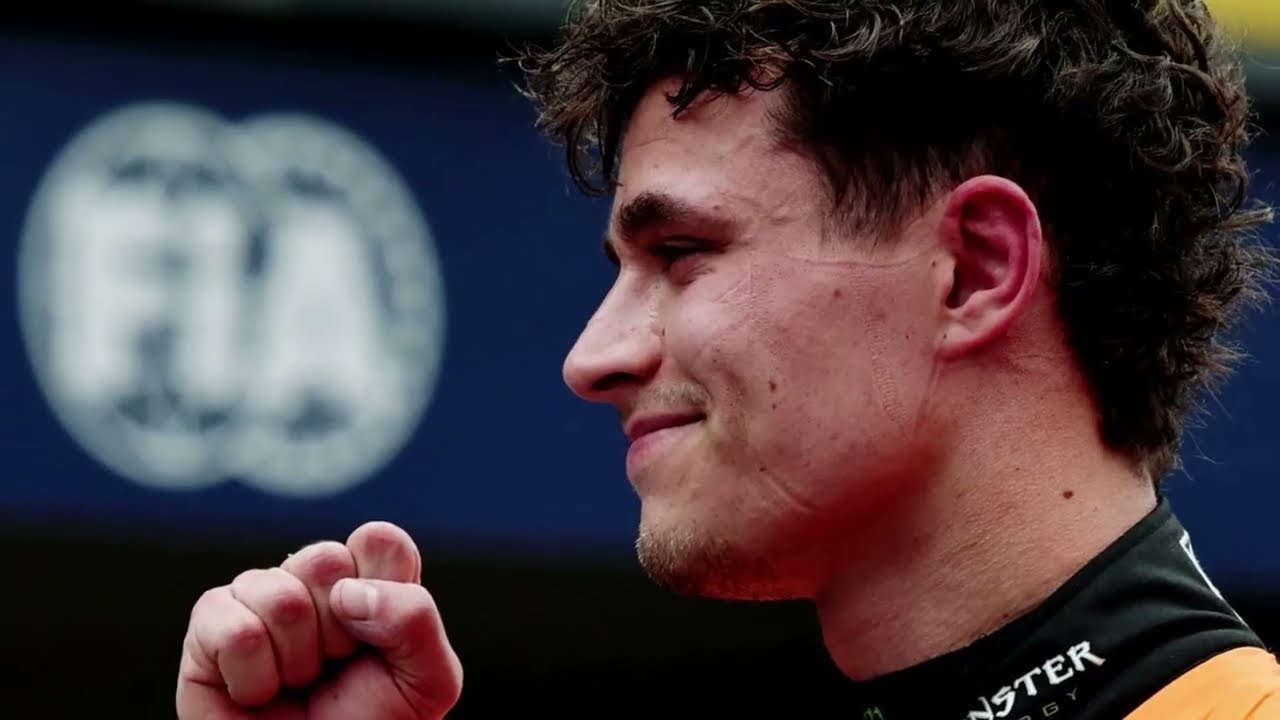
If the on-track action was painful, the post-race atmosphere was positively funereal. Oscar Piastri, usually the picture of calm and composure, was described by broadcasters as “livid.” His radio message immediately after crossing the finish line was chilling in its brevity: “I don’t have any words.”
Facing the media later, Piastri tried to maintain his professionalism, but the disappointment was etched on his face. “I drove the best race that I could. I tried my best. It just wasn’t to be tonight,” he said. But when pressed about the strategic call, his honesty cut through the PR speak.
“I think in hindsight it was pretty obvious what we should have done,” Piastri admitted. The use of the word obvious was damning. This wasn’t a complex, 50/50 judgment call where the data was ambiguous. It was, in his eyes and the eyes of the entire paddock, a fundamental error.
Lando Norris had an even worse afternoon. After the strategy blunder, he suffered a “wild moment” at Turn 14 that damaged his car, and then found himself mired in traffic after his eventual pit stop. He spent the closing stages of the race staring at the gearbox of Kimi Antonelli’s Mercedes, eventually salvaging a fourth-place finish only after the Mercedes ran wide with two laps to go. It was damage limitation on a day that should have been a triumph.
Silence at the Top
The shock within the team was palpable. Zak Brown, the charismatic CEO of McLaren Racing who is typically a fixture on Sky Sports broadcasts immediately after races, was nowhere to be found. The team informed broadcasters he wouldn’t be available until after the podium ceremony.
Ted Kravitz, reporting from the pit lane, described the mood as “shell-shocked.” This wasn’t just a bad day at the office; it was a self-inflicted wound of massive proportions. For the second weekend in a row, McLaren found themselves apologizing to their drivers. Just a week prior in Las Vegas, a technical oversight regarding skid blocks led to both cars being disqualified. Now, a strategic fumble had cost them a win.
The Championship: A Lead Evaporated
The implications of this error extend far beyond a single trophy. The Drivers’ Championship, which seemed to be tilting in Norris’s favor, has tightened dramatically.
In August, the gap between Norris and Verstappen was a daunting 104 points. Going into Qatar, Norris had whittled that down significantly. But thanks to this result—Verstappen taking maximum points while Norris finished fourth—the gap is now a mere 12 points.
Verstappen has clawed his way back into serious contention, not just through his own brilliance, but through the operational failures of his rivals. For Piastri, the personal cost is severe. He trails Norris by 16 points and is just four points behind Verstappen. He went from leading the race to finishing second, and his own title hopes, while mathematically alive, are fading fast.
“It’s a little bit tough to swallow at the moment,” Piastri summarized.
The Final Showdown
The Formula 1 circus now heads to Abu Dhabi for the season finale with three drivers still in the hunt. Lando Norris leads with 408 points, Max Verstappen has 396, and Oscar Piastri sits on 392.
Norris can still secure the title with a third-place finish in the final race, regardless of what his rivals do. But the momentum has shifted. Doubts have crept in. McLaren has proven they have the fastest car and arguably the best driver lineup on the grid. But they have also proven that they can crumble under pressure.
In Abu Dhabi, they face one final test. They have one race to prove they have learned from their mistakes. One race to show they can execute a strategy as well as they can build a car. One race to avoid being remembered as the team that had everything required to win a championship, yet still managed to lose it.
The pressure is on. And as Qatar showed, in Formula 1, a single decision can change the world.