In the high-octane world of Formula 1, fortunes change at the blink of an eye, but rarely do we see a transformation as dramatic—and potentially explosive—as the one currently unfolding at Alpine. For years, the French outfit has been the punchline of the paddock: a team defined by internal turmoil, a revolving door of management, and a steady decline in competitiveness. Heading into 2026, the consensus among fans and pundits was grim. Many predicted Alpine would anchor the grid, a fallen giant limping along on past glories.
But hold your horses, because the narrative has just shifted. Drastically.
After a winter of discontent, the Enstone-based squad has emerged from the shadows with a swagger that suggests they know something we don’t. Following a secret shakedown at Silverstone and a swirl of high-stakes ownership rumors involving one of the sport’s most polarizing figures, Alpine is suddenly the team everyone is talking about. Here is everything you need to know about F1’s potential surprise package of 2026.
The “Miracle” in the Rain
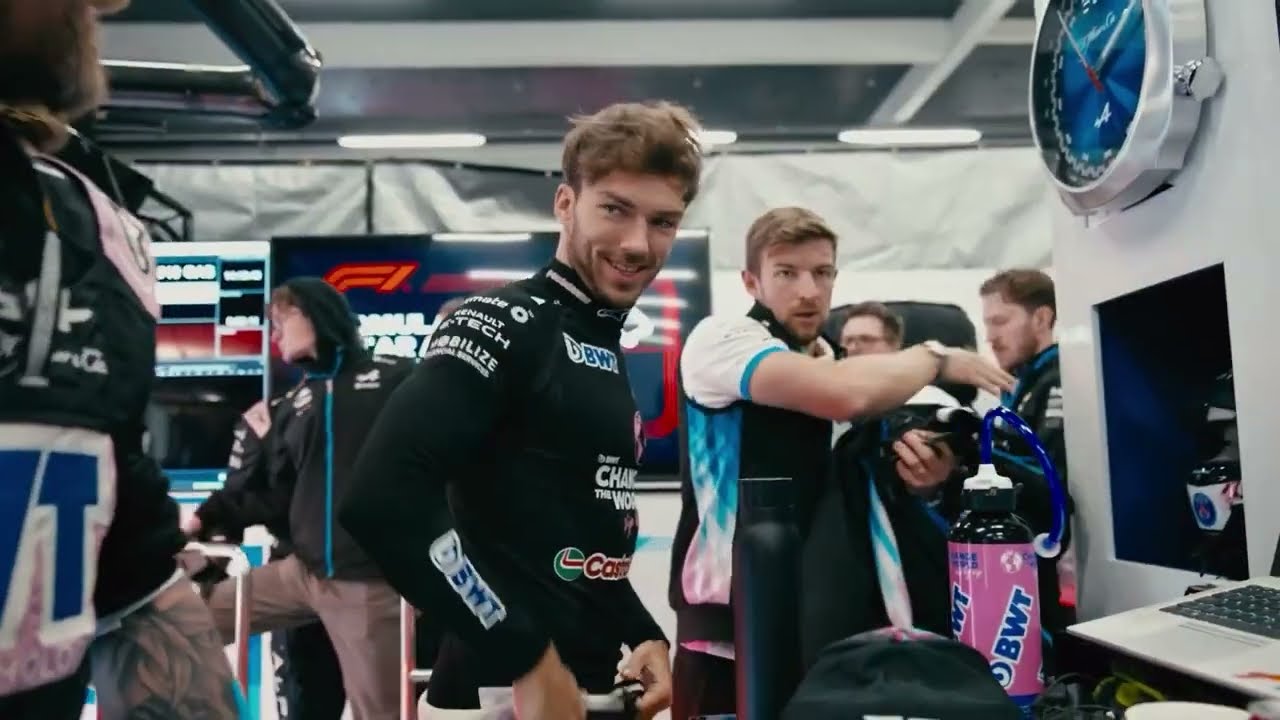
The first sign that the winds of change were blowing came last Wednesday at Silverstone. The team rolled out their new challenger, the A526, for its initial shakedown. The conditions? Atrocious. A complete washout. Typically, these are the days when struggling teams hide in the garage, plagued by teething issues, oil leaks, and sensor failures.
Not this time.
Against all odds, Pierre Gasly piloted the new machine for 140 kilometers without a single hiccup. The team only stopped because it got too dark to see, not because the car failed. In the world of F1 testing, “boring” is synonymous with “perfect,” and this test was beautifully boring.
Flavio Briatore, the controversial figure brought back to steer the ship, noted the unusual atmosphere in the garage. “The silence… it was a positive,” he remarked. “Normally, they have the oil pressure sensor or temperature problem and talk over the radio. But everybody was quiet. When people are not talking, we’re doing well.”
For a team that was literally the worst performing constructor just a year prior—scoring a dismal 22 points in 2025—this level of out-of-the-box reliability is a massive statement of intent.
The Mercedes Masterstroke
So, what changed? The elephant in the room—or rather, the beast under the engine cover—is the power unit.
In a move that hurt French pride but saved the team’s future, Renault made the agonizing decision to shut down their Viry-Châtillon engine department. For 2026, Alpine is no longer a works team manufacturing its own heart; they are a customer team. And their supplier? None other than Mercedes.
This is a game-changer. Alpine has traded the grid’s worst power unit for what is widely expected to be the benchmark of the new regulations. While Alpine engineers don’t get to see the proprietary tech inside the Mercedes engine (Mercedes personnel handle the running of the unit), they benefit from the “plug-and-play” reliability that comes with it.
The Mercedes works team also completed their maximum 200km shakedown at Silverstone, meaning the data pool for this engine is already vast. For Alpine, this reliability is gold dust. It allows them to focus purely on chassis dynamics and aerodynamics, knowing that when they hit the loud pedal, the car will actually go.
The Christian Horner Bombshell
If the on-track resurgence wasn’t enough to grab headlines, the off-track political drama is positively volcanic.
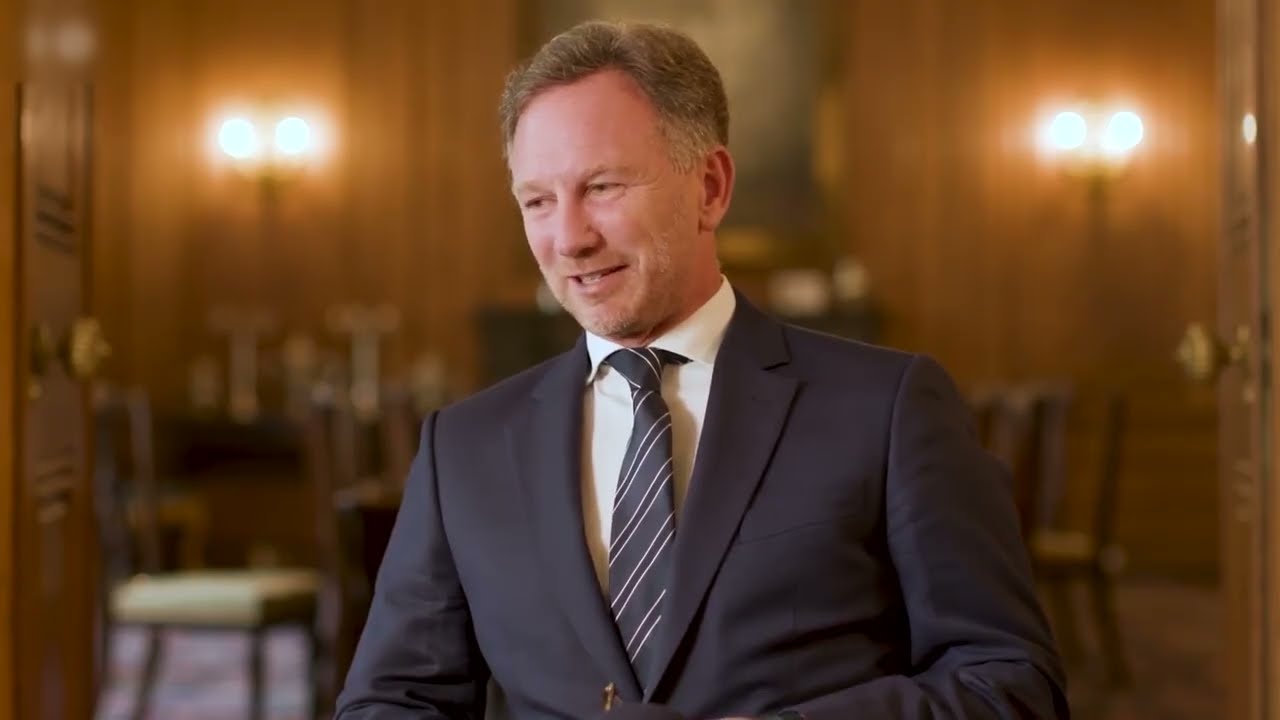
Rumors have been swirling for months about the return of Christian Horner. Since his departure from Red Bull, the man who architected one of the sport’s most dominant dynasties has been looking for a way back in. But Horner doesn’t just want a job; he wants an empire.
Insiders report that Horner is linked to a group of investors currently in “serious talks” to purchase a stake in Alpine. Specifically, they are eyeing the 24% share currently held by Otro Capital.
Why Alpine? Because it presents the perfect vessel for Horner’s ambitions. He has reportedly made it clear privately that if he returns, he wants full control—a position senior to a Team Principal, accompanied by a significant shareholding. He wants to build a team in his own image, much like he did at Red Bull.
Briatore himself confirmed the buzz, admitting that “serious talks” are happening. “Every day is a new group… serious talks were happening with Horner,” the Italian veteran stated. While he clarified that the negotiations are primarily with the shareholders (Otro Capital and Renault Group) and not him directly, the smoke is getting too thick to ignore.
A New Super-Team in the Making?
Connect the dots, and the picture for 2027 and beyond is tantalizing. Imagine a team with the chassis expertise of Enstone, the unrivaled power of a Mercedes engine, and the ruthless, winning mentality of Christian Horner at the helm.
It’s a recipe that could transform a midfield straggler into a title contender.
Of course, deals in F1 are complex and precarious. Renault still holds the majority 76% stake, and they would need to be willing to cede the level of control Horner demands. But money talks, and with F1 team valuations skyrocketing (Ferrari is now estimated at $6.5 billion), cashing out or bringing in a heavy-hitter to increase the asset’s value might be an attractive proposition for the French manufacturer.
The Verdict
For now, Alpine fans can breathe a sigh of relief. The embarrassments of 2025 seem to be in the rearview mirror. The car works, the engine is a beast, and the drivers are smiling.
Whether they become the “Christian Horner F1 Team” remains to be seen, but one thing is certain: Alpine is no longer the dead weight of the grid. They are the team to watch, and for the first time in a long time, the world is watching with anticipation rather than pity.
Buckle up. The 2026 season hasn’t even started, and Alpine is already winning the news cycle.
News

Inside Shane Richie’s love life: Drug – fuelled orgy with six blondes; real reason he split from Coleen Nolan; six-year ‘affair with fan’
Inside Shane Richie’s love life: Orgy with six blondes; real reason he split from Coleen Nolan; six-year ‘affair with fan’ He’s popular with the ladies… Shane Richie…

SH0CKING REVELATI0N:A sh0cking behind-the-scenes secret revealed about Lizzie Rizzini, the woman replacing Carol Kirkwood on the 6pm weather bulletin
BBC viewers still reeling from the departure of Carol Kirkwood got another surprise last night when presenter Lizzie Rizzini appeared to flash her black lace stockings on…

HEARTBREAKING: Peter Andre’s Tearful Message to Son Junior After SHOCKING Revelation About How He Truly Feels Toward Mum Katie Price — Katie Price’s reaction scares fans.
Peter Andre’s emotional message to son Junior after it’s revealed how he really feels about mum Katie Pri… PETER Andre has shared an emotional message to his…

Ben Shephard opens up about the devastating health battle his wife is facing: “She wakes up crying every single morning…”
Inside This Morning Ben Shephard’s Life Including Rarely Seen Wife and Health Battle Ben Shephard is a name synonymous with British television, renowned for his engaging presentation…

🚨 LIVE TV HEARTBREAK: Good Morning Britain Host Announces ‘Devastating’ Dɘath of Guest Minutes Into Show
Viewers of Good Morning Britain were met with heartbreaking news just minutes into Friday’s (January 30) episode, as co-hosts Kate Garraway and Ranvir Singh reported the tragic…

Emmerdale legend Cain Dingle will never be the same again after a shock cancer diagnosis turns his world upside down
FROure Desk. Full Terms and conditions are available on the website http://www.itv.com/presscentre/itvpictures/terms Emmerdale wouldn’t be Emmerdale without the glowering, grunting embodiment of manliness that is Cain Dingle (Jeff Hordley) But…
End of content
No more pages to load






