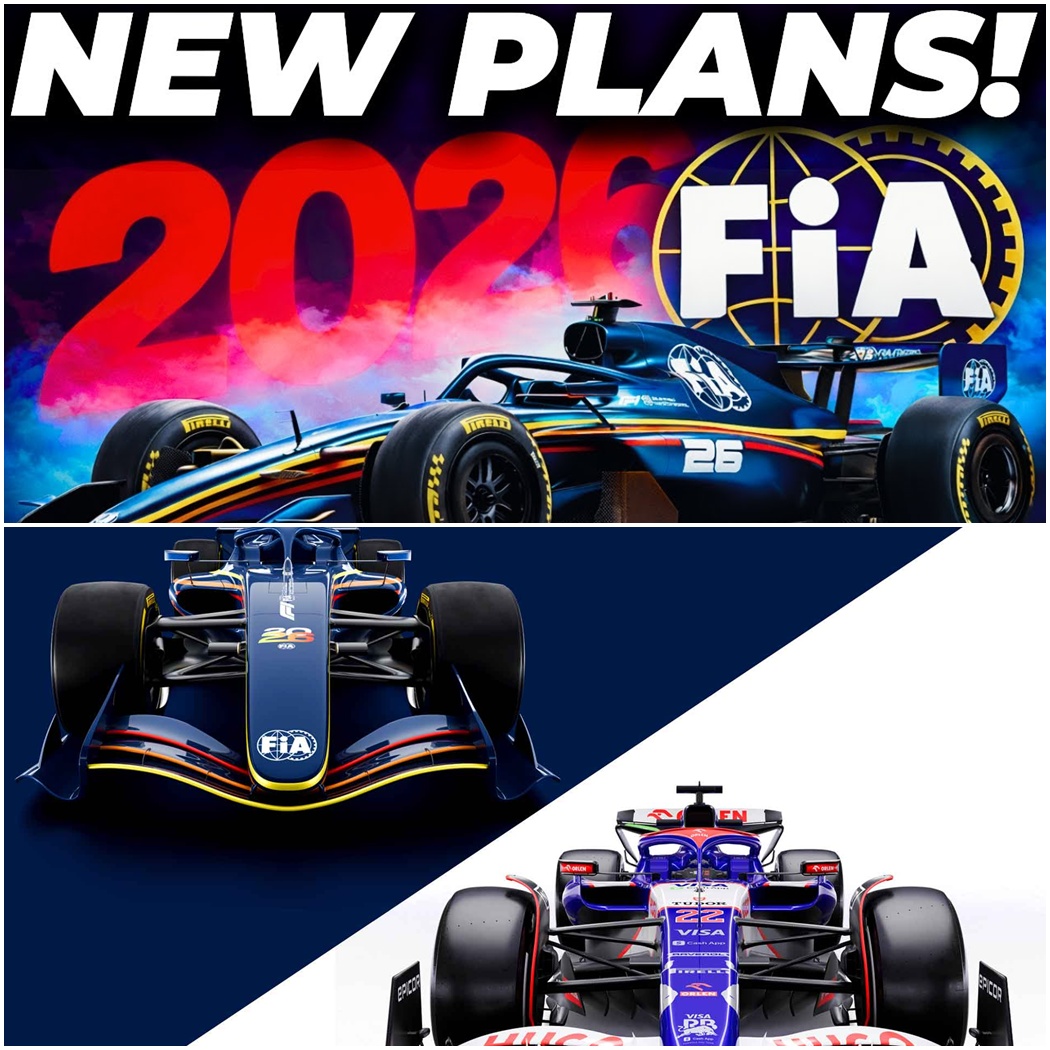
Formula 1’s 2026 Revolution: Inside the Radical New Rules Set to Shock the Racing World
Formula 1 is standing on the precipice of its most dramatic transformation in decades. While the dust from recent seasons has barely settled, the sport is already hurtling toward March 2026—a date that marks the moment everything we know about Grand Prix racing will fundamentally change. This isn’t just another minor adjustment to the rulebook; it is a complete reinvention of the sport, touching every aspect of how cars are designed, powered, and raced.
For years, a common complaint among fans and drivers alike has been the “bloating” of F1 cars. Since the hybrid era began in 2014, machines have grown increasingly heavy and cumbersome. The 2026 regulations aim to kill that trend with the “Nimble Car” concept. The FIA is mandating a weight drop of 30kg, targeting a minimum weight of 724kg. Furthermore, the cars will be physically smaller, with the wheelbase shrinking by 200mm and the width contracting by 100mm. These changes represent a deliberate move to bring back the agility that once defined the pinnacle of motorsport.
The aerodynamic shift is even more staggering. Total downforce is set to plummet by 30%, while drag will collapse by approximately 55%. Nicholas Tombazis, the FIA single-seater director, noted that while the 2022 rules helped cars follow each other, that benefit has decayed over time. The 2026 rules aim for an unprecedented 90% downforce retention for following cars—the highest in modern history. To achieve this, F1 is introducing active aerodynamics. The familiar DRS (Drag Reduction System) that has defined overtaking since 2011 is being retired. In its place comes a sophisticated system of movable front and rear wing flaps with two distinct settings: “Straight Mode” for speed and “Corner Mode” for downforce.
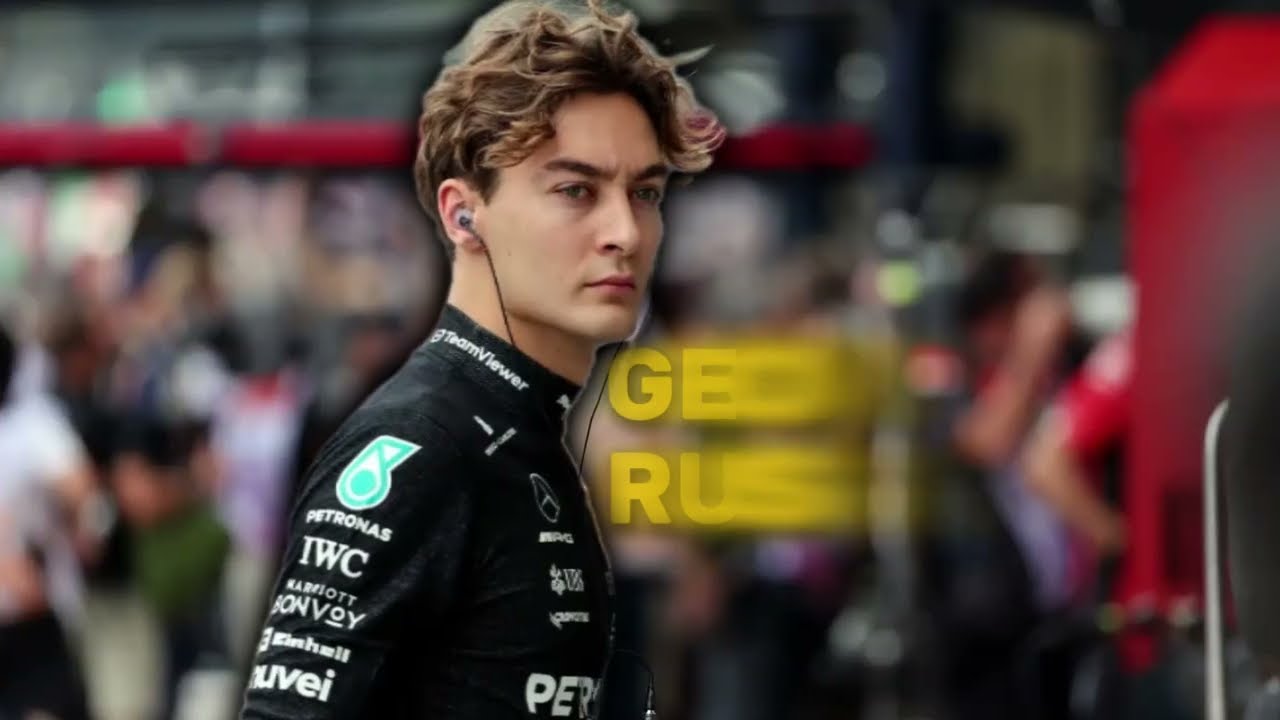
Overtaking is being completely reimagined through a new “Overtake Mode.” Instead of just opening a wing flap, drivers within one second of a rival will receive a massive 0.5-megajoule electrical energy boost. This creates a tactical “power surge” that can be deployed strategically. The lead car’s power will taper off at high speeds, while the chaser maintains full deployment, creating a speed differential designed to facilitate genuine, heart-pounding passes. George Russell has already predicted that this could lead to overtakes in “obscure locations” where passing was previously deemed impossible.
Under the hood, the revolution continues with a massive shift in power balance. Current power units derive about 80% of their power from the internal combustion engine (ICE). In 2026, that ratio flips to a 50/50 split between the engine and electrical systems. Battery power is set to increase by a staggering 300%. This shift removes the complex MGU-H system to reduce costs, placing the emphasis on the MGU-K generator. This change will test a driver’s “brain capacity,” as Williams driver Alex Albon puts it. Drivers will need to manage energy recovery and deployment with extreme precision, often lifting off the throttle early to “harvest” energy for the next big push.
Sustainability is also at the heart of this new era. For the first time, every car on the grid will run on 100% advanced sustainable fuels. These aren’t just “greenwashed” alternatives; they are rigorously audited fuels derived from non-food biomass and municipal waste. This commitment to the environment has already paid off by attracting a new generation of manufacturers. The 2026 grid will see the return of Honda (partnering with Aston Martin), the entry of Audi, and the arrival of Cadillac as the 11th team on the grid.
Safety remains the FIA’s relentless mission. The 2026 cars will feature revised front impact structures and increased side intrusion protection. Roll hoop loads are being increased significantly to protect drivers in the event of a flip, and new lateral safety lights will identify the electrical status of a car to help marshals handle vehicles safely after an accident.
To make these complex changes accessible to the public, F1 has even overhauled its terminology after consulting with a 50,000-strong fan community. Technical jargon like “X-mode” has been replaced with intuitive terms like “Straight Mode,” “Corner Mode,” and “Boost Mode.”
As we look toward 2026, the question isn’t just whether the sport will change, but how quickly the teams can master this new reality. Formula 1 is gambling on a future that is lighter, faster, and more sustainable. If the FIA’s promises hold true, we are about to witness a racing revolution that will leave the past in the rearview mirror.