In the high-stakes world of Formula 1, pre-season testing is often a game of smoke and mirrors, a time when teams notoriously sandbag, hide their true pace, and downplay expectations. But every once in a while, something happens on the tarmac that cuts through the deception and sends a genuine shiver down the spine of the paddock. That moment arrived yesterday at the Circuit de Barcelona-Catalunya. While the skies opened up and rival teams retreated into the safety of their garages, Ferrari made a statement of intent so loud it could be heard all the way back in Maranello. The debut of the SF26 was not just good; it was dangerously close to perfection.
A Statement in the Rain
The forecast for the second day of private testing was grim, with heavy rain predicted to lash the Spanish circuit. In modern Formula 1, where testing days are strictly limited and incredibly precious, the standard operating procedure is caution. Teams usually opt to save their mileage for dry, representative conditions. Consequently, heavyweights like Mercedes, Alpine, and Haas made the strategic calculation to keep their garage doors firmly shut, preserving their allocated days for better weather.
Ferrari, however, chose a different path. In a move that signaled supreme confidence—or perhaps a desperate hunger to understand their new machinery—the Scuderia was the first team to hit the track when the pit lane light turned green at 9:00 AM. It was more than just a symbolic gesture; it was a declaration of readiness.
What followed was a morning session that defied the typical “teething problems” narrative of a new regulation era. The 2026 regulations have introduced sweeping changes to power units, chassis design, and aerodynamics. Historically, such massive regulatory overhauls are accompanied by breakdowns, software glitches, and cars that limp back to the pits on the back of flatbed trucks. We saw exactly that with the rookie projects from Audi and Cadillac, who reportedly spent much of the day battling “technical gremlins” and trying to get their systems to communicate.
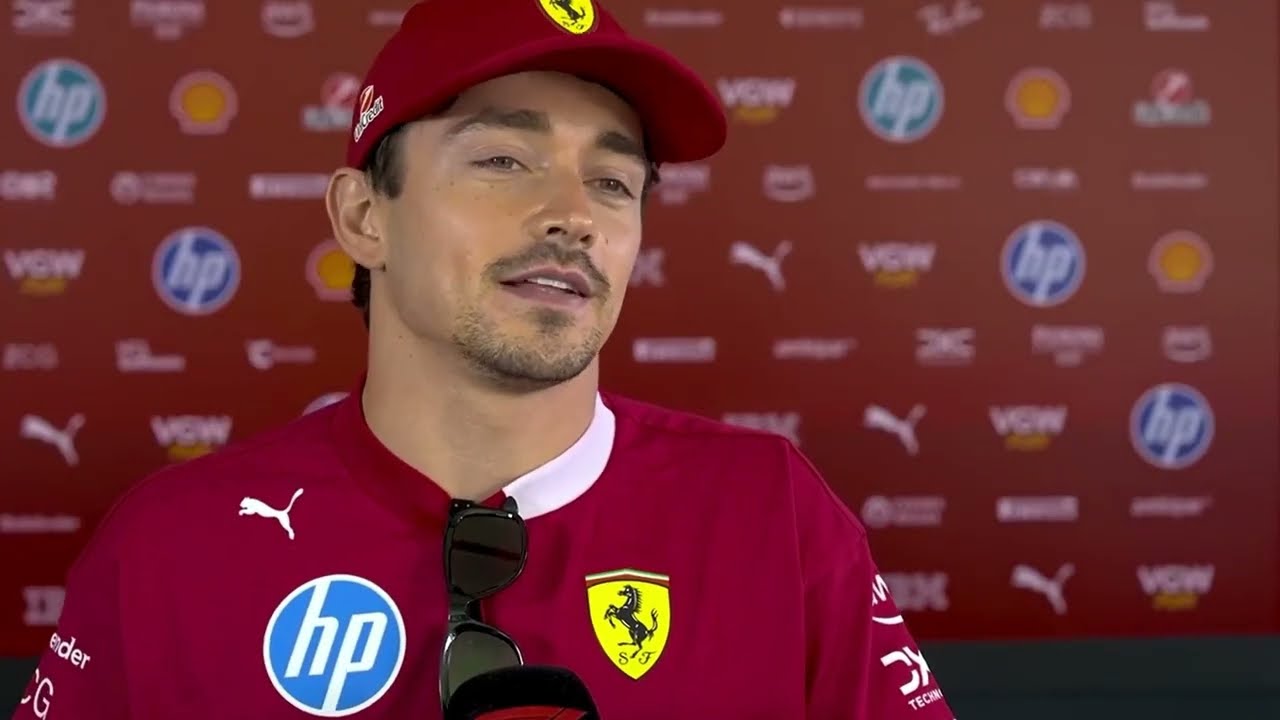
In stark contrast, the Ferrari SF26 ran, in the words of observers, “like a Swiss watch.” There were no plumes of smoke, no frantic radio calls, and no red flags caused by the red car. Charles Leclerc, tasked with the morning driving duties, racked up an impressive 64 laps—nearly a full Grand Prix distance—before the lunch break. For a brand-new car on its very first day of proper running, this level of reliability is nothing short of a monumental achievement.
The Six-Second Gap That Shocked the Paddock
While reliability is the foundation of a championship challenge, speed is the currency. And it was in the wet conditions that the SF26 truly raised eyebrows. Around 10:30 AM, the heavens opened, transforming the technical Barcelona circuit into a treacherous slide. This is usually when drivers tiptoe around, terrified of binning a multimillion-dollar prototype into the barriers.
However, the data leaked from this closed-door session paints a picture of a Ferrari that is incredibly compliant and mechanically gripped up. In these sodden conditions, Charles Leclerc posted a lap time of 1:32.880. To put that into perspective, his main rival on track, Max Verstappen in the Red Bull, clocked a best of 1:38.254.
We must always exercise caution with testing times; fuel loads, engine modes, and tire life are unknown variables. But a gap of nearly six seconds? That is not a margin of error; that is a chasm. It suggests that while the Red Bull may have been struggling for traction or temperature in the tires, the Ferrari was operating in a different window entirely.
This specific performance metric—speed in the wet—is often the truest test of a chassis’s inherent balance. A car that is fast in the rain is a car that talks to the driver. It indicates that the mechanical grip (suspension, chassis flex, weight distribution) and the aerodynamic grip are working in perfect harmony. For a team that has spent recent years fighting cars with unpredictable rear ends and narrow operating windows, this wet-weather prowess is the most encouraging sign imaginable. It implies the SF26 is a “driver’s car,” one that inspires the confidence needed to push to the limit.
Reliability: The New Kingmaker
The significance of Ferrari’s trouble-free day cannot be overstated. The 2026 power unit, designated the PU676, is a complex beast. With increased electrical dependence and sustainable fuels, the engineering challenge is immense. The fact that Ferrari, along with its customer teams who will share this architecture, has produced a unit that can hammer around Barcelona for 64 laps on day one without a hiccup gives them a massive head start.
While Audi and Cadillac engineers were likely burying their heads in laptops trying to solve sensor failures, Ferrari was gathering terabytes of real-world data. They were correlating their wind tunnel numbers with track reality, testing the new active aerodynamics (the rear wing was spotted opening on straights and snapping shut for corners exactly as designed), and letting their drivers get comfortable.
This “early reliability” is a strategic weapon. It frees up the engineering team to focus immediately on performance development—making the car faster—rather than wasting weeks troubleshooting reliability fixes. In a development race, time is the one resource you cannot buy, and Ferrari has just gifted themselves a massive surplus of it.
The Hamilton Factor and a New Era
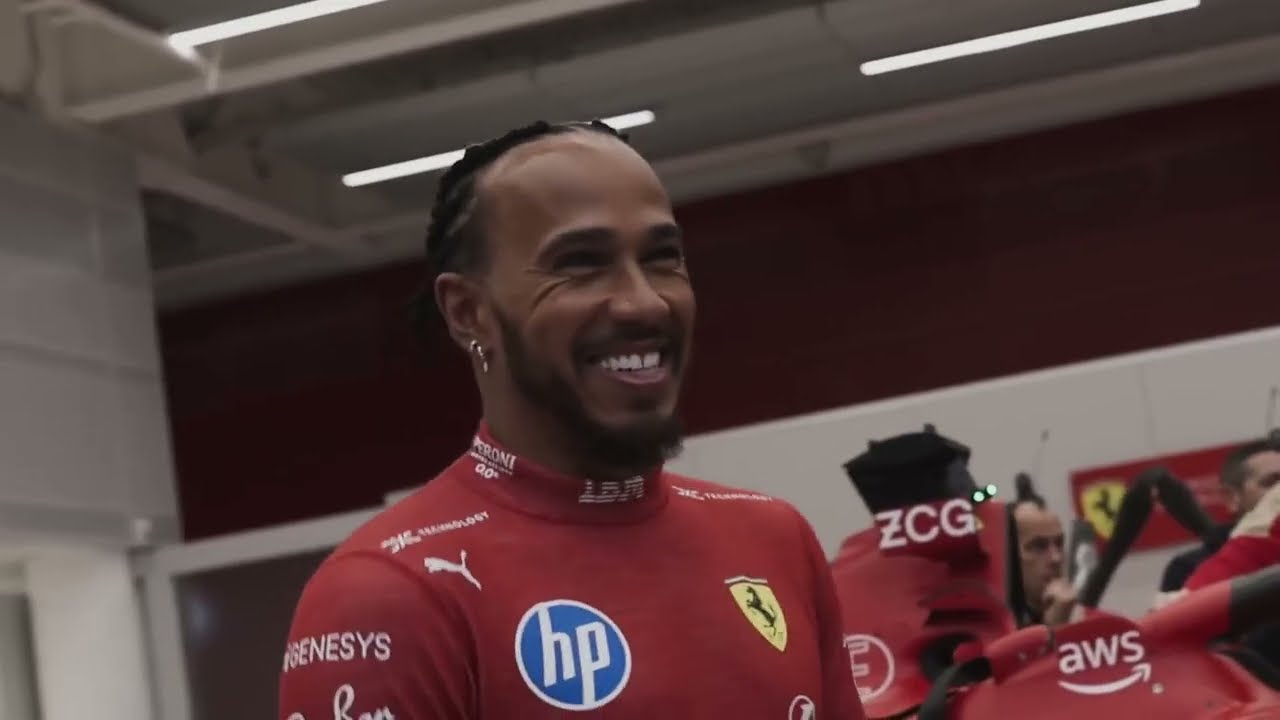
The narrative of the day was inevitably intertwined with the looming presence of Lewis Hamilton. The seven-time World Champion was scheduled to take over the cockpit in the afternoon session, marking his first true outing in the new machinery. The psychological impact of Hamilton’s arrival at Maranello has been palpable. There is a renewed energy, a sharpening of focus, and a sense that the team finally believes it is worthy of a champion.
Interestingly, reports indicate that Hamilton is working with a new race engineer setup, partnering with Bryan Bozzi, who has previously engineered Leclerc. This shift suggests a team willing to restructure and adapt to integrate their superstar signing seamlessly. Hamilton’s feedback on the car, particularly after such a strong baseline established by Leclerc, will be the final piece of the puzzle. If Hamilton exits the car with a smile, the rest of the grid should be genuinely worried.
A Strategic Masterstroke or a False Dawn?
Critics might argue that Ferrari burned a testing day in poor conditions while Mercedes and others saved theirs for a sunny day where they can learn more about ultimate dry pace. It’s a valid argument, but one that misses the psychological nuance of sport.
By running when others hid, Ferrari seized the narrative. They controlled the headlines. They showed the world—and more importantly, themselves—that they are not afraid. The silence from the Mercedes and Alpine garages was deafening in comparison to the roar of the Ferrari V6. Furthermore, if the early season races feature rain (a common occurrence in Melbourne or Imola), Ferrari now sits on a mountain of wet-weather data that their rivals simply do not have.
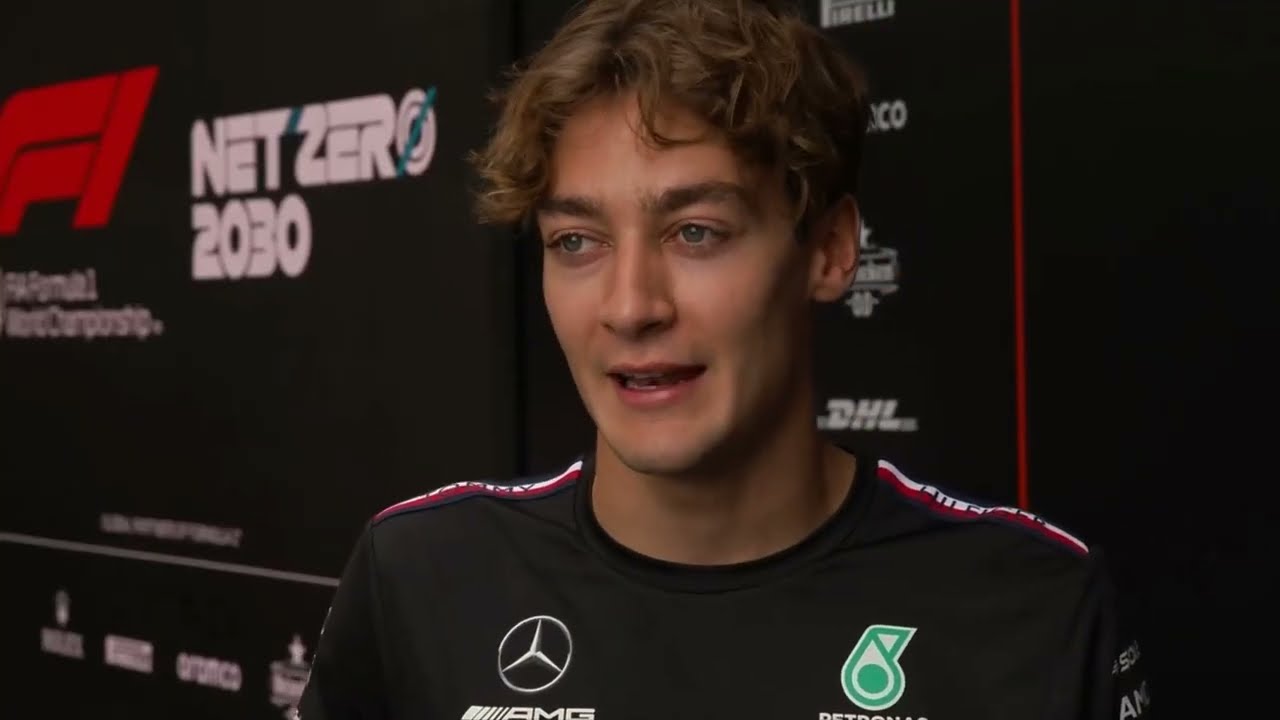
Even George Russell, keeping a watchful eye from the Mercedes camp, was forced to admit he was “impressed” by the sheer volume of laps the Ferrari-powered cars were churning out. When your rivals are complimenting you on day one, you know you’ve done something right.
Conclusion: The Prancing Horse Rears Up
For the Tifosi, the long-suffering fans of the Prancing Horse, this news is the oxygen they have been starving for. After the disappointments of 2025 and the false dawns of previous eras, there is a hesitancy to hope. We have seen Ferrari win winter testing before, only to crumble when the lights go out in Bahrain.
But this feels different. The competence, the quiet confidence, the reliability, and that staggering wet-weather pace all point to a team that has finally done its homework. They haven’t just built a fast car; they’ve built a robust one.
As the sun set over Barcelona—or rather, as the rain clouds lingered—the message was clear. The SF26 is not a concept; it is a contender. Ferrari has passed the first test with flying colors, leaving Red Bull to scratch their heads and the rest of the field playing catch-up. The season hasn’t even started, but the race is already on, and for the first time in a long time, Ferrari is leading the pack.
News

Inside Shane Richie’s love life: Drug – fuelled orgy with six blondes; real reason he split from Coleen Nolan; six-year ‘affair with fan’
Inside Shane Richie’s love life: Orgy with six blondes; real reason he split from Coleen Nolan; six-year ‘affair with fan’ He’s popular with the ladies… Shane Richie…

SH0CKING REVELATI0N:A sh0cking behind-the-scenes secret revealed about Lizzie Rizzini, the woman replacing Carol Kirkwood on the 6pm weather bulletin
BBC viewers still reeling from the departure of Carol Kirkwood got another surprise last night when presenter Lizzie Rizzini appeared to flash her black lace stockings on…

HEARTBREAKING: Peter Andre’s Tearful Message to Son Junior After SHOCKING Revelation About How He Truly Feels Toward Mum Katie Price — Katie Price’s reaction scares fans.
Peter Andre’s emotional message to son Junior after it’s revealed how he really feels about mum Katie Pri… PETER Andre has shared an emotional message to his…

Ben Shephard opens up about the devastating health battle his wife is facing: “She wakes up crying every single morning…”
Inside This Morning Ben Shephard’s Life Including Rarely Seen Wife and Health Battle Ben Shephard is a name synonymous with British television, renowned for his engaging presentation…

🚨 LIVE TV HEARTBREAK: Good Morning Britain Host Announces ‘Devastating’ Dɘath of Guest Minutes Into Show
Viewers of Good Morning Britain were met with heartbreaking news just minutes into Friday’s (January 30) episode, as co-hosts Kate Garraway and Ranvir Singh reported the tragic…

Emmerdale legend Cain Dingle will never be the same again after a shock cancer diagnosis turns his world upside down
FROure Desk. Full Terms and conditions are available on the website http://www.itv.com/presscentre/itvpictures/terms Emmerdale wouldn’t be Emmerdale without the glowering, grunting embodiment of manliness that is Cain Dingle (Jeff Hordley) But…
End of content
No more pages to load






