The world of Formula 1 is rarely just about who drives the fastest car. It is a high-stakes chessboard of political alliances, manufacturer backroom deals, and brutal strategic pivots. As the 2026 season approaches, a seismic shift is occurring in the paddock—one that has left American hopeful Colton Herta fighting for his professional survival while cementing the future of China’s Zhou Guanyu.
The catalyst for this upheaval is the quiet but definitive “breakup” between Ferrari and its long-time customer team, Haas. For years, Haas served as a de facto junior squad for the Scuderia, a place to park developing talent and share technical know-how. But with Haas drifting toward a new, powerful partnership with Toyota Gazoo Racing (TGR), Ferrari found itself in need of a new loyalist. Enter Cadillac, Formula 1’s newest and arguably most ambitious entrant.
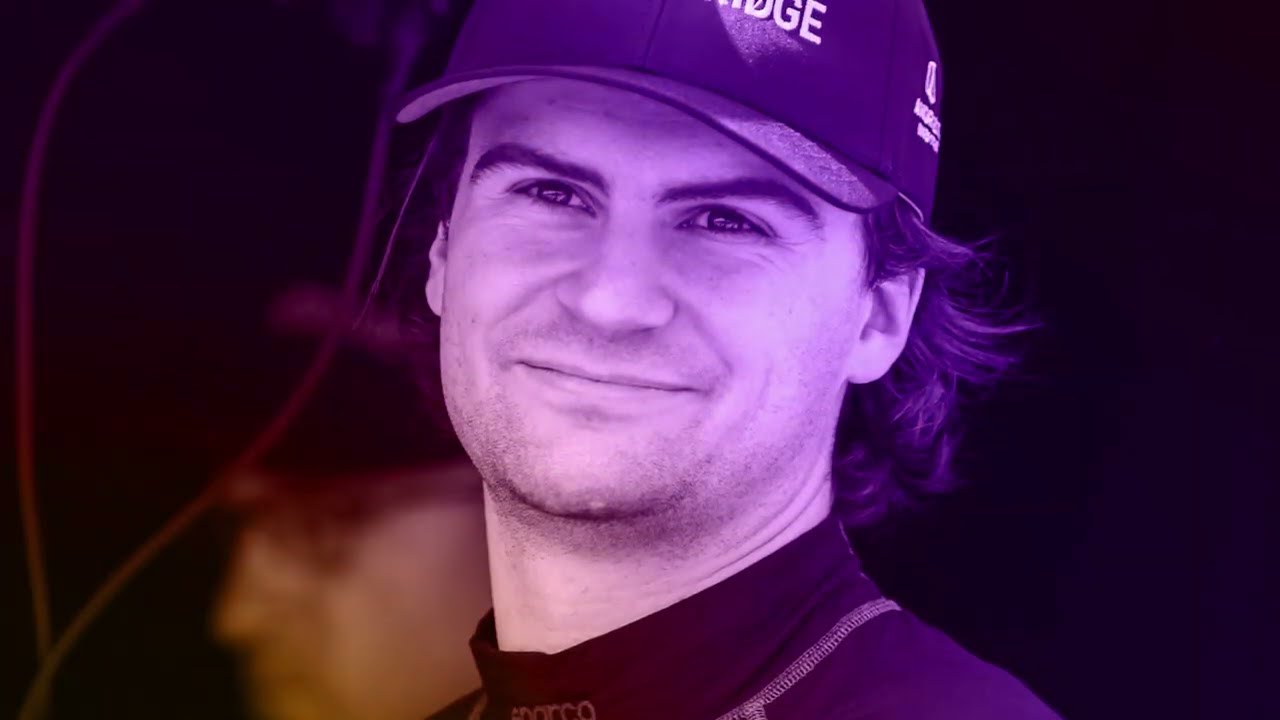
The “American Dream” Meets a Rude Awakening
For fans of American motorsport, the arrival of General Motors’ Cadillac brand was supposed to be the moment the Stars and Stripes finally conquered F1. The narrative was perfect: an American manufacturer bringing an American superstar, Colton Herta, to the global stage. But the reality has proven far harsher.
While Herta has indeed joined the Cadillac fold, it is not as the race driver many hoped for, nor even as the primary reserve. Instead, Herta has been designated a “Test Driver” and sent to Formula 2—the junior feeder series—to earn his stripes. At 26 years old, Herta is older than several established F1 race winners, making his presence in a junior category a high-pressure, public audition that feels dangerously mistimed.
To make matters worse, Cadillac recently confirmed Zhou Guanyu as their official Reserve Driver. Technically, this places the Chinese driver above Herta in the pecking order. If a race driver were to fall ill, it is Zhou, not Herta, who would likely step into the cockpit.
The Zhou Advantage: Experience and Connections
On paper, Zhou’s appointment makes perfect strategic sense. He brings three years of race experience with Sauber and a recent stint as Ferrari’s reserve driver. With Cadillac running Ferrari power units for their first three seasons, Zhou’s intimate knowledge of the Maranello systems is a “plug-and-play” asset that a newcomer like Herta simply cannot match. Cadillac’s primary goal in 2026 is survival—avoiding the embarrassment of mechanical failures—and Zhou is a safe pair of hands to help develop the car.
However, deeper digging reveals a connection that has raised eyebrows in the paddock. Zhou’s long-time manager is none other than Graeme Lowdon, the newly appointed Team Principal of Cadillac F1. While Lowdon insists the decision was based purely on merit, the optics of a team boss hiring his own client have added a layer of intrigue to the announcement. It signals to Herta that talent alone may not be enough to break through the political ceiling of Formula 1.
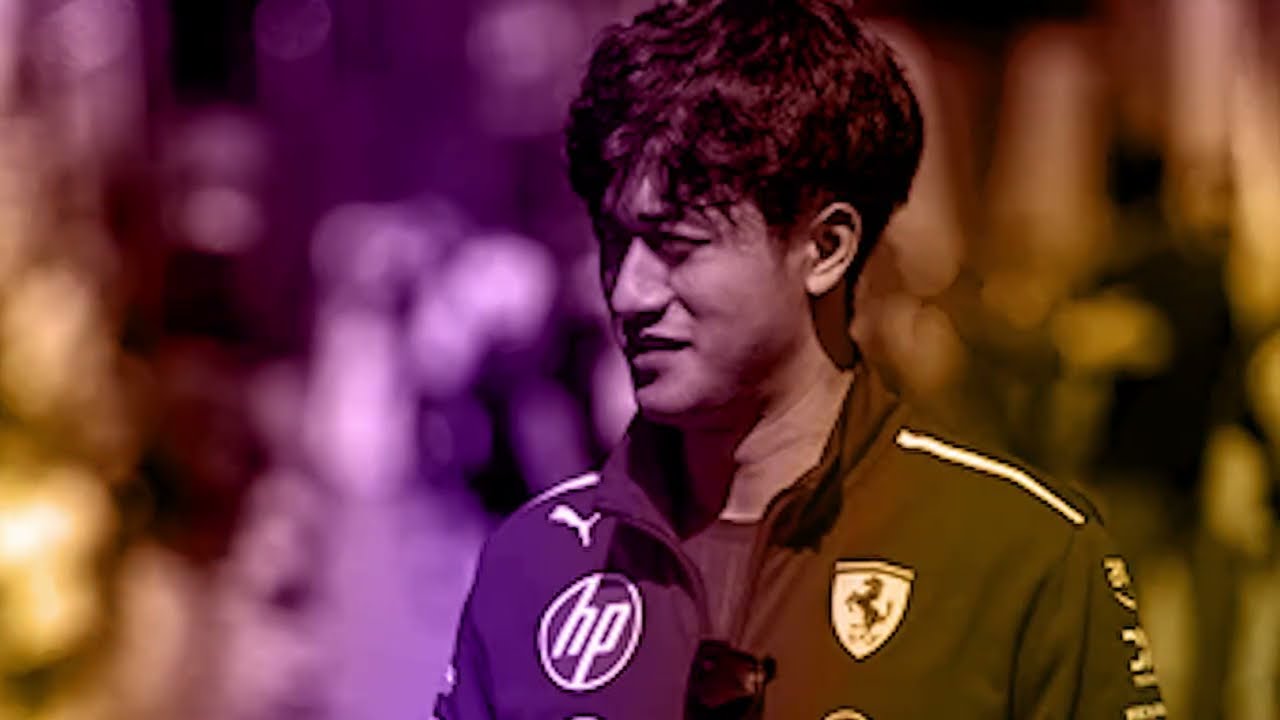
The Proxy War: GM vs. Toyota
Perhaps the most fascinating element of this saga is playing out in the Formula 2 garage of Hitech Grand Prix. In a twist of fate that seems almost scripted, Colton Herta has been paired with Japanese driver Ritomo Miyata.
This is not just a teammate rivalry; it is a corporate proxy war. Herta represents General Motors and Cadillac. Miyata is a factory driver for Toyota, placed there as part of the Japanese giant’s encroach into F1 via Haas.
With Haas pulling away from Ferrari to embrace Toyota, and Cadillac stepping in to fill the void as Ferrari’s new close partner, the Hitech garage has become a microcosm of the grid’s future power struggle. Herta is under immense pressure to beat Miyata. If he fails to outperform a Toyota-backed driver in equal machinery, his claim to a future Cadillac seat weakens significantly. Conversely, if Miyata dominates, it validates Toyota’s push and could see Haas prioritizing Toyota talent over Ferrari juniors in the future.
Ferrari’s Strategic Pivot
For Ferrari, the rise of Cadillac could not have come at a better time. The Italian manufacturer needs a committed partner. The relationship with Haas has soured as the American team asserts its independence through the Toyota deal. Ferrari needs a team that will buy its engines, use its wind tunnel, and potentially field its junior drivers.
Cadillac fits this role perfectly. By agreeing to use Ferrari engines until at least 2028, Cadillac has effectively become the new “B-team” that Haas used to be. This relationship might extend even further. While GM has plans to build its own engine for 2029, the looming possibility of a regulation change in 2031 (rumored to involve a return to V8s or synthetic fuels) could convince GM to delay their engine program. Why spend hundreds of millions developing a complex turbo-hybrid engine that might be obsolete in two years?
If GM decides to stick with Ferrari power for the long haul, the bond between the two giants will only strengthen. This creates a powerful bloc: Ferrari and Cadillac on one side, facing off against the burgeoning alliance of Haas and Toyota.
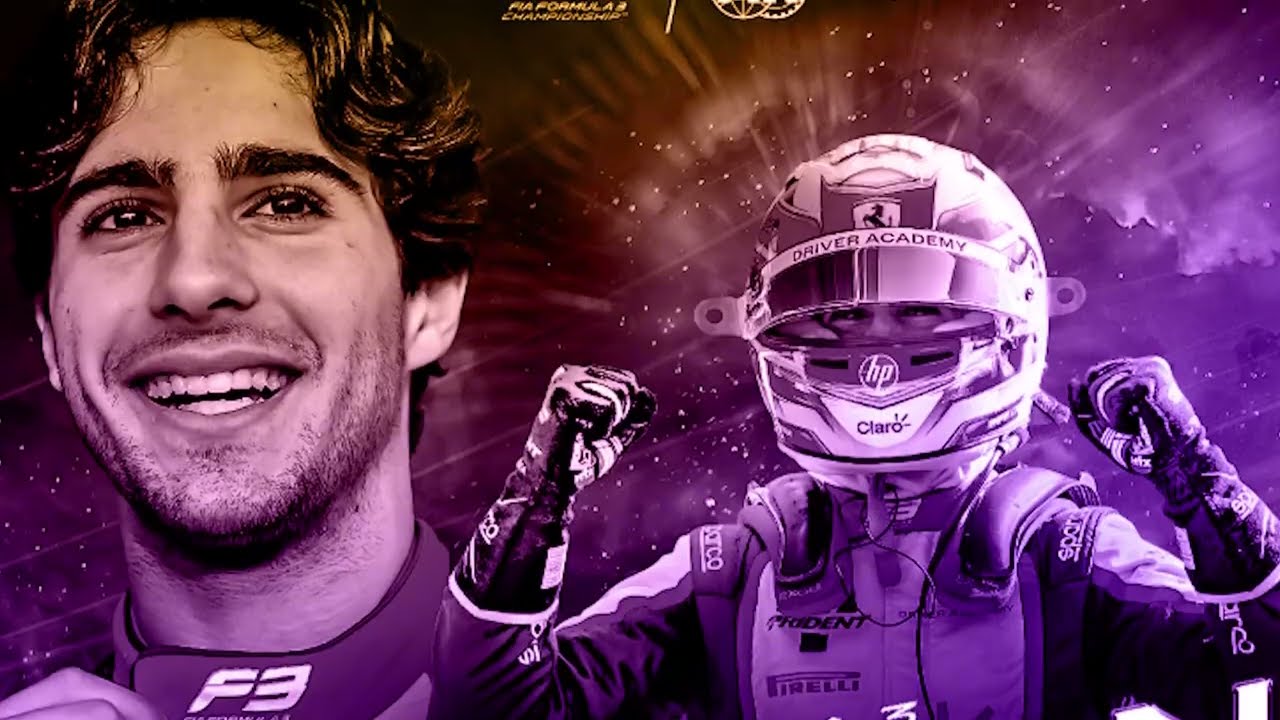
Colton Herta’s Fight for Survival
Caught in the middle of these shifting tectonic plates is Colton Herta. His move to Formula 2 is a gamble of the highest order. He is leaving the security and stardom of IndyCar for a “shark tank” where he is expected to dominate immediately.
If he succeeds, he proves that American talent can translate to European circuits and keeps the Cadillac dream alive. But the path is rigged with obstacles. He is fighting against a younger generation of drivers, a Toyota-backed rival in the same team, and a political structure at Cadillac that has already placed an experienced F1 veteran ahead of him in the queue.
The 2026 season is shaping up to be a cold war of engines and influence. Ferrari has found a new American partner, but for the American driver at the center of it all, the dream of Formula 1 has never looked more like a distant, uphill battle.
News

Inside Shane Richie’s love life: Drug – fuelled orgy with six blondes; real reason he split from Coleen Nolan; six-year ‘affair with fan’
Inside Shane Richie’s love life: Orgy with six blondes; real reason he split from Coleen Nolan; six-year ‘affair with fan’ He’s popular with the ladies… Shane Richie…

SH0CKING REVELATI0N:A sh0cking behind-the-scenes secret revealed about Lizzie Rizzini, the woman replacing Carol Kirkwood on the 6pm weather bulletin
BBC viewers still reeling from the departure of Carol Kirkwood got another surprise last night when presenter Lizzie Rizzini appeared to flash her black lace stockings on…

HEARTBREAKING: Peter Andre’s Tearful Message to Son Junior After SHOCKING Revelation About How He Truly Feels Toward Mum Katie Price — Katie Price’s reaction scares fans.
Peter Andre’s emotional message to son Junior after it’s revealed how he really feels about mum Katie Pri… PETER Andre has shared an emotional message to his…

Ben Shephard opens up about the devastating health battle his wife is facing: “She wakes up crying every single morning…”
Inside This Morning Ben Shephard’s Life Including Rarely Seen Wife and Health Battle Ben Shephard is a name synonymous with British television, renowned for his engaging presentation…

🚨 LIVE TV HEARTBREAK: Good Morning Britain Host Announces ‘Devastating’ Dɘath of Guest Minutes Into Show
Viewers of Good Morning Britain were met with heartbreaking news just minutes into Friday’s (January 30) episode, as co-hosts Kate Garraway and Ranvir Singh reported the tragic…

Emmerdale legend Cain Dingle will never be the same again after a shock cancer diagnosis turns his world upside down
FROure Desk. Full Terms and conditions are available on the website http://www.itv.com/presscentre/itvpictures/terms Emmerdale wouldn’t be Emmerdale without the glowering, grunting embodiment of manliness that is Cain Dingle (Jeff Hordley) But…
End of content
No more pages to load






