The roar of the engines in Barcelona has taken on a significantly more aggressive tone as the latest day of Formula 1 pre-season testing concluded, leaving the paddock in a state of both awe and anxiety. If the first two days were about “shaking down” basic systems, this was the day the 2026 season truly woke up. It was a day defined by startling contrasts: while Mercedes looked like a rejuvenated juggernaut, other heavyweights like Red Bull and the newcomer Audi found themselves staring down the barrel of a reliability and repair crisis.

The Silver Arrows Strike Back The most significant talking point of the session was undoubtedly the performance of Mercedes. After a few lean years in the “ground effect” era, the Brackley-based team seems to have found the magic touch with their new W17. George Russell set the tone early in the morning, clocking a blistering lap time. What made this performance truly terrifying for the rest of the field was the fact that he achieved it on the hardest tire compound. Speed is one thing, but showing that level of pace on the least grippy rubber suggests the car has an immense amount of inherent aerodynamic efficiency.
However, the excitement didn’t stop there. In the afternoon, teenage sensation Kimi Antonelli took the wheel. The young Italian, who has been under the intense spotlight as the “next big thing,” proved the hype is real. Antonelli managed to eclipse Russell’s time, posting the fastest lap of the week. While he was on a softer tire, the ease with which he handled the machine spoke volumes about the W17’s drivability. For a rookie to step into a brand-new technical era and immediately find the limit suggests Mercedes has built a very “compliant” car—a luxury that engineers crave during a major regulation change.
McLaren’s Secret Weapon Debuts While Mercedes was grabbing the headlines with raw speed, the reigning champions, McLaren, finally decided to show their hand. The MCL40 made its long-awaited track debut with Lando Norris at the helm. Cloaked in a “stealth” black testing livery to hide the intricate details of its bodywork, the car looked every bit the title defender.
McLaren’s approach was the definition of “quiet confidence.” They didn’t chase glory laps or low-fuel runs. Instead, they focused on a rigorous program, meticulously checking correlations between their wind tunnel data and real-world track performance. It was a professional display from a team that knows the championship isn’t won in February, but the technical foundation laid here will decide if they can keep the number one plate on Norris’s car.
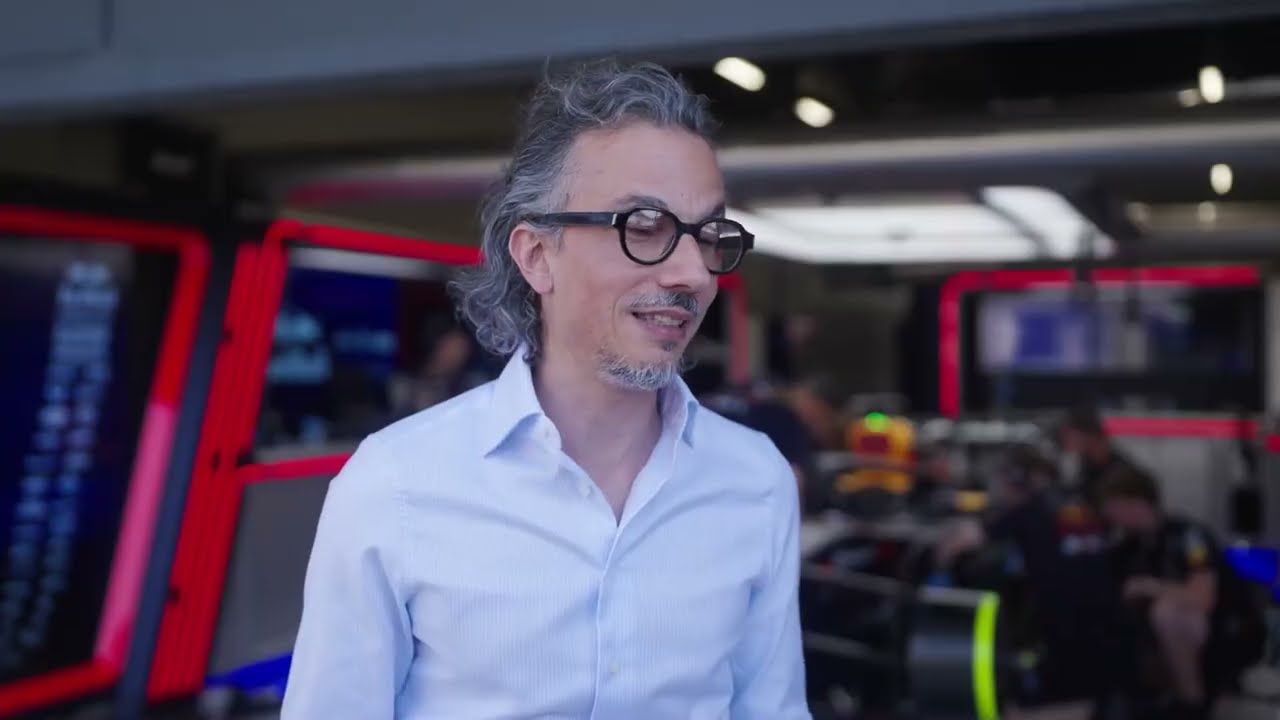
The Nightmare Continues for Audi and Red Bull On the opposite end of the spectrum, the mood was somber in the Audi and Red Bull garages. Audi, entering its debut season with massive expectations, suffered its second major mechanical breakdown in just three days. Nico Hulkenberg was forced to pull over after only a handful of laps due to a recurring powertrain issue. In the world of F1, track time is the most valuable currency, and Audi is currently bankrupt. Every hour spent on a flatbed truck is an hour of data lost that they desperately need to close the gap on established teams.
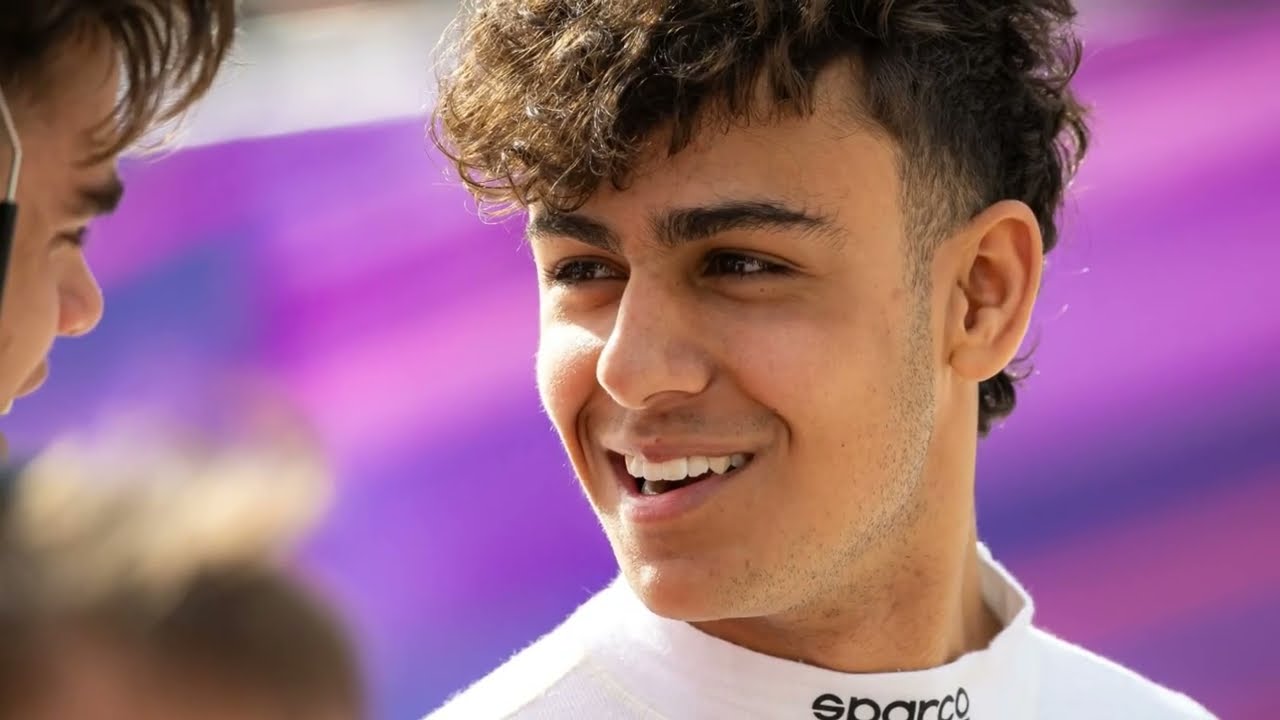
Meanwhile, Red Bull Racing remained conspicuously absent from the track. The team is still reeling from the aftermath of Isack Hadjar’s significant crash earlier in the week. The damage to the RB22 was reportedly extensive enough that the team spent the day behind closed garage doors. For a team that has dominated the last few years, being “on the back foot” this early is a foreign and unwelcome feeling. The loss of a full day of testing in a new regulation cycle is a setback that could haunt them well into the first few races of the season.
Technological Marvels and Environmental Challenges The day wasn’t just a test of speed; it was a test of survival against the elements. Temperatures remained chilly, making it nearly impossible for drivers to get their tires into the ideal operating window. Light rain in the afternoon further complicated matters, turning the Barcelona circuit into a treacherous surface.
These conditions highlighted the complexity of the 2026 machines. With advanced active aerodynamics and new sustainable fuel mixtures, these cars are more sensitive than ever. Even Haas experienced a minor setback when Oliver Bearman had to stop due to a faulty sensor. It serves as a stark reminder that in this new era, a tiny electronic failure can be just as devastating as a major engine blowout.
The Road Ahead As the sun sets on this phase of testing, the pecking order is starting to take a blurry, yet intriguing shape. Mercedes has thrown down a massive gauntlet, showing both the reliability and the raw pace that could signal a return to their dominant years. Alpine and Racing Bulls also enjoyed productive, drama-free sessions, positioning themselves as solid contenders who might just sneak a podium if the top teams stumble.
With very little testing time remaining, the pressure is mounting. Can Ferrari find the “sweet spot” when they return to the track? Can Red Bull repair their car in time to salvage their program? And most importantly, can anyone catch the flying Silver Arrows? One thing is certain: the 2026 F1 season is shaping up to be one of the most unpredictable and high-stakes chapters in the sport’s history.
News

Inside Shane Richie’s love life: Drug – fuelled orgy with six blondes; real reason he split from Coleen Nolan; six-year ‘affair with fan’
Inside Shane Richie’s love life: Orgy with six blondes; real reason he split from Coleen Nolan; six-year ‘affair with fan’ He’s popular with the ladies… Shane Richie…

SH0CKING REVELATI0N:A sh0cking behind-the-scenes secret revealed about Lizzie Rizzini, the woman replacing Carol Kirkwood on the 6pm weather bulletin
BBC viewers still reeling from the departure of Carol Kirkwood got another surprise last night when presenter Lizzie Rizzini appeared to flash her black lace stockings on…

HEARTBREAKING: Peter Andre’s Tearful Message to Son Junior After SHOCKING Revelation About How He Truly Feels Toward Mum Katie Price — Katie Price’s reaction scares fans.
Peter Andre’s emotional message to son Junior after it’s revealed how he really feels about mum Katie Pri… PETER Andre has shared an emotional message to his…

Ben Shephard opens up about the devastating health battle his wife is facing: “She wakes up crying every single morning…”
Inside This Morning Ben Shephard’s Life Including Rarely Seen Wife and Health Battle Ben Shephard is a name synonymous with British television, renowned for his engaging presentation…

🚨 LIVE TV HEARTBREAK: Good Morning Britain Host Announces ‘Devastating’ Dɘath of Guest Minutes Into Show
Viewers of Good Morning Britain were met with heartbreaking news just minutes into Friday’s (January 30) episode, as co-hosts Kate Garraway and Ranvir Singh reported the tragic…

Emmerdale legend Cain Dingle will never be the same again after a shock cancer diagnosis turns his world upside down
FROure Desk. Full Terms and conditions are available on the website http://www.itv.com/presscentre/itvpictures/terms Emmerdale wouldn’t be Emmerdale without the glowering, grunting embodiment of manliness that is Cain Dingle (Jeff Hordley) But…
End of content
No more pages to load






