The Formula 1 landscape is bracing for its most seismic shift in a decade. As the sport hurtles toward the 2026 regulatory overhaul, the paddock is no longer just about who is fastest today, but who is smartest about tomorrow. The introduction of new power unit regulations and the removal of ground effects has created a high-stakes race behind closed doors—one where fortunes are made or broken long before the lights go out in Bahrain.
Based on emerging intel and a deep dive into team preparations, the hierarchy for the new era is already taking shape. The results are surprising, painting a picture of sleeping giants awakening and current titans facing uncertain futures. From rumored engine loopholes to management meltdowns, here is the unvarnished truth about which F1 teams are best and worst prepared for the 2026 revolution.
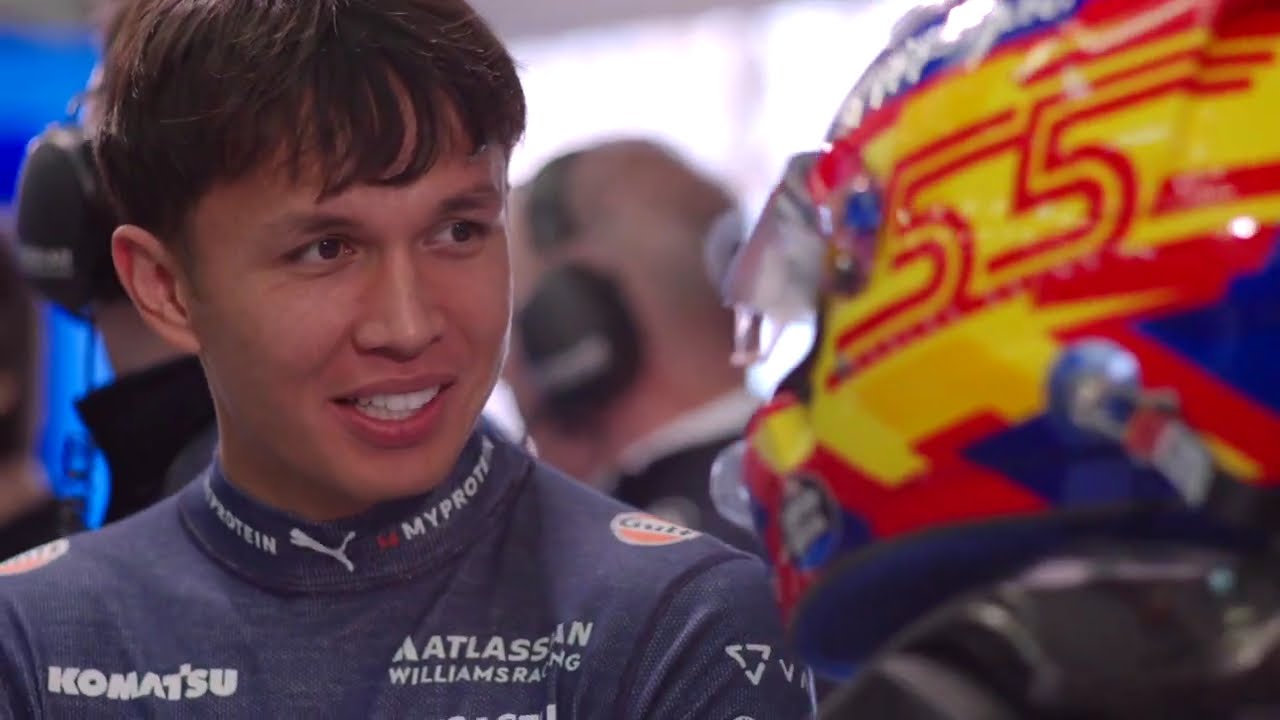
The Silver Arrows Return: Mercedes’ Masterclass in Preparation
If there is one team that keeps rival engineers awake at night regarding 2026, it is Mercedes. After struggling to master the ground effect era of 2022-2025, the Brackley-based squad appears to be channeling the spirit of 2014, where they crushed the field with superior engine technology.
Mercedes is currently viewed as the team most likely to start the new era with a race-winning, and potentially championship-caliber, car. Unlike the volatility seen elsewhere, Mercedes boasts a stability that is becoming increasingly rare. But their confidence isn’t just built on organizational steady hands; it’s built on hardware.
Rumors are swirling that Mercedes, along with the Red Bull-Ford alliance, may have successfully exploited a loophole in the new engine regulations. This technical coup reportedly allows them to run at higher compression ratios, unlocking extra performance and significantly improved fuel efficiency. In an era where energy management will be king, this advantage could be the “silver bullet” that renders their rivals obsolete before the season even begins.
Furthermore, Mercedes has a historic safety net: their ability to develop world-class power units. Even when their chassis faltered in recent years, their engines remained the gold standard for reliability and performance, powering customer teams like McLaren to the front of the grid. With ground effects—Mercedes’ Achilles’ heel—being removed for 2026, the playing field tilts back in their favor. If the battle becomes a straight fight between engine manufacturers and mechanical grip, Mercedes is the safest bet on the grid.
On the driver front, the team is equally secure. George Russell has matured into an undisputed team leader, ready to mount a title charge without the internal friction that cost other teams dearly. With Russell as the clear number one, Mercedes avoids the “two roosters in one henhouse” scenario that threatened to derail McLaren in 2025, ensuring maximum points efficiency.
The Sleeping Giant: Williams’ Strategic Gamble
While Mercedes eyes the crown, their customer team, Williams, is quietly positioning itself as the breakout star of the midfield. Under the astute leadership of James Vowles, Williams has executed a ruthless strategic gamble: sacrificing the present to conquer the future.
Since taking the helm in 2023, Vowles has been transparent about his mission. He identified 2026 not just as an opportunity, but as the year. The team’s approach to the 2025 season was practically a write-off; their car last saw the inside of a wind tunnel in April, months before their rivals stopped development. While other teams burned resources fighting for scraps, Williams was pouring every ounce of capital and brainpower into their 2026 challenger.
This wasn’t a retreat; it was a calculated regrouping. Behind the scenes, massive investment from Dorilton Capital has modernized the team’s antiquated infrastructure. Vowles hasn’t just bought fancy tools; he has overhauled the team’s culture and processes, dragging a historic name back into the modern era.
The results of this discipline were already visible in late 2025. Despite ending development early, the car remained a consistent points scorer—proof that the team finally understands its aerodynamic platform. Combined with a formidable driver lineup anchored by Carlos Sainz, Williams is no longer just making up the numbers. They are the “anti-Aston Martin”—a team where efficiency and clear direction trump flashiness and noise.
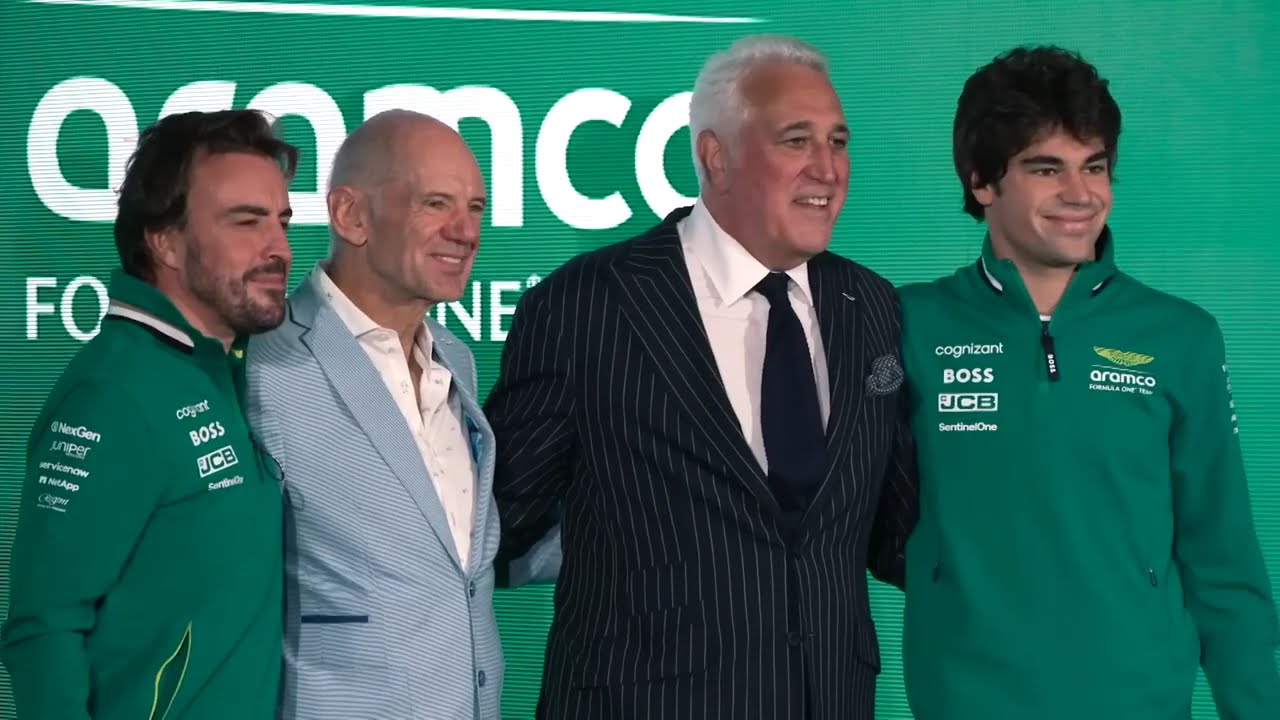
Aston Martin: All the Gear, No Idea?
In stark contrast to the calculated efficiency of Williams lies Aston Martin, a team that seems to have more money than God but struggles to make it count on the tarmac. On paper, they should be unstoppable. They have brand new, state-of-the-art facilities, a partnership with Honda (the engine manufacturer that powered Max Verstappen’s dynasty), and a roster of big-name hires.
However, the reality is far more concerning. Aston Martin has consistently proven to be less than the sum of its parts. Year after year, they start strong only to lose the development war, falling behind leaner, sharper operations. The team is plagued by what appears to be a dysfunctional management structure. The recent reshuffle, which saw design genius Adrian Newey suddenly thrust into the role of Team Principal, reeks of confusion rather than strategy. If Newey was meant to lead, why wasn’t he appointed from day one?
The pressure is now immense. Aston Martin is transitioning to a full works team with Honda, tasked with integrating a complex new power unit, fuel systems, and chassis all at once. This requires perfect harmony between departments—something Aston Martin has historically lacked. With Andy Cowell now managing this integration after being shifted from his previous role, the risks are high.
Furthermore, the refusal to optimize their driver lineup by retaining Lance Stroll remains a glaring competitive handicap. In a sport where championships are won by thin margins, fielding a driver based on ownership rather than merit is a luxury Aston Martin can ill afford in the brutal 2026 landscape.
Red Bull Racing: The Wildcard of the Century
Red Bull Racing enters 2026 as the ultimate enigma. On one hand, betting against them feels foolish. They possess Max Verstappen, a generational talent whose sheer brilliance is worth tenths of a second per lap. They also have a technical team that, even without Adrian Newey, proved in late 2025 that they understand aerodynamics better than almost anyone, successfully turning a slumping car back into a contender.
On the other hand, Red Bull is attempting something historically difficult: building their own engine from scratch. For the first time, they will not be relying on a legacy manufacturer like Renault or Honda but on their fledgling Red Bull Ford Powertrains division. While they have recruited aggressively, hiring 600 staff and building new dynos, they lack the decades of institutional knowledge held by Mercedes or Ferrari.
There is a genuine fear that Red Bull could nail the chassis but arrive with a power unit that is fragile or underpowered. Team Principal Laurent Mekies has notably tempered expectations, admitting it would be “naive” to think they will immediately match Mercedes. However, the 2026 regulations do contain catch-up provisions for lagging engine suppliers, offering a safety net. If Red Bull can survive the initial teething pains, their aero brilliance and Verstappen’s right foot could still make them a threat—but it is the biggest gamble in their history.
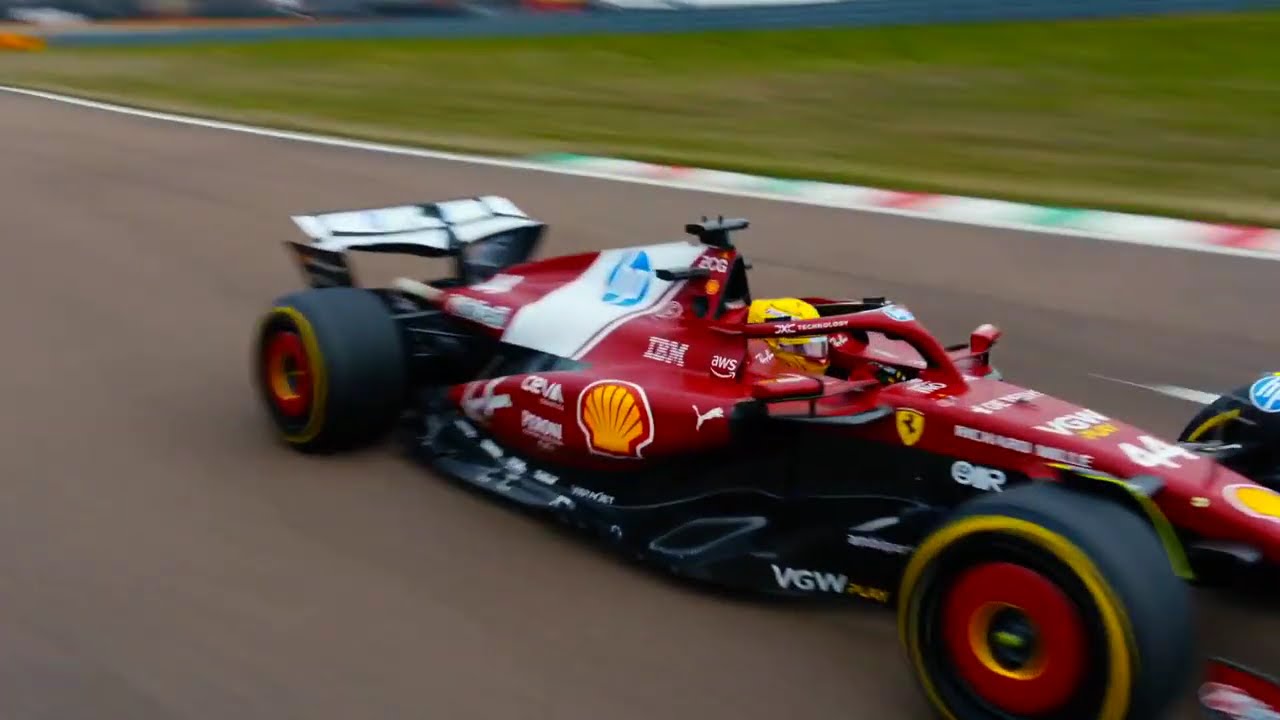
Ferrari: A Legacy in Crisis?
Finally, we turn to Ferrari, the team that is perpetually “winning next year.” Unfortunately, for the Tifosi, the outlook for 2026 is bleak. There is currently no compelling argument for why the Scuderia will be better prepared than Mercedes or even a surging McLaren.
Ferrari’s chronic weakness remains unchanged: an inability to develop a car effectively throughout a season. This flaw was brutally exposed again in 2025, where they regressed so badly it reportedly “broke the spirit” of Lewis Hamilton. The team seems trapped in a cycle of starting with a decent baseline and then engineering themselves backward as the year progresses.
Their strategy for 2026 is already raising eyebrows. Ferrari plans to launch with a “Spec A” car solely for testing mileage, pushing the release of their actual race car (“Spec B”) to the absolute last minute before the Australian Grand Prix. While this maximizes development time in theory, it is a high-risk strategy that leaves zero margin for error. If the Spec B car has correlation issues, their season is effectively over before it begins.
For Charles Leclerc, patience must be wearing thin. If 2026 is another repeat of the 2022 heartbreak—teasing victory only to collapse into uncompetitiveness—it could be the final straw that pushes their star driver out of Maranello.
The Verdict
The 2026 regulations promise to reset the board, but the pieces are already moving. Mercedes appears to be the grandmaster, holding the aces of engine stability and driver harmony. Williams is the plucky upstart playing a perfect tactical game. Meanwhile, Aston Martin and Ferrari seem lost in their own complexity, fighting internal demons as much as the stopwatch. And Red Bull? They remain the dangerous wildcard, walking a tightrope between glory and disaster.
As the engines fire up for this brave new world, one thing is certain: the race for 2026 has already been won and lost in the factories, long before the lights go out.
News

Inside Shane Richie’s love life: Drug – fuelled orgy with six blondes; real reason he split from Coleen Nolan; six-year ‘affair with fan’
Inside Shane Richie’s love life: Orgy with six blondes; real reason he split from Coleen Nolan; six-year ‘affair with fan’ He’s popular with the ladies… Shane Richie…

SH0CKING REVELATI0N:A sh0cking behind-the-scenes secret revealed about Lizzie Rizzini, the woman replacing Carol Kirkwood on the 6pm weather bulletin
BBC viewers still reeling from the departure of Carol Kirkwood got another surprise last night when presenter Lizzie Rizzini appeared to flash her black lace stockings on…

HEARTBREAKING: Peter Andre’s Tearful Message to Son Junior After SHOCKING Revelation About How He Truly Feels Toward Mum Katie Price — Katie Price’s reaction scares fans.
Peter Andre’s emotional message to son Junior after it’s revealed how he really feels about mum Katie Pri… PETER Andre has shared an emotional message to his…

Ben Shephard opens up about the devastating health battle his wife is facing: “She wakes up crying every single morning…”
Inside This Morning Ben Shephard’s Life Including Rarely Seen Wife and Health Battle Ben Shephard is a name synonymous with British television, renowned for his engaging presentation…

🚨 LIVE TV HEARTBREAK: Good Morning Britain Host Announces ‘Devastating’ Dɘath of Guest Minutes Into Show
Viewers of Good Morning Britain were met with heartbreaking news just minutes into Friday’s (January 30) episode, as co-hosts Kate Garraway and Ranvir Singh reported the tragic…

Emmerdale legend Cain Dingle will never be the same again after a shock cancer diagnosis turns his world upside down
FROure Desk. Full Terms and conditions are available on the website http://www.itv.com/presscentre/itvpictures/terms Emmerdale wouldn’t be Emmerdale without the glowering, grunting embodiment of manliness that is Cain Dingle (Jeff Hordley) But…
End of content
No more pages to load






