The dawn of a new era in Formula 1 is always accompanied by a mixture of apprehension, excitement, and wild speculation. However, the commencement of the 2026 pre-season testing in Barcelona has delivered something entirely different: a bizarre cocktail of extreme secrecy, heavy-handed security, and unexpectedly robust performance that has left the paddock buzzing. As the covers were finally lifted—albeit strictly behind closed doors—on the sport’s radical new regulations, the narrative quickly shifted from “how slow will they be?” to “why on earth was everyone so worried?”
The Great Wall of Barcelona
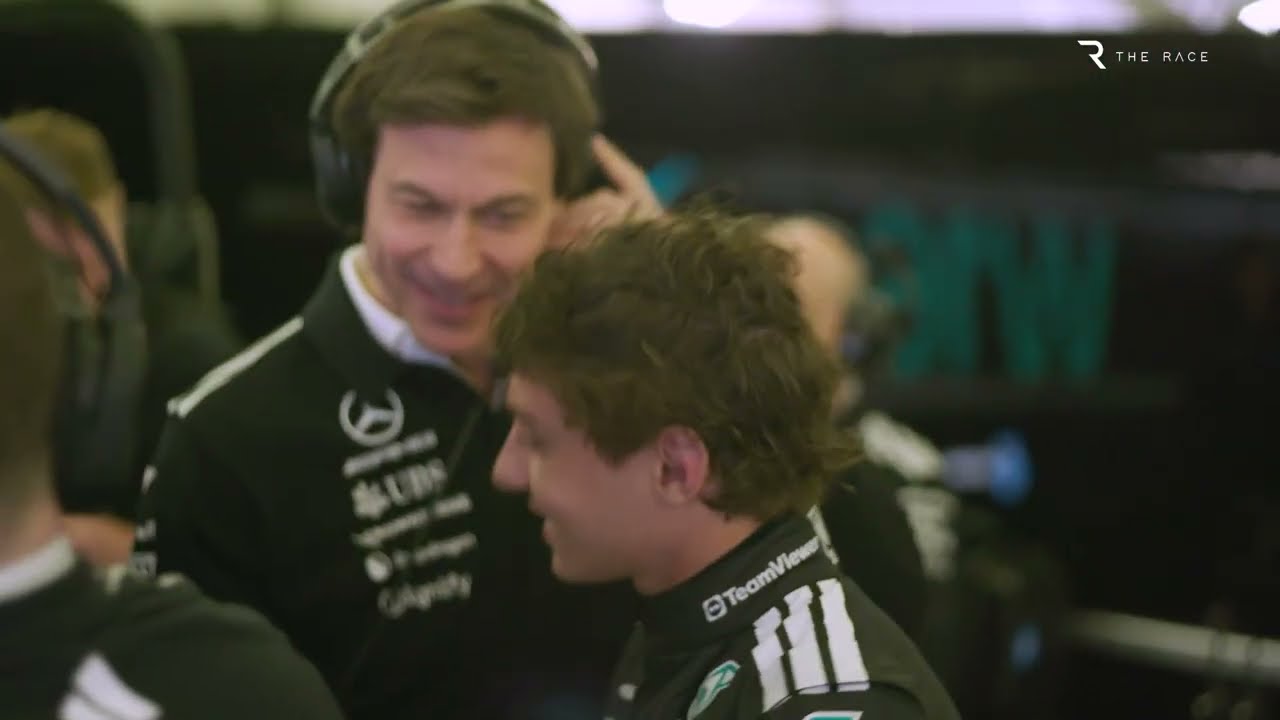
If you were hoping to catch a glimpse of the new generation of F1 machinery from the grandstands or the surrounding hills of the Circuit de Barcelona-Catalunya, you were likely met not with the roar of engines, but with the stern face of security. In a move unprecedented in the modern era, this test was conducted under a strict “media blackout,” with no live broadcast and an aggressive clampdown on spectators.
Reports from the ground paint a picture of paranoia that bordered on the absurd. Security presence escalated to the point of police involvement, with onlookers threatened with fines simply for trying to find a vantage point to watch the cars. Access was locked down, and even a brief flicker of live timing data that appeared on day one was quickly extinguished, plunging fans back into the dark.
The irony of this “Fort Knox” approach is palpable. The primary justification for such secrecy was a pervasive fear among teams and the sport’s commercial rights holders that the new cars might be embarrassing—slow, unreliable, or prone to breaking down every few laps. It was a defensive measure designed to hide a potential disaster. Yet, as the cars hit the track, it became immediately clear that the secrecy was not only unnecessary but a massive missed opportunity. Instead of a PR nightmare, F1 had a success story on its hands that it refused to let anyone see.
The Reliability Miracle
Cast your mind back to 2014, the last time F1 underwent such a seismic shift in engine regulations with the introduction of the V6 turbo hybrids. That first test at Jerez was a graveyard of broken dreams and silent pit lanes. The entire grid managed a pitiful 93 laps combined on the opening day, with cars sputtering to a halt and mechanics scratching their heads.
Fast forward to 2026, and the contrast could not be starker. The fear of a 2014-style meltdown evaporated within the first hour. Mercedes, Red Bull, and Haas didn’t just survive; they thrived. Several individual teams managed to beat that 2014 total of 93 laps all on their own.
Mercedes, the team that defined the early hybrid era, seems poised to repeat history. They were the first out of the pits, with their new challenger running flawlessly in the hands of both George Russell and the young sensation Kimi Antonelli. Racking up over 100 laps, the team exuded a quiet confidence that should worry their rivals. But perhaps the biggest shock came from the reigning champions.
Red Bull’s Engine Gamble Pays Off
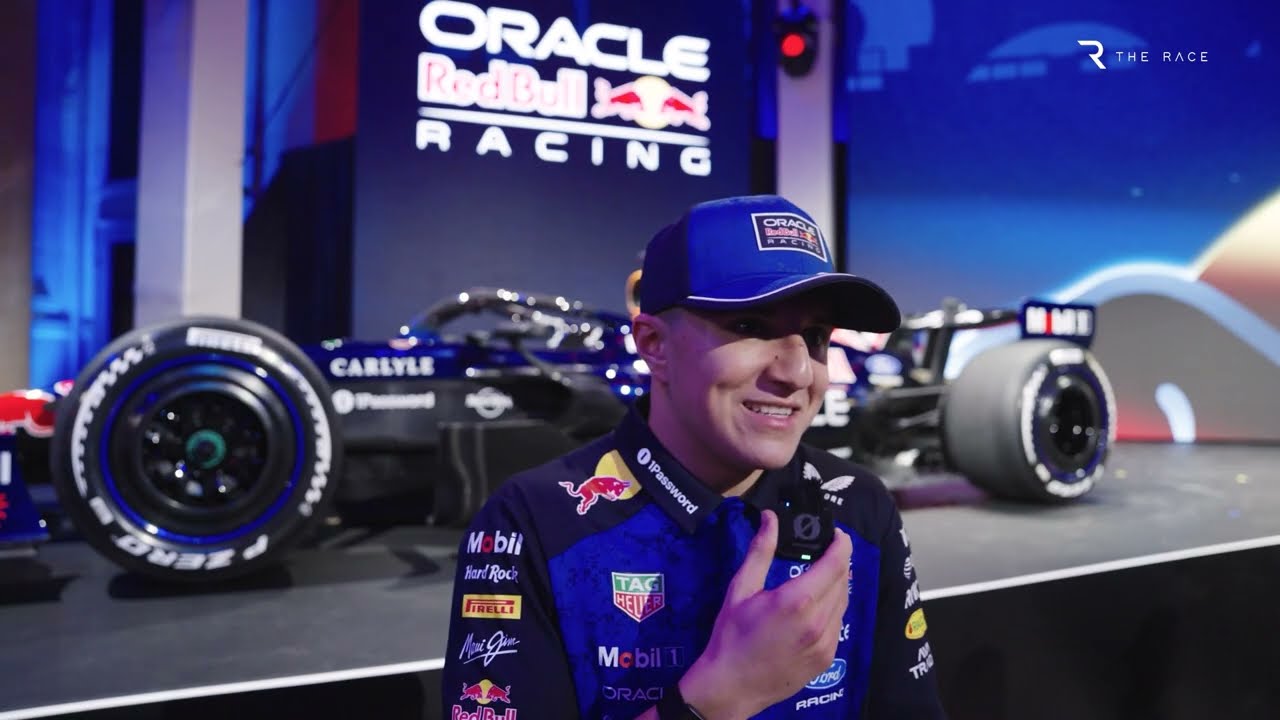
For years, the biggest question mark hanging over the 2026 regulations was Red Bull’s decision to become an independent engine manufacturer. Building a complex hybrid power unit from scratch is a task that has humbled giants of the automotive industry. Many predicted the RB22 would be a “crisis car,” plagued by technical gremlins as the team learned the ropes of engine building.
Instead, Isack Hadjar, piloting the new Red Bull, set the fastest time on Monday and logged over 100 laps. The team admitted they were “surprised” to manage far more mileage than expected, but the paddock took notice. If Red Bull has hit the ground running with their very first in-house engine, the rest of the grid is in serious trouble. Their reliability was matched by Haas, where Esteban Ocon punished the new Ferrari power unit for a whopping 154 laps, proving that the Scuderia has also done its homework.
The Strugglers: New Kids on the Block
However, it wasn’t smooth sailing for everyone. The test brutally exposed the mountain that new entrants must climb. Audi, the German giant taking over the Sauber entry, suffered the kind of day many feared would be universal. A technical issue sidelined their car after just 27 laps, and they failed to reappear for the rest of the day. For a manufacturer with such a pedigree, it was a humbling start and a reminder of the brutality of F1 engineering.
Even further back was Cadillac. As F1’s newest and arguably most hyped addition, the American outfit faced a harsh reality check. They were unsurprisingly adrift on pace—roughly 6.5 seconds off the leaders—and struggled to accumulate mileage. Sergio Perez, taking over from Valtteri Bottas, admitted to “a lot of issues,” and the team stuck to a planned non-running day on Tuesday. While they are treating this week as an extended shakedown, the gap in performance is a stark visual representation of the challenge ahead.
A New Breed of Beast
So, what are these cars actually like to drive? The 2026 regulations call for lighter, smaller cars with narrower tires and an engine formula where the electrical component (MGUK) provides nearly 50% of the power. This massive reliance on battery power created fears of “Frankenstein” cars that would need to drive strangely to save energy.
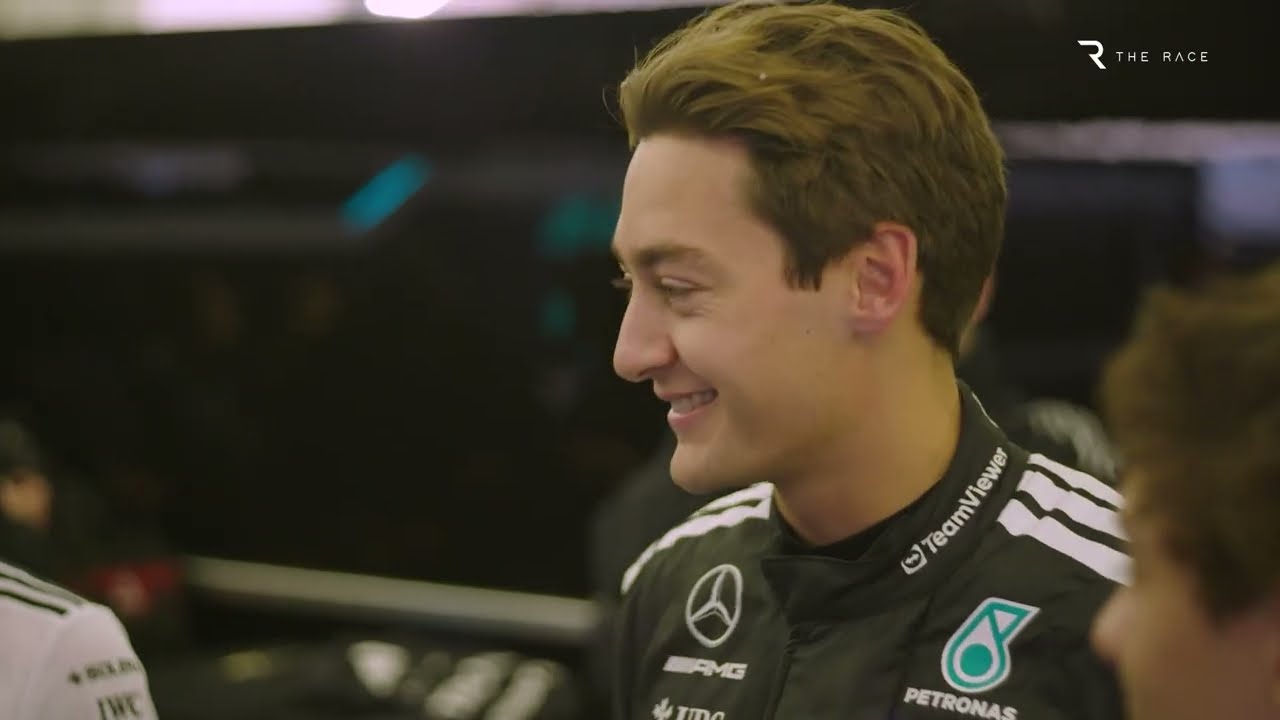
The drivers, however, are pleasantly surprised. George Russell described the speed on the main straight as the fastest he has ever seen, calling the driving experience “intuitive.” The cars are more nimble, shedding the lethargic, boat-like feel of the ground-effect era. Drivers like Liam Lawson and Isack Hadjar noted that the cars are more “predictable,” allowing the driver to make more of a difference.
Visually, there is a new, alarming feature: the flashing rear lights. In previous years, these lights warned of rain or harvesting at specific points. Now, due to the energy-starved nature of the engines, the lights are flashing almost constantly—in high-speed corners and on straights—signaling that the car is “derating” or not at full power. It serves as a constant, flickering warning to following drivers of massive closing speeds, a visual representation of the complex energy management war being fought in the cockpit.
The Verdict on Speed
One of the biggest talking points leading up to 2026 was the fear that the cars would be significantly slower, perhaps barely faster than F2 cars. While Isack Hadjar’s fastest time was about seven seconds off the 2025 pole, context is king.
Historical data from rule changes in 2014, 2019, and 2022 suggests that cars typically find about 2.4 seconds of pace between the first day of testing and the end of the week. By the time the first race arrives, they are usually only 2.8 to 4 seconds off previous records. Considering these engines are in their infancy, the target of being only “a couple of seconds” slower than the 2025 cars looks highly achievable. The “slow car” myth has effectively been busted.
Conclusion
The first test of 2026 will go down in history as a strange anomaly. It was a triumph of engineering and preparation that was treated like a state secret. The teams have delivered reliable, fast, and challenging cars that have defied the doom-mongers. The only failure here belongs to the decision-makers who, out of fear, locked the fans out of witnessing a remarkably successful start to F1’s new future.
As the police cordons are lifted and the teams head toward the first race, one thing is clear: the pecking order has been reset, the engines are ready, and the panic was for nothing. Well, unless you’re Audi or Cadillac. For them, the panic is just beginning.
News

Inside Shane Richie’s love life: Drug – fuelled orgy with six blondes; real reason he split from Coleen Nolan; six-year ‘affair with fan’
Inside Shane Richie’s love life: Orgy with six blondes; real reason he split from Coleen Nolan; six-year ‘affair with fan’ He’s popular with the ladies… Shane Richie…

SH0CKING REVELATI0N:A sh0cking behind-the-scenes secret revealed about Lizzie Rizzini, the woman replacing Carol Kirkwood on the 6pm weather bulletin
BBC viewers still reeling from the departure of Carol Kirkwood got another surprise last night when presenter Lizzie Rizzini appeared to flash her black lace stockings on…

HEARTBREAKING: Peter Andre’s Tearful Message to Son Junior After SHOCKING Revelation About How He Truly Feels Toward Mum Katie Price — Katie Price’s reaction scares fans.
Peter Andre’s emotional message to son Junior after it’s revealed how he really feels about mum Katie Pri… PETER Andre has shared an emotional message to his…

Ben Shephard opens up about the devastating health battle his wife is facing: “She wakes up crying every single morning…”
Inside This Morning Ben Shephard’s Life Including Rarely Seen Wife and Health Battle Ben Shephard is a name synonymous with British television, renowned for his engaging presentation…

🚨 LIVE TV HEARTBREAK: Good Morning Britain Host Announces ‘Devastating’ Dɘath of Guest Minutes Into Show
Viewers of Good Morning Britain were met with heartbreaking news just minutes into Friday’s (January 30) episode, as co-hosts Kate Garraway and Ranvir Singh reported the tragic…

Emmerdale legend Cain Dingle will never be the same again after a shock cancer diagnosis turns his world upside down
FROure Desk. Full Terms and conditions are available on the website http://www.itv.com/presscentre/itvpictures/terms Emmerdale wouldn’t be Emmerdale without the glowering, grunting embodiment of manliness that is Cain Dingle (Jeff Hordley) But…
End of content
No more pages to load






