The secretive world of Formula 1 has once again descended upon the Circuit de Barcelona-Catalunya, but this isn’t just another routine winter warm-up. This is the dawn of the 2026 era, a radical overhaul of the sport’s technical regulations that promised to shake the foundations of the grid. As the garage doors roll up and the engines fire, the initial whispers of fear have been replaced by the roar of shocking revelation.
From “secret holes” drilled into the chassis of the top contenders to a humiliating no-show by one of the sport’s most historic marques, the first pre-season test has delivered more drama in a few days than some entire seasons. The FIA tried to keep the details under wraps, but the sheer scale of innovation—and failure—happening in Barcelona is simply too big to hide.
The Verdict: Fear vs. Reality
For months, the paddock was rife with anxiety. The 2026 regulations, characterized by increased electrical reliance and movable aerodynamics, were predicted by doomsayers to produce heavy, sluggish cars that would be a nightmare to drive. The concern was palpable: would the pinnacle of motorsport be reduced to a procession of cumbersome tractors?
Fortunately, as the first laps were turned, those fears evaporated into the Spanish air. The initial feedback from the cockpit has been overwhelmingly, and surprisingly, positive.
Mercedes driver George Russell was among the first to dispel the myths, beaming with optimism. “The cars look really cool out on the circuit, and that’s positive for our sport,” Russell noted. “They are quite different for us as drivers, but once you get your head around it, driving them is quite intuitive. It’s enjoyable being behind the wheel.”
This sentiment is echoed across the grid. Kimi Antonelli, Russell’s teammate, described the machine as “very nice to drive,” while Audi’s Gabriel Bortoleto praised the “very cool” feel of the new power units. But perhaps the most telling comment came from Liam Lawson of Racing Bulls, who highlighted a shift that purists have been praying for: the return of driver influence.
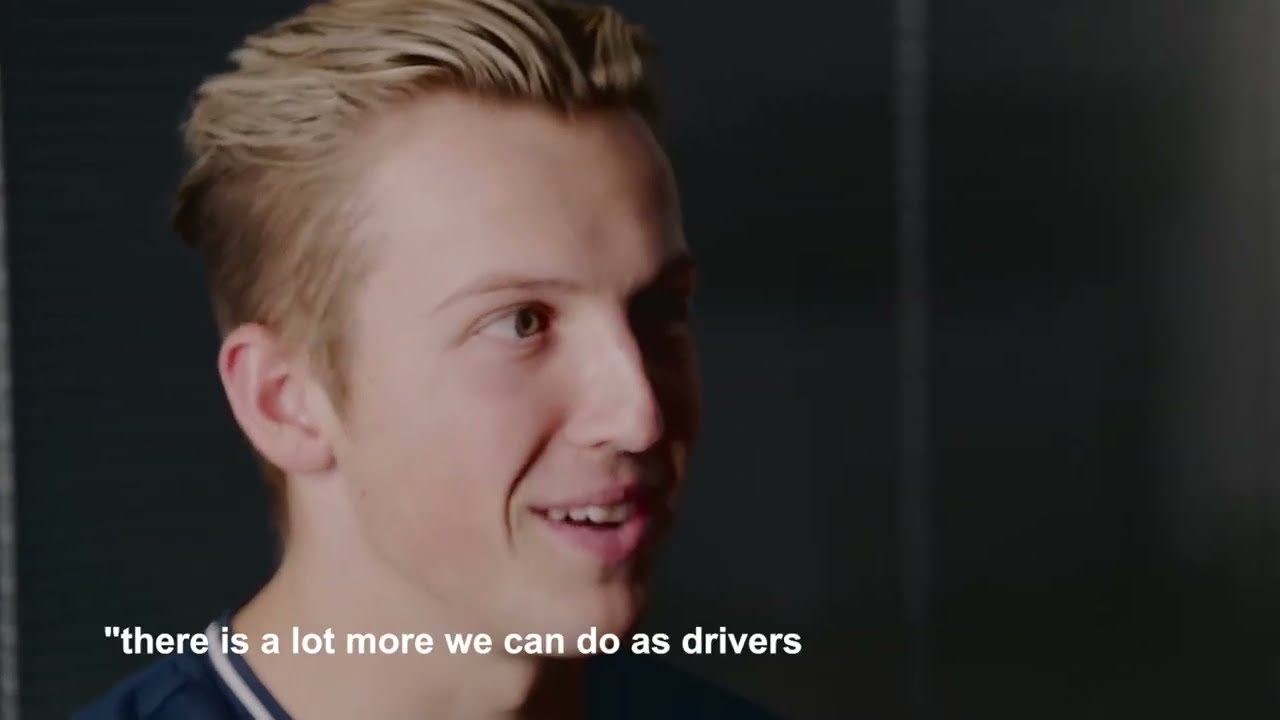
“There is a lot more we can do as drivers to make a difference,” Lawson revealed. In an era where the car has often accounted for 90% of the performance—leaving talented drivers languishing at the back merely due to machinery—this regulation change seems to have struck a golden balance. The consensus is clear: the cars are harder to tame, but they reward bravery and skill in a way recent generations have not.
The “Magic Hole”: A Technical Convergence
While the drivers are enjoying the handling, the technical analysts in the pit lane have spotted something far more intriguing. A technical secret has been revealed, and it seems the “Big Three”—Red Bull, Ferrari, and Mercedes—have all stumbled upon the same loop-hole.
Observers noticed a distinct “hole” positioned low to the ground at the rear of these cars. This opening connects the undercut at the back of the sidepod directly into the diffuser. In the high-stakes game of F1 aerodynamics, when three fierce rivals independently arrive at the same “unusual” solution, you know it’s a game-changer.
So, what is this hole? Under the 2026 rules, the cars feature simpler, flatter floors compared to the complex “ground effect” tunnels of the 2022-2025 era. This means the floor naturally generates less downforce. To compensate, teams are desperate to supercharge the diffuser.
This “slotted diffuser” concept works by channeling airflow from the sidepods through the hole to accelerate the air rushing into the diffuser. In aerodynamic terms, faster airflow equals lower pressure, which equals more suction—and thus, more grip. It is a brilliant, albeit unexpected, interpretation of the new rules.
Alpine’s Technical Director David Sanchez admitted the design was “unusual” and an “interesting interpretation,” hinting that while it wasn’t a total surprise, it is likely that every other team on the grid is now scrambling to copy it. In F1, if you aren’t innovating, you’re losing. And right now, the top teams have found a way to claw back the downforce the FIA tried to take away.
The Physics of Speed: Torque and “Anti-Dirty Air”
The sensory experience of the 2026 cars is also proving to be a radical departure from the past. Valtteri Bottas, making a romantic return to the grid with Cadillac, provided a fascinating insight into the new handling characteristics.
“There is definitely a big difference to before,” Bottas explained. “You have a bit less load, especially in the high-speed corners… but with a Power Unit (PU), you have so much more torque out of the corners.”
This creates a dynamic driving challenge. The cars, producing less aerodynamic grip, are slightly slower through the apex of a turn. However, the massive increase in electrical torque means they explode out of the corners with astonishing acceleration. This “point-and-shoot” style requires delicate throttle management and strategic battery deployment, adding another layer of complexity for the drivers.
Furthermore, the reduction in downforce has a massive side benefit: the reduction of “dirty air.” Red Bull’s Isack Hadjar noted that the cars are “more predictable” and simpler to handle. Less dirty air means cars can follow each other closely without sliding around or overheating their tires. The dream of sustained, wheel-to-wheel combat—proper dogfights rather than DRS-assisted drive-bys—looks closer to reality than it has in decades.
Physically, the cars have shrunk. They are 200mm shorter, 100mm narrower, and 30kg lighter. While 30kg might sound negligible in a road car, in F1, it’s a massive reduction that drivers like Russell can physically feel. The cars are nimbler, more responsive, and less tank-like.
The Williams Catastrophe: A Giant Stumbles
However, amidst the technical marvels and driver praise, there is a dark cloud hanging over the paddock, and it is hovering directly over the Williams garage.
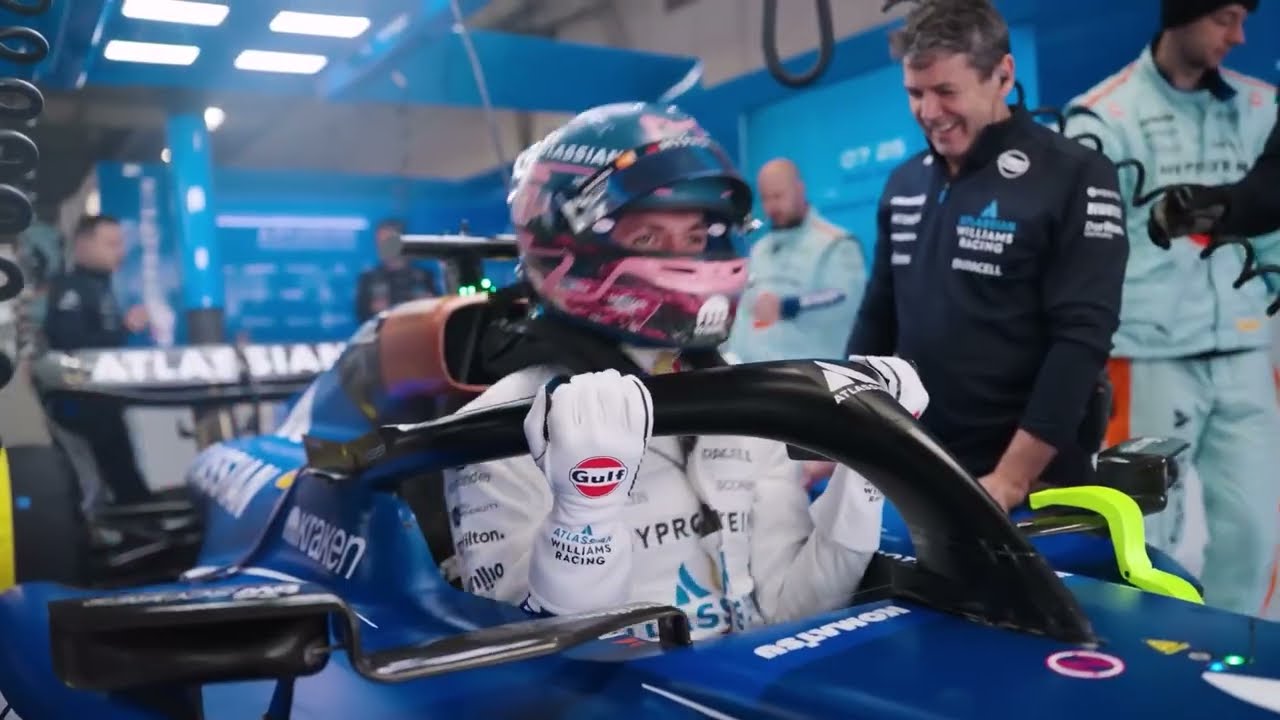
In a shocking turn of events, the Williams F1 team is missing the entire first pre-season test in Barcelona. For a team that targeted 2026 as their great leap forward, missing three out of the nine available testing days is nothing short of a catastrophe.
The team released a carefully worded statement claiming that “not committing to the Barcelona test… was a better engineering outcome,” citing that they were “pushing to the limit of performance.” They argued that rushing a sub-optimal car to the track would be less beneficial than finishing their “homework” at the factory.
But the paddock isn’t buying it. As one analyst brutally put it, “It’s like coming into class and telling your teacher that you haven’t done your homework because you’re doing a way better job than anyone else.”
The reality is stark: Williams does not have a car ready to run. Rumors have been swirling wildly, with some whispers suggesting the car was initially 50kg overweight—a defect that would cost seconds per lap—or that they failed a crucial nose cone crash test. While sources indicate the crash test issues have been resolved and the weight rumors may be exaggerated, the silence from the factory is deafening.
To make matters worse, the team has canceled their physical livery launch, moving it to a virtual event to avoid distractions and, presumably, awkward questions. In a sport where mileage is king, sitting on the sidelines while your rivals gather terabytes of data is a death sentence for early-season competitiveness.
The only silver lining for the historic British outfit is that their engine partner, Mercedes, has produced a reliable power unit, as evidenced by the high mileage of the factory team. But an engine without a chassis is just an expensive paperweight.
Conclusion: A Season of Secrets
As the sun sets on the first test in Barcelona, the narrative of the 2026 season is already being written. We have a grid of cars that are faster and more exciting than predicted, a technical war centering on “magic holes” and airflow manipulation, and a heartbreaking crisis at one of the sport’s most beloved teams.
The drivers are smiling, the engineers are drilling, and the fans are waiting with bated breath. If Barcelona is the appetizer, the main course in Bahrain promises to be a feast of speed, scandal, and surprise. The new era of Formula 1 isn’t coming; it’s already here, and it’s more ruthless than ever.
News

Inside Shane Richie’s love life: Drug – fuelled orgy with six blondes; real reason he split from Coleen Nolan; six-year ‘affair with fan’
Inside Shane Richie’s love life: Orgy with six blondes; real reason he split from Coleen Nolan; six-year ‘affair with fan’ He’s popular with the ladies… Shane Richie…

SH0CKING REVELATI0N:A sh0cking behind-the-scenes secret revealed about Lizzie Rizzini, the woman replacing Carol Kirkwood on the 6pm weather bulletin
BBC viewers still reeling from the departure of Carol Kirkwood got another surprise last night when presenter Lizzie Rizzini appeared to flash her black lace stockings on…

HEARTBREAKING: Peter Andre’s Tearful Message to Son Junior After SHOCKING Revelation About How He Truly Feels Toward Mum Katie Price — Katie Price’s reaction scares fans.
Peter Andre’s emotional message to son Junior after it’s revealed how he really feels about mum Katie Pri… PETER Andre has shared an emotional message to his…

Ben Shephard opens up about the devastating health battle his wife is facing: “She wakes up crying every single morning…”
Inside This Morning Ben Shephard’s Life Including Rarely Seen Wife and Health Battle Ben Shephard is a name synonymous with British television, renowned for his engaging presentation…

🚨 LIVE TV HEARTBREAK: Good Morning Britain Host Announces ‘Devastating’ Dɘath of Guest Minutes Into Show
Viewers of Good Morning Britain were met with heartbreaking news just minutes into Friday’s (January 30) episode, as co-hosts Kate Garraway and Ranvir Singh reported the tragic…

Emmerdale legend Cain Dingle will never be the same again after a shock cancer diagnosis turns his world upside down
FROure Desk. Full Terms and conditions are available on the website http://www.itv.com/presscentre/itvpictures/terms Emmerdale wouldn’t be Emmerdale without the glowering, grunting embodiment of manliness that is Cain Dingle (Jeff Hordley) But…
End of content
No more pages to load






