The industrial, concrete grandeur of Kraftwerk Berlin provided the perfect, haunting backdrop for what was supposed to be a celebration of German engineering and corporate ambition. On a crisp evening in the heart of Europe, the covers were finally pulled off the Audi R26, the machine tasked with spearheading the automaker’s multi-billion Euro assault on the pinnacle of motorsport.
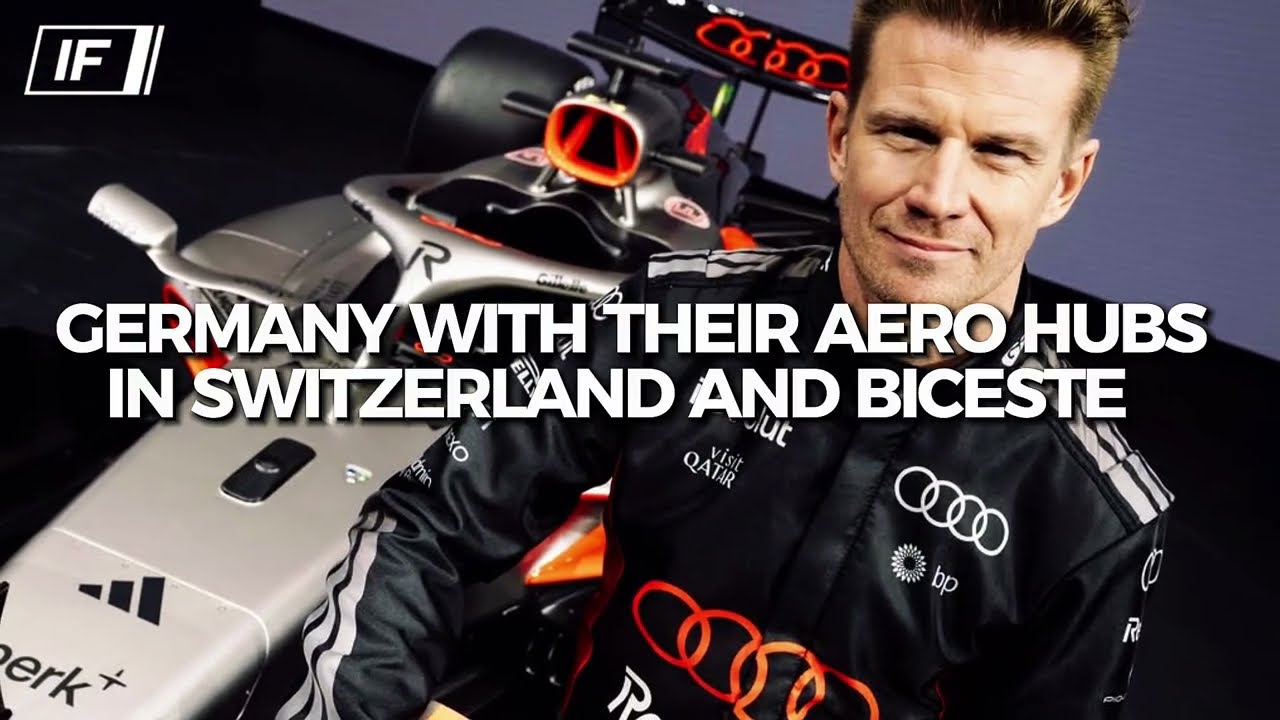
The car itself is a visual triumph—a sophisticated blend of raw titanium finishing at the front, bleeding into a menacing red and black rear, punctuated by the iconic Four Rings. It signals clearly: Audi isn’t here to make up the numbers; they are here to conquer. Yet, beneath the flashing strobes and the perfectly curated PR speeches from team boss Mattia Binotto, a technical storm of biblical proportions is brewing. As the champagne corks popped in Berlin, the mood in the wider Formula 1 paddock was darkening, dominated by whispers of loopholes, “cheeky” engineering tricks, and a looming war over engine legality that could define the 2026 season before a single wheel has turned in anger.
The “Compression Ratio” Controversy
While the world marveled at the R26’s aggressive “coke bottle” packaging and its new Adidas and Revolut branding, the real story was happening behind closed doors. Reports have surfaced that rival manufacturers—specifically Mercedes and the Red Bull-Ford alliance—may have discovered a controversial loophole in the 2026 technical regulations.
The issue centers on “compression ratios” within the new internal combustion engines. The rumor tearing through the paddock suggests that these established giants have engineered a system that produces one perfectly legal sensor reading when the car is stationary (such as during an FIA scrutineering check) and a vastly different, high-performance reading once the car is thundering down a straight.
Audi’s Technical Director, James Key, appeared visibly frustrated when pressed on the matter in Berlin. His response was less a denial and more of a warning shot across the bow of the sport’s governing body. Key drew chilling parallels to the infamous 2009 season, where Brawn GP exploited the “double diffuser” loophole, effectively rendering every other car on the grid obsolete overnight.
“Audi would never accept a compromise on this,” Key stated, his tone suggesting that the German manufacturer is already lobbying hard behind the scenes. For a newcomer to position themselves as the “moral guardian” of the regulations is a bold move. It implies two things: firstly, that Audi is supremely confident in the legality of their own Neuburg-built power unit; and secondly, that they are terrified their billion-dollar investment is about to be undermined by a piece of clever engineering trickery from the old guard.
A “Works” Team in Every Sense
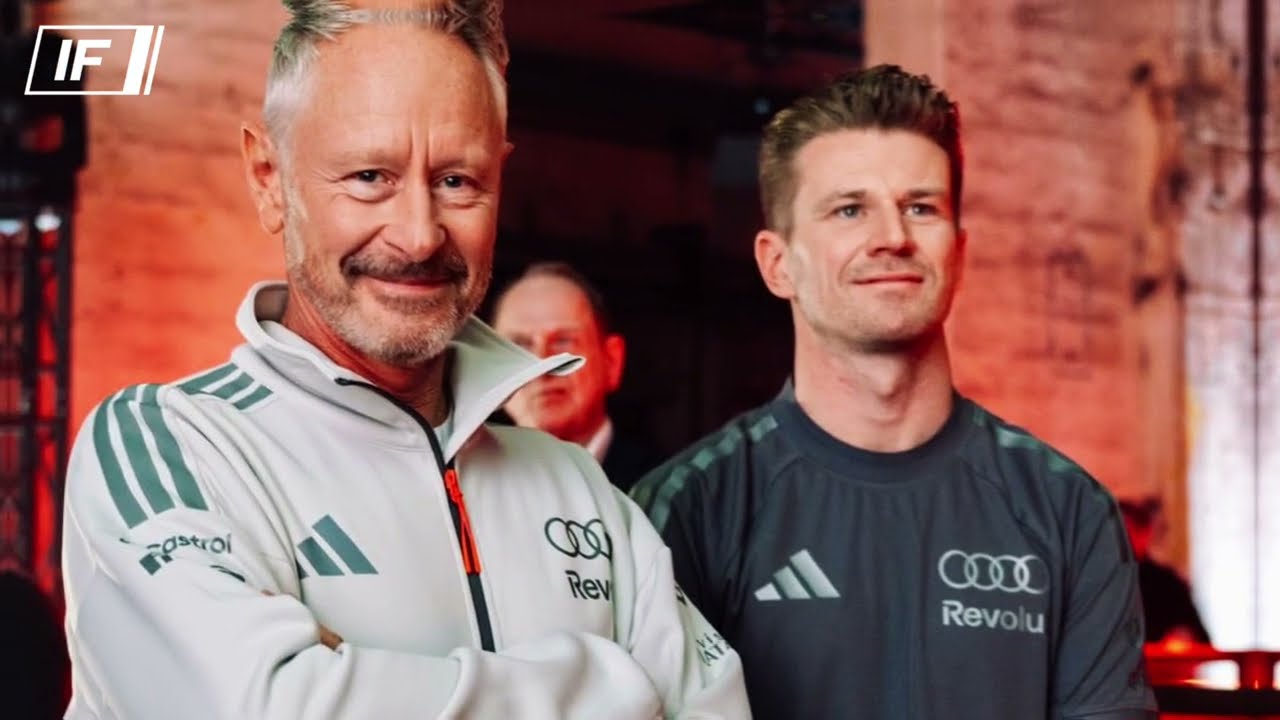
Away from the brewing legal battles, the launch served as a powerful statement of intent regarding Audi’s organizational structure. Mattia Binotto, the former Ferrari team principal now steering the Audi ship, was keen to dismantle the narrative that this project is simply “Sauber with a new sticker.”
Binotto emphasized the “absolute works nature” of the team. Unlike customer teams that must bolt a foreign engine into their chassis, the R26 is the result of a single, breathing organism. The power unit from Neuburg, Germany, and the chassis from Hinwil, Switzerland, have been developed in total unison. In the 2026 era, where the power split is almost 50/50 between the internal combustion engine and the 350-kilowatt electrical system, this synergy is not just a luxury—it is a necessity.
Audi has spent years building a technical infrastructure that bridges the geographical gap between its German engine hubs and Swiss aero departments. The goal is to eliminate the compromises that plague teams like McLaren or Williams, who must design their cars around an engine package they have zero control over.
The Technical Challenge: Efficiency is King
The R26 is a fascinating beast technically. The 2026 regulations have removed the MGU-H (the complex heat recovery system), a change made specifically to entice manufacturers like Audi into the sport. This shifts the focus entirely to the kinetic recovery system (MGU-K) and the efficiency of the V6 engine.
The challenge is immense: manufacturers are aiming for a total system output of over 1,000 horsepower, but half of that power now comes from a battery that drains rapidly. This is where the “compression ratio” drama becomes critical. If a team can squeeze more power out of the fuel combustion process via a loophole, they rely less on the battery, giving them a massive tactical advantage over a race distance.
Visually, the R26 features a tight rear-end packaging, hinting at significant breakthroughs in the miniaturization of the cooling and ERS components. The car is narrower and lighter than its 2025 predecessors, featuring active aerodynamics on both the front and rear wings to slash drag on the straights. It is a design philosophy that screams Vorsprung durch Technik—advancement through technology.
The Human Element: Experience Meets Raw Potential
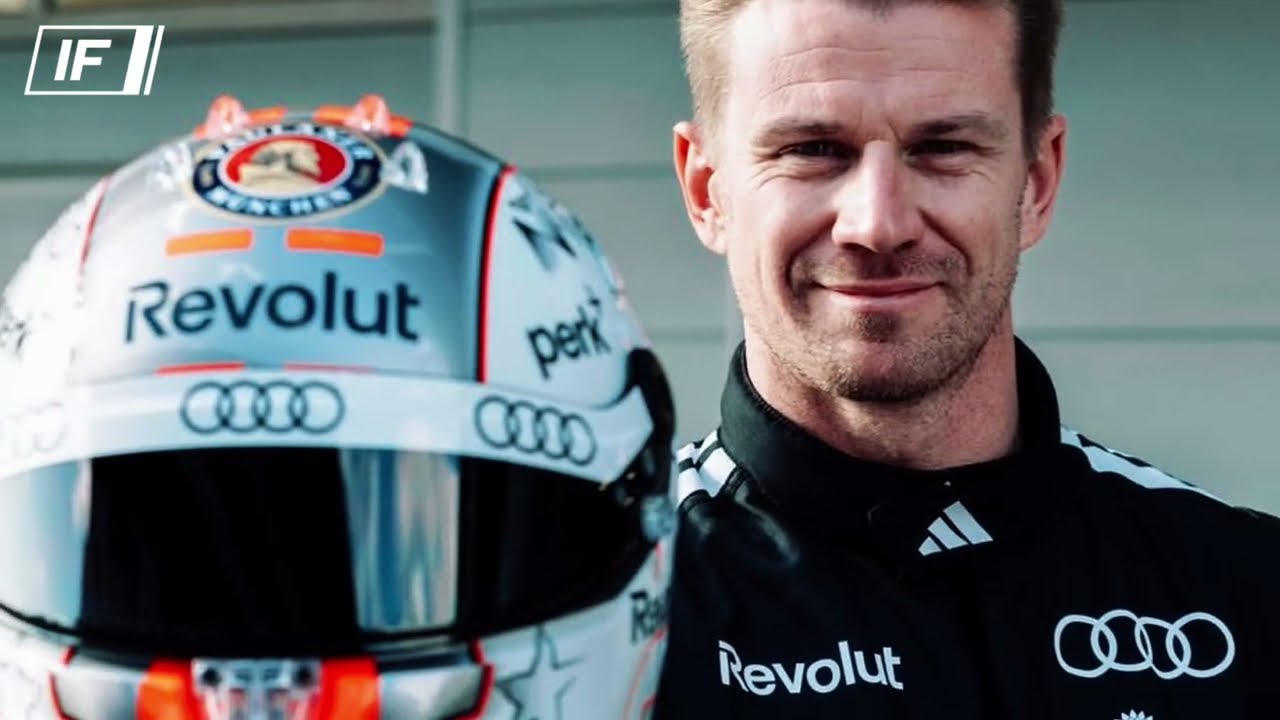
To pilot this complex machine, Audi has selected a driver pairing that balances extreme pressure with safe hands. Nico Hülkenberg, the veteran German racer, returns to a works seat after a career spent extracting miracles from midfield machinery. His role is clear: lead the development, provide honest feedback, and be the benchmark.
Beside him sits Gabriel Bortoleto, the rookie carrying the weight of the world on his shoulders. Audi’s decision to pair a raw talent with Hülkenberg is a gamble, but a calculated one. They believe Bortoleto’s blistering speed, refined by Hülkenberg’s mentorship, creates the perfect recipe for their “challenger phase.”
The Looming Bloodbath
As the F1 circus prepares for the first official shakedown in Barcelona—notably held behind closed doors by Audi—the tension is palpable. The alleged preseason meetings have been described as a “bloodbath” of engineers arguing over thermodynamic theory and sensor readings.
Audi is walking a tightrope. Binotto is managing expectations, claiming 2026 is about “attitude and perception” rather than immediate podiums. He wants Audi to be seen as a serious professional outfit that makes the big teams nervous. However, if the FIA allows the alleged loopholes to stand, the board of directors in Ingolstadt will be asking difficult questions.
For the fans, this friction is perfect. A docile Audi would have been boring. An angry, politically aggressive Audi that is already throwing shade at Mercedes and Red Bull? That is exactly what the sport needs. The R26 is just the hardware; the software is the political war Audi has just launched.
If their reliability holds up—and German testing protocols suggest it will—Audi predicts a debut season of “cautious dominance.” While rivals might have higher peak performance through trickery, Audi is betting on the fact that to finish first, first you must finish.
The paddock is officially on notice. The “Four Rings” haven’t just arrived to race; they’ve arrived to rewrite the rules of engagement. And if the rumors of engine wars are true, the 2026 season is going to be one of the most explosive in Formula 1 history.
News

Inside Shane Richie’s love life: Drug – fuelled orgy with six blondes; real reason he split from Coleen Nolan; six-year ‘affair with fan’
Inside Shane Richie’s love life: Orgy with six blondes; real reason he split from Coleen Nolan; six-year ‘affair with fan’ He’s popular with the ladies… Shane Richie…

SH0CKING REVELATI0N:A sh0cking behind-the-scenes secret revealed about Lizzie Rizzini, the woman replacing Carol Kirkwood on the 6pm weather bulletin
BBC viewers still reeling from the departure of Carol Kirkwood got another surprise last night when presenter Lizzie Rizzini appeared to flash her black lace stockings on…

HEARTBREAKING: Peter Andre’s Tearful Message to Son Junior After SHOCKING Revelation About How He Truly Feels Toward Mum Katie Price — Katie Price’s reaction scares fans.
Peter Andre’s emotional message to son Junior after it’s revealed how he really feels about mum Katie Pri… PETER Andre has shared an emotional message to his…

Ben Shephard opens up about the devastating health battle his wife is facing: “She wakes up crying every single morning…”
Inside This Morning Ben Shephard’s Life Including Rarely Seen Wife and Health Battle Ben Shephard is a name synonymous with British television, renowned for his engaging presentation…

🚨 LIVE TV HEARTBREAK: Good Morning Britain Host Announces ‘Devastating’ Dɘath of Guest Minutes Into Show
Viewers of Good Morning Britain were met with heartbreaking news just minutes into Friday’s (January 30) episode, as co-hosts Kate Garraway and Ranvir Singh reported the tragic…

Emmerdale legend Cain Dingle will never be the same again after a shock cancer diagnosis turns his world upside down
FROure Desk. Full Terms and conditions are available on the website http://www.itv.com/presscentre/itvpictures/terms Emmerdale wouldn’t be Emmerdale without the glowering, grunting embodiment of manliness that is Cain Dingle (Jeff Hordley) But…
End of content
No more pages to load






